
Hotels by Trip.com
Flights by Trip.com
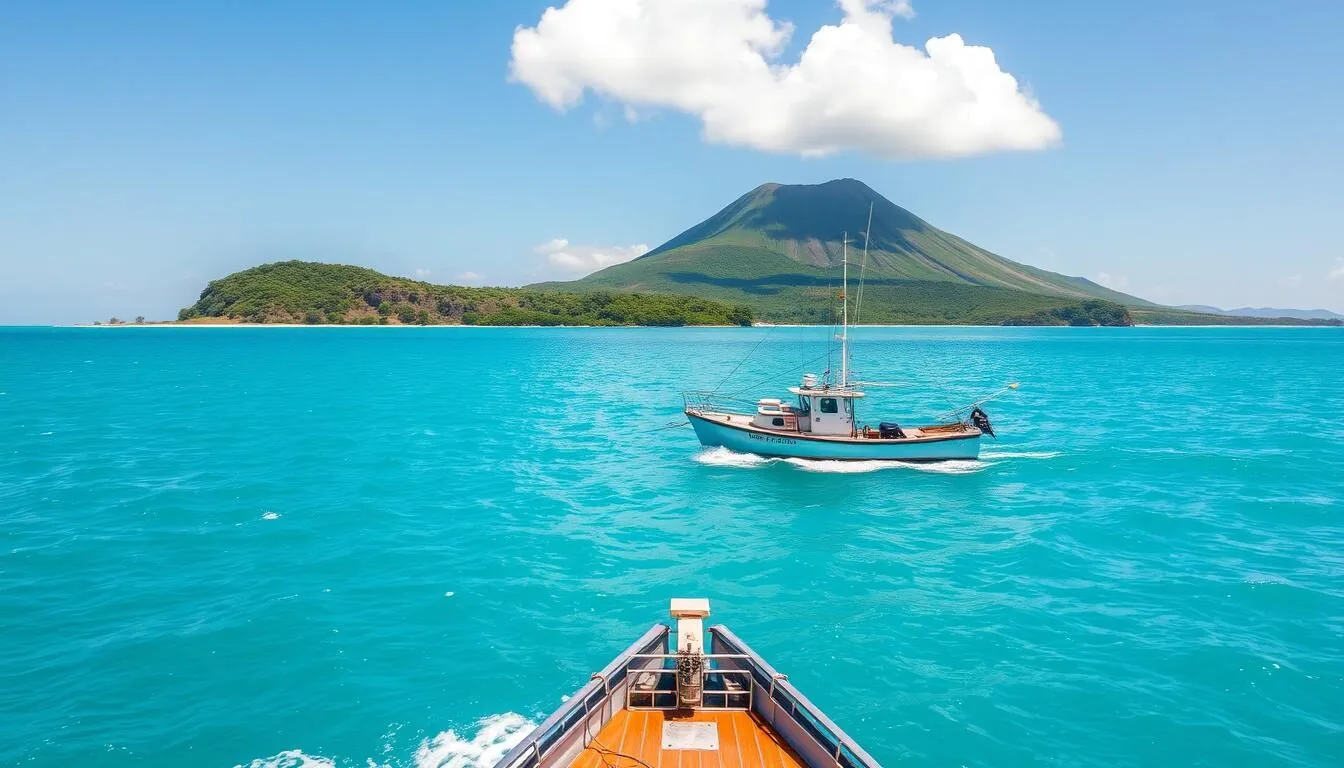
Known as the “Galapagos of Mexico,” Isla Isabel National Park hosts over 40,000 nesting birds on a pristine volcanic island just 35 km off Mexico’s Nayarit coast. This untouched paradise offers visitors the rare opportunity to walk among blue-footed boobies and frigate birds that show little fear of humans, creating wildlife encounters unlike anywhere else in North America.
Getting There & Planning Your Journey
Reaching Isla Isabel National Park requires some planning, as this remote island isn’t accessible via regular commercial transportation. Visitors can take boats from two main departure points on the Nayarit coast:
- San Blas: The most common departure point with a 3-hour boat ride (approximately 70 km). San Blas is a well-developed tourist town with hotels, restaurants, and regular bus service.
- Boca de Camichín: A shorter 90-minute boat ride but located in a more remote area that may be difficult to reach without a car.
Important: Only licensed tour operators with permits from CONANP (Mexico’s National Commission for Protected Natural Areas) can transport visitors to the island. The government strictly limits daily and overnight visitors to protect the fragile ecosystem.
Best Time to Visit Isla Isabel National Park
The ideal time to visit Isla Isabel National Park is during the dry season from November to May. This period offers the most stable weather conditions and coincides with important wildlife events:
Recommended Months (November-May)
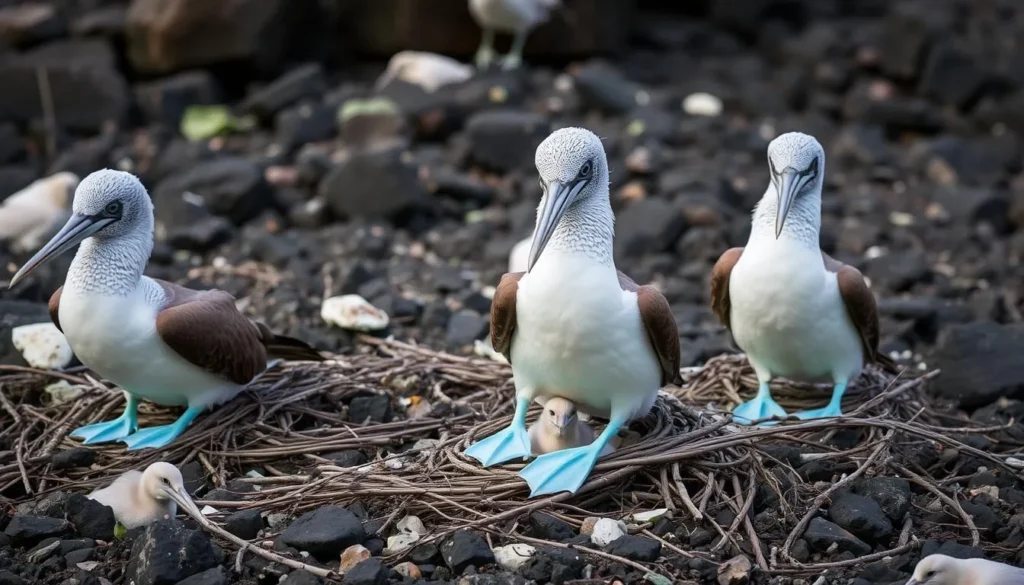
- December-March: Peak bird breeding season with the most dramatic courtship displays
- January-March: Humpback whale sightings possible during boat journeys
- April-May: Calmer seas make for more comfortable boat rides
Months to Avoid (June-October)
- July-September: Hurricane season with unpredictable weather
- August-October: Heaviest rainfall, which can make camping uncomfortable
- June: Increasing humidity and beginning of rainy season
Temperatures remain relatively consistent year-round, averaging 26°C (80°F) during the day. Water temperature ranges from 24-28°C (75-82°F), making for comfortable snorkeling and diving conditions during the recommended visiting period.
Getting Around Locally
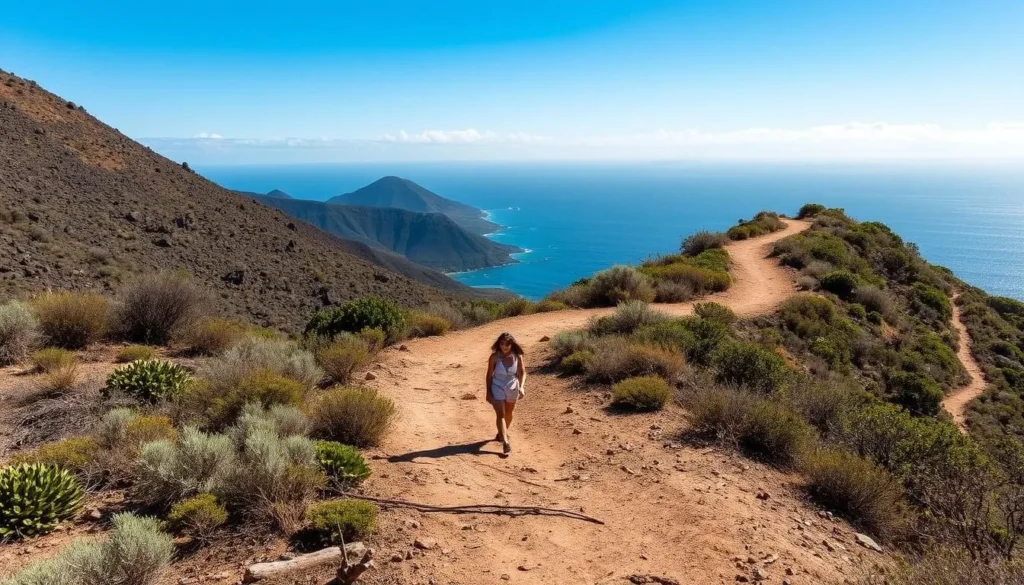
Isla Isabel is a small island measuring approximately 2 km long and 0.75 km at its widest point. There are no vehicles, roads, or formal transportation on the island. Getting around is exclusively by:
- Walking: Well-worn trails connect the main points of interest, including the research station, beaches, and bird colonies
- Swimming: Some secluded beaches and snorkeling spots are best accessed from the water
- Boat: Tour operators can transport you to different areas around the island for diving or wildlife viewing
The island’s terrain is volcanic and can be uneven in places. Bring sturdy walking shoes and be prepared for some light hiking. Most visitors can explore the entire island in a single day, though an overnight stay allows for more thorough exploration.
Where to Stay
Lodging Options
There are no hotels, resorts, or permanent accommodations on Isla Isabel itself. Visitors planning to stay overnight have two main options:
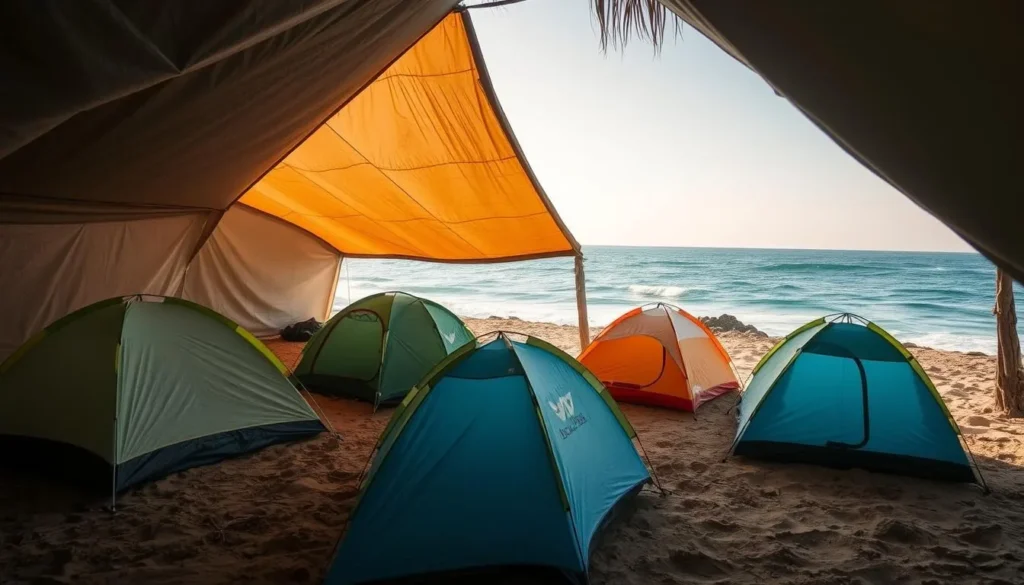
- Camping on the Island: The only way to stay overnight on Isla Isabel is camping. The park allows up to 30 visitors to camp each night. Facilities are extremely basic with:
- Open-sided shelters where you can set up tents
- Concrete floors for sleeping bags
- Pit toilets (no modern facilities)
- No electricity or running water
- Staying in San Blas: Many visitors prefer to base themselves in San Blas and make a day trip to the island. San Blas offers various accommodation options from budget hostels to comfortable hotels.
What to Bring
If camping on the island, you’ll need to bring:
- Tent and sleeping bag
- Sufficient drinking water
- Food supplies (no stores on the island)
- Biodegradable toiletries
- Flashlight or headlamp
- First aid kit
- Garbage bags (to pack out all waste)
Note: Alcoholic beverages and disposable containers are prohibited on the island as part of conservation efforts.
Check 30,000+ Local Sightseeing Tours Worldwide
✓ Numerous languages and currencies are available
Dining & Local Cuisine
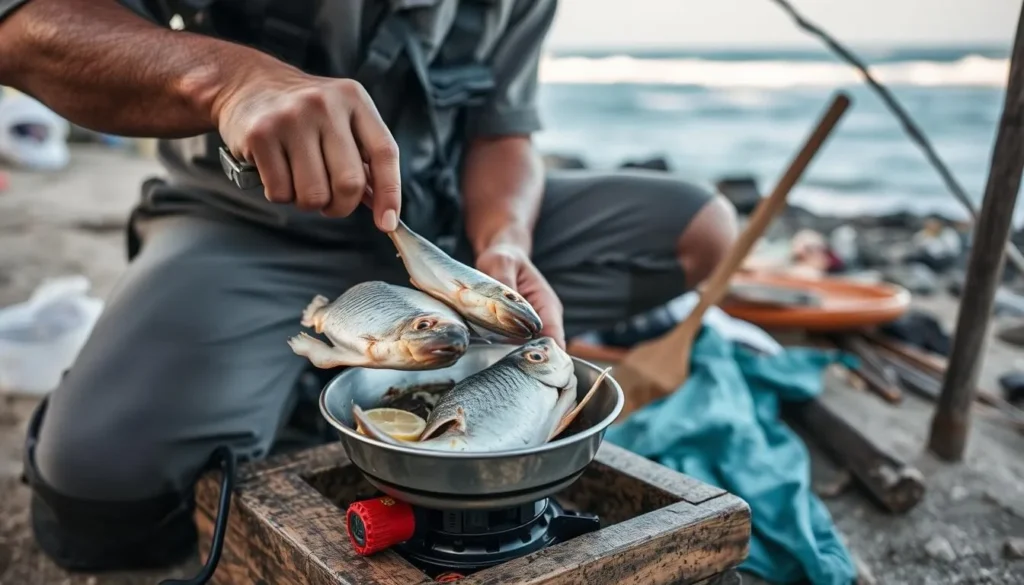
There are no restaurants, cafes, or food vendors on Isla Isabel National Park. All food must either be brought with you or provided by your tour operator. Most guided tours include meals as part of their package.
Meal Options
- Tour-Provided Meals: Typically simple but delicious, often featuring fresh seafood caught during the journey
- Self-Catering: If arranging your own food, bring non-perishable items and a cooking stove if camping overnight
- San Blas Dining: Before or after your island visit, enjoy the excellent seafood restaurants in San Blas, known for dishes like aguachile (spicy shrimp ceviche) and pescado zarandeado (grilled fish)
Environmental Note: Disposable containers are prohibited on the island. Bring reusable water bottles, food containers, and utensils. All waste must be packed out when you leave.
Attractions, Sightseeing & Activities
Wildlife Viewing
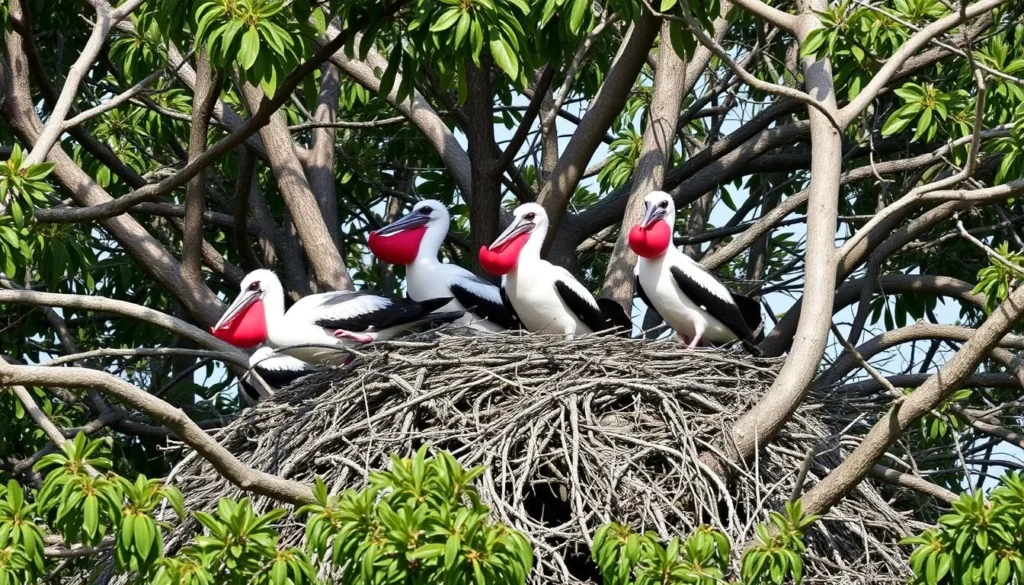
The primary attraction of Isla Isabel National Park is its extraordinary wildlife, particularly the bird colonies:
- Blue-footed Boobies: Observe their fascinating mating dances and nesting behaviors up close
- Frigate Birds: Males inflate their bright red throat pouches during breeding season
- Brown Pelicans: Watch their dramatic diving techniques as they fish in the waters around the island
- Iguanas: Spot these reptiles sunning themselves on rocks throughout the island
Water Activities
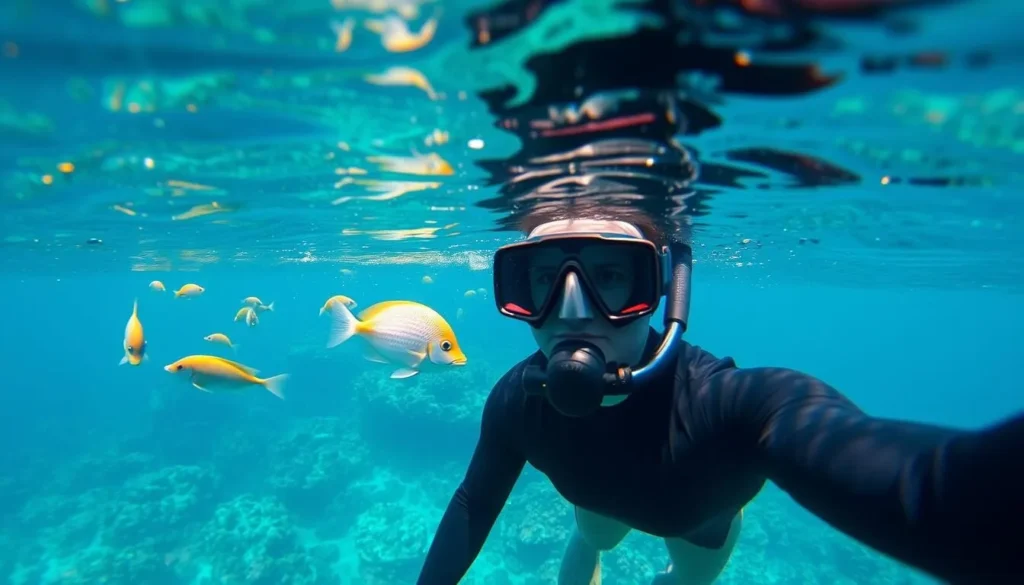
The waters surrounding Isla Isabel offer excellent opportunities for:
- Snorkeling: Explore the island’s coral reefs and encounter tropical fish, eels, and sea turtles
- Scuba Diving: Experienced divers can arrange dive trips through operators in San Blas or Puerto Vallarta
- Swimming: Several small beaches offer swimming opportunities, though currents can be strong in some areas
- Whale Watching: During winter months (December-March), humpback whales can sometimes be spotted during the boat journey
Hiking & Exploration
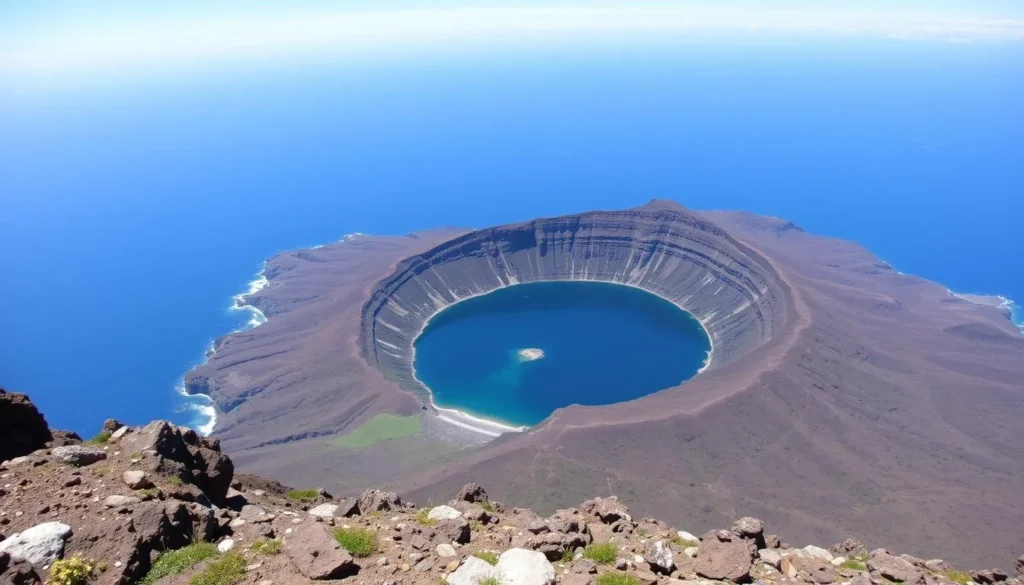
Several trails crisscross the island, leading to various points of interest:
- Crater Lake Trail: A moderate hike to the island’s central lagoon, formed in an extinct volcanic crater
- Lighthouse Path: Trek to the small lighthouse for panoramic views of the island and surrounding ocean
- Bird Colony Viewpoints: Well-worn paths lead to the best observation points for the various bird colonies
- Las Monas: Small rocky islets just offshore with interesting geological formations
Conservation Note: Stay on established trails to avoid disturbing nesting birds. The birds show little fear of humans, but approaching too closely can cause stress, especially during breeding season.
Museums, Cultural Spots & Festivals
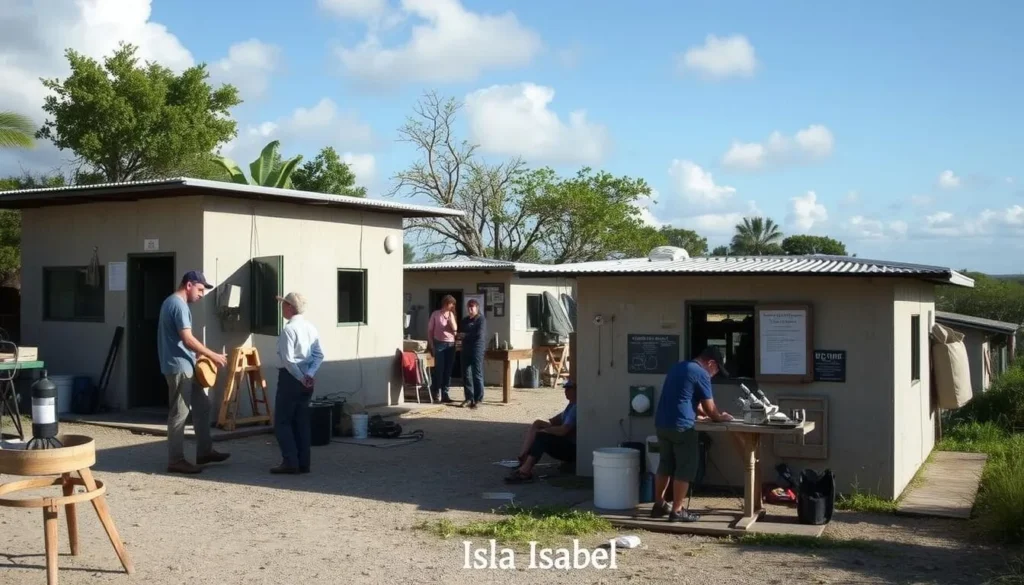
As a natural reserve with no permanent human population, Isla Isabel doesn’t have traditional cultural attractions or festivals. However, there are a few points of interest related to the island’s conservation status:
- Research Station: A small scientific outpost where researchers study the island’s ecosystems
- Conservation History: Learn about the island’s designation as a national park in 1980 and its importance as a Ramsar wetland site
- Fishermen’s Camp: Temporary camps used by local fishermen provide glimpses into traditional fishing practices
For cultural experiences, visitors should explore the mainland town of San Blas, which offers:
- The historic Fort of San Basilio (La Contaduría)
- The ruins of the Church of Our Lady of the Rosary
- Local festivals, particularly the Festival of San Blas (February 3)
Sports, Nature & Outdoor Experiences
Beyond the standard wildlife viewing and water activities, Isla Isabel offers several unique natural experiences:
Special Natural Phenomena
- Bioluminescent Waters: At night, the waters around the island glow with bioluminescent phytoplankton, creating a magical experience for overnight visitors
- Volcanic Geology: Explore the island’s volcanic origins, formed approximately 3.5 million years ago
- Marine Encounters: Possible sightings include whale sharks, eagle rays, sea turtles, and various shark species
Photography Opportunities
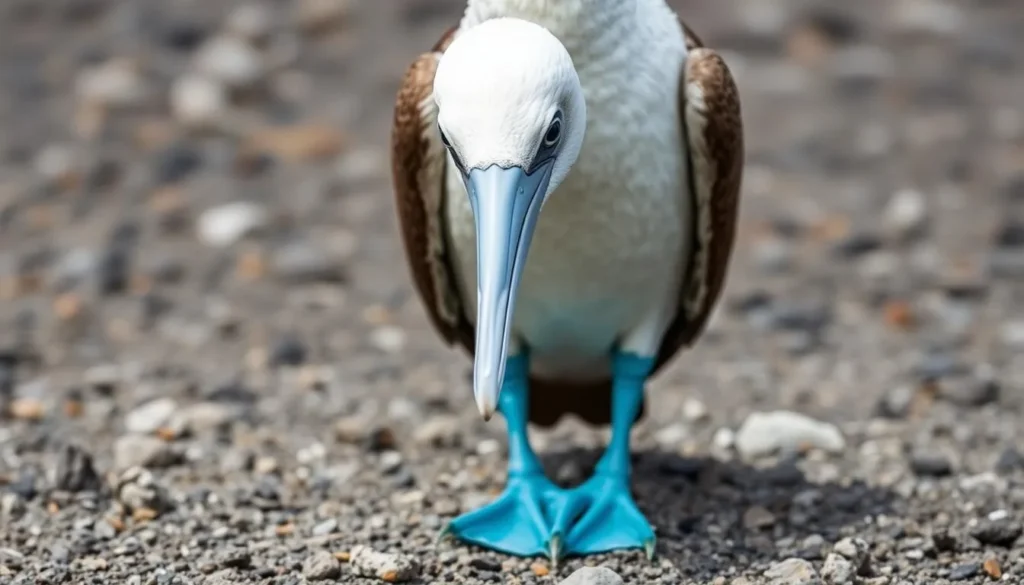
Isla Isabel is a photographer’s paradise, offering exceptional opportunities for:
- Bird photography with unusually close access to normally shy species
- Landscape photography capturing the volcanic terrain and ocean vistas
- Underwater photography of the diverse marine life
- Night photography of star-filled skies (minimal light pollution)
Safety, Etiquette & Local Customs
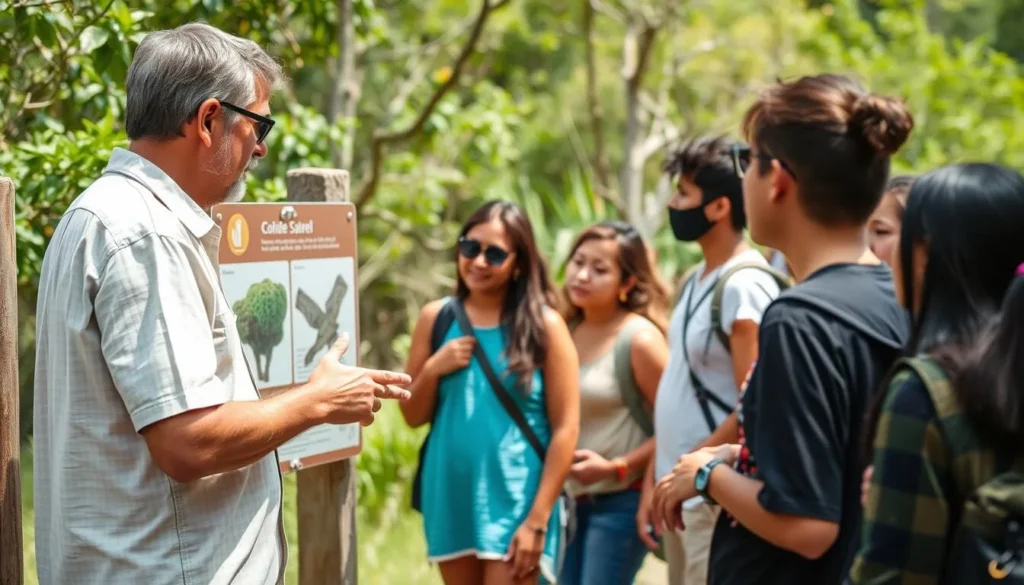
Safety Considerations
Visiting a remote island requires proper preparation. Keep these safety tips in mind:
- Boat Journey: The crossing can be rough, especially outside the dry season. Those prone to seasickness should take appropriate medication.
- Remote Location: There are no medical facilities on the island. Bring a first aid kit and any necessary personal medications.
- Sun Protection: The tropical sun is intense. Bring high-SPF sunscreen, hats, and lightweight long-sleeved clothing.
- Water Safety: Be aware of currents when swimming or snorkeling. Always inform your guide of your plans.
Conservation Etiquette
As a protected national park, Isla Isabel has strict rules to preserve its fragile ecosystem:
- Stay on established trails to avoid disturbing nesting birds
- Maintain a respectful distance from wildlife (even if they approach you)
- Pack out all trash (no disposal facilities on the island)
- Use only biodegradable soap and sunscreen
- No collecting of specimens (shells, rocks, plants, etc.)
- No alcoholic beverages or disposable containers
Important: Leave No Trace principles are strictly enforced. All visitors must pack out everything they bring to the island, including all waste.
Practical Travel Tips
What to Pack
- Reusable water bottle (at least 2 liters per day)
- Biodegradable sunscreen and insect repellent
- Hat, sunglasses, and lightweight clothing
- Sturdy walking shoes and water shoes
- Snorkeling gear (can also be rented from tour operators)
- Camera with zoom lens for wildlife photography
- Dry bag to protect electronics during boat transfers
- Motion sickness medication for the boat journey
Booking Your Trip
- Reserve tours well in advance, especially during peak season
- Verify that your tour operator has proper CONANP permits
- Confirm what’s included (meals, equipment, guide services)
- Ask about cancellation policies related to weather conditions
- Consider purchasing travel insurance that covers adventure activities
Communication
- No cell service or internet on the island
- Inform someone of your travel plans before departing
- Tour guides typically have satellite communication for emergencies
Experience the Wild Beauty of Isla Isabel
Isla Isabel National Park offers a rare glimpse into a world where wildlife thrives undisturbed by human development. From walking among fearless blue-footed boobies to snorkeling in vibrant coral reefs, this protected island sanctuary provides nature experiences that rival the famous Galapagos Islands – but with far fewer visitors.
The journey requires some effort and preparation, but those who make the trip are rewarded with extraordinary wildlife encounters, pristine natural beauty, and memories that will last a lifetime. As you plan your Mexican adventure, consider adding this hidden gem to your itinerary – just remember to tread lightly and respect the island’s delicate ecosystem that has been carefully preserved for future generations.
Related Posts
Tulum, Mexico: Best Things to Do – Top Picks

Puerto Vallarta, Mexico: Best Things to Do – Top Picks

Puerto Escondido, Mexico: Best Things to Do – Top Picks
Sayulita, Mexico: Best Things to Do – Top Picks

Valle de Guadalupe, Mexico: Best Things to Do – Top Picks
Playa del Carmen, Mexico: Best Things to Do – Top Picks
Coming Soon: Clickable Maps