
Hotels by Trip.com
Flights by Trip.com
Did you know that Isla Santa Catalina is home to seven endemic reptile species found nowhere else on Earth? This pristine, uninhabited island in the Gulf of California is a biological treasure trove that offers adventurous travelers a glimpse into one of Mexico’s most untouched natural paradises. Located just 25 km (15.5 miles) off the Baja California Peninsula, this ecological wonderland awaits those seeking to escape the beaten path.
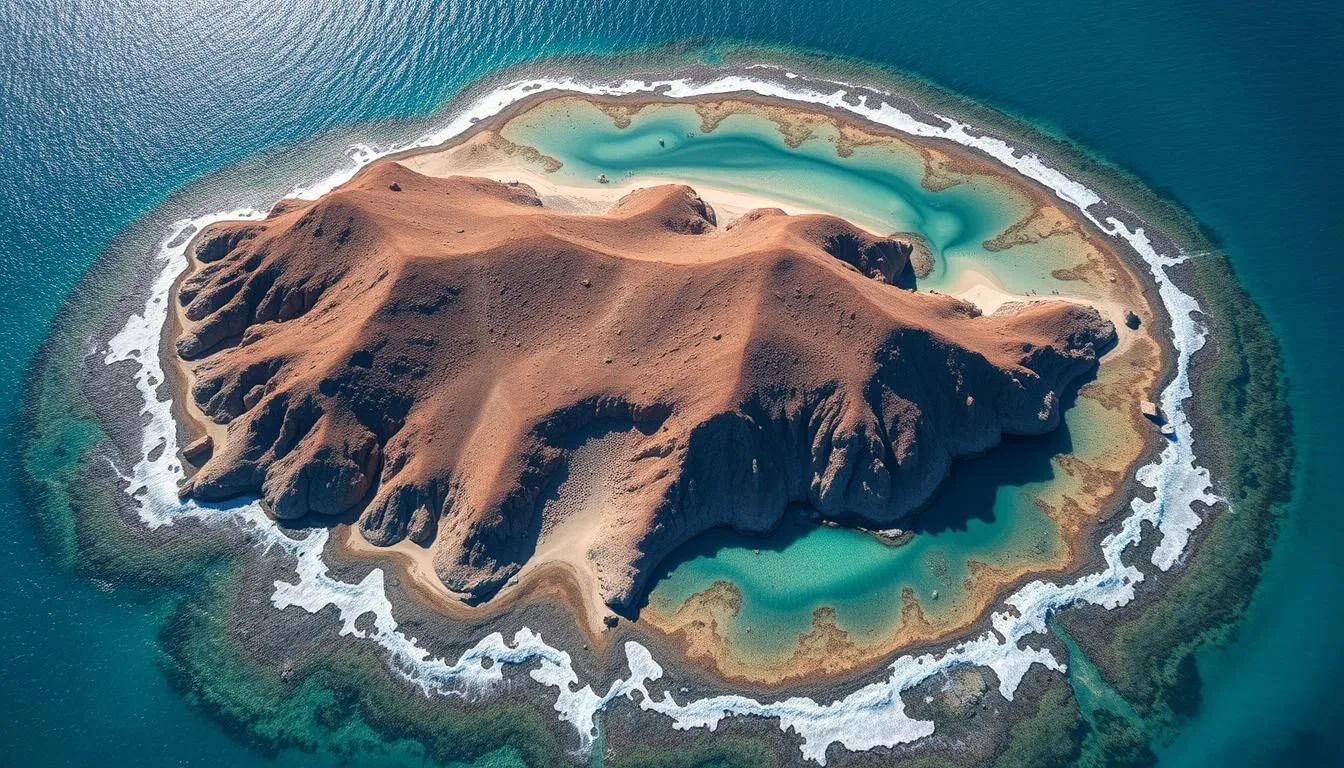
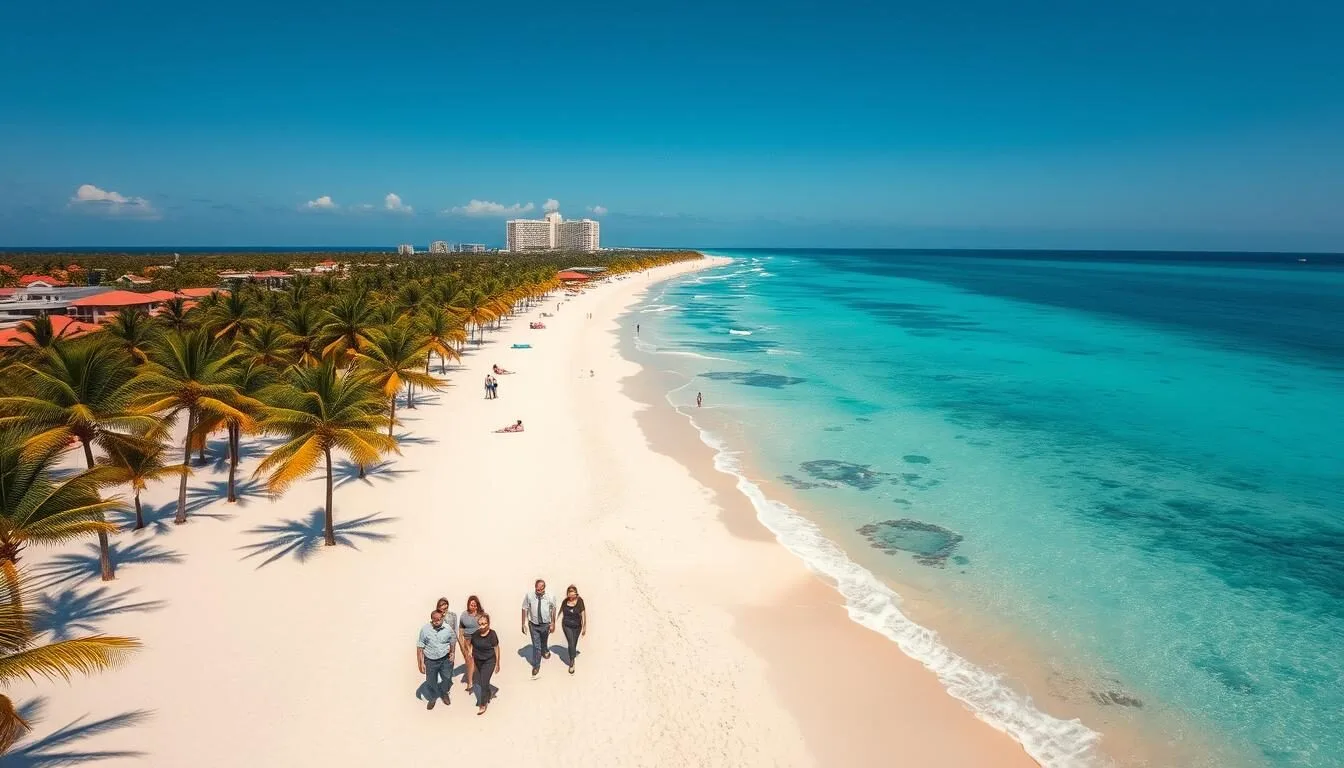
The untouched beauty of Isla Santa Catalina from above
About Isla Santa Catalina
Officially known as Isla Catalana in Mexico, this island stretches approximately 13 km (8 miles) in length and reaches up to 4 km (2.5 miles) at its widest point. With a total area of 39.3 square kilometers (15.2 square miles), it’s one of the larger islands in the Sea of Cortez. Rising to an elevation of 448 m (1,470 ft), the island’s varied terrain creates diverse microclimates that support its unique ecosystem.
Part of the Loreto Municipality in Baja California Sur, Isla Santa Catalina remains uninhabited, preserving its natural state. The confusion around its name stems from U.S. Navy charts from the mid-1850s that changed the original “Isla Catalana” to “Isla Santa Catalina” – a name that has stuck internationally despite not being the official Mexican designation.
Getting There & Planning Your Journey
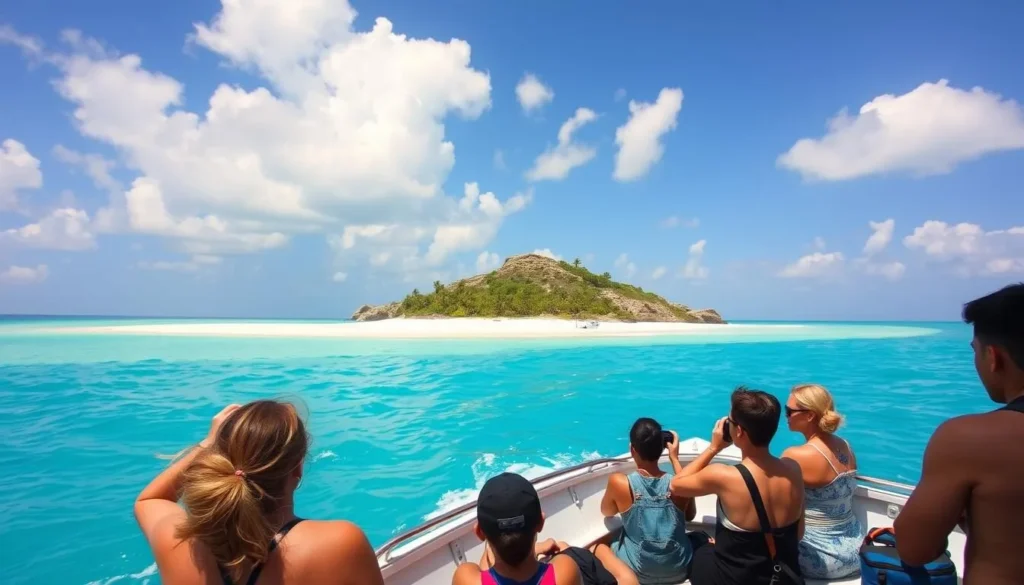
Boat transportation is the only way to reach Isla Santa Catalina
Reaching Isla Santa Catalina requires some planning, as there are no regular ferry services to this uninhabited island. The most common approach is to:
- Fly into La Paz International Airport or Loreto International Airport
- Travel to Loreto (the closest town, about 60 km or 37 miles from the island)
- Arrange a private boat charter or join a guided tour from Loreto
Several tour operators in Loreto offer day trips or multi-day excursions to Isla Santa Catalina. These typically include transportation, guided exploration, and sometimes camping equipment if you’re staying overnight. Booking in advance is highly recommended, especially during peak season.
Isla Santa Catalina is located in the Gulf of California, east of the Baja California Peninsula
Best Time to Visit Isla Santa Catalina
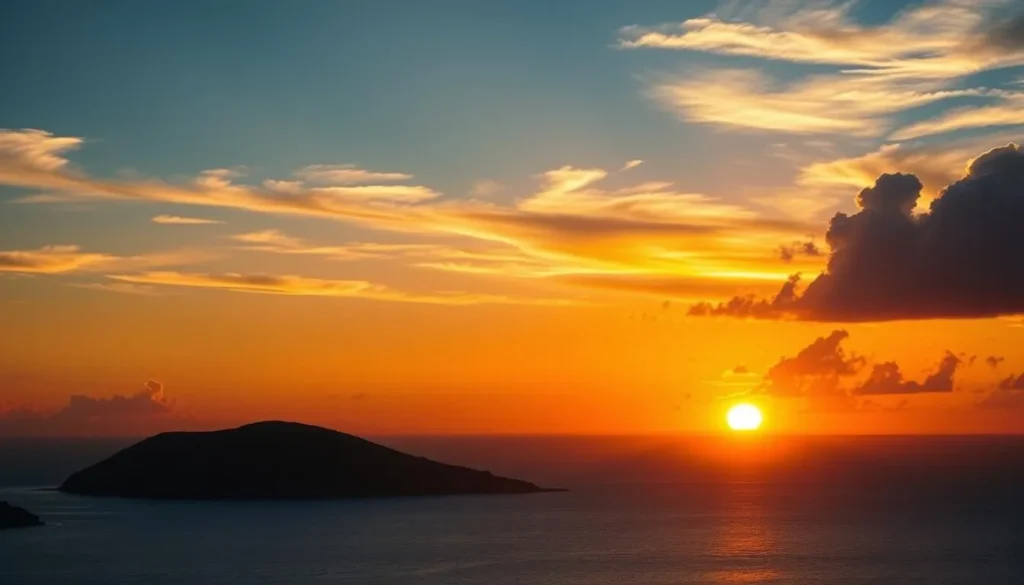
The golden hour reveals Isla Santa Catalina’s beauty during the optimal visiting season
✓ Check 30,000+ Local Sightseeing Tours Worldwide
The climate on Isla Santa Catalina is arid and warm year-round, but certain seasons offer more comfortable conditions for exploration:
Recommended Months
- October to November: Perfect temperatures (21-27°C/70-80°F), calm seas, and fewer visitors
- March to May: Spring brings mild temperatures and excellent visibility for snorkeling and diving
- December to February: Cooler but pleasant (18-24°C/65-75°F), ideal for hiking and wildlife observation
Months to Avoid
- June to September: Summer brings intense heat (often exceeding 35°C/95°F), humidity, and occasional hurricane risk
- August to September: Peak hurricane season in the Gulf of California
- July: Hottest month with limited shade on the island
Weather Tip: Even during ideal months, the island has virtually no shade. Bring plenty of sun protection, including wide-brimmed hats, high-SPF sunscreen, and lightweight, long-sleeved clothing.
Where to Stay
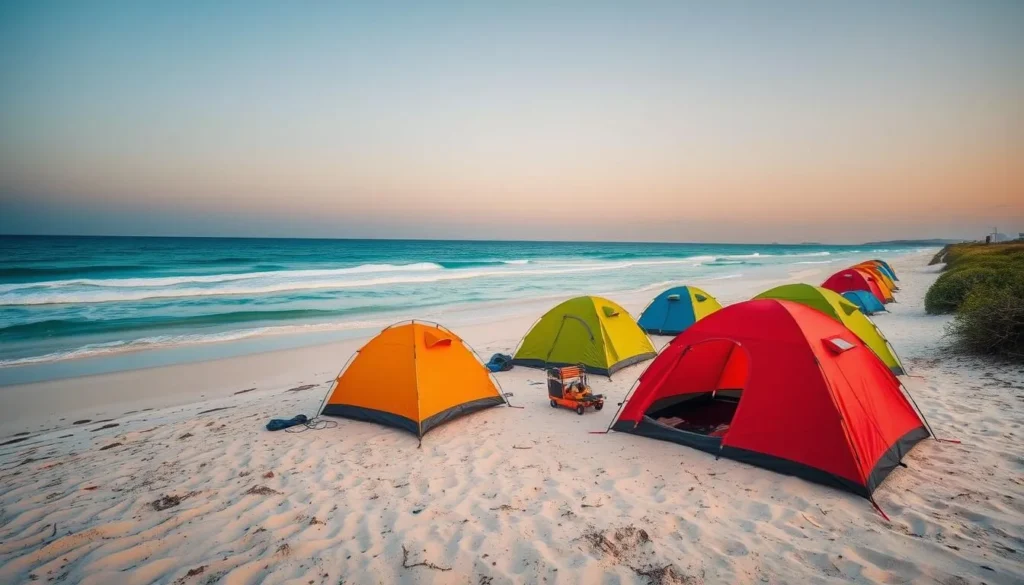
Camping is the only accommodation option on Isla Santa Catalina itself
As an uninhabited island, Isla Santa Catalina has no permanent accommodation facilities. Visitors have two main options:
Camping on the Island
For the true adventure seeker, camping on Isla Santa Catalina offers an unparalleled experience. You’ll need to:
- Bring all camping equipment (tent, sleeping bag, etc.)
- Pack sufficient fresh water (no freshwater sources on the island)
- Prepare for primitive camping (no facilities)
- Obtain necessary permits from CONANP (Mexican National Commission for Protected Natural Areas)
Staying in Loreto
Most visitors opt to base themselves in Loreto and take day trips to the island. Loreto offers:
- Range of accommodations from budget to luxury
- Easy access to tour operators
- Restaurants and supplies
- Additional activities when not visiting the island
Things to Do on Isla Santa Catalina
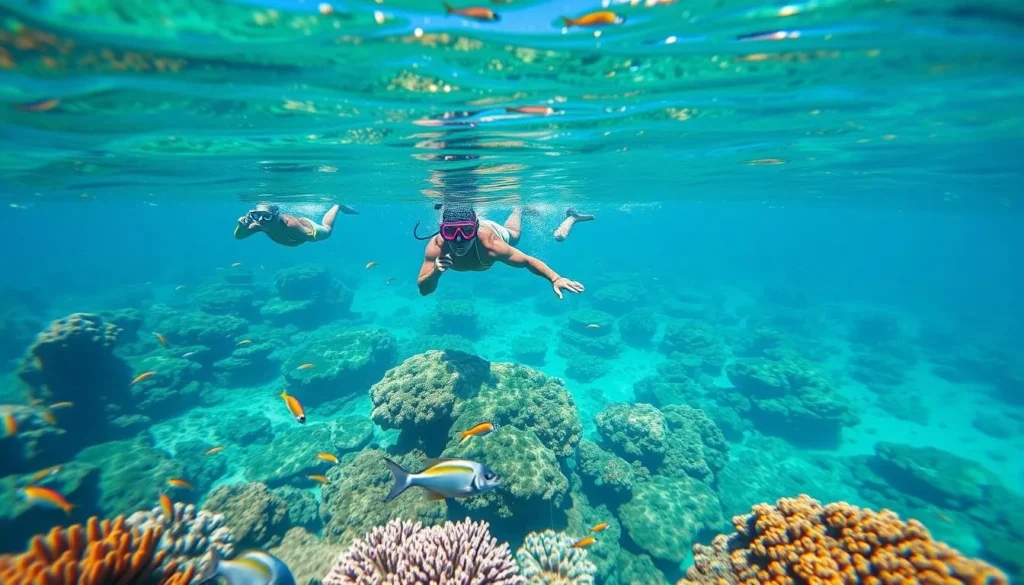
The waters around Isla Santa Catalina offer exceptional snorkeling opportunities
Water Activities
The pristine waters surrounding Isla Santa Catalina are among the main attractions:
Snorkeling & Diving
The Gulf of California is known as “The Aquarium of the World” for good reason. Around Isla Santa Catalina, you’ll find:
- Vibrant coral formations
- Tropical fish species
- Visibility often exceeding 30 m (100 ft)
- Occasional sea lion encounters
Kayaking
Explore the island’s coastline at your own pace:
- Discover hidden coves and beaches
- Paddle through crystal clear waters
- Observe marine life from above
- Access areas difficult to reach by foot
Sport Fishing
The waters around the island offer excellent fishing opportunities:
- Dorado (mahi-mahi)
- Yellowtail
- Roosterfish
- Various snapper species
Note: Fishing permits are required and certain areas are protected.
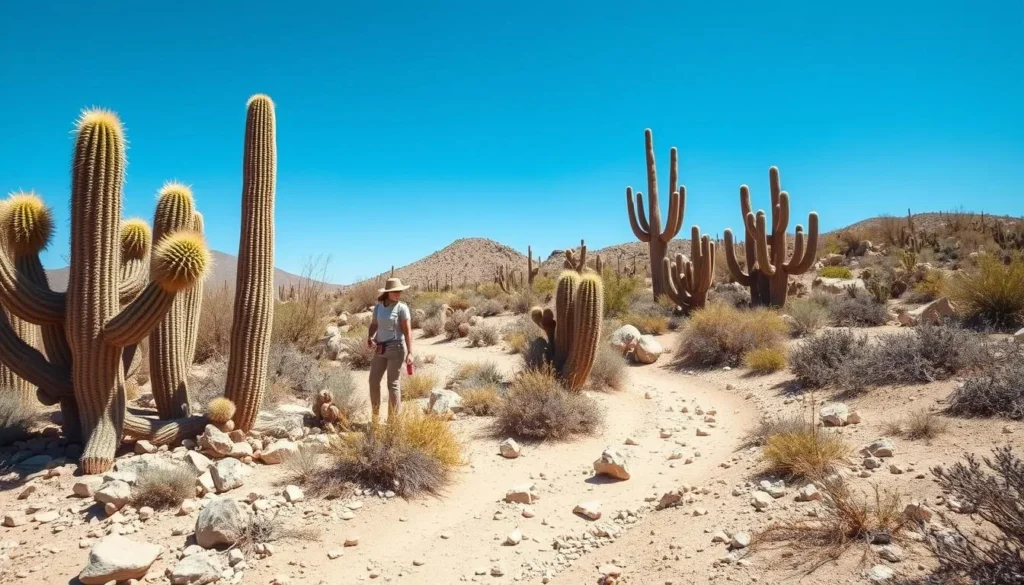
Hiking through Isla Santa Catalina’s unique desert landscape
Land Activities
The island’s interior offers fascinating exploration opportunities:
Hiking & Nature Walks
Though there are no marked trails, the island’s varied terrain provides excellent hiking:
- Climb to the island’s highest point (448 m/1,470 ft) for panoramic views
- Explore the arid interior to spot endemic plant species
- Walk along pristine beaches and rocky shorelines
- Discover ancient geological formations
Wildlife Observation
Isla Santa Catalina is renowned for its unique wildlife:
- Seven endemic reptile species, including the Santa Catalina rattlesnake (Crotalus catalinensis)
- Numerous bird species like the Ladder-backed Woodpecker and Northern Cardinal
- Endemic plants, including the impressive Ferocactus diguetii cactus
- Marine mammals visible from shore, such as sea lions and dolphins
Practical Travel Tips
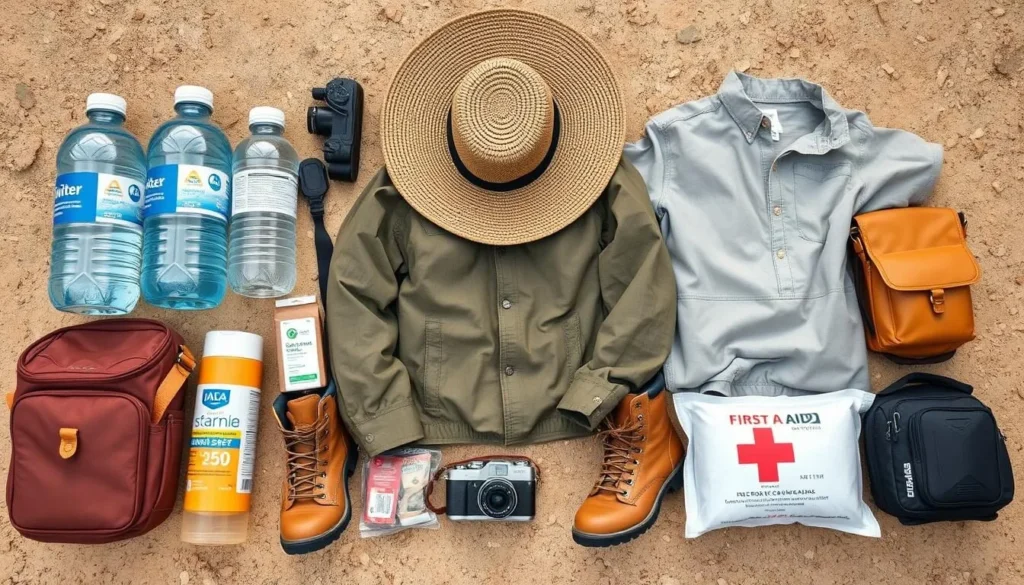
Essential items for your Isla Santa Catalina adventure
What to Pack
- Plenty of drinking water (minimum 4 liters/1 gallon per person per day)
- Sun protection (hat, sunscreen, sunglasses, lightweight long-sleeved clothing)
- Sturdy hiking shoes with ankle support
- Snorkeling/diving gear (can also be rented in Loreto)
- Camping equipment if staying overnight
- First aid kit with basic medications
- Waterproof bag for electronics
Safety Considerations
- No fresh water sources on the island
- No medical facilities (nearest are in Loreto)
- Limited or no cell phone coverage
- Be aware of the endemic rattlesnake (rarely aggressive but venomous)
- Strong sun exposure with minimal shade
- Inform someone of your trip plans if going independently
Environmental Etiquette
- Pack out all trash (leave no trace)
- Do not disturb or collect wildlife
- Stay on existing paths where possible
- Use biodegradable soaps and sunscreens
- No fires outside of designated areas
- Respect protected status of certain areas
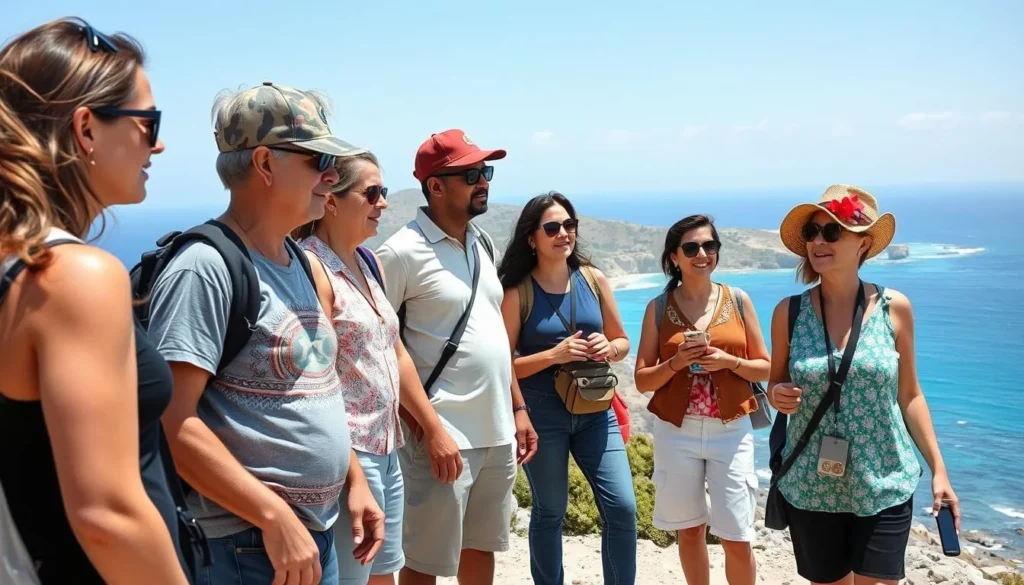
A guided tour can enhance your Isla Santa Catalina experience
Getting Around
Once on the island, all exploration is done on foot or by kayak along the coastline. There are no roads, vehicles, or formal transportation systems on this uninhabited island. Most guided tours will take you to specific landing points where you can begin your exploration.
Important: Due to the island’s protected status, some areas may have restricted access. Always check current regulations and obtain necessary permits before your visit.
Nearby Attractions
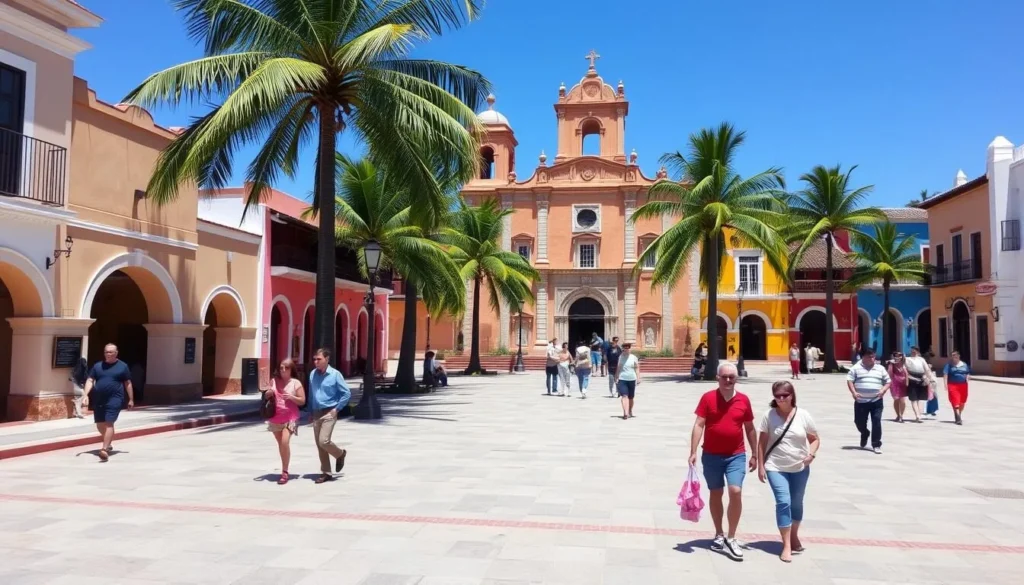
The historic Mission town of Loreto is the gateway to Isla Santa Catalina
While planning your trip to Isla Santa Catalina, consider exploring these nearby attractions:
Loreto
- Historic Mission of Our Lady of Loreto (founded 1697)
- Charming town center with restaurants and shops
- Loreto Bay National Marine Park
- Local museums showcasing regional history
Other Gulf Islands
- Isla Coronado (white sand beaches and volcanic landscapes)
- Isla del Carmen (largest island in Loreto Bay)
- Isla Danzante (excellent snorkeling spots)
- Isla Monserrate (pristine and rarely visited)
Sierra de la Giganta
- Impressive mountain range along the Baja peninsula
- Ancient cave paintings at La Pingüica
- Hiking and mountain biking trails
- Spectacular desert landscapes
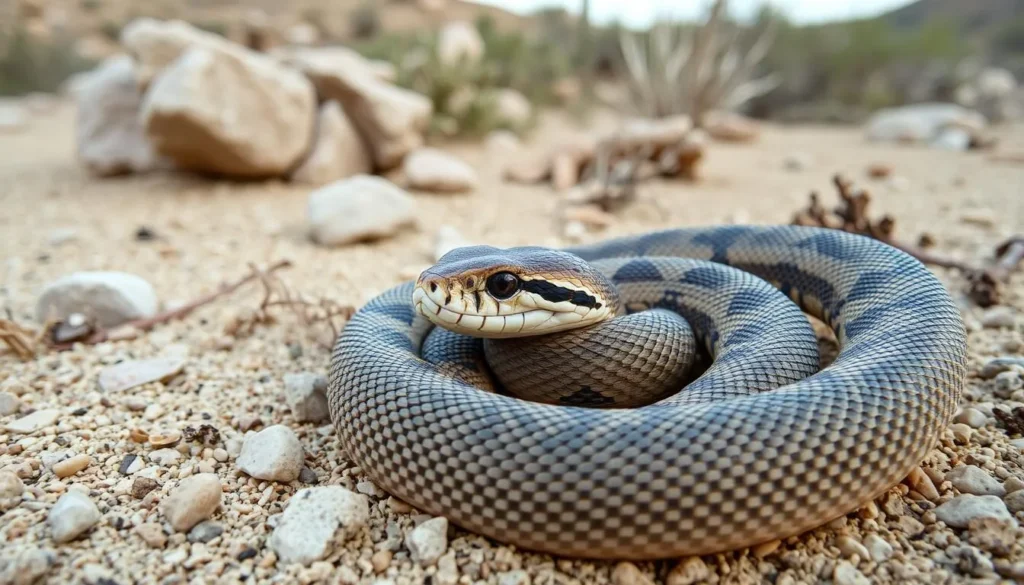
The endemic Santa Catalina rattlesnake (Crotalus catalinensis) is found nowhere else on Earth
Experience the Untouched Beauty of Isla Santa Catalina
Isla Santa Catalina represents one of the last truly pristine island ecosystems in the Gulf of California. Its unique blend of endemic wildlife, stunning landscapes, and crystal-clear waters offers adventurous travelers an unforgettable experience far from the crowds of more developed destinations.
Whether you’re snorkeling among vibrant marine life, hiking to panoramic viewpoints, or simply soaking in the serene isolation of this biological treasure, Isla Santa Catalina promises an authentic connection with nature that’s increasingly rare in today’s world.
Start planning your journey to this remarkable island today, and discover why the Sea of Cortez has been called “the world’s aquarium” and why Isla Santa Catalina stands as one of its crown jewels.
Related Posts
Tulum, Mexico: Best Things to Do – Top Picks

Puerto Vallarta, Mexico: Best Things to Do – Top Picks

Puerto Escondido, Mexico: Best Things to Do – Top Picks
Sayulita, Mexico: Best Things to Do – Top Picks

Valle de Guadalupe, Mexico: Best Things to Do – Top Picks
Playa del Carmen, Mexico: Best Things to Do – Top Picks
Coming Soon: Clickable Maps