

Did you know that Iztaccihuatl and Popocatépetl volcanoes are the subjects of one of Mexico’s most enduring love stories? These twin peaks, nicknamed “The Sleeping Woman” and “The Smoking Mountain,” have been immortalized in Aztec legend as star-crossed lovers transformed into mountains by the gods. Today, the Iztaccihuatl-Popocatepetl National Park (Izta-Popo Zoquiapan National Park) protects nearly 100,000 acres, making it Mexico’s tenth-largest national park and home to the country’s second and third highest peaks.
Getting There & Planning Your Journey
Located about 72 km southeast of Mexico City, Iztaccihuatl-Popocatepetl National Park straddles the borders of three Mexican states: Mexico, Puebla, and Morelos. The park’s accessibility makes it a perfect day trip or weekend getaway from Mexico City.
From Mexico City
You have several options to reach the park from Mexico City:
- By Tour: The most hassle-free option is booking a guided tour from Mexico City. This eliminates navigation challenges and language barriers, particularly important if you’re planning to hike Iztaccihuatl volcano.
- By Private Vehicle: Renting a car gives you the most flexibility. The drive takes approximately 2 hours (traffic dependent) via Amecameca to reach either Paso de Cortes or La Joya.
- By Public Transport: For budget travelers, take the metro to TAPO bus station in Mexico City, then catch a “Volcanes” bus to Amecameca (approximately 35 MXN, 1.5 hours). From Amecameca, hire a taxi to Paso de Cortes or La Joya (400-500 MXN, 45 minutes).
Entry Requirements
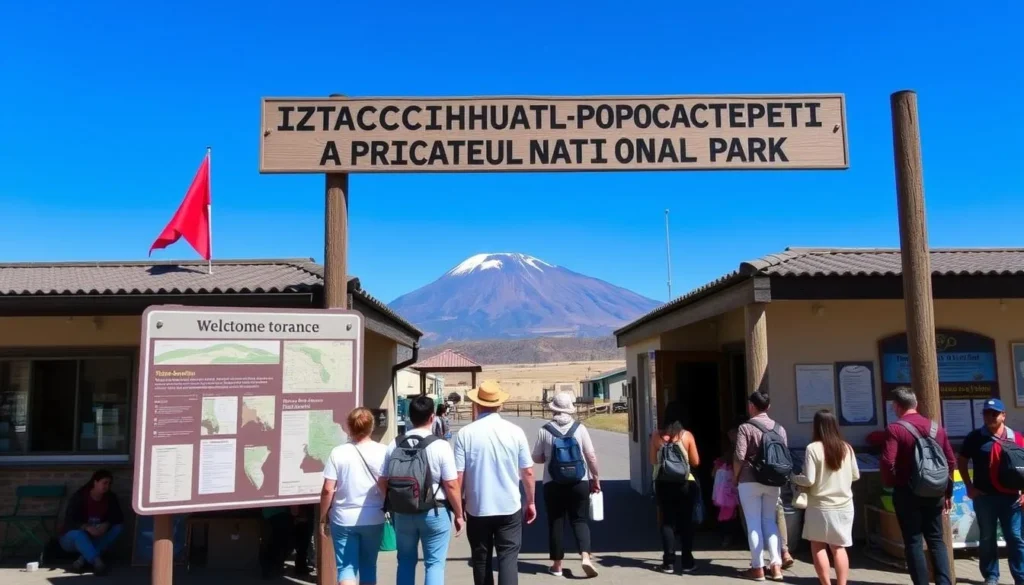
The park entrance fee is 120 MXN per person, payable in cash at the CONANP Visitor Centre at Paso de Cortes. If you want to access the road to La Joya (a popular trailhead) on weekends, you’ll need to make a reservation 5 days in advance through the CONANP website.
Best Time to Visit & Weather Tips
The high-altitude location of Iztaccihuatl-Popocatepetl National Park means weather conditions can vary dramatically throughout the year and even within a single day.
Best Time to Visit Iztaccihuatl-Popocatepetl National Park
Recommended Months:
- February-March: Dry season with clear skies, excellent visibility of both volcanoes, and comfortable daytime temperatures.
- October-December: Less rainfall than summer months, though December brings colder temperatures.
- Weekdays: Regardless of season, weekdays offer fewer crowds and easier access to La Joya without advance reservations.
Months to Avoid:
- July-August: Rainy season with frequent afternoon storms and poor visibility.
- January: One of the coldest months with potential for snow at higher elevations.
- Mexican holidays and weekends: Extremely crowded, requiring advance reservations for La Joya access.
Weather Considerations
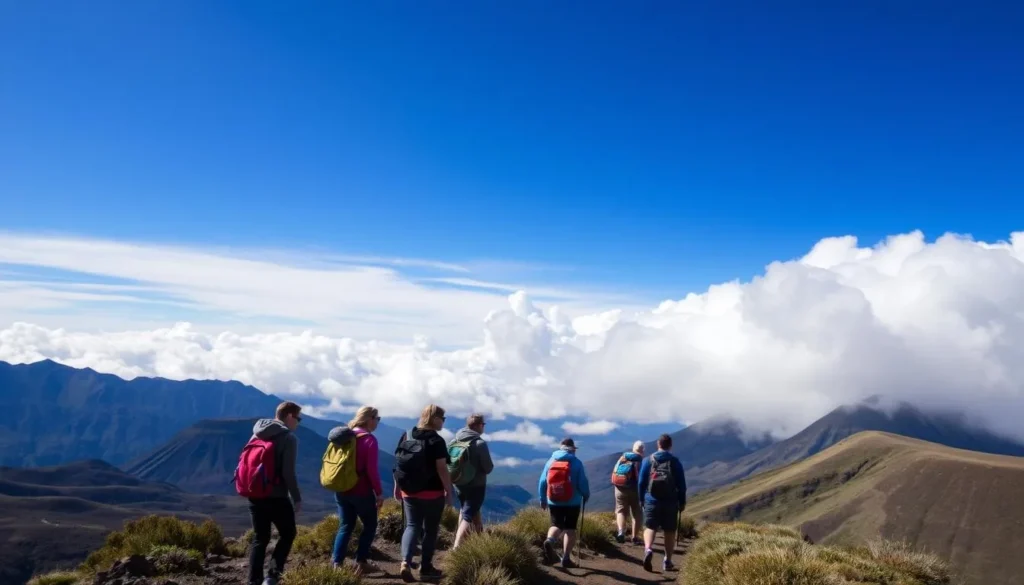
Due to the high altitude (3,600-5,400 m or 11,800-17,700 ft), weather conditions can change rapidly. Morning hours typically offer clearer views before clouds and smog roll in during the afternoon. The sun can be intensely strong at this altitude, even on cold days, so proper sun protection is essential.
Pro Tip: Start your hike as early as possible! Not only will you have clearer views of the volcanoes before afternoon clouds roll in, but you’ll also avoid potential afternoon rainfall during wetter months.
Getting Around Locally
Once inside Iztaccihuatl-Popocatepetl National Park, your transportation options become more limited. Understanding the park’s layout is essential for planning your visit.
Key Locations Within the Park
- Paso de Cortes (3,692 m/12,112 ft): The main entrance and visitor center where you’ll register and pay entrance fees. This mountain pass connects the valleys of Mexico and Puebla.
- La Joya (4,000 m/13,123 ft): A popular trailhead for hiking Iztaccihuatl, accessible via a dirt road from Paso de Cortes. Weekend access requires advance reservation.
- Volcano Viewpoint (4,120 m/13,517 ft): A spectacular viewpoint offering panoramic views of both Popocatepetl and Iztaccihuatl volcanoes.
Transportation Options
Within the park, your options include:
- Private Vehicle: If you have your own car or rental, you can drive from Paso de Cortes to La Joya (reservation required on weekends).
- Hiking: A 6 km trail with 400 m elevation gain connects Paso de Cortes to La Joya for those without vehicle access.
- Local Taxis: Some local drivers offer transportation between park locations, but availability is limited and should not be relied upon.
Important: There is no public transportation within the park itself. If using public transport to reach the park, arrange return transportation in advance or get your taxi driver’s contact information for pickup.
Where to Stay
While many visitors experience Iztaccihuatl-Popocatepetl National Park as a day trip from Mexico City, staying nearby allows for earlier access to trails and more time to explore this magnificent area.
Accommodation Options
Amecameca
This charming town at the base of the volcanoes offers the closest accommodations to the park entrance. You’ll find small hotels, guesthouses, and some Airbnb options. Staying here allows for an early start to beat the crowds.
Cholula
This colorful pueblo mágico about 20 minutes from Puebla offers a delightful base with views of the volcanoes, plus the added bonus of exploring the Great Pyramid of Cholula, restaurants, and local breweries.
Puebla
The capital city of Puebla state offers the widest range of accommodations from budget hostels to luxury hotels. Though further from the park, it provides excellent dining options and cultural attractions.
Camping Options
For the adventurous, limited camping is available within the park:
- La Joya: Basic camping is permitted in the parking area after paying the park entrance fee.
- Altzomoni Hut: A basic mountain refuge for hikers planning to summit Iztaccihuatl (reservation required).

Note: There are no facilities at La Joya camping area. Bring all necessary supplies, including water, food, and warm clothing for the cold nights at altitude.
Dining & Local Cuisine
While food options within Iztaccihuatl-Popocatepetl National Park are extremely limited, the surrounding areas offer delicious regional specialties worth trying during your visit.
Food Within the Park
There are virtually no food vendors within the park itself. Occasionally, you might find street vendors near Paso de Cortes selling simple snacks and fruits, but this should not be relied upon. Visitors should bring:
- Plenty of water (at least 2 liters per person for day hikes)
- Energy-dense snacks like nuts, dried fruits, and granola bars
- Sandwiches or other portable meals for longer hikes
Regional Specialties to Try
The states surrounding the national park offer distinctive culinary traditions:
- Mole Poblano: Puebla’s signature dish—a complex sauce made with chocolate and over 20 ingredients, typically served over chicken.
- Chiles en Nogada: A patriotic dish featuring poblano peppers stuffed with meat and fruit, topped with walnut sauce and pomegranate seeds.
- Cemitas: Puebla’s answer to the torta—a sandwich on an egg-washed sesame seed bun with avocado, cheese, meat, and chipotle.
- Pulque: An ancient fermented drink made from the maguey plant. Try curado versions flavored with fruits or nuts.

Recommended Restaurants
In Amecameca:
- Local market food stalls: For inexpensive, authentic Mexican breakfast before heading to the park.
- Restaurants near the main square: Several offer traditional Mexican dishes at reasonable prices.
In Puebla/Cholula:
- El Mural de los Poblanos: Renowned for authentic mole poblano and regional specialties.
- Cervecería Cholula: Local brewery with good food and volcano views.
- Koatlikue Pachamama: Traditional Nahuatl (Aztec) cuisine in Cholula.
Food Tip: Purchase supplies for your park visit in Amecameca, where you’ll find markets and shops selling fresh fruit, bread, and other hiking snacks.
Attractions, Sightseeing & Activities
Iztaccihuatl-Popocatepetl National Park offers a range of activities centered around its magnificent volcanic landscapes and natural beauty.
Hiking Trails
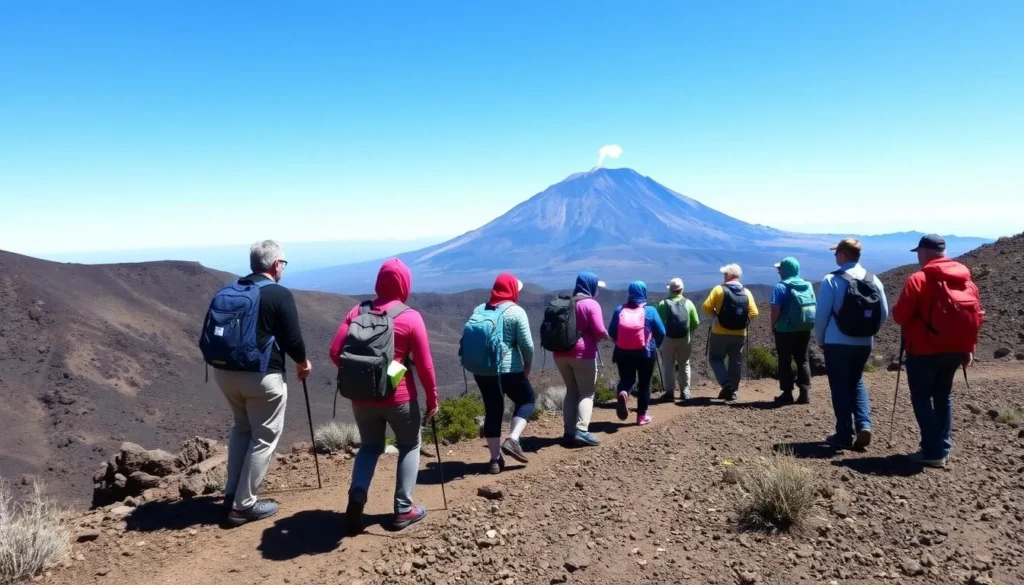
The park’s main attraction is its network of hiking trails offering spectacular volcano views:
- La Joya to Volcano Viewpoint: A moderate 8.5 km (5.2 mile) round-trip hike with 200 m elevation gain, offering stunning views of both volcanoes. Perfect for acclimatizing to the altitude.
- Paso de Cortes to La Joya: A 6 km one-way hike with 400 m elevation gain, connecting the visitor center to the main trailhead.
- Iztaccihuatl Summit: For experienced mountaineers only, this challenging route to the summit at 5,230 m (17,160 ft) requires proper equipment and acclimatization. Hiring a guide is strongly recommended.
Photography Opportunities
The park offers countless photo opportunities for nature and landscape photographers:
- Early Morning Light: The golden hour illuminates both volcanoes beautifully from Paso de Cortes.
- Volcano Viewpoint: Capture both Popocatepetl and Iztaccihuatl in a single frame.
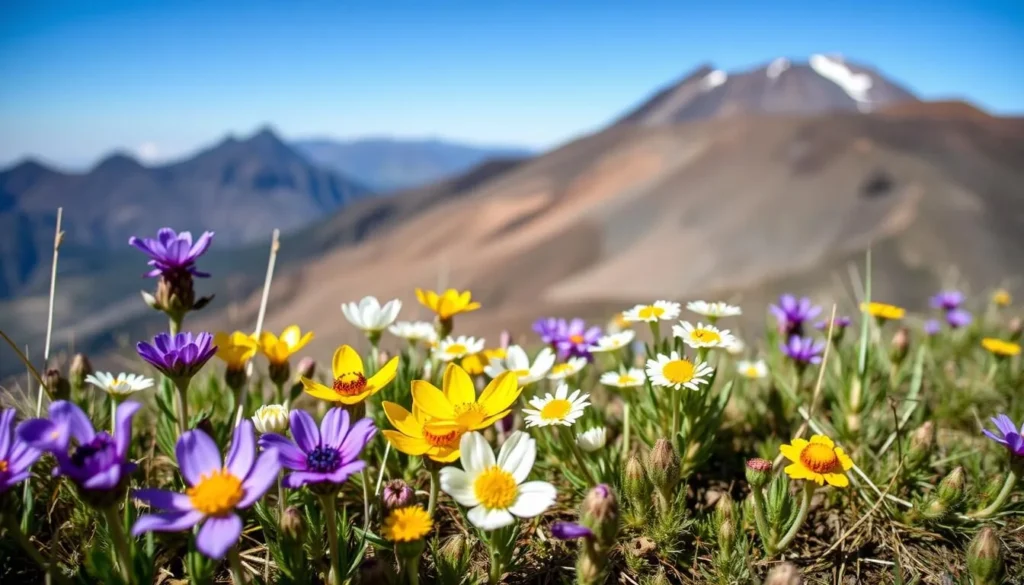
- Alpine Wildflowers: During spring months, the park’s meadows bloom with colorful alpine species.
Wildlife Watching
The park is home to diverse wildlife, though animals can be elusive. Keep an eye out for:
- White-tailed deer
- Ring-tailed cats
- Various bird species including the golden eagle
Museums, Cultural Spots & Festivals
While the natural landscape is the main attraction, the area surrounding Iztaccihuatl-Popocatepetl National Park is rich in cultural heritage worth exploring.
The Legend of Popocatepetl and Iztaccihuatl
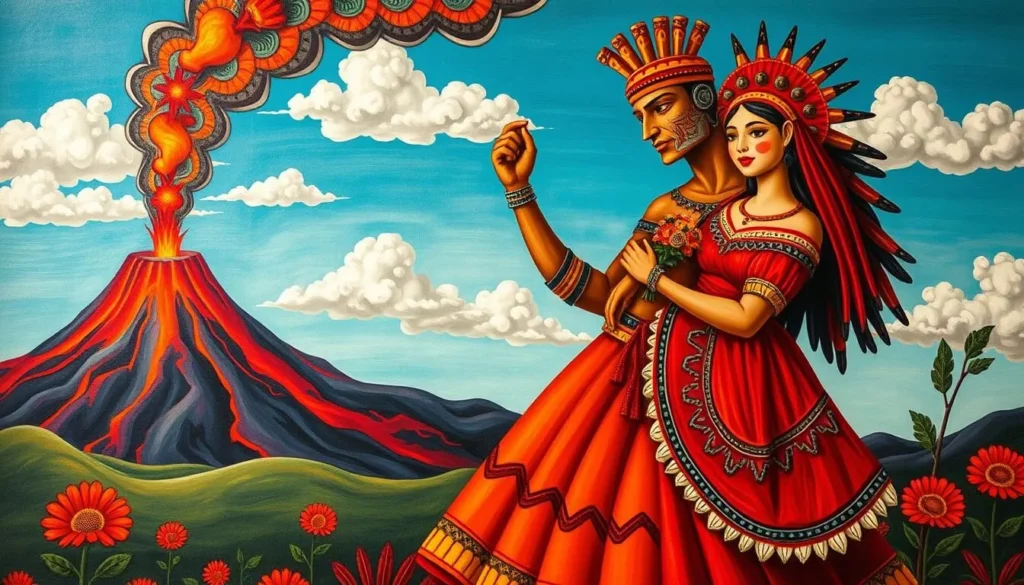
According to Aztec legend, Iztaccihuatl was a princess who fell in love with the warrior Popocatepetl. When falsely told her beloved had died in battle, she died of grief. Upon his victorious return, Popocatepetl was devastated and carried her body to the mountains, where he built a tomb and keeps eternal vigil beside her. The gods transformed them into mountains so they could be together forever.
From certain angles, Iztaccihuatl’s silhouette resembles a sleeping woman, while Popocatepetl’s occasional eruptions represent the warrior’s torch still burning with love.
Nearby Cultural Attractions
- Great Pyramid of Cholula: The largest pyramid by volume in the world, now appearing as a hill with a church built on top by Spanish colonizers.
- Puebla Cathedral: A stunning example of colonial architecture in the heart of Puebla city.
- Museo Amparo (Puebla): Houses an impressive collection of pre-Hispanic, colonial, and contemporary Mexican art.
- Traditional Talavera Workshops: Puebla is famous for its distinctive blue and white pottery. Visit workshops to see artisans at work.
Local Festivals
If your visit coincides with these celebrations, they offer unique cultural experiences:
- Festival of the Volcanoes (March/April): Celebrates the legend of the star-crossed lovers with music, dance, and traditional ceremonies.
- Cinco de Mayo (May 5): Commemorates the Mexican victory over French forces at the Battle of Puebla in 1862.
- Day of the Dead (November 1-2): Elaborate celebrations throughout the region with altars, marigolds, and traditional foods.

Sports, Nature & Outdoor Experiences
Beyond hiking, Iztaccihuatl-Popocatepetl National Park offers several other outdoor activities for nature enthusiasts.
Mountain Biking
Several dirt roads and designated trails within the lower elevations of the park are suitable for mountain biking. The route from Paso de Cortes to Tlamacas offers challenging terrain with spectacular views. Bring your own bike, as rental options are extremely limited.
Bird Watching
The park’s diverse ecosystems support numerous bird species. Early morning hours at lower elevations offer the best bird watching opportunities. Species you might spot include:
- Steller’s Jay
- Red-tailed Hawk
- American Kestrel
- Various hummingbird species

Camping
For those wanting to fully immerse themselves in the park’s natural beauty, camping at La Joya offers a unique experience. At 4,000 m (13,123 ft), nights are cold year-round, so proper equipment is essential:
- Four-season tent
- Sleeping bag rated for below-freezing temperatures
- Insulated sleeping pad
- Plenty of layers for the dramatic temperature changes
Stargazing
The high altitude and minimal light pollution make the park an excellent location for stargazing. On clear nights, the Milky Way is often visible to the naked eye. The best spots include:
- La Joya parking area
- Paso de Cortes visitor center

Adventure Tip: For the most memorable experience, consider camping at La Joya to witness both sunset and sunrise over the volcanoes, followed by an early morning hike before the crowds arrive.
Safety, Etiquette & Local Customs
Visiting Iztaccihuatl-Popocatepetl National Park requires awareness of several safety considerations and cultural sensitivities.
Volcano Safety
Popocatepetl is an active volcano with regular eruptions. Before planning your visit:
- Check Popocatepetl’s current activity level at or .
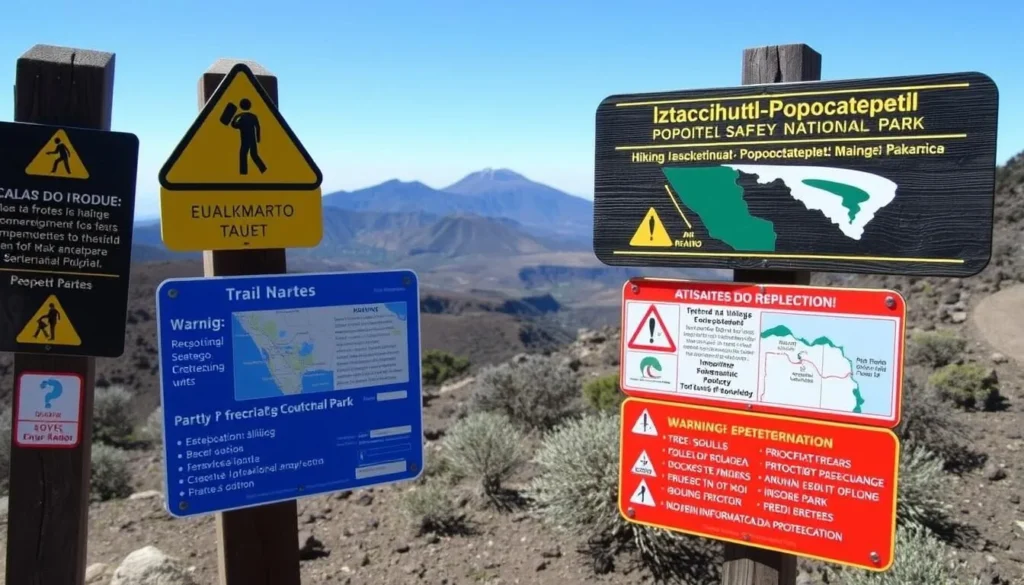
- Follow all park ranger instructions regarding restricted areas.
- Hiking on Popocatepetl itself is strictly prohibited due to volcanic activity.
Altitude Considerations
The park’s high elevation (3,600-5,400 m / 11,800-17,700 ft) poses significant altitude sickness risks:
- Spend at least 2-3 days in Mexico City (2,240 m / 7,350 ft) to acclimatize before visiting.
- Stay hydrated and avoid alcohol before and during your visit.
- Recognize altitude sickness symptoms: headache, nausea, dizziness, fatigue.
- Descend immediately if symptoms worsen.
Safety Warning: Weather conditions can change rapidly at high altitudes. Always bring extra layers, rain protection, and sun protection regardless of the forecast.
Environmental Etiquette
Help preserve this beautiful national park for future generations:
- Pack out all trash (no waste facilities are available on trails).
- Stay on marked trails to prevent erosion and protect fragile alpine vegetation.
- Do not collect plants, rocks, or other natural items.
- Keep noise to a minimum to avoid disturbing wildlife.
Cultural Sensitivity
The volcanoes hold deep cultural significance for local communities:
- Respect any traditional ceremonies you might encounter.
- Learn a few basic Spanish phrases to communicate with park staff and local residents.
- Ask permission before photographing local people.
Practical Travel Tips
These final recommendations will help ensure a smooth, enjoyable visit to Iztaccihuatl-Popocatepetl National Park.
What to Pack
- Layered Clothing: Temperatures can range from below freezing to pleasantly warm in a single day.
- Hiking Boots: Trails can be slippery with loose volcanic soil.
- Sun Protection: Sunscreen (SPF 50+), sunglasses, and a wide-brimmed hat are essential at high altitude.
- Water: At least 2 liters per person for day hikes.
- Food: Energy-dense snacks and meals as no reliable food sources exist within the park.
- First Aid Kit: Include basic supplies plus medication for altitude sickness if prescribed.
- Cash: For entrance fees, taxis, and small purchases (credit cards aren’t widely accepted in rural areas).
Communication
Cell service within the park is limited and unreliable:
- Download offline maps before your visit.
- Consider renting a local SIM card for better coverage in Mexico.
- Inform someone of your hiking plans and expected return time.

Time Management
- Allow a full day for visiting the park, including transportation time.
- Start early to maximize clear views before afternoon clouds form.
- Plan to leave the park well before sunset, as trails are not illuminated.
Final Tip: The journey to Iztaccihuatl-Popocatepetl National Park is as rewarding as the destination itself. Take time to enjoy the changing landscapes, local villages, and cultural experiences along the way.
Ready for Your Volcanic Adventure?
Standing in the shadow of Mexico’s legendary volcanoes is an experience that combines natural wonder, physical challenge, and cultural immersion. Whether you’re capturing the perfect photograph of Popocatepetl’s smoking crater, hiking the slopes of the “Sleeping Woman,” or simply soaking in the ancient legends that permeate this landscape, Iztaccihuatl-Popocatepetl National Park offers unforgettable adventures just a short journey from Mexico City.
With proper planning and respect for both the natural environment and cultural significance of these towering peaks, your visit to Izta-Popo National Park will surely rank among your most memorable Mexican experiences. The volcanoes have stood watch over this land for millennia—now it’s your turn to witness their majesty.
The above is subject to change.
Check back often to TRAVEL.COM for the latest travel tips and deals.


0 Comments