Hotels by Trip.com
Flights by Trip.com
Nestled along Oaxaca’s pristine coastline, Lagunas de Chacahua National Park is one of Mexico’s best-kept secrets, where five lagoons converge with the Pacific Ocean through a network of mangrove tunnels. This ecological sanctuary, established in 1937 as Mexico’s first national park, shelters an astonishing 136 bird species and serves as a vital nesting ground for endangered sea turtles. Unlike more developed destinations, this remote paradise offers travelers a rare glimpse into a Mexico that exists beyond the tourist trail—where electricity remains limited, internet connections are scarce, and the rhythms of nature dictate daily life.
Getting There & Planning Your Journey
Reaching Lagunas de Chacahua requires some effort, but the journey itself becomes part of the adventure. The most common starting point is Puerto Escondido, a popular coastal town in Oaxaca with regular flight connections to Mexico City and other major destinations.
From Puerto Escondido to Chacahua
The journey involves multiple transportation modes and takes approximately 2-3 hours:
- Take a colectivo (shared van) from Puerto Escondido toward Rio Grande, asking the driver to drop you at the intersection for El Zapotalito. Cost: approximately 70 pesos per person.
- From the intersection, take a shared taxi to El Zapotalito. Cost: 20-25 pesos per person.
- At El Zapotalito, you have two options:
- Direct boat to Chacahua: A 45-minute scenic journey through the mangroves. Cost: 200-300 pesos per person. This is the recommended option for first-time visitors as it offers spectacular views of the national park.
- Short boat + truck combo: A 5-minute boat ride followed by a 45-minute bumpy truck ride on dirt roads. Cost: 100 pesos total (50 for boat, 50 for truck). This option is less scenic but more economical.

Important Travel Tips
- Pack light: The journey involves multiple transfers and potentially walking in sand. A small backpack is ideal.
- Bring sufficient cash: There are no ATMs in Chacahua, and most businesses only accept cash.
- Leave early: Starting your journey from Puerto Escondido in the morning gives you better chances of finding accommodation and enjoying your first day in Chacahua.
- Consider leaving large luggage: Many travelers leave their main backpacks at a hotel in Puerto Escondido and only bring essentials to Chacahua.
Best Time to Visit & Weather Tips
Timing your visit to Lagunas de Chacahua National Park can significantly impact your experience. The park experiences distinct wet and dry seasons, with variations in temperature, humidity, and tourist numbers throughout the year.
Recommended Months (November-April)
The dry season from November to April offers the most pleasant conditions for visiting Chacahua:
- November-December: Perfect weather with temperatures averaging 25-30°C (77-86°F). The landscape remains lush after the rainy season, and wildlife viewing opportunities are excellent.
- January-February: Peak season with the most reliable weather. Daytime temperatures hover around 28°C (82°F) with minimal rainfall. This is also whale watching season along the Oaxacan coast.
- March-April: Temperatures begin to rise, reaching 32-35°C (90-95°F). The lagoons become clearer as sediment settles, making it excellent for swimming and kayaking.
Months to Avoid (May-October)
The rainy season from May to October presents several challenges:
- May-June: Increasing humidity and temperatures reaching 35°C (95°F) or higher. Afternoon thunderstorms become more frequent.
- July-September: Peak rainy season with potential for heavy downpours and occasional tropical storms. Some boat services may be limited during extreme weather.
- October: Rainfall begins to decrease, but the landscape can be muddy and some paths difficult to navigate.

Special Considerations
For specific experiences, consider these timing tips:
- Surfing: The best waves for beginners are from October to April. May to September brings larger waves suitable for experienced surfers.
- Bioluminescence: This magical phenomenon is visible year-round but is most vibrant during new moon phases when the sky is darkest.
- Turtle releases: Sea turtle nesting and hatching occur primarily from July to January, with releases typically happening in the early evenings.
- Bird watching: November to March offers the best opportunities as migratory birds join the resident species.
Getting Around Locally
Lagunas de Chacahua National Park has a refreshingly simple transportation system. The main village is small enough to navigate on foot, with most accommodations, restaurants, and activities concentrated along the beach or within a short walking distance.
On Foot
Walking is the primary mode of transportation within Chacahua village. The main beach stretches for an impressive 12 km, though most visitors stay within the first 3 km where most services are located. The village itself consists of several dusty roads that connect to the beach at various points.
Be prepared for walking in sand, which can be extremely hot during midday. Proper footwear is essential, especially when exploring further along the beach.
Colectivo Trucks
For longer distances within the park, such as traveling from the main village to accommodations further along the beach, colectivo pickup trucks operate regularly. These cost approximately 50 pesos per person and can be flagged down along the main dirt road.

Boat Transportation
Small boats (lanchas) are essential for crossing the lagoon to reach different parts of the park, including:
- Lighthouse (El Faro): A popular sunset spot accessible by a quick 5-minute boat ride costing 20 pesos per person.
- Other beaches: Boats can take you to more secluded beaches within the park for around 50-100 pesos depending on distance.
- Mangrove tours: Specialized boat tours explore the extensive mangrove network throughout the national park.
Boats typically wait at the main dock in the village or can be arranged through your accommodation.
✓ Check 30,000+ Local Sightseeing Tours Worldwide
Where to Stay
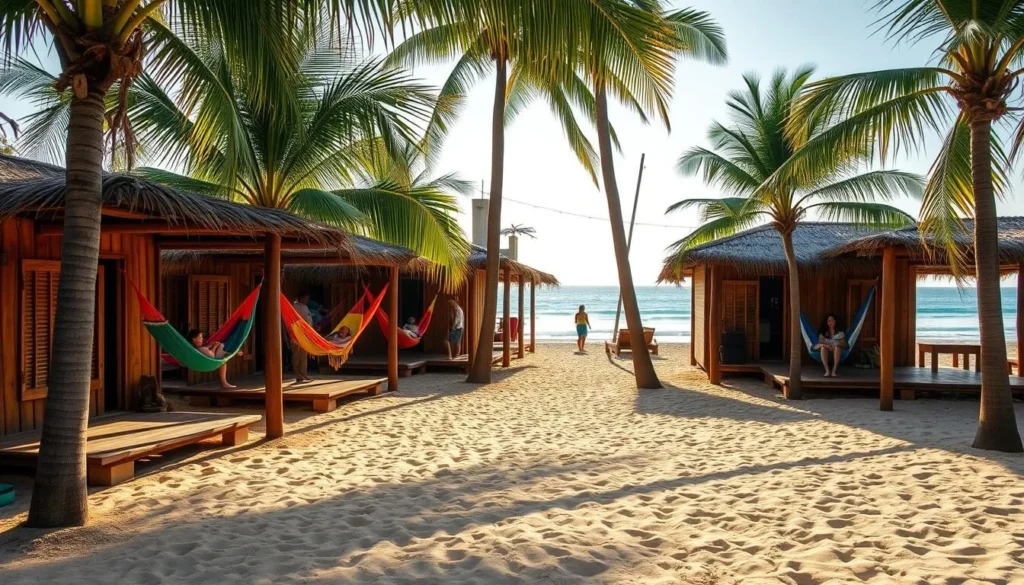
Accommodation in Lagunas de Chacahua ranges from basic camping spots to rustic cabañas, with options to suit different budgets and comfort levels. What unites most lodging options is their proximity to the beach and their relatively simple amenities—this is an off-grid destination where luxury takes a backseat to location and natural beauty.
Budget Options
Camping
The most economical way to stay in Chacahua is camping, with two main options:
- Bring your own tent or hammock: Many beachfront establishments allow you to set up your own equipment for around 50 pesos per night. Some places waive this fee if you purchase food or drinks.
- Rent camping equipment: Hammocks and tents can be rented from several places along the beach for 100-150 pesos per night.
Popular camping spots include Terra Tipi, Chacahua Surf Camp, and Sharky’s, all offering basic facilities like shared bathrooms and sometimes communal kitchens.
Shared Accommodations
While traditional hostels with dormitory beds are rare in Chacahua, some establishments offer shared rooms or basic cabins with multiple beds for 150-200 pesos per person.
Mid-Range Options
Private Cabañas
Simple private cabañas are the most common accommodation type, typically featuring:
- Basic wooden or palm-thatched structures
- Double or twin beds with mosquito nets
- Fan (when electricity is available)
- Shared or private bathroom facilities
- Small terrace or sitting area
Prices range from 300-500 pesos per night for basic cabañas to 700-1,000 pesos for those with better amenities or prime beachfront locations.
Recommended options include:
- Cabañas Alta Mar: Clean, comfortable rooms near the center of the village with excellent sea views.
- Cabañas La Isla Chacahua: Well-located cabins with a friendly owner who can arrange activities.
- Casa Gitana: Stylish accommodations with direct beach access and hammocks.
Higher-End Options
Luxury accommodations are limited in Chacahua, but a few newer properties offer enhanced comfort:
- Porã Chacahua: Eco-friendly teepees and tents with thoughtful design and vegetarian breakfast options.
- Nattivo Ecoglamping: Stylish teepee structures with a guest pool.
- Casa UwU: Contemporary beachfront villas with modern amenities and private terraces.
Booking Tips
- Many accommodations can’t be booked online and require in-person inquiries.
- For shorter stays (2-3 nights), booking in advance is recommended if you have specific comfort requirements.
- For longer stays, consider booking just your first night and then exploring options in person for potentially better rates.
- During peak season (December-February), arrive early in the day to secure accommodation.
- Always check if your accommodation has electricity limitations, as many places only have power during certain hours.
Dining & Local Cuisine
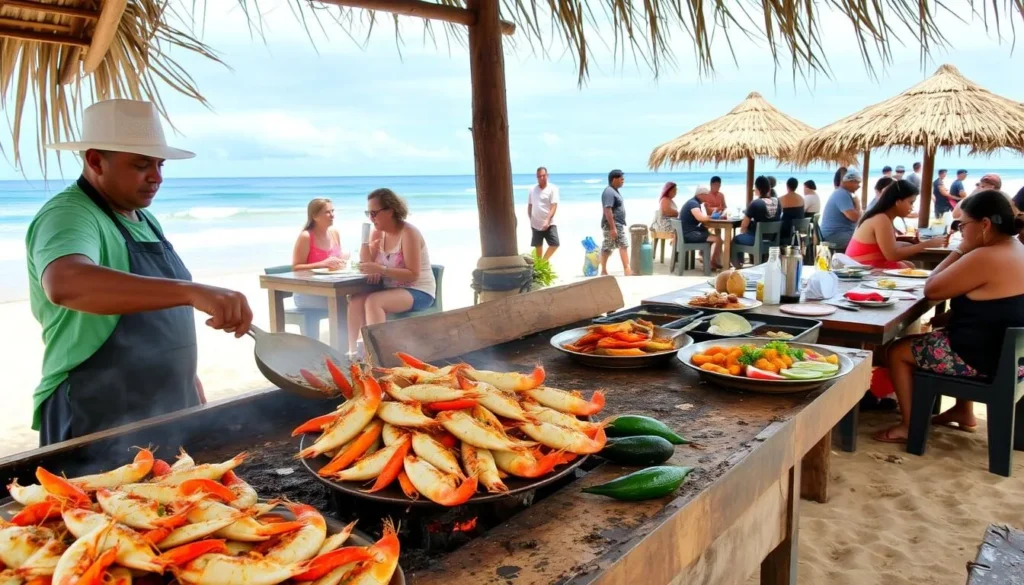
The culinary scene in Lagunas de Chacahua revolves around fresh seafood, traditional Oaxacan dishes, and simple beach fare. Most restaurants are small, family-run establishments with menus that change based on the day’s catch and available ingredients.
Local Specialties
Don’t miss these regional dishes during your visit:
- Pescado a la talla: Whole fish marinated in chili paste and grilled over an open flame.
- Camarones al ajillo: Shrimp sautéed with garlic, chili, and lime.
- Tlayudas: Large, crispy tortillas topped with beans, cheese, and various toppings—Oaxaca’s answer to pizza.
- Sopes: Thick corn masa bases topped with beans, meat, cheese, and salsa.
- Ceviche: Fresh fish or shrimp “cooked” in lime juice with tomatoes, onions, and cilantro.
Where to Eat
Beachfront Restaurants
Several simple restaurants line the main beach, offering fresh seafood and Mexican staples with ocean views:
- Restaurant Frente al Mar: Good variety of dishes in a pleasant beachfront setting, one of the few places accepting card payments.
- Restaurant El Ponto: Popular spot for lunch and cold beers between sunbathing sessions.
- 4-20 Coffee Shop & Sushi Bar: Specializes in sashimi and ceviche with excellent vegetarian options.
Village Eateries
In the main village area, you’ll find more traditional and often less expensive options:
- Restaurant Bertitha: Popular breakfast spot serving traditional Mexican morning dishes.
- Isela Restaurant: Good-sized portions of traditional Mexican food at reasonable prices.
- The tlayudas and sopes places: Small food stalls in the main square offering authentic Oaxacan specialties.
Specialty Options
- The Burger Place: Run by surfers, offering excellent fish burgers and vegetarian options.
- Chacahua Wings: For those craving something different, with burgers and American-style fare.
- Elena Montes: Wood-fired pizzas on the beach.
Dining Tips
- Budget: Expect to pay 80-120 pesos for breakfasts and 150-200 pesos for lunches and dinners.
- Timing: Service is typically relaxed (slow), so don’t visit when you’re in a hurry.
- Cash: Most restaurants only accept cash, so plan accordingly.
- Groceries: For longer stays, basic supplies can be purchased at the mini-markets in the main square.
- Water: Bring a water filter bottle or purchase purified water, as tap water is not potable.
Attractions, Sightseeing & Activities
Lagunas de Chacahua National Park offers a perfect blend of natural wonders, outdoor adventures, and cultural experiences. The park’s diverse ecosystems—from mangrove forests to pristine beaches—provide a backdrop for activities that connect visitors with nature’s rhythms.

Must-See Natural Attractions
Bioluminescent Lagoons
One of Chacahua’s most magical experiences is witnessing the bioluminescent plankton that illuminate the lagoons at night. When disturbed, these microscopic organisms emit a blue-green glow, creating what appears to be a galaxy of stars in the water.
- Best time: The phenomenon is visible year-round but is most spectacular during the new moon when skies are darkest.
- How to experience it: Evening boat tours (around 200 pesos per person) take visitors to the best spots for viewing and swimming among the bioluminescence.
- Tip: For the full experience, brave the initial cool water and swim among the glowing organisms—movements create more dramatic light effects.
El Faro (The Lighthouse)
Perched on a hill across the lagoon from the main village, El Faro offers panoramic views of the entire national park—ocean, lagoons, mangroves, and mountains all visible from one vantage point.
- Getting there: Take a small boat across the lagoon (20 pesos), then follow the path uphill to the lighthouse.
- Best time to visit: Late afternoon for the spectacular sunset views.
- Bring: Water, camera, and a headlamp if staying for sunset (the return path is unlit).
Secret Beach
Beyond the lighthouse lies a secluded stretch of coastline that faces west—perfect for sunset viewing and escaping any crowds on the main beach.
- Access: From the lighthouse, continue on the path that leads down to the western side of the peninsula.
- Features: Interesting rock formations, crystal-clear water, and often complete privacy.
Wildlife Encounters

Mangrove Boat Tours
The extensive mangrove ecosystem is the heart of the national park, providing habitat for countless species and protecting the coastline from erosion.
- Tour options: Guided boat tours (200-300 pesos) explore the narrow channels and open lagoons, with knowledgeable guides pointing out wildlife.
- Wildlife: Spot crocodiles, iguanas, and numerous bird species including herons, pelicans, and if you’re lucky, roseate spoonbills.
- Duration: Tours typically last 1-2 hours depending on your interests.
Sea Turtle Conservation
Chacahua’s beaches serve as important nesting grounds for several sea turtle species, including Olive Ridley and Leatherback turtles.
- Turtle camp: Visit the conservation camp along the beach where eggs are protected until hatching.
- Releases: Participate in baby turtle releases, typically occurring at sunset when predation risks are lower.
- Season: Nesting occurs primarily from July to January, with releases happening throughout this period.
Whale and Dolphin Watching
From December to March, the waters off Chacahua become a highway for migrating humpback whales.
- Sightings: Whales can sometimes be spotted from shore, but boat tours offer closer encounters.
- Other marine life: Dolphins, manta rays, and sea turtles are frequently spotted during these excursions.
Sports, Nature & Outdoor Experiences
For active travelers, Lagunas de Chacahua offers numerous opportunities to engage with the natural environment through sports and outdoor activities. The park’s diverse terrain provides the perfect setting for adventures both on land and water.
Surfing
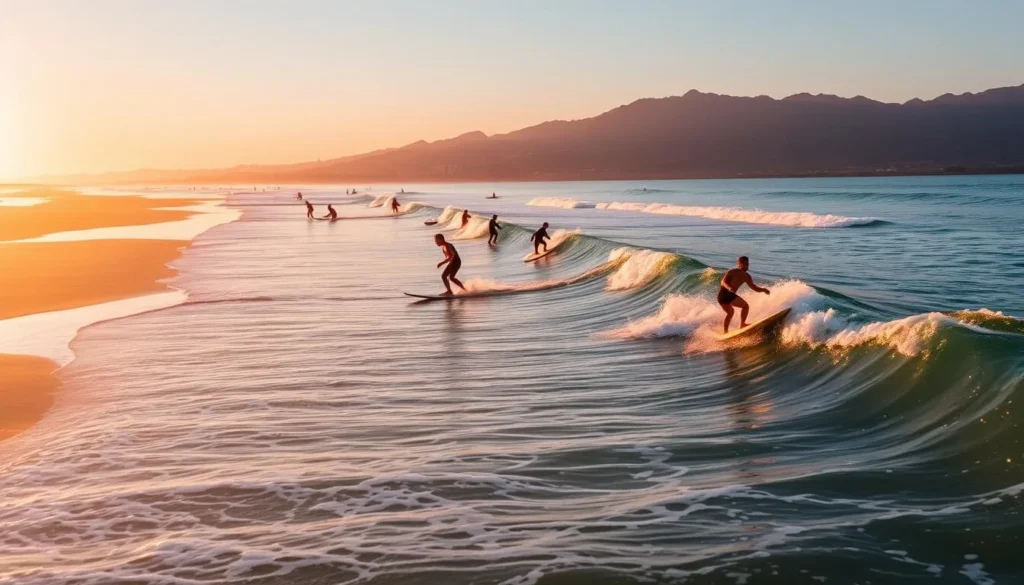
Chacahua has earned a reputation as one of Mexico’s best surfing destinations, particularly appealing because of its uncrowded waves compared to nearby Puerto Escondido.
Surf Conditions
- Wave type: Long right-hand point break with consistent waves.
- Best for beginners: October to April, when waves are smaller and more manageable.
- Advanced surfers: May to September brings bigger, more challenging waves.
- Water temperature: Warm year-round, no wetsuit needed.
Rentals and Lessons
- Board rental: 150 pesos/hour or 300 pesos/day, with discounts for longer rentals.
- Lessons: One-on-one instruction costs 600-700 pesos for a 1-2 hour session.
- Recommended: Chacahua Surf Camp offers quality boards and experienced instructors.
Surfing etiquette is important here—respect local surfers, don’t drop in on others, and stay within your skill level.
Kayaking and Canoeing
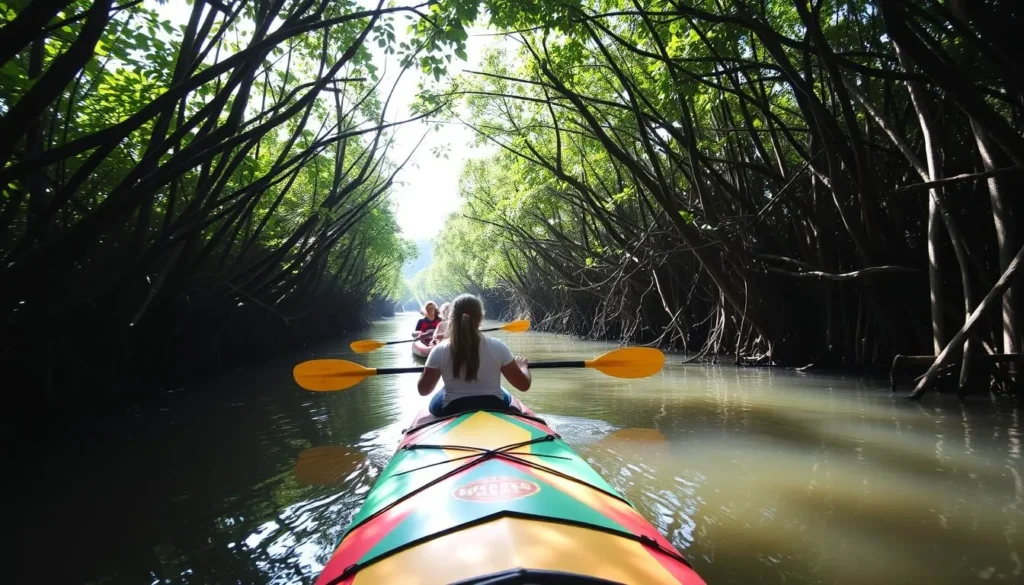
Exploring the lagoons by kayak or canoe allows you to navigate the quieter corners of the park at your own pace.
- Rental options: Several places along the beach rent kayaks for 150-200 pesos per hour.
- Guided tours: For those unfamiliar with the area, guided kayak tours provide navigation and wildlife spotting expertise.
- Best routes: Paddle through the mangrove channels or explore the open lagoons for bird watching.
Hiking and Walking
While Chacahua doesn’t have formal hiking trails, several walking routes offer beautiful views and nature experiences:
- Lighthouse trail: The short but steep hike to El Faro rewards with panoramic views.
- Beach walks: The 12 km stretch of beach provides opportunities for long, meditative walks.
- Mangrove boardwalks: Some sections of the mangroves have basic boardwalks for exploration on foot.
Fishing
Fishing is both a livelihood for locals and an activity for visitors in Chacahua:
- Shore fishing: Join locals fishing from the old concrete pier or along the beach.
- Fishing tours: Arrange a trip with local fishermen to learn traditional techniques.
- Common catches: Snapper, sea bass, and various tropical fish species.
Swimming and Beach Activities
The main beach offers good swimming conditions, though caution is advised:
- Swimming safety: There is some current, so stay within your comfort zone and don’t swim alone.
- Beach games: Impromptu volleyball matches often form on the beach.
- Relaxation: Many visitors simply enjoy sunbathing, reading, and disconnecting from technology.
Yoga and Wellness
Chacahua’s peaceful setting makes it ideal for wellness activities:
- Yoga classes: Palma Real offers daily classes at 9 am for 150 pesos per session.
- Temazcal: Traditional Mexican sweat lodge ceremonies are occasionally available at Casa Venado.
- Massages: Several beachfront establishments offer basic massage services.
Cultural Experiences & Local Community
Lagunas de Chacahua offers visitors a glimpse into a unique cultural heritage shaped by its geography, history, and the resilient communities that call it home. The area has a fascinating Afro-Mexican heritage that adds another dimension to your visit beyond the natural attractions.

Afro-Mexican Heritage
Chacahua and the surrounding Costa Chica region have a significant Afro-Mexican population, descendants of enslaved Africans brought to Mexico during the colonial period. This cultural heritage is evident in local music, dance, cuisine, and traditions.
- Cultural exchanges: Engage respectfully with community members to learn about their history and traditions.
- Music: Listen for the distinctive rhythms influenced by African musical traditions.
- Cuisine: Some local dishes reflect this cultural fusion, particularly in the use of coconut, plantains, and certain spices.
Fishing Community
Fishing remains the primary livelihood for many Chacahua residents, with techniques passed down through generations:
- Morning ritual: Wake up early to watch fishermen return with their catch, which will likely appear on restaurant menus later that day.
- Fishing methods: Observe traditional net casting and other fishing techniques along the shore and in the lagoons.
- Sustainable practices: Learn how local fishing cooperatives work to maintain healthy fish populations.
Community Tourism Initiatives
Several community-based tourism projects help ensure tourism benefits local residents:
- Guided tours: Hiring local guides supports families while providing authentic insights.
- Handicrafts: Some residents create and sell handmade items including jewelry, woven goods, and woodcarvings.
- Conservation efforts: Community-run turtle protection programs welcome visitor participation.
Respecting Local Culture
As tourism increases in Chacahua, responsible visitor behavior becomes increasingly important:
- Photography: Always ask permission before photographing people, especially children.
- Resources: Be mindful of limited resources like water and electricity.
- Waste: Pack out what you pack in, and consider picking up any litter you see on the beach.
- Bargaining: While negotiating prices is common, remember that fair prices support the local economy.
Safety, Etiquette & Local Customs
Lagunas de Chacahua is generally a safe destination, but its remote nature and limited infrastructure require visitors to take certain precautions and respect local customs to ensure a positive experience for everyone.
Health and Safety
Sun Protection
The sun is intense in Chacahua, especially between 11 am and 3 pm:
- Apply high-SPF sunscreen regularly, even on cloudy days.
- Wear a hat, sunglasses, and light, protective clothing.
- Stay hydrated by drinking plenty of water throughout the day.
- Seek shade during peak sun hours—the beach has limited natural shade.
Water Safety
- Drinking water: Tap water is not potable. Use purified water for drinking and brushing teeth.
- Ocean swimming: Be aware of currents and never swim alone. There is often no lifeguard on duty.
- Lagoon swimming: While generally safer than the ocean, be aware that crocodiles inhabit some areas of the lagoons (though attacks are extremely rare).
Medical Services
Medical facilities in Chacahua are extremely limited:
- There is a small basic clinic in the village for minor issues.
- For serious medical emergencies, evacuation to Puerto Escondido is necessary.
- Bring a well-stocked first aid kit including remedies for common traveler ailments.
- Consider travel insurance that covers emergency evacuation.
Local Etiquette
Communication
- Spanish is the primary language—learning basic phrases is appreciated.
- Greetings are important—a simple “Buenos días” goes a long way.
- Communication style tends to be indirect; direct criticism or complaints may be considered rude.
Dress Code
- Beach attire is acceptable on the beach and in beachfront establishments.
- When visiting the village or local homes, more modest dress is appropriate.
- Topless sunbathing is common among international visitors in some areas but should be limited to appropriate sections of the beach.
Environmental Respect
- Avoid single-use plastics whenever possible.
- Never disturb wildlife or remove anything from the natural environment.
- Participate in beach clean-ups if available.
- Use biodegradable sunscreen and soap to protect the lagoon ecosystem.
Money Matters
- Cash only: There are no ATMs in Chacahua, and most businesses don’t accept cards.
- Emergency cash: If you run out of money, some shops offer cashback with a 10% fee.
- Tipping: 10-15% is standard for restaurant service and guides.
- Pricing: Some items cost more than on the mainland due to transportation costs.
Practical Travel Tips
Making the most of your visit to Lagunas de Chacahua requires some advance planning and preparation. These practical tips will help you navigate the unique challenges of this remote destination and ensure a smooth, enjoyable experience.
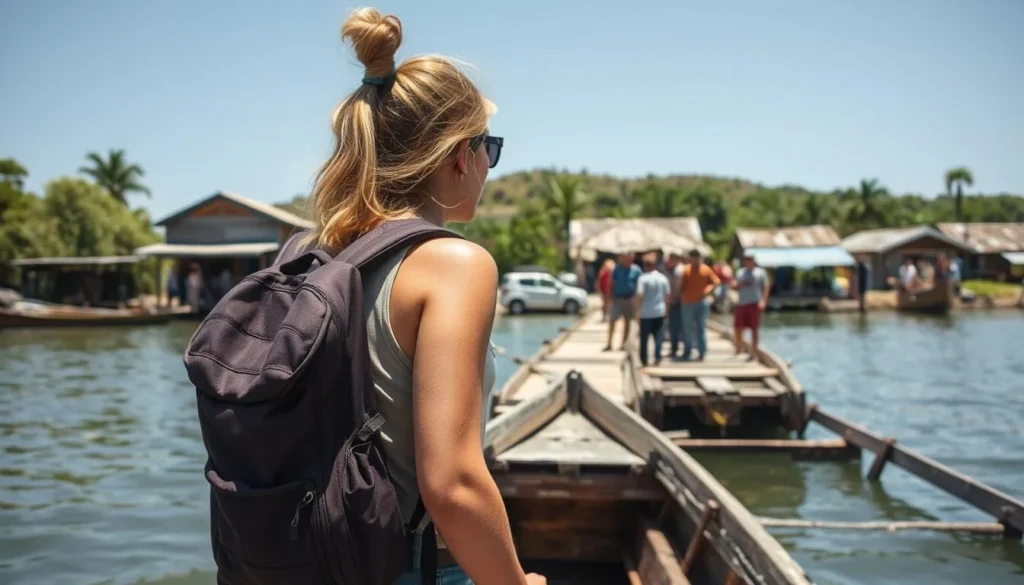
What to Pack
Pack light but don’t forget these essentials:
- Cash: Bring enough for your entire stay plus extra for emergencies.
- Light, quick-dry clothing: The climate is hot and humid year-round.
- Sun protection: High-SPF sunscreen, hat, sunglasses, and light cover-ups.
- Insect repellent: Mosquitoes can be intense, especially around sunset.
- Headlamp or flashlight: Power outages are common, and many areas are unlit at night.
- Water filter or purification tablets: Reduces need for buying bottled water.
- Basic first aid kit: Include remedies for sunburn, insect bites, and stomach issues.
- Entertainment: Books, cards, or downloaded content (don’t count on reliable internet).
Connectivity
Prepare for limited digital connectivity:
- Internet: Few places offer WiFi, and when available, it’s typically slow and unreliable.
- Mobile service: Cell coverage is spotty at best. Mexican carriers like Telcel have better coverage than international roaming.
- Electricity: Many accommodations only have electricity during certain hours, typically evenings.
- Charging: Bring portable power banks for essential devices.
Transportation Planning
- Arrival timing: Plan to arrive in El Zapotalito before 4 pm to ensure boat connections to Chacahua.
- Departure flexibility: Allow buffer time when planning onward travel, as boat and colectivo schedules can be unpredictable.
- Luggage strategy: Consider leaving large bags at a hotel in Puerto Escondido and bringing only essentials.
Money Management
Without ATMs in Chacahua, careful money management is essential:
- Daily budget: Plan for approximately 500-1,000 pesos per day depending on accommodation and activities.
- Emergency options: If you run out of cash, you can get cashback at Supercito Christian in the main square (with a 10% fee) or make the journey to Rio Grande for an ATM.
- Secure storage: Keep cash secure by dividing it and storing in different locations.
Sustainable Tourism Tips
- Water conservation: Take short showers and reuse towels when possible.
- Waste reduction: Bring a reusable water bottle, shopping bag, and utensils.
- Local economy: Purchase from local vendors and use community guides.
- Wildlife respect: Observe animals from a distance and never feed wildlife.
- Cultural sensitivity: Ask permission before photographing people and respect local customs.
Conclusion
Lagunas de Chacahua National Park represents a Mexico that many travelers dream of but few experience—a place where nature still dictates the rhythm of life, where digital detox happens naturally, and where genuine cultural encounters occur daily. The journey to reach this remote paradise requires extra effort, but those who make it are rewarded with pristine beaches, magical bioluminescent waters, world-class surfing, and the warm hospitality of a community that has maintained its authentic character despite growing tourism.
As you plan your visit, remember that Chacahua’s charm lies in its simplicity and remoteness. Embrace the occasional power outage as an opportunity to stargaze, treat limited internet as an invitation to connect with fellow travelers, and view the multiple transportation legs as part of the adventure rather than obstacles. Pack light, bring cash, and most importantly, bring an open mind and respectful attitude toward both the natural environment and the communities that call this special place home.
Whether you come for the surf, the wildlife, or simply to disconnect from the modern world for a while, Lagunas de Chacahua offers a rare glimpse into a Mexico that exists beyond the resort zones and tourist corridors—authentic, challenging at times, but ultimately unforgettable. As travelers privileged to experience this special corner of Oaxaca, we have the responsibility to tread lightly and help preserve what makes Chacahua so magical for generations to come.