

Did you know Mexico has 7 distinct climate zones, making it possible to experience desert heat, tropical humidity, and alpine coolness all in one trip? This remarkable diversity means Mexico doesn’t have just one “best time to visit” – it has several, depending on your destination and preferences. With over 35 million international visitors annually, timing your trip right can mean the difference between perfect beach days and unexpected downpours.
Mexico’s Weather: Season-by-Season Guide
Mexico’s climate varies dramatically by region and elevation. From the arid deserts of the north to the tropical rainforests of the south, understanding these patterns is key to planning your perfect trip. Let’s break down what to expect during each season.
Winter (December-February)

Best Time to Visit
Peak tourist season with ideal weather across most regions.
Weather Overview & Tips
Dry and sunny with temperatures ranging from 22-29°C (72-85°F) in coastal areas. Mexico City and highland regions are cooler at 15-23°C (59-73°F) during the day, dropping to 5-10°C (41-50°F) at night. Virtually no rainfall in most regions.
What to Wear
Beach destinations: Light clothing, swimwear, sun protection
Highlands/Mexico City: Layers, light jacket for evenings, comfortable walking shoes
Things to Do
- Beach activities in Cancun, Playa del Carmen, and Los Cabos
- Whale watching in Baja California (January-March)
- Monarch butterfly migration in Michoacán
- Explore Mexico City’s museums and historical sites
Weather Pros & Cons
Pros
- Minimal rainfall
- Perfect beach weather
- Comfortable temperatures for sightseeing
Cons
- Higher prices
- Larger crowds
- Cold nights in highland areas
Summary
Winter offers Mexico’s most reliable weather but comes with peak season crowds and prices. Book accommodations well in advance, especially during holiday periods.
Spring (March-May)

Best Time to Visit
Excellent weather continues with gradually warming temperatures.
Weather Overview & Tips
Warm and mostly dry with temperatures climbing toward summer levels. Coastal areas reach 26-32°C (79-90°F), while inland areas see 18-28°C (64-82°F). May marks the beginning of the rainy season in some regions.
What to Wear
Lightweight, breathable clothing
Sun protection (hat, sunglasses, sunscreen)
Light rain jacket for May visits
Things to Do
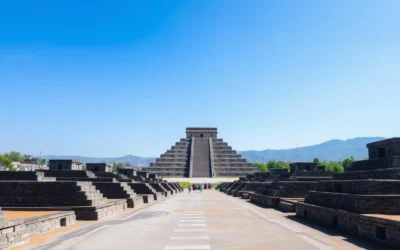
- Witness the Spring Equinox at Chichén Itzá (March 20-21)
- Enjoy beaches before hurricane season
- Explore colonial cities like San Miguel de Allende
- Celebrate Cinco de Mayo in Puebla (May 5)
Weather Pros & Cons
Pros
- Warm but not extremely hot
- Blooming jacaranda trees in cities
- Shoulder season prices in May
Cons
- Spring break crowds (March-April)
- Holy Week (Semana Santa) crowds
- Beginning of rain in May
Summary
Spring offers excellent weather with some crowd fluctuations around holidays. May represents a sweet spot with good weather and fewer tourists before the rainy season intensifies.
Summer (June-August)

Best Time to Visit
Rainy season with hot temperatures and occasional bargains.
Weather Overview & Tips
Hot and humid with regular afternoon rainfall. Coastal areas experience 30-35°C (86-95°F) with high humidity. Inland areas range from 25-32°C (77-90°F). Rain typically comes in short, intense bursts rather than all-day downpours.
What to Wear
Very lightweight, moisture-wicking clothing
Rain gear (compact umbrella, waterproof shoes)
Insect repellent for tropical areas
Things to Do
- Experience the Guelaguetza festival in Oaxaca (July)
- Swim with whale sharks on the Yucatán Peninsula (June-September)
- Enjoy discounted rates at luxury resorts
- Surf the bigger waves on the Pacific coast
Weather Pros & Cons
Pros
- Lower prices and fewer tourists
- Lush, green landscapes
- Unique seasonal activities
Cons
- High humidity
- Regular rainfall
- Beginning of hurricane season
Summary
Summer brings heat, humidity, and rain but also lower prices and fewer crowds. Plan indoor activities for afternoons when showers are most common, and consider travel insurance for hurricane season visits.
Fall (September-November)

Best Time to Visit
Transitional season with improving weather and cultural celebrations.
Weather Overview & Tips
Gradually decreasing rainfall and humidity. September remains wet with hurricane risk, while October and November see improving conditions. Temperatures range from 24-30°C (75-86°F) in coastal areas and 18-25°C (64-77°F) in highlands.
What to Wear
Light to medium-weight clothing
Rain gear for September visits
Light jacket for evening in highland areas
Things to Do
- Celebrate Mexican Independence Day (September 16)
- Experience Day of the Dead festivities (November 1-2)
- Explore the Copper Canyon in comfortable temperatures
- Visit beaches as crowds thin and weather improves
Weather Pros & Cons
Pros
- Decreasing rainfall (Oct-Nov)
- Shoulder season prices
- Major cultural festivals
Cons
- Hurricane risk (especially September)
- Lingering humidity
- Variable conditions
Summary
Fall represents a transition from wet to dry season, with November emerging as one of the best overall months to visit Mexico. September requires caution due to hurricane risk, while October and November offer increasingly favorable conditions.
Best Time to Visit by Region
Mexico’s diverse geography creates distinct climate patterns across regions. Here’s when to visit specific destinations for optimal experiences:
Yucatán Peninsula
Best Months: November to April
Avoid: September (peak hurricane season)
The Yucatán Peninsula, home to Cancun, Playa del Carmen, and Tulum, enjoys warm temperatures year-round. The dry season from November to April offers perfect beach weather with temperatures around 24-29°C (75-84°F). Hurricane season peaks in September, making it the riskiest month to visit.
Mexico City & Central Highlands
Best Months: March to May, October to November
Avoid: July to September (rainy season)
Mexico City’s high elevation (2,240 m/7,350 ft) creates a temperate climate year-round. Spring (March-May) offers warm days, cool nights, and blooming jacaranda trees. Fall (October-November) brings pleasant temperatures and clearer skies after the rainy season ends.
Pacific Coast
Best Months: November to April
Avoid: August to October (hurricane risk)
Puerto Vallarta, Acapulco, and other Pacific coast destinations enjoy a dry season from November to April with temperatures around 25-30°C (77-86°F). The wet season brings humidity and hurricane risk, particularly from August to October.
Baja California
Best Months: December to March (whale watching), October to November (general travel)
Avoid: August to September (extremely hot)
This peninsula enjoys a desert climate with little rainfall. Winter months (December-March) are ideal for whale watching with pleasant temperatures around 20-25°C (68-77°F). Summer can be extremely hot, especially in August.
Oaxaca
Best Months: October to May
Avoid: June to September (rainy season)
Oaxaca’s valley location creates a temperate climate year-round. The dry season from October to May offers comfortable temperatures around 18-28°C (64-82°F). July features the colorful Guelaguetza festival, though it falls during the rainy season.
Copper Canyon
Best Months: October to November, March
Avoid: July to August (heavy rain)
This spectacular canyon system is best visited in spring (March) when waterfalls are flowing, or fall (October-November) after the rainy season when landscapes are lush and temperatures moderate around 15-25°C (59-77°F).
Best Times for Special Experiences
Mexico’s calendar is filled with unique natural phenomena and cultural celebrations that might influence your travel timing:

Natural Phenomena
- Whale Watching (Baja California): December to March
- Monarch Butterfly Migration (Michoacán): November to March
- Sea Turtle Nesting (Pacific Coast): June to November
- Whale Shark Swimming (Yucatán): May to September
- Spring Equinox at Chichén Itzá: March 20-21
Cultural Celebrations
- Day of the Dead: November 1-2
- Guelaguetza Festival (Oaxaca): Last two Mondays of July
- Mexican Independence Day: September 16
- Cinco de Mayo (Puebla): May 5
- Semana Santa (Holy Week): March/April (varies)
Practical Weather Tips for Mexico Travelers

Hurricane Season Preparation
Hurricane season officially runs from June 1 to November 30, with peak activity in September. If traveling during this period:
- Purchase comprehensive travel insurance
- Monitor weather forecasts closely
- Keep emergency contact information handy
- Maintain flexibility in your itinerary
Altitude Considerations
Mexico City sits at 2,240 m (7,350 ft) above sea level, while other highland destinations reach even higher elevations:
- Allow 1-2 days to acclimatize
- Stay hydrated and limit alcohol
- Use sunscreen (UV exposure increases with altitude)
- Pack layers for temperature fluctuations
Rainy Season Strategies
During the rainy season (May-October), adapt your plans with these strategies:
- Plan outdoor activities for mornings
- Pack quick-dry clothing and footwear
- Carry a compact umbrella or rain jacket
- Book accommodations with indoor amenities
What to Pack for Different Seasons

| Season | Coastal Areas | Highland Areas | Essential Accessories |
| Dry Season (Nov-Apr) | Lightweight clothing, swimwear, cover-ups | Layers, light jacket, long pants | Sun hat, sunglasses, high SPF sunscreen |
| Rainy Season (May-Oct) | Quick-dry clothing, extra swimwear | Light rain jacket, waterproof shoes | Compact umbrella, insect repellent |
| Transitional (Apr-May, Oct-Nov) | Mix of dry/rainy season items | Versatile layers, light scarf | All-weather accessories, portable fan |
Best Time to Visit Mexico: The Verdict

Recommended Months to Visit Mexico
Overall Best: November, February, March
Best Weather: December to April
Best Value: May, November
Best Cultural Experiences: November (Day of the Dead), July (Guelaguetza)
Months to Exercise Caution: September (hurricane peak), August (heat and humidity)
The ideal time to visit Mexico depends on your priorities, but November emerges as a sweet spot with excellent weather, reasonable prices, and the spectacular Day of the Dead celebrations. February and March offer perfect weather conditions before the spring break crowds arrive in full force.
For budget-conscious travelers, May and November represent excellent value as shoulder season months with generally favorable weather and lower prices. Those seeking cultural immersion might prioritize specific festivals regardless of weather conditions.
September presents the highest weather risk due to hurricane season, while August combines heat, humidity, and rain to create challenging conditions in many regions. However, even these months offer unique experiences for flexible travelers willing to adapt their plans.
Plan Your Weather-Perfect Mexican Adventure
Mexico’s remarkable climate diversity means there’s no single “perfect” time to visit – instead, there’s a perfect time for your specific interests and destinations. Whether you’re drawn to the cultural richness of Mexico City, the pristine beaches of the Yucatán, or the natural wonders of Baja California, understanding the seasonal patterns will help you maximize your experience. Pack your bags for Mexico’s dry season to enjoy the most reliable weather, or brave the shoulder seasons for better values and fewer crowds. Whenever you choose to visit, Mexico’s warmth extends beyond its climate to the hospitality of its people, ensuring a memorable journey in any season.
The above is subject to change.
Check back often to TRAVEL.COM for the latest travel tips and deals.





0 Comments