
Hotels by Trip.com
Flights by Trip.com
Did you know that Mexico is home to 35 UNESCO World Heritage Sites, more than any other country in the Americas? This fascinating statistic only hints at the incredible diversity of experiences awaiting travelers in this vibrant nation. From swimming in secret underground cenotes to witnessing the mesmerizing monarch butterfly migration, Mexico offers extraordinary adventures that go far beyond the typical beach vacation. Whether you’re drawn to ancient civilizations, culinary delights, natural wonders, or cultural festivities, Mexico’s rich tapestry of experiences promises memories that will last a lifetime.
Getting There & Planning Your Journey
Mexico is highly accessible with numerous international airports serving major tourist destinations. The primary international gateways include:
- Mexico City International Airport (MEX) – The country’s largest airport and main hub for international flights
- Cancun International Airport (CUN) – Gateway to the Yucatan Peninsula and Riviera Maya
- Los Cabos International Airport (SJD) – Serving the Baja California peninsula
- Puerto Vallarta International Airport (PVR) – Access to Pacific coast destinations
- Guadalajara International Airport (GDL) – Entry point to central Mexico
Most major airlines offer direct flights to Mexico from the United States, Canada, and many European countries. Flight times from the US range from 2-5 hours depending on your departure city, while flights from Europe typically take 10-12 hours.
When planning your journey, consider that Mexico is a vast country (nearly 2 million square kilometers or 761,600 square miles), so focusing on specific regions rather than trying to see everything is advisable. A two-week itinerary might comfortably cover either the Yucatan Peninsula, Central Mexico, or the Pacific Coast region.

For entry requirements, most visitors need a passport valid for at least six months beyond their stay. Many nationalities, including US and Canadian citizens, receive a tourist card (FMM) upon arrival, valid for up to 180 days. Always check the latest visa requirements before traveling.
Best Time to Visit & Weather Tips
Mexico’s climate varies significantly by region and elevation, offering year-round travel possibilities. However, certain times are more ideal depending on your destination and planned activities.
Recommended Seasons:
- November to April – The dry season for most of Mexico, with pleasant temperatures ranging from 21-27°C (70-80°F). This is the peak tourist season, especially around Christmas, New Year, and Easter.
- May – A shoulder season month with good weather and fewer crowds before the rainy season begins.
- Late October to early November – Perfect timing to experience Day of the Dead celebrations (October 31-November 2).
- January to March – Ideal for whale watching on the Pacific coast.
Seasons to Avoid:
- June to October – Rainy season for most of Mexico, with potential for hurricanes along the Caribbean and Pacific coasts, particularly September and October.
- Easter Week (Semana Santa) – While culturally fascinating, this is Mexico’s busiest domestic tourism period with crowded attractions and higher prices.
- August – The hottest month in many regions, with temperatures often exceeding 35°C (95°F).

Pack according to your destination and season. Light, breathable clothing is essential year-round for coastal areas, while layers are recommended for central highlands where evenings can be cool. Don’t forget sun protection regardless of when you visit – Mexico’s UV index is high throughout the year.
Getting Around Locally
Mexico offers various transportation options to suit different travel styles and budgets:
Domestic Flights
For long distances, domestic flights are time-efficient. Airlines like Aeromexico, Volaris, and Viva Aerobus connect major cities and tourist destinations. Book in advance for the best rates, especially during peak season.
Buses
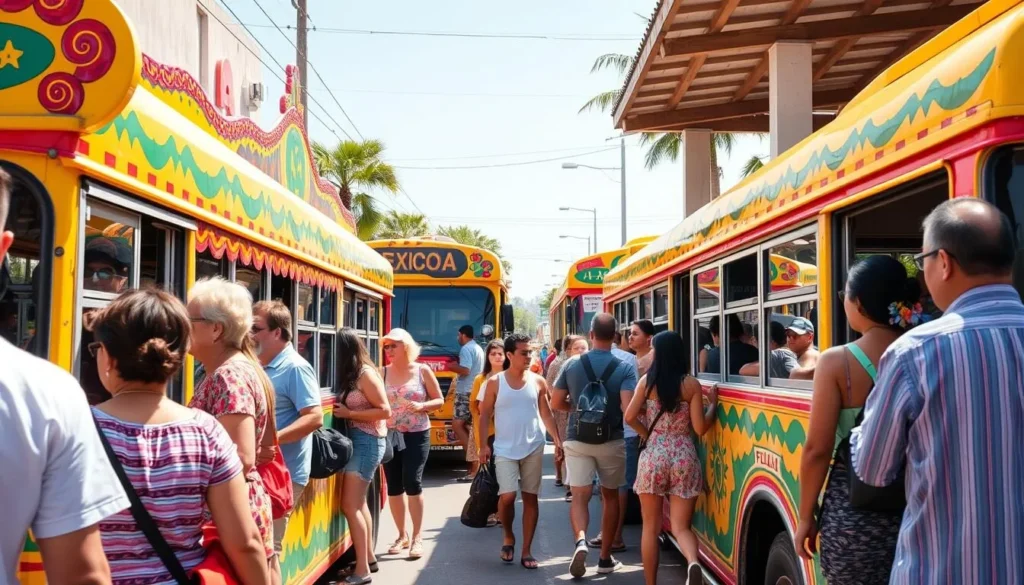
Mexico’s extensive bus network is comfortable, reliable, and affordable. First-class buses (Primera Clase) offer amenities like air conditioning, reclining seats, and onboard restrooms. ADO is the major carrier in the south and east, while ETN and Primera Plus serve central and northern routes.
Car Rentals
Renting a car provides flexibility for exploring at your own pace. Major international agencies operate at airports and tourist centers. Mexican highways are generally good, but be prepared for toll roads (cuotas) which are faster and better maintained than free roads (libres). Always purchase comprehensive insurance.
Taxis and Rideshares
Taxis are abundant in cities and tourist areas. In major cities, use authorized taxi stands (sitios) or app-based services like Uber and Didi for safety and fair pricing. In smaller towns, negotiate the fare before getting in.
Local Transportation
Within cities, options include:
Check 30,000+ Local Sightseeing Tours Worldwide
✓ Numerous languages and currencies are available
- Metro systems in Mexico City and Monterrey – affordable and efficient for avoiding traffic
- Colectivos (shared vans) – budget-friendly for shorter routes between towns
- Combis (minibuses) – common for city transportation
- Bicycles – available for rent in many tourist areas, especially colonial towns and beach destinations
For island destinations like Cozumel or Isla Mujeres, regular ferry services operate from the mainland. Once on the islands, golf carts are a popular rental option for getting around.
Where to Stay
Mexico offers accommodations for every budget and travel style, from luxury resorts to charming boutique hotels and budget-friendly hostels.
Luxury Resorts
The Riviera Maya, Los Cabos, and Puerto Vallarta are home to world-class all-inclusive resorts and luxury hotels. These properties typically offer private beaches, multiple swimming pools, spa facilities, and various dining options. Expect to pay 3,000-15,000 pesos ($150-750 USD) per night depending on the season and level of luxury.
Boutique Hotels
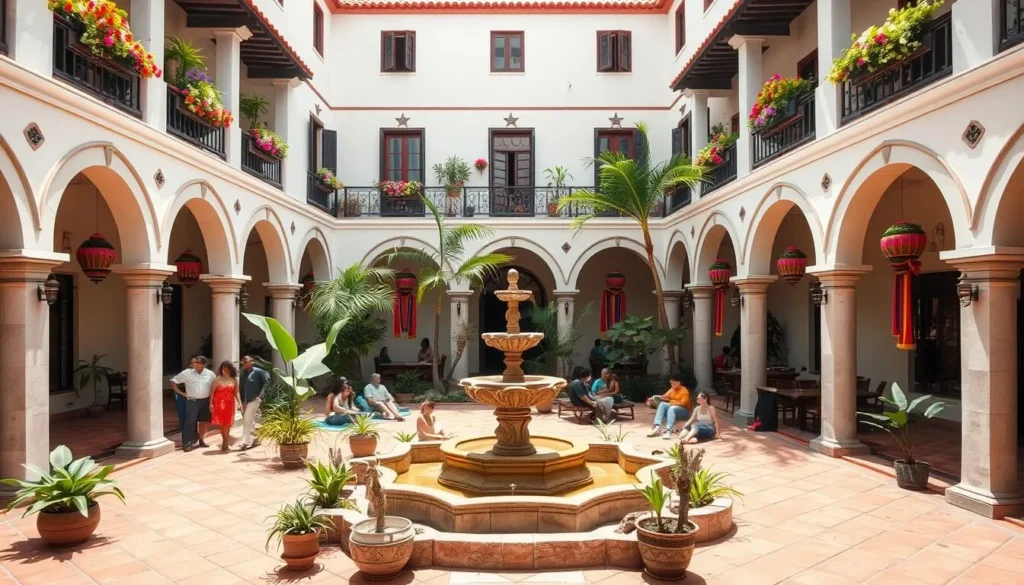
For a more authentic experience, consider staying at boutique hotels in colonial cities like San Miguel de Allende, Oaxaca, or Mérida. These charming properties often feature traditional architecture, personalized service, and local character. Prices range from 1,200-4,000 pesos ($60-200 USD) per night.
Vacation Rentals
Platforms like Airbnb and VRBO offer numerous options from city apartments to beachfront villas. These are ideal for families or longer stays, providing more space and kitchen facilities. Prices vary widely from 800-10,000 pesos ($40-500 USD) per night depending on location, size, and amenities.
Budget Accommodations
Hostels and guesthouses are plentiful in tourist areas and major cities. Many offer private rooms in addition to dormitory-style accommodations. Expect to pay 200-600 pesos ($10-30 USD) for dorm beds and 600-1,200 pesos ($30-60 USD) for private rooms.
Unique Stays
For memorable experiences, consider:
- Eco-lodges in the jungles of Chiapas or Oaxaca
- Hacienda hotels (restored colonial estates) in the Yucatan
- Treehouse accommodations near Tulum or Puerto Vallarta
- Cave hotels in unique destinations like Boca de Agua
Book accommodations well in advance for peak seasons (December-April) and holiday periods. In popular destinations like Tulum and San Miguel de Allende, securing rooms 3-6 months ahead is recommended, especially for higher-end properties.
Dining & Local Cuisine
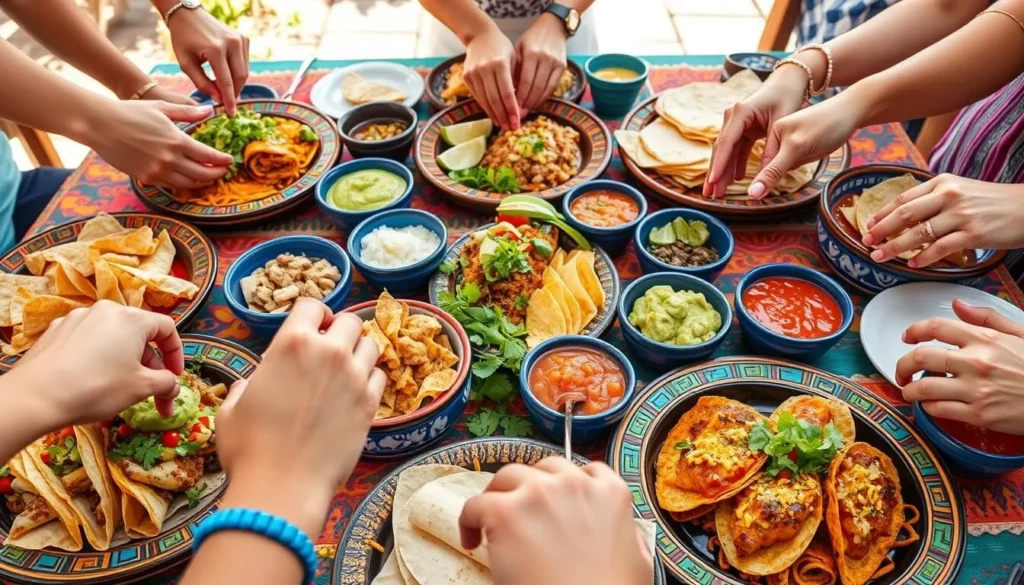
Mexican cuisine, recognized by UNESCO as an Intangible Cultural Heritage of Humanity, offers incredible diversity that varies dramatically by region. Exploring local food is one of the best things to do in Mexico for any visitor.
Regional Specialties
- Yucatan – Try cochinita pibil (slow-roasted pork), sopa de lima (lime soup), and panuchos (stuffed tortillas)
- Oaxaca – Known as Mexico’s culinary capital, famous for seven varieties of mole, tlayudas (large tortillas with toppings), and chapulines (grasshoppers)
- Central Mexico – Sample chiles en nogada (stuffed peppers in walnut sauce), pozole (hominy stew), and carnitas (slow-cooked pork)
- Pacific Coast – Feast on aguachile (spicy shrimp ceviche), pescado zarandeado (grilled fish), and tacos de mariscos (seafood tacos)
- Northern Mexico – Known for carne asada (grilled beef), machaca (dried shredded beef), and flour tortillas
Dining Experiences
For an authentic culinary journey, explore these dining options:
- Street Food – Tacos, tlacoyos, and tamales from street vendors offer some of Mexico’s most authentic flavors. Look for busy stalls with high turnover for freshness.
- Markets – Visit mercados like Mexico City’s Mercado de San Juan or Oaxaca’s Mercado 20 de Noviembre for local ingredients and prepared foods.
- Fondas – These small family-run eateries serve comida corrida (set meals) at affordable prices, typically 80-150 pesos ($4-8 USD).
- High-End Restaurants – Mexico boasts numerous world-class restaurants, particularly in Mexico City, Oaxaca, and major tourist destinations.
- Cooking Classes – Learn to prepare traditional dishes yourself through cooking classes offered in most tourist areas.
Beverages
Don’t miss trying these traditional Mexican drinks:
- Mezcal – Smoky agave spirit, especially good in Oaxaca
- Tequila – Visit the town of Tequila in Jalisco for the authentic experience
- Pulque – Fermented agave drink with pre-Hispanic origins
- Agua fresca – Refreshing fruit drinks like horchata (rice), jamaica (hibiscus), and tamarindo
- Mexican craft beer – Growing microbrewery scene, especially in Mexico City and Baja California
- Mexican coffee – Particularly from Chiapas and Veracruz regions
For those with dietary restrictions, vegetarian options are increasingly available in tourist areas and major cities. Always inform your server about allergies, as peanuts and other allergens are common in Mexican cooking.
Attractions, Sightseeing & Activities
Mexico’s diverse landscape and rich history offer countless attractions for every type of traveler. Here are some of the best things to do in Mexico that shouldn’t be missed:
Ancient Ruins
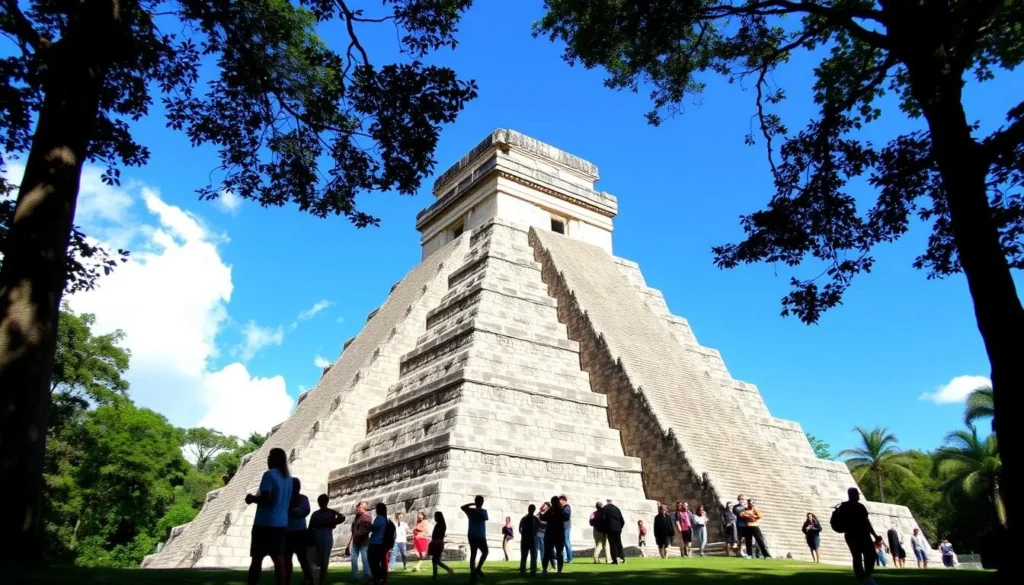
- Chichen Itza (Yucatan) – This UNESCO World Heritage Site and one of the New Seven Wonders of the World features the iconic El Castillo pyramid. Visit early morning to avoid crowds and heat.
- Teotihuacan (near Mexico City) – Climb the massive Pyramids of the Sun and Moon at this ancient metropolis that predates the Aztecs.
- Palenque (Chiapas) – Explore these jungle-shrouded Mayan ruins known for their elegant architecture and beautiful setting.
- Tulum (Quintana Roo) – These coastal ruins offer breathtaking views of the Caribbean Sea, making them among the most picturesque archaeological sites in Mexico.
- Monte Alban (Oaxaca) – This hilltop archaeological site provides panoramic views of the Oaxaca Valley.

Natural Wonders
- Cenotes (Yucatan Peninsula) – Swim in these natural sinkholes with crystal-clear freshwater. Popular options include Ik Kil, Dos Ojos, and Gran Cenote.
- Copper Canyon (Chihuahua) – Deeper and larger than the Grand Canyon, best explored via the scenic Chepe train ride.
- Monarch Butterfly Biosphere Reserve (Michoacan) – Witness millions of monarch butterflies during their winter migration (November-March).
- Hierve el Agua (Oaxaca) – Visit these “petrified waterfalls” with natural mineral pools overlooking stunning valley views.
- Sian Ka’an Biosphere Reserve (Quintana Roo) – Explore this UNESCO site with diverse ecosystems including tropical forests, mangroves, and coral reefs.
Colonial Cities
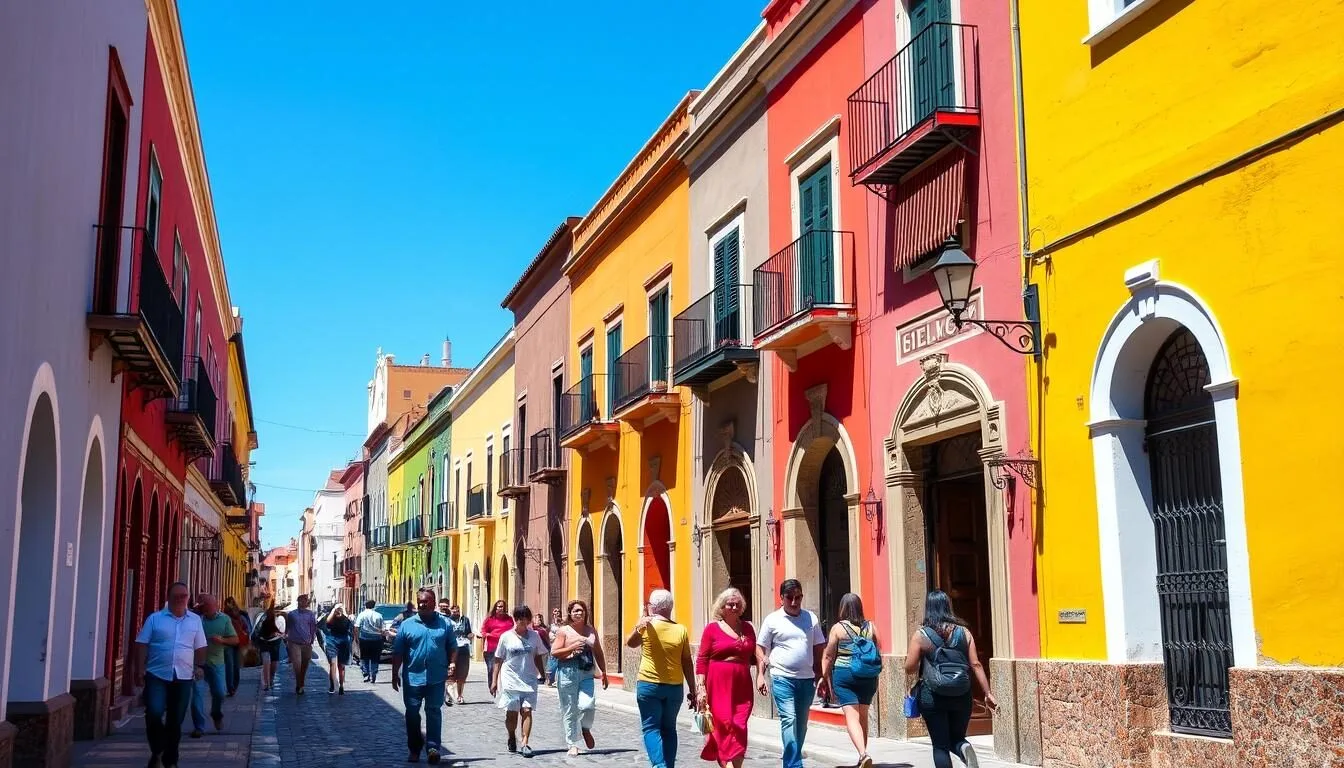
- San Miguel de Allende (Guanajuato) – This picturesque city is known for its well-preserved colonial architecture and vibrant arts scene.
- Oaxaca City (Oaxaca) – Explore colorful streets, markets, and nearby archaeological sites in this cultural hub.
- Guanajuato (Guanajuato) – Wander through this UNESCO-listed city’s narrow alleyways and subterranean streets.
- Merida (Yucatan) – Experience the “White City” known for its Mayan heritage and colonial architecture.
- Puebla (Puebla) – Admire the colorful Talavera pottery and baroque architecture in this historic city.
Beach Destinations
- Riviera Maya – Stretching from Cancun to Tulum, this coastline offers white-sand beaches, cenotes, and archaeological sites.
- Puerto Vallarta – This Pacific coast destination combines beautiful beaches with a charming old town and vibrant nightlife.
- Los Cabos – At the tip of Baja California, enjoy luxury resorts, dramatic landscapes, and excellent sport fishing.
- Sayulita – This laid-back surf town offers a more relaxed alternative to larger beach destinations.
- Isla Holbox – Experience car-free island life with shallow waters and opportunities to swim with whale sharks (June-September).
Many attractions have entrance fees ranging from 40-500 pesos ($2-25 USD). Major archaeological sites like Chichen Itza and Teotihuacan are more expensive and may have separate fees for video recording. Consider purchasing the INAH pass if you plan to visit multiple archaeological sites.
Museums, Cultural Spots & Festivals
Mexico’s rich cultural heritage is showcased through its outstanding museums, vibrant cultural venues, and colorful festivals that occur throughout the year.
Top Museums
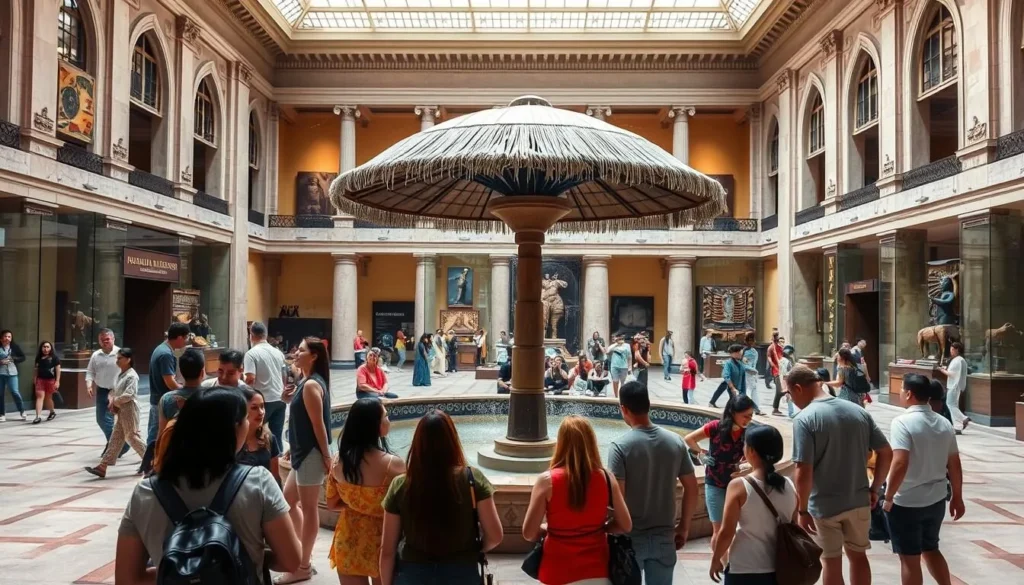
- National Museum of Anthropology (Mexico City) – Housing the world’s largest collection of ancient Mexican art, including the famous Aztec Sun Stone.
- Frida Kahlo Museum (Mexico City) – Visit “La Casa Azul” where the iconic artist lived and worked.
- Museo Soumaya (Mexico City) – Recognizable by its distinctive architecture, featuring European art from the 15th to 20th centuries.
- Museum of Modern Art (Mexico City) – Showcasing Mexican art from the 20th century to the present.
- Museo de las Momias (Guanajuato) – A unique and somewhat macabre museum displaying naturally mummified bodies.
- Underwater Museum of Art (MUSA) (Cancun) – Explore over 500 life-sized sculptures submerged in the Caribbean Sea.
Cultural Experiences
- Palacio de Bellas Artes (Mexico City) – Attend a performance of the Ballet Folklórico de México at this stunning Art Nouveau/Art Deco palace.
- Lucha Libre – Experience the theatrical Mexican wrestling matches, especially at Arena México in Mexico City.
- Mariachi – Listen to traditional mariachi music at Plaza Garibaldi in Mexico City or in Guadalajara, the birthplace of mariachi.
- Temazcal – Participate in this pre-Hispanic sweat lodge ritual for purification and healing.
- Artisan Villages – Visit specialized craft towns like Taxco (silver), Tonalá (pottery), and Teotitlán del Valle (textiles).
Major Festivals
- Día de los Muertos (Day of the Dead) – November 1-2, celebrated throughout Mexico but especially notable in Oaxaca, Michoacán, and Mexico City.
- Guelaguetza – July festival in Oaxaca showcasing indigenous cultures, dances, and traditions.
- Festival Internacional Cervantino – October cultural festival in Guanajuato featuring performing arts from around the world.
- Carnival – February/March celebrations before Lent, particularly vibrant in Mazatlán and Veracruz.
- Independence Day – September 15-16, celebrated nationwide with parades, fireworks, and the famous “Grito” (cry for independence).

Museum entrance fees typically range from 60-200 pesos ($3-10 USD). Many museums offer free admission on Sundays for Mexican residents and sometimes for all visitors. Cultural performances like Ballet Folklórico or Lucha Libre should be booked in advance, with tickets ranging from 300-1,500 pesos ($15-75 USD) depending on the venue and seating.
Sports, Nature & Outdoor Experiences
Mexico’s diverse landscapes provide endless opportunities for outdoor adventures and nature experiences. From tropical jungles to desert landscapes and both Pacific and Caribbean coastlines, outdoor enthusiasts will find plenty of exciting activities.
Water Activities
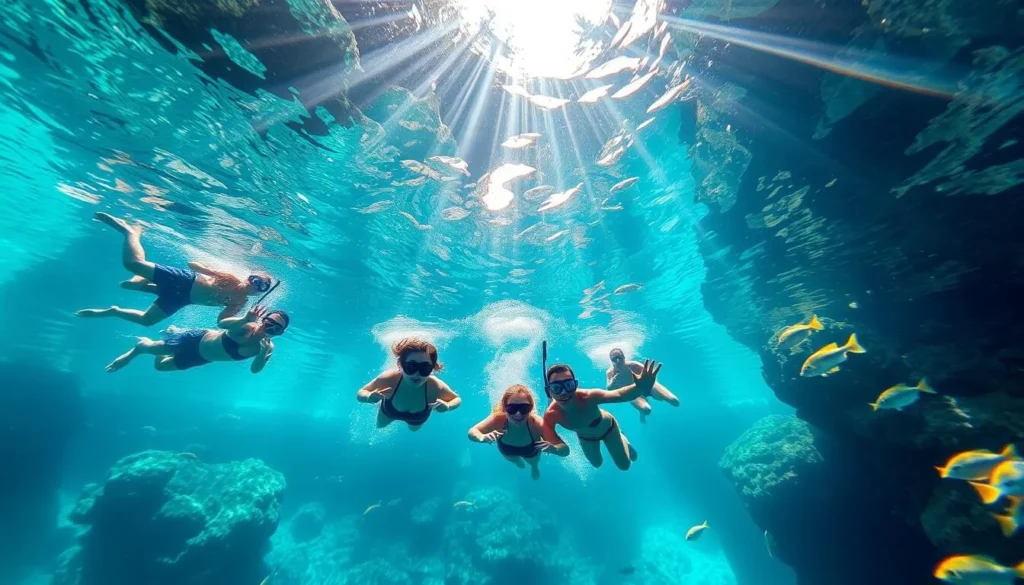
- Snorkeling & Scuba Diving – Explore the Mesoamerican Reef system off the Riviera Maya or the rich marine life in the Sea of Cortez, dubbed “the world’s aquarium” by Jacques Cousteau.
- Surfing – Catch waves at popular spots like Puerto Escondido, Sayulita, and Ensenada. Lessons are available for beginners.
- Whale Watching – Observe humpback whales in Puerto Vallarta (December-March) or gray whales in Baja California (January-March).
- Swimming with Whale Sharks – Experience these gentle giants near Isla Holbox or Isla Mujeres (May-September) or in the Sea of Cortez (October-February).
- Kayaking & Paddleboarding – Explore coastal mangroves, calm bays, or cenotes on guided tours or rentals.
Land Adventures
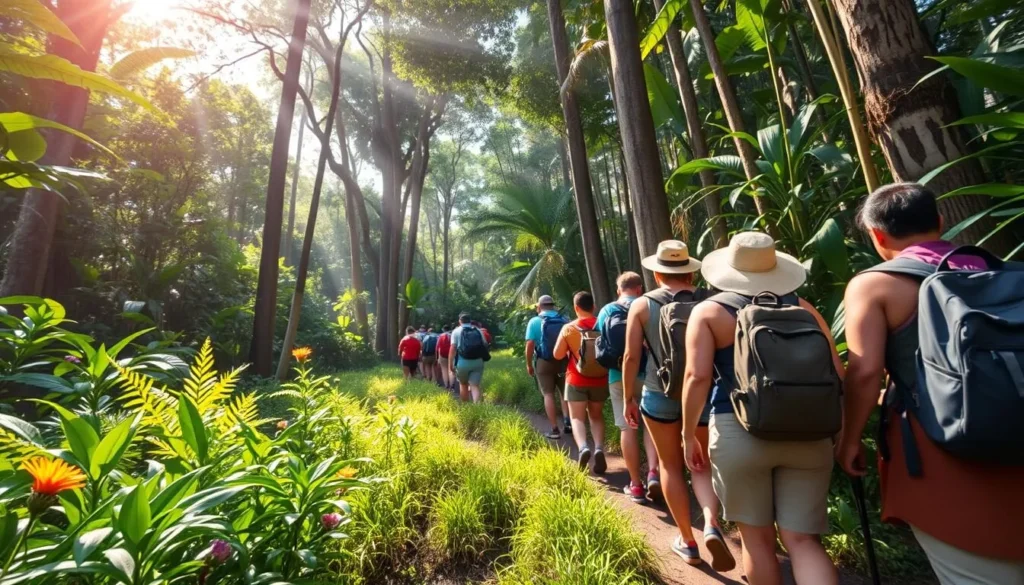
- Hiking – Trek through diverse landscapes like the Copper Canyon, Sierra Norte mountains in Oaxaca, or the volcanic terrain of Nevado de Toluca.
- Ziplining – Soar through jungle canopies in adventure parks near Puerto Vallarta, Cancun, or Huatulco.
- Mountain Biking – Explore trails around San Miguel de Allende, Oaxaca, or Baja California.
- Rock Climbing – Challenge yourself on the limestone cliffs of El Potrero Chico in Nuevo León or the boulders of Peñoles in Chihuahua.
- Horseback Riding – Experience Mexico’s cowboy culture with rides through beaches, jungles, or colonial towns.
Wildlife Encounters
- Sea Turtle Releases – Participate in conservation efforts by helping release baby turtles in locations like Puerto Vallarta, Akumal, or Mazunte (seasonal).
- Birdwatching – Mexico hosts over 1,000 bird species. Prime spots include the Celestún Biosphere Reserve for flamingos and the cloud forests of El Triunfo for the resplendent quetzal.
- Monarch Butterfly Migration – Witness millions of butterflies in the Monarch Butterfly Biosphere Reserve in Michoacán (November-March).
- Swimming with Sea Lions – Interact with playful sea lions at Los Islotes near La Paz in Baja California.
Hot Air Ballooning
For a truly memorable experience, take a hot air balloon ride over the ancient city of Teotihuacan at sunrise. Floating above the Pyramids of the Sun and Moon offers a perspective few get to experience. Flights typically cost 2,000-4,000 pesos ($100-200 USD) per person and include transportation from Mexico City.
Most outdoor activities can be booked through tour operators in major tourist destinations. Prices vary widely depending on the activity, location, and season. For the best experience, choose operators with strong safety records and environmental commitments, particularly for activities involving wildlife.
Safety, Etiquette & Local Customs
Understanding local customs and safety considerations will enhance your Mexican experience and help you travel respectfully.
Safety Tips
- Research your specific destinations, as safety varies significantly across Mexico.
- Tourist areas and major cities generally have good security infrastructure.
- Use official taxis, authorized by your hotel or from designated taxi stands.
- Keep valuables secure and avoid displaying expensive jewelry or electronics.
- Stay aware of your surroundings, especially at night.
- Register with your country’s embassy or consulate upon arrival.
- Purchase comprehensive travel insurance that covers medical emergencies.
- Drink bottled water and be cautious with street food if you have a sensitive stomach.
Cultural Etiquette
- Greetings – Mexicans typically greet with a handshake, while friends may exchange a single kiss on the cheek or a hug.
- Time – “Mexican time” is more relaxed; punctuality is less strict for social gatherings.
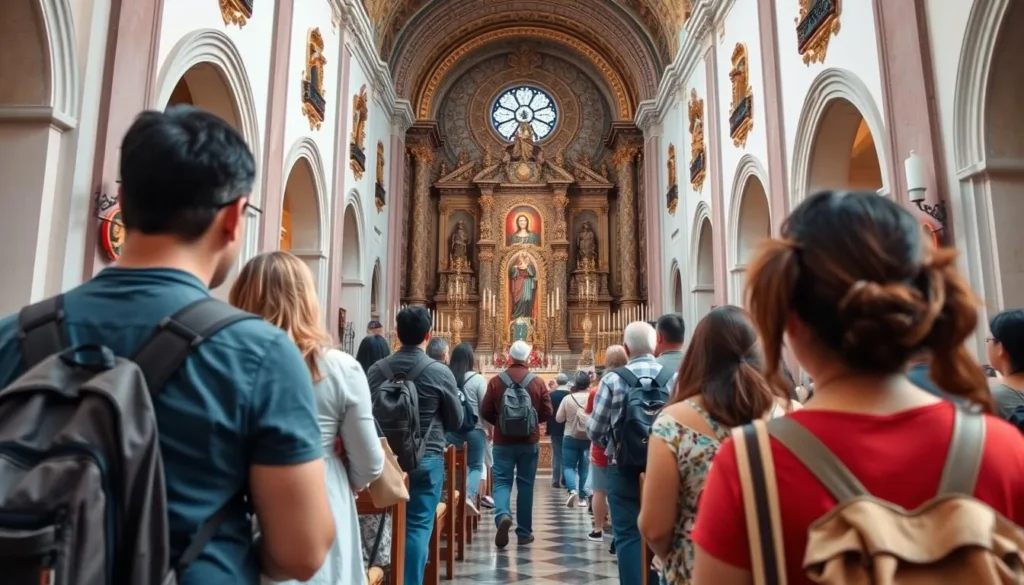
- Dress – Dress modestly when visiting churches or small towns. Beach attire is only appropriate at the beach.
- Language – Learning basic Spanish phrases is appreciated. English is widely spoken in tourist areas.
- Tipping – 10-15% is standard in restaurants. Also tip hotel staff, tour guides, and bathroom attendants.
Local Customs
- Meal Times – Lunch (comida) is the main meal, typically eaten between 2-4 PM. Dinner is usually light and served after 8 PM.
- Bargaining – Expected in markets but not in established stores. Bargain respectfully and with a smile.
- Photography – Always ask permission before photographing people, especially indigenous communities. Some archaeological sites charge extra for camera use.
- Religious Respect – Mexico is predominantly Catholic; show respect in churches and during religious festivals.
- Conservation – Respect natural areas by not touching coral reefs, disturbing wildlife, or removing archaeological artifacts.
Health Considerations
Mexico’s tap water is generally not safe for drinking. Stick to bottled water and avoid ice in smaller establishments. The “traveler’s diarrhea” or “Montezuma’s Revenge” can affect visitors, so pack appropriate medication. Altitude sickness may affect some visitors to Mexico City (2,240 m/7,350 ft) or other highland areas. Stay hydrated and allow time to acclimate.
Mexico’s healthcare system includes excellent private hospitals in major cities and tourist areas. However, costs can be high without insurance, so comprehensive travel insurance is essential.
Visitor Comments About Mexico
“My family’s trip to Mexico was the perfect blend of culture and relaxation. We spent days exploring the ancient ruins of Chichen Itza and Tulum, then cooled off in cenotes with the clearest water I’ve ever seen. The food was incredible everywhere we went – from street tacos to high-end restaurants. What surprised me most was how welcoming everyone was, despite my limited Spanish. Mexico exceeded all our expectations!”
“As someone who loves architecture and history, Mexico City was a revelation. The National Museum of Anthropology is world-class, and walking through the historic center felt like traveling through different eras. I was particularly moved by the Frida Kahlo Museum and learning about her extraordinary life. The street food tours were a highlight – sampling tacos al pastor from the place that invented them was unforgettable. I felt completely safe the entire trip and can’t wait to return to explore more regions.”
“I came to Mexico for the beaches but fell in love with its colonial cities. San Miguel de Allende’s colorful streets and artistic atmosphere captivated me. The Day of the Dead celebrations in Oaxaca were unlike anything I’ve experienced – so respectful and beautiful rather than somber. Swimming in cenotes near Valladolid was magical, like entering another world. My advice: venture beyond the resort areas to discover the real Mexico. The memories of watching the sunset from a rooftop in Guanajuato while mariachi played in the distance will stay with me forever.”
Additional Nearby Destinations
While Mexico itself offers enough to fill multiple trips, its location makes it easy to combine with visits to neighboring countries and territories:
Central American Neighbors
- Belize – Just south of the Yucatan Peninsula, Belize offers world-class diving along the Belize Barrier Reef, ancient Mayan sites like Caracol, and diverse wildlife. Regular buses connect Chetumal, Mexico to Belize City (4-5 hours).
- Guatemala – Visit the colonial city of Antigua, Lake Atitlan, and the magnificent Mayan ruins of Tikal. From San Cristóbal de las Casas in Chiapas, you can reach Guatemala by bus (6-8 hours to Quetzaltenango).
Caribbean Destinations
- Cuba – Experience the vibrant culture, classic cars, and beautiful beaches of this unique island nation. Direct flights are available from Mexico City and Cancun (1-2 hours).
- Dominican Republic – Known for all-inclusive resorts, beautiful beaches, and colonial history in Santo Domingo. Connect via flights from major Mexican airports (3-4 hours).
United States
- Southern California – Combine a trip to northern Mexico with visits to San Diego or Los Angeles. The San Ysidro border crossing between Tijuana and San Diego is the busiest land border crossing in the world.
- Texas – Cities like San Antonio and Austin pair well with visits to northern Mexican states. Regular buses connect major border cities.
When planning multi-country trips, be aware of visa requirements for each destination. Many travelers need separate visas for Mexico, the United States, and some Central American countries. Also consider that land border crossings can be time-consuming, so factor this into your itinerary planning.
Practical Travel Tips
Money Matters
- The Mexican peso (MXN) is the official currency. As of 2023, exchange rates are approximately 17-19 pesos to 1 USD.
- ATMs are widely available in cities and tourist areas. Notify your bank before traveling to prevent card blocks.
- Major credit cards are accepted in hotels, restaurants, and larger stores, but carry cash for smaller establishments, markets, and rural areas.
- Avoid exchanging money at airports or hotels, which typically offer poor rates. Banks and exchange offices in town centers usually provide better rates.
- Tipping is expected: 10-15% in restaurants, 10-20 pesos for hotel housekeeping per day, 10% for taxi drivers, and small amounts for bathroom attendants.
Communication
- Purchase a local SIM card for affordable data and calls. Major providers include Telcel, AT&T Mexico, and Movistar.
- Free WiFi is available in most hotels, cafes, and restaurants in tourist areas.
- Learning basic Spanish phrases will greatly enhance your experience, especially outside tourist zones.
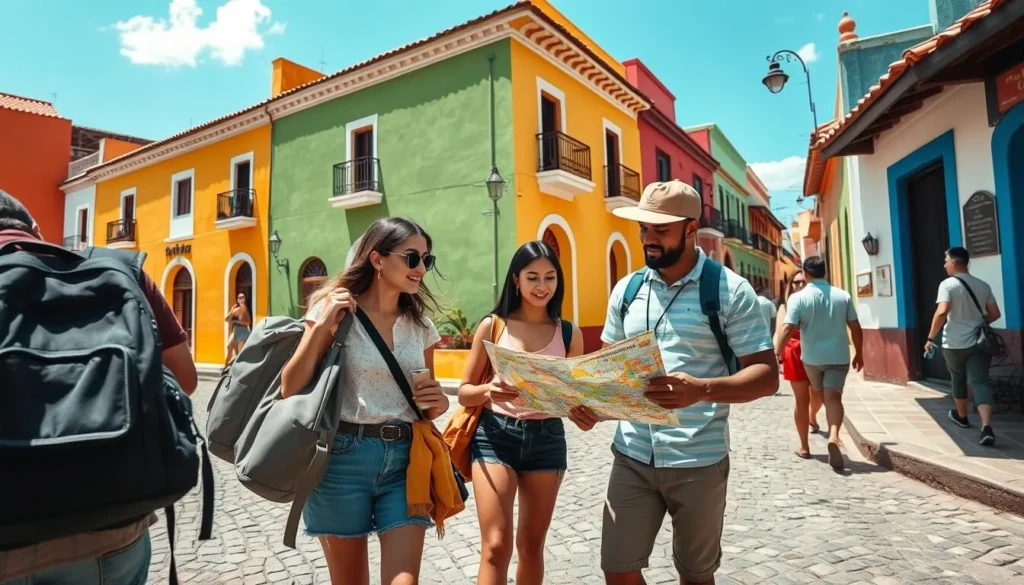
- Download offline maps, translation apps, and important information before traveling to areas with limited connectivity.
Packing Essentials
- Sunscreen, hat, and sunglasses – Mexico’s UV index is high year-round
- Insect repellent, especially for jungle and coastal areas
- Comfortable walking shoes for cobblestone streets and archaeological sites
- Light, breathable clothing with some layers for evening temperature drops
- Modest attire for visiting churches and small towns
- Reusable water bottle (to refill from purified water sources)
- Basic first-aid kit including diarrhea medication
- Power adapter (Mexico uses Type A and B plugs, same as the US and Canada)
Transportation Tips
- Book domestic flights in advance for the best rates, especially during high season.
- Consider overnight buses for long distances to save on accommodation.
- Use the Uber app in major cities for safer, metered taxi service.
- If renting a car, purchase comprehensive insurance and be aware of toll roads (cuotas).
- In Mexico City, avoid driving during rush hours (7-10 AM and 6-8 PM).
Cultural Insights
- Mexicans value personal relationships; taking time for greetings and small talk is important.
- Family is central to Mexican culture, and children are welcomed almost everywhere.
- Religious traditions remain important, even in modern urban areas.
- Political discussions should be approached with sensitivity.
- Patience is essential – service may be slower than you’re accustomed to, reflecting a more relaxed pace of life.
Embrace the Magic of Mexico
Mexico is a land of extraordinary contrasts and endless discoveries. From the moment you step foot on its soil, you’ll be enveloped in a tapestry of vibrant colors, intoxicating flavors, and warm hospitality that defines the Mexican experience. Whether you’re exploring ancient civilizations, diving into crystal-clear cenotes, savoring complex mole sauces, or simply watching the sunset over a colonial plaza, Mexico rewards travelers with authentic experiences that engage all the senses.
What makes Mexico truly special is not just its stunning landscapes or rich history, but the spirit of its people – their resilience, creativity, and joy that permeates everyday life. As you plan your journey to this remarkable country, remember that the best experiences often come from stepping off the beaten path, embracing spontaneity, and connecting with local communities. Mexico isn’t just a destination; it’s an immersion into a way of life that celebrates both ancient traditions and modern innovations.
So pack your sense of adventure and openness to new experiences. Whether it’s your first visit or your twentieth, Mexico’s diverse regions offer endless opportunities for discovery. The only question that remains is: which of Mexico’s best things to do will you experience first?
Related Posts
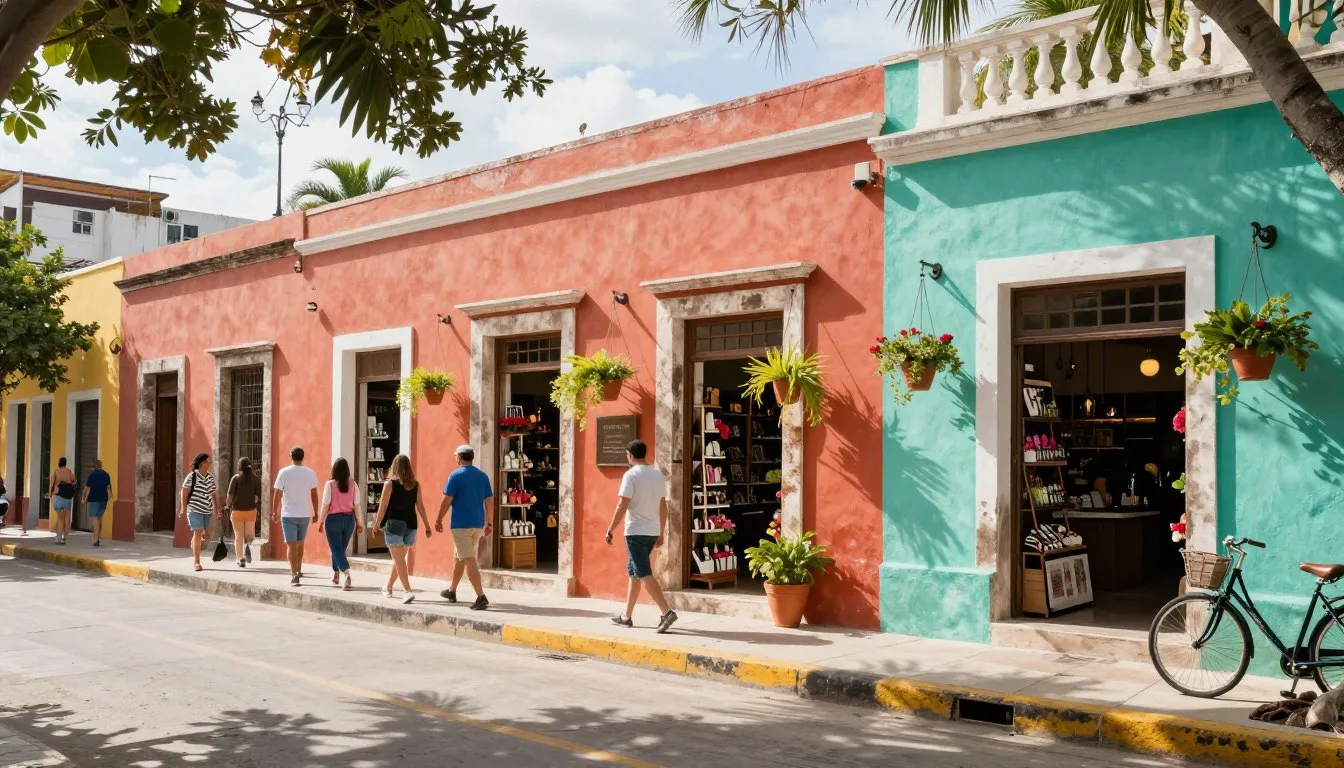
Tulum, Mexico: Best Things to Do – Top Picks

Puerto Vallarta, Mexico: Best Things to Do – Top Picks

Puerto Escondido, Mexico: Best Things to Do – Top Picks
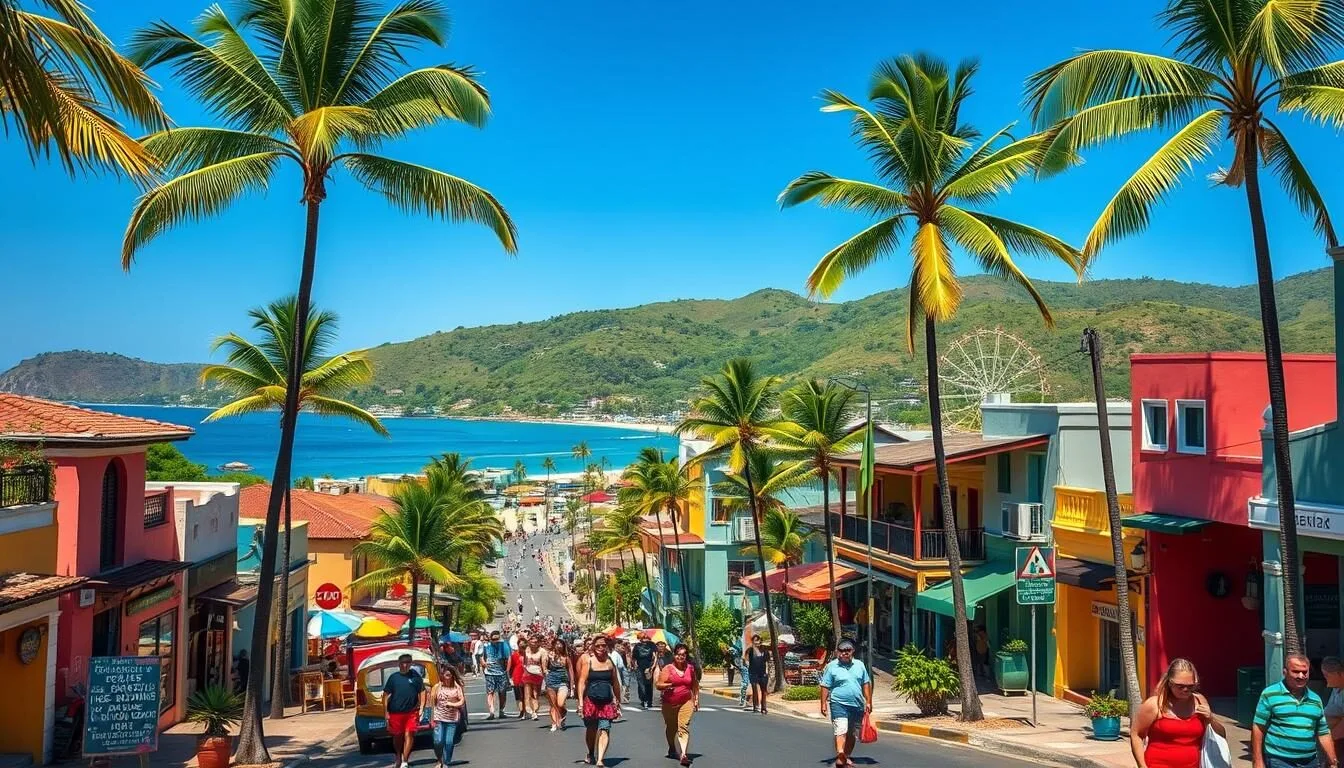
Sayulita, Mexico: Best Things to Do – Top Picks

Valle de Guadalupe, Mexico: Best Things to Do – Top Picks
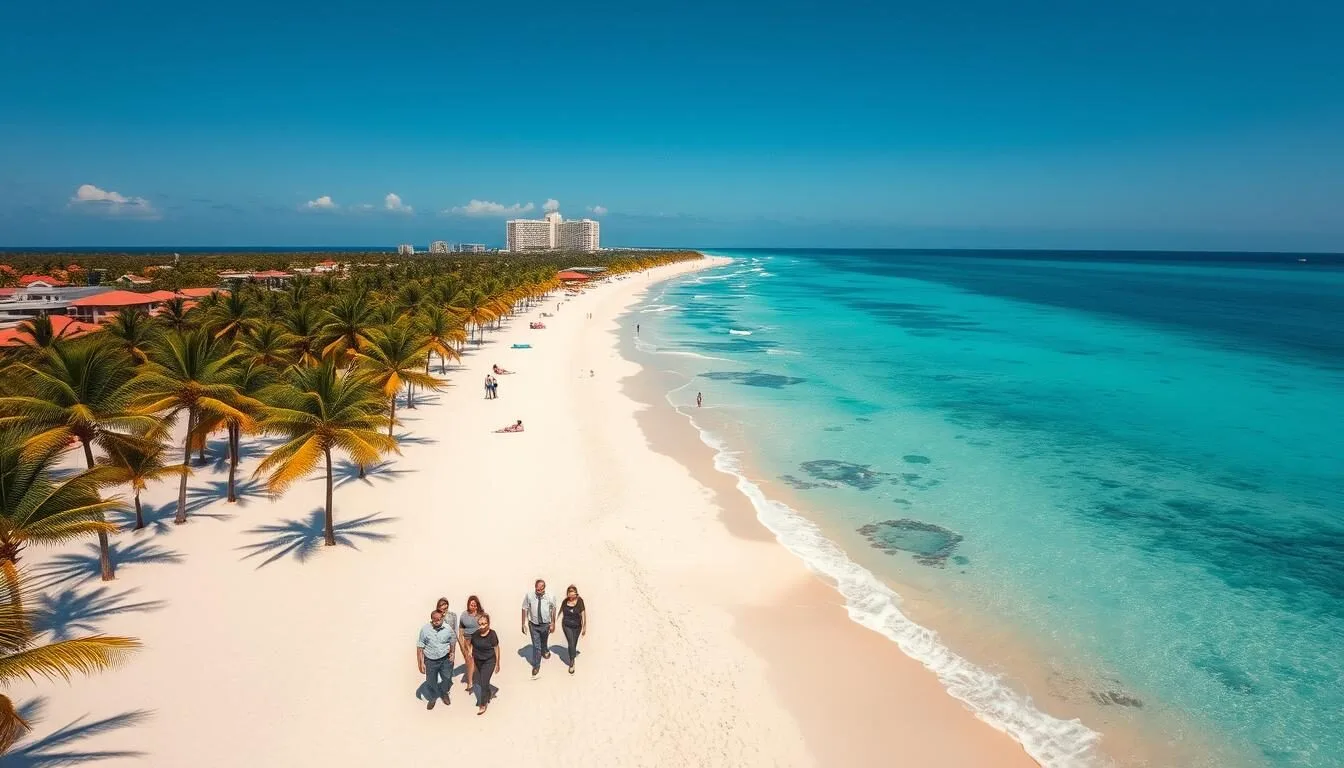
Playa del Carmen, Mexico: Best Things to Do – Top Picks
Coming Soon: Clickable Maps