
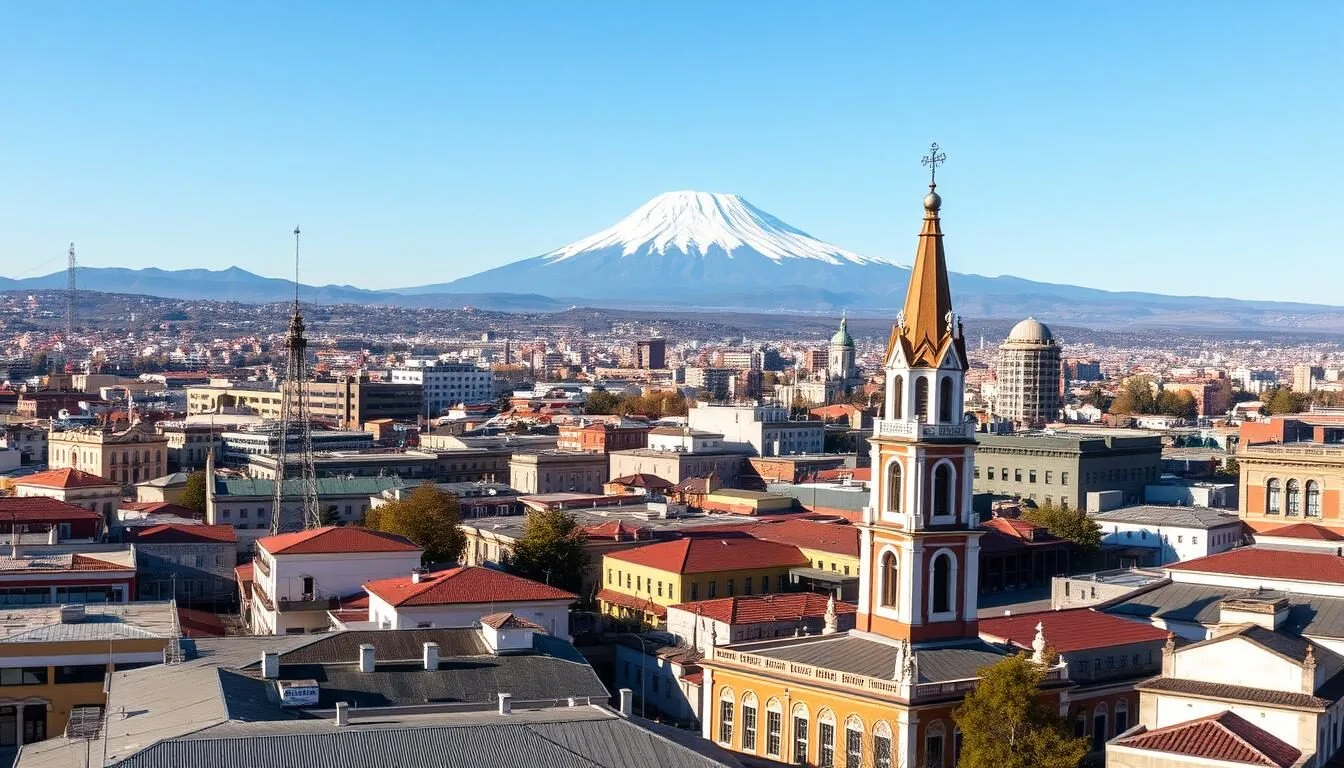
Did you know that Mexico State (Estado de México) is home to the world’s smallest volcano? Standing at just 13 meters tall, the Cuexcomate volcano is just one of the many surprising attractions in this often-overlooked region surrounding Mexico City. While international travelers flock to Mexico’s beaches and ancient Maya ruins, Mexico State offers a fascinating blend of pre-Hispanic archaeological sites, colonial architecture, natural wonders, and vibrant cultural experiences—all without the overwhelming crowds found in more touristy destinations.
Mexico State at a Glance
Mexico State (Estado de México) is the most populous state in Mexico, wrapping around much of Mexico City like a horseshoe. Despite its proximity to the capital, many travelers miss the incredible diversity this region offers. From the archaeological wonders of Teotihuacan to the colonial charm of Toluca and the natural beauty of Nevado de Toluca volcano, Mexico State delivers authentic Mexican experiences without the tourist crowds found in more popular destinations.
In this comprehensive guide, we’ll explore the best things to do in Mexico State, from ancient pyramids to magical towns, along with practical information to help you plan the perfect visit. Whether you’re looking for cultural immersion, outdoor adventures, or culinary discoveries, Mexico State offers something for every type of traveler.
Getting There & Planning Your Journey
Mexico State surrounds much of Mexico City, making it easily accessible for travelers. Here’s how to get there and plan your visit:
By Air
The most convenient way to reach Mexico State is by flying into Mexico City’s Benito Juárez International Airport (MEX). From there, you can rent a car or use public transportation to reach destinations throughout Mexico State. Many attractions are within 1-2 hours of the airport.
Flight Tips
- Book flights 2-3 months in advance for the best rates
- Consider mid-week flights (Tuesday-Thursday) for lower fares
- Direct flights to Mexico City are available from major international hubs
- Clear immigration and customs at Mexico City airport before heading to Mexico State
By Land
If you’re already in Mexico City, reaching Mexico State is straightforward:
- Bus: Mexico’s extensive bus network connects Mexico City to major towns in Mexico State. Companies like ADO and Estrella Roja offer comfortable, affordable services.
- Metro: Mexico City’s metro system extends into parts of Mexico State, particularly to areas like Ecatepec and Ciudad Satélite.
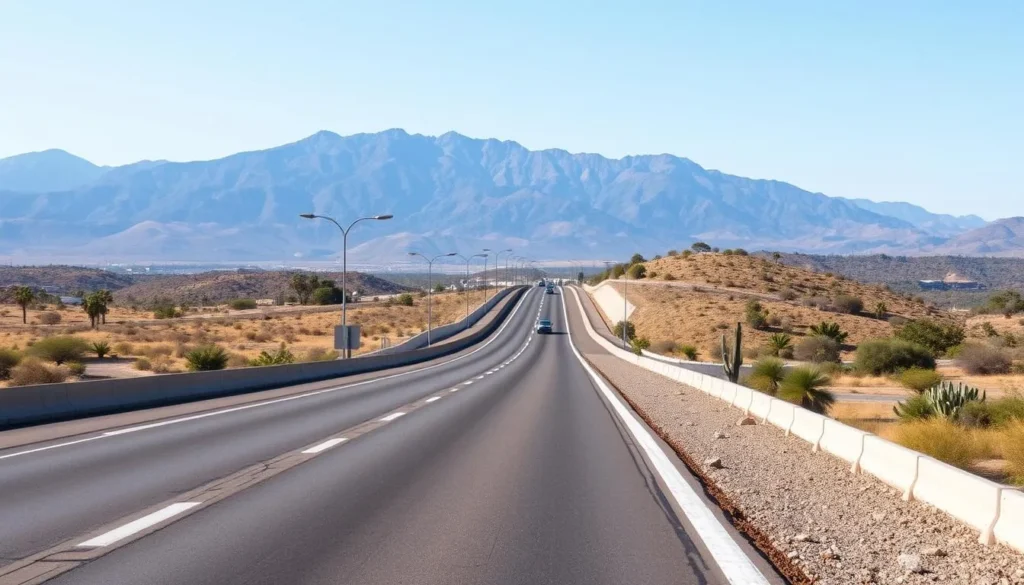
- Car: Renting a car gives you the most flexibility for exploring Mexico State’s diverse attractions. Major highways connect Mexico City to key destinations like Toluca, Teotihuacan, and Valle de Bravo.
Car Rental Information
Renting a car is ideal for exploring Mexico State’s diverse attractions at your own pace. Major rental companies operate at Mexico City International Airport and in downtown Mexico City.
Best Time to Visit & Weather Tips
Mexico State enjoys a temperate climate year-round, but certain seasons offer better conditions for exploring its diverse attractions.
Recommended Seasons
- October to April (Dry Season): 15-25°C (59-77°F). The most pleasant time to visit with clear skies, lower humidity, and minimal rainfall. Perfect for outdoor activities and sightseeing.
- November to February (Winter): 10-22°C (50-72°F). Cooler temperatures, especially in the mornings and evenings. Bring layers for comfort. This is ideal for hiking and exploring archaeological sites without the heat.
- March to May (Spring): 18-28°C (64-82°F). Warm days with blooming jacaranda trees adding purple splashes to the landscape. A beautiful time to visit, though it gets progressively warmer.
Seasons to Avoid
- June to September (Rainy Season): 17-26°C (63-79°F). Afternoon thunderstorms are common, which can interrupt outdoor activities. However, the countryside turns lush and green, and there are fewer tourists.
- Holy Week (Semana Santa): Dates vary (March-April). While culturally fascinating, this is when domestic tourism peaks, resulting in crowded attractions and higher prices.
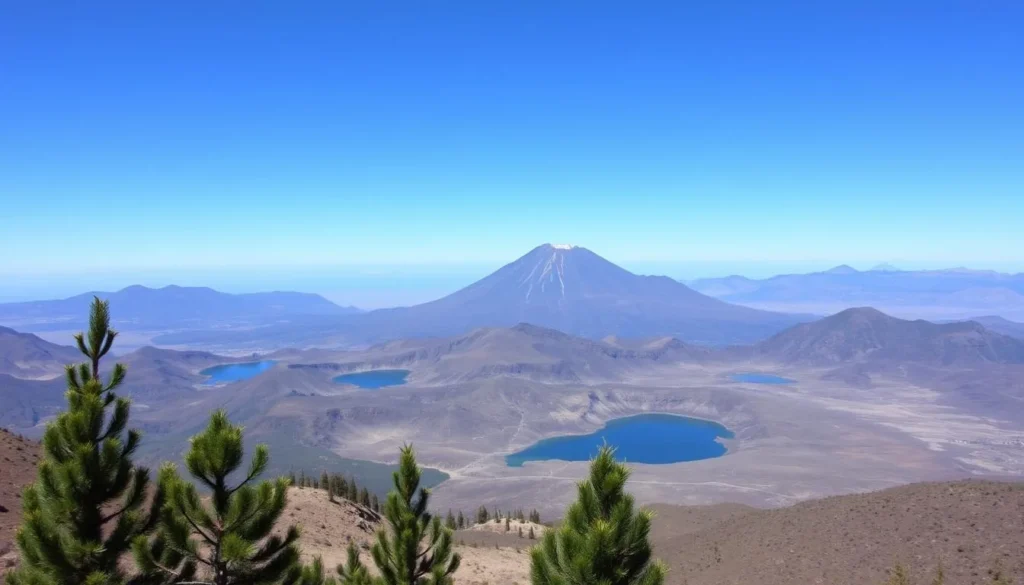
Traveler’s Tip: If you’re planning to hike Nevado de Toluca or other high-altitude areas, the clearest views are typically from November to February. Early morning visits avoid afternoon clouds that often obscure mountain peaks.
Getting Around Locally
Mexico State covers a large area, so having a good transportation strategy is essential for making the most of your visit.
Rental Car
A rental car offers the most flexibility for exploring Mexico State’s diverse attractions, especially those in rural areas. Major highways connect the main cities, while secondary roads lead to smaller towns and natural attractions.
Driving Tips for Mexico State
- Mexican toll roads (cuotas) are well-maintained but can be expensive; keep pesos handy
- Free roads (libres) save money but take longer and may be in poorer condition
- Gas stations are plentiful in urban areas but plan ahead in rural regions
- Download offline maps as cell service can be spotty in mountainous areas
- Avoid driving at night, especially on rural roads
Public Transportation
Mexico State has an extensive public transportation network:
- Buses: Intercity buses connect major towns and cities. Companies like Flecha Roja, Zinacantepec, and Toluca-Tenango offer frequent services.
- Colectivos: These shared vans or minibuses are an affordable way to travel between nearby towns and to some tourist sites.
- Taxis: Available in all cities and towns, taxis are convenient for shorter trips. Always use official taxis or ride-sharing apps like Uber (available in larger cities).
Where to Stay in Mexico State
Mexico State offers diverse accommodation options, from luxury hotels in major cities to charming boutique properties in colonial towns and eco-lodges near natural attractions.
Toluca and Metepec
As the state capital, Toluca offers the widest range of accommodations, from international hotel chains to boutique options. Nearby Metepec, known for its artisan traditions, provides charming smaller hotels.
- Luxury: Fiesta Inn Toluca Centro, Radisson Del Rey Toluca
- Mid-range: Hotel La Moraleja, Hotel San Francisco
- Budget: Hotel Toluca, Hostal Temazcal
Valle de Bravo
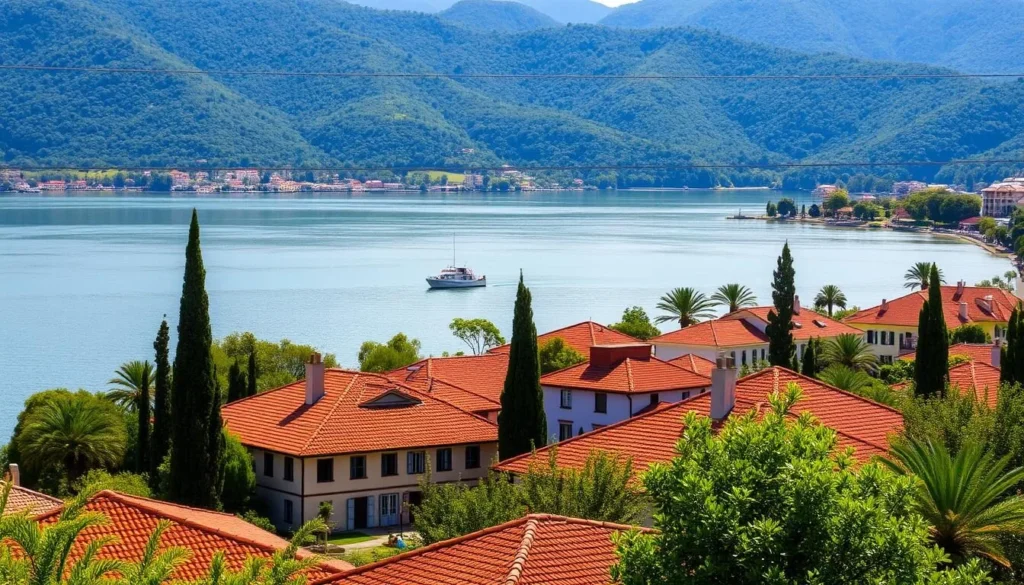
This picturesque lakeside town is a popular weekend retreat for Mexico City residents, offering upscale hotels and vacation rentals with beautiful views.
- Luxury: Hotel Rodavento, Mesón de Leyendas
- Mid-range: Hotel Avandaro, Posada del Carmen
- Budget: Hotel El Santuario, Hostal Casa Toti
Near Teotihuacan
Staying near the ancient pyramids allows for early morning visits before the crowds arrive. San Juan Teotihuacan and San Martín de las Pirámides offer several options.
- Unique Experience: Hotel Quinto Sol (views of the pyramids)
- Mid-range: Villas Arqueológicas Teotihuacan, Hotel Boutique Teotihuacan
- Budget: Hotel Teotihuacan, Posada Jade
Accommodation Tips
- Book accommodations in advance for weekends, as Mexico State is a popular getaway for Mexico City residents
- Consider staying in Pueblos Mágicos (Magical Towns) like Tepotzotlán, Metepec, or Valle de Bravo for a more authentic experience
- Many haciendas (historic estates) have been converted into luxury hotels, offering a unique glimpse into Mexico’s colonial past
Dining & Local Cuisine
Mexico State offers a rich culinary heritage that reflects its indigenous roots and colonial influences. From pre-Hispanic dishes to modern interpretations of traditional recipes, the region’s gastronomy is a highlight for food-loving travelers.
Must-Try Local Specialties
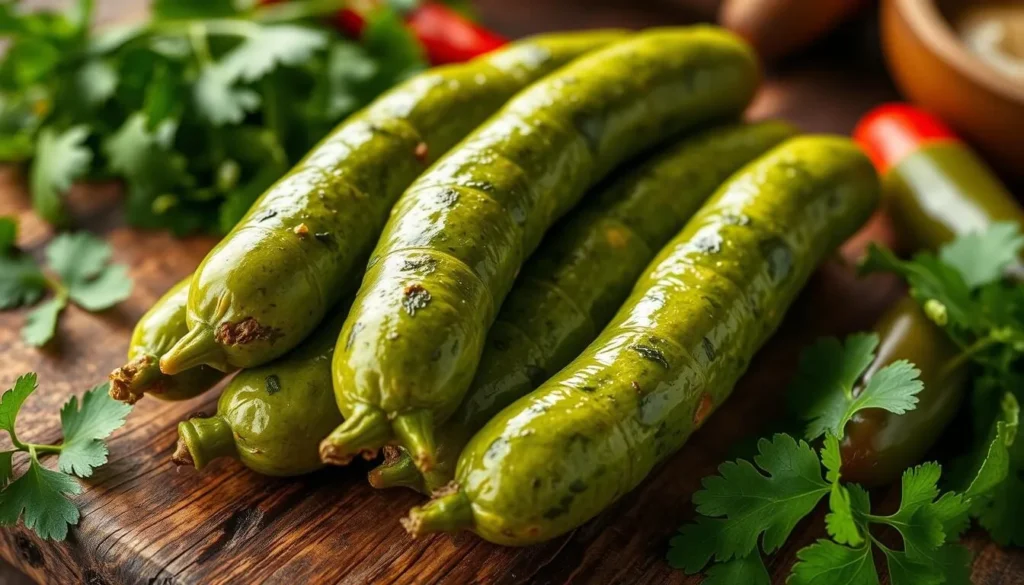
- Chorizo Verde: Toluca’s famous green sausage, made with pork, chile serrano, and herbs like cilantro and parsley.
- Huaraches: Oval-shaped fried masa topped with beans, meat, cheese, and salsa—a hearty street food staple.
- Tacos de Plaza: Market-style tacos filled with a mix of meats, nopales (cactus), and potatoes, typically found in weekly markets.
- Mixiotes: Meat (usually lamb or chicken) marinated in chile paste, wrapped in maguey leaves, and slow-cooked until tender.
- Queso Molido: A crumbly cheese from Texcoco, often served with enchiladas or as a topping.
- Pulque: An ancient fermented drink made from the sap of the maguey plant, with a history dating back to pre-Hispanic times.
Where to Eat
Each area of Mexico State offers distinctive dining experiences:
Toluca
- Mercado Morelos: Sample authentic local dishes at this bustling market in downtown Toluca.
- La Ruana: Traditional Mexican cuisine with a focus on local specialties.
- Azul Violeta: Contemporary Mexican cuisine in an elegant setting.
Valle de Bravo
- Los Pericos: Lakeside dining with fresh fish and traditional dishes.
- El Patio: Charming restaurant serving regional cuisine in a colonial setting.
- La Michoacana: Famous for its artisanal ice creams and sorbets.
Teotihuacan Area
- La Gruta: Unique dining experience inside a volcanic cave near the pyramids.
- Restaurante Teotihuacan: Traditional pre-Hispanic dishes with a view of the archaeological site.
Foodie Tip: Don’t miss the weekly tianguis (markets) in towns throughout Mexico State. These offer the most authentic local foods at affordable prices, often featuring dishes not found in restaurants.
Top Attractions & Sightseeing in Mexico State
Mexico State boasts an impressive array of attractions, from world-famous archaeological sites to colonial towns and natural wonders. Here are the best things to do during your visit:
1. Teotihuacan Archaeological Zone
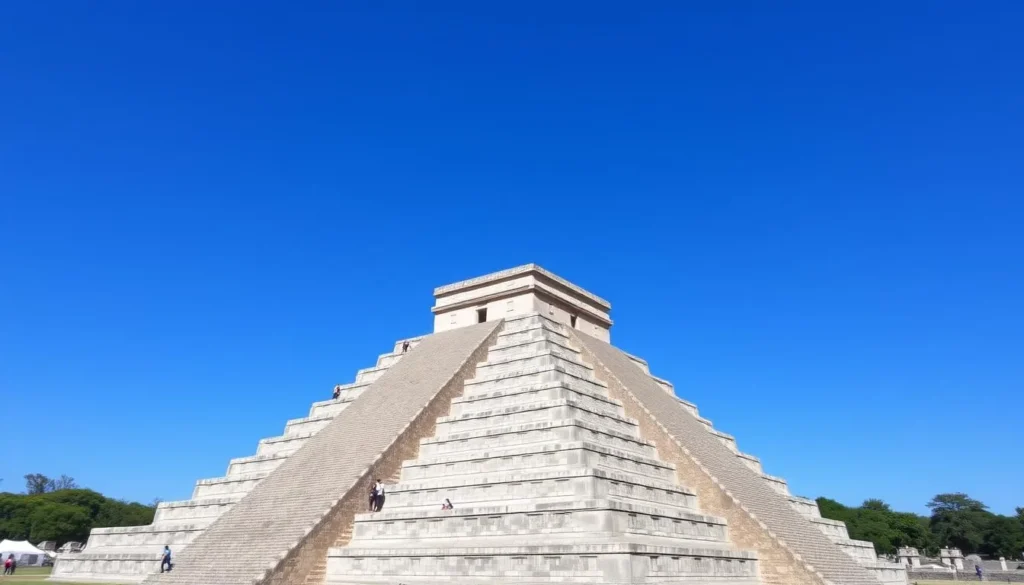
The undisputed highlight of Mexico State, Teotihuacan is one of the most significant archaeological sites in Mesoamerica. This UNESCO World Heritage site features massive pyramids, intricate murals, and the remains of what was once the largest city in the Americas during its peak around 450 CE.
Key attractions include:
- Pyramid of the Sun: The third-largest pyramid in the world, standing 65 meters (213 feet) tall.
- Pyramid of the Moon: Offering spectacular views of the entire archaeological complex.
- Avenue of the Dead: The main thoroughfare stretching 4 km (2.5 miles) through the ancient city.
- Palace of Quetzalpapalotl: Featuring beautifully preserved murals and carvings.
- Teotihuacan Museum: Housing artifacts discovered at the site.
Visiting Teotihuacan
- Open daily from 9:00 AM to 5:00 PM
- Entrance fee: 80 pesos (approximately $4 USD)
- Visit early morning (before 10:00 AM) to avoid crowds and midday heat
- Wear comfortable shoes, bring water, and apply sunscreen
- Consider hiring a guide for deeper insights into the site’s history
2. Nevado de Toluca National Park
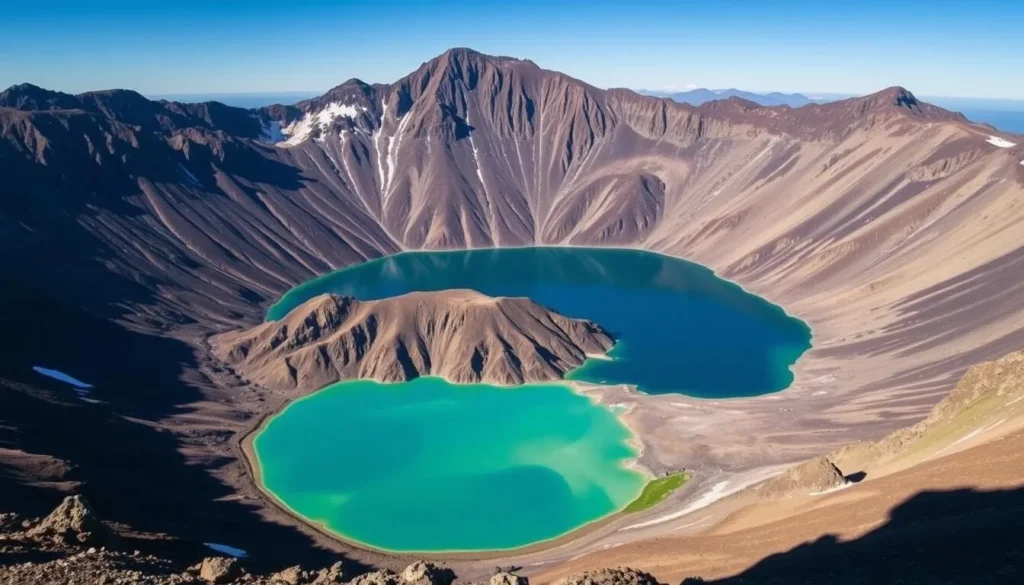
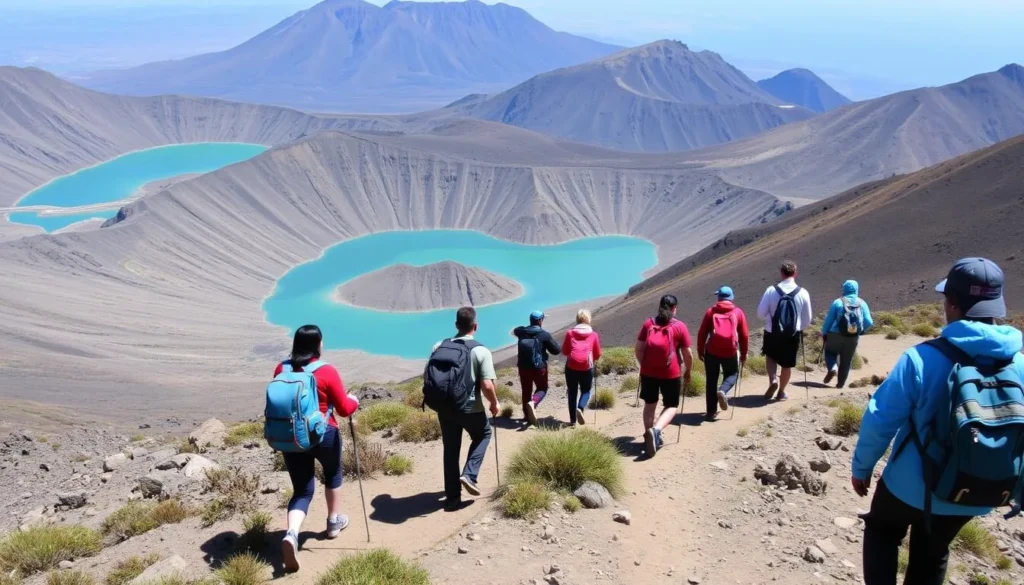
This extinct volcano, also known as Xinantécatl, is Mexico’s fourth-highest peak at 4,680 meters (15,354 feet). The crater contains two stunning lakes—the Sun and Moon lakes—surrounded by dramatic volcanic landscapes.
Activities include:
- Hiking to the crater rim and lakes
- Mountain biking on designated trails
- Photography of the spectacular volcanic landscape
- Camping (with permits)
- Wildlife observation
Adventure Tip: The drive to Nevado de Toluca takes you through pine forests and high-altitude landscapes. The final section is unpaved but accessible by regular cars in dry weather. For the best experience, join a guided tour that includes transportation and safety equipment.
3. Valle de Bravo
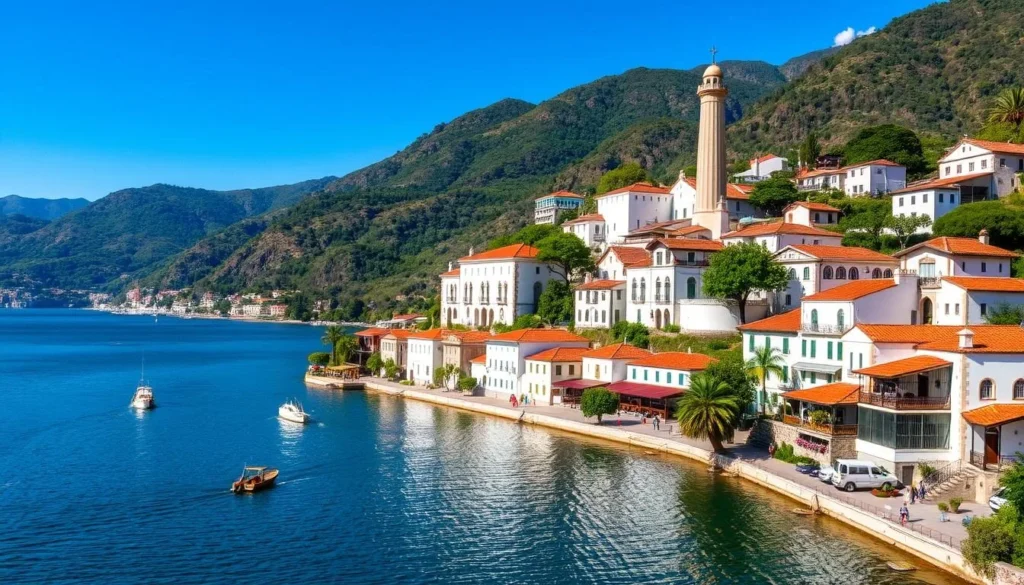
This picturesque lakeside town combines natural beauty with colonial charm. Popular with weekend visitors from Mexico City, Valle de Bravo offers a range of activities centered around Lake Avandaro and the surrounding mountains.
Top experiences include:
- Sailing or kayaking on Lake Avandaro
- Paragliding from the surrounding mountains
- Exploring the colonial town center and its craft shops
- Visiting the Velo de Novia waterfall
- Observing monarch butterflies at the Piedra Herrada Sanctuary (November to March)
Valle de Bravo Activities
This charming town offers everything from relaxing lakeside experiences to adrenaline-pumping adventures. Paragliding is particularly popular, with Valle de Bravo considered one of the world’s top destinations for this sport.
4. Magical Towns (Pueblos Mágicos)
Mexico State is home to several Pueblos Mágicos (Magical Towns), a designation given to places with special cultural, historical, or natural significance:
Tepotzotlán
Known for its magnificent National Museum of the Viceroyalty, housed in a former Jesuit college with stunning baroque architecture.
Metepec
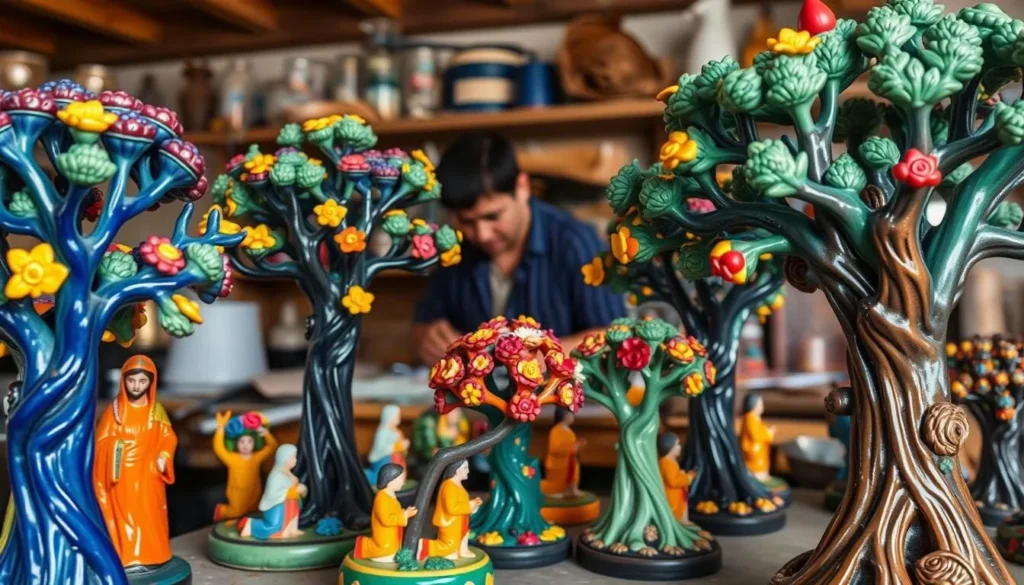
Famous for its pottery and folk art, particularly the Tree of Life sculptures. The town’s artisan workshops and weekly market are highlights for visitors.
El Oro
A former mining town with beautiful architecture from its golden age, including the Juárez Theater and the Railway Station Museum.
5. Cosmovitral Botanical Garden
Located in Toluca, this unique attraction combines a botanical garden with spectacular stained glass artwork. The Art Nouveau building, formerly a market, houses over 500 plant species surrounded by 3,200 square meters of stained glass created by artist Leopoldo Flores.
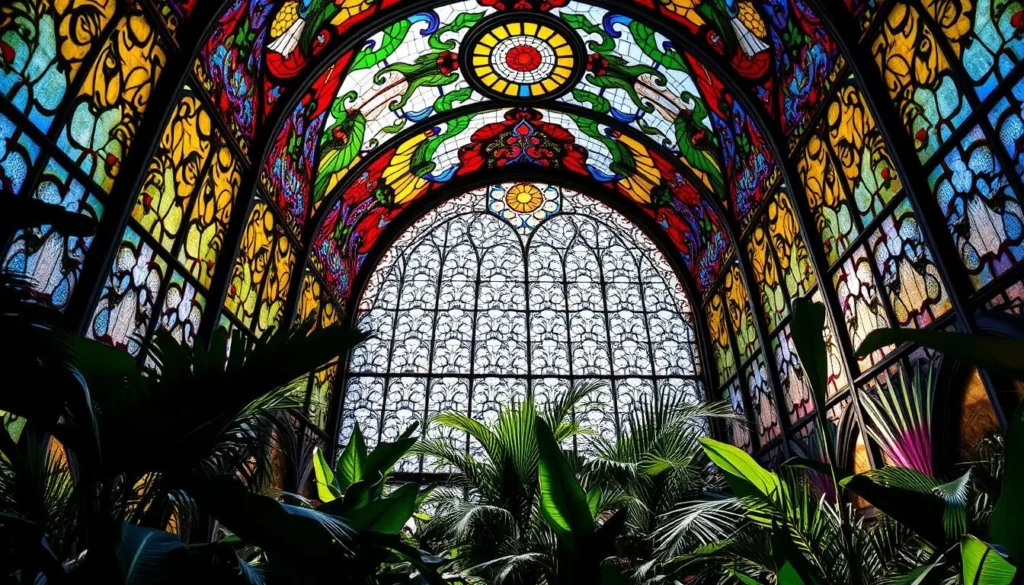
The centerpiece is the “Hombre Sol” (Sun Man) stained glass piece, which creates a special light effect during the spring equinox. The garden is open Tuesday to Sunday, with a small entrance fee.
Museums, Cultural Spots & Festivals
Mexico State offers rich cultural experiences through its museums, historical sites, and vibrant festivals that celebrate both indigenous and colonial heritage.
Top Museums
National Museum of the Viceroyalty (Tepotzotlán)
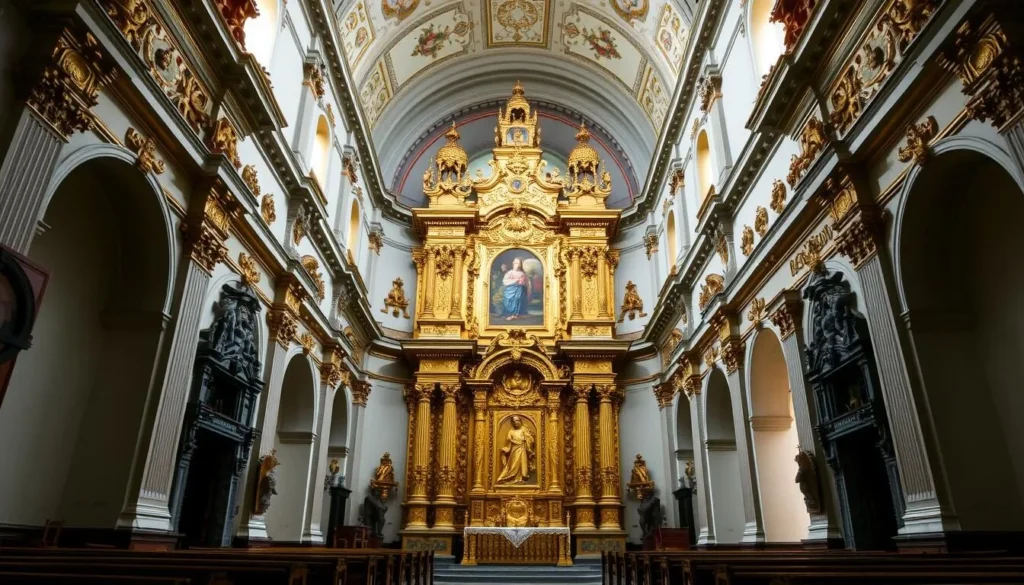
Housed in a former Jesuit college, this museum showcases Mexico’s colonial period with an impressive collection of religious art, furniture, and historical artifacts. The baroque church of San Francisco Javier within the complex features stunning gold-leaf altarpieces.
Museum of Anthropology and History (Toluca)
This museum houses one of Mexico’s most important archaeological collections outside of Mexico City, including the monolithic Tlatilco figures and artifacts from various pre-Hispanic cultures that inhabited the region.
Museo Felipe Santiago Gutiérrez (Toluca)
Dedicated to the works of the 19th-century painter Felipe Santiago Gutiérrez, this museum also features temporary exhibitions of contemporary art.
Cultural Experiences
Artisan Workshops
Throughout Mexico State, you can visit workshops where traditional crafts are still practiced:
- Pottery and Tree of Life sculptures in Metepec
- Obsidian carving in Teotihuacan
- Textiles in Gualupita
- Silver jewelry in Taxco (on the border with Guerrero state)
Traditional Markets
Weekly markets (tianguis) offer insights into local life and traditions:
- Toluca’s Friday market
- Santiago Tianguistenco’s Tuesday market
- Metepec’s Monday artisan market
Major Festivals
Festival Cultural del Alfeñique (October-November)
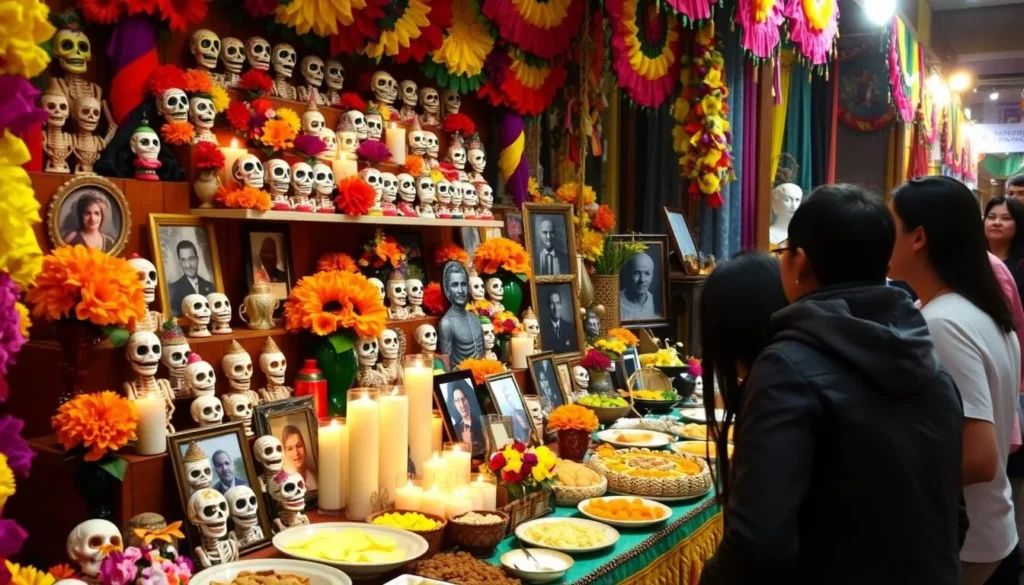
Celebrated in Toluca around Day of the Dead, this festival features sugar skull crafting, traditional altars, parades, and cultural performances.
Feria Nacional de la Plata (July)
This silver fair in Taxco showcases the region’s silversmithing tradition with exhibitions, workshops, and sales of fine silver jewelry and art.
Festival de Valle de Bravo (March)
A cultural festival featuring music, dance, art exhibitions, and culinary events in the picturesque setting of Valle de Bravo.
Cultural Tours
Explore the rich cultural heritage of Mexico State with guided tours that provide deeper insights into the region’s history, traditions, and artistic expressions.
Sports, Nature & Outdoor Experiences
Mexico State’s diverse landscapes—from volcanic peaks to forests and lakes—provide excellent opportunities for outdoor adventures and nature experiences.
Hiking and Mountain Activities
The mountainous terrain of Mexico State offers numerous hiking opportunities:
- Nevado de Toluca: Trails of varying difficulty lead to the crater lakes and summit.
- Izta-Popo National Park: Located on the eastern edge of Mexico State, this park offers hiking trails with views of the Popocatépetl and Iztaccíhuatl volcanoes.
- La Marquesa National Park: Family-friendly hiking trails through pine forests.
Water Activities
Lakes and reservoirs throughout Mexico State provide venues for various water sports:
- Valle de Bravo: Sailing, windsurfing, kayaking, and fishing on Lake Avandaro.
- Villa Victoria Reservoir: Fishing and boating in a peaceful setting.
- Ixtapan de la Sal: Natural hot springs and water parks.
Adventure Sports
For adrenaline seekers, Mexico State offers several exciting options:
- Paragliding: Valle de Bravo is considered one of the world’s top paragliding destinations, with perfect thermal conditions and spectacular views.
- Mountain Biking: Trails around Nevado de Toluca, La Marquesa, and Valle de Bravo cater to various skill levels.
- Rock Climbing: Las Peñas Cuevas near Valle de Bravo offers challenging routes for climbers.
Paragliding in Valle de Bravo
Experience the thrill of soaring above Lake Avandaro and the surrounding mountains. Both tandem flights with experienced pilots and courses for beginners are available.
Wildlife Viewing
Mexico State hosts diverse ecosystems with opportunities to observe wildlife:
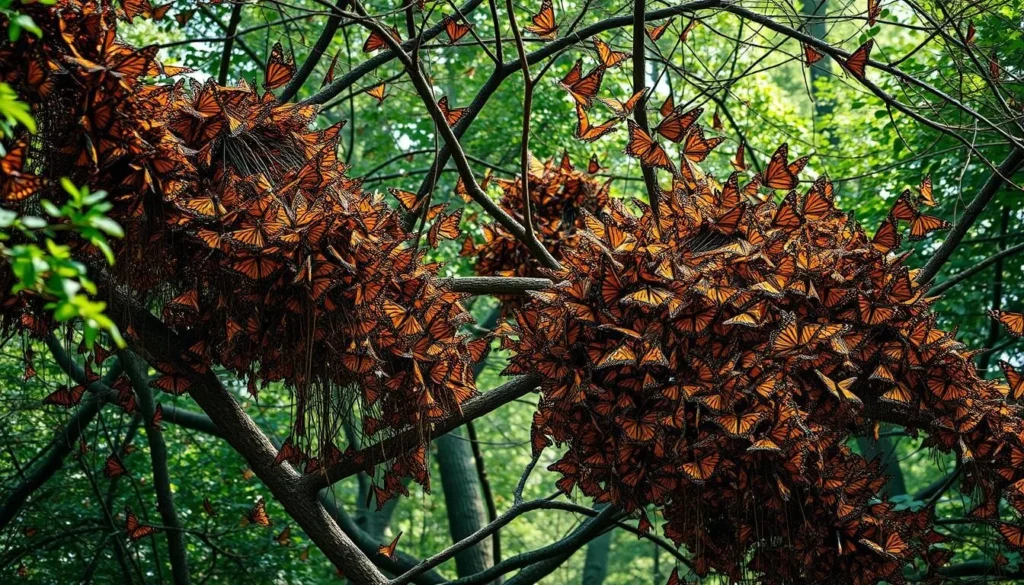
- Monarch Butterfly Sanctuaries: Between November and March, witness millions of monarch butterflies at sanctuaries like Piedra Herrada near Valle de Bravo.
- Zacango Zoological Park: One of Mexico’s largest zoos, focusing on conservation of native species.
- Birdwatching: Ciénegas de Lerma wetlands and forests around Nevado de Toluca are home to numerous bird species.
Eco-Friendly Tip: When visiting natural areas, practice Leave No Trace principles: stay on designated trails, pack out all trash, and maintain a respectful distance from wildlife. This helps preserve these special places for future visitors.
Safety, Etiquette & Local Customs
Understanding local customs and safety considerations will enhance your experience in Mexico State.
Safety Tips
- Mexico State is generally safe for tourists, especially in popular destinations like Teotihuacan, Valle de Bravo, and Toluca.
- Use the same precautions you would in any urban area: be aware of your surroundings, avoid displaying valuables, and use official taxis or ride-sharing services.
- Rural roads can be narrow and winding; drive cautiously and avoid night driving when possible.
- For hiking and outdoor activities, go with guides or in groups, carry sufficient water, and be prepared for changing weather conditions.
- Register with your country’s embassy if traveling to remote areas.
Cultural Etiquette
- Greetings: Mexicans typically greet with a handshake or, between friends, a single kiss on the cheek. Use formal titles (Señor, Señora) until invited to use first names.
- Tipping: 10-15% is standard in restaurants. Small tips are also appreciated by hotel staff, tour guides, and bathroom attendants.
- Photography: Always ask permission before photographing individuals, especially in indigenous communities. Some archaeological sites charge a small fee for camera use.
- Dress: Casual but neat attire is appropriate in most situations. For churches and religious sites, avoid shorts and sleeveless tops.
Local Customs
- Meal Times: Lunch (comida) is the main meal, typically eaten between 2:00 and 4:00 PM. Dinner is usually light and served after 8:00 PM.
- Markets: Bargaining is expected in markets but should be done respectfully. Start at about 70% of the asking price.
- Religious Sites: Show respect in churches and at archaeological sites with religious significance. Observe silence and follow any posted rules.
- Language: While English is spoken in tourist areas, learning basic Spanish phrases is appreciated and enhances your experience.
Cultural Insight: Mexico State has a significant indigenous population, particularly Mazahua and Otomí communities. When visiting indigenous areas, respect local customs, ask permission before taking photos, and consider purchasing handicrafts directly from artisans to support the local economy.
Practical Travel Tips for Mexico State
These practical tips will help you navigate Mexico State with ease and make the most of your visit.
Money Matters
- The Mexican peso (MXN) is the official currency. While credit cards are widely accepted in cities and tourist areas, carry cash for small towns and markets.
- ATMs are readily available in cities and larger towns. Notify your bank of your travel plans to avoid card blocks.
- Tipping is customary: 10-15% in restaurants, small amounts for hotel staff and guides.
Communication
- Mobile coverage is good in cities and towns but can be spotty in rural and mountainous areas.
- Consider purchasing a local SIM card for data access if your phone is unlocked.
- Free Wi-Fi is available in many hotels, restaurants, and public spaces in larger towns.
Health and Medical
- Tap water is not generally safe to drink. Stick to bottled or purified water.
- Pharmacies are widely available and can provide basic medications without prescriptions.
- Consider travel insurance that covers medical emergencies and evacuation.
- At high altitudes (like Nevado de Toluca), take time to acclimatize and stay hydrated.
Transportation Tips
- Major highways are well-maintained, but secondary roads may have potholes or lack clear signage.
- Gas stations are plentiful in urban areas but plan ahead in rural regions.
- For intercity travel, first-class buses (primera clase) offer comfort and security.
- Consider hiring local guides for visits to remote natural areas or archaeological sites.
Essential Packing List
- Comfortable walking shoes for archaeological sites and cobblestone streets
- Layers for variable temperatures, especially if visiting mountainous areas
- Sun protection: hat, sunglasses, and sunscreen
- Insect repellent for rural and forested areas
- Basic Spanish phrasebook or translation app
- Reusable water bottle (to refill from purified water sources)
Sustainable Tourism
Support sustainable tourism in Mexico State by:
- Choosing locally-owned accommodations and restaurants
- Purchasing directly from artisans
- Respecting natural environments and cultural sites
- Conserving water, especially in areas with limited resources
- Learning about and respecting local customs and traditions
Experience the Hidden Treasures of Mexico State
Mexico State offers a perfect blend of ancient history, colonial charm, natural beauty, and authentic cultural experiences—all within easy reach of Mexico City. From climbing massive pyramids at Teotihuacan to paragliding over Valle de Bravo’s lake, from exploring baroque churches to hiking an extinct volcano, the diversity of experiences in Mexico State is truly remarkable.
What makes this region special is how it remains authentic and relatively undiscovered by international tourists, allowing you to experience the real Mexico beyond the beach resorts and tourist zones. The warm hospitality of locals, the rich flavors of regional cuisine, and the stunning landscapes create memories that will last long after your visit.
Whether you’re seeking adventure, cultural immersion, or simply a deeper understanding of Mexico’s history and traditions, Mexico State delivers experiences that will surprise and delight even the most seasoned travelers. Start planning your journey to discover one of Mexico’s most rewarding destinations!
Related Posts
Tulum, Mexico: Best Things to Do – Top Picks

Puerto Vallarta, Mexico: Best Things to Do – Top Picks

Puerto Escondido, Mexico: Best Things to Do – Top Picks
Sayulita, Mexico: Best Things to Do – Top Picks

Valle de Guadalupe, Mexico: Best Things to Do – Top Picks
Playa del Carmen, Mexico: Best Things to Do – Top Picks
Coming Soon: Clickable Maps