
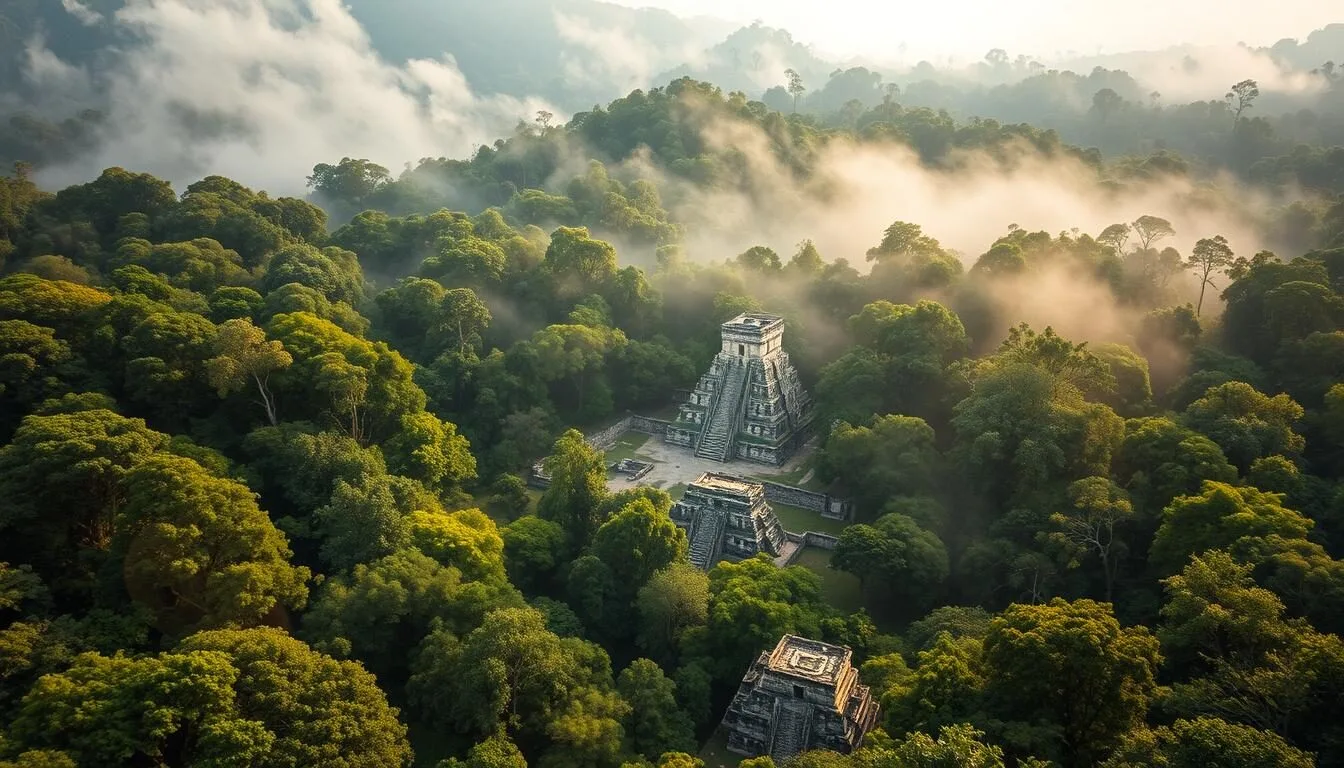
Did you know that only 10% of Palenque’s magnificent ancient city has been excavated? The rest remains hidden beneath the lush jungle canopy of Chiapas, waiting to be discovered. This UNESCO World Heritage site isn’t just another archaeological zone—it’s one of Mexico’s most breathtaking treasures where nature and history intertwine in spectacular fashion.
Getting There & Planning Your Journey
Reaching Palenque National Park requires some planning, but the journey is well worth the effort. Located in the state of Chiapas near the Guatemalan border, this archaeological wonder is accessible through several routes.
By Air
The most convenient option is flying into Villahermosa, Tabasco (Carlos Rovirosa Pérez International Airport), followed by a 2-hour drive to Palenque. Alternatively, you can fly to Tuxtla Gutiérrez in Chiapas, though the drive from there takes 5-6 hours through winding mountain roads.
By Bus
ADO buses connect Palenque with major cities including Villahermosa (2 hours), Mérida (8 hours), and San Cristóbal de las Casas (5 hours). The buses are comfortable and offer an affordable option for travelers.
By Car
Renting a car gives you the freedom to explore at your own pace. The drive from Villahermosa is straightforward along Highway 186. If coming from the Yucatán Peninsula, expect a 6-7 hour drive from Campeche City.
By Maya Train
The newly launched Tren Maya (Maya Train) now connects Palenque with destinations in the Yucatán Peninsula. Trains depart from Cancún, Mérida, and Campeche, offering a scenic journey through the Mexican countryside.
Best Time to Visit Palenque National Park
Timing your visit right can make a significant difference in your Palenque experience. The park is located in a tropical rainforest climate zone, which means planning around seasonal weather patterns is essential.

Recommended Months to Visit
Best Time: November to April (Dry Season)
- Less rainfall and humidity
- Temperatures between 22-30°C (72-86°F)
- Clearer visibility of ruins and landscapes
- Easier hiking on drier trails
- Peak tourist season, especially December-February
Months to Avoid: June to September
- Heavy rainfall (up to 2,400 mm/94 inches annually)
- High humidity levels (often above 90%)
- Potential for trail flooding
- Temperatures reaching 32-35°C (90-95°F)
- Increased mosquito activity
May and October are shoulder months with variable conditions. If visiting during the rainy season, plan morning excursions when afternoon showers are less likely, and pack appropriate rain gear.
Getting Around Locally
Once you’ve arrived in the town of Palenque, getting to and around the national park is relatively straightforward.
From Town to the Ruins
The archaeological zone is located about 8 km (5 miles) from Palenque town. Options include:
- Colectivos: These shared minivans run frequently between town and the ruins for about 20 MXN (approximately $1 USD). Look for vans with “Ruinas” signs.
- Taxis: Expect to pay 150-200 MXN ($7-10 USD) for a one-way trip. Arrange a pickup time for your return if possible.
- Tour Shuttles: If you’re on a guided tour, transportation is typically included.
Within the Park
The archaeological site itself is best explored on foot. Comfortable walking shoes are essential as you’ll be covering uneven terrain. The main complex can be explored in 2-3 hours, but allow a full day if you want to explore the surrounding jungle paths and lesser-visited structures.
Where to Stay
Palenque offers a range of accommodation options from budget-friendly hostels to luxurious eco-lodges. The two main areas to consider are the town of Palenque itself or the jungle area near the archaeological site.
In Town
Staying in Palenque town offers more dining options and amenities. Hotels here range from 400-1,500 MXN ($20-75 USD) per night and provide easy access to restaurants, banks, and transportation.
Jungle Accommodations
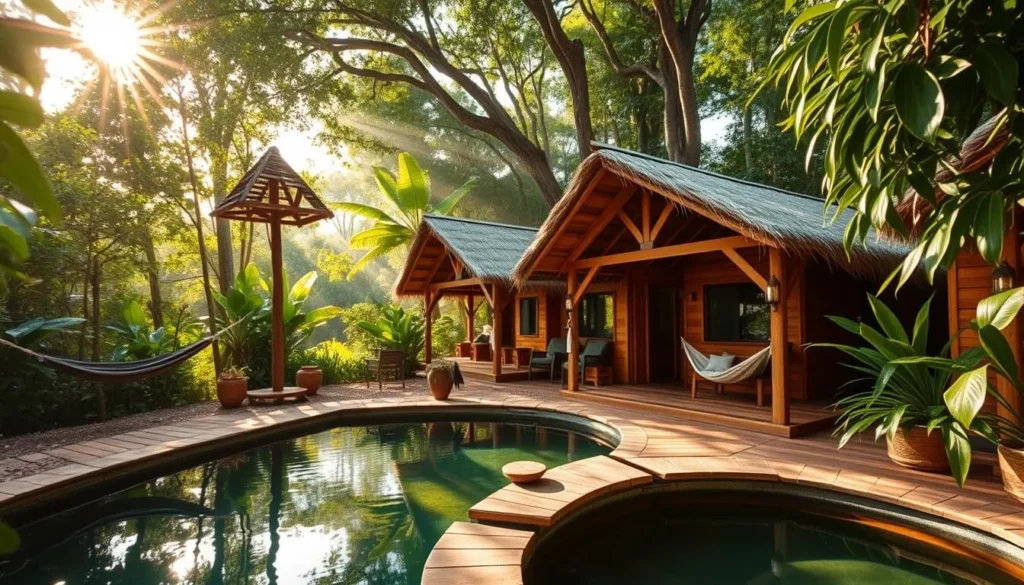
For a more immersive experience, consider staying in one of the eco-lodges along the road between town and the ruins. These unique accommodations offer the chance to fall asleep to the sounds of howler monkeys and wake up surrounded by tropical forest. Prices range from 600-2,500 MXN ($30-125 USD) per night.
Recommended Options
- Budget: Hostels in town or simple cabañas near the ruins
- Mid-range: Hotel Xibalba or Hotel Maya Tulipanes in town
- Luxury: Chan-Kah Resort Village or Boutique Hotel Quinta Chanabnal
- Unique Experience: El Panchan jungle cabins for an authentic rainforest stay
Dining & Local Cuisine
Chiapas cuisine offers a delicious blend of indigenous Maya traditions and Spanish influences. The region is known for its rich, flavorful dishes that often feature local ingredients like corn, beans, squash, and tropical fruits.

Must-Try Local Dishes
- Tamales Chiapanecos: Larger than typical tamales, wrapped in banana leaves with a distinctive flavor
- Cochito Horneado: Slow-roasted pork marinated in achiote and spices
- Sopa de Pan: Bread soup with a rich broth, vegetables, and hard-boiled eggs
- Chipilín con Bolita: Corn dumplings with chipilín herbs in a flavorful broth
- Chiapas Coffee: Some of Mexico’s finest coffee is grown in the highlands of Chiapas
Where to Eat
In Palenque town, you’ll find a variety of restaurants serving both local and international cuisine. Near the archaeological zone, several restaurants cater to tourists with decent food at slightly higher prices. For an authentic experience, try the small eateries in El Panchan, the jungle area between town and the ruins.
Dining Tips
Most restaurants accept cash only, so be prepared with Mexican pesos. Meal prices range from 80-150 MXN ($4-8 USD) for simple meals to 200-400 MXN ($10-20 USD) for more elaborate dining experiences. Tipping 10-15% is customary for good service.
Attractions, Sightseeing & Activities
While the archaeological ruins are the main attraction, Palenque National Park and its surroundings offer many other remarkable experiences.
The Archaeological Zone
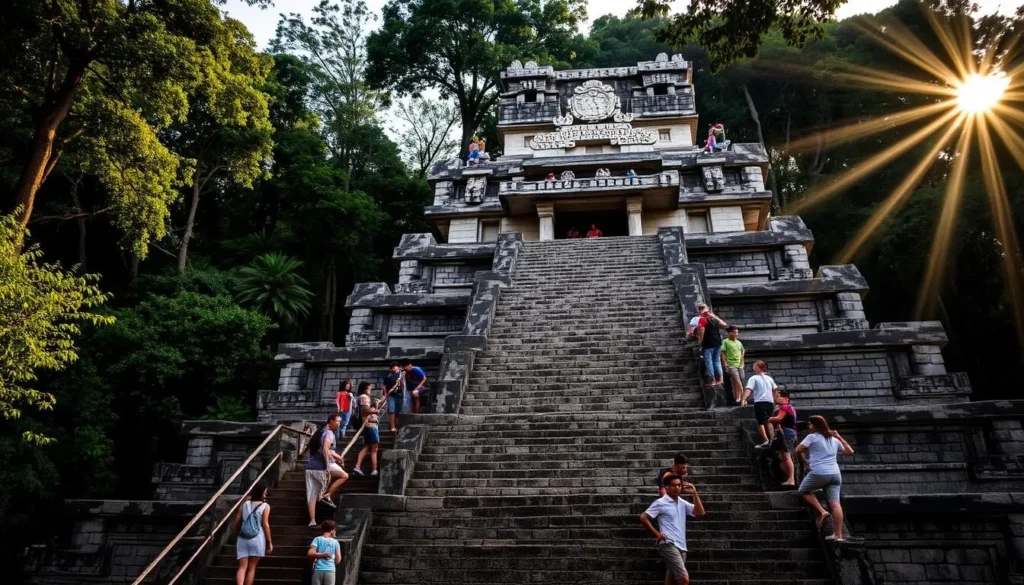
The Palenque archaeological site is relatively compact compared to other Mayan cities, but what it lacks in size it makes up for in architectural beauty and historical significance. Key structures include:
- Temple of Inscriptions: This 22 m (72 ft) tall pyramid houses the tomb of King Pakal and features detailed hieroglyphic inscriptions
- The Palace: A complex structure with courtyards, corridors, and the distinctive four-story tower
- Temple of the Cross Group: Three temples built on elevated platforms with intricate relief carvings
- Temple of the Sun: Features a beautifully preserved roof comb and interior carvings
- Temple of the Skull: Named for the skull imagery found in its decorations
Entrance fees (as of 2024): 95 MXN for the archaeological site plus 105 MXN for the national park, totaling 200 MXN (approximately $12 USD).
Beyond the Ruins
The area surrounding Palenque offers several natural attractions worth exploring:

- Misol-Ha Waterfall: A spectacular 35 m (115 ft) single-drop waterfall with a cave behind it
- Agua Azul Cascades: A series of turquoise blue waterfalls and natural pools perfect for swimming
- Roberto Barrios Cascades: Less crowded than Agua Azul, these multi-tiered falls offer a more tranquil experience
- Aluxes Eco Park: A wildlife rescue center with local species including jaguars and monkeys
Museums, Cultural Spots & Festivals
Immerse yourself in the rich cultural heritage of Palenque and the Chiapas region through museums and local celebrations.

Museums
- Alberto Ruz L’Huillier Museum (Palenque Site Museum): Located at the entrance to the archaeological zone, this museum houses important artifacts found at Palenque including replicas of tomb treasures
- Na Bolom Museum: In San Cristóbal de las Casas (a few hours from Palenque), this museum focuses on the indigenous cultures of Chiapas
Cultural Experiences
The town of Palenque and surrounding villages offer opportunities to experience local Maya culture:
- Local Markets: Visit the municipal market in Palenque town to see local crafts and produce
- Indigenous Communities: Some nearby communities welcome visitors to learn about traditional crafts and customs
- Traditional Music: Look for performances of marimba, the traditional instrument of Chiapas
Festivals
If your visit coincides with these celebrations, you’re in for a special experience:
- Carnaval: February/March – Colorful celebrations before Lent
- Fiesta de San Cristóbal: July 16-26 – Major regional celebration in San Cristóbal de las Casas
- Day of the Dead: November 1-2 – Observed throughout the region with special foods and cemetery visits
Sports, Nature & Outdoor Experiences
The lush jungle setting of Palenque National Park provides the perfect backdrop for nature lovers and outdoor enthusiasts.
Wildlife Watching
The park is home to an impressive array of wildlife. Keep your eyes and ears open for:
- Howler Monkeys: Their distinctive calls can be heard throughout the forest, especially at dawn and dusk
- Spider Monkeys: Often spotted swinging through the canopy
- Toucans and Parrots: Colorful birds that inhabit the upper canopy
- Butterflies: Hundreds of species flutter through the jungle
Hiking
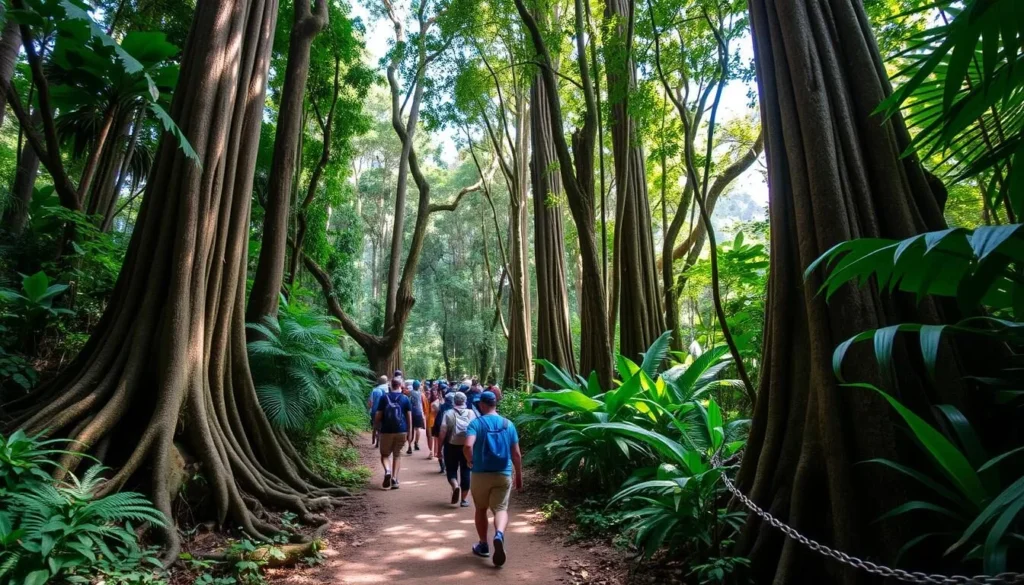
Several trails wind through the national park, offering opportunities to explore beyond the main archaeological zone:
- Jungle Trail: A 3 km (1.9 mile) path through the forest connecting various minor ruins
- Motiepa Group Trail: Leads to less-visited structures surrounded by jungle
- Waterfall Trail: A short hike to a small waterfall within the park boundaries
Swimming
The nearby waterfalls offer refreshing natural swimming opportunities:
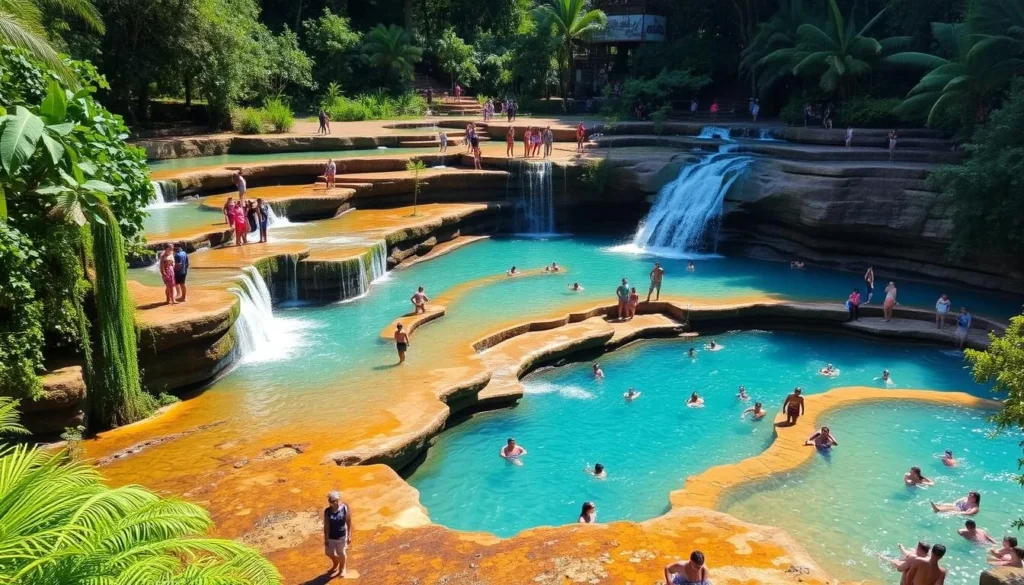
- Agua Azul: Multiple limestone pools with varying depths
- Roberto Barrios: Several swimming areas with calm waters
- Misol-Ha: A deep pool at the base of the waterfall
Always check current conditions before swimming, as water levels and safety can change seasonally, especially during the rainy season.
Safety, Etiquette & Local Customs
Enjoying Palenque safely and respectfully enhances your experience and supports the local community and environment.
Safety Tips
- Stay on marked trails within the archaeological zone and jungle areas
- Use insect repellent to protect against mosquitoes
- Drink bottled water and avoid ice in smaller establishments
- Keep valuables secure and use hotel safes when available
- Check travel advisories before visiting remote areas of Chiapas
Cultural Etiquette
Respecting local customs helps create positive interactions:
- Ask permission before photographing local people, especially in indigenous communities
- Dress modestly when visiting communities outside tourist areas
- Learn a few basic Spanish phrases – even simple greetings are appreciated
- Bargaining is common in markets but should be done respectfully
Environmental Responsibility
Help preserve this precious ecosystem and archaeological treasure:
- Never remove artifacts or natural items from the park
- Stay on designated paths to prevent erosion
- Carry out all trash and dispose of it properly
- Use biodegradable sunscreen and insect repellent when swimming in natural waters
Practical Travel Tips

What to Pack
- Clothing: Lightweight, breathable fabrics; long sleeves and pants for jungle protection
- Footwear: Comfortable walking shoes with good traction
- Sun Protection: Hat, sunglasses, and biodegradable sunscreen
- Rain Gear: Lightweight poncho or jacket, especially during the rainy season
- Insect Repellent: Essential for comfort in the jungle environment
- Water Bottle: Refillable bottle to stay hydrated
- Cash: Mexican pesos for entrance fees, meals, and shopping (ATMs are limited)
Connectivity
Cell service is generally available in Palenque town but can be spotty in the national park and surrounding areas. Many hotels and restaurants offer Wi-Fi, though connection speeds may be slower than you’re accustomed to.
Language
Spanish is the primary language in the region. While some tourism workers speak basic English, having a translation app or phrasebook can be helpful. In more remote areas, indigenous languages like Chol and Tzeltal are still spoken.
Money Matters
The Mexican peso (MXN) is the local currency. While some larger establishments accept credit cards, cash is preferred and often required for smaller businesses, entrance fees, and transportation. ATMs are available in Palenque town but not at the archaeological site.
Experience the Magic of Palenque
Palenque National Park offers a rare combination of spectacular ancient architecture, lush rainforest biodiversity, and living Maya culture. Whether you’re climbing ancient pyramids, swimming in turquoise waterfalls, or simply listening to howler monkeys echo through the jungle canopy, Palenque creates memories that last a lifetime.
The mystery and majesty of this ancient city, emerging from the emerald jungle after centuries of abandonment, continues to captivate visitors from around the world. As you walk the same paths once tread by Maya royalty, you’ll understand why Palenque is considered one of Mexico’s most precious archaeological and natural treasures.


0 Comments