
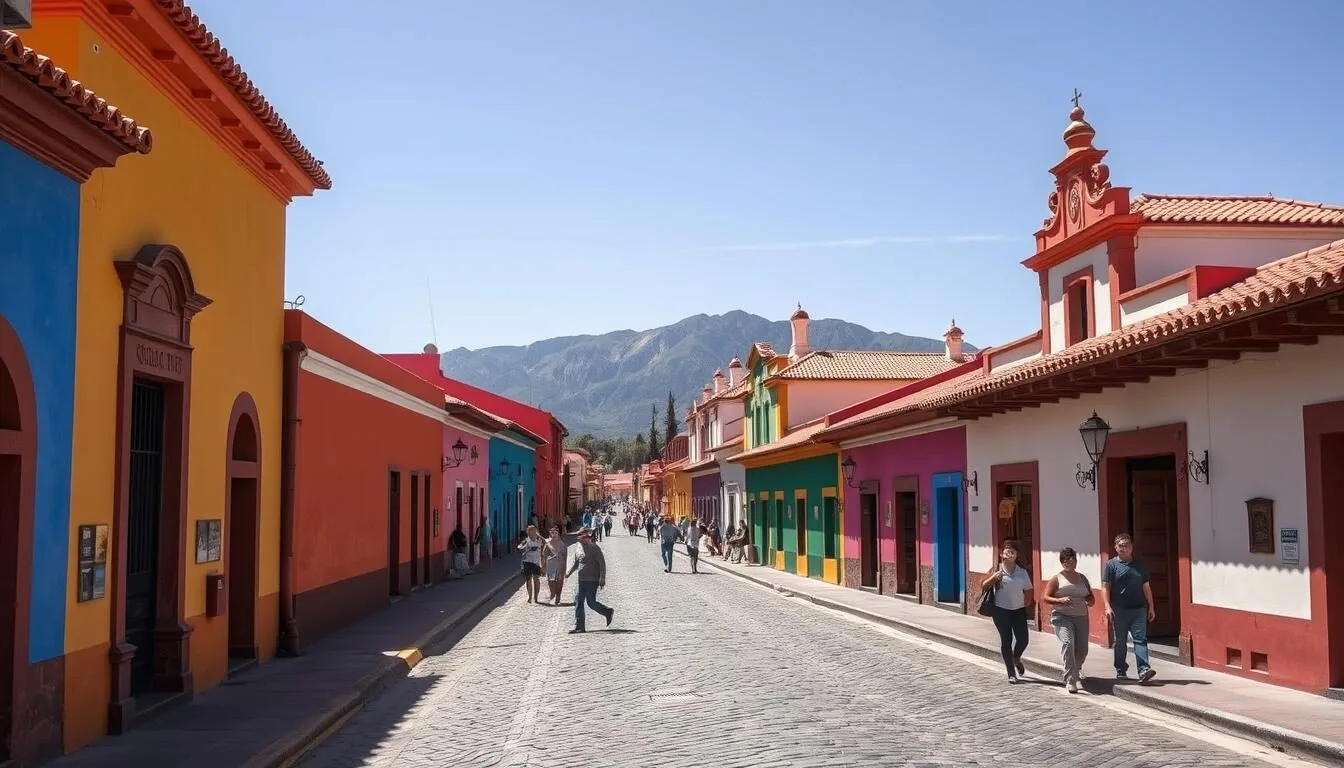
Nestled at an impressive altitude of 2,200 meters (7,217 feet) in the highlands of Chiapas, San Cristobal de las Casas is one of Mexico’s most enchanting colonial cities that most travelers overlook. This cultural gem was once the capital of Chiapas and today serves as a fascinating crossroads where Spanish colonial influence meets vibrant indigenous cultures. With its crisp mountain air, cobblestone streets, and distinctive red-tiled roofs, San Cristobal offers a refreshing alternative to Mexico’s beach destinations and bustling cities.
What makes this highland city truly special is its remarkable indigenous presence. Unlike many colonial centers in Mexico, San Cristobal is surrounded by Tzotzil and Tzeltal Maya communities that have maintained their traditional dress, languages, and customs for centuries. This cultural richness, combined with the city’s artistic atmosphere, makes San Cristobal de las Casas one of Mexico’s most rewarding destinations for travelers seeking authentic experiences.
Getting There & Planning Your Journey
Most travelers reach San Cristobal de las Casas through Tuxtla Gutierrez International Airport (TGZ), located about 80 kilometers (50 miles) away. From there, you have several options to reach the colonial city:
- Shared shuttle services (colectivos) run regularly from the airport to San Cristobal for around 250 pesos (approximately $14 USD)
- Private taxis offer more comfort but cost around 800-1000 pesos ($45-55 USD)
- ADO buses connect major cities like Mexico City, Oaxaca, and Merida to San Cristobal, though journeys can be long (12-15 hours from Mexico City)
If you’re planning to explore the surrounding areas independently, renting a car gives you the most flexibility. However, be aware that mountain roads can be winding, and some indigenous communities have checkpoints where small fees may be requested.
Best Time to Visit & Weather Tips
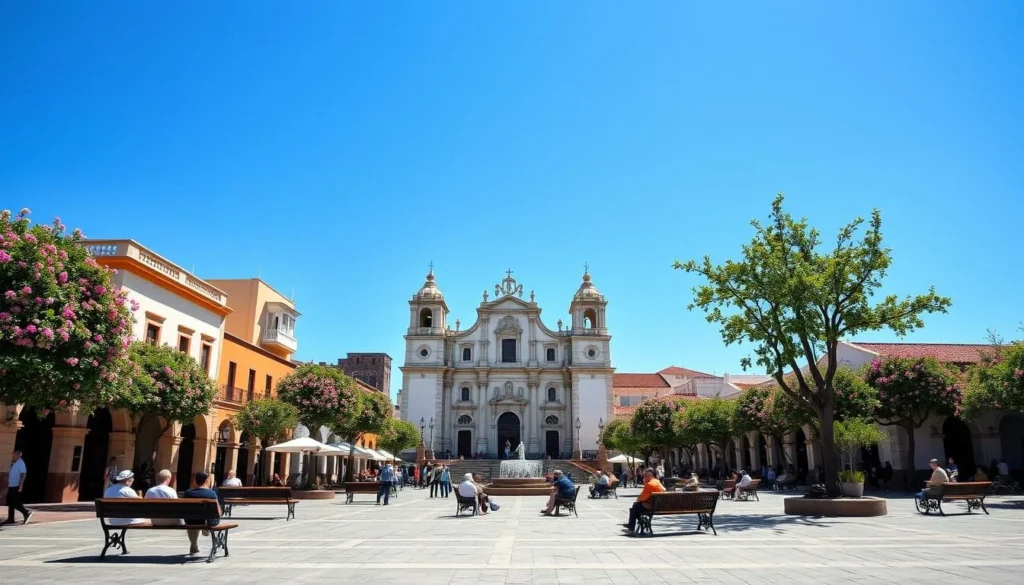
Thanks to its high elevation, San Cristobal de las Casas enjoys a temperate climate year-round, with cool evenings that might surprise travelers expecting Mexico’s typical heat. The city’s weather is distinct from coastal areas of Mexico, so pack accordingly!
Recommended Months to Visit
- November to April (Dry Season): The most popular time to visit with clear skies and comfortable daytime temperatures around 22-24°C (72-75°F). Nights can be chilly, dropping to 5-8°C (41-46°F).
- March to May: Considered the ideal time with warm days, minimal rain, and fewer tourists than the December-January high season.
Months to Consider Avoiding
- June to September (Rainy Season): Afternoon downpours are common, though mornings are typically clear. The surrounding landscape turns lush green.
- December and Easter Week: While festive and culturally rich, these periods bring the highest tourist numbers and accommodation prices.
Altitude Tip: At 2,200 meters (7,217 feet), some visitors may experience mild altitude symptoms. Stay hydrated, limit alcohol for the first day, and consider arriving in the afternoon to rest before exploring.
Getting Around Locally
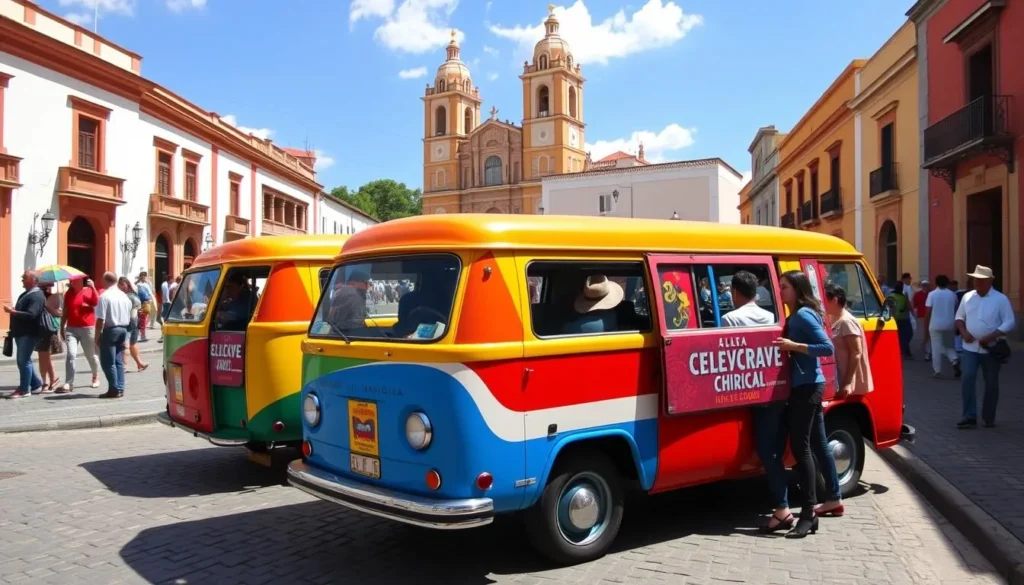
San Cristobal de las Casas is a wonderfully walkable city, with most attractions in the historic center within easy reach on foot. The compact layout and pedestrian-friendly streets make walking the best way to soak in the colonial atmosphere.
Transportation Options
- Walking: The historic center is compact and pedestrian-friendly, with most attractions within a 15-minute walk of the main plaza.
- Taxis: Abundant and affordable (30-50 pesos for trips within the city). Always confirm the price before departing.
- Colectivos: These shared minivans are the cheapest option (10-20 pesos) for reaching outlying neighborhoods or nearby communities like San Juan Chamula.
- Tourist Trolley: A fun way to get oriented, the city trolley departs from the main square and offers a guided tour of key sites for around 150 pesos.
Safety Note: While San Cristobal is generally safe, it’s best to take taxis at night rather than walking in poorly lit areas. Uber is not available, but local taxi apps like Didi may work.
Where to Stay
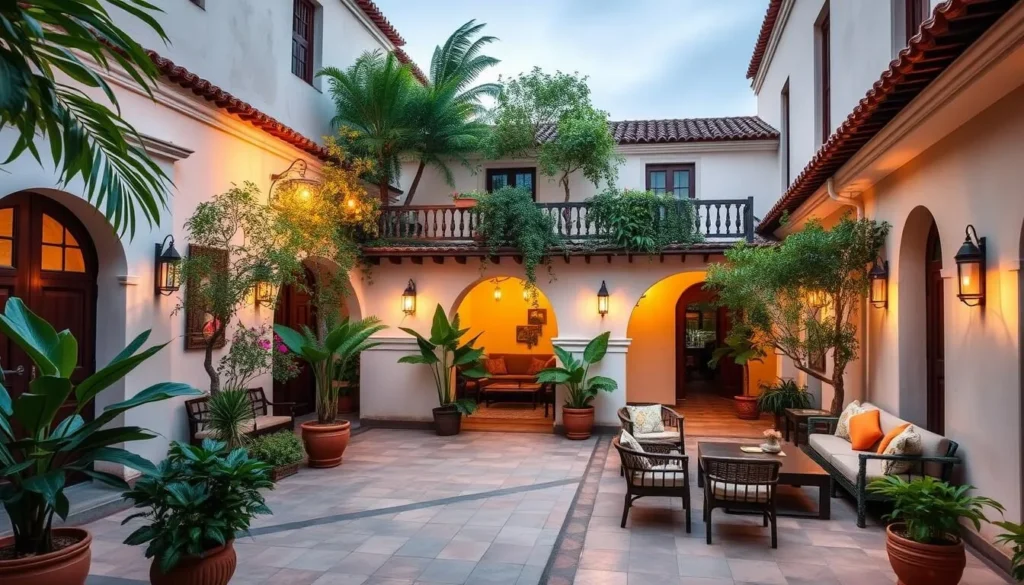
San Cristobal offers accommodations for every budget, from backpacker hostels to luxurious colonial mansions converted into boutique hotels. Most visitors prefer staying in the historic center for convenience and atmosphere.
Recommended Areas
- Around the Zócalo (Main Plaza): Perfect for first-time visitors, with easy access to restaurants, shops, and main attractions.
- Real de Guadalupe: The city’s main pedestrian street, lined with cafes, restaurants, and shops.
- Barrio del Cerrillo: A quieter, more local neighborhood with colorful houses and street art, still within walking distance of the center.
Accommodation Options
Budget
Hostels and guesthouses offer dorm beds from 150-250 pesos ($8-14 USD) and private rooms from 400-600 pesos ($22-33 USD). Many include breakfast and social activities.
Mid-Range
Charming hotels and B&Bs in restored colonial buildings with courtyards and gardens range from 800-1,500 pesos ($45-85 USD) per night.
Luxury
Boutique hotels in historic mansions with upscale amenities and services start at 2,000 pesos ($110 USD) and can exceed 4,000 pesos ($220 USD) for the finest properties.
Local Tip: Casa Na Bolom, once home to archaeologist Frans Blom and photographer Gertrude Duby, is now a museum, research center, and hotel. Staying here offers a unique cultural experience with rooms from $70 USD per night.
Dining & Local Cuisine
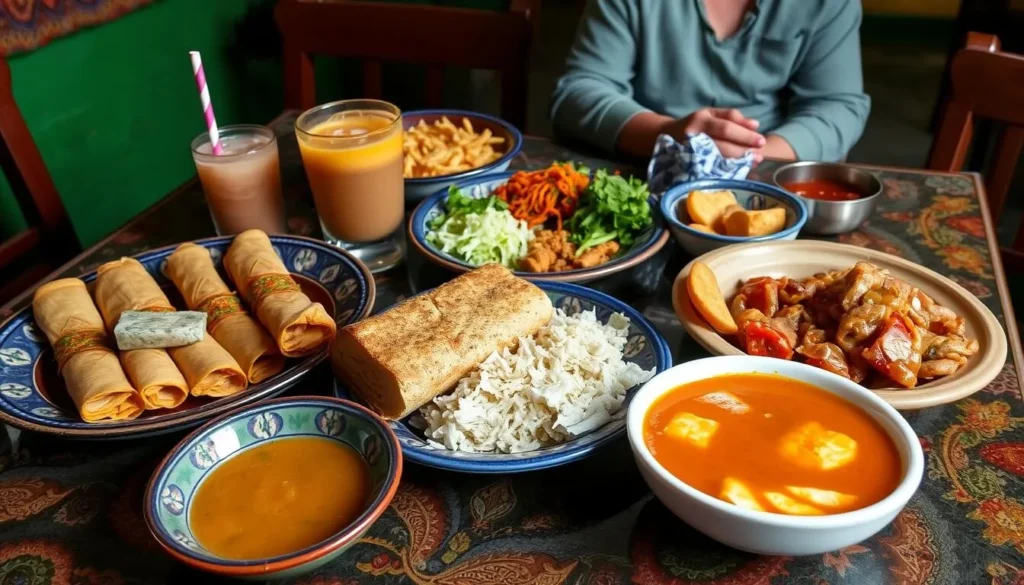
San Cristobal’s culinary scene blends traditional Chiapaneco cuisine with international influences, offering everything from street food to fine dining. The city is particularly known for its excellent coffee, grown in the surrounding highlands.
Must-Try Local Dishes
- Sopa de Pan: A hearty “bread soup” made with a rich tomato broth, vegetables, and chunks of bread—a Chiapas specialty.
- Tamales Chiapanecos: Local tamales wrapped in banana leaves with distinctive ingredients like olives, prunes, and regional spices.
- Pozol: A traditional pre-Hispanic drink made from fermented corn dough and cacao, served cold—perfect for refreshment.
- Pox (pronounced “posh”): A ceremonial spirit made from corn, wheat, and sugarcane that’s integral to indigenous traditions. Try it at La Posheria on Real de Guadalupe.
Where to Eat
Local Markets
Mercado Municipal José Castillo Tielemans offers authentic local dishes at unbeatable prices. Try the fresh quesadillas with Chiapas cheese and chorizo.
Cafés
San Cristobal is famous for its coffee culture. Visit Carajillo, Café Revolucion, or Frontera Artisan Food for excellent locally-grown beans and relaxed atmospheres.
Restaurants
TierrAdentro serves authentic indigenous cuisine, while El Caldero offers traditional Chiapaneco dishes. For international options, try Cocoliche or El Mesón del Taco.
Coffee Tip: Chiapas produces 40% of Mexico’s coffee. Take a coffee workshop to learn about the bean-to-cup process, or purchase freshly roasted beans to take home at specialty shops like Carajillo Expendio.
Attractions, Sightseeing & Activities
City Center Highlights
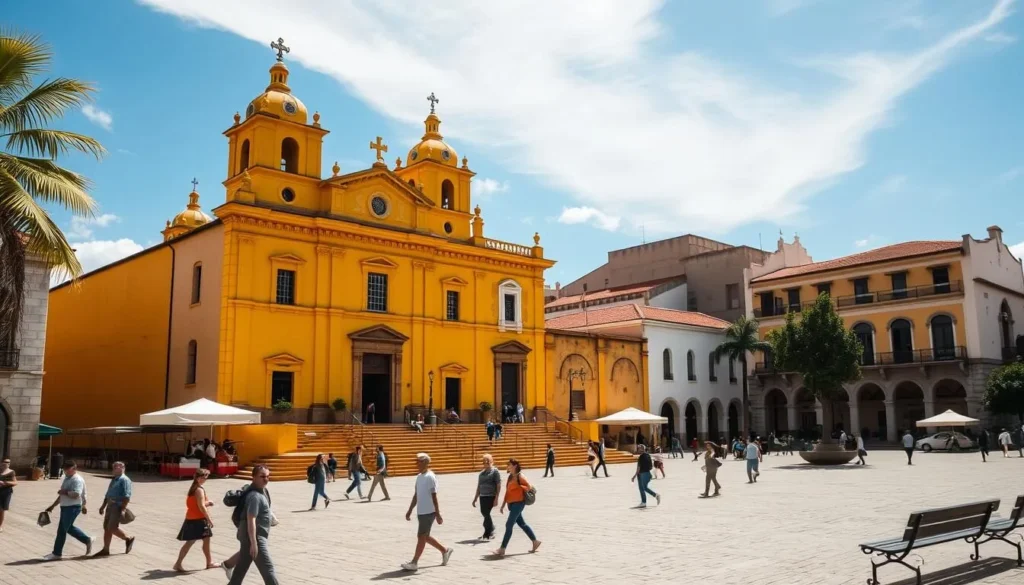
- Zócalo (Plaza 31 de Marzo): The heart of San Cristobal, perfect for people-watching and surrounded by important buildings including the distinctive yellow Cathedral dating from the 16th century.
- Real de Guadalupe: The main pedestrian street lined with shops, cafes, and restaurants. Don’t miss the artisan markets along this vibrant thoroughfare.
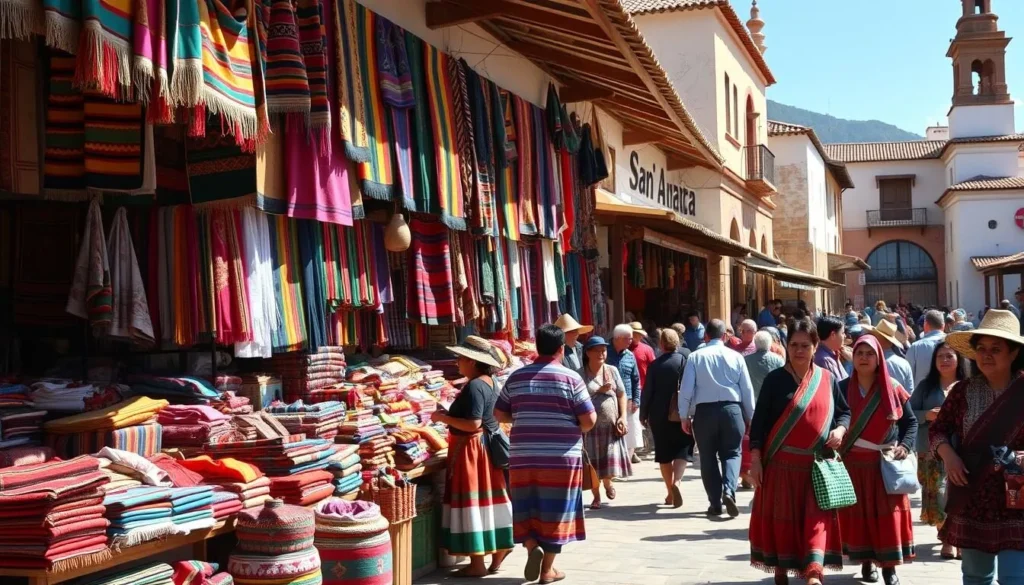
- Santo Domingo Church and Craft Market: This 16th-century church features an ornate façade, while the adjacent market offers the best selection of indigenous crafts and textiles in the city.
- Guadalupe Church: Climb the 79 steps to this hilltop church for panoramic views of the city and surrounding mountains.
- San Cristobalito Church: Another viewpoint on the opposite side of town, offering different perspectives of the colonial center.
Museums and Cultural Sites
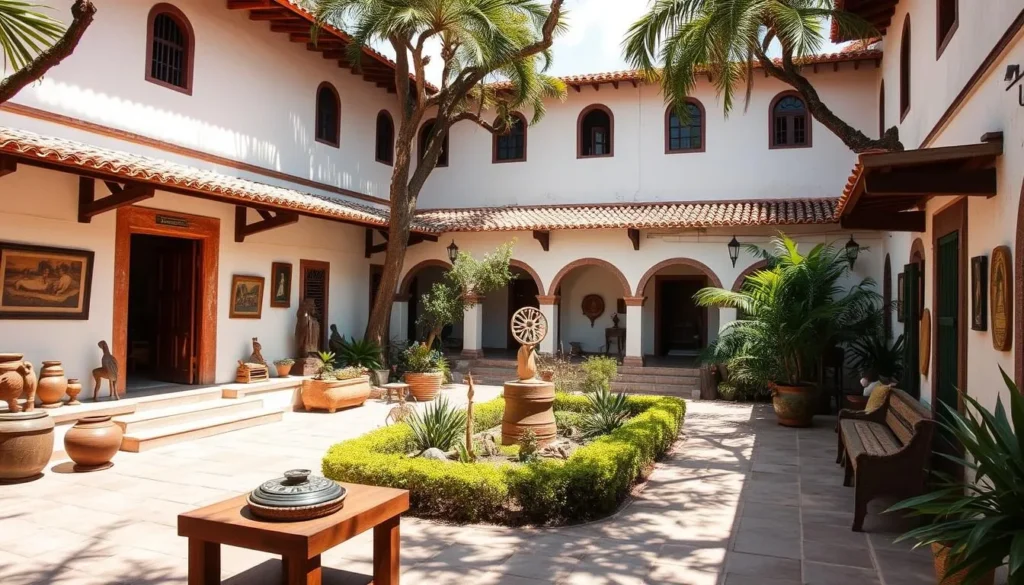
- Na Bolom Museum: Once home to archaeologist Frans Blom and photographer Gertrude Duby, this cultural center houses a fascinating collection of Lacandon Maya artifacts and photographs.
- Textile Center of the Mayan World: Located near Santo Domingo Church, this museum showcases the rich textile traditions of Chiapas with over 500 pieces on display.
- Amber Museum: Learn about Chiapas’ famous amber deposits and see stunning examples of this fossilized resin, some containing prehistoric insects.
- Kakaw Chocolate Museum: Discover the history of cacao in Mesoamerican cultures and participate in chocolate-making workshops.
Indigenous Villages
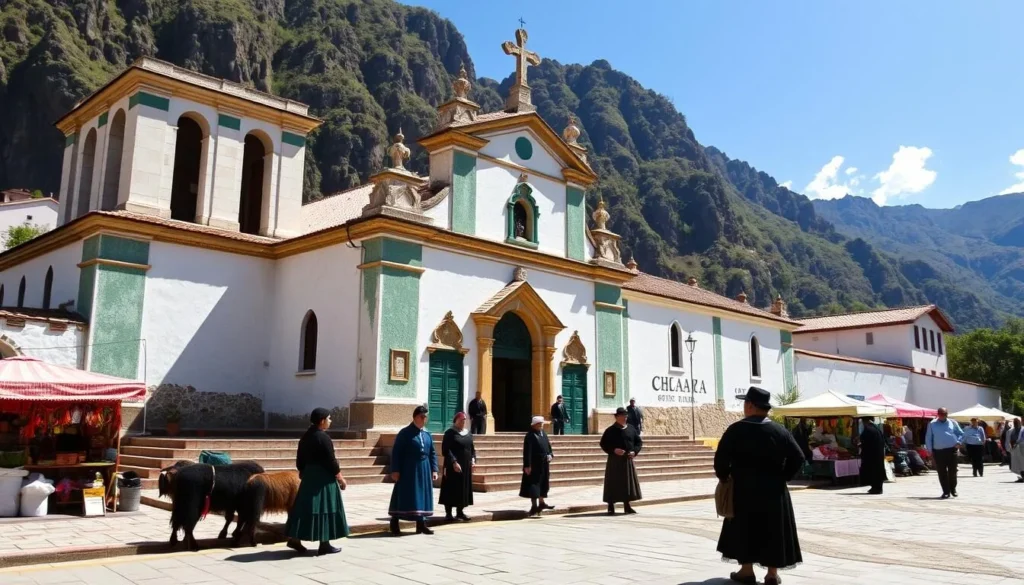
One of the most unique aspects of visiting San Cristobal is the opportunity to experience the living indigenous cultures in nearby communities:
- San Juan Chamula: Just 10 km (6 miles) from San Cristobal, this autonomous Tzotzil Maya community is famous for its syncretic religious practices. The church interior, where photography is strictly prohibited, features pine needles covering the floor, thousands of candles, and rituals that blend Catholic and pre-Hispanic traditions.
- Zinacantán: Known for its flower cultivation and textile production, this Tzotzil community offers visitors the chance to see traditional backstrap weaving and try local specialties like handmade tortillas and pox liquor.
Cultural Respect: When visiting indigenous communities, it’s essential to follow local customs and photography restrictions. Consider hiring a knowledgeable guide who can explain cultural contexts and ensure appropriate behavior.
Natural Wonders Around San Cristobal

The highlands of Chiapas offer some of Mexico’s most spectacular natural scenery, all accessible as day trips from San Cristobal:
Must-Visit Natural Attractions
- Sumidero Canyon: This impressive canyon with walls rising up to 1,000 meters (3,280 feet) is best explored by boat tour on the Grijalva River. Look for crocodiles sunning themselves on the riverbanks and the famous “Christmas Tree Waterfall” formed by mineral deposits.
- El Chiflón Waterfalls: A series of cascades culminating in the spectacular 120-meter (394-foot) Velo de Novia (Bridal Veil) waterfall. The turquoise pools are perfect for swimming on hot days.
- Lagunas de Montebello: This national park features 59 lakes in varying shades of blue, green, and turquoise due to their mineral content. Activities include kayaking, hiking, and horseback riding.
- El Arcotete Ecopark: Just 5 km (3 miles) from San Cristobal, this natural park features a dramatic rock arch, caves, and hiking trails through pine forests.
- Rancho Nuevo Caves: Explore impressive limestone caverns with a guide, located about 10 km (6 miles) from the city.
Palenque and Agua Azul
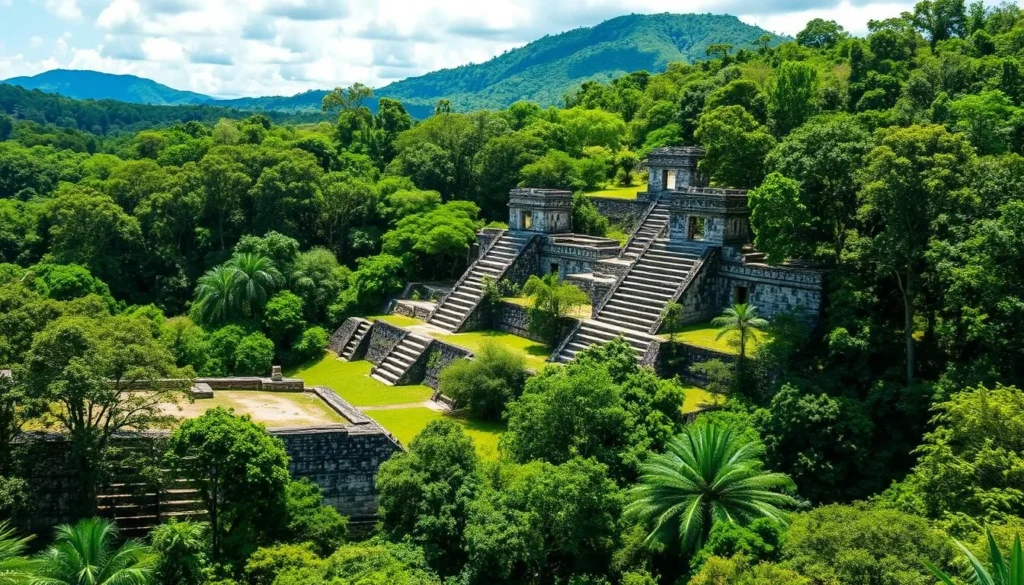
For those willing to make a long day trip (or better yet, stay overnight), the magnificent Maya ruins of Palenque and the cascading blue waters of Agua Azul and Misol-Ha waterfalls are must-see attractions:
- Palenque: One of Mexico’s most impressive archaeological sites, where temples and palaces emerge from the jungle. The intricate carvings and well-preserved structures offer insight into Maya civilization at its peak.
- Agua Azul: A series of turquoise cascades flowing over limestone, creating natural pools perfect for swimming.
- Misol-Ha: A single 35-meter (115-foot) waterfall plunging into a circular pool, with a cave behind the cascade that visitors can explore.
Travel Tip: While day trips to Palenque from San Cristobal are possible (departing around 5 AM and returning late), consider staying overnight in Palenque to explore at a more relaxed pace and avoid the long 5-hour journey each way.
San Cristobal de las Casas Map
Safety, Etiquette & Local Customs
Safety Tips
- San Cristobal is generally safe for tourists, with most crime limited to petty theft and pickpocketing in crowded areas.
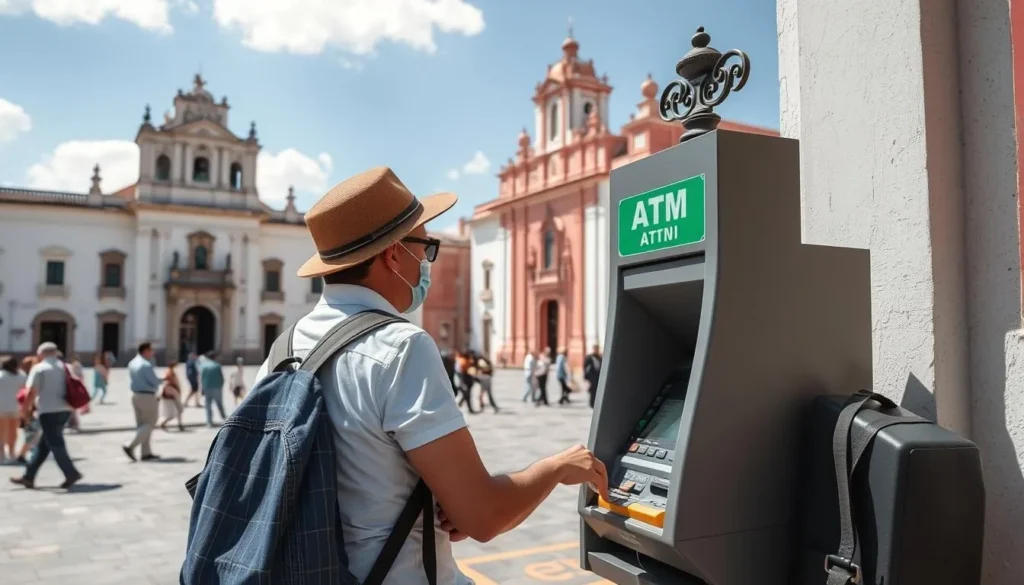
- Take normal precautions: don’t display valuable items, use ATMs in daylight hours, and take taxis at night rather than walking in poorly lit areas.
- The northern outskirts of the city are best avoided, especially after dark.
- When traveling to indigenous communities, always go with a guide or organized tour to ensure proper protocols are followed.
- If driving between San Cristobal and Palenque, stick to daytime travel and be prepared for roadblocks where local communities may request small fees.
Cultural Etiquette
- Always ask permission before photographing indigenous people, especially in communities like San Juan Chamula where strict rules apply.
- Photography is prohibited inside the church at San Juan Chamula and in some ceremonial spaces.
- Dress modestly when visiting churches and indigenous communities.
- Learn a few basic Spanish phrases—while many people in the tourism industry speak some English, Spanish goes a long way in making connections.
- Bargaining is expected in markets but should be done respectfully—remember that craft items represent significant work and cultural heritage.
Water Safety: San Cristobal’s water supply is not safe for drinking. Stick to bottled water, even for brushing teeth. Many travelers report stomach issues from the local water, so take extra precautions.
Practical Travel Tips
Money Matters
- While credit cards are accepted at most hotels and larger restaurants, many small businesses, markets, and indigenous communities operate in cash only.
- ATMs are readily available in the city center, but it’s wise to withdraw money during business hours in case of any issues.
- The Mexican peso (MXN) is the local currency. While some tourist shops may accept US dollars, you’ll get better rates using pesos.
- Tipping is customary: 10-15% in restaurants, small amounts for hotel staff, and tour guides.
Connectivity
- Wi-Fi is available in most accommodations and cafes, though connection quality varies.
- Mobile data coverage can be spotty in San Cristobal, with frequent signal drops—don’t count on reliable service for important calls.
- Consider purchasing a local SIM card if you need consistent connectivity (Telcel offers the best coverage in the region).
Health Considerations
- The high altitude (2,200 meters/7,217 feet) may cause mild symptoms like shortness of breath or headaches in some visitors. Take it easy on your first day and stay hydrated.
- Bring warm clothing—evenings can be surprisingly cold year-round, with temperatures sometimes dropping to 5°C (41°F) even when days are warm.
- Sunscreen is essential due to the high altitude, even on cloudy days.
- Pharmacies are plentiful and can provide basic medications without prescriptions.
Packing Tip: Bring layers! San Cristobal’s weather can change quickly, and the temperature difference between day and night is significant. A light jacket or sweater is necessary even in summer months.
Ready to Experience San Cristobal de las Casas?
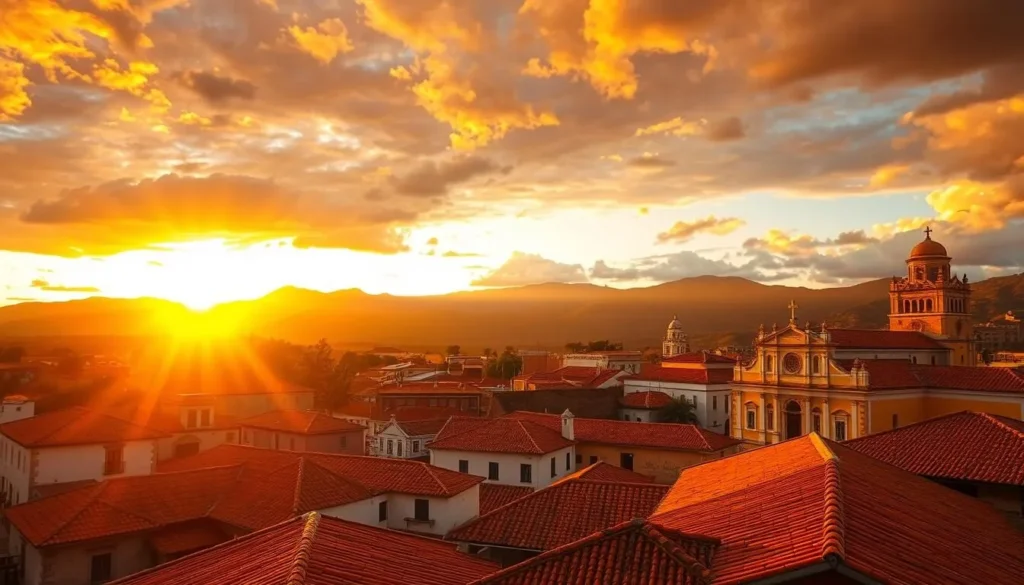
San Cristobal de las Casas offers a magical blend of colonial charm, indigenous culture, and natural beauty that sets it apart from other Mexican destinations. From wandering cobblestone streets lined with colorful buildings to witnessing ancient traditions in nearby Maya villages, this highland gem provides authentic experiences that many travelers seek but rarely find.
Whether you’re sipping locally-grown coffee in a cozy café, bargaining for handwoven textiles at the market, or exploring the breathtaking landscapes of Chiapas, San Cristobal rewards visitors with meaningful connections to both past and present. The city’s moderate climate, walkable center, and wealth of cultural attractions make it an ideal destination for those looking to experience a different side of Mexico beyond the beaches and resort towns.


0 Comments