
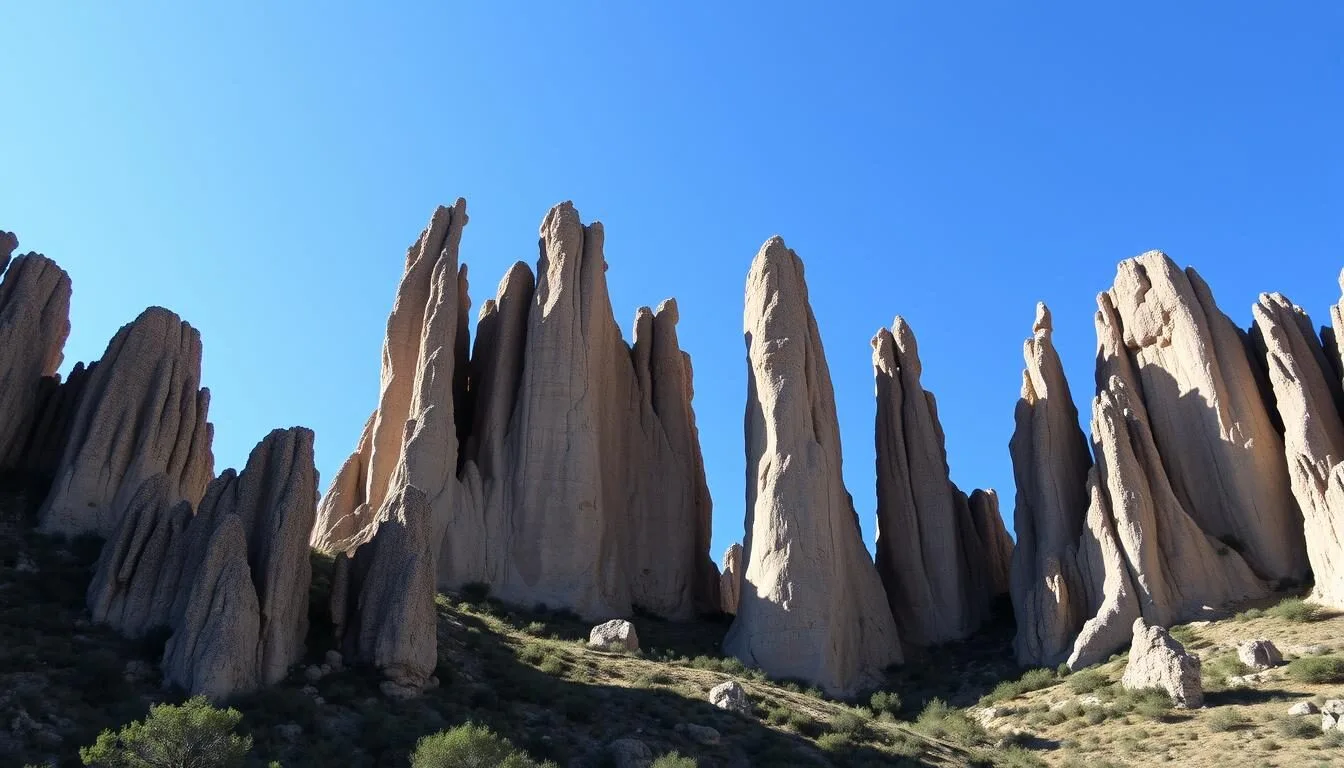
Did you know that Sierra de Organos National Park features hundreds of surreal rock formations that have served as backdrops for countless Western movies between 1950-1979? This hidden gem in Mexico offers an enchanting landscape reminiscent of Utah’s famous national parks, yet remains delightfully uncrowded, often making visitors feel like they have the entire 1,125-hectare wonderland to themselves.
Whether you’re an avid hiker, nature photographer, or simply seeking an off-the-beaten-path adventure in Mexico, this remarkable park delivers unforgettable experiences among its organ pipe-shaped rock formations, pine forests, and diverse wildlife.
Getting There & Planning Your Journey
Sierra de Organos National Park is located on the border between the states of Zacatecas and Durango in north-central Mexico. Most visitors access the park through the Zacatecas side, with the nearest town being Sombrerete.
By Car
The most convenient way to reach the park is by car. From Sombrerete, head northwest on federal highway MEX 45 for approximately 30 km (18.6 mi), then turn right onto the park access road. While the access road is dirt, it’s regularly maintained and accessible by standard vehicles, though you may need to navigate some potholes during certain seasons.
By Public Transportation
Public transportation options are limited. Your best bet is to take a bus to Sombrerete and then arrange for a taxi or tour to take you to the park. Some local tour operators in Sombrerete offer day trips to Sierra de Organos.
Park Entrance Fees
The entrance fee to Sierra de Organos National Park is M$25 (approximately $1.50 USD) per person per day. If you plan to camp, there’s an additional fee of M$50 (approximately $3 USD) per person per night.
Best Time to Visit & Weather Tips
Sierra de Organos has a semi-dry climate with distinct seasonal variations that can significantly impact your experience in the park.
Best Time to Visit Sierra de Organos
The ideal time to visit Sierra de Organos National Park is during the spring (March to May) and fall (September to November) months. During these periods, you’ll enjoy moderate temperatures and generally clear skies, perfect for hiking and photography.
Recommended Months
- March to May (Spring): Comfortable temperatures between 15-25°C (59-77°F), wildflowers begin to bloom
- September to November (Fall): Pleasant weather with temperatures ranging from 12-22°C (54-72°F), fewer visitors
Months to Avoid
- June to August (Summer): Rainy season with afternoon thunderstorms and temperatures reaching 30°C (86°F)
- December to February (Winter): Cold nights with temperatures dropping below freezing, especially at higher elevations
Seasonal Considerations
Summer (June-August) is the rainy season, with afternoon thunderstorms common. While the landscape turns lush and green, trails can become muddy and slippery. Winter (December-February) brings cool days and cold nights, with temperatures occasionally dropping below freezing, especially at higher elevations which reach up to 2,560 meters (8,400 ft).
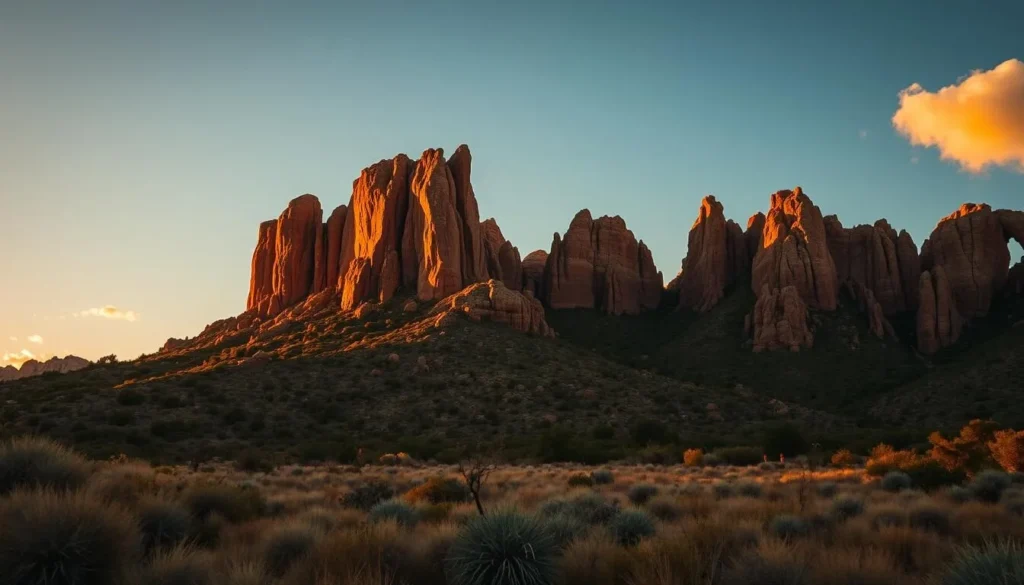
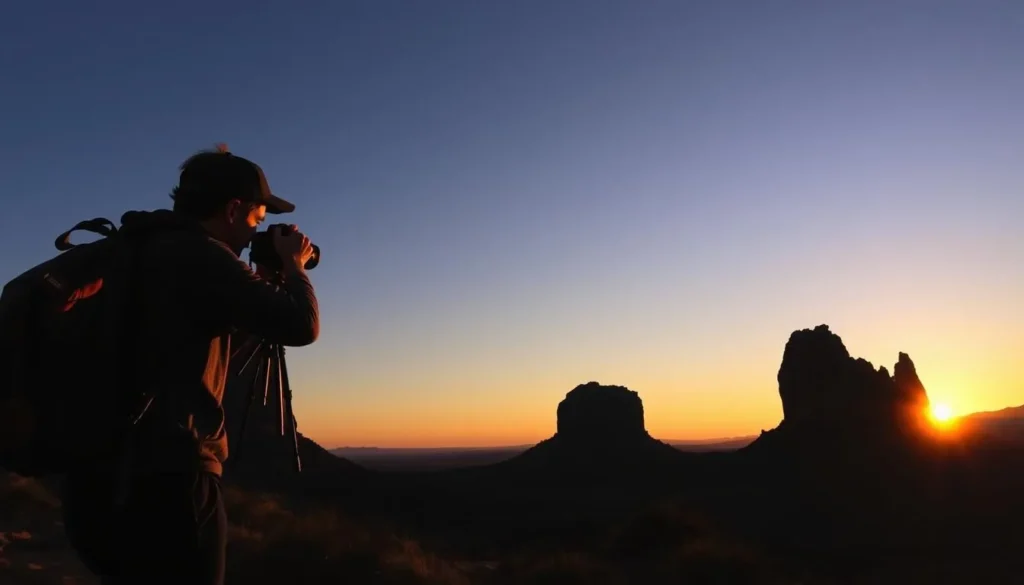
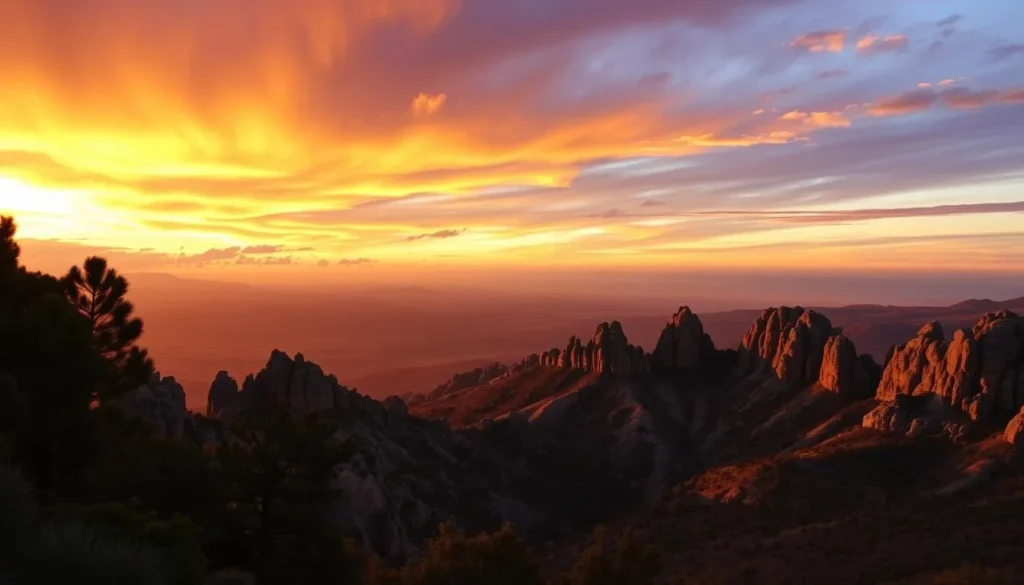
Photographer’s Tip: The golden hours of early morning and late afternoon create dramatic lighting on the rock formations, making these the best times for photography regardless of season.
Getting Around Locally
Once inside Sierra de Organos National Park, you have several options for exploring its vast and varied terrain.
On Foot
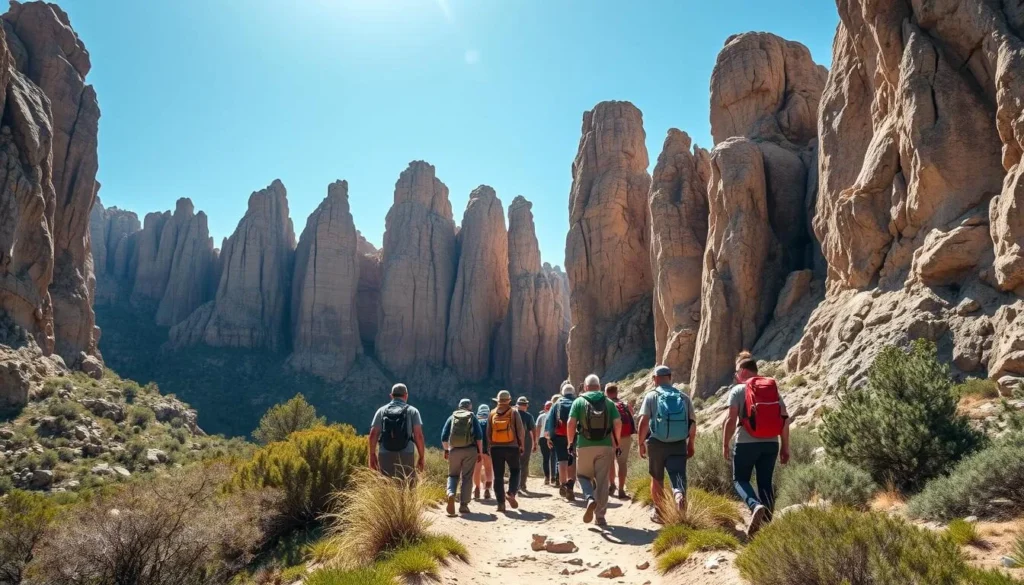
Hiking is the best way to experience the park’s natural beauty. The park features miles of marked trails that vary in difficulty. Most trails cover relatively easy terrain without significant elevation changes, making them accessible to hikers of all skill levels. For those seeking more challenge, there are longer routes and some that require basic climbing skills.
By Mountain Bike
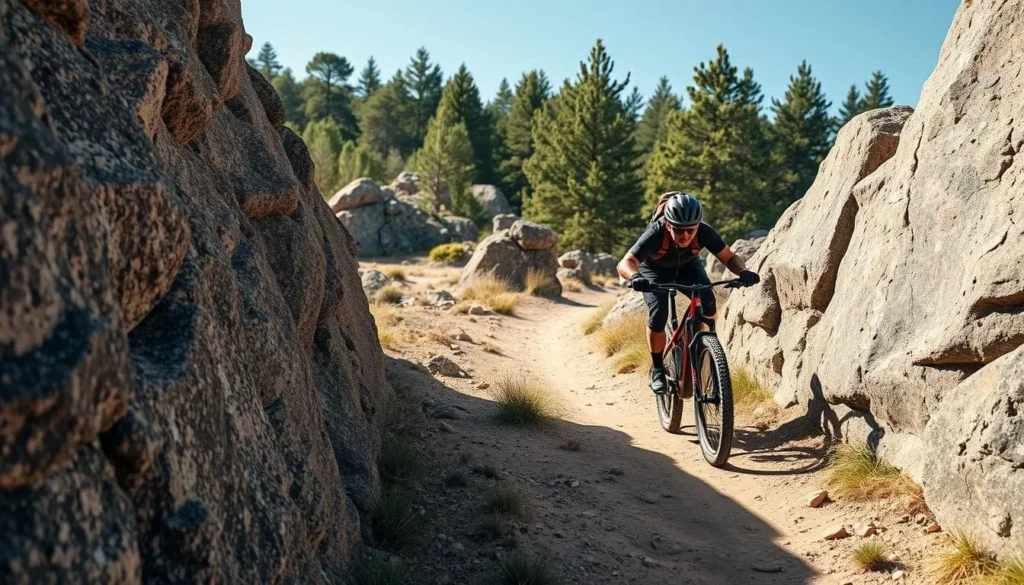
Mountain biking is an excellent option for covering more ground. The park’s varied terrain offers exciting rides for cyclists, and it’s a more environmentally friendly alternative to motorized vehicles for exploring the backcountry areas.
By 4×4 Vehicle
If you have a 4×4 truck, you can access some of the more remote areas of the park. However, be mindful of the environmental impact and stick to designated routes. Standard cars can navigate the main park roads but may struggle with backcountry exploration.
Local Tip: Consider hiring a local guide at the park entrance. They can enhance your experience by showing you hidden spots and providing insights about the park’s geology, flora, and fauna.
Where to Stay
While Sierra de Organos National Park offers basic accommodation options within its boundaries, you’ll find more comfortable lodging in nearby towns.
Inside the Park
Cabins
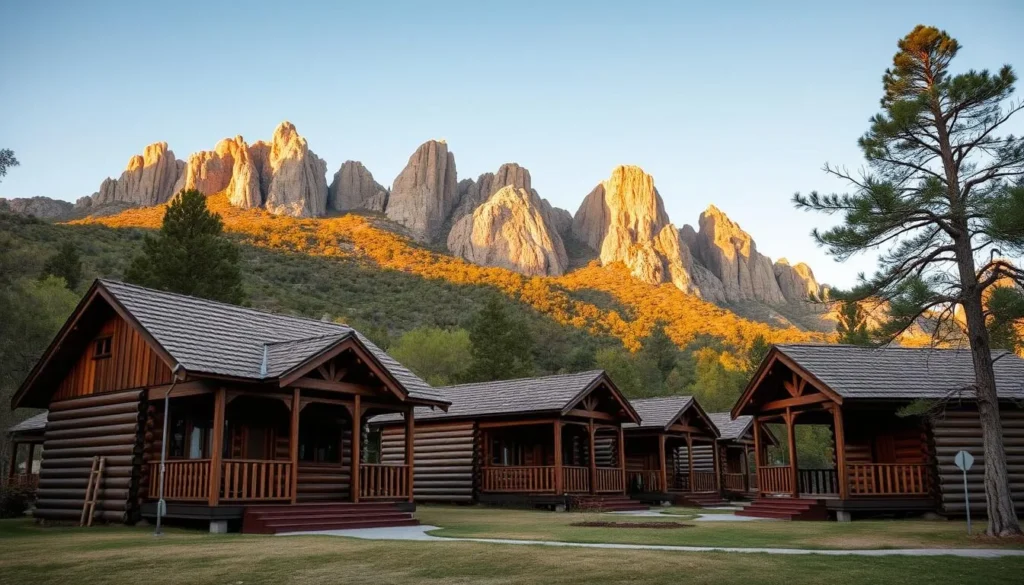
Basic cabins are available for rent within the park for approximately M$700 (about $40 USD) per night. These minimalist accommodations include cots and a kitchen with an electric stove, but you’ll need to bring your own bedding, kitchen utensils, drinking water, and food.
Camping
The park offers designated camping areas, including spots for RVs. Facilities are basic, with pit toilets being the only bathroom option. Camping costs M$50 (about $3 USD) per person per night, making it an affordable option for outdoor enthusiasts.
Nearby Towns
For more comfortable accommodations, consider staying in Sombrerete, located about 30 km (18.6 mi) from the park. This charming colonial town offers a range of hotels, from budget to mid-range options. Alternatively, the larger cities of Durango (about 160 km or 100 mi away) and Zacatecas (about 170 km or 105 mi away) provide more upscale lodging options if you’re planning a day trip to the park.
Important: If staying in the park cabins or camping, bring all necessary supplies, including plenty of drinking water, food, warm clothing (even in summer), and a first aid kit. Cell service is limited, so plan accordingly.
Dining & Local Cuisine
There are no restaurants within Sierra de Organos National Park, so planning your meals is essential when visiting this natural wonder.

Dining Options
Inside the Park
There are no food vendors or restaurants within the park boundaries. Visitors must bring all their own food and drinks. If staying in the park cabins, you can use the provided electric stove for cooking, but remember to bring your own cookware and utensils.
Nearby Towns
Sombrerete offers several restaurants serving authentic Mexican cuisine. Before heading to the park, consider having a hearty meal in town or picking up supplies from local markets. The town is known for regional specialties like asado de boda (a pork stew) and gorditas.
Picnic Spots
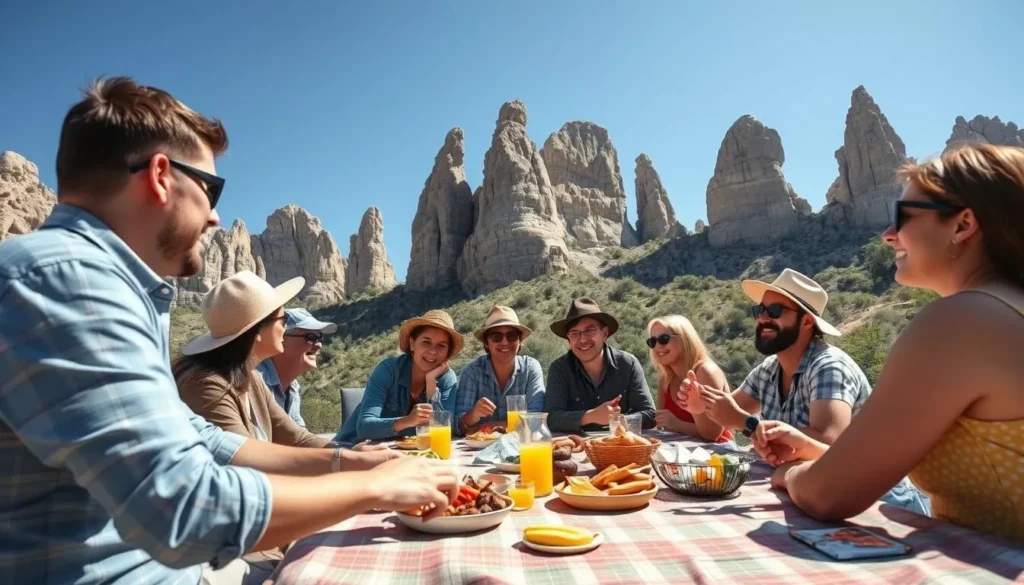
The park has several scenic areas perfect for picnicking. Pack a lunch and enjoy dining with spectacular views of the rock formations. Just remember to pack out all your trash to help preserve this beautiful natural area.
Food Packing Tip: Bring high-energy snacks like nuts, dried fruit, and granola bars for hiking, plus enough water for your entire visit (at least 2 liters per person per day).
Attractions, Sightseeing & Activities
Sierra de Organos National Park offers a wealth of natural attractions and activities centered around its unique geological features and diverse ecosystems.

Top Attractions
Organ Pipe Formations
The park’s namesake rock formations resemble the pipes of an organ and are the main attraction. These impressive geological features were formed over thousands of years through wind erosion, creating a surreal landscape that’s perfect for photography.
Animal-Shaped Rocks
Throughout the park, you’ll find rock formations that resemble animals or common objects. Keep an eye out for the formation that looks like a crow’s nest atop a ship’s mast, among many others that spark the imagination.
Small Mesas
The park features several small mesas that offer panoramic views of the surrounding landscape. Climbing to these elevated areas rewards visitors with breathtaking vistas of the park’s diverse terrain.
Popular Activities
Hiking
With miles of marked trails ranging from easy to challenging, hiking is the most popular activity in the park. Trails wind through pine forests, around rock formations, and up to viewpoints that showcase the park’s natural beauty.
Photography
The unique rock formations, especially when illuminated by the golden light of sunrise or sunset, provide endless opportunities for photographers. Wildlife, including various bird species and occasionally larger mammals, also make excellent subjects.
Movie History
The park’s dramatic landscape has served as a backdrop for numerous Western movies, particularly between 1950 and 1979. Film enthusiasts might recognize scenes from classic Mexican and international productions that took advantage of the park’s natural beauty and resemblance to the American West.
Sports, Nature & Outdoor Experiences
Sierra de Organos National Park is a paradise for nature lovers and outdoor enthusiasts, offering diverse ecosystems and activities for visitors to enjoy.
Flora and Fauna
The park’s varied terrain supports a rich diversity of plant and animal life. In the forests, you’ll find pine, juniper, and oak trees, while the arid areas feature desert shrubs, palms, maguey, and nopal cacti. Rocky areas often have stands of pinyon pine.
Wildlife enthusiasts should keep an eye out for the park’s residents, including:
- Mammals: White-tailed deer, gray foxes, coyotes, rabbits, and if you’re very lucky, glimpses of more elusive species like cougars, red lynx, or the endangered kit fox and cacomixtle (a type of ringtail)
- Birds: Various species that inhabit the different ecosystems within the park
Outdoor Activities
Mountain Biking
The park’s terrain makes it ideal for mountain biking adventures. Bring your own bike or inquire about rentals in Sombrerete. The varied landscapes provide both technical challenges and scenic rides.
Rock Climbing
While not as developed as some climbing destinations, the park offers opportunities for bouldering and climbing on its numerous rock formations. Always climb responsibly and be mindful of the fragile ecosystem.
Stargazing
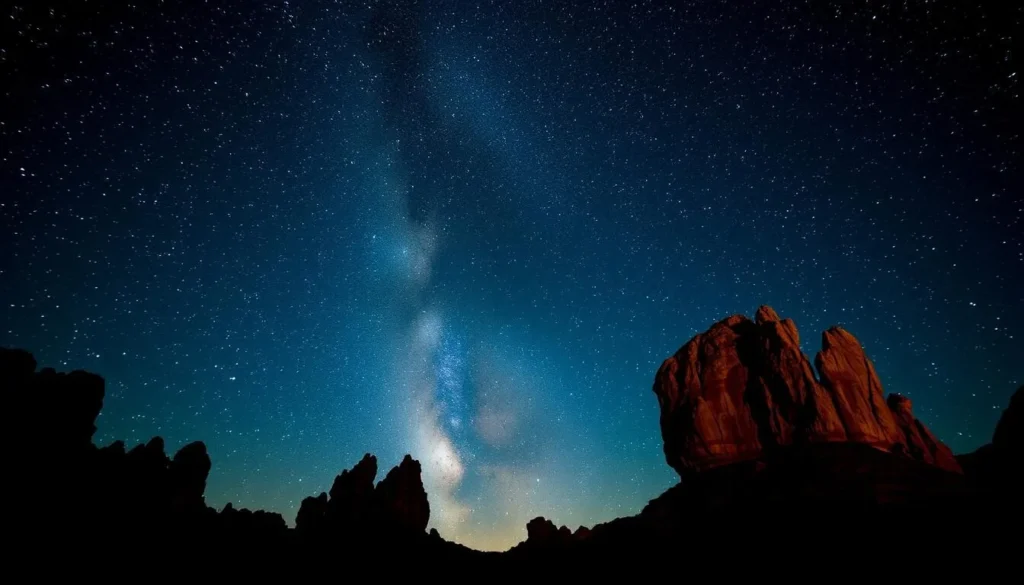
With minimal light pollution, Sierra de Organos provides excellent conditions for stargazing. On clear nights, the star-filled sky creates a magical backdrop for the silhouetted rock formations.
Hiking Trails
The park features numerous hiking trails that showcase its diverse landscapes. Most trails are well-marked and range from easy walks suitable for families to more challenging routes for experienced hikers. Popular trails lead to viewpoints offering panoramic vistas of the park’s unique geology.
Safety, Etiquette & Local Customs
Ensuring a safe and respectful visit to Sierra de Organos National Park requires preparation and awareness of local customs and environmental considerations.
Safety Tips
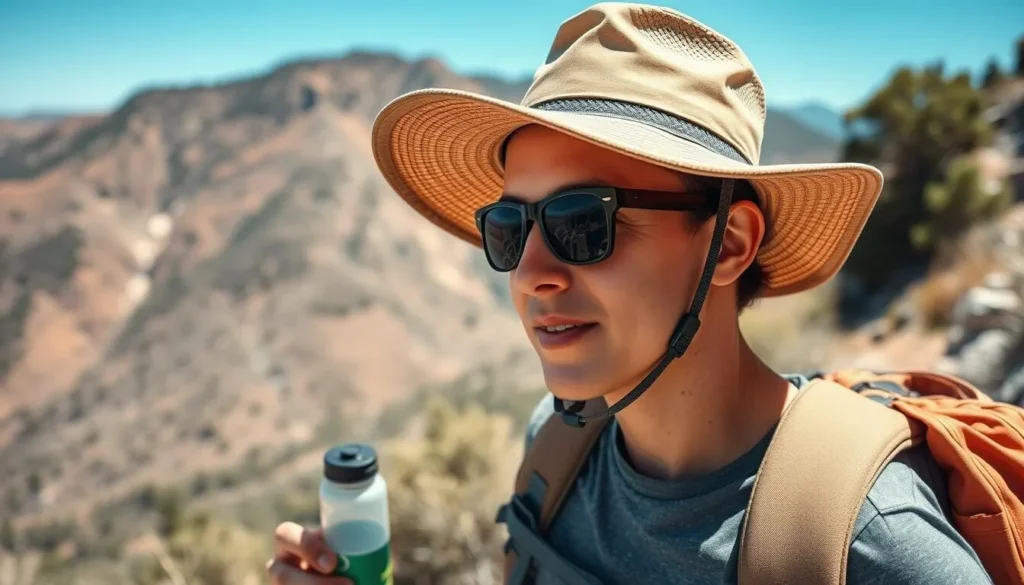
- Dress appropriately for the weather and terrain. Wear sturdy hiking boots, a hat for sun protection, and layers that can be added or removed as temperatures change.
- Bring plenty of water. The semi-arid climate can be deceptively dehydrating, so carry at least 2 liters per person per day.
- Use sunscreen and insect repellent. The high elevation means stronger UV rays, and insects can be present, especially during warmer months.
- Stay on marked trails to protect the fragile ecosystem and avoid getting lost.
- Check weather forecasts before your visit, as sudden storms can occur, especially during summer months.
Environmental Etiquette
Practice Leave No Trace principles by packing out all trash, staying on designated trails, and avoiding disturbing wildlife or removing plants and rocks. The park’s ecosystem is delicate, and your responsible behavior helps preserve it for future visitors.
Local Customs
The park is located in a region with strong cultural traditions. If you interact with local communities in nearby towns, show respect for their customs and way of life. Learning a few basic Spanish phrases can go a long way in facilitating positive interactions.
Emergency Preparedness: Cell phone coverage in the park is limited. Inform someone of your itinerary before heading into remote areas, and consider carrying a basic first aid kit and emergency supplies.
Practical Travel Tips
Make the most of your visit to Sierra de Organos National Park with these helpful suggestions and insider tips.
Essential Items to Pack
- Hiking essentials: map, compass, first aid kit, multi-tool, flashlight
- Camera with extra batteries (there are limited charging options in the park)
- Binoculars for wildlife spotting and appreciating distant formations
- Cash in Mexican pesos (there are no ATMs in the park)
- Toilet paper and hand sanitizer (facilities are basic)
- Garbage bags to pack out all trash
Planning Your Visit
Consider spending at least one full day exploring the park to appreciate its diverse landscapes. If possible, stay overnight either camping in the park or in nearby Sombrerete to experience both sunrise and sunset, when the rock formations are at their most photogenic.
Combining with Other Destinations
Sierra de Organos makes an excellent addition to a broader tour of northern Mexico. Consider combining your visit with explorations of the colonial cities of Zacatecas and Durango, both UNESCO World Heritage sites with rich history and architecture.
Local Insight: Visit the park office upon arrival to get the most current information about trail conditions and to hire a local guide if desired. Guides can enhance your experience by sharing knowledge about the park’s geology, history, and hidden gems.
Conclusion: Why Sierra de Organos Should Be On Your Mexico Itinerary
Sierra de Organos National Park offers a unique blend of natural beauty, geological wonders, and tranquil exploration that sets it apart from Mexico’s more frequented destinations. Its organ pipe-shaped rock formations create an otherworldly landscape that captivates photographers and nature lovers alike.
Unlike crowded tourist hotspots, this hidden gem allows you to connect with nature in relative solitude, often feeling like you have the entire park to yourself. The diverse ecosystems, from pine forests to desert landscapes, provide habitats for fascinating wildlife and opportunities for various outdoor activities.
Whether you’re hiking among the towering rock formations, mountain biking through varied terrain, or simply marveling at the star-filled night sky, Sierra de Organos offers memorable experiences for adventurers of all kinds.
The above is subject to change.
Check back often to TRAVEL.COM for the latest travel tips and deals.




0 Comments