Hotels by Trip.com
Flights by Trip.com
Did you know that Tabasco, Mexico is home to 40% of the country’s freshwater resources? This lush southeastern state, often overshadowed by its more famous neighbors, is actually the birthplace of chocolate cultivation in the Americas. The ancient Olmec and Maya civilizations first domesticated cacao here over 4,000 years ago, forever changing world cuisine. Today, this verdant region offers travelers a fascinating blend of archaeological wonders, natural beauty, and rich cultural experiences without the crowds found in more touristy parts of Mexico.
Getting to Tabasco & Planning Your Journey
Most travelers arrive in Tabasco through Carlos Rovirosa Pérez International Airport in Villahermosa, the state capital. Several major Mexican airlines offer daily flights from Mexico City, with the journey taking approximately 1.5 hours. International travelers typically connect through Mexico City or Cancún.
Alternatively, ADO buses connect Tabasco with neighboring states. The journey from Campeche takes about 6 hours, while buses from Palenque in Chiapas take approximately 2 hours. For those driving, Federal Highway 180 runs through Tabasco, connecting it to Veracruz in the west and Campeche in the east.
When planning your trip, consider spending at least 3-4 days in Tabasco to fully experience its diverse attractions. Villahermosa makes an excellent base for exploring the region, with day trips to archaeological sites, nature reserves, and cultural attractions.
Best Time to Visit Tabasco

Tabasco has a tropical climate with high humidity year-round. The dry season from November to April offers the most pleasant weather for exploring, with temperatures ranging from 22-32°C (72-90°F) and lower rainfall.
| Season | Months | Temperature | Rainfall | Notes |
| Dry Season (Best) | November-April | 22-32°C (72-90°F) | Low | Ideal for outdoor activities and sightseeing |
| Rainy Season | May-October | 25-35°C (77-95°F) | High | Frequent afternoon showers; potential flooding in September |
| Peak Tourist Season | December-January | 22-28°C (72-82°F) | Low | Higher prices; book accommodations in advance |
The rainy season (May to October) brings frequent afternoon showers and higher humidity. September typically sees the heaviest rainfall and occasional flooding in low-lying areas. If visiting during this period, plan indoor activities for the afternoons and pack lightweight, quick-drying clothing.
Travel Tip: December through February offers the most comfortable temperatures and clear skies, making it ideal for exploring Tabasco’s outdoor attractions. However, this is also when you’ll find the most visitors, especially around the Christmas and New Year holidays.
Getting Around Tabasco

Navigating Tabasco is relatively straightforward, with several transportation options available depending on your preferences and budget.
Rental Cars
Renting a car gives you the most flexibility for exploring Tabasco at your own pace, especially for reaching more remote attractions like the Villa Luz waterfalls or the Centla Biosphere Reserve. Major rental agencies operate at Villahermosa airport and in the city center.
Public Transportation
Within Villahermosa, city buses and taxis are plentiful and affordable. For travel between cities, ADO buses and smaller colectivos (shared vans) connect major destinations. Colectivos to Comalcalco, Paraíso, and other nearby towns depart regularly from Villahermosa’s main bus terminal.
Guided Tours
For many of Tabasco’s attractions, joining a guided tour can enhance your experience with expert knowledge and convenient transportation. Tours to La Venta archaeological site, the Cacao Route, and the Centla wetlands are particularly popular and can be arranged through most hotels or local travel agencies.
Local Tip: When taking taxis in Villahermosa, always use official taxis (white with a yellow stripe) and agree on the fare before starting your journey. For safety, it’s best to have your hotel call a taxi rather than hailing one on the street.
Check 30,000+ Local Sightseeing Tours Worldwide
✓ Numerous languages and currencies are available
Where to Stay in Tabasco

Villahermosa offers the widest range of accommodation options in Tabasco, from international hotel chains to boutique properties. Most visitors choose to base themselves here due to the central location and proximity to major attractions.
Luxury Options
- Hyatt Regency Villahermosa
- Marriott Villahermosa Hotel
- Quinta Edén Villahermosa
Expect to pay 2,000-5,000 MXN ($100-250 USD) per night for luxury accommodations with amenities like swimming pools, fitness centers, and on-site restaurants.
Mid-Range Options
- Sleep Inn Villahermosa
- Holiday Inn Express
- City Express Villahermosa
Mid-range hotels typically cost 1,000-2,000 MXN ($50-100 USD) per night and offer comfortable rooms with basic amenities and convenient locations.
Budget Options
- Hotel Cencali
- Hotel Maya Tabasco
- Hotel Graham
Budget accommodations range from 500-1,000 MXN ($25-50 USD) per night. While simpler, they provide clean rooms and basic necessities for travelers watching their expenses.
For those exploring beyond Villahermosa, smaller towns like Comalcalco and Tapijulapa offer limited but charming accommodation options. In Tapijulapa, consider staying at Villa Luz Hotel for easy access to the nearby ecological park and waterfalls.
Dining & Local Cuisine in Tabasco
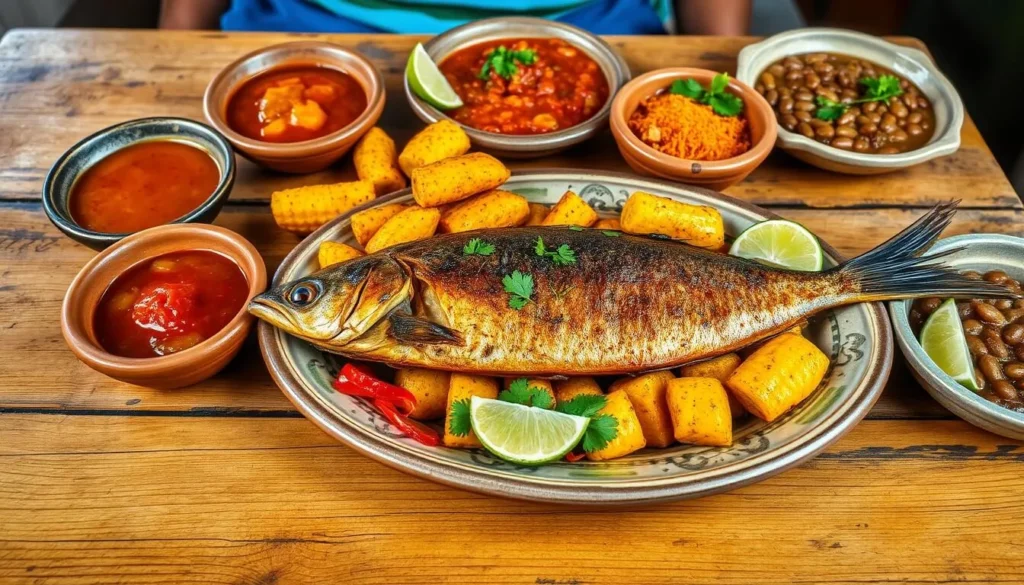
Tabasco’s cuisine is a delicious reflection of its abundant rivers, fertile soil, and cultural heritage. The state’s culinary traditions differ from what many visitors expect of Mexican food, with unique ingredients and preparations that showcase the region’s natural bounty.
Must-Try Local Dishes
- Pejelagarto – A prehistoric-looking fish unique to the region, typically grilled and served with garlic, lime, and chili sauce
- Pochitoque en verde – A traditional turtle stew prepared with green tomatoes and herbs (now often made with alternative meats due to conservation efforts)
- Chirmole – A rich, dark soup made with charred chilies, spices, and meat
- Dulce de nance – A sweet dessert made from local nance fruit
- Pozol – A refreshing drink made from fermented corn dough and cocoa, served cold
Where to Eat in Villahermosa
- La Cevichería Tabasco – Famous for fresh seafood and local specialties
- Restaurante Tulipanes – Upscale dining featuring traditional Tabasqueño cuisine
- El Parrillón – Excellent for grilled meats and pejelagarto
- La Antigua – Charming café in the historic Zona Luz district
“Tabasco’s cuisine is a hidden treasure of Mexican gastronomy, where pre-Hispanic ingredients meet Spanish influences in dishes you won’t find anywhere else in the country.”
Don’t miss the opportunity to visit local markets like Mercado Pino Suárez in Villahermosa, where you can sample regional fruits, freshly made tortillas, and local snacks. For chocolate lovers, the cacao farms around Comalcalco offer tastings of traditional chocolate preparations that connect you directly to the region’s ancient heritage.
Top Attractions and Things to Do in Tabasco

Parque Museo La Venta
This open-air museum in Villahermosa is home to some of the most impressive Olmec artifacts, including the famous colossal stone heads dating back to 900-400 BCE. The museum displays these ancient treasures in a beautiful jungle setting, creating a magical atmosphere as you walk among monumental sculptures that are over 2,500 years old. The park also includes a small zoo with regional wildlife. Entrance fee is approximately 50 MXN ($2.50 USD).
Comalcalco Archaeological Site
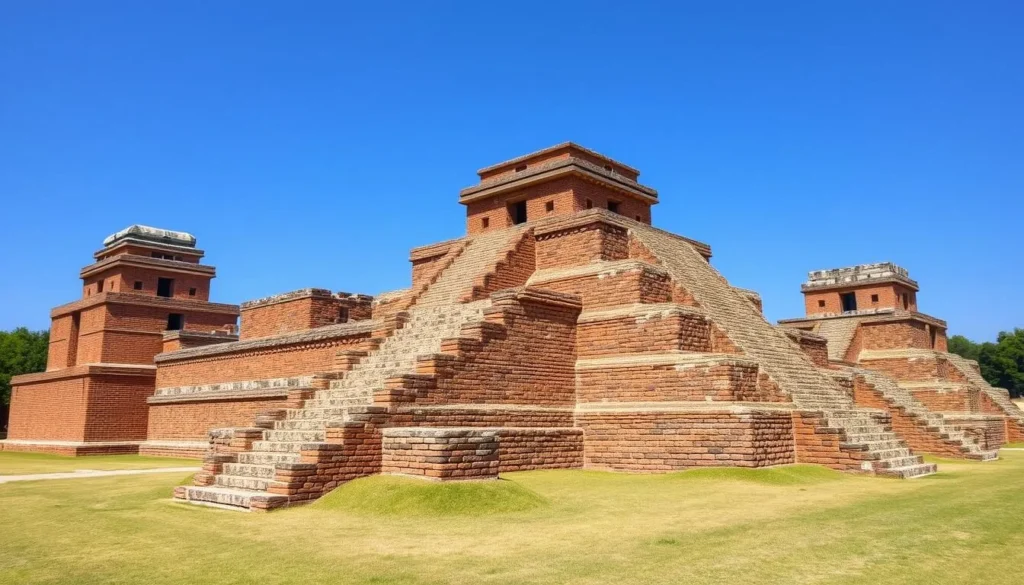
Located about 60 km northwest of Villahermosa, Comalcalco is unique among Maya sites for its brick construction rather than stone. Dating from 700-900 CE, this ancient city features temples, palaces, and tombs with intricate carvings and decorations. Don’t miss the on-site museum displaying artifacts and explaining the site’s historical significance. The site is open daily from 8:00 AM to 5:00 PM.
Pantanos de Centla Biosphere Reserve
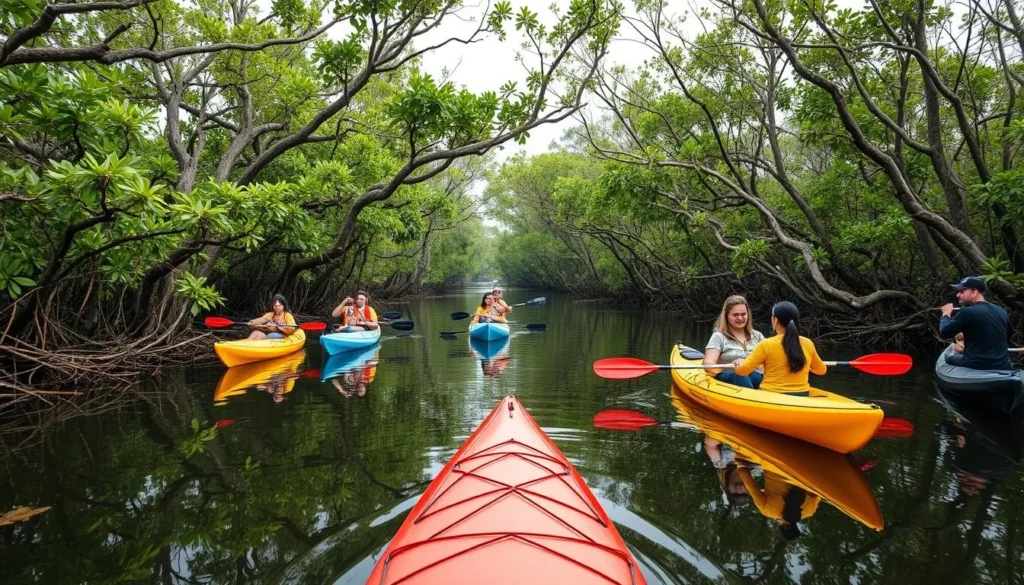
This vast wetland reserve covers over 300,000 hectares and is home to an incredible diversity of wildlife, including manatees, jaguars, monkeys, and hundreds of bird species. Boat tours through the mangrove channels offer the best way to experience this ecosystem. The reserve’s visitor center provides excellent information about the region’s ecology and conservation efforts.
The Cacao Route
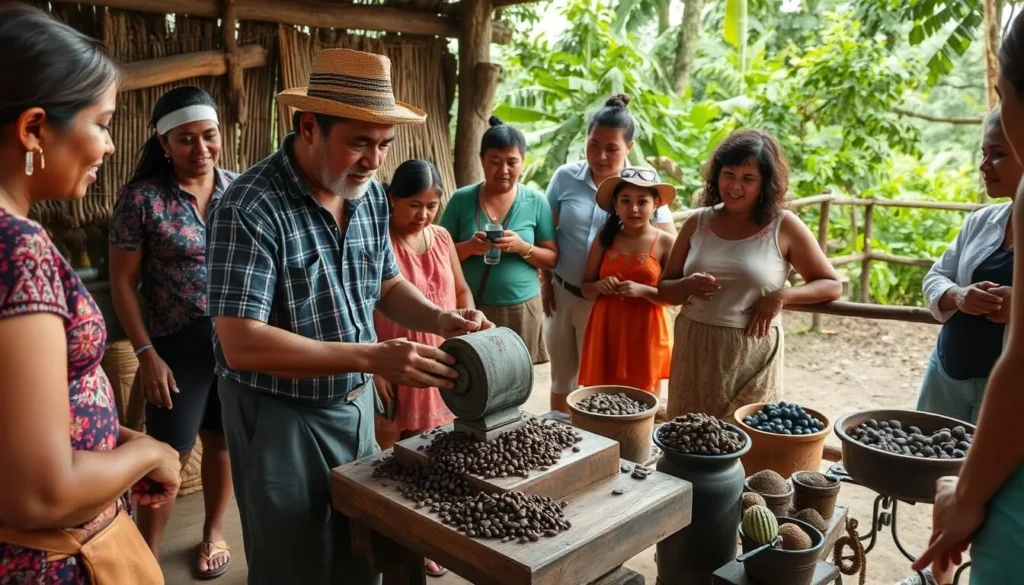
Follow the Ruta del Cacao to discover Tabasco’s chocolate heritage. Visit working cacao farms like Hacienda La Chonita, where you can learn about traditional chocolate production methods and sample freshly made chocolate. Many haciendas offer tours that include demonstrations of the entire process from bean to bar.
Tapijulapa Pueblo Mágico
This charming town with white buildings and red-tiled roofs is Tabasco’s only “Magical Town,” a designation given to places with special cultural significance. Stroll the cobblestone streets, visit the 17th-century church, and shop for local handicrafts. Tapijulapa is located about 2 hours from Villahermosa.

Map of key attractions in Tabasco, Mexico
Cultural Experiences in Tabasco
Chocolate Workshops
Immerse yourself in Tabasco’s chocolate heritage by participating in a traditional chocolate-making workshop. Several haciendas along the Cacao Route offer hands-on experiences where you can grind cacao beans using ancient methods and prepare hot chocolate according to recipes passed down through generations.
Regional Museums
The Regional Museum of Anthropology in Villahermosa houses an impressive collection of pre-Columbian artifacts that tell the story of Tabasco’s indigenous cultures. The Popular Culture Museum showcases traditional crafts, clothing, and customs of the region’s diverse communities.
Traditional Dance Performances
Look for performances of the Zapateo Tabasqueño, a traditional dance featuring colorful costumes and lively music. The Casa de Artes in Villahermosa regularly hosts cultural events and dance performances that showcase the region’s artistic traditions.
Local Festivals
- Feria Tabasco (April-May) – The state’s largest festival featuring regional food, crafts, music, and dance performances
- Festival del Chocolate (November) – Celebrates Tabasco’s chocolate heritage with tastings, workshops, and culinary events
- Día de los Muertos (November 1-2) – Day of the Dead celebrations with altars, offerings, and traditional foods
“To truly understand Tabasco, you must experience its living traditions—the rhythm of its music, the flavors of its cuisine, and the warmth of its people who keep ancient customs alive in the modern world.”
Outdoor Adventures in Tabasco

Villa Luz Ecological Reserve
Located near Tapijulapa, this natural park features stunning waterfalls with distinctive blue-white water due to its high mineral content. The park offers hiking trails, swimming in natural pools, and the opportunity to explore the famous “Cave of the Sardines” where fish have adapted to live in the sulfurous water. Guided tours are recommended to fully appreciate the unique ecosystem.
Grutas de Cocona
These impressive limestone caves near the town of Teapa feature dramatic stalactites and stalagmites formed over millions of years. A guided tour takes you through illuminated chambers with fascinating rock formations. The caves maintain a cool temperature year-round, making this a refreshing activity on hot days.
River Adventures
Tabasco’s numerous rivers offer excellent opportunities for kayaking, rafting, and boat tours. The Grijalva and Usumacinta rivers are particularly popular for water activities. Tour operators in Villahermosa can arrange half-day or full-day excursions with all necessary equipment and safety gear.
Birdwatching
With over 400 bird species recorded in the state, Tabasco is a paradise for birdwatchers. The Pantanos de Centla Biosphere Reserve is particularly rich in avian diversity, with opportunities to spot herons, egrets, roseate spoonbills, and many migratory species. Early morning tours offer the best chances for spotting wildlife.
Adventure Tip: When visiting natural areas in Tabasco, bring insect repellent, sunscreen, and plenty of water. The tropical climate can be intense, especially during midday hours. Consider hiring local guides who can enhance your experience with their knowledge of the terrain and wildlife.
Safety, Etiquette & Local Customs

Safety Tips
- Tabasco is generally safe for tourists, especially in popular areas and attractions
- Use official taxis or transportation arranged by your hotel
- Keep valuables secure and avoid displaying expensive items
- Stay hydrated and use sun protection in the tropical climate
- Be cautious when swimming in rivers or natural pools; always follow local guidance
- During rainy season (May-October), check weather forecasts as flooding can occur
Local Etiquette
Tabasqueños are known for their hospitality and friendly nature. A few cultural considerations will help you connect with locals:
- Greetings are important – a handshake and “Buenos días/tardes/noches” is appropriate
- Learning basic Spanish phrases is appreciated and will enhance your experience
- When visiting churches or religious sites, dress modestly with shoulders and knees covered
- Ask permission before photographing people, especially in indigenous communities
- Tipping 10-15% is customary in restaurants and for guides
Important: When visiting natural areas and archaeological sites, follow the “leave no trace” principle. Take only photos and leave only footprints to help preserve these treasures for future generations.
Practical Travel Tips for Tabasco
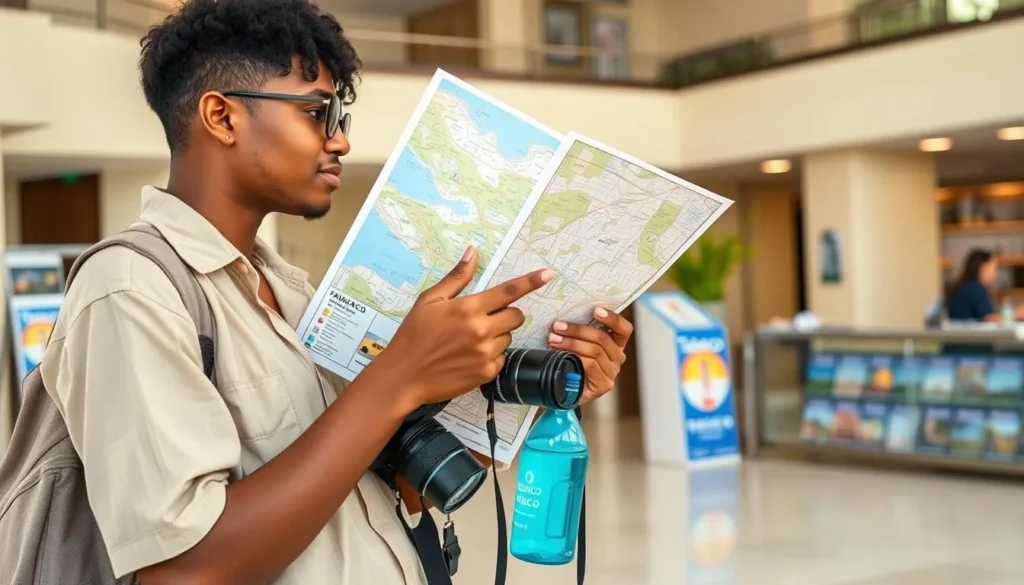
Essential Packing List
- Lightweight, breathable clothing
- Rain jacket or poncho (especially during rainy season)
- Comfortable walking shoes and sandals
- Insect repellent with DEET
- Sunscreen, sunglasses, and hat
- Reusable water bottle
- Basic first aid kit
- Power adapter (Mexico uses Type A and B plugs, 127V)
Money Matters
The Mexican Peso (MXN) is the official currency. While credit cards are widely accepted in hotels and larger restaurants in Villahermosa, smaller establishments and vendors in rural areas often accept only cash. ATMs are readily available in Villahermosa and larger towns. It’s advisable to carry some cash, especially when visiting remote areas or local markets.
Connectivity
Mobile coverage is good in Villahermosa and major towns, but can be spotty in remote areas. Most hotels offer Wi-Fi, though connection speeds may vary. Consider downloading offline maps and translation apps before venturing to rural areas.
Health Considerations
Tap water is not generally safe to drink. Stick to bottled or purified water and be cautious with ice, uncooked vegetables, and street food. Pharmacies are widely available in urban areas, and Villahermosa has good medical facilities. Consider travel insurance that covers medical emergencies.
Is Tabasco worth visiting if I’m already going to the Yucatán?
Absolutely! While the Yucatán Peninsula offers famous beaches and archaeological sites, Tabasco provides a more authentic, less touristy experience. Its unique blend of Olmec heritage, lush landscapes, and distinctive cuisine offers a different perspective on Mexican culture that perfectly complements a Yucatán itinerary.
How many days should I spend in Tabasco?
A minimum of 3-4 days is recommended to experience Tabasco’s highlights. This allows time to explore Villahermosa, visit key archaeological sites like La Venta and Comalcalco, and enjoy at least one natural attraction such as the Pantanos de Centla or Villa Luz waterfalls.
Can I combine Tabasco with visits to other Mexican states?
Tabasco pairs wonderfully with neighboring Chiapas, which offers attractions like Palenque ruins and San Cristóbal de las Casas. It also connects easily to Campeche and the Yucatán Peninsula. A two-week itinerary combining these regions provides a comprehensive experience of southern Mexico’s diverse attractions.
Ready to Explore Tabasco?
Tabasco offers travelers a rare opportunity to experience an authentic side of Mexico that many visitors miss. From ancient Olmec heads staring mysteriously from jungle settings to the birthplace of chocolate, from lush wetlands teeming with wildlife to charming colonial towns, this underrated state rewards those who venture beyond the typical tourist trail.
Whether you’re drawn by archaeological wonders, natural beauty, culinary adventures, or simply the chance to experience Mexican culture away from the crowds, Tabasco welcomes you with open arms and unforgettable experiences. Pack your sense of adventure and prepare to discover one of Mexico’s best-kept secrets!