
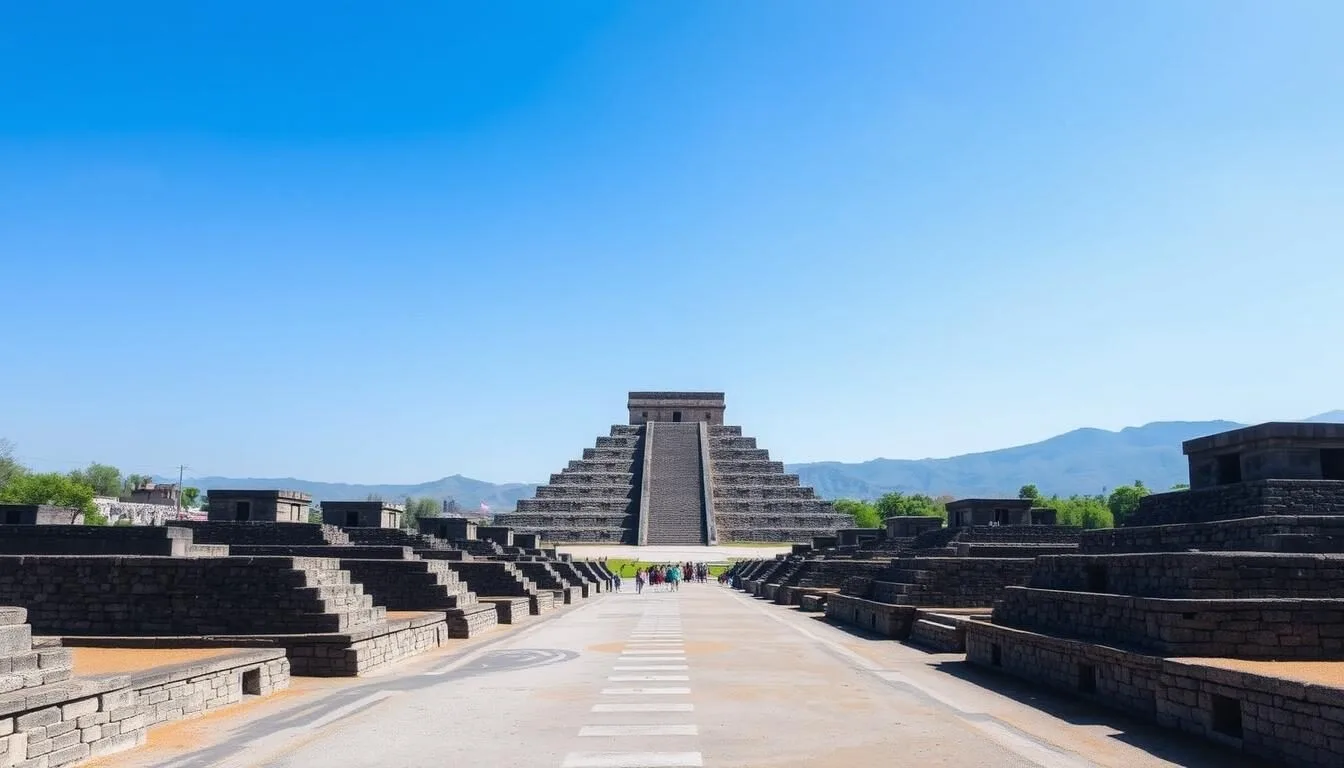
Did you know that the Pyramid of the Sun at Teotihuacan is the third-largest pyramid in the world, standing at an impressive 65 meters (213 feet) tall? This ancient metropolis, built starting around 100 BCE, once housed over 200,000 people, making it one of the largest cities in the world during its peak. Yet remarkably, historians still debate who exactly built this magnificent city, as it predates both the Aztec and Mayan civilizations that most visitors associate with Mexico’s archaeological sites.
Getting There & Planning Your Journey
Located just 50 km (30 miles) northeast of Mexico City, Teotihuacan makes for a perfect day trip from the capital. The closest international airport is Mexico City International Airport (MEX), which offers connections to major cities worldwide.
There are several ways to reach the pyramids:
- Public Bus: From Mexico City’s Terminal de Autobuses del Norte, take a direct bus to Teotihuacan. Buses run approximately every 20 minutes, cost around 100 MXN (5 USD), and the journey takes about 1 hour.
- Private Transportation: Booking a private driver or taking an Uber is a comfortable option, costing approximately 1,200 MXN (60 USD) each way.
- Guided Tour: Many companies offer day tours from Mexico City that include transportation, entrance fees, and expert guides.
The archaeological site has multiple entrances (Puertas 1-5). If you have limited time, enter through Puerta 2 or 3 for direct access to the Pyramid of the Sun. For a more comprehensive visit, start at Puerta 1 near the museum.
Best Time to Visit & Weather Tips
Recommended Months
The ideal time to visit Teotihuacan is during the dry season from November to April. Within this period, the most pleasant months are:
- November to February: Mild temperatures ranging from 10-23°C (50-73°F) with clear skies and minimal rainfall.
- March to April: Slightly warmer at 12-27°C (54-81°F), but still comfortable for exploring.
Months to Avoid
The rainy season from May to October brings afternoon showers and higher humidity. July and August are particularly wet, with rain often interrupting visits. September is the rainiest month and best avoided.
Special Considerations
If possible, avoid weekends and Mexican holidays when the site gets extremely crowded. The Spring Equinox (March 21) attracts thousands of visitors who come to witness special light effects on the pyramids, creating a unique but very crowded experience.
Weather Tip: The archaeological site offers minimal shade. Even during cooler months, the sun can be intense at this altitude. Always bring sun protection, a hat, and plenty of water regardless of when you visit.
Getting Around Locally
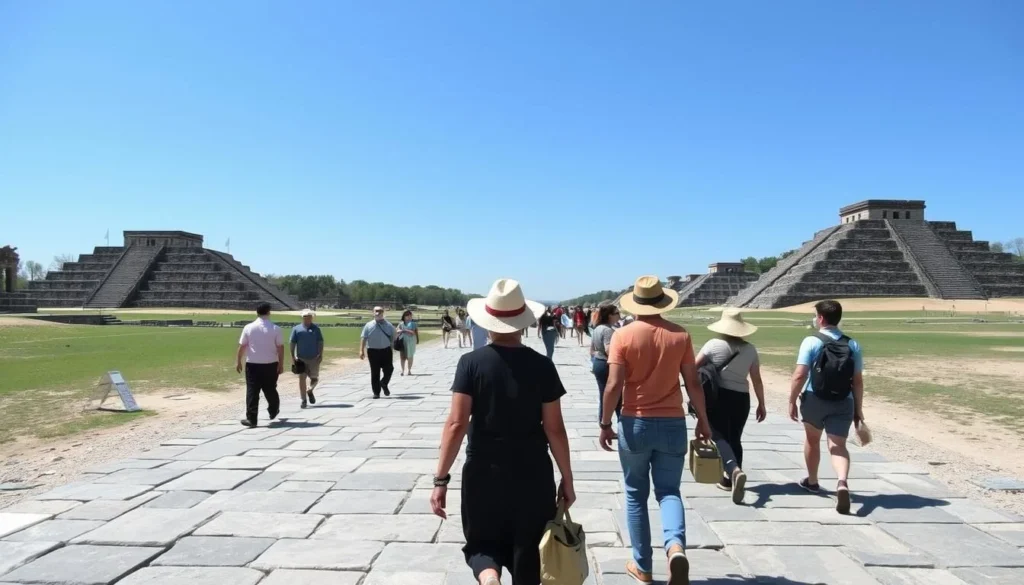
Teotihuacan is a vast archaeological site covering approximately 8 square kilometers. Exploring the entire complex requires significant walking on uneven terrain and climbing steps.
Navigation Tips
- Site Layout: The main axis is the Avenue of the Dead, stretching 2 km (1.2 miles) from the Citadel in the south to the Pyramid of the Moon in the north.
- Walking Time: Allow 3-4 hours minimum to explore the main structures without rushing.
- Terrain: Prepare for uneven surfaces, steps, and dusty paths. Comfortable closed-toe walking shoes are essential.
- Accessibility: The site has limited accessibility for those with mobility issues. The main avenue has some rough paved sections, but most areas require navigating steps and uneven ground.
There are no shuttles or transportation within the archaeological zone itself. All exploration must be done on foot, so pace yourself and bring water.
Local Tip: Start your exploration from the northern entrance near the Pyramid of the Moon and work your way south along the Avenue of the Dead. This allows you to walk downhill rather than uphill for most of your visit.
Where to Stay
While most visitors explore Teotihuacan as a day trip from Mexico City, staying nearby allows for early morning access before the crowds and tour buses arrive.
Nearby Accommodations
- Boutique Hotels: Several small hotels have opened near the archaeological zone, offering unique experiences like rooms with pyramid views or traditional design elements.
- Bed & Breakfasts: Family-run establishments in San Juan Teotihuacan town provide authentic local experiences with home-cooked meals.
- Luxury Options: A few upscale properties offer amenities like spa services, swimming pools, and on-site restaurants serving gourmet Mexican cuisine.
Mexico City Options
- Historic Center: Stay in Centro Histórico for easy access to bus terminals and tour departures to Teotihuacan.
- Polanco: Upscale neighborhood with luxury hotels and excellent dining options.
- Roma & Condesa: Trendy areas with boutique hotels and a vibrant atmosphere, popular with international travelers.
Prices range from 800-1,500 MXN (40-75 USD) for budget accommodations to 3,000+ MXN (150+ USD) for luxury options. Booking in advance is recommended, especially during high season and around Mexican holidays.
Dining & Local Cuisine
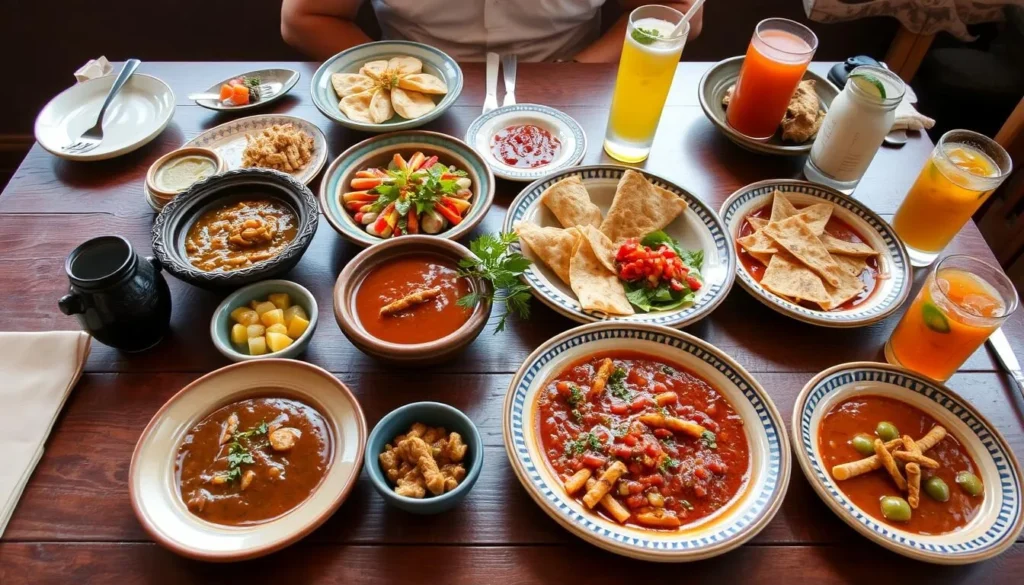
The area around Teotihuacan offers excellent opportunities to sample authentic pre-Hispanic and traditional Mexican cuisine.
What to Try
- Pulque: A traditional fermented drink made from the maguey plant that has been consumed in central Mexico since pre-Columbian times.
- Nopal Dishes: Cactus prepared in various ways, often grilled with cheese or in salads.
- Tlayudas: Large, thin, crunchy tortillas topped with refried beans, cheese, meat, and vegetables.
- Mole: Complex sauces made with chocolate, chilies, and spices served over meat.
Dining Options
Inside the Archaeological Zone
Food options within the site are limited to small vendors selling snacks, fruit, and drinks. Prices tend to be higher than outside the complex.
Outside the Site
Several restaurants line the roads leading to the entrances, offering more substantial meals and local specialties. The town of San Juan Teotihuacan also has authentic local eateries at reasonable prices.
Culinary Tip: For an authentic experience, try La Gruta restaurant, set inside a natural cave near the pyramids. It offers traditional Mexican dishes in a unique atmosphere, though reservations are recommended during peak times.
Attractions, Sightseeing & Activities
Must-See Structures
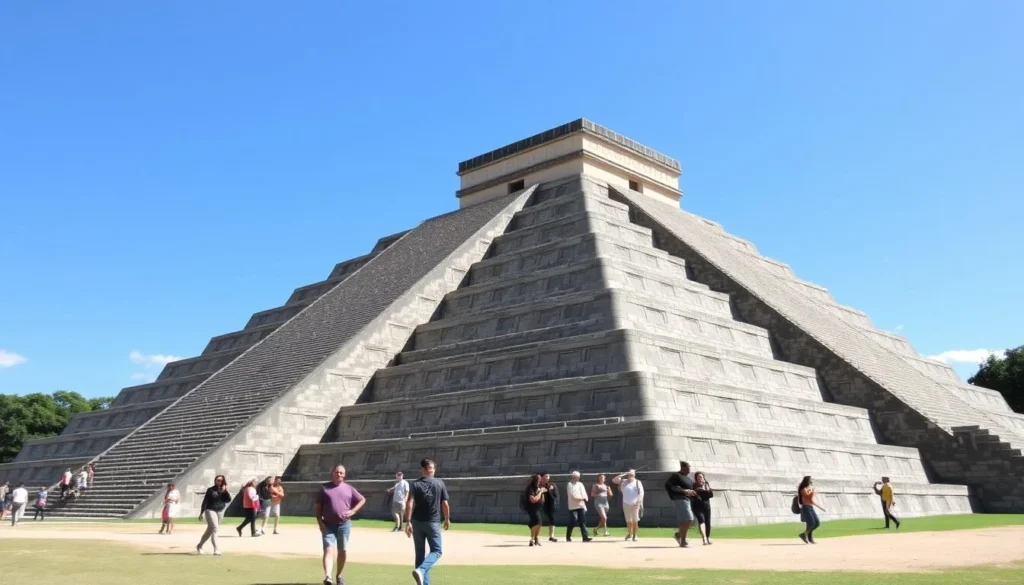
Pyramid of the Sun
The largest structure at Teotihuacan and the third largest pyramid in the world, standing 65 meters (213 feet) tall with a base measuring approximately 225 meters (738 feet) on each side. Built around 200 CE, the pyramid contains over 1 million cubic meters of material. Archaeological discoveries revealed a tunnel beneath the pyramid leading to a clover-shaped chamber, suggesting it may have been used for important rituals.
Pyramid of the Moon
Located at the northern end of the Avenue of the Dead, this pyramid stands 43 meters (141 feet) high. Recent excavations have revealed multiple construction phases and several ritual burials, including human sacrifices and animal remains. The pyramid’s position offers spectacular views down the entire Avenue of the Dead.
Temple of the Feathered Serpent
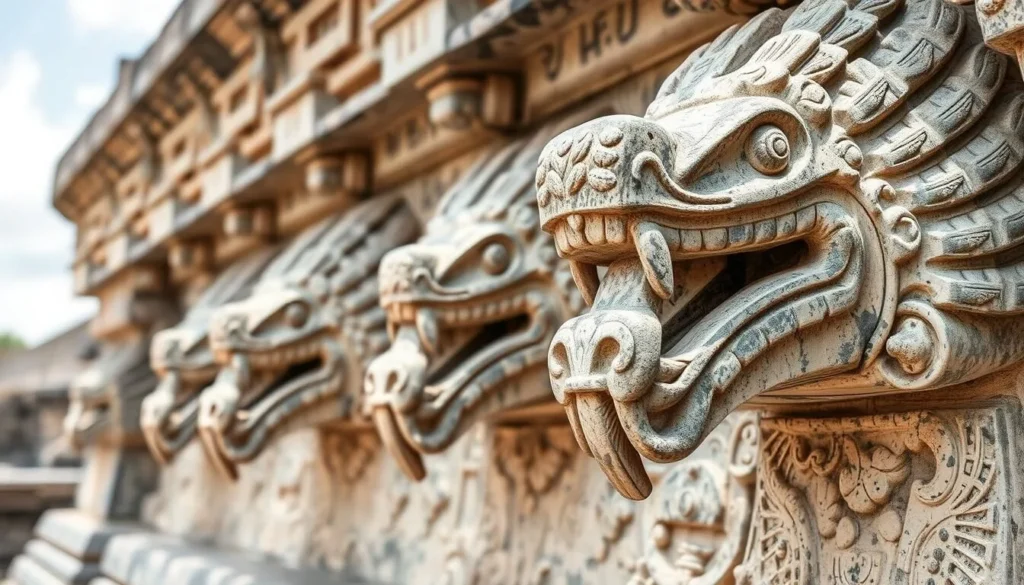
Also known as the Temple of Quetzalcoatl, this smaller but intricately decorated pyramid features remarkable stone carvings of feathered serpents and other deities. Located within the Citadel complex, it was likely a significant ceremonial center. Archaeologists have discovered over 200 sacrificial burials around this structure, indicating its sacred importance.
Avenue of the Dead
The main thoroughfare running 2 kilometers (1.2 miles) through the heart of Teotihuacan. Flanked by temples, palaces, and residential compounds, this ceremonial avenue was the city’s backbone. Walking its length gives visitors a sense of the city’s impressive urban planning and monumental scale.
Palace of Quetzalpapalotl
This elegant structure features beautifully preserved columns with carvings of the “quetzal-butterfly” or owl motifs. The palace includes a central courtyard and rooms with well-preserved murals, offering insights into the lives of Teotihuacan’s elite.
Visitor Tip: While climbing the pyramids is no longer permitted to preserve the structures, you can still explore around their bases and admire their massive scale and architectural precision.
Museums, Cultural Spots & Festivals
On-Site Museums
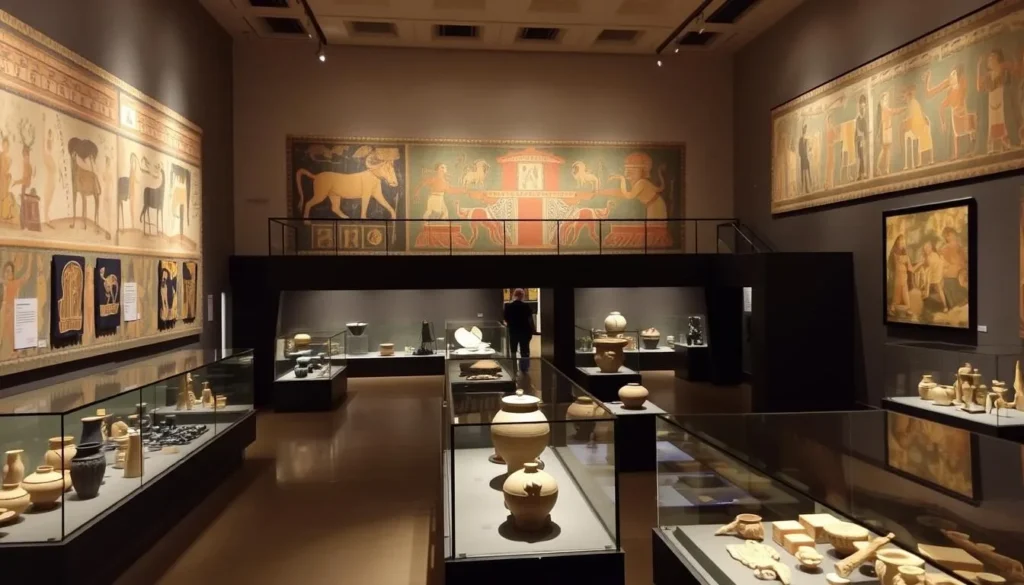
Teotihuacan has several museums that enhance the visitor experience by providing context and displaying artifacts that cannot be seen in their original locations:
- Teotihuacan Museum (Museo de Sitio): Located near Puerta 5, this museum houses an impressive collection of artifacts excavated from the site, including pottery, tools, sculptures, and models of the ancient city’s layout.
- Museum of Teotihuacan Culture: Displays murals, sculptures, and everyday objects that illustrate daily life in ancient Teotihuacan.
- Museum of Murals (Museo de los Murales Teotihuacanos): Features restored and preserved murals from various buildings across the archaeological zone.
Cultural Experiences
Beyond the archaeological site itself, visitors can engage with local culture through:
- Artisan Workshops: Local craftspeople create obsidian sculptures and jewelry using techniques similar to those employed by ancient Teotihuacanos.
- Traditional Temazcal: Experience a pre-Hispanic steam bath ritual believed to purify the body and spirit.
- Hot Air Balloon Rides: For a unique perspective, balloon tours offer spectacular sunrise views over the ancient city.
Festivals and Special Events
Several annual events attract visitors interested in experiencing Teotihuacan’s cultural significance:
- Spring Equinox (March 21): Thousands gather to witness the play of light and shadow on the pyramids, believed to represent the descent of the feathered serpent deity.
- Day of the Dead (November 1-2): Special commemorations take place in the surrounding communities.
- Night Experience: On select evenings, a light and sound show illuminates the ancient structures while narrating the history of Teotihuacan.
Cultural Tip: The National Museum of Anthropology in Mexico City houses some of the most significant artifacts from Teotihuacan. Consider visiting it before or after your trip to the archaeological site for a more comprehensive understanding.
Sports, Nature & Outdoor Experiences
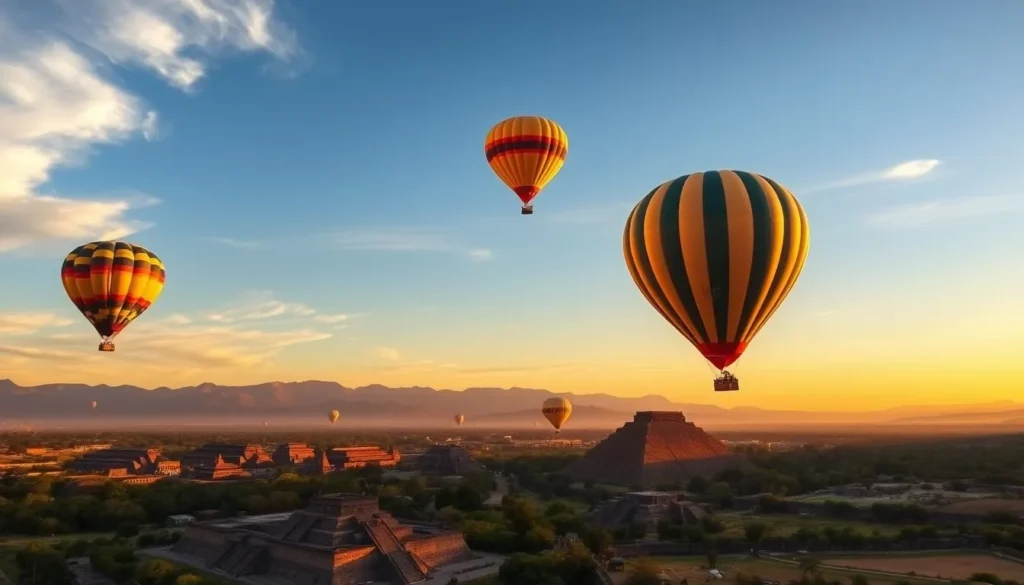
While Teotihuacan is primarily known for its archaeological significance, the surrounding area offers several opportunities for outdoor activities and nature experiences.
Adventure Activities
- Hot Air Balloon Tours: Experience breathtaking views of the archaeological zone from above, especially magical during sunrise.
- Hiking: The nearby Cerro Gordo provides hiking opportunities with panoramic views of the valley and pyramids.
- Mountain Biking: Several trails in the surrounding countryside are suitable for cycling enthusiasts.
Natural Attractions
The Teotihuacan Valley features diverse ecosystems worth exploring:
- Xitle Volcanic Park: Located within driving distance, this area offers nature trails through volcanic landscapes.
- Teotihuacan River: Though modest, the river that runs near the archaeological zone was vital to the ancient city and creates a green corridor through the landscape.
- Native Plant Gardens: Some local establishments maintain gardens showcasing plants that were important to pre-Hispanic cultures, including various species of cacti, agave, and medicinal herbs.
Outdoor Tip: The early morning hours not only offer the best light for photography but also cooler temperatures for exploring the outdoor archaeological site. Consider arriving at opening time (9:00 AM) to enjoy the most comfortable conditions.
Safety, Etiquette & Local Customs
Safety Considerations
Teotihuacan is generally a safe destination for tourists, but it’s always wise to take precautions:
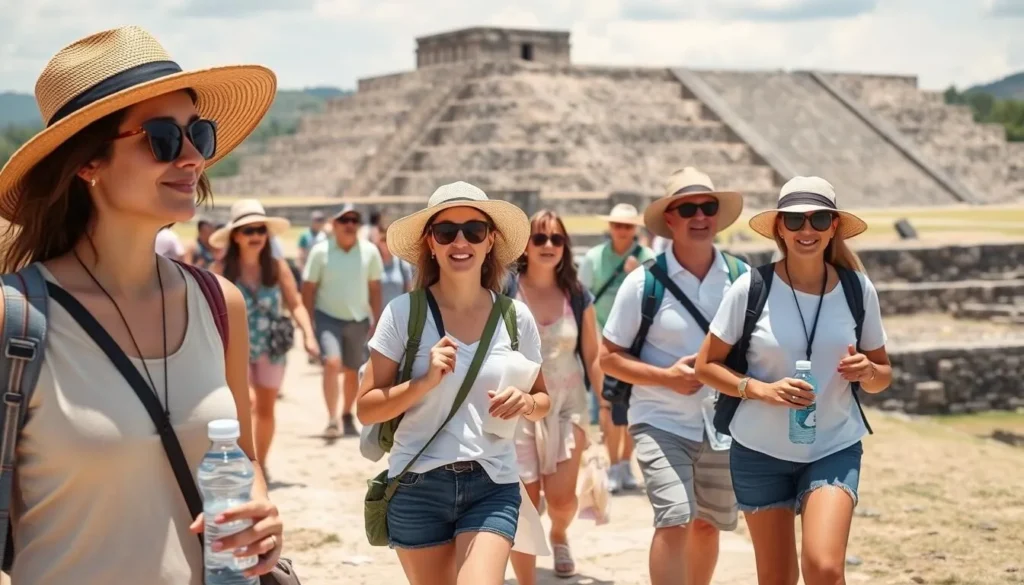
- Sun Protection: The site offers minimal shade, and the high altitude intensifies the sun’s effects. Wear sunscreen, a hat, and sunglasses.
- Hydration: Bring plenty of water, especially during warmer months. The combination of sun, heat, and walking can lead to dehydration.
- Footwear: Wear sturdy, closed-toe shoes with good traction. The terrain is uneven, dusty, and sometimes slippery.
- Valuables: Keep belongings secure and avoid displaying expensive cameras or jewelry conspicuously.
Respectful Behavior
As a UNESCO World Heritage site and a place of cultural significance to Mexico, visitors should observe appropriate etiquette:
- Preservation: Do not touch, climb on, or remove any stones or artifacts. The structures are fragile despite their massive appearance.
- Photography: Photography for personal use is permitted, but professional photography or filming requires special permission.
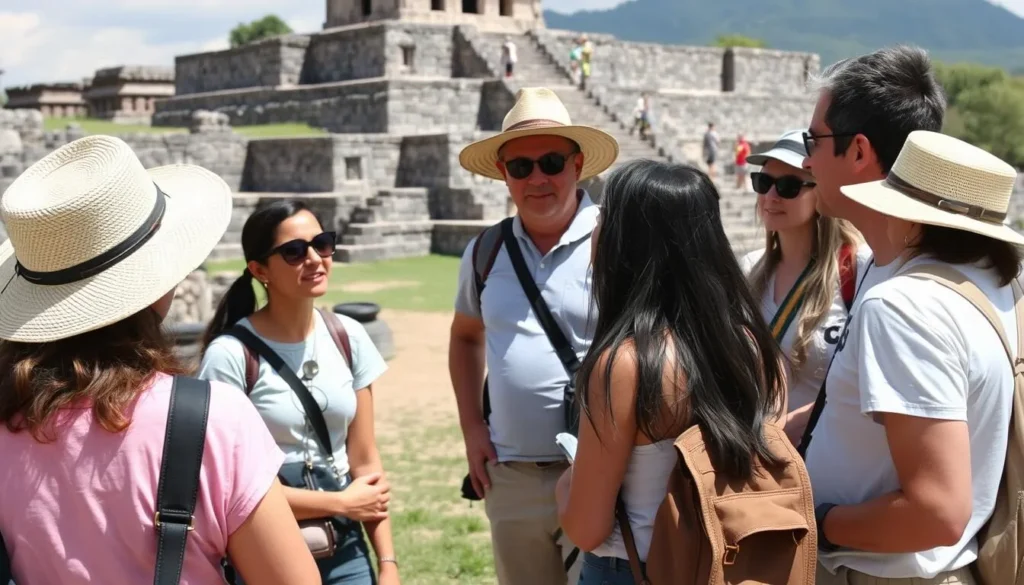
- Noise Level: Maintain a reasonable volume, especially near areas where guides are explaining the site to groups.
- Trash: Use designated waste bins or take your trash with you when leaving.
Cultural Awareness
Understanding local customs enhances your experience:
- Indigenous Significance: For many indigenous communities, Teotihuacan remains a sacred site. You may encounter people performing ceremonies or rituals, which should be observed respectfully from a distance.
- Local Vendors: Bargaining is common at souvenir stands, but remember that these sales support local families. Negotiate respectfully.
- Tipping: If you hire a guide, a tip of 10-15% is customary for good service.
Cultural Note: During the Spring Equinox, many visitors dress in white clothing as part of the tradition of “charging with energy” at the pyramids. If visiting during this time, be aware that the site will be very crowded with people participating in this cultural practice.
Visitor Comments About Teotihuacan Pyramids
“The sheer scale of Teotihuacan left me speechless. Standing at the base of the Pyramid of the Sun and looking up, I felt so small yet connected to something ancient and powerful. The Avenue of the Dead gives you a real sense of how massive this city once was. Don’t miss the Temple of the Feathered Serpent with its incredible stone carvings – they’re remarkably well-preserved!”
“We visited during the week and arrived early (around 9:30 AM) which I highly recommend. By noon, the site was packed with tour groups. The museum near Gate 5 is small but informative – definitely worth spending 30 minutes there before exploring the pyramids. Bring more water than you think you’ll need and wear a hat; there’s almost no shade and the sun is intense even on cooler days.”
“Taking a hot air balloon ride over Teotihuacan at sunrise was one of the highlights of our entire Mexico trip. Seeing the ancient city layout from above gave us a completely different perspective on the urban planning genius of its builders. After landing, we explored on foot, which complemented the aerial view perfectly. Worth every peso for this once-in-a-lifetime experience.”
Additional Nearby Destinations
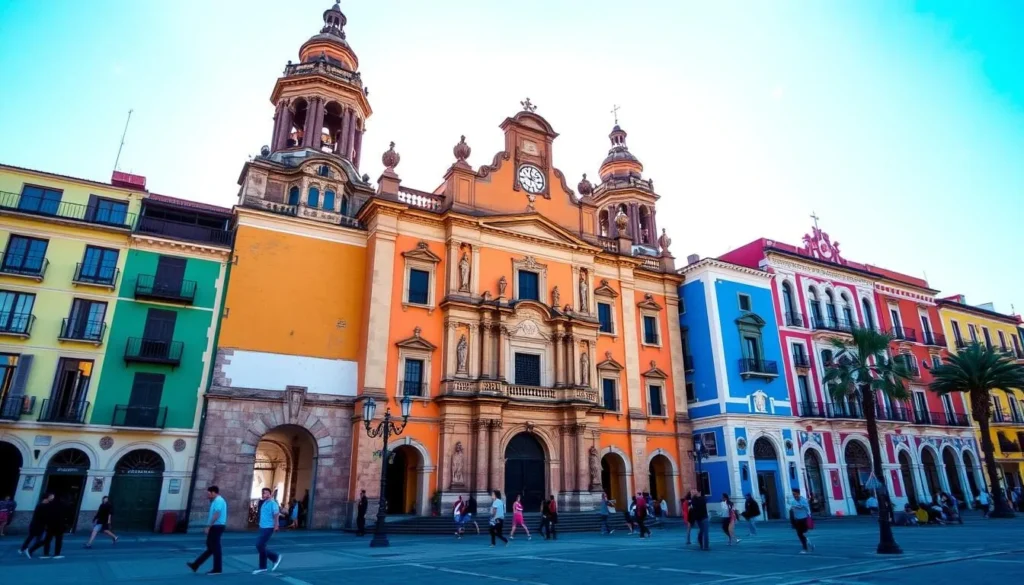
While Teotihuacan deserves a full day of exploration, the surrounding region offers several worthwhile destinations that can be combined with your visit:
Within 30 Minutes
- Acolman Monastery: A 16th-century Augustinian monastery featuring beautiful plateresque architecture and religious art, located just 15 minutes from Teotihuacan.
- Basilica of Guadalupe: Mexico’s most important religious site, dedicated to the Virgin of Guadalupe, is about 30 minutes south toward Mexico City.
- San Martín de las Pirámides: A charming town near the archaeological zone where you can experience local culture and cuisine.
Within 1-2 Hours
- Mexico City: The capital offers countless attractions including the historic center (a UNESCO World Heritage site), world-class museums, vibrant neighborhoods, and excellent dining.
- Tepotzotlán: Home to the stunning National Museum of the Viceroyalty, housed in a former Jesuit college with baroque architecture.
- Tula: Another important archaeological site featuring the famous Atlantean warrior columns, representing the later Toltec civilization.
Day Trips
- Puebla: A colonial city known for its colorful architecture, traditional cuisine (including mole poblano), and Talavera pottery.
- Taxco: A picturesque silver mining town built on a hillside, famous for its silver jewelry and colonial architecture.
- Cholula: Home to the largest pyramid by volume in the world (though largely covered by vegetation with a church built on top).
Travel Tip: If you’re interested in pre-Hispanic cultures, consider a multi-day archaeological tour that includes Teotihuacan, Tula, and Cholula to compare different architectural styles and cultural influences across central Mexico.
Practical Travel Tips
Essential Information
- Opening Hours: 9:00 AM to 5:00 PM daily (last entry at 4:00 PM).
- Entrance Fee: 80 MXN (approximately 4 USD) for foreign visitors. Additional fee for using video cameras.
- Free Entry: Mexican citizens and residents enter free on Sundays. This makes the site very crowded, so plan accordingly.
- Duration: Allow 3-5 hours for a thorough visit.
What to Bring
Essentials
- Comfortable walking shoes
- Hat and sunglasses
- Sunscreen (SPF 50+)
- Water bottle (at least 1 liter per person)
- Light snacks
Recommended
- Small backpack
- Camera
- Light jacket (mornings can be cool)
- Cash for vendors (small denominations)
- Portable phone charger
Money Matters
While there are ATMs in the nearby town, it’s best to bring cash with you to the archaeological site. Most vendors and small restaurants around the site accept only cash (Mexican pesos).
Communication
Cell service is generally good throughout the site. Free Wi-Fi is available in some areas near the entrances but can be unreliable.
Guided Tours
Official guides are available at the entrances for around 850 MXN (42 USD) for a 2-hour tour. Look for guides wearing official ID badges. Tours are available in several languages, including English, Spanish, French, and German.
Insider Tip: The site is much less crowded in the early morning and late afternoon. If possible, arrive right at opening time (9:00 AM) or plan your visit to end near closing time when most tour groups have departed.
Echoes of an Ancient World
Standing amidst the monumental structures of Teotihuacan, you can’t help but feel a profound connection to the mysterious civilization that created this remarkable city. As the sun casts long shadows across the Avenue of the Dead and illuminates the massive pyramids that have stood for nearly two millennia, you become part of the ongoing story of this extraordinary place. Whether you’re climbing the steps that countless others have traversed before you, marveling at the precision of ancient stonework, or simply absorbing the powerful energy that seems to emanate from the very ground, Teotihuacan offers an experience that transcends time. This isn’t just a journey to Mexico’s past—it’s an opportunity to contemplate human achievement, cultural evolution, and the enduring questions about who we are and where we came from. When you visit Teotihuacan, you don’t just see history; you become part of it.
The above is subject to change.
Check back often to TRAVEL.COM for the latest travel tips and deals.




0 Comments