Hotels by Trip.com
Flights by Trip.com
Did you know that Tulum is home to the only ancient Mayan city built directly on the Caribbean coastline? Perched dramatically on 12-meter (40-foot) limestone cliffs overlooking turquoise waters, Tulum’s archaeological zone attracts over 2 million visitors annually, making it one of Mexico’s most photographed historical sites. This stunning juxtaposition of ancient civilization against pristine beaches is just the beginning of what makes Tulum National Park a truly extraordinary destination.
Getting There & Planning Your Journey to Tulum National Park
Tulum National Park is located on Mexico’s Yucatán Peninsula, approximately 130 km (81 miles) south of Cancun. Until recently, visitors had to fly into Cancun International Airport (CUN) and make the two-hour journey south. However, as of late 2023, the new Tulum International Airport (TQO) offers a more convenient option just 30 minutes from the park.
From Cancun International Airport
If flying into Cancun, you have several transportation options:
- Private shuttle service: The most convenient option, typically costing $100-150 USD for a one-way trip.
- ADO bus: The most economical choice at around $15 USD per person, with comfortable air-conditioned coaches departing regularly from the airport.
- Rental car: Gives you maximum flexibility for exploring the region. to find the best rates.
From Tulum International Airport
The newly opened Tulum International Airport provides a much more convenient option:
- Taxi services are readily available at the airport
- Shuttle services can be pre-booked online
- Rental car agencies operate at the terminal
Best Time to Visit Tulum National Park
Timing your visit to Tulum National Park can significantly impact your experience. The region has distinct seasons that affect everything from crowd levels to weather conditions and even the presence of seaweed on the beaches.
Peak Season (December to April)
This is considered the best time to visit Tulum for several reasons:
- Pleasant temperatures averaging 24-29°C (75-85°F)
- Minimal rainfall with clear, sunny days
- Low humidity levels making exploration comfortable
- Little to no sargassum seaweed on beaches
The downside is higher prices and larger crowds, especially during the Christmas/New Year holiday period and spring break (March). For the best balance, consider visiting in early December or late April.
Shoulder Season (May, November)
These transitional months offer good value and decent weather:
- Temperatures around 26-32°C (80-90°F)
- Occasional short rain showers
- Fewer tourists and reduced prices
- May begins to see some seaweed accumulation
November is particularly good as it marks the end of hurricane season but precedes the holiday rush, offering excellent weather with fewer crowds.
Low Season (June to October)
The summer and early fall months bring challenges but also opportunities:
- Hot and humid conditions with temperatures reaching 32-35°C (90-95°F)
- Regular afternoon rain showers, especially September-October
- Hurricane season (officially June to November, with highest risk August-October)
- Significant sargassum seaweed accumulation on beaches
- Lowest prices and fewest tourists
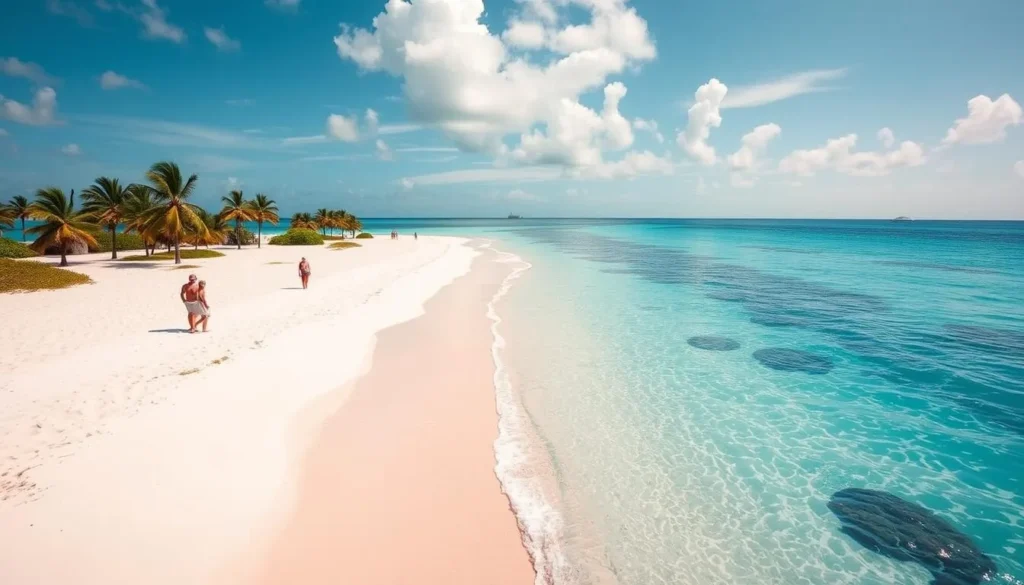
Pro Tip: If visiting during seaweed season (May-October), focus your beach time at cenotes or the lagoon at Kaan Luum instead of the coastal beaches. The inland water bodies aren’t affected by the sargassum seaweed that can accumulate on Caribbean beaches.
Getting Around Locally in Tulum
Tulum is divided into three main areas: Tulum Town (Pueblo), the Hotel Zone (beach area), and the archaeological site. Each area has its own character, and you’ll likely want to explore all three during your visit.
Rental Car
Having your own vehicle provides maximum flexibility for exploring Tulum National Park and the surrounding attractions:
Check 30,000+ Local Sightseeing Tours Worldwide
✓ Numerous languages and currencies are available
- Essential if you plan to visit multiple cenotes or attractions like Sian Ka’an Biosphere Reserve
- Allows for early morning visits to popular sites before tour buses arrive
- Parking is available at most attractions for a small fee (typically 50-100 pesos)
- Be aware that the beach road can become congested during peak season
Bicycle
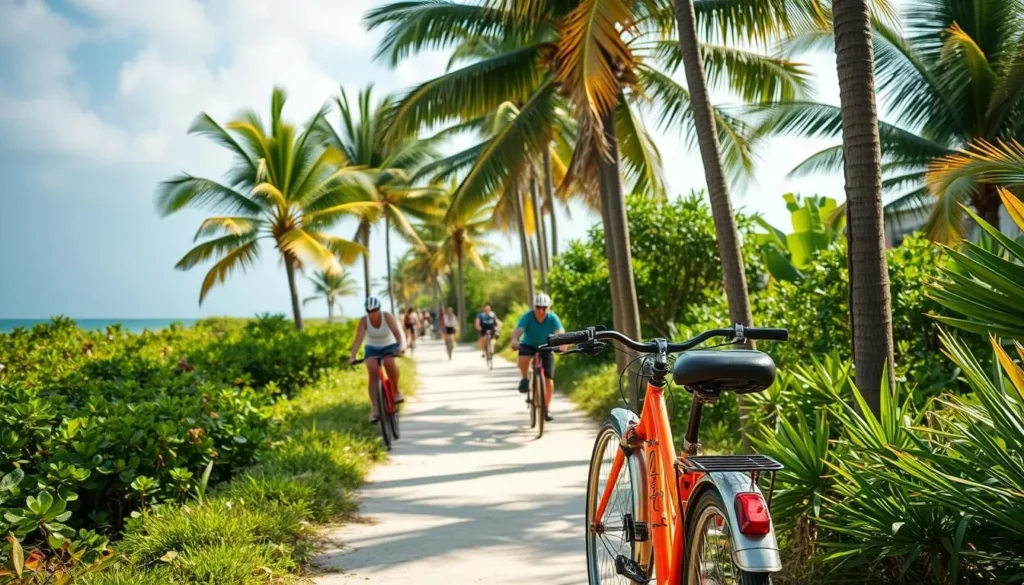
Bicycles are extremely popular in Tulum and perfect for shorter journeys:
- Rentals cost approximately 150-200 pesos ($7-10 USD) per day
- Ideal for traveling between Tulum Town and the beach (about 15-20 minutes)
- Many hotels offer complimentary bicycle use for guests
- Dedicated bike lanes exist on the main road between town and the beach
Cycling is particularly pleasant in the early morning or late afternoon when temperatures are cooler. Many cenotes within 5-10 km of town are easily accessible by bicycle.
Taxis
Taxis are abundant in Tulum but operate without meters:
- Expect to pay 100-150 pesos ($5-8 USD) between town and the beach zone
- Negotiate and agree on the fare before entering the taxi
- Prices increase significantly at night
- Most hotels can call a taxi for you if needed
Colectivos (Shared Vans)
These economical shared minivans run along set routes:
- Great for budget travel to nearby attractions like Akumal or Playa del Carmen
- Pick up colectivos on the main highway (look for vans with destinations written on windshields)
- Expect to pay 30-50 pesos ($1.50-2.50 USD) for most journeys
- They can be crowded but offer an authentic local experience
Where to Stay When Visiting Tulum National Park
Tulum offers diverse accommodation options to suit every budget and travel style. The area is divided into three main zones, each with its own distinct character and advantages.
Tulum Beach (Hotel Zone)
The most scenic and upscale area, directly on the Caribbean coast:
- Beachfront boutique hotels and luxury resorts
- Eco-chic accommodations with bohemian design
- Walking distance to pristine beaches
- Higher prices ($200-1000+ USD per night)
- Limited dining options at premium prices
Perfect for: Honeymooners, luxury travelers, and those prioritizing beach access
Tulum Town (Pueblo)
The authentic heart of Tulum with more affordable options:
- Wide range of hotels, hostels, and guesthouses
- Abundant restaurants, cafes, and shops
- Better value ($50-200 USD per night)
- Lively atmosphere with local character
- 15-20 minute bike ride to beaches
Perfect for: Budget travelers, digital nomads, and those seeking authentic Mexican culture
La Veleta & Aldea Zama
Newer residential neighborhoods between town and beach:
- Modern condos and boutique hotels
- Quieter, more residential feel
- Good value compared to beach zone
- Growing selection of restaurants
- Requires transportation to beach
Perfect for: Families, longer stays, and those seeking balance between price and location
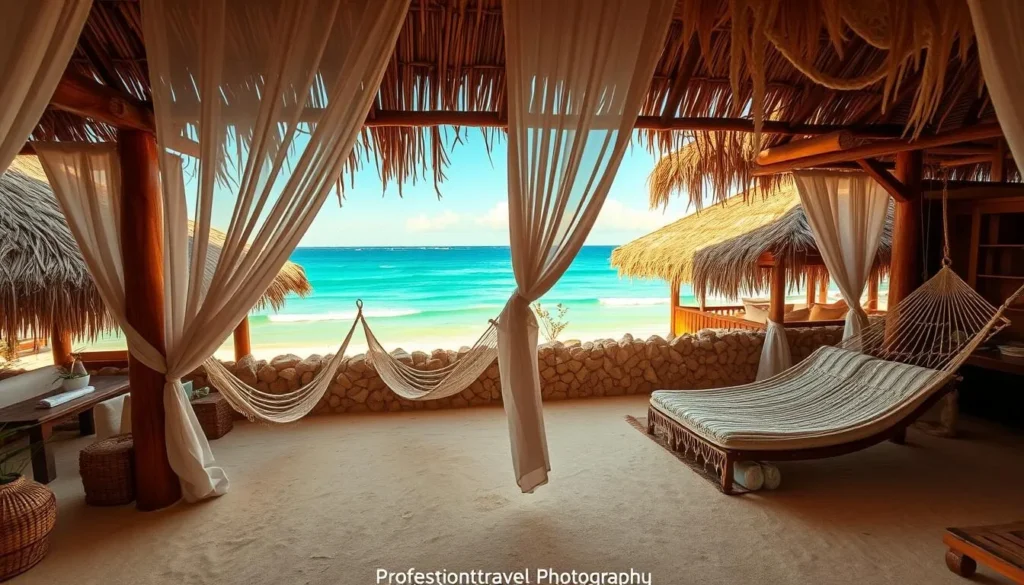
Accommodation Tip: Consider splitting your stay between the beach area and town to experience both aspects of Tulum. Start with a few luxurious days on the beach, then move to a more affordable option in town for exploring cenotes and ruins.
Dining & Local Cuisine in Tulum
Tulum has evolved into a world-class culinary destination, offering everything from authentic Mexican street food to sophisticated international cuisine. The food scene is particularly notable for its focus on fresh, local ingredients and beautiful jungle or beachfront settings.
Tulum Town Dining
The pueblo offers the most authentic and affordable dining options:
- Antojitos La Chiapaneca: A local favorite for inexpensive, authentic tacos and quesadillas
- Burrito Amor: Popular spot for healthy Mexican fare with many vegetarian options
- El Camello Jr: Excellent seafood restaurant frequented by locals
- Taquería Honorio: Legendary breakfast spot for cochinita pibil tacos
- Ki’Bok Coffee: Great coffee shop with excellent breakfast options
Beach Zone Restaurants
The hotel zone features upscale dining experiences in stunning settings:
- Hartwood: Farm-to-table cuisine cooked over wood fire (reservation essential)
- Arca: Contemporary cuisine using local ingredients in a jungle setting
- Mezzanine: Thai cuisine with spectacular views of the Caribbean
- Posada Margherita: Authentic Italian food right on the beach
- Raw Love: Popular vegan café with healthy bowls and smoothies
Must-Try Local Dishes
Traditional Yucatecan Specialties
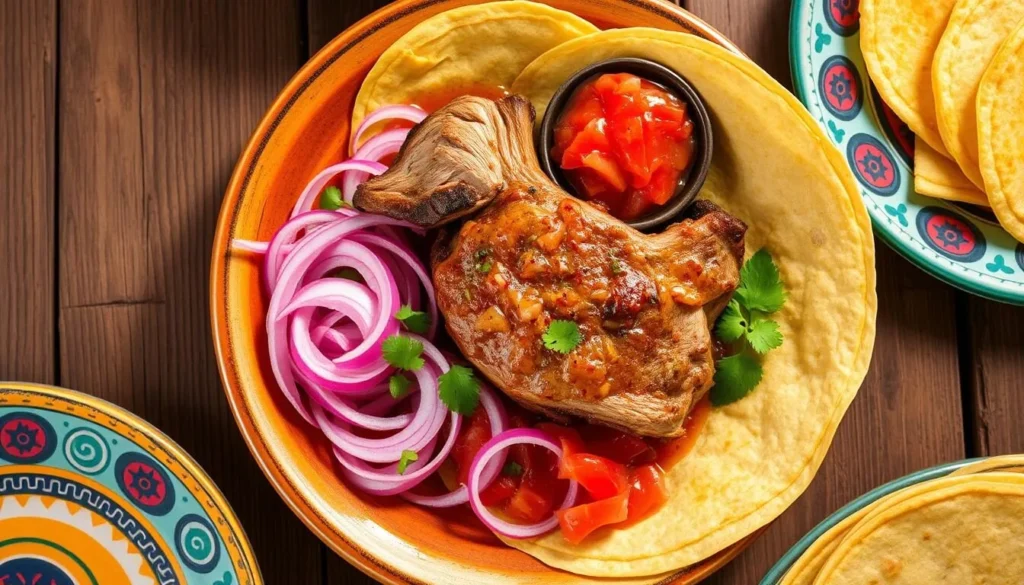
- Cochinita Pibil: Slow-roasted pork marinated in achiote and sour orange
- Sopa de Lima: Chicken soup flavored with local lime
- Panuchos: Fried tortillas stuffed with black beans and topped with turkey or chicken
- Papadzules: Corn tortillas filled with hard-boiled eggs in pumpkin seed sauce
Seafood Favorites
- Ceviche: Fresh fish or shrimp “cooked” in lime juice
- Tikin Xic: Fish marinated in achiote and grilled in banana leaves
- Camarones al Ajillo: Garlic shrimp
- Pulpo a la Parrilla: Grilled octopus
Dining Tip: Beach zone restaurants typically charge 30-50% more than similar establishments in town. For budget-conscious travelers, consider having breakfast and dinner in town, with lunch at the beach during your day trips.
Top Attractions in Tulum National Park
Tulum offers an incredible mix of natural wonders, ancient history, and pristine beaches. Here are the must-see attractions that should be on every visitor’s itinerary.
Tulum Archaeological Zone
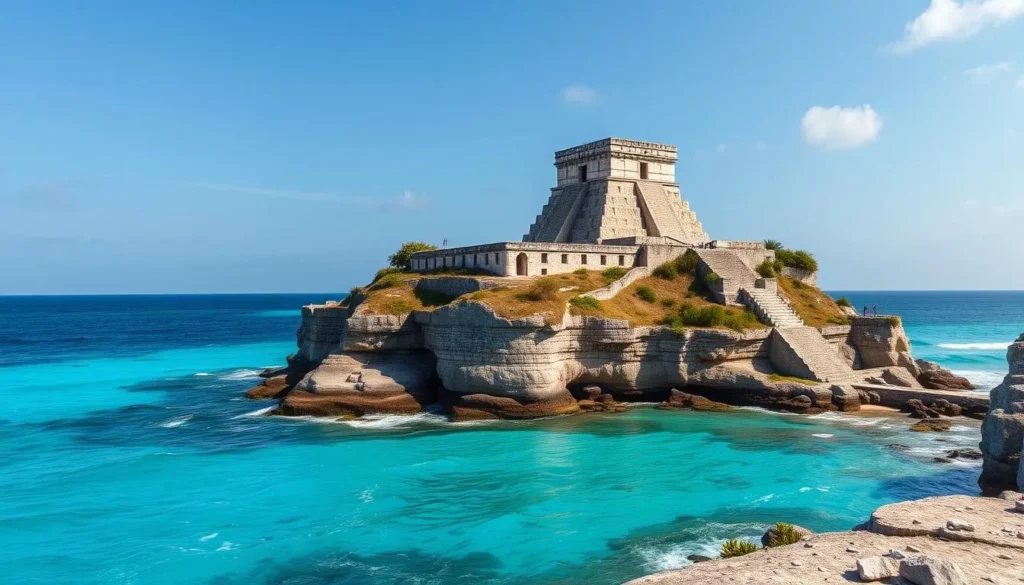
The iconic Mayan ruins of Tulum are the area’s most famous attraction:
- The only Mayan city built on the coast
- Spectacular setting on 12-meter (40-foot) cliffs overlooking the Caribbean
- Well-preserved structures including El Castillo, Temple of the Frescoes, and Temple of the Descending God
- Access to a small beach beneath the ruins
- Opening hours: 8:00 AM to 5:00 PM daily
- Entrance fee: 80 pesos (approximately $4 USD)
Visitor Tip: Arrive at the archaeological zone right when it opens at 8:00 AM to avoid both crowds and heat. The site has minimal shade, and temperatures rise quickly by mid-morning.
Pristine Beaches
Tulum is renowned for its picture-perfect Caribbean beaches with powdery white sand and crystal-clear turquoise waters:
- Playa Paraíso: Consistently rated among Mexico’s best beaches
- Playa Ruinas: Small beach beneath the archaeological site
- Las Palmas: Less crowded public beach south of the hotel zone
- Secret Beach: Hidden gem within Sian Ka’an Biosphere Reserve

Cenotes (Natural Sinkholes)
The Yucatán Peninsula is home to thousands of cenotes – natural sinkholes filled with crystal-clear freshwater. These unique geological formations were sacred to the ancient Maya and now offer incredible swimming and diving opportunities:
Gran Cenote
The most popular cenote near Tulum:
- Crystal-clear water with underwater caves
- Excellent for swimming and snorkeling
- Home to small turtles and tropical fish
- Entrance fee: 500 pesos ($25 USD)
Cenote Calavera
Known as the “Temple of Doom”:
- Jump through small holes into the cenote below
- Less crowded than Gran Cenote
- Popular with photographers
- Entrance fee: 250 pesos ($12 USD)
Dos Ojos Cenote
Part of the world’s largest underwater cave system:
- Two connected cenotes (“Two Eyes”)
- World-class cave diving destination
- Guided snorkeling tours available
- Entrance fee: 350 pesos ($17 USD)

Cultural Spots & Festivals in Tulum
Beyond its natural beauty, Tulum offers rich cultural experiences that provide insight into both ancient Mayan traditions and contemporary Mexican life.
Cultural Attractions
- SFER IK Museion: A spectacular contemporary art museum with organic architecture integrated into the jungle
- Art With Me: Tulum’s answer to Burning Man, combining art installations, music, workshops, and wellness
- Tulum Pueblo Street Art: Vibrant murals throughout town depicting Mayan mythology and local culture
- Holistika Art Walk: Jungle path featuring sculptures and installations by various artists

Annual Festivals & Events
Timing your visit to coincide with one of Tulum’s festivals can add a special dimension to your trip:
- Día de los Muertos (Day of the Dead): November 1-2, featuring altars, processions, and celebrations honoring ancestors
- Tulum Food, Spirits & Wine Festival: November, showcasing local and international cuisine
- Zamna Festival: December-January, electronic music festival in jungle settings
- Art With Me: April, multi-day arts and culture festival
- Day Zero Festival: January, immersive electronic music experience
Mayan Cultural Experiences
Connect with the indigenous heritage of the region through these authentic experiences:
- Temazcal Ceremonies: Traditional Mayan sweat lodge rituals for purification and healing
- Mayan Clay Treatments: Ancient spa treatments using local clay
- Mayan Cooking Classes: Learn to prepare traditional dishes using pre-Hispanic techniques
- Mayan Calendar Readings: Personal interpretations based on the ancient Mayan calendar system

Nature & Outdoor Adventures in Tulum
Tulum’s spectacular natural environment offers endless opportunities for outdoor exploration and adventure. From protected biosphere reserves to underwater wonders, nature lovers will find plenty to discover.
Sian Ka’an Biosphere Reserve
This UNESCO World Heritage Site covers 1.3 million acres of tropical forests, mangroves, and marine habitat:
- Boat tours through ancient Mayan canals
- Wildlife spotting including dolphins, manatees, and hundreds of bird species
- Fly fishing in pristine lagoons
- Snorkeling along the Mesoamerican Barrier Reef
- Visit to Muyil archaeological site

Water Activities
The crystal-clear waters around Tulum offer excellent conditions for various water sports:
- Snorkeling: Explore coral reefs teeming with tropical fish
- Scuba Diving: Discover underwater caves, cenotes, and reef systems
- Kiteboarding: Take advantage of consistent winds, especially from November to May
- Stand-Up Paddleboarding: Perfect in calm waters of beaches and cenotes
- Sea Turtle Watching: Swim with turtles at nearby Akumal Bay

Jungle Adventures
Explore the lush tropical forests surrounding Tulum:
- Zip-lining: Soar above the jungle canopy
- ATV Tours: Navigate rugged trails through dense vegetation
- Cycling: Explore jungle paths connecting cenotes
- Birdwatching: Spot tropical species in their natural habitat
Kaan Luum Lagoon
This stunning natural attraction features a large, shallow lagoon with a deep cenote in its center:
- Striking color contrast between turquoise lagoon and deep blue cenote
- Wooden observation deck and swings
- Perfect for swimming and photography
- Entrance fee: 300 pesos ($15 USD)

Safety, Etiquette & Local Customs in Tulum
Tulum is generally a safe destination for travelers, but as with any tourist area, it’s important to be aware of local customs and take basic precautions to ensure a smooth, respectful visit.
Safety Tips
- Tulum is relatively safe, but standard travel precautions apply
- Keep valuables secure and avoid displaying expensive items
- Use official taxis or pre-arranged transportation, especially at night
- Swim only in designated areas at beaches (respect red flags)
- When exploring cenotes, follow all safety guidelines and never dive into unknown waters
- Stay hydrated and use sun protection – the tropical sun is intense
Environmental Etiquette
Tulum’s natural beauty depends on responsible tourism:
- Use only biodegradable sunscreen to protect coral reefs and cenotes
- Avoid touching or standing on coral when snorkeling
- Never remove shells, sand, or artifacts from beaches or archaeological sites
- Respect wildlife by maintaining appropriate distances
- Minimize plastic use and dispose of waste properly
Eco Tip: Many cenotes prohibit conventional sunscreen as the chemicals damage the delicate ecosystem. Apply biodegradable sunscreen at least 30 minutes before entering cenotes, or better yet, wear a rash guard or UV-protective clothing instead.
Cultural Considerations
- Learn basic Spanish phrases – locals appreciate the effort
- Dress modestly when visiting towns, markets, or religious sites
- Ask permission before photographing local people
- Respect Mayan sites and ceremonies – these hold deep cultural significance
- Tipping is customary (10-15% in restaurants, 20-50 pesos for hotel staff)
Practical Travel Tips for Visiting Tulum National Park
These essential tips will help you navigate the practical aspects of your Tulum adventure, from managing money to staying connected.
Money Matters
- The Mexican Peso (MXN) is the official currency
- While some places accept US dollars, you’ll get better rates using pesos
- ATMs are available in town and the hotel zone, but may charge high fees
- Notify your bank of travel plans to prevent card blocks
- Carry some cash for small vendors, cenotes, and transportation
- Credit cards are widely accepted at hotels and restaurants
Connectivity
- Wi-Fi is available at most hotels and restaurants, but can be spotty
- Consider purchasing a local SIM card for data (Telcel has the best coverage)
- Download offline maps before exploring remote areas
- Many beach zone establishments have limited or no Wi-Fi
- Power outages occasionally occur – keep devices charged
What to Pack
Beyond the usual travel essentials, these items are particularly useful in Tulum:
- Biodegradable sunscreen (required at cenotes and recommended for reefs)
- Insect repellent (mosquitoes can be prevalent, especially at dawn and dusk)
- Lightweight, breathable clothing
- Rash guard or UV shirt for snorkeling and cenote swimming
- Water shoes for rocky cenotes and beaches
- Reusable water bottle to stay hydrated and reduce plastic waste
- Small waterproof bag for electronics during beach and cenote visits
- Mexican plug adapters (same as US plugs, but some European travelers may need them)

Health Considerations
- Drink only bottled or purified water
- Use sunscreen and seek shade during peak sun hours (10 AM – 4 PM)
- Stay hydrated in the tropical heat
- Basic medical facilities are available in Tulum, with more comprehensive care in Playa del Carmen
- Consider travel insurance that covers medical emergencies
Health Tip: The tap water in Tulum is not safe for drinking. Most hotels provide purified water, and bottled water is widely available. Ice in established restaurants is typically made from purified water and is safe.
Conclusion: Your Tulum Adventure Awaits
Tulum National Park offers a rare combination of natural wonders, ancient history, and laid-back beach vibes that make it one of Mexico’s most captivating destinations. From swimming in crystal-clear cenotes to exploring mysterious Mayan ruins perched above turquoise waters, the experiences here create memories that last a lifetime.
Whether you’re seeking adventure, relaxation, cultural immersion, or a bit of everything, Tulum delivers with its unique blend of pristine nature and bohemian charm. By following the tips in this guide and respecting the local environment and culture, you’ll be well-prepared to make the most of your visit to this extraordinary corner of the Yucatán Peninsula.
So pack your biodegradable sunscreen, brush up on your Spanish phrases, and prepare to discover why Tulum has captured the imagination of travelers from around the world. Your perfect Mexican getaway awaits!