
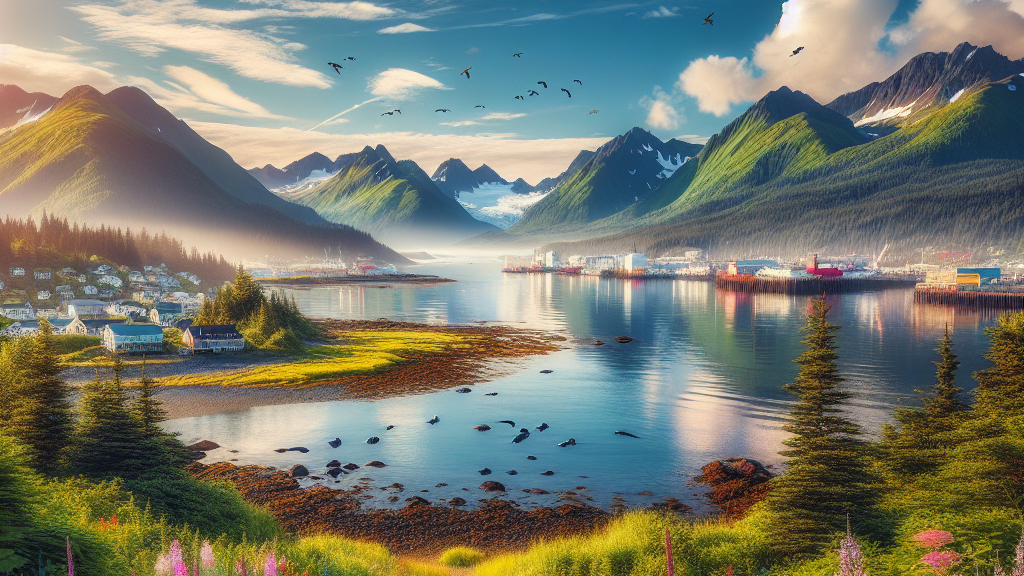
Seward, Alaska: Best Months for a Weather-Savvy Trip
Seward sits on the edge of Resurrection Bay—where it’s completely normal to spot humpback whales, sea otters, and bald eagles in the same day, often within a few kilometers of town. The little-known twist: Seward’s “best” travel month isn’t just about warmth—it’s about daylight length, ocean conditions, and how fast coastal weather can flip from calm sun to wind-driven rain.
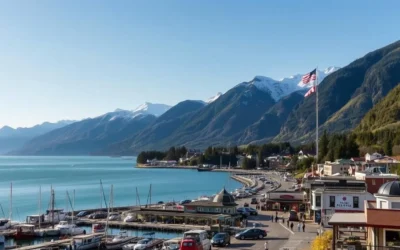
![Photo-realistic 16:9 image of Seward waterfront on a bright summer day with colorful boats in the harbor, mountains behind, and diverse travelers walking along the marina promenade, no visible text or signs]()
If you want a trip that feels effortless—clearer views, smoother boat rides, and more comfortable hiking—this guide breaks down Seward, Alaska: Best Months for a Weather-Savvy Trip season by season, with practical packing advice and weather-smart things to do.
Why Weather Matters So Much in Seward (Quick Context)
Seward’s climate is shaped by three big forces:
- Coastal Alaska’s marine influence: temperatures are rarely extreme, but moisture is common.
- Mountains + ocean = fast-changing conditions: clouds can snag on ridges; wind can funnel through the bay.
- Daylight swings: long summer days make even cooler temperatures feel more “tour-friendly,” while winter’s short days change what’s practical.
Expect cooler air even in summer, and plan for rain year-round—just with different intensity and timing.
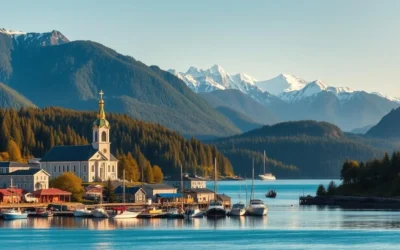
![Photo-realistic 16:9 image of a sunny day over Resurrection Bay with clear water, snow-streaked mountains, and a small wildlife cruise boat, no text, no road signs]()
Seward Weather at a Glance (What Most Travelers Miss)
- The “warmest” months aren’t automatically the most comfortable. Humidity, wind, and rain frequency can matter more than the number on a thermometer.
- Ocean tours depend on wind and swell, not just sunshine. A bright day can still be choppy.
- Shoulder seasons can be magical—if you pack correctly and plan flexible days around the forecast.
Climate & Weather Presentation (Season-by-Season Block Chart)
Below is a colorful, easy-to-scan block chart (kept to one-column width) so you can match your travel style to the most weather-friendly time.
WINTER (December–February) — Quiet, Snowy Edges, Moody Coast
Best time to visit:
- Late January to February for the best chance of stable cold and brighter winter days.
Weather overview & tips:
- Expect cold, damp coastal air with periods of snow and rain. Temperatures often hover around -7 to 4 °C (20 to 39 °F), but wind can make it feel colder.
- Daylight is limited, so plan outdoor time around the brightest hours.
- Roads and trails can be icy—traction matters.
What to Wear:
- Insulated waterproof jacket + waterproof pants
- Warm mid-layer (fleece or light down)
- Waterproof winter boots + thick socks
- Gloves + warm hat
- Traction aids (microspikes) for icy paths
Things to Do (weather-smart):
- Northern lights watching on clearer nights (better away from town lights)
- Cozy coastal walks when conditions are safe
- Wildlife viewing along the bay (bring binoculars)
- Local dining and warm indoor stops when storms roll through
Weather Pros & Cons:
- Pros: fewer crowds, dramatic scenery, peaceful vibe
- Cons: short days, slippery conditions, more weather disruptions
Summary:
Winter is for travelers who love quiet Alaska and don’t mind building plans around daylight and storm windows.
![Photo-realistic 16:9 image of Seward in winter on a clear day with snow-dusted mountains, calm bay water, and diverse visitors bundled up near the shoreline, no text or signs]()
SPRING (March–May) — Longer Days, Fresh Snowmelt, Shoulder-Season Value
Best time to visit:
- April to mid-May for longer daylight and improving trail conditions without peak crowds.
Weather overview & tips:
- Spring is a transition: you may get crisp sunny days and sudden rain or wet snow. Typical temperatures often sit around -1 to 10 °C (30 to 50 °F).
- Trails can be muddy, and higher elevations can still be snow-covered.
- It’s a great season for photographers—cloud breaks can create spectacular light.
What to Wear:
- Waterproof shell (jacket + pants)
- Layering system (base layer + fleece)
- Waterproof hiking shoes/boots
- Light gloves and beanie
- Dry bag for electronics during showers
Things to Do (weather-smart):
- Lower-elevation hikes when trails are drying
- Wildlife and birding as activity picks up
- Scenic bay strolls with fewer people
- Short boat outings on calmer forecast days
Weather Pros & Cons:
- Pros: longer days, fewer crowds, often better prices
- Cons: variable conditions, muddy trails, lingering snow up high
Summary:
Spring is ideal if you’re flexible and pack for mixed conditions—often a sweet spot for a weather-savvy traveler.
SUMMER (June–August) — Peak Wildlife, Long Daylight, Best All-Around Access
Best time to visit:
- Late June to late July for the best blend of long daylight, generally milder temps, and strong tour availability.
Weather overview & tips:
- Summer is Seward’s most accessible season, but it’s still coastal Alaska—expect cool mornings and occasional rain. Temperatures often range around 8 to 18 °C (46 to 64 °F).
- Sunshine can be brilliant, but wind off the bay can chill you fast.
- Book popular cruises and lodging early—this is peak season.
What to Wear:
- Lightweight waterproof jacket (a must)
- Moisture-wicking layers (avoid heavy cotton)
- Hiking pants + quick-dry tops
- Waterproof shoes for wet docks and trails
- Light hat + sunglasses (glare off water is real)
Things to Do (weather-smart):
- Kenai Fjords wildlife and glacier cruises (choose calmer forecast days for smoother rides)
- Hiking to viewpoints when visibility is high
- Kayaking in protected waters when winds are light
- Evening waterfront walks (long daylight helps)
Weather Pros & Cons:
- Pros: longest days, widest activity choices, best overall access
- Cons: more crowds, higher prices, rain still possible anytime
Summary:
Summer is the easiest “yes” season—especially for first-time visitors who want maximum options and the best chance at clear views.
![Photo-realistic 16:9 image of a bright summer day with a whale tail visible near a boat in Resurrection Bay, mountains in background, diverse group of tourists on deck in jackets, no text]()
![Photo-realistic 16:9 image of a sunny day kayaking in calm water near Seward with glaciers or snow-capped peaks in distance, diverse kayakers, no text or signs]()
RAINIEST STRETCH / STORMIER COAST (September–November) — Golden Light, More Rain, Fewer Crowds
Best time to visit:
- Early September for a strong shoulder-season compromise: fewer crowds, lingering tour options, and autumn color starting.
Weather overview & tips:
- Fall brings cooler temperatures and a noticeable uptick in stormy systems. Expect roughly 1 to 10 °C (34 to 50 °F) with frequent rain and gusty days.
- Daylight shrinks fast, and ocean conditions can become more unpredictable.
- It’s a great time for travelers who love atmosphere—fog, clouds, and dramatic seas.
What to Wear:
- High-quality waterproof jacket with hood
- Waterproof pants (you’ll actually use them)
- Warm mid-layer (fleece or light insulated jacket)
- Waterproof boots
- Spare socks + extra layers in a daypack
Things to Do (weather-smart):
- Short hikes during dry breaks (waterfalls can be spectacular after rain)
- Cozy cafés and scenic viewpoints between showers
- Wildlife watching (dress warm; bring binoculars)
- Photography—moody coastlines and glowing fall color
Weather Pros & Cons:
- Pros: fewer tourists, beautiful autumn light, quieter town vibe
- Cons: rainier, windier, higher chance of tour disruption later in the season
Summary:
Fall is perfect if you enjoy dramatic coastal weather and can pivot plans quickly when rain and wind move in.
![Photo-realistic 16:9 image of Seward coastline in early fall on a bright break in weather with golden foliage on hillsides, dramatic clouds, and diverse visitors in rain jackets, no text]()
Micro-Weather Tips for a Smoother Seward Trip
- Always pack a real rain layer. In Seward, a “light drizzle” can become steady rain quickly.
- Check wind, not just precipitation. Wind affects boat comfort and kayak safety.
- Plan one “flex day.” Use it for the clearest forecast—ideal for fjord/glacier viewing.
- Bring dry storage. A 10–20 L dry bag is perfect for cameras, gloves, and spare layers.
- Dress for the water. Even on sunny days, the bay air can feel much cooler than inland.
![Photo-realistic 16:9 image of a sunny day on a coastal hiking trail near Seward with a panoramic bay view, mountains, and diverse hikers wearing layered clothing, no text or signs]()
Where Weather Changes Your Itinerary (What to Schedule When)
- Clear, calm days: fjord cruises, kayaking, high-viewpoint hikes
- Showery days: short forest hikes, waterfall chasing, museums/shops, scenic drives (without emphasizing signs)
- Windy days: choose sheltered walks and skip exposed-water activities if forecasts are strong
Best Time to Visit Seward, Alaska
Recommended months/seasons:
- Late June to late July (best overall balance of daylight, access, and typical summer conditions)
- April to mid-May (shoulder-season flexibility with improving weather and fewer crowds)
- Early September (quieter peak-to-shoulder transition with great light—pack serious rain gear)
Months/seasons to avoid (for most weather-sensitive travelers):
- Late September through November (stormier, wetter, shorter days, more disruptions)
- December through early January (short daylight and higher chance of icy, messy conditions—best only if you specifically want winter quiet)
Quick Packing Checklist (Weather-Savvy Essentials)
- Waterproof jacket with hood + waterproof pants
- Layering system (base + mid + shell)
- Waterproof footwear + extra socks
- Gloves + warm hat (yes, even in summer evenings)
- Dry bag + phone/camera protection
- Sunglasses (water glare) + sunscreen on clear days
![Photo-realistic 16:9 image of a bright day at Seward harbor with fishing boats and tour boats, mountains behind, diverse travelers wearing light jackets, no text or signs]()
A Note on Driving & Day Planning
Seward is a place where the forecast can decide your “best day ever.” If you build your trip around weather windows—especially for cruises and glacier viewing—you’ll feel like you cracked the code. Stay layered, keep a flexible schedule, and treat rain as part of the coastal Alaska experience rather than a spoiler.
Conclusion
Seward rewards travelers who plan with the sky in mind: pick late June through July for the easiest conditions, grab spring or early September for shoulder-season magic, and pack like a local—layers and waterproofs always ready. With the right month and the right gear, Seward feels wild, cinematic, and surprisingly comfortable—so start penciling in your dates and let Alaska’s coastal drama do the rest.
0 Comments