
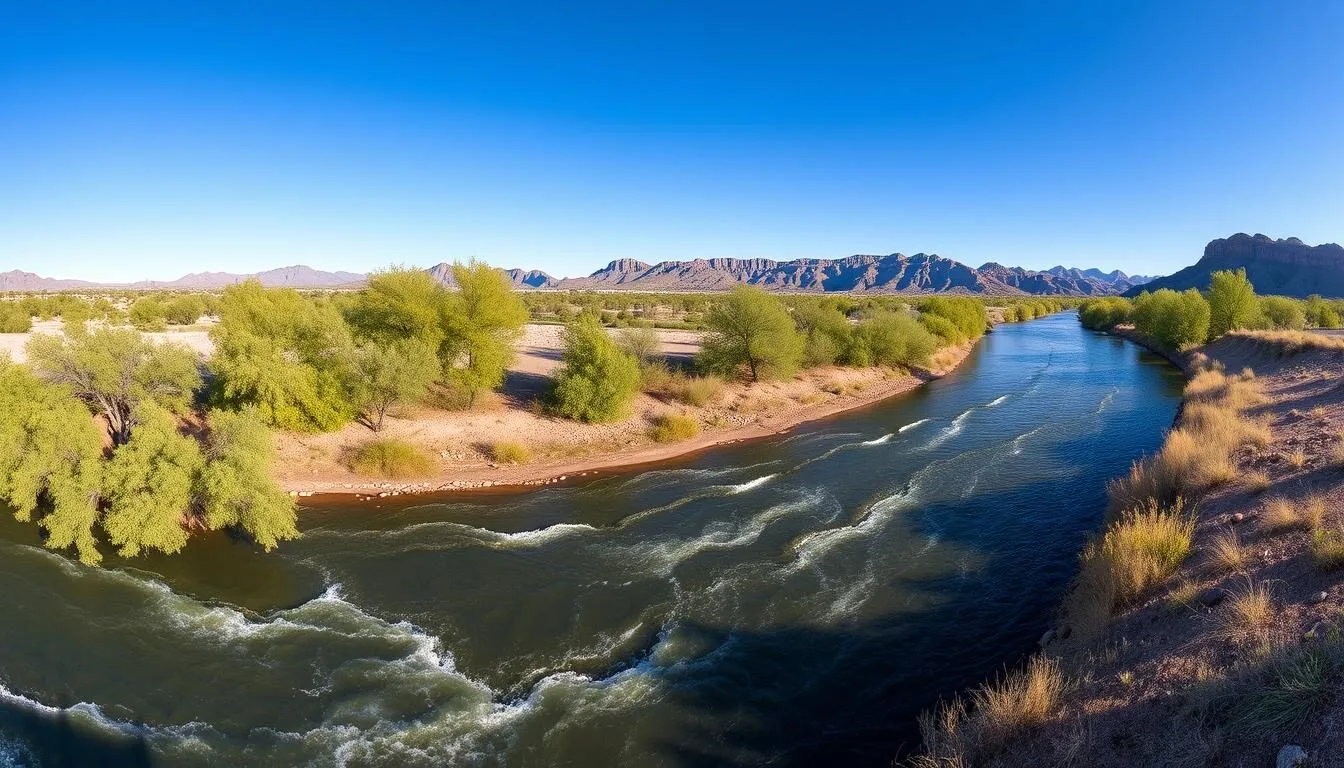
Home to over 340 species of birds and one of the last remaining natural cottonwood-willow riparian habitats in the lower Colorado River ecosystem, the Bill Williams River National Wildlife Refuge offers a rare glimpse into Arizona’s pristine wilderness. This 6,105-hectare (15,085-acre) oasis serves as a critical wildlife corridor connecting desert and river ecosystems, providing visitors with unique opportunities to experience the Southwest’s natural heritage in its most authentic form.
Getting There & Planning Your Journey
The Bill Williams River National Wildlife Refuge is located approximately 23 km (14 miles) south of Lake Havasu City, Arizona. The refuge is accessible via Arizona Highway 95, with the headquarters situated between mileposts 160 and 162.
The closest major airports are:
- Las Vegas McCarran International Airport – 240 km (149 miles)
- Phoenix Sky Harbor International Airport – 300 km (186 miles)
- Laughlin/Bullhead International Airport – 97 km (60 miles)
From Lake Havasu City, follow Highway 95 south for approximately 23 km (14 miles). The refuge headquarters will be on the right side of the road. For those coming from Parker, Arizona, head north on Highway 95 and watch for signs to the refuge.
There are no entrance fees to visit the Bill Williams River National Wildlife Refuge, making it an accessible destination for all nature enthusiasts. The refuge’s trails and non-motorized boat launch are open year-round during daylight hours, while the fishing piers remain accessible 24 hours a day.
Best Time to Visit & Weather Tips
The refuge experiences the typical desert climate of western Arizona, with hot summers and mild winters. Planning your visit during the right season can significantly enhance your experience.
Recommended Seasons
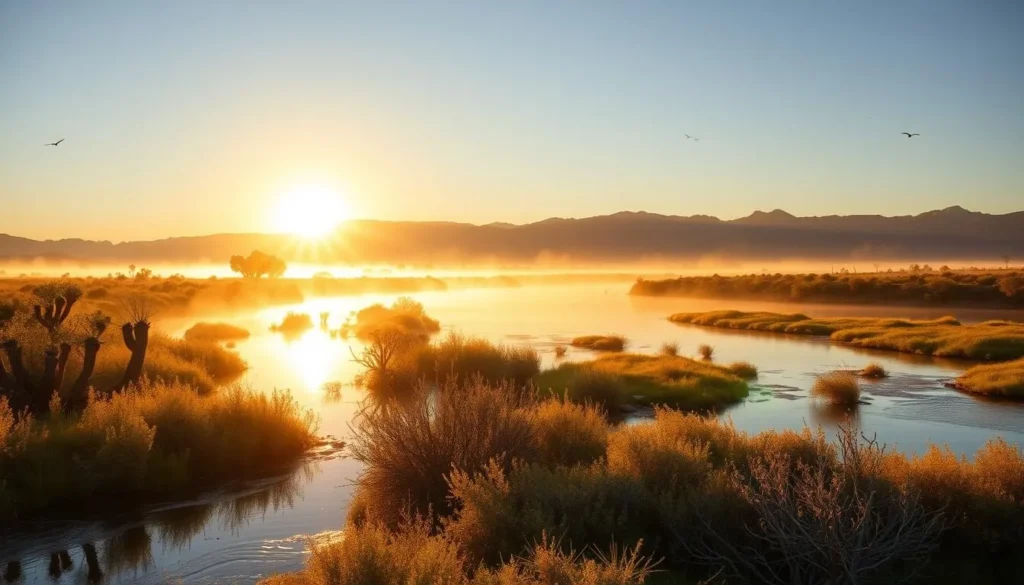
- Fall (October-November): Pleasant temperatures ranging from 10-26°C (50-80°F) with minimal rainfall make this an ideal time for hiking and wildlife viewing.
- Winter (December-February): Mild days with temperatures between 7-18°C (45-65°F) offer comfortable conditions for outdoor activities. This is also prime time for birdwatching as migratory birds winter in the refuge.
- Spring (March-April): Beautiful wildflower blooms and temperatures between 15-29°C (60-85°F) create perfect conditions for photography and nature walks.
Seasons to Avoid
- Summer (May-September): Temperatures frequently exceed 38°C (100°F), making outdoor activities uncomfortable and potentially dangerous. If you must visit during summer, plan activities for early morning hours.
Best Times of Day
- Early mornings: Prime for wildlife viewing and comfortable temperatures
- Late afternoons: Beautiful golden hour lighting for photography
Always check weather forecasts before your visit and be aware that flash floods can occur after heavy rainfall. The refuge may also conduct periodic water releases from Alamo Dam, which can cause the river level to rise quickly.
Getting Around Locally
The Bill Williams River National Wildlife Refuge offers several ways to explore its diverse habitats, though having your own vehicle is essential for accessing the refuge itself as public transportation options are limited in this area.
Exploration Options
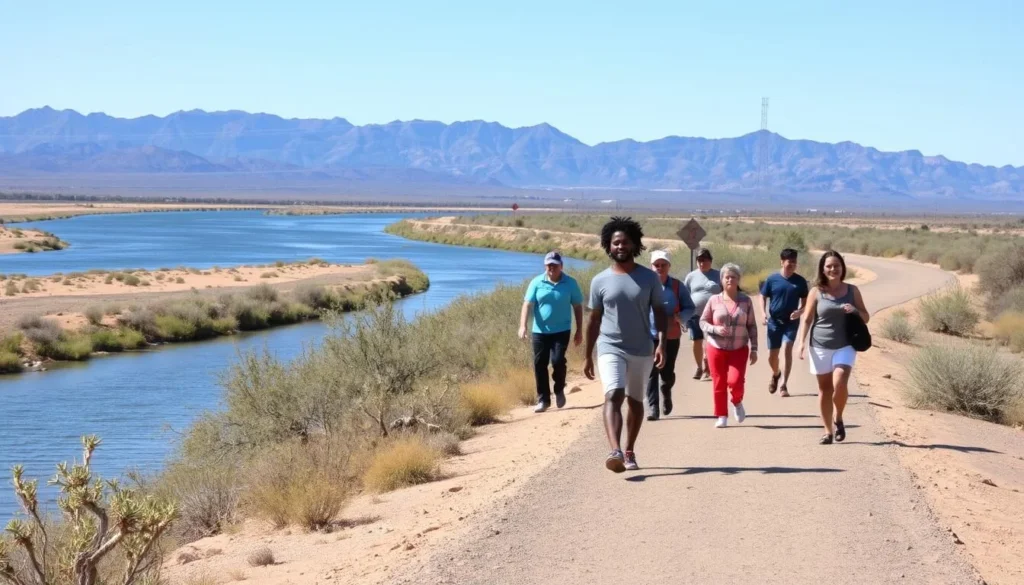
- Walking Trails: The Peninsula Trail offers a paved quarter-mile section that is wheelchair accessible, leading to fishing docks and restroom facilities. The trail continues as a gravel path for another half mile, providing excellent views of the river delta.
- Delta Loop Trail: This half-mile unpaved nature trail follows the shoreline of the Bill Williams River delta, offering scenic views and wildlife spotting opportunities.
- Car Tour Loop: A 5.6 km (3.5-mile) route along Planet Ranch Road parallels the Bill Williams River. Note that this requires a high-clearance 4×4 vehicle due to rough terrain.
- Watercraft: Explore the refuge by canoe or kayak using the non-motorized boat launch at the visitor center. The refuge enforces a no-wake zone to protect the fragile riparian habitat.
Maps and additional information are available at the refuge headquarters, which is open Monday through Friday from 8:00 a.m. to 4:00 p.m. and weekends from 10:00 a.m. to 2:00 p.m.
Where to Stay
While camping is not permitted within the Bill Williams River National Wildlife Refuge itself, several accommodation options are available in the surrounding area.
Nearby Accommodations
Lake Havasu City
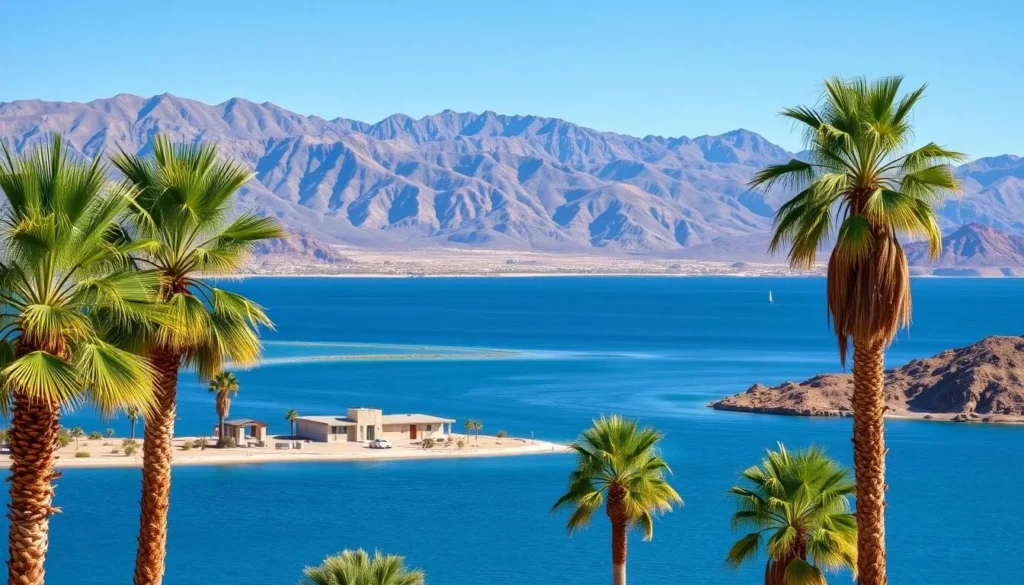
Located about 23 km (14 miles) north of the refuge, Lake Havasu City offers numerous hotels, motels, and vacation rentals for all budgets. Staying here provides convenient access to restaurants, shopping, and other amenities.
Parker
Situated approximately 40 km (25 miles) south of the refuge, Parker offers more affordable accommodation options including motels and riverside resorts along the Colorado River.
Nearby Campgrounds
Several campgrounds are located in the vicinity, including Buckskin Mountain State Park, River Island State Park, and Cattail Cove State Park, all offering camping facilities with beautiful views of the Colorado River.
For the best experience, book accommodations in advance, especially during the peak seasons of fall, winter, and spring when the area sees more visitors due to the pleasant weather conditions.
Dining & Local Cuisine
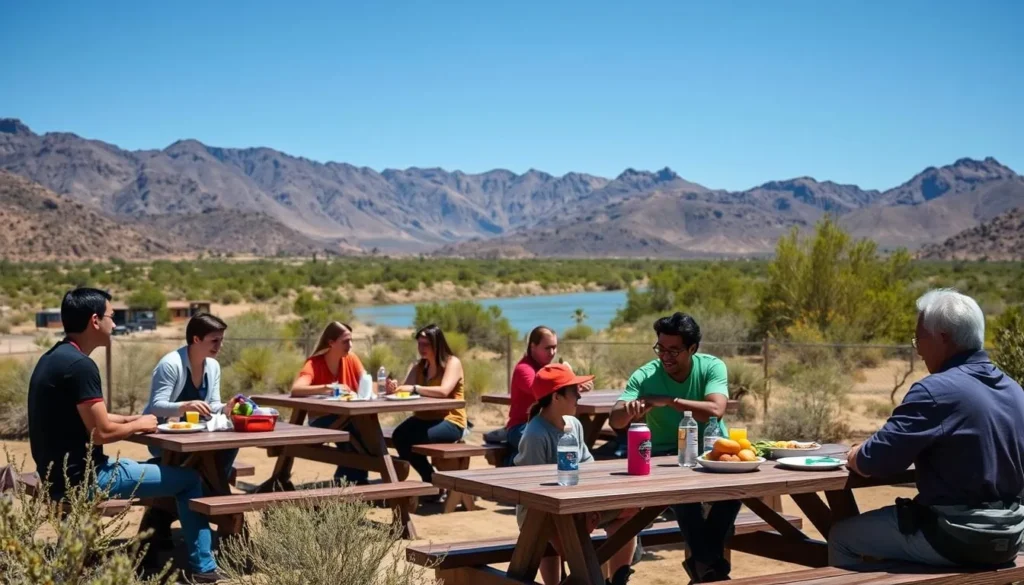
There are no dining facilities within the refuge itself, so visitors should plan accordingly by bringing their own food and plenty of water, especially during warmer months.
Dining Options
- Picnicking: While there are no designated picnic areas within the refuge, visitors can bring portable chairs and enjoy meals at several scenic pullouts along the trails.
- Lake Havasu City: Offers a wide range of dining options from fast food to fine dining, with several restaurants specializing in Southwestern cuisine and fresh seafood from the Colorado River.
- Parker: Features several casual dining establishments, including Mexican restaurants that showcase the region’s culinary influences.
Local Specialties
When dining in the area, look for these regional specialties:
- Fresh-caught fish from the Colorado River, particularly bass and catfish
- Southwestern dishes featuring green chilies and mesquite-grilled meats
- Prickly pear products, including jellies, candies, and beverages
Remember to pack a cooler with plenty of water, snacks, and meals if you plan to spend a full day at the refuge, as there are no food vendors or water stations available on-site.
Attractions, Sightseeing & Activities
The Bill Williams River National Wildlife Refuge offers a variety of activities for nature enthusiasts, with wildlife viewing being the primary attraction.
Wildlife Viewing
The refuge is home to an impressive diversity of wildlife:
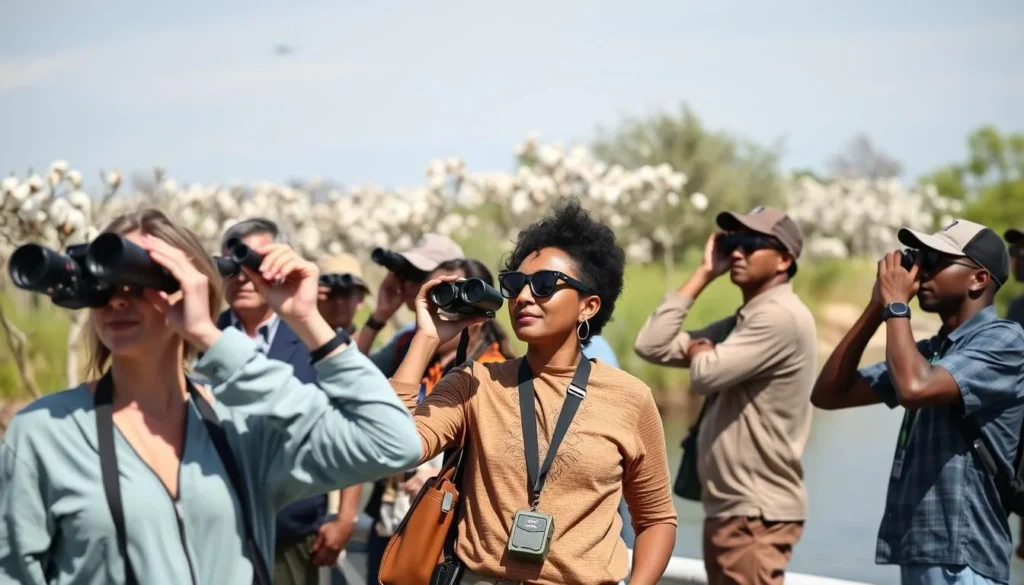
- Birds: Over 340 species have been documented, including yellow warblers, vermillion flycatchers, summer tanagers, and bald eagles (winter months).
- Mammals: Watch for javelina, deer, bobcats, and coyotes, particularly during early morning or late afternoon hours.
- Fish: The refuge serves as a habitat for endangered native fish species, including razorback suckers and bonytail chubs.
Fishing
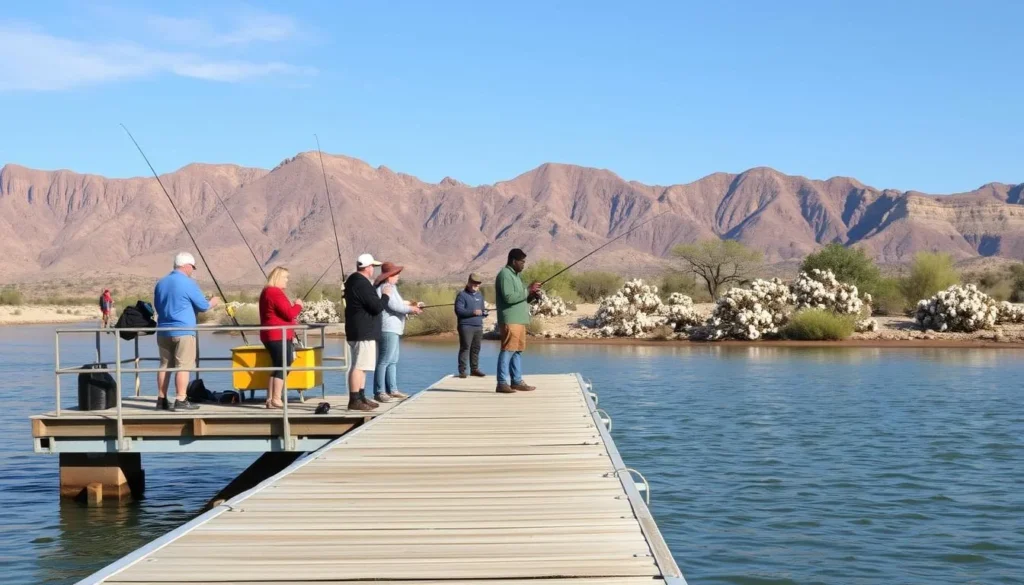
Fishing is permitted on Lake Havasu and the Bill Williams River, with several accessible fishing docks available. Common catches include:
- Striped, largemouth, and smallmouth bass
- Channel and flathead catfish
- Bluegill and other panfish
Arizona fishing regulations apply, and anglers are encouraged to practice catch-and-release, especially with native fish species.
Water Activities
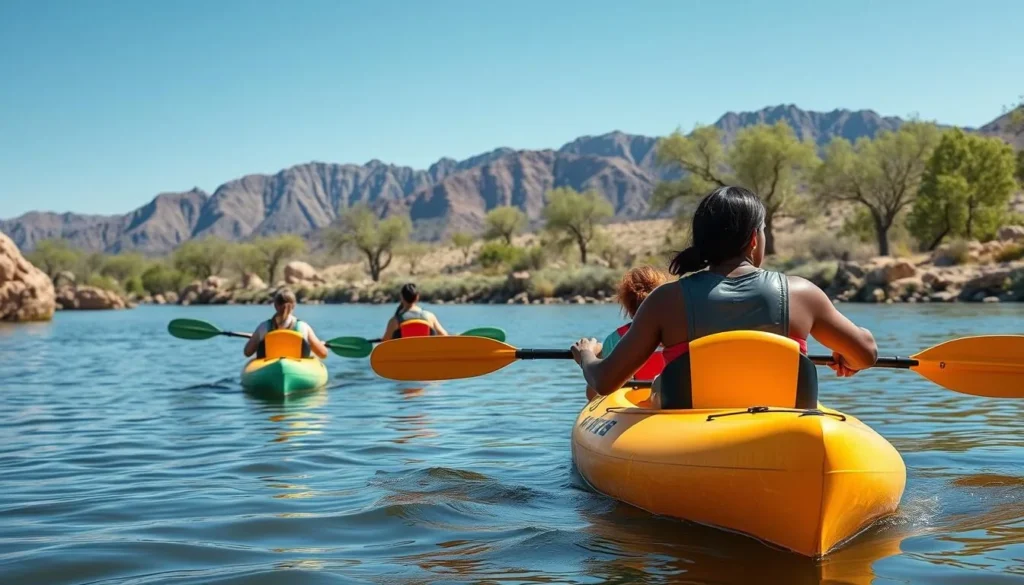
The refuge offers excellent opportunities for non-motorized boating:
- Kayaking & Canoeing: A 4 km (2.5-mile) paddle on the Bill Williams River provides dramatic scenery and wildlife viewing opportunities. Launch from the non-motorized boat ramp at the visitor center.
- Restrictions: The entire refuge is a no-wake zone, and personal watercraft (jet skis, etc.) are prohibited to protect the fragile ecosystem.
Remember that some areas may be closed to all access during certain migration and nesting periods, so check with refuge staff for current conditions and restrictions.
Museums, Cultural Spots & Festivals
While the refuge itself focuses primarily on natural history, the surrounding area offers several cultural and historical attractions that complement a visit to the Bill Williams River National Wildlife Refuge.
At the Refuge
- Visitor Center Exhibits: The refuge headquarters features educational displays about the area’s natural and cultural history, including information about Bill Williams, the mountain man for whom the river is named.
- Interpretive Panels: Along the Peninsula Trail, informative panels provide insights into the ecosystem, wildlife, and historical significance of the area.
Nearby Cultural Attractions
- Lake Havasu Museum of History: Located in Lake Havasu City, this museum showcases the area’s rich history, from Native American cultures to the relocation of the London Bridge.
- Parker Area Historical Society Museum: Offers exhibits on the Colorado River Indian Tribes and the development of agriculture in the region.
- Colorado River Indian Tribes Museum: In Parker, this museum displays artifacts and information about the native peoples who have inhabited the region for centuries.
Annual Events
Several events throughout the year celebrate the natural and cultural heritage of the region:
- Youth Waterfowl Hunt: Each January, the refuge participates in a partnership with Arizona Game and Fish, Ducks Unlimited, and local schools to provide hands-on instruction for young hunters.
- Lake Havasu City Winterfest: A February event featuring arts, crafts, and food that draws visitors from across the region.
- Parker 425 Off-Road Race: An exciting desert racing event held near Parker each February.
Check local event calendars when planning your visit to coincide with these cultural celebrations.
Sports, Nature & Outdoor Experiences
The Bill Williams River National Wildlife Refuge offers numerous opportunities for outdoor recreation beyond the standard wildlife viewing activities.
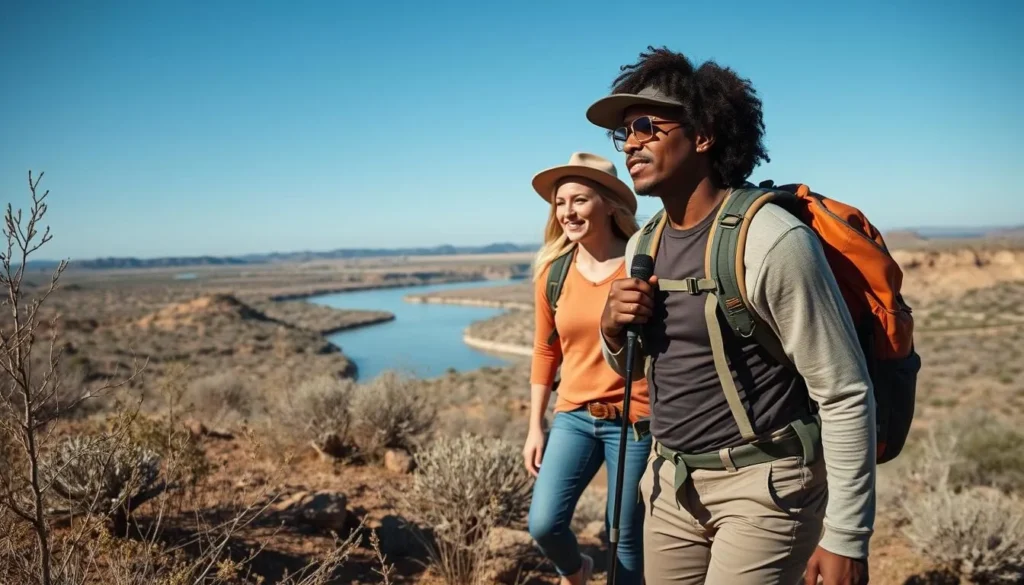
Hiking
While there are no extensive trail systems, the refuge offers several walking opportunities:
- Peninsula Trail: A partially paved trail offering river views and wildlife spotting opportunities.
- Delta Loop Trail: A natural surface trail following the shoreline with excellent birdwatching potential.
- River Canyon: More adventurous hikers can explore the full 9.7 km (6-mile) length of the refuge’s river canyon beyond the Planet Ranch Road parking area.
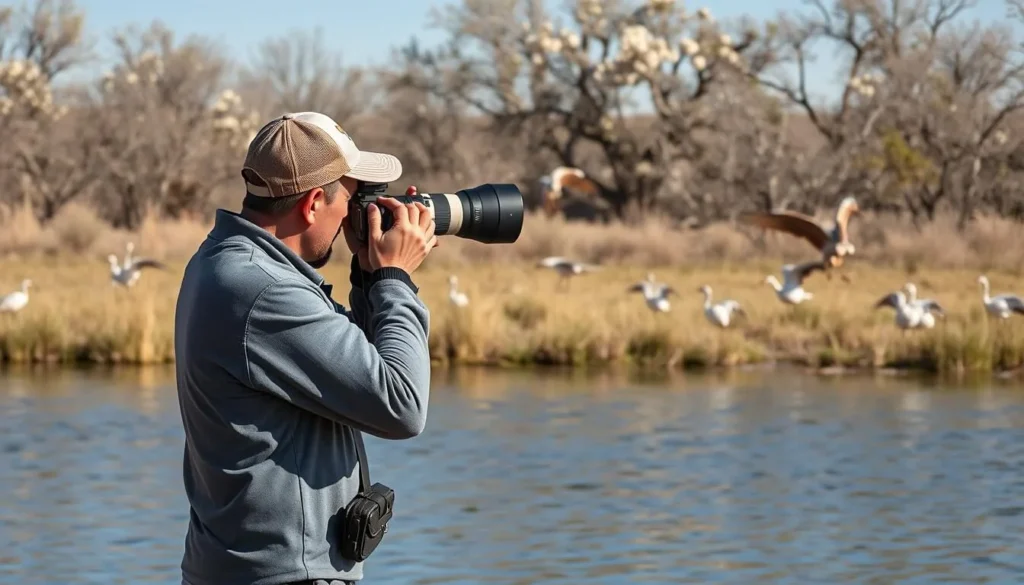
Photography
The refuge provides exceptional photography opportunities:
- Wildlife Photography: The diverse bird population makes this a paradise for bird photographers. Early morning and late afternoon offer the best light and highest animal activity.
- Landscape Photography: The contrast between desert terrain and lush riparian areas creates dramatic compositions, especially during golden hour.
- Macro Photography: Look for small details like desert wildflowers, insects, and reptiles.
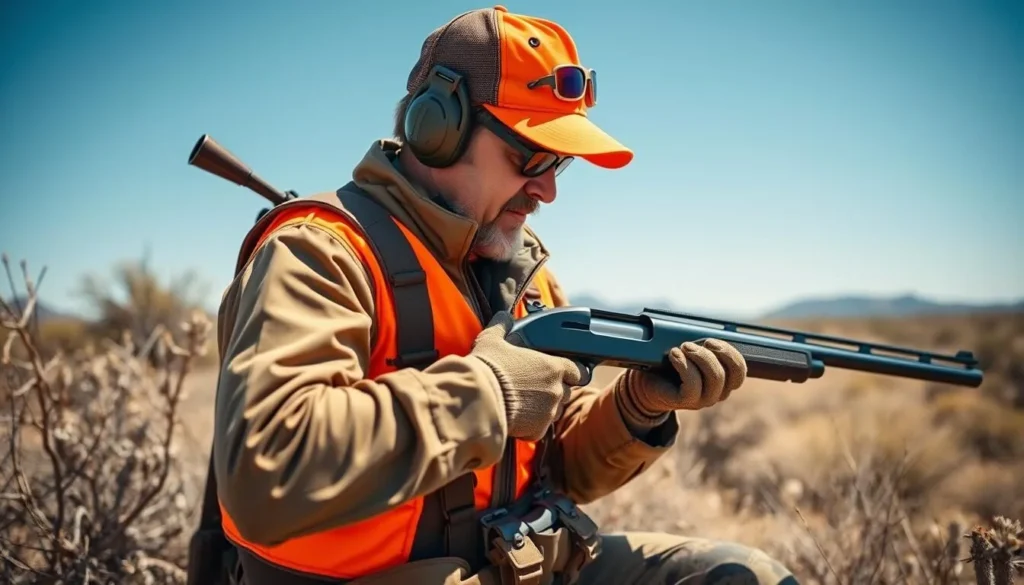
Hunting
Limited hunting is permitted in designated areas of the refuge:
- Hunting for dove (mourning, white-winged), Gambel’s quail, and cottontail rabbit is allowed south of Planet Ranch Road.
- Only shotguns with non-toxic shot are permitted.
- Hunting seasons coincide with Arizona state regulations.
Always check current regulations and obtain any necessary permits before planning a hunting trip to the refuge.
Safety, Etiquette & Local Customs
Ensuring a safe and respectful visit to the Bill Williams River National Wildlife Refuge requires awareness of several important considerations.
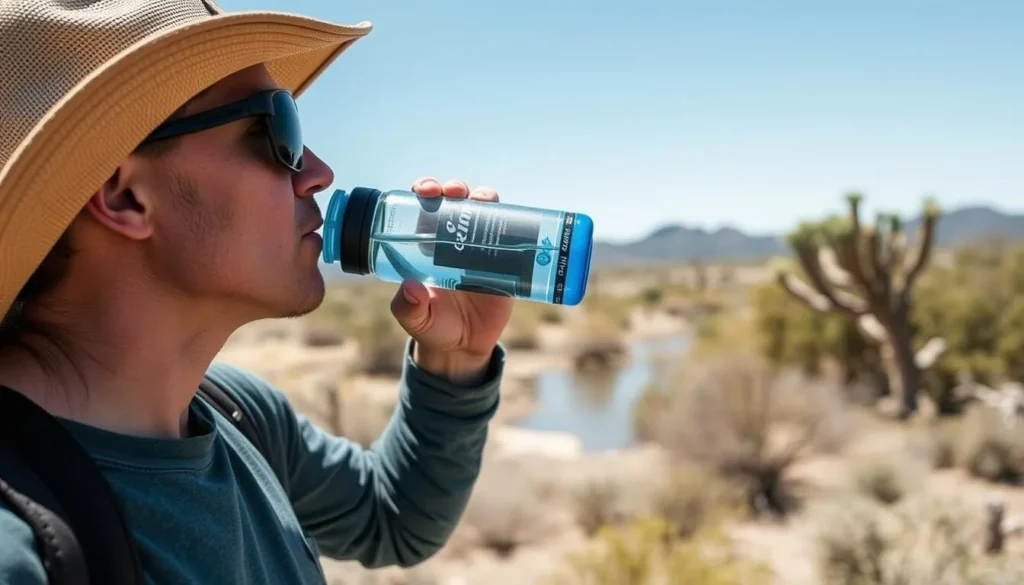
Safety Tips
- Heat Safety: Summer temperatures regularly exceed 38°C (100°F). Bring plenty of water (at least 4 liters/1 gallon per person per day), wear sun protection, and avoid strenuous activities during the hottest parts of the day.
- Wildlife Safety: Observe wildlife from a distance. Never approach, feed, or disturb animals. Be aware of potential encounters with snakes and other desert wildlife.
- Water Safety: When boating or fishing, wear appropriate life jackets and be aware of changing water conditions, especially after dam releases.
- Communication: Cell phone coverage can be spotty in the refuge. Inform someone of your plans before heading out, especially if exploring remote areas.
Etiquette & Conservation
- Leave No Trace: Pack out all trash and leave natural objects where you find them.
- Stay on Designated Paths: Protect sensitive habitat by remaining on established trails and roads.
- Pet Policy: Pets are allowed but must be leashed and under control at all times. Clean up after your pets using provided stations.
- Fire Restrictions: To protect scarce desert wood, fires are not permitted anywhere in the refuge.
- Photography Ethics: Avoid disturbing wildlife for the sake of a photograph. Use telephoto lenses to maintain distance.
Regulations
Be aware of these specific refuge regulations:
- The refuge is open during daylight hours only, except for the fishing piers which are accessible 24 hours.
- Camping is not permitted within the refuge boundaries.
- Collection of plants, animals, minerals, or historic objects is prohibited without special permits.
- Motorized boats must maintain no-wake speeds to protect the riparian habitat.
Respecting these guidelines ensures the preservation of this unique ecosystem for future generations.
Visitor Comments About Bill Williams River National Wildlife Refuge
“We spent a wonderful morning exploring the Peninsula Trail and were amazed by the diversity of birds we spotted. The contrast between the desert landscape and the lush river corridor is striking. Don’t miss the Delta Loop Trail for some fantastic photo opportunities. Bring binoculars and plenty of water!”
“As an avid kayaker, I found the Bill Williams River to be one of the most peaceful paddling experiences in the Southwest. The no-wake zone means you can truly appreciate the sounds of nature. We saw several herons, a family of deer drinking at the water’s edge, and countless smaller birds. The launch facilities are well-maintained and easy to use.”
“This hidden gem deserves more recognition! We visited in February and had perfect weather for hiking. The visitor center staff were incredibly knowledgeable and helped us identify several bird species we’d never seen before. The accessible fishing dock was great for our family, and my kids loved learning about the desert ecosystem from the interpretive signs.”
Practical Travel Tips
Make the most of your visit to the Bill Williams River National Wildlife Refuge with these helpful suggestions.
What to Bring
- Water: Bring more than you think you’ll need, especially in warmer months.
- Sun Protection: Hat, sunglasses, sunscreen, and lightweight, long-sleeved clothing.
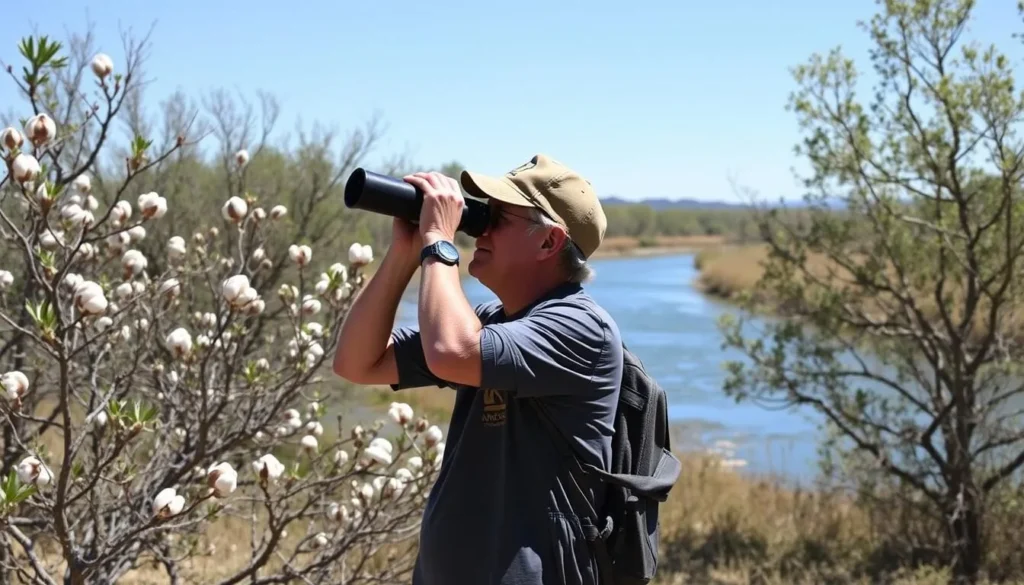
- Binoculars: Essential for wildlife viewing, particularly birdwatching.
- Camera: The diverse landscapes and wildlife offer excellent photography opportunities.
- Field Guides: Bird and plant identification guides enhance the experience.
- Comfortable Footwear: Sturdy walking shoes for trails and uneven terrain.
- Insect Repellent: Particularly important near water areas during warmer months.
Accessibility Information
The refuge offers several accessible features:
- The first quarter-mile of the Peninsula Trail is paved and wheelchair accessible.
- Accessible fishing docks with railings are available.
- Accessible restroom facilities are located near the visitor center and along the Peninsula Trail.
Time Management
To make the most of your visit:
- Half-Day Visit: Focus on the Peninsula Trail, visitor center exhibits, and perhaps a short kayak excursion.
- Full-Day Visit: Add the Delta Loop Trail, more extensive kayaking, fishing, and wildlife photography.
- Multi-Day Visit: Explore the entire refuge, including the river canyon beyond Planet Ranch Road, and incorporate visits to nearby attractions.
Consider visiting on weekdays if possible, as the refuge tends to be less crowded, offering a more serene experience with wildlife.
Nature’s Desert Symphony: Your Unforgettable Arizona Adventure Awaits
The Bill Williams River National Wildlife Refuge stands as a testament to nature’s resilience in the arid Southwest. This extraordinary meeting of desert and riparian ecosystems creates a biological diversity that surprises and delights visitors throughout the year. Whether you’re paddling the tranquil waters, photographing rare birds, or simply sitting quietly along the shore listening to the rustling cottonwoods, the refuge offers a profound connection to the natural world that stays with you long after you leave. As development continues to transform the Southwest, places like this become increasingly precious—windows into what once was and what we must strive to preserve. Plan your visit to this desert oasis and discover why the Bill Williams River National Wildlife Refuge remains one of Arizona’s most cherished natural treasures.
Related Posts

Patagonia-Sonoita Creek Preserve, Arizona: Best Things to Do – Top Picks
Yuma Territorial Prison State Historic Park, Arizona: Best Things to Do – Top Picks
Windsor Beach (Lake Havasu State Park), Arizona: Best Things to Do – Top Picks

White Pocket, Arizona: Best Things to Do – Top Picks

White Mountains, Arizona: Best Things to Do – Top Picks
Walnut Canyon National Monument, Arizona: Best Things to Do – Top Picks
Coming Soon: Clickable Maps