
Hotels by Trip.com
Flights by Trip.com
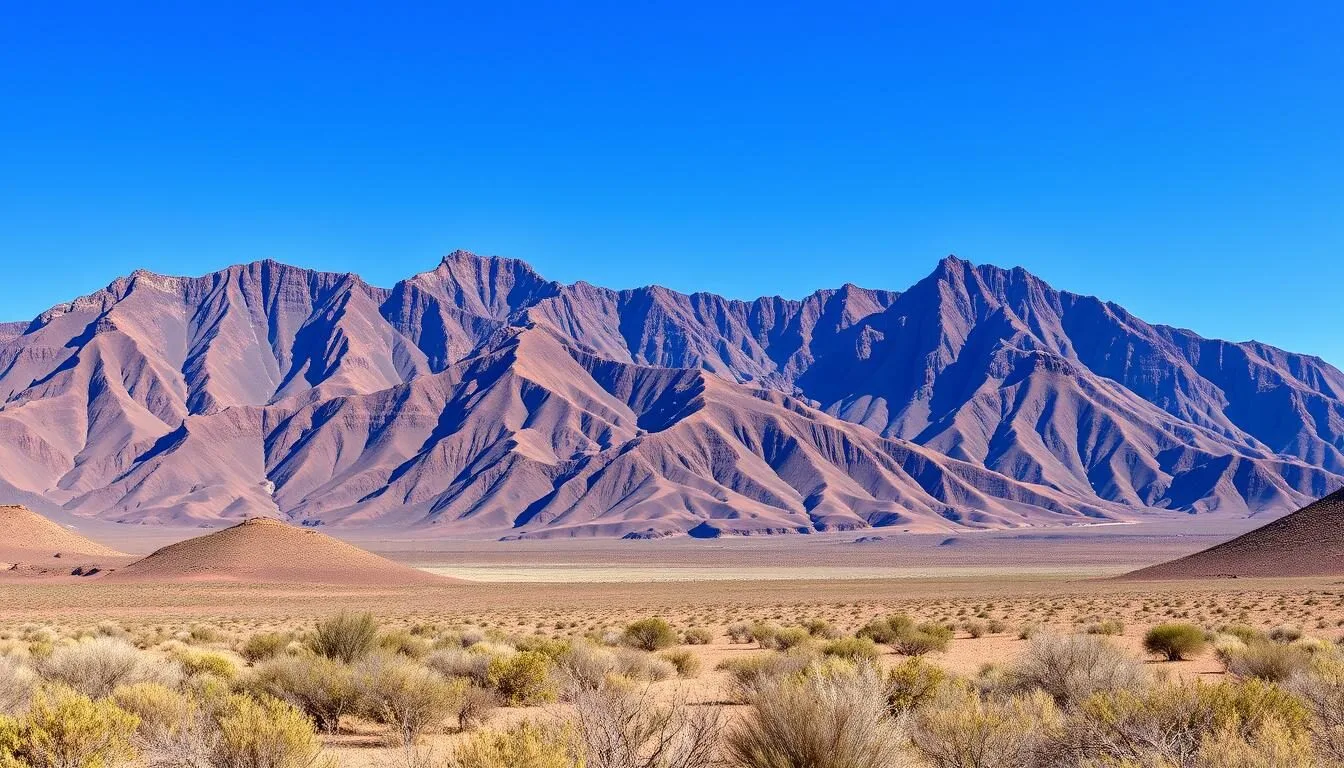
Did you know that the Black Mountains of Northwest Arizona are home to one of the largest wild burro populations in the United States? These descendants of animals brought by gold miners in the 1860s now roam freely across this rugged volcanic mountain range, offering visitors unexpected wildlife encounters amid spectacular desert landscapes. The Black Mountains stretch over 130 km (80 miles) along the Colorado River, creating a dramatic backdrop for adventures that blend natural wonders with rich mining history.
Getting There & Planning Your Journey
The Black Mountains are located in Northwest Arizona, primarily in Mohave County. The closest major airports are McCarran International Airport in Las Vegas, Nevada, approximately 113 km (70 miles) away, and Phoenix Sky Harbor International Airport, about 290 km (180 miles) from the area. From Las Vegas, take US-93 south toward Kingman, which will take you through the heart of the Black Mountains region.
For those driving from Phoenix, take I-17 north to Flagstaff, then I-40 west to Kingman, followed by US-93 north. The towns of Kingman, Bullhead City, and Oatman serve as excellent base camps for exploring the Black Mountains. Rental cars are available at both airports, which is the recommended transportation option as public transit to this remote area is limited.
Best Time to Visit & Weather Tips
The Black Mountains experience extreme temperature variations throughout the year. Summer temperatures regularly exceed 38°C (100°F), making outdoor activities potentially dangerous without proper preparation. Winter brings milder temperatures ranging from 10-21°C (50-70°F) during the day, but nights can drop below freezing.
Recommended Months to Visit:
- October to November: Pleasant temperatures, clear skies
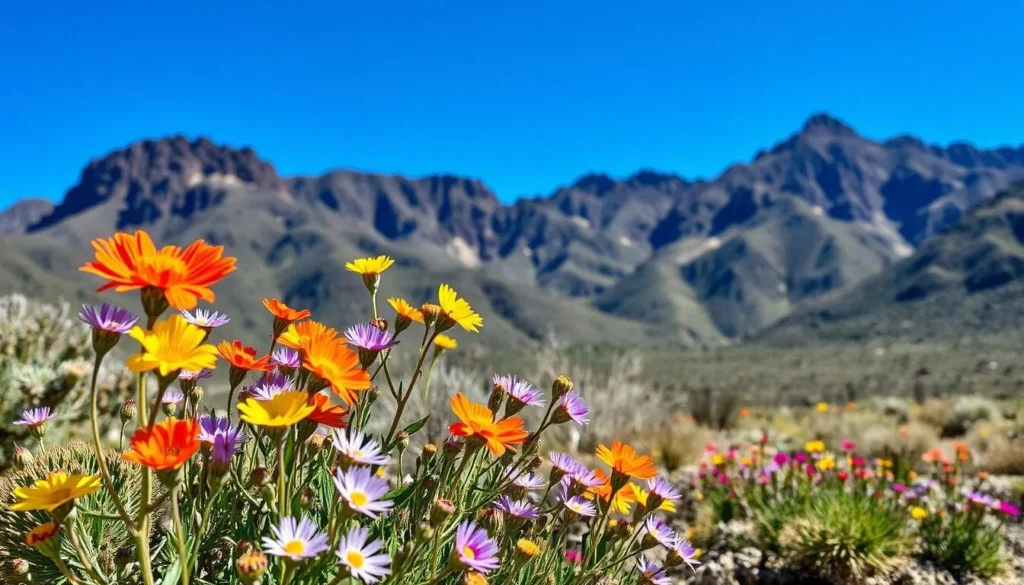
- March to May: Spring wildflowers, moderate temperatures
- December to February: Mild daytime temperatures, fewer visitors
Months to Avoid:
- June to September: Extreme heat, temperatures often above 38°C (100°F)
Spring visitors might be rewarded with desert wildflower blooms, while fall offers stable weather patterns ideal for hiking and outdoor exploration. Always check weather forecasts before your trip, as flash floods can occur during the monsoon season (July-September). Pack plenty of water, sun protection, and layers regardless of when you visit.
Getting Around Locally
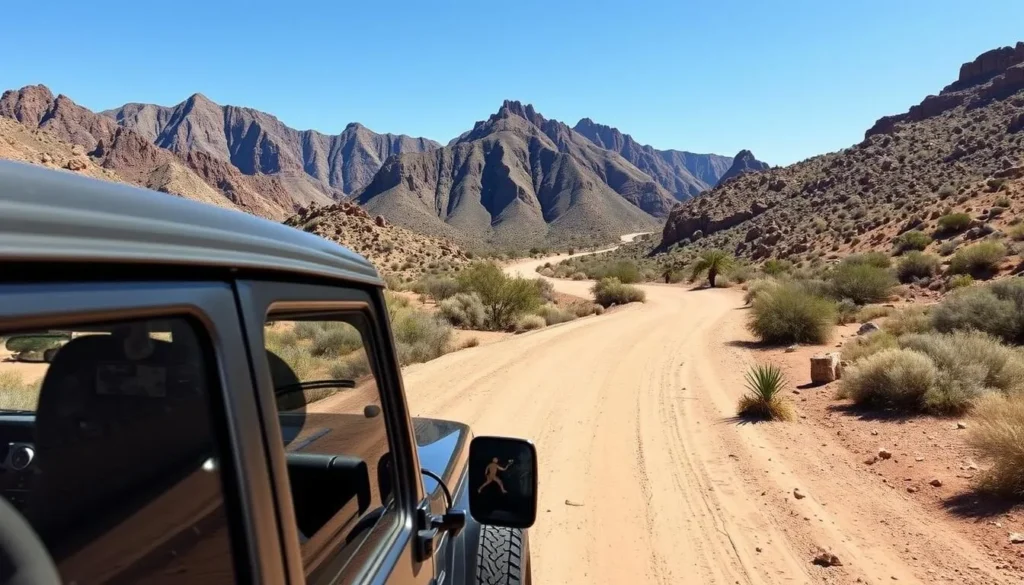
Navigating the Black Mountains area requires careful planning. A high-clearance vehicle is recommended for exploring beyond main highways, as many interesting sites are accessed via unpaved roads. Four-wheel drive becomes necessary after rain or for reaching more remote locations. The main paved route through the mountains is Historic Route 66, which passes through Oatman and provides access to many attractions.
For hikers and outdoor enthusiasts, trailheads are often located off dirt roads with limited signage. Download offline maps before your trip, as cell service is spotty throughout the region. Gas stations are few and far between, so fill up in Kingman, Bullhead City, or Laughlin before venturing into the mountains.
Where to Stay
Accommodation options near the Black Mountains range from historic hotels to modern amenities, depending on your preference for authenticity versus comfort.
Historic Oatman Hotel
Stay in the heart of Oatman’s historic district in this 1902 building where Clark Gable and Carole Lombard reportedly spent their honeymoon. The hotel offers a glimpse into the area’s mining past with dollar bills covering the walls and authentic period furnishings. Be prepared for basic amenities and the possibility of paranormal encounters – the hotel is rumored to be haunted!
Kingman Accommodations
For modern comforts, Kingman offers a range of chain hotels and motels along Route 66 and near I-40. Options include Best Western Plus, Hampton Inn, and Holiday Inn Express. These provide convenient access to the eastern side of the Black Mountains and modern amenities like swimming pools, Wi-Fi, and complimentary breakfasts.
Camping Options
Several BLM (Bureau of Land Management) areas permit dispersed camping throughout the Black Mountains. Developed campgrounds include Burro Creek Campground with basic facilities. For a unique experience, consider camping near the Colorado River at Willow Beach, which offers tent and RV sites with stunning views of the Black Mountains from the western side.

Dining & Local Cuisine
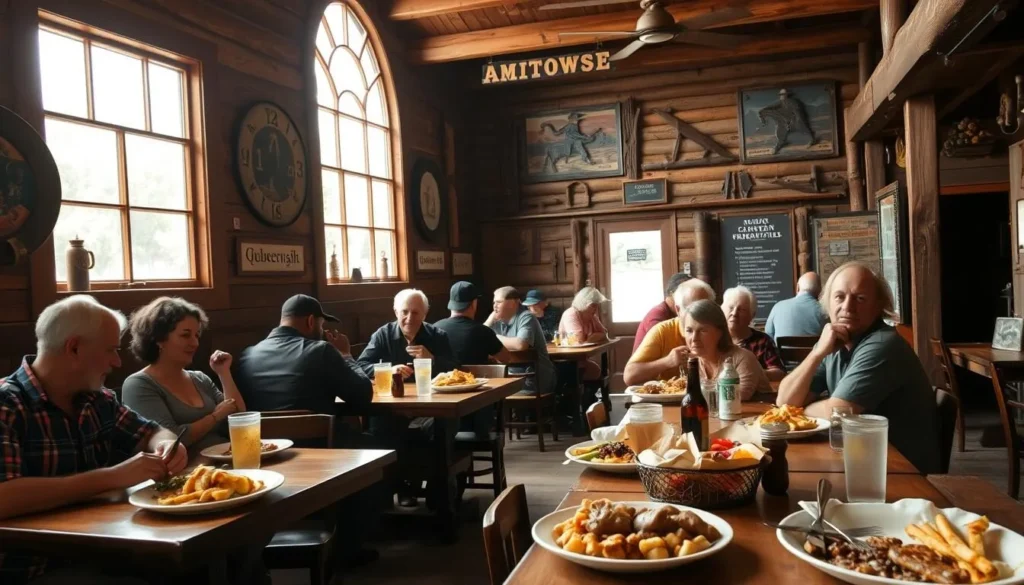
The Black Mountains region offers dining experiences that reflect its mining history and Western heritage. In Oatman, the Oatman Hotel Restaurant serves hearty American fare in a historic setting. Don’t miss their famous “Burro Ears” (fried bread) and homemade chili. The Dollar Bill Bar within the hotel features thousands of dollar bills signed by visitors and stapled to the walls – a tradition dating back to mining days.
In Kingman, sample craft beers at Black Bridge Brewery or enjoy farm-to-table cuisine at Rickety Cricket Brewing. For authentic Mexican food, El Palacio in Kingman offers regional specialties and house-made salsas. Chloride’s Yesterday’s Restaurant serves classic American diner food in a building dating back to the 1860s mining boom.
✓ Check 30,000+ Local Sightseeing Tours Worldwide
For picnics and trail snacks, stock up at grocery stores in Kingman or Bullhead City before heading into the mountains, as food options become scarce in remote areas. Always carry extra water – at least 4 liters (1 gallon) per person per day during warmer months.
Attractions, Sightseeing & Activities
The Black Mountains offer diverse attractions that showcase both natural beauty and human history. Here are the top activities to experience:
Historic Oatman Ghost Town
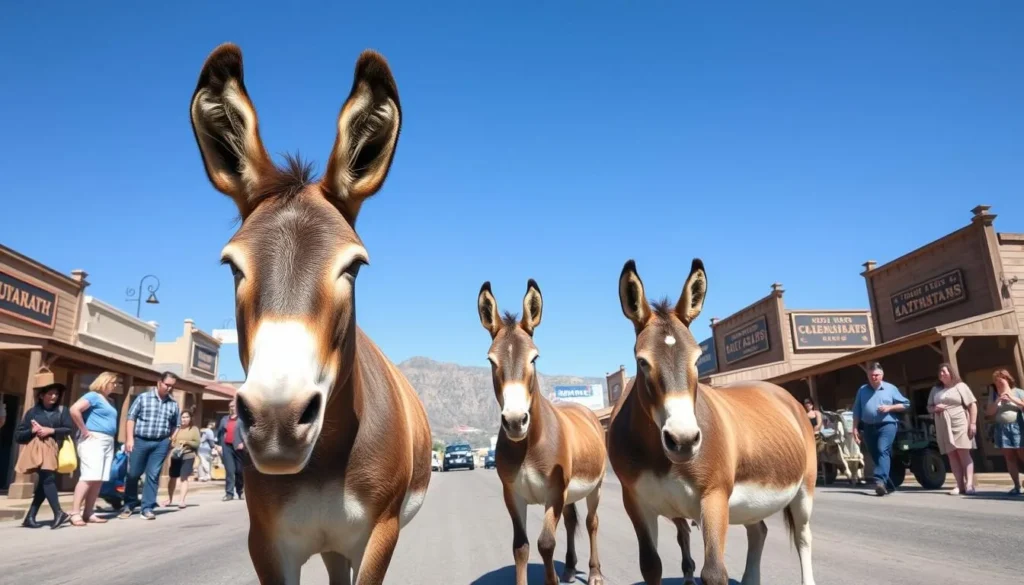
Once a booming gold mining town, Oatman now welcomes visitors with its preserved Western charm. Wild burros, descendants of miners’ pack animals, roam freely through the streets, often approaching tourists for treats (available for purchase at local shops). Explore historic buildings, watch mock gunfights performed daily, and visit the Oatman Hotel where Clark Gable and Carole Lombard reportedly spent their honeymoon night.
Sitgreaves Pass
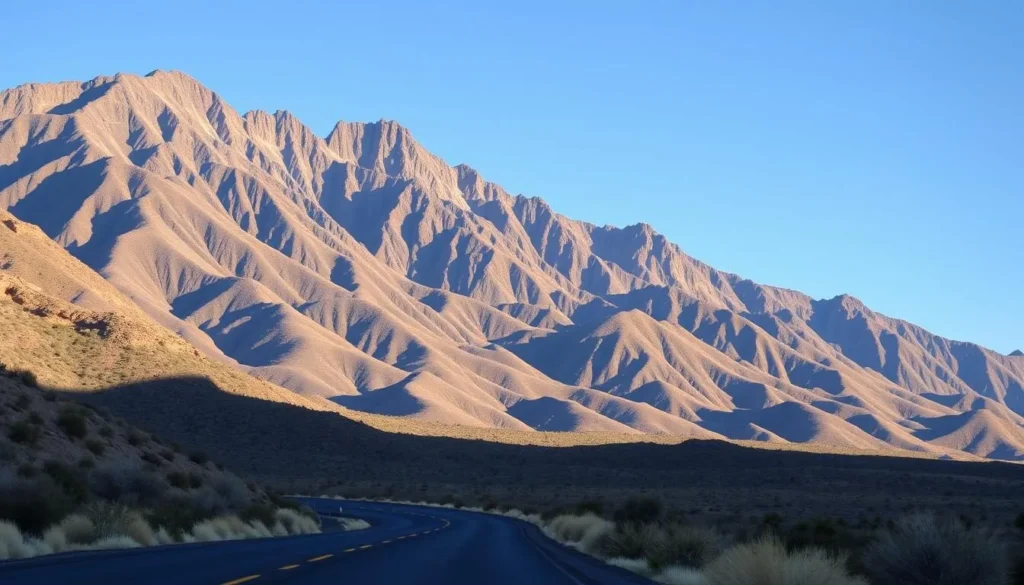
This historic mountain pass on Route 66 offers breathtaking panoramic views of the Black Mountains and surrounding desert. At 1,080 m (3,550 ft) elevation, it’s an excellent spot for photography, especially at sunrise or sunset when the mountains glow with golden light. Several pullouts allow for safe stopping and short walks to viewpoints.
Secret Pass Canyon
This hidden gem features dramatic rock formations, seasonal waterfalls, and ancient petroglyphs. The moderate 3.2 km (2-mile) hike through the canyon reveals stunning geological features and desert wildlife. Access requires a high-clearance vehicle and good navigation skills, as the trailhead is unmarked.
Mt. Wilson Trail
For experienced hikers, the challenging trek to Mt. Wilson (1,736 m/5,696 ft) rewards with 360-degree views of Lake Mead, the Colorado River, and surrounding mountain ranges. The 11.3 km (7-mile) round-trip hike involves steep, rocky terrain and requires proper preparation with ample water, navigation tools, and sun protection.
Little Black Mountain Petroglyph Site
This archaeological site features hundreds of ancient petroglyphs created by indigenous peoples between 500 and 5,000 years ago. A short 1.6 km (1-mile) interpretive trail loops around the site, with informational plaques explaining the significance of various rock art panels. The site is managed by the Bureau of Land Management and includes basic facilities like vault toilets and picnic tables.

Museums, Cultural Spots & Festivals
The Black Mountains region offers rich cultural experiences that illuminate its mining history and indigenous heritage:
Mohave Museum of History and Arts
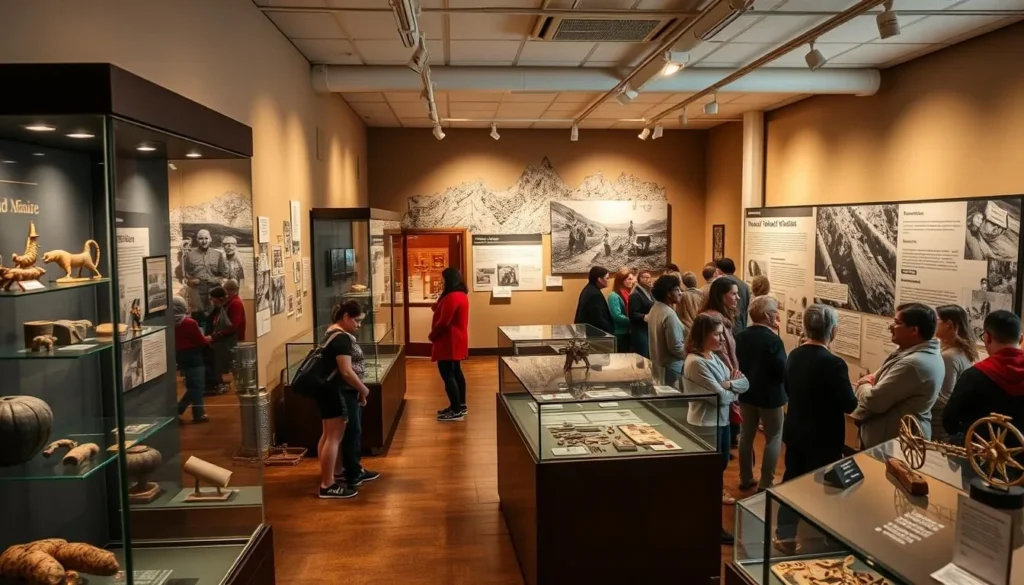
Located in Kingman, this museum houses extensive exhibits on the region’s mining history, Native American artifacts, and pioneer life. The detailed dioramas depicting Black Mountains mining operations provide insight into the area’s gold rush era. The museum also features a research library with historical documents and photographs.
Historic Route 66 Museum
Also in Kingman, this museum chronicles the impact of America’s “Mother Road” on the Black Mountains region. Exhibits include vintage vehicles, road signs, and multimedia presentations about Route 66’s heyday. The gift shop offers authentic Route 66 memorabilia and locally made crafts.
Annual Events
The Oatman Egg Fry (July 4th) challenges participants to cook eggs on the sidewalk in the summer heat. The Oatman Gold Camp Days (September) features gold panning demonstrations, live music, and historical reenactments. In Chloride, the Old Miners’ Day (June) celebrates the area’s mining heritage with parades, contests, and traditional mining demonstrations.
Sports, Nature & Outdoor Experiences
The diverse terrain of the Black Mountains creates opportunities for various outdoor activities:
Wildlife Viewing
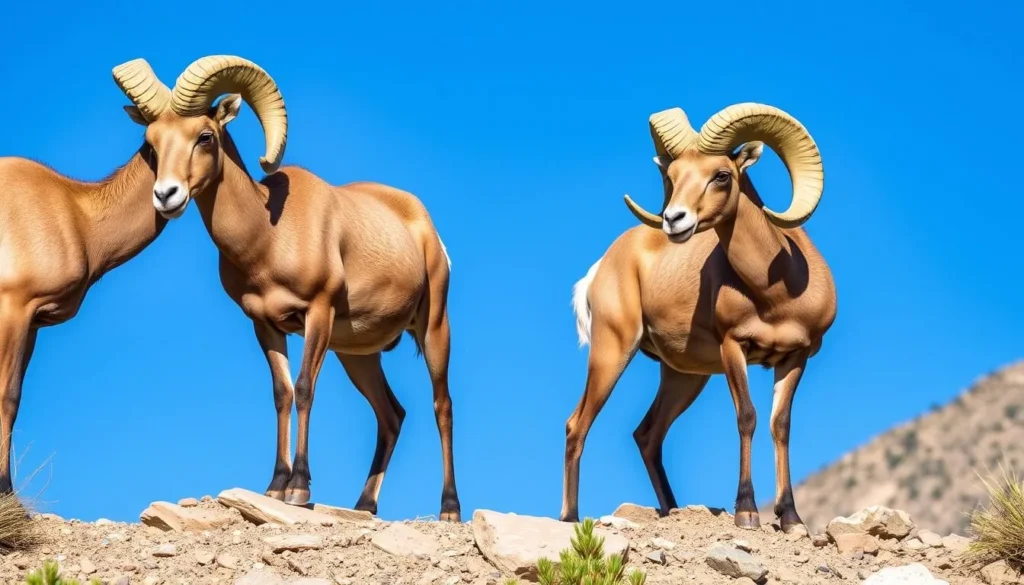
The Black Mountains host desert bighorn sheep, wild burros, golden eagles, and numerous reptile species. Dawn and dusk offer the best wildlife viewing opportunities. The Sitgreaves Pass area is excellent for spotting bighorn sheep, while wild burros are commonly seen around Oatman. Bring binoculars and a telephoto camera lens to observe animals without disturbing them.
Photography
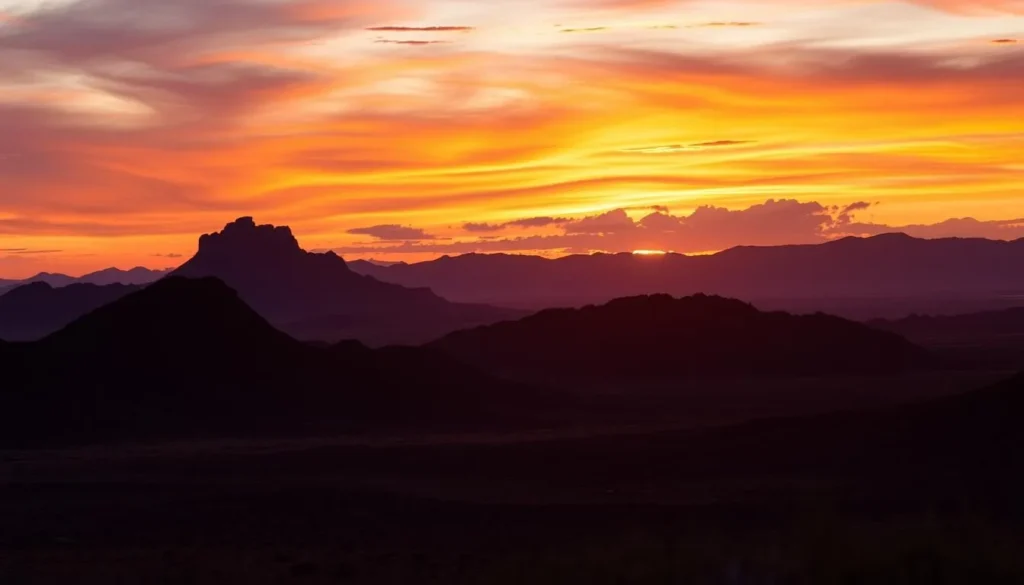
Dramatic landscapes make the Black Mountains a photographer’s paradise. The golden hour light on the volcanic peaks creates stunning photo opportunities. Popular photography spots include Sitgreaves Pass, Secret Pass Canyon, and the view from Thimble Butte. The contrast between black volcanic rock and desert vegetation offers compelling compositional elements.
Stargazing
Minimal light pollution makes the Black Mountains ideal for astronomy enthusiasts. The area around Chloride offers particularly dark skies. During summer, the Perseid meteor shower (August) provides spectacular viewing. Bring red-light flashlights to preserve night vision while navigating in the dark.
Rock Climbing
The volcanic formations offer challenging climbing routes for experienced climbers. The Black Mountains feature trad climbing opportunities on solid volcanic rock. Popular climbing areas include Elephant’s Tooth and the crags near Secret Pass. Always climb with proper equipment and preferably with a local guide familiar with the area’s unique rock composition.
Water Activities
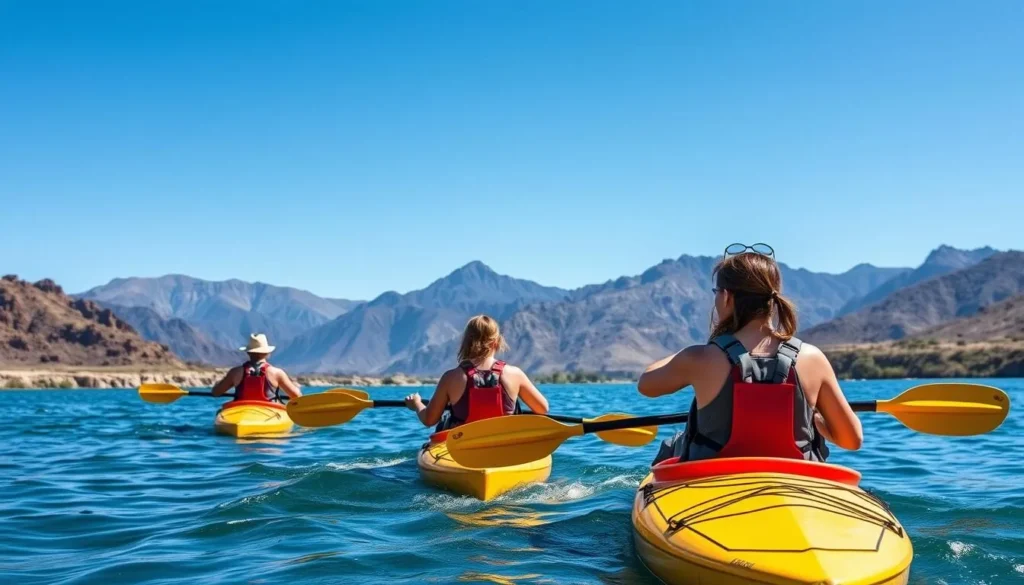
The Colorado River forms the western boundary of the Black Mountains, offering refreshing water activities. Kayaking and canoeing opportunities abound along the river’s edge, with rental equipment available in Bullhead City. The contrast between the cool river and the stark mountain backdrop creates a memorable paddling experience.
Safety, Etiquette & Local Customs
Visiting the Black Mountains requires preparation and respect for both the environment and local communities:
Essential Safety Tips:
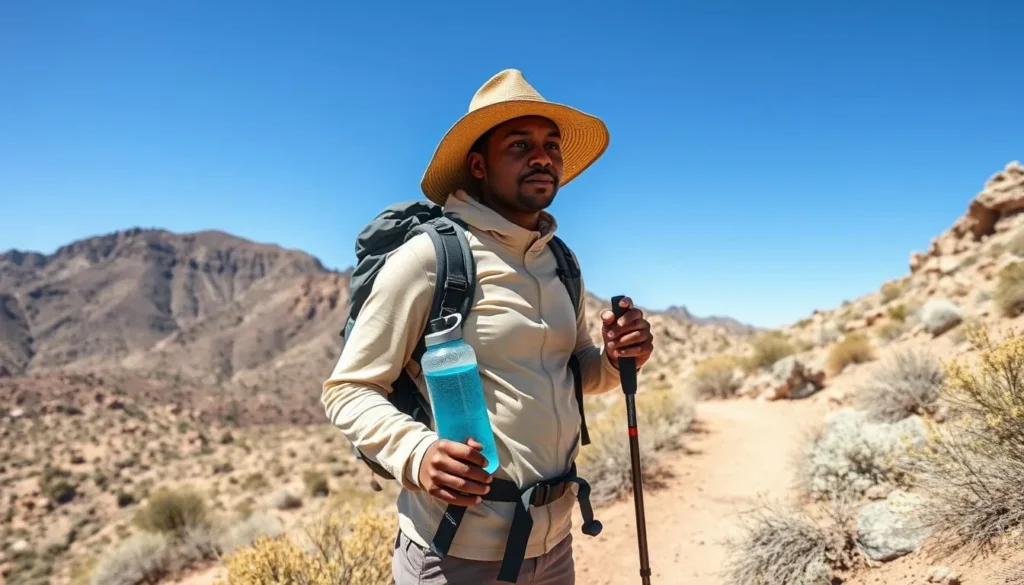
- Carry at least 4 liters (1 gallon) of water per person per day
- Inform someone of your itinerary before heading into remote areas
- Download offline maps as cell service is unreliable
- Carry a first aid kit and know basic desert survival techniques
- Check weather forecasts daily – flash floods can occur with little warning
When encountering wild burros in Oatman, maintain a respectful distance and only feed them approved food purchased from local shops. These animals are protected by federal law. When hiking, stay on designated trails to protect fragile desert ecosystems and archaeological sites. The desert environment recovers very slowly from human impact.
Many areas within the Black Mountains are on public lands managed by the Bureau of Land Management. Follow Leave No Trace principles: pack out all trash, minimize campfire impacts, and respect wildlife. Some remote areas may cross private property or mining claims – always respect posted signs and property boundaries.
Practical Travel Tips
What should I pack for a Black Mountains trip?
Essential items include: wide-brimmed hat, sunscreen (SPF 50+), sunglasses, lightweight long-sleeved shirts and pants, sturdy hiking boots, first aid kit, headlamp or flashlight, portable phone charger, and insulated water bottles. A high-clearance vehicle is recommended for exploring beyond main roads.
Is there cell phone coverage in the Black Mountains?
Cell coverage is spotty throughout the region. Major towns like Kingman and Bullhead City have reliable service, but expect limited to no coverage in remote areas and hiking trails. Download offline maps before your trip and consider bringing a satellite communication device for emergencies.
How much time should I allocate for visiting the Black Mountains?
A minimum of two full days allows for exploring Oatman, driving the historic Route 66 section, and visiting one or two hiking trails. For a more comprehensive experience including multiple hikes and cultural sites, plan for 4-5 days. The area rewards slow travel and exploration off the beaten path.
The Desert’s Hidden Treasure Awaits
The Black Mountains of Northwest Arizona offer a perfect blend of natural wonder and human history that rewards the curious traveler. From ancient petroglyphs to wild burro encounters, challenging hikes to historic mining towns, this rugged landscape contains multitudes of experiences waiting to be discovered. Whether you’re capturing the perfect sunset photograph, tracing the footsteps of gold miners, or simply enjoying the vast desert silence, the Black Mountains provide an authentic Southwest experience far from the crowds of more famous destinations. Pack plenty of water, bring your sense of adventure, and prepare to be surprised by the rich experiences this seemingly harsh landscape has to offer.
Related Posts

Patagonia-Sonoita Creek Preserve, Arizona: Best Things to Do – Top Picks
Yuma Territorial Prison State Historic Park, Arizona: Best Things to Do – Top Picks
Windsor Beach (Lake Havasu State Park), Arizona: Best Things to Do – Top Picks

White Pocket, Arizona: Best Things to Do – Top Picks

White Mountains, Arizona: Best Things to Do – Top Picks
Walnut Canyon National Monument, Arizona: Best Things to Do – Top Picks
Coming Soon: Clickable Maps
Visitor Comments About Black Mountains
“The drive through Sitgreaves Pass took my breath away! We stopped at several viewpoints and could see for miles across the desert. The wild burros in Oatman were the highlight for our kids – they came right up to our car. Just remember to bring plenty of water and sun protection; it gets incredibly hot even in spring.”
G.V., Townsville
“As a photographer, the Black Mountains offered incredible landscapes unlike anywhere else I’ve visited. The contrast between the dark volcanic rock and the blue sky created stunning images. The Little Black Mountain Petroglyph Site was fascinating – I spent hours examining the ancient rock art. I recommend visiting in November when temperatures are pleasant.”
N.H., Nanjing
“We hiked to the summit of Mt. Wilson and the views were worth every drop of sweat! You can see Lake Mead, the Colorado River, and endless mountain ranges. The trail is challenging and poorly marked in places, so bring a GPS device. The historic mining towns were fascinating glimpses into America’s past. Will definitely return to explore more.”
T.E., Pune