

Did you know that Canyon de Chelly in the Chinle Valley contains ruins that have been continuously inhabited for nearly 5,000 years? This makes it one of the longest continuously inhabited landscapes in North America. Nestled in northeastern Arizona within the Navajo Nation, the Chinle Valley offers some of the most spectacular scenery and richest cultural experiences in the American Southwest. From towering sandstone spires to ancient cliff dwellings, this region combines natural wonder with profound cultural heritage in ways few other destinations can match.
Getting There & Planning Your Journey
The Chinle Valley is remote but accessible by car from several major airports in the Southwest. The closest commercial airports are:
- Flagstaff Pulliam Airport (FLG) – approximately 220 km (137 miles) southwest
- Gallup Municipal Airport (GUP) – approximately 140 km (87 miles) east
- Albuquerque International Sunport (ABQ) – approximately 320 km (200 miles) east
- Phoenix Sky Harbor International Airport (PHX) – approximately 470 km (292 miles) southwest
Most visitors rent a car at one of these airports and drive to the Chinle Valley. The journey itself is part of the experience, with breathtaking desert landscapes unfolding along highways that cut through the heart of Navajo Nation. If you’re coming from Flagstaff, take US-89 north to US-160 east. From Albuquerque, follow I-40 west to NM-371 north, then US-491 north to US-264 west.

When planning your trip, consider that the Chinle Valley is situated within the Navajo Nation, which operates on Mountain Standard Time year-round (Arizona does not observe Daylight Saving Time). Cell service can be spotty in remote areas, so downloading offline maps before your journey is highly recommended.
Best Time to Visit & Weather Tips
The Chinle Valley experiences a high desert climate with significant temperature variations between seasons and even within a single day. Understanding the weather patterns will help you plan the most comfortable and rewarding visit.
Recommended Seasons
- Spring (April-May): Mild temperatures ranging from 10-24°C (50-75°F) with wildflowers blooming across the valley. Occasional spring winds can create dusty conditions.
- Fall (September-October): Perhaps the ideal time to visit with warm days around 21-27°C (70-80°F), cool evenings, and spectacular golden light for photography.
Seasons to Avoid
- Summer (June-August): Daytime temperatures frequently exceed 32°C (90°F), sometimes reaching 38°C (100°F). Afternoon thunderstorms are common in July and August.
- Winter (November-March): Cold temperatures, especially at night when they can drop below freezing. Occasional snowfall may temporarily close roads and trails.
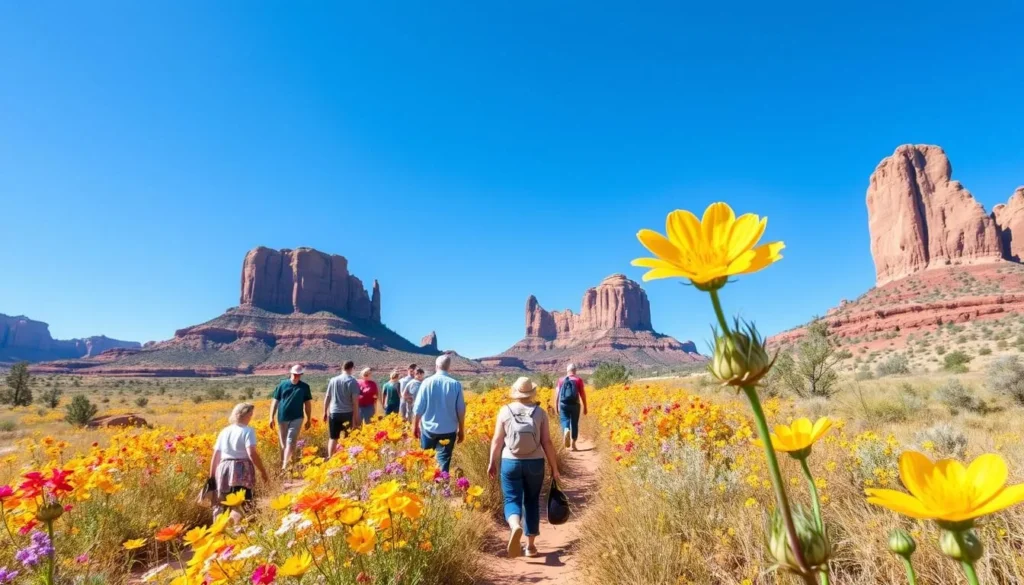
Pack layers regardless of when you visit, as temperature swings of 15-20°C (27-36°F) between day and night are common. A wide-brimmed hat, sunscreen, and plenty of water are essential year-round due to the high elevation (around 1,700 meters or 5,500 feet) and intense sun. During monsoon season (July-September), be aware of flash flood risks in canyons and washes.
Getting Around Locally
The Chinle Valley and surrounding attractions are spread across a vast area, making a personal vehicle essential for exploration. Here’s what you need to know about local transportation:
- Personal Vehicle: A standard car is sufficient for most paved roads leading to major attractions. However, a high-clearance vehicle or 4WD is recommended if you plan to explore unpaved roads or more remote areas.
- Guided Tours: For areas like Monument Valley and parts of Canyon de Chelly, guided tours with Navajo operators provide access to restricted areas that are off-limits to self-guided visitors.
- Hiking: Many attractions offer hiking trails, though in places like Canyon de Chelly, hiking without a guide is limited to the White House Trail.

Gas stations are limited within the Navajo Nation, so it’s wise to fill up whenever you have the opportunity. The towns of Chinle, Kayenta, and Tuba City have reliable fuel options. Keep a paper map as backup since GPS and mobile service can be unreliable in remote areas.
Where to Stay
Accommodation options in the Chinle Valley range from basic to comfortable, with a few standout properties that offer unique experiences. Here are your best options:
Chinle
- Thunderbird Lodge: Located at the mouth of Canyon de Chelly, this historic lodge offers comfortable rooms and is the most convenient base for exploring the canyon.
- Holiday Inn Canyon de Chelly: Modern amenities with Navajo-inspired decor and an on-site restaurant serving Southwestern cuisine.
- Best Western Canyon de Chelly Inn: Reliable chain hotel with clean, comfortable rooms and an outdoor pool for summer visits.
Monument Valley Area
- The View Hotel: Each room offers a balcony with stunning views of the iconic Monument Valley buttes.
- Goulding’s Lodge: Historic property with a trading post museum and views featured in many classic Western films.
- Monument Valley Tipi Village: Experience traditional-style accommodations under the stars (seasonal).
Unique Stays
- Navajo Hogan Experience: Some local families offer authentic stays in traditional Navajo dwellings.
- Camping: Designated campgrounds at Monument Valley and near Canyon de Chelly provide budget options with incredible night skies.
- Grand Canyon Caverns Inn: About 2 hours west, this quirky inn offers the chance to sleep in an underground suite inside a cavern.
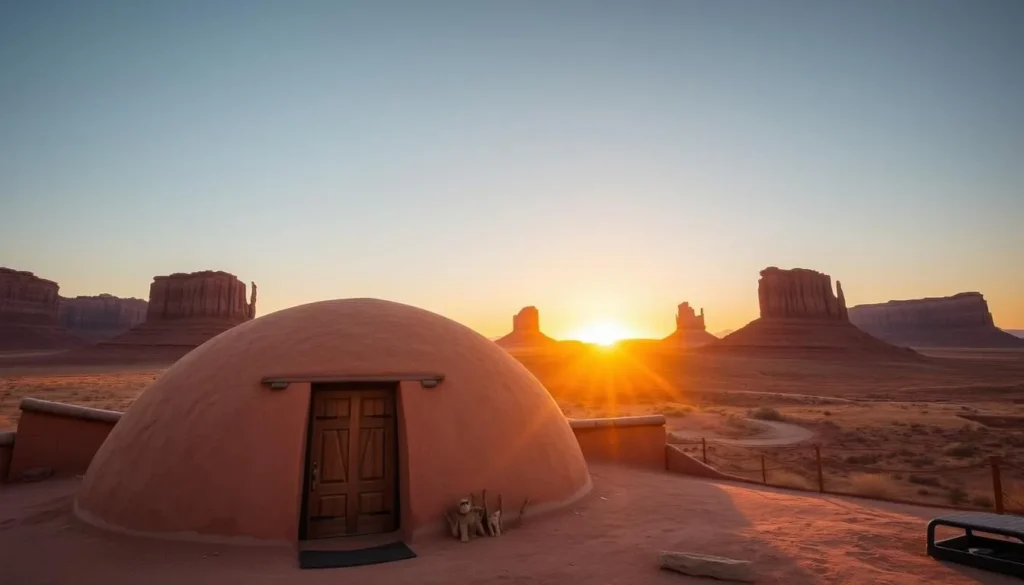
Accommodations in this region tend to book up quickly during peak seasons (spring and fall), so reservations at least 3-6 months in advance are highly recommended. Many properties within the Navajo Nation are alcohol-free in respect of tribal laws.
Dining & Local Cuisine
The Chinle Valley offers a unique opportunity to experience authentic Navajo cuisine alongside standard American fare. Here are some culinary experiences not to miss:
Traditional Navajo Dishes
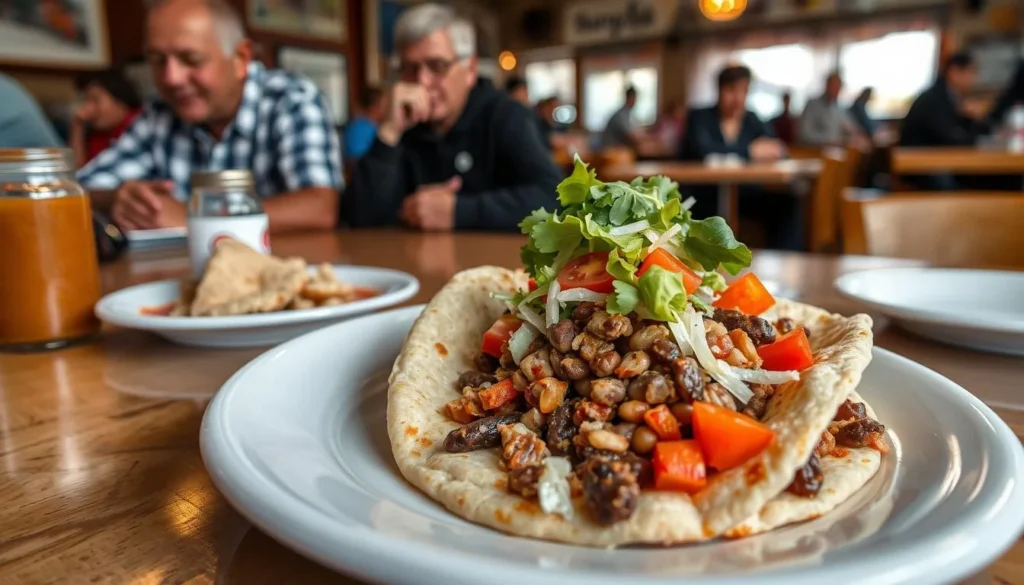
- Navajo Tacos: The must-try local specialty featuring fry bread topped with beans, meat, cheese, lettuce, and tomatoes.
- Fry Bread: A versatile staple that can be served sweet with honey or savory as the base for tacos.
- Blue Corn Mush: A traditional breakfast dish made from ground blue corn.
- Mutton Stew: A hearty dish often featuring sheep meat with vegetables and traditional seasonings.
Where to Eat
- The Junction Restaurant (Thunderbird Lodge): Serves both Navajo specialties and American classics with canyon views.
- Goulding’s Stagecoach Dining Room: Historic restaurant with Navajo-inspired dishes and panoramic views of Monument Valley.
- Tsegi Café (Kayenta): Local favorite for authentic Navajo cuisine.
- Garcia’s Restaurant (Chinle): Family-owned spot serving Mexican and Navajo fusion dishes.
- Navajo Cultural Demonstrations: Seasonal cooking demonstrations at the Canyon de Chelly Visitor Center offer insights into traditional food preparation.
Dining options are limited in this remote region, so it’s wise to plan meals around your daily activities. Many restaurants close early (around 8-9 PM), and some are seasonal. Consider packing snacks and water for day trips, especially when exploring more remote areas.
Attractions, Sightseeing & Activities
The Chinle Valley region offers some of the most spectacular natural and cultural attractions in the American Southwest. Here are the must-see highlights:
Canyon de Chelly National Monument
The crown jewel of the Chinle Valley, this stunning canyon system features sheer red rock walls rising up to 300 meters (1,000 feet) and preserves nearly 5,000 years of human history. Unlike most national parks, Canyon de Chelly sits entirely on Navajo tribal land and is still home to Navajo families who farm and raise livestock in the canyon.
- South Rim Drive: A 26 km (16 mile) scenic drive with seven overlooks including the famous Spider Rock, a 240-meter (800-foot) sandstone spire.
- North Rim Drive: Less visited but equally spectacular, this 25 km (15.5 mile) drive offers three overlooks with views of Mummy Cave and other ancient dwellings.
- White House Trail: The only self-guided hiking trail into the canyon, this 4 km (2.5 mile) round-trip descends 180 meters (600 feet) to ancient cliff dwellings.
- Guided Tours: Navajo-led jeep, horseback, or hiking tours provide access to areas otherwise off-limits, including ancient petroglyphs and pictographs.
Monument Valley Tribal Park
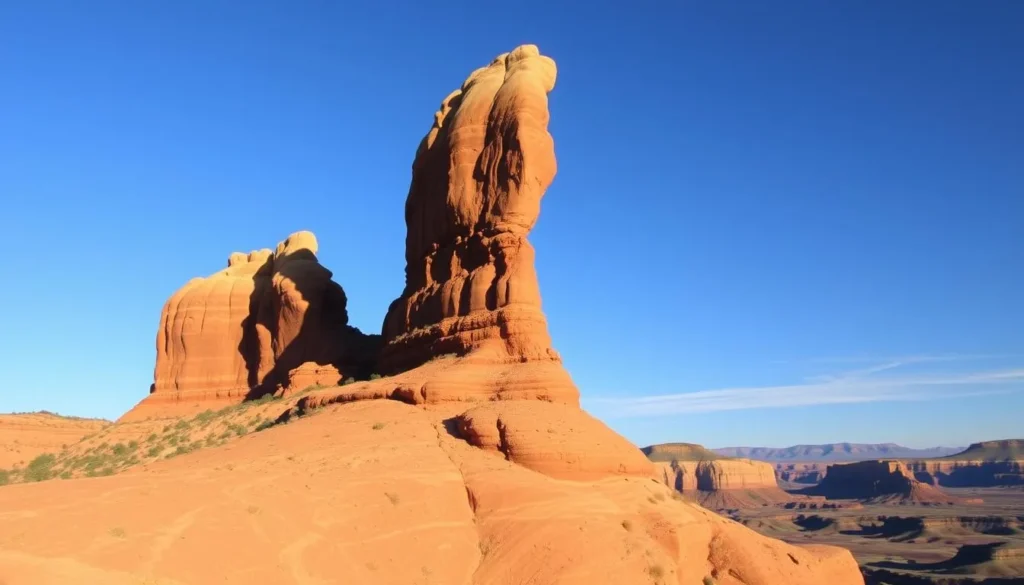
Located about 90 minutes north of Chinle, this iconic landscape of towering buttes and mesas has been featured in countless Western films and represents the quintessential American Southwest image.
- 17-Mile Valley Drive: A self-guided driving tour (high-clearance vehicle recommended) past the most famous formations.
- John Ford Point: Named after the famous director, this overlook offers the classic Monument Valley vista.
- Guided Backcountry Tours: Access restricted areas like Mystery Valley and Hunt’s Mesa with Navajo guides.
- The View Hotel: Even if not staying here, the viewing platform is worth a visit for spectacular panoramas.

Navajo National Monument
Located between Kayenta and Tuba City, this lesser-known gem preserves three intact cliff dwellings built by ancestral Puebloan people around 1250 CE.
- Betatakin: A 135-room cliff dwelling visible from an overlook trail.
- Keet Seel: One of the best-preserved cliff dwellings in the Southwest, accessible via guided hike (advance reservations required).
- Inscription House: Currently closed to the public but visible in educational materials at the visitor center.
The monument offers free camping, excellent stargazing opportunities, and ranger-led programs that provide cultural and historical context.
Museums, Cultural Spots & Festivals
The Chinle Valley region offers rich opportunities to engage with Navajo culture and history through museums, cultural centers, and seasonal events.
Museums & Cultural Centers
- Navajo Nation Museum (Window Rock): The definitive collection of Navajo art, artifacts, and historical materials, located in the Navajo Nation capital about 90 minutes from Chinle.
- Hubbell Trading Post National Historic Site (Ganado): The oldest continuously operating trading post on the Navajo Nation, offering insights into the economic and cultural exchanges that shaped the region.
- Canyon de Chelly Visitor Center: Features exhibits on the canyon’s geology, archaeology, and cultural significance, with Navajo interpretive staff available to answer questions.
- Navajo Code Talkers Exhibit (Kayenta): Located inside the Kayenta Burger King (surprisingly), this small but powerful museum honors the Navajo Marines who developed an unbreakable code during World War II.
Cultural Experiences
- Navajo Artisan Markets: Local craftspeople often set up at overlooks and visitor centers, selling authentic jewelry, pottery, and textiles.
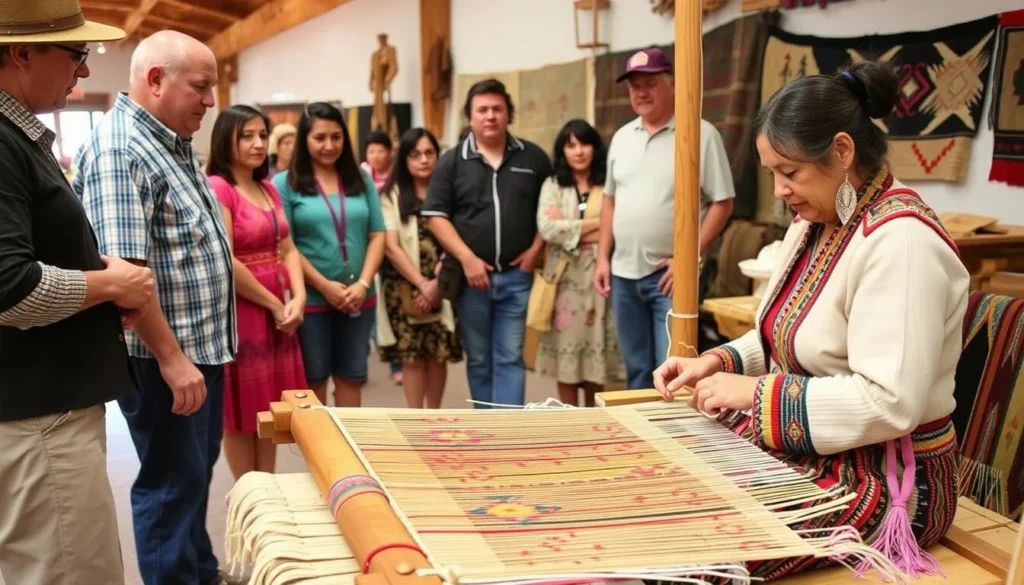
- Traditional Demonstrations: Seasonal programs at Canyon de Chelly and Monument Valley feature weaving, silversmithing, and other traditional crafts.
- Trading Posts: Historic establishments like Goulding’s Trading Post offer both authentic Native American art and cultural insights.
Festivals & Events
- Navajo Nation Fair (September, Window Rock): The largest cultural gathering on the Navajo Nation featuring rodeo events, traditional foods, and the renowned Inter-Tribal Ceremonial.
- Western Navajo Fair (October, Tuba City): Celebrates Navajo culture with traditional songs, dances, and a rodeo.
- Monument Valley Balloon Festival (November): Hot air balloons floating among the iconic buttes create unforgettable photo opportunities.
When attending cultural events or visiting sacred sites, remember that photography may be restricted in some areas out of respect for Navajo spiritual beliefs. Always ask permission before photographing people or ceremonial activities.
Sports, Nature & Outdoor Experiences
The dramatic landscapes of the Chinle Valley region provide a stunning backdrop for outdoor adventures ranging from gentle nature walks to challenging backcountry experiences.
Hiking & Walking
- White House Trail (Canyon de Chelly): The only self-guided trail into the canyon, offering close-up views of ancient dwellings.
- Wildcat Trail (Monument Valley): A 5 km (3.2 mile) loop around the West Mitten Butte that allows you to experience the scale of these massive formations.
- Aspen Forest Trail (Navajo National Monument): A short nature trail through a relict forest of aspen and Douglas fir trees that have survived from a cooler, wetter climate period.

Photography
The Chinle Valley region is a photographer’s paradise, with dramatic landscapes, extraordinary light, and unique geological features.
- Spider Rock (Canyon de Chelly): Most dramatic at sunset when the sandstone glows red.
- Monument Valley: Iconic at sunrise and sunset; the Forrest Gump point on Highway 163 offers the classic view.
- Goosenecks State Park: About 30 minutes from Monument Valley, featuring dramatic views of the San Juan River’s meandering path.
- Night Photography: The minimal light pollution makes this region excellent for astrophotography.
Water Activities
While the Chinle Valley itself is arid, there are seasonal water activities available in the broader region:
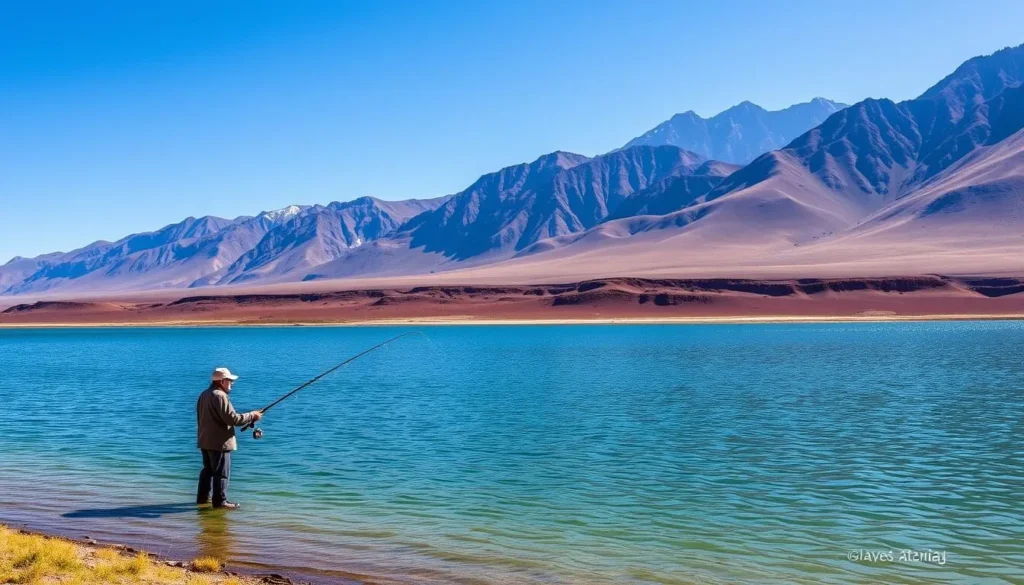
- Tsaile Lake: A small lake near Navajo National Monument offering fishing (tribal permit required).
- Lake Powell: About 2 hours west, offering swimming, fishing, and boat rentals.
- San Juan River: Guided rafting trips available from Mexican Hat, Utah (seasonal).
Stargazing
The Chinle Valley region offers some of the darkest skies in America, perfect for stargazing:
- Navajo National Monument: Offers ranger-led night sky programs in summer.
- Monument Valley: The silhouettes of the buttes against the star-filled sky create unforgettable views.
- Canyon de Chelly Rim: Overlooks provide excellent stargazing platforms away from light pollution.
Remember that the high desert environment demands respect. Always carry plenty of water, wear sun protection, and be prepared for rapid weather changes, especially in summer when afternoon thunderstorms can develop quickly.
Safety, Etiquette & Local Customs
Visiting the Chinle Valley means entering the sovereign Navajo Nation, where respecting local customs and traditions is essential for a meaningful experience.
Cultural Respect
- Photography: Always ask permission before photographing Navajo people, homes, or ceremonies. Some sacred sites prohibit photography entirely.
- Sacred Sites: Treat all archaeological sites with respect. Never remove artifacts or disturb ruins.
- Ceremonies: If invited to attend a ceremony, follow the guidance of your hosts regarding appropriate behavior.
- Elders: Show particular respect to elders, who hold important positions in Navajo society.

Safety Considerations
- Desert Environment: The high desert climate can be extreme. Carry plenty of water (at least 2 liters per person for half-day activities), wear sun protection, and dress in layers.
- Flash Floods: Canyons and washes can flood rapidly during rainstorms, even if no rain is visible in your immediate area.
- Remote Areas: Cell service is limited. Inform someone of your plans when exploring remote areas, and carry a paper map.
- Wildlife: Respect wildlife from a distance. Be aware of potential encounters with snakes and scorpions, especially in warmer months.
Navajo Nation Laws
- Alcohol: The Navajo Nation is dry; possession and consumption of alcohol are prohibited.
- Restricted Areas: Some areas are closed to visitors without a guide. Respect all posted restrictions.
- Permits: Hiking, fishing, and backcountry camping may require special permits from the Navajo Nation.
- Time Zone: The Navajo Nation observes Daylight Saving Time, while the rest of Arizona does not, which can cause confusion in spring and fall.
By approaching your visit with respect and cultural sensitivity, you’ll not only have a safer experience but also a more enriching one that honors the living traditions of the Navajo people who have called this remarkable landscape home for centuries.
Visitor Comments About Chinle Valley
“Canyon de Chelly was the unexpected highlight of our Southwest road trip. Unlike the Grand Canyon, here you can see the direct connection between the landscape and the people who have lived in it for thousands of years. The Navajo guides shared stories that brought the canyon walls to life in ways no guidebook could. Don’t miss the chance to go down into the canyon with a local guide – it transforms your understanding of this special place.”
“We visited Monument Valley and Canyon de Chelly in the same trip, and I’m so glad we didn’t rush either one. The light changes throughout the day, creating completely different experiences morning and evening. My tip: stay at least two nights in Chinle to fully experience Canyon de Chelly. The North and South Rim drives offer completely different perspectives, and if you can arrange a guided tour into the canyon itself, it’s absolutely worth it to see the ancient dwellings up close.”
“As a photographer, I found the Chinle Valley region to be paradise. The combination of dramatic landscapes, rich cultural elements, and extraordinary quality of light is unmatched. Spider Rock at sunset is magical, but don’t overlook the smaller details – the petroglyphs, the traditional hogans, the way light plays on the canyon walls. Engaging with Navajo guides enhanced my experience immeasurably, as they pointed out details and shared stories I would have missed on my own.”
Practical Travel Tips
Planning Essentials
- Reservations: Book accommodations 3-6 months in advance for peak seasons (April-May and September-October).
- Tour Bookings: Reserve guided canyon tours at least a week ahead, more during busy periods.
- Driving Times: Distances between attractions can be substantial. Allow more time than GPS estimates suggest.
- Offline Maps: Download offline maps before arrival, as cell service is limited.
What to Pack
- Layered Clothing: Temperature variations between day and night can exceed 20°C (36°F).
- Sun Protection: Hat, sunglasses, and high-SPF sunscreen are essential year-round.
- Footwear: Sturdy hiking shoes with good traction for trails and uneven terrain.
- Water Containers: Reusable bottles or hydration systems to carry adequate water.
- Cash: Many smaller vendors and some tour operators don’t accept credit cards.
Local Etiquette
- Purchases: Buying directly from Navajo artisans supports the local economy.
- Bargaining: Not typically practiced with individual artists; prices are generally fair.
- Photography: Always ask before photographing people or homes.
- Sacred Sites: Follow all posted guidelines and ranger instructions.
- Listening: When guides share stories, listening respectfully is appreciated.

The Chinle Valley region operates at a different pace than urban areas. Embracing this slower rhythm will enhance your experience. Take time to observe details, listen to stories, and connect with the landscape and its people. This approach will transform your visit from a simple sightseeing trip to a meaningful cultural exchange.
The Timeless Wonder of Chinle Valley
The Chinle Valley stands as a testament to both the extraordinary forces of nature and the enduring human spirit. Here, in the heart of the Navajo Nation, towering sandstone walls bear witness to millions of years of geological history while simultaneously sheltering thousands of years of human stories. Unlike many destinations that separate natural wonders from cultural experiences, the Chinle Valley seamlessly blends both, offering visitors a rare opportunity to understand how landscape and culture have shaped each other over millennia.
From the breathtaking vistas of Canyon de Chelly to the iconic silhouettes of Monument Valley, this region captures the essence of the American Southwest in its most authentic form. But beyond the postcard-perfect views lies something even more valuable – the living traditions of the Navajo people who continue to maintain their deep connection to this land.
As you plan your journey to the Chinle Valley, prepare not just to see remarkable sights but to experience a profound sense of place – one that has the power to shift perspectives and create lasting memories. In our fast-paced world, the timeless beauty and cultural richness of the Chinle Valley offer something increasingly precious: a chance to slow down, look deeply, and connect with both the natural world and the human stories that give it meaning.
The above is subject to change.
Check back often to TRAVEL.COM for the latest travel tips and deals.



0 Comments