

Did you know that Coronado National Memorial protects the only undeveloped mountain pass along the entire U.S.-Mexico border? This 4,750-acre treasure in southern Arizona commemorates the first major European expedition into the American Southwest—Francisco Vázquez de Coronado’s ambitious 1540 quest for the mythical Seven Cities of Gold. While no physical evidence of Coronado’s journey exists at the memorial today, the site offers visitors a remarkable window into both history and nature where four major biomes converge: the Sierra Madre, Rocky Mountain, Chihuahuan Desert, and Sonoran Desert ecosystems.
Getting There & Planning Your Journey
Coronado National Memorial is located approximately 32 km (20 miles) southwest of Sierra Vista, Arizona, near the U.S.-Mexico border. The memorial sits at the southern end of the Huachuca Mountains in Cochise County.
The closest major airport is Tucson International Airport, about 145 km (90 miles) northwest of the memorial. From Tucson, take I-10 east to Highway 90 south, then follow Highway 92 west to Coronado Memorial Road.
If driving from Phoenix, expect a journey of approximately 322 km (200 miles) that takes about 3.5 hours. The memorial is also accessible from El Paso, Texas, which is about 290 km (180 miles) to the east.
The memorial’s address is 4101 W. Montezuma Canyon Road, Hereford, AZ 85615. GPS coordinates can sometimes be unreliable in this remote area, so it’s advisable to download offline maps before your journey.
Best Time to Visit & Weather Tips
Recommended Seasons
Best Months to Visit
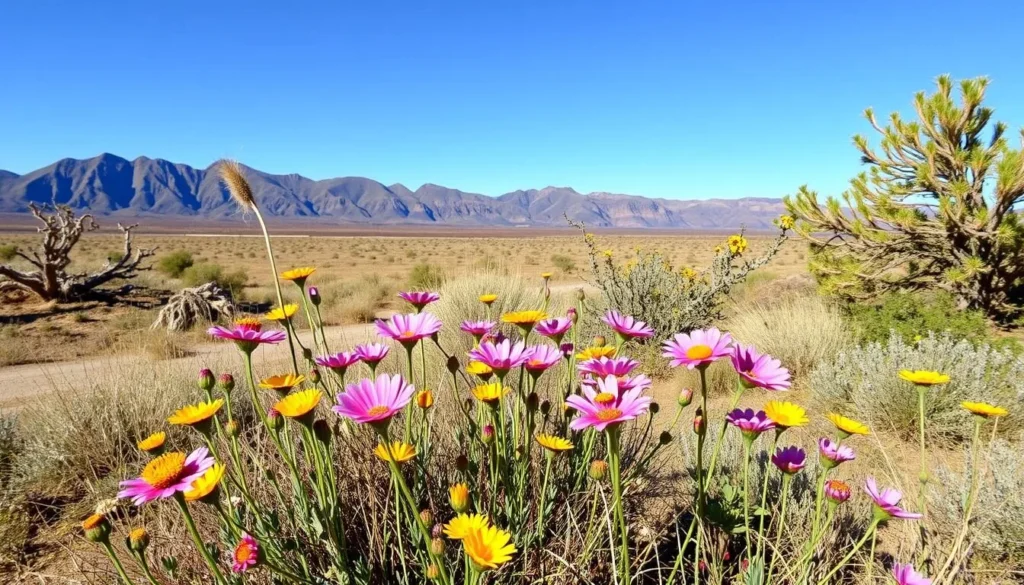
- March to May (Spring): Mild temperatures between 18-29°C (65-85°F) with wildflowers in bloom
- October to November (Fall): Pleasant weather with temperatures ranging from 15-26°C (60-80°F) and fewer visitors
Months to Avoid
- June to September: Summer temperatures regularly exceed 35°C (95°F), with July and August bringing monsoon storms
- December to February: Occasional freezing temperatures and possible snow at higher elevations
The memorial sits at elevations ranging from 1,500 to 2,400 meters (5,000 to 8,000 feet), creating significant temperature variations. Mornings and evenings can be considerably cooler than midday, so layered clothing is recommended year-round.
During monsoon season (July-September), afternoon thunderstorms are common. These storms can develop quickly, creating flash flood dangers in canyons and washes. Always check the weather forecast before hiking and be prepared to adjust your plans accordingly.
Getting Around Locally

Coronado National Memorial is best explored by private vehicle and on foot. There is no public transportation to or within the memorial. The main park road (Coronado Memorial Road) is paved and accessible to all vehicles, leading to the visitor center and continuing to Montezuma Pass.
The final 6 km (4 miles) to Montezuma Pass is a steep, winding gravel road that may be challenging for large RVs or vehicles with low clearance. During wet weather, this road may be temporarily closed.
Once at the memorial, eight miles of hiking trails offer the best way to experience the diverse landscapes. Trails range from easy walks near the visitor center to more challenging hikes up Montezuma Peak. A detailed trail map is available at the visitor center.
For those with limited mobility, the visitor center and picnic areas are wheelchair accessible, and the view from the Coronado Memorial Road offers scenic vistas without requiring hiking.
Where to Stay

There are no lodging facilities within Coronado National Memorial itself, but several options exist in the surrounding area:
Sierra Vista (32 km/20 miles)
The closest city offers a range of hotels, motels, and B&Bs for all budgets. As a military town supporting Fort Huachuca, Sierra Vista has plenty of dining and shopping options as well.
Bisbee (40 km/25 miles)
This historic mining town provides charming boutique hotels and vacation rentals in a quirky, artistic setting. Bisbee’s preserved Victorian architecture and mining history make it a destination in itself.
Camping Options
While there’s no camping within the memorial, nearby Coronado National Forest offers both developed campgrounds and dispersed camping. Parker Canyon Lake Campground (45 km/28 miles) provides facilities in a scenic setting.
For those seeking a unique experience, ranches in the area offer guest accommodations where you can experience the authentic western lifestyle. These range from working cattle ranches to luxury resort-style properties.
Regardless of where you stay, making reservations in advance is recommended, especially during spring and fall when the weather is most pleasant and visitor numbers increase.
Dining & Local Cuisine

There are no dining facilities within Coronado National Memorial, so visitors should bring their own food and water for the day. The memorial does have picnic areas with tables near the visitor center, offering a pleasant spot for a packed lunch with mountain views.
For meals before or after your visit, nearby communities offer a variety of options:
Sierra Vista Dining
The closest city to the memorial offers everything from fast food to sit-down restaurants. Look for Southwestern specialties like carne asada, green chile stew, and Sonoran hot dogs—a regional favorite featuring bacon-wrapped hot dogs with Mexican toppings.
Bisbee Culinary Scene
This artistic community features eclectic cafes and restaurants, many focusing on locally-sourced ingredients. The town’s mining history has influenced its diverse culinary offerings, which include everything from Mexican cuisine to craft beer brewpubs.
When visiting the area, don’t miss the chance to try authentic border cuisine that blends Mexican and American Southwest traditions. Regional specialties include mesquite-grilled meats, nopales (cactus), and fresh flour tortillas—a staple of Sonoran-style Mexican food.
Remember to pack plenty of water (at least 2 liters per person) when visiting the memorial, especially during warmer months. The dry desert air and elevation can lead to rapid dehydration.
Attractions, Sightseeing & Activities
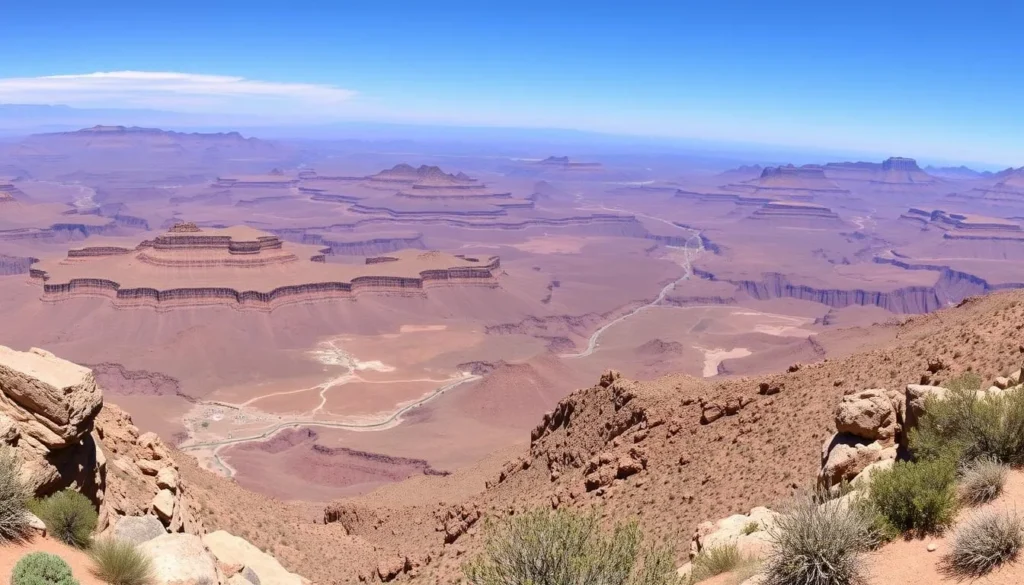
Top Attractions at Coronado National Memorial
Coronado Cave
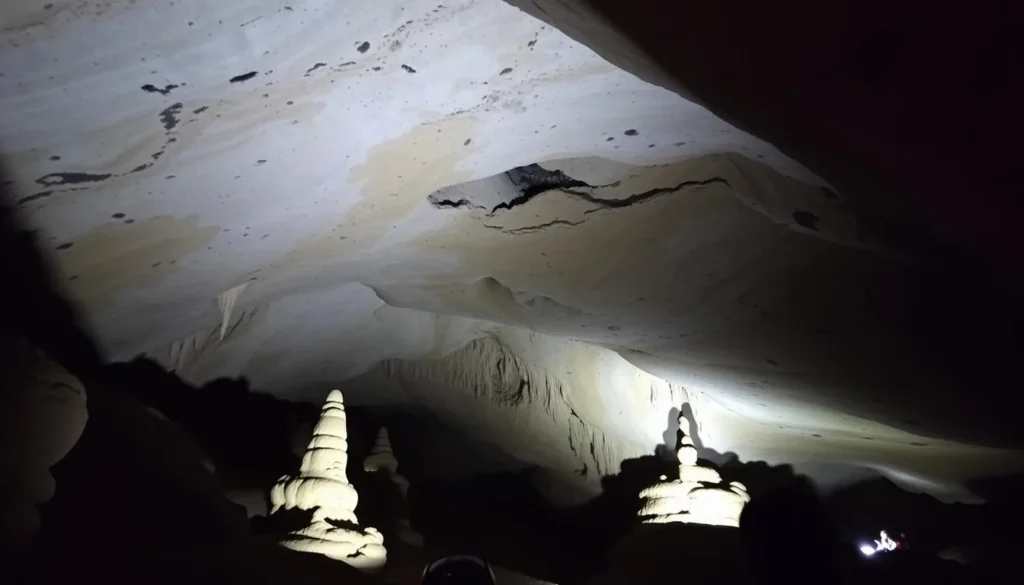
This natural limestone cave extends approximately 183 meters (600 feet) into the mountainside and reaches 21 meters (70 feet) in width. Unlike many caves in the National Park system, Coronado Cave remains undeveloped—no lighting, handrails, or paved pathways. Exploring requires a moderate 1.6 km (1-mile) round-trip hike and scrambling over boulders at the entrance.
Montezuma Pass Overlook
At 1,989 meters (6,575 feet) elevation, this viewpoint offers spectacular panoramas of the San Pedro River Valley to the east and the San Rafael Valley to the west. On clear days, visitors can see into Mexico and observe the U.S.-Mexico border. The overlook is accessible via a steep 4.8 km (3-mile) drive on a gravel road or by hiking the Coronado Peak Trail.

Joe’s Canyon Trail
This moderate 5.1 km (3.2-mile) round-trip trail climbs from the visitor center to Montezuma Pass, offering diverse plant life and excellent bird watching opportunities. The trail crosses multiple ecological zones, allowing hikers to experience the transition between desert scrub and oak woodland habitats.
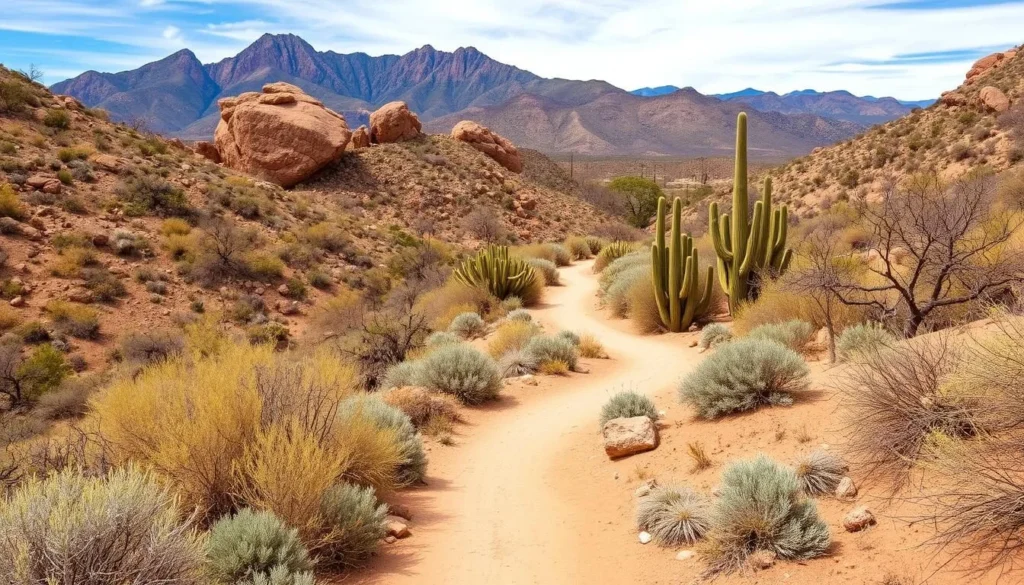
Beyond these highlights, visitors can also explore the Arizona Trail, which passes through the memorial on its 1,287 km (800-mile) route spanning Arizona from Mexico to Utah. The memorial section offers a challenging but rewarding hiking experience for those seeking a more strenuous adventure.
Museums, Cultural Spots & Festivals
Cultural Experiences at Coronado National Memorial
Visitor Center Exhibits
The memorial’s visitor center houses engaging exhibits that tell the story of Coronado’s expedition and its lasting impact on the Southwest. Interactive displays explain the cultural exchanges between European explorers and indigenous peoples, while artifacts help visitors understand life in the 16th century. The center also features a short film about Coronado’s journey.
Living History Demonstrations
During peak seasons, the memorial occasionally hosts living history demonstrations where staff and volunteers dress in period-appropriate attire to demonstrate aspects of Spanish colonial life and exploration. These events offer insights into the tools, weapons, clothing, and daily routines of Coronado’s expedition members.
Nearby Cultural Attractions
Bisbee Mining & Historical Museum
Located in historic Bisbee (40 km/25 miles from the memorial), this Smithsonian-affiliated museum chronicles the area’s rich mining history and cultural development. The museum occupies the former headquarters of the Copper Queen Consolidated Mining Company and offers a fascinating look at how mining shaped the region.
San Pedro House
This historic ranch house, located along the San Pedro River (about 24 km/15 miles from the memorial), serves as a visitor center for the San Pedro Riparian National Conservation Area. It offers exhibits on the area’s natural and cultural history, including information about prehistoric peoples who lived along the river.
Annual events in the region include the Ramsey Canyon Hummingbird Festival (August), celebrating the area’s remarkable diversity of hummingbird species, and Bisbee’s Coaster Race (October), a quirky local tradition where participants race homemade carts down the town’s steep streets.
Sports, Nature & Outdoor Experiences
Wildlife Viewing
Coronado National Memorial sits at a biological crossroads where several ecosystems meet, creating exceptional biodiversity. The memorial is home to over 170 species of birds, including Mexican jays, acorn woodpeckers, and during migration seasons, elegant trogons. Dawn and dusk offer the best wildlife viewing opportunities when animals are most active.
Mammals frequently spotted include white-tailed deer, javelinas (collared peccaries), and coatimundis—raccoon relatives with distinctive long snouts and ringed tails. Lucky visitors might glimpse more elusive residents like bobcats or ringtail cats. The memorial is also within the historic range of the jaguar, though sightings of these rare cats are extremely uncommon.
Outdoor Activities
Hiking
With eight miles of trails ranging from easy to strenuous, hiking is the premier activity at the memorial. The Coronado Peak Trail (0.8 km/0.5 miles) offers spectacular views with interpretive signs explaining the historical significance of the landscape. For a more challenging experience, the Yaqui Ridge Trail follows the U.S.-Mexico border and connects to the Arizona Trail.
Stargazing
The memorial’s remote location and minimal light pollution create excellent conditions for stargazing. On clear nights, the Milky Way stretches across the sky in stunning detail. The memorial occasionally hosts night sky programs led by rangers during summer months.
Photography
Diverse landscapes, dramatic lighting, and abundant wildlife make the memorial a photographer’s paradise. Morning light on the eastern slopes and sunset views from Montezuma Pass offer particularly photogenic conditions. The changing seasons bring different photographic opportunities, from spring wildflowers to dramatic summer monsoon clouds.
For those interested in plant life, the memorial showcases an impressive variety of vegetation zones. The lower elevations feature Chihuahuan Desert plants like agave and yucca, while higher elevations support oak woodlands. During spring and after summer rains, wildflowers create colorful displays throughout the memorial.
Safety, Etiquette & Local Customs

Safety Considerations
Desert Conditions
- Hydration is critical—carry at least 2 liters of water per person, even for short hikes
- Protect against sun exposure with sunscreen, hat, sunglasses, and lightweight, long-sleeved clothing
- Be aware of rapidly changing weather, especially during monsoon season (July-September) when afternoon thunderstorms can develop quickly
- Watch for flash flood dangers in canyons and washes during and after rainfall
Cave Exploration
- Bring multiple light sources (headlamp plus backup flashlight) when exploring Coronado Cave
- Wear sturdy footwear with good traction for navigating slippery cave surfaces
- Never explore the cave alone—always bring companions
- Avoid touching cave formations, as oils from hands can damage these delicate features
Etiquette & Preservation
The memorial preserves both natural and cultural resources. Practice “Leave No Trace” principles by staying on designated trails, packing out all trash, and leaving natural objects and cultural artifacts where you find them. Taking rocks, plants, or artifacts is prohibited and damages the experience for future visitors.
As a border area, visitors may encounter U.S. Border Patrol agents within and around the memorial. These encounters are routine and shouldn’t cause concern. Respect closed areas and boundary markers, particularly along the international border.
Cell phone coverage is limited or non-existent in many parts of the memorial. Inform someone of your plans before heading out on trails, especially if hiking alone or exploring Coronado Cave.
Visitor Comments About Coronado National Memorial
“The hike to Coronado Cave was the highlight of our Arizona trip! It’s rare to find a cave you can explore freely without guided tours. Bring good flashlights and prepare for some scrambling at the entrance. The view from Montezuma Pass alone is worth the drive—you can see for miles into Mexico.”
“As someone who’s visited national parks across four continents, I found Coronado National Memorial refreshingly uncrowded. The visitor center exhibits provided excellent context about the Spanish exploration of North America. The biodiversity is remarkable—we spotted coatimundis, numerous bird species, and even a ringtail during our two-day visit.”
“Don’t miss the Joe’s Canyon Trail! It’s a moderate climb but offers spectacular views throughout. We visited in October and had perfect weather—warm days and cool evenings. The memorial staff were incredibly knowledgeable and passionate about both the natural and historical aspects of the site.”
Practical Travel Tips
Hours & Fees
The memorial is open daily from sunrise to sunset. The visitor center operates from 8:00 AM to 4:00 PM daily, except for major holidays. There is no entrance fee to visit Coronado National Memorial, making it an affordable addition to any southern Arizona itinerary.
Accessibility
The visitor center, restrooms, and picnic areas are wheelchair accessible. While most trails are not fully accessible due to terrain, the scenic drive offers beautiful views without requiring hiking. The memorial provides large-print brochures upon request at the visitor center.
Connectivity
Cell phone service is limited within the memorial, particularly in canyons and at Montezuma Pass. Download maps, trail information, and any needed resources before your visit. The visitor center does not offer public Wi-Fi.
What to Pack
Essentials
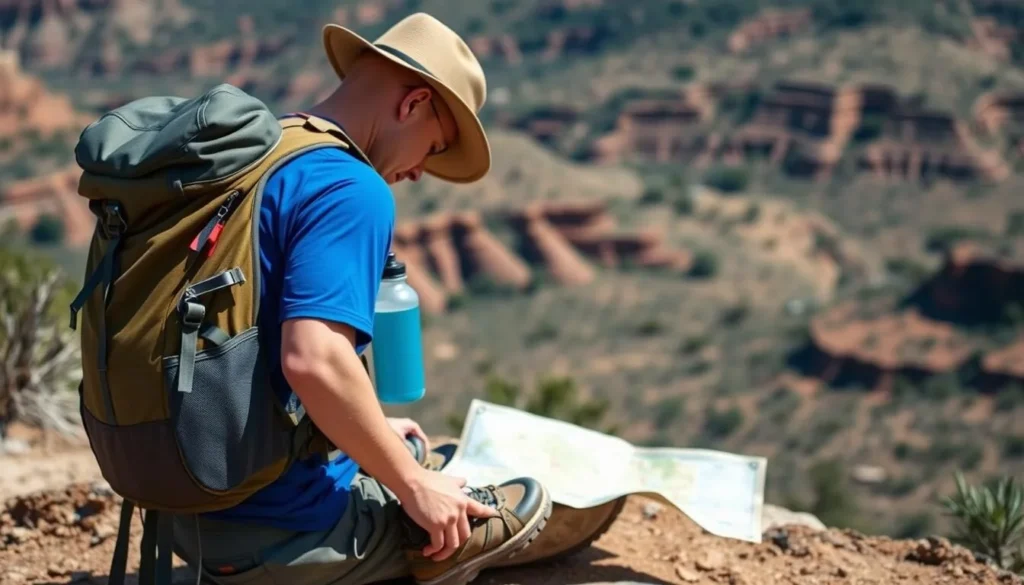
- Water (at least 2 liters per person)
- Sun protection (hat, sunscreen, sunglasses)
- Sturdy hiking shoes with good traction
- Layered clothing (temperatures can vary significantly)
- Basic first aid kit
For Cave Exploration
- Headlamp or flashlight (plus backup)
- Extra batteries
- Helmet (optional but recommended)
- Gloves for scrambling over rocks
- Long pants to protect against scrapes
The nearest gas stations and grocery stores are in Sierra Vista, approximately 32 km (20 miles) from the memorial. Fill your gas tank and purchase supplies before heading to the memorial, as there are no services available on-site or nearby.
For visitors interested in the broader region, Coronado National Memorial can be combined with visits to nearby attractions like Kartchner Caverns State Park, Ramsey Canyon Preserve, and Bisbee to create a multi-day southern Arizona itinerary.
Where History Meets Wilderness: Your Coronado Adventure Awaits
Coronado National Memorial offers a rare combination of historical significance and natural splendor that rewards curious travelers. Unlike more crowded national parks, this hidden gem provides an intimate experience with the borderlands landscape that shaped American history. Whether you’re scrambling through the mysterious chambers of Coronado Cave, watching the sunset paint the mountains in gold from Montezuma Pass, or simply soaking in the remarkable biodiversity where four ecosystems converge, the memorial creates lasting impressions.
As you stand where Coronado’s expedition once traveled, you’ll gain a deeper appreciation for both the natural forces that shaped this rugged terrain and the human stories that unfolded across it. In our increasingly connected world, places like Coronado National Memorial—where you can disconnect, explore freely, and connect with both nature and history—become all the more precious. Pack your water bottle, lace up your hiking boots, and prepare for an adventure that bridges centuries in one of Arizona’s most rewarding destinations.
The above is subject to change.
Check back often to TRAVEL.COM for the latest travel tips and deals.



0 Comments