
Hotels by Trip.com
Flights by Trip.com
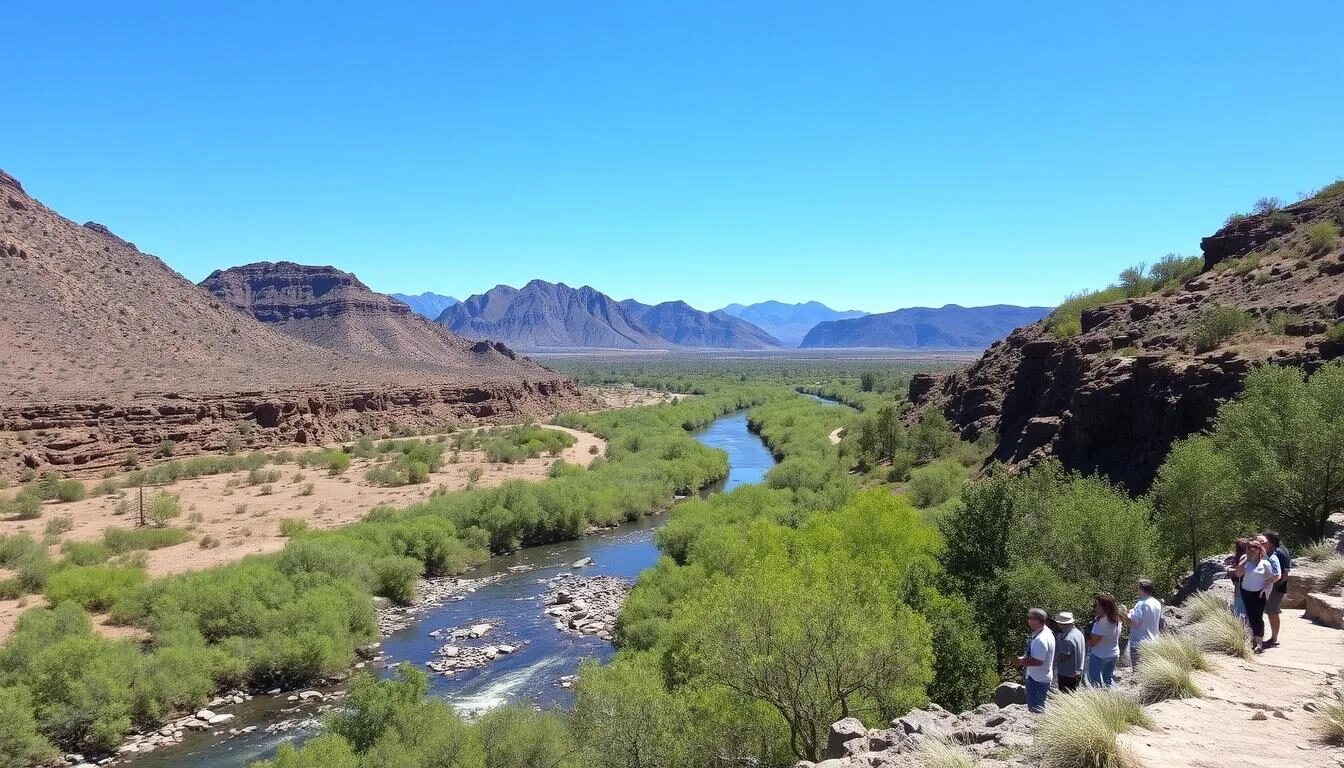
Did you know that Gila Box Riparian National Conservation Area is home to four perennial waterways in the desert Southwest, making it one of Arizona’s most biologically diverse regions? This 23,000-acre oasis protects over 20 miles of the Gila River, creating a rare riparian habitat where desert meets water. With its lush greenery contrasting dramatically with surrounding arid landscapes, this hidden gem offers a surprising escape for nature lovers and adventure seekers alike.
Getting There & Planning Your Journey
Gila Box Riparian National Conservation Area is located in southeastern Arizona, approximately 20 km (12 miles) northeast of Safford. The conservation area has two main access points: the western entrance near Solomon (just east of Safford) and the eastern entrance near Clifton.
The nearest major airports are Tucson International Airport, about 165 km (103 miles) southwest, and Phoenix Sky Harbor International Airport, approximately 265 km (165 miles) west. From either airport, you’ll need to rent a car to reach the conservation area.
From Safford, take Highway 70 east for about 8 km (5 miles) to Solomon. Turn left on Sanchez Road and follow it to where the pavement ends. Continue on the dirt road through the wash until you reach paved road again, then follow signs to Bonita Creek and Riverview Campground for the western entrance.
For the eastern entrance, take Highway 70 east to Highway 191, turn left, and continue to milepost 160 (about 6.4 km/4 miles south of Clifton). Turn left onto the signed Black Hills Back Country Byway, and Owl Creek Campground is about 6.4 km (4 miles) along this road.
Best Time to Visit & Weather Tips

Recommended Seasons
Spring (March-May)
The ideal time to visit Gila Box is during spring when temperatures are mild, ranging from 18-29°C (65-85°F). Wildflowers bloom along the riverbanks, and the desert comes alive with color. Water levels in the Gila River and other waterways are typically higher, making it perfect for kayaking and canoeing.
Fall (September-November)
Another excellent time to visit is fall, with temperatures similar to spring. The cottonwood trees along the riparian corridors turn golden, creating spectacular scenery. Water levels may be lower, but hiking conditions are ideal.
Winter (December-February)
Winter brings cooler temperatures ranging from 4-16°C (40-60°F) during the day and potentially below freezing at night. The area sees fewer visitors, offering a more solitary experience. Some roads may be difficult to navigate after rain or snow.
Summer (June-August)
Summer is the least recommended time to visit, with daytime temperatures often exceeding 38°C (100°F). The heat can be dangerous for hiking and outdoor activities. If you must visit during summer, plan activities for early morning or evening and bring plenty of water.
Weather in this region can change rapidly. The monsoon season (July-September) brings the possibility of flash floods, which can make river crossings dangerous and dirt roads impassable. Always check weather forecasts and road conditions before your trip.
✓ Check 30,000+ Local Sightseeing Tours Worldwide
Getting Around Locally

Navigating Gila Box Riparian National Conservation Area requires careful planning as many roads are unpaved and remote. A high-clearance vehicle is recommended for exploring the area thoroughly, especially if you plan to drive the Black Hills Back Country Byway or access more remote sections.
The Black Hills Back Country Byway is a 21 km (13 mile) scenic drive connecting the eastern and western portions of the conservation area. This historic route offers spectacular views but has narrow sections with steep drop-offs. Vehicles longer than 6 meters (20 feet) are not recommended, and trailers should be avoided entirely.
For those without a suitable vehicle, focusing on the western entrance near Safford provides easier access on better-maintained roads. The road to Riverview Campground is paved for most of the way, making it accessible for most passenger vehicles in dry conditions.
Mountain bikes are an excellent alternative for exploring the conservation area’s dirt roads and trails. E-bikes can be particularly helpful given the hilly terrain. Several hiking trails also connect different parts of the conservation area for those who prefer to explore on foot.
Where to Stay
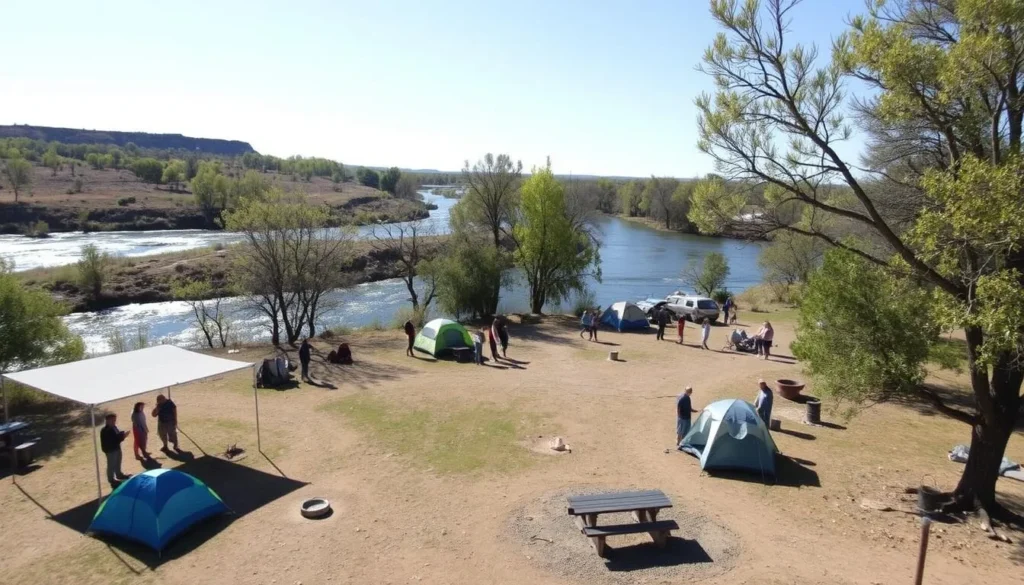
Accommodation options within Gila Box Riparian National Conservation Area are limited to camping, offering an authentic outdoor experience. The area features two developed campgrounds managed by the Bureau of Land Management:
Campgrounds in Gila Box
Riverview Campground
Located on the western side of the conservation area, Riverview Campground offers 13 designated sites, each with a fire ring, grill, picnic table, and shade structure. The campground features vault toilets and is situated on a bluff overlooking the Gila River, providing beautiful views. Sites are available on a first-come, first-served basis for $5 per night.
Owl Creek Campground
On the eastern side near Clifton, Owl Creek Campground has 7 sites with similar amenities to Riverview. Several sites are positioned along the cliff edge with spectacular views of the Gila River below. The campground has one vault toilet and a self-service pay station. The fee is $5 per night, and the maximum stay is 14 days.
For those preferring more comfortable accommodations, the nearby towns of Safford (west) and Clifton (east) offer several hotels and motels. Safford has more options, including chain hotels and local establishments, while Clifton has a few historic hotels reflecting its mining heritage.
Dispersed camping is also permitted in designated areas throughout the conservation area. These sites lack amenities but offer more solitude. Remember to practice Leave No Trace principles when camping in these areas.
Dining & Local Cuisine

There are no dining establishments within Gila Box Riparian National Conservation Area, so visitors should come prepared with food and drinks. The remote nature of the area means you’ll need to bring all necessary supplies for your stay.
Several picnic areas are scattered throughout the conservation area, offering shaded ramadas, tables, and beautiful views. Notable picnic spots include the Bonita Creek Watchable Wildlife Viewing Area and the Old Safford Bridge Picnic Area.
For those planning to cook at campsites, each designated site comes equipped with a fire ring and grill. Fire restrictions may be in place during dry periods, so check with the Bureau of Land Management office in Safford before your visit.
The nearest restaurants and grocery stores are in Safford and Clifton. Safford offers more options, including several Mexican restaurants featuring local Sonoran-style cuisine. Don’t miss trying local specialties like chimichangas, which some claim were invented in Arizona.
If you’re staying multiple days, consider stocking up on supplies in Safford, which has several grocery stores and a farmers’ market (seasonal) where you can purchase fresh local produce.
Attractions, Sightseeing & Activities
Top Attractions in Gila Box
Black Hills Back Country Byway
This historic 21 km (13 mile) scenic drive was built between 1914-1920 and offers spectacular views of valleys, distant mountains, and Mount Graham. The road winds through the Black Hills, connecting the eastern and western portions of the conservation area. Several interpretive signs along the route explain the area’s mining and ranching history.
Bonita Creek
One of the four perennial waterways in the conservation area, Bonita Creek flows through a scenic canyon with clear water that contrasts with the surrounding desert. The creek is accessible via hiking trails and offers opportunities for wildlife viewing and photography.
Old Safford Bridge
Built in 1919, this historic bridge spans the Gila River near Owl Creek Campground. The bridge represents an important piece of the area’s transportation history and provides excellent views of the river.
Serna Cabin
This restored stone cabin dates back to the 1920s and offers a glimpse into the area’s homesteading past. Archaeological surveys revealed the site was also used by prehistoric peoples around 800-900 AD, adding another layer of historical interest.
The conservation area also features several overlooks and viewpoints that showcase the dramatic landscape where desert meets riparian habitat. The Canyon Overlook on the Black Hills Back Country Byway sits at an elevation of 1,676 m (5,500 ft) and offers panoramic views of the surrounding terrain.
Museums, Cultural Spots & Festivals
While Gila Box Riparian National Conservation Area itself doesn’t host museums or cultural events, the surrounding communities offer several opportunities to explore the rich history and culture of southeastern Arizona.
Nearby Cultural Attractions
Historic Clifton
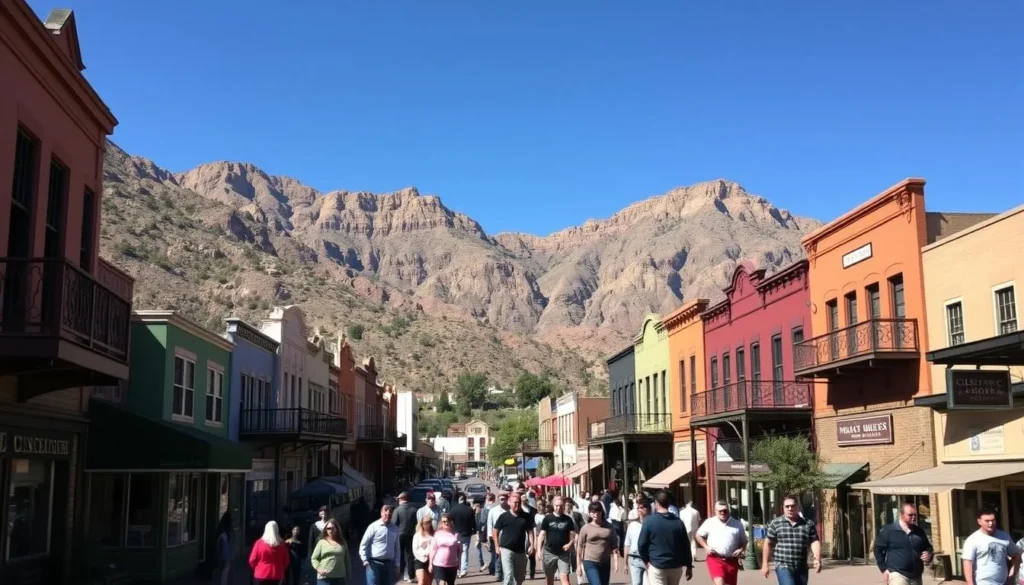
The town of Clifton, located near the eastern entrance to Gila Box, is the county seat of Greenlee County (Arizona’s smallest). This historic mining town sits in a canyon straddling the San Francisco River and features colorful historic buildings. Clifton was once the heart of Arizona’s eastern mining operations and maintains strong connections to the nation’s largest copper mine in nearby Morenci.
Eastern Arizona Museum
Located in Pima, just west of Safford, this museum houses artifacts related to the area’s pioneer history, Native American culture, and natural history. The collection includes items from the prehistoric Hohokam and Mogollon peoples who once inhabited the Gila River valley.
Coronado Trail
Starting in Clifton, the Coronado Trail (US Route 191) is one of America’s most scenic drives. Named after the Spanish explorer who traveled through the region in the 16th century, this winding mountain road leads north through the White Mountains and offers spectacular scenery, especially in summer and fall.
Graham County Historical Society Museum
Located in Safford, this museum preserves the history of Graham County with exhibits on mining, ranching, and early settlement. The museum houses photographs, documents, and artifacts that tell the story of the region’s development.
The Safford area hosts several annual events, including the Salsa Trail Festival celebrating the region’s chile-growing heritage and the Graham County Fair in October. These events offer opportunities to experience local culture, food, and traditions if your visit coincides with them.
Sports, Nature & Outdoor Experiences
Outdoor Activities in Gila Box
Hiking
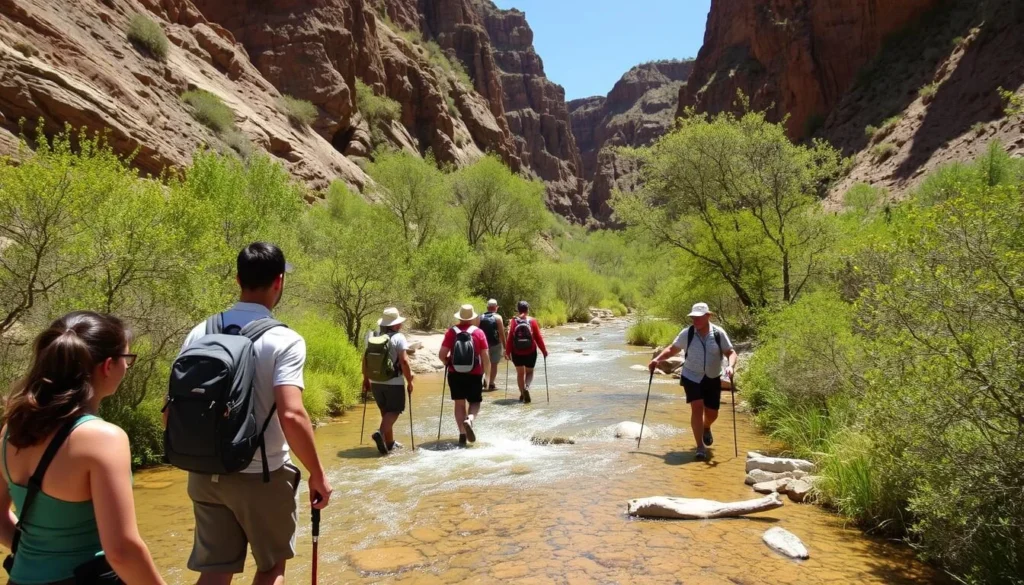
While established trails are limited, several informal paths allow exploration of the conservation area. The 3.2 km (2 mile) trail from Riverview Campground to the Bonita Creek Watchable Wildlife Viewing Area offers scenic views and good birdwatching opportunities. For more adventurous hikers, following Bonita Creek upstream involves multiple creek crossings and rewards with beautiful canyon scenery.
Wildlife Viewing
Gila Box is designated as an Important Bird Area, with over 200 species recorded. The Bonita Creek Watchable Wildlife Viewing Area provides a bird’s-eye view of the riparian habitat below. Early morning and late evening are the best times to spot wildlife, including birds, mule deer, javelinas, and possibly even bobcats or mountain lions.
Paddling
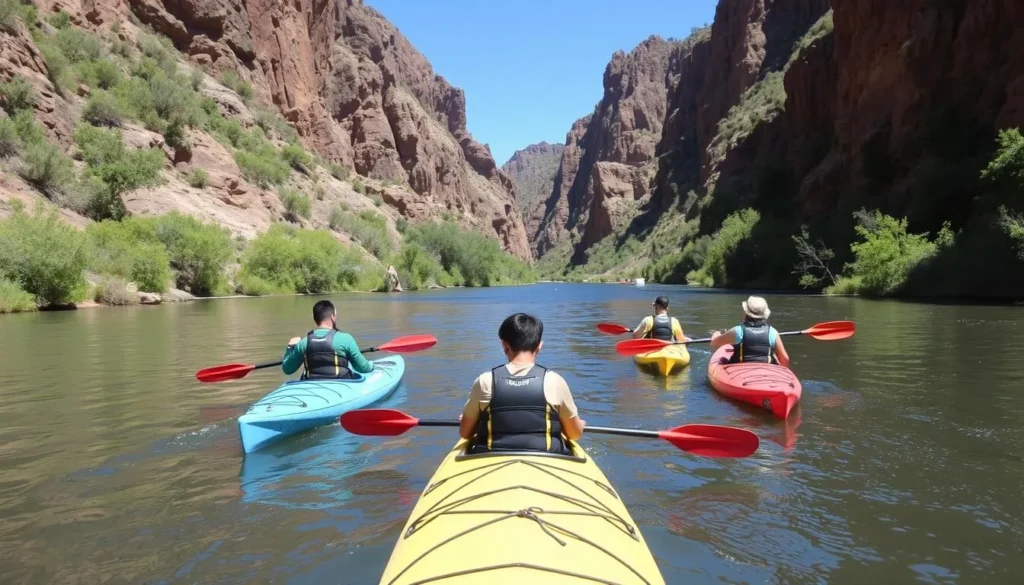
The Gila River offers opportunities for kayaking, canoeing, and rafting when water levels are appropriate. The section through Gila Box ranges from easy to moderately difficult, making it suitable for paddlers with some experience. Some visitors complete the journey in one day, while others camp overnight along the river. Several access points, including the Gila River Boat Launch Day Use Area, facilitate river trips.
Rockhounding
The Black Hills Rockhound Area is popular for collecting fire agate, a semi-precious gemstone found in only three U.S. states. This designated collection area allows visitors to search for and keep specimens they find. The area is exposed with little shade, so bring water and sun protection.
Mountain biking is another popular activity, with the dirt roads throughout the conservation area providing challenging routes with rewarding views. The terrain varies from relatively flat along the river to steep climbs in the Black Hills, offering options for different skill levels.
Fishing is available in the Gila River and its tributaries, with species including catfish, bass, and sunfish. Arizona fishing regulations apply, and a state fishing license is required.
Safety, Etiquette & Local Customs

Visiting Gila Box Riparian National Conservation Area requires preparation and awareness of safety considerations due to its remote location and desert environment.
Safety Tips
- Bring plenty of water (at least 4 liters/1 gallon per person per day) as potable water is not available within the conservation area.
- Cell phone service is limited or non-existent throughout most of the area. Consider bringing a satellite communication device for emergencies.
- Inform someone of your itinerary and expected return time before venturing into remote areas.
- Be prepared for extreme temperature variations, especially in spring and fall when days can be warm but nights cold.
- Watch for flash flood dangers, particularly during monsoon season (July-September). Never camp in washes or low-lying areas.
- Carry a first aid kit, map, compass, and emergency supplies as help can be hours away.
Etiquette & Conservation
Practicing Leave No Trace principles is essential to preserving this fragile riparian ecosystem:
- Pack out all trash and dispose of waste properly.
- Stay on established trails and roads to minimize impact on vegetation.
- Observe wildlife from a distance and never feed animals.
- Respect private property and ranch operations in and around the conservation area.
- If rockhounding in designated areas, take only what you can reasonably use and leave some for others.
- Keep campfires small, in designated fire rings only, and ensure they are completely extinguished.
The conservation area includes lands traditionally important to various Native American tribes. Respect any cultural sites you may encounter and do not disturb or remove artifacts, which is illegal under federal law.
Visitor Comments About Gila Box Riparian NCA
“We spent three days camping at Riverview and were amazed by the contrast between the lush river corridor and surrounding desert. The $5 camping fee was the best value I’ve ever found in a public campground. The stars at night were incredible, and we saw so many birds I lost count. Definitely bring a high-clearance vehicle if you want to explore beyond the main areas.”
“As an international visitor, I found Gila Box to be a perfect example of American wilderness. The Black Hills Back Country Byway offered spectacular views unlike anything in my country. I recommend visiting in April when the wildflowers are blooming. The rangers at the BLM office in Safford were extremely helpful in planning our trip.”
“Kayaking the Gila River through the conservation area was the highlight of our Arizona trip. The water level was perfect in late March, and we spotted beaver, deer, and countless birds. We camped overnight on a sandy beach alongside the river. Just be sure to check water conditions before you go, as the flow can vary dramatically.”
Practical Travel Tips

Essential Information
- Stop at the Bureau of Land Management (BLM) office in Safford (711 S 14th Avenue) before your visit to get maps, current road conditions, and other information.
- Download offline maps before your trip, as GPS and cell service are unreliable in the conservation area.
- Bring cash for campground fees ($5 per night), as credit cards are not accepted at the self-service pay stations.
- Gas up in Safford or Clifton before entering the conservation area, as there are no services available within its boundaries.
- Weather can change rapidly; check forecasts and road conditions before departing.
- The maximum length of stay at campgrounds is 14 days.
What to Pack
- Sun protection: hat, sunglasses, sunscreen, and lightweight, long-sleeved clothing
- Sturdy footwear suitable for rocky terrain
- Insect repellent, especially during warmer months
- Binoculars for wildlife viewing and birdwatching
- Camera with extra batteries (no charging facilities available)
- Drinking water and water purification method if planning extended stays
- Food and cooking supplies if camping
- First aid kit and personal medications
For those interested in paddling, check water levels with the BLM office before your trip. Consider arranging a shuttle service if planning a one-way river journey, as public transportation is not available in the area.
Embrace the Wild Beauty of Arizona’s Hidden Oasis
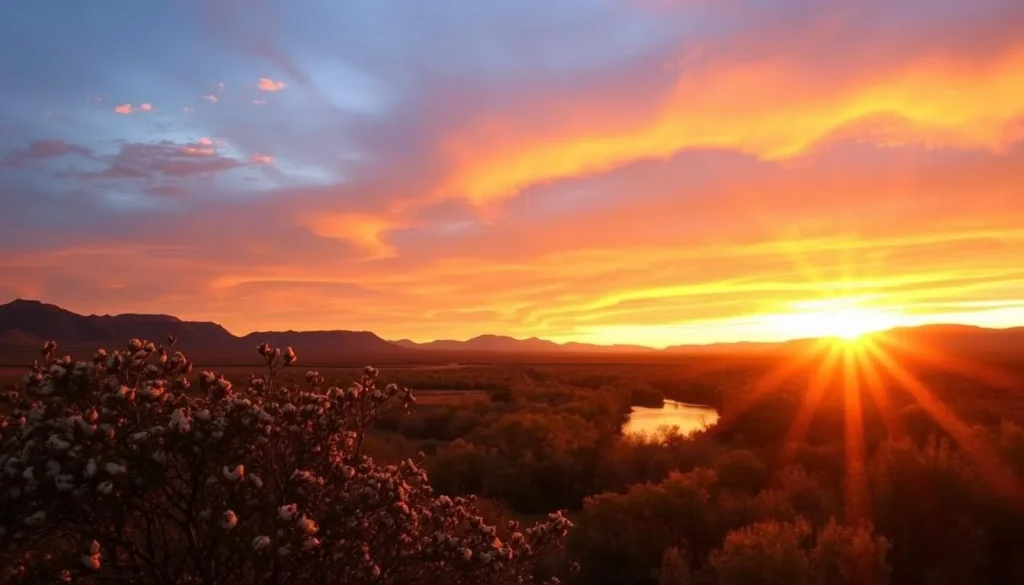
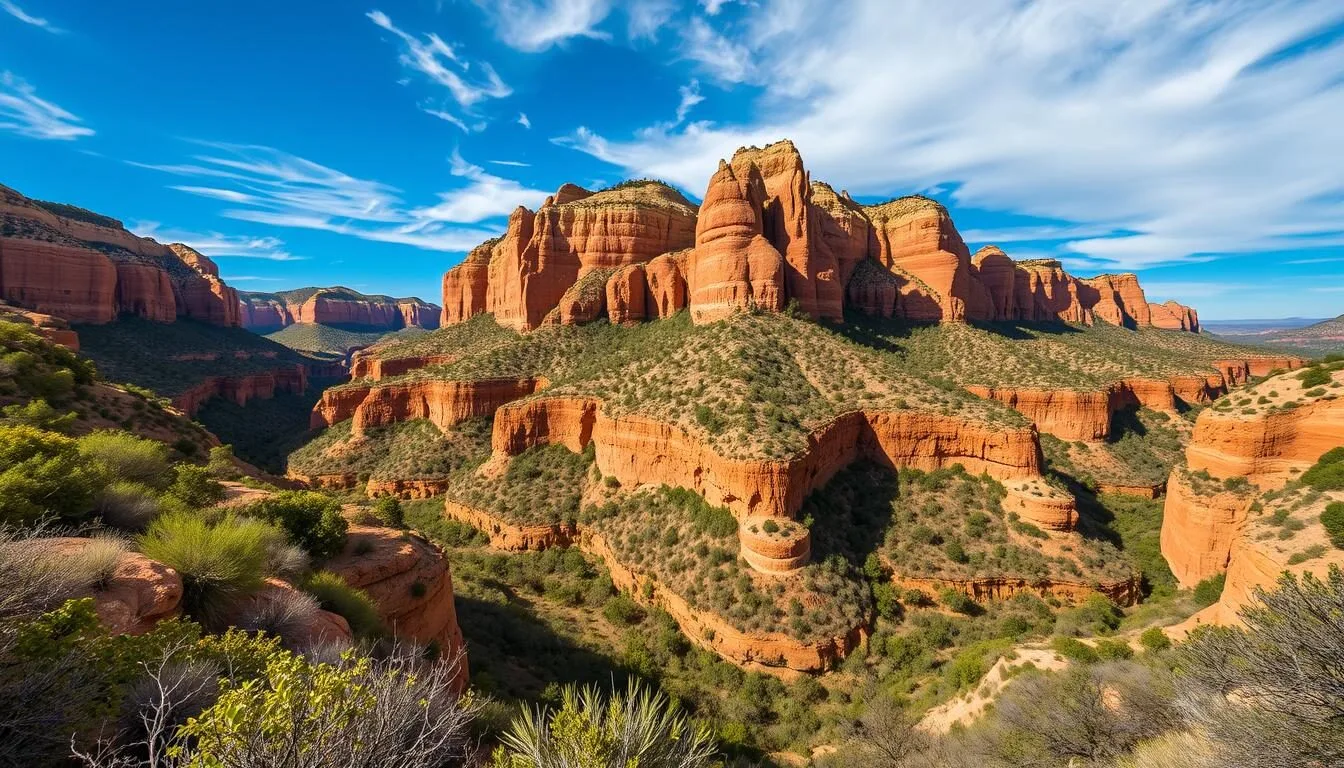
Gila Box Riparian National Conservation Area represents a perfect blend of adventure and tranquility in one of Arizona’s least-known natural treasures. The contrast between lush waterways and rugged desert creates a unique ecosystem that rewards those willing to venture off the beaten path. Whether you’re hiking along Bonita Creek, paddling the Gila River, or simply watching the sunset from your campsite, the experiences here connect you to both the natural world and the human history that has shaped this remarkable landscape.
As you plan your visit to this desert oasis, remember that its remoteness is part of its charm. The lack of crowds, minimal development, and pristine natural conditions offer a rare opportunity to experience the Southwest as it once was. Pack your sense of adventure, bring your camera, and prepare to be amazed by the wild beauty of Gila Box Riparian National Conservation Area – Arizona’s hidden gem waiting to be discovered.
Related Posts

Patagonia-Sonoita Creek Preserve, Arizona: Best Things to Do – Top Picks
Yuma Territorial Prison State Historic Park, Arizona: Best Things to Do – Top Picks
Windsor Beach (Lake Havasu State Park), Arizona: Best Things to Do – Top Picks

White Pocket, Arizona: Best Things to Do – Top Picks

White Mountains, Arizona: Best Things to Do – Top Picks
Walnut Canyon National Monument, Arizona: Best Things to Do – Top Picks
Coming Soon: Clickable Maps