
Hotels by Trip.com
Flights by Trip.com
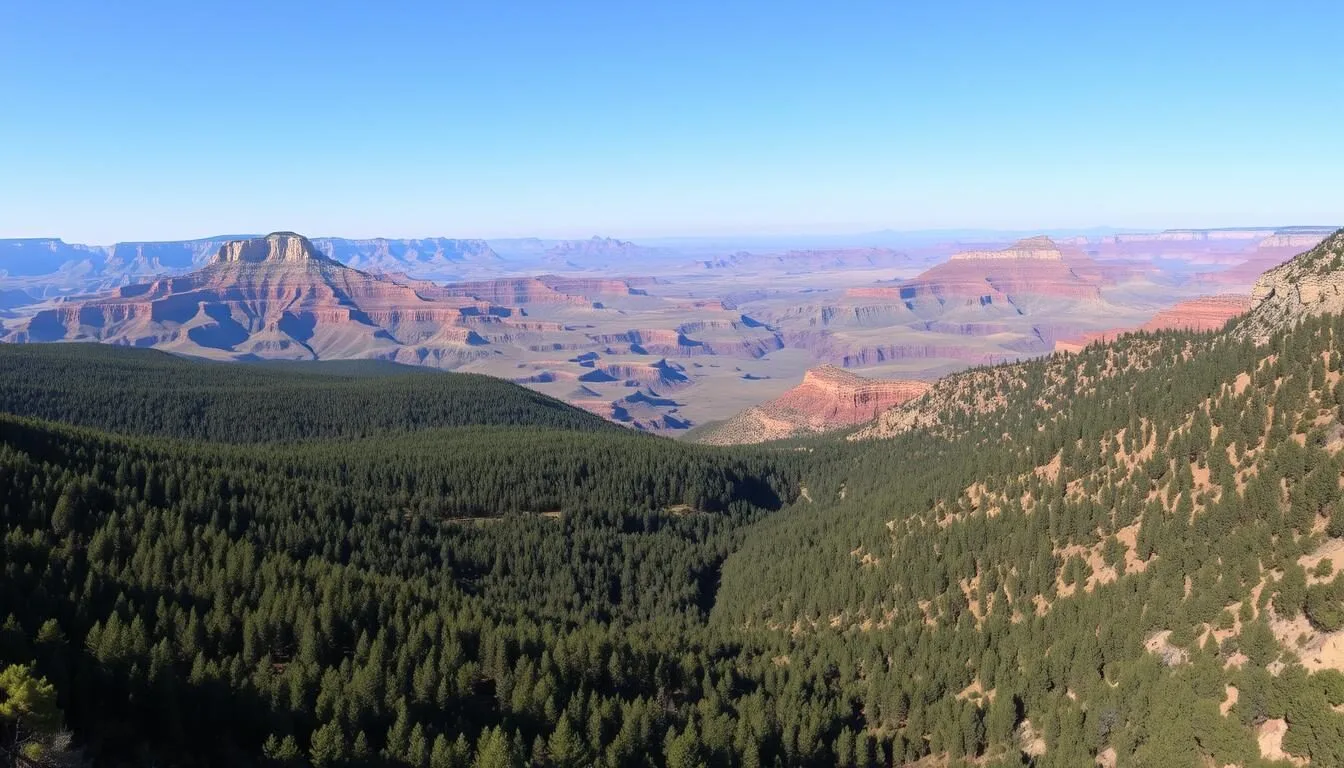
Did you know that the Kaibab Plateau rises over 2,000 meters (6,600 feet) higher than the surrounding desert, creating an ecological island in the sky? This remarkable elevation change makes the Kaibab Plateau home to the only place on Earth where you can find the Kaibab squirrel, a unique species that evolved in isolation from its southern cousin when the Grand Canyon formed millions of years ago. This forested highland stretching across northern Arizona offers some of the most spectacular and least-crowded experiences in the Grand Canyon region.
The Kaibab Plateau is truly a world apart from the more visited South Rim of the Grand Canyon. With its lush forests, abundant wildlife, and breathtaking viewpoints that see just 10% of the visitors that flock to the South Rim, this highland paradise offers a more intimate connection with one of America’s most iconic landscapes. Whether you’re seeking solitude among ancient trees, hoping to spot unique wildlife, or wanting to gaze into the canyon depths without fighting crowds, the Kaibab Plateau delivers experiences that many Grand Canyon visitors never discover.
Getting There & Planning Your Journey
The Kaibab Plateau sits in northern Arizona, with the North Rim of the Grand Canyon forming its southern edge. Unlike the more accessible South Rim, reaching this elevated wilderness requires some planning, but the journey itself becomes part of the adventure.
Closest Airports
The Kaibab Plateau is relatively remote, but several airports serve as gateways to this magnificent region:
- McCarran International Airport (Las Vegas, NV) – 264 km (164 miles) to the North Rim, approximately 4-hour drive
- St. George Regional Airport (Utah) – 169 km (105 miles) to the North Rim, approximately 2.5-hour drive
- Flagstaff Pulliam Airport (Arizona) – 335 km (208 miles) to the North Rim, approximately 4-hour drive
- Phoenix Sky Harbor International Airport – 563 km (350 miles) to the North Rim, approximately 6.5-hour drive
Driving Routes
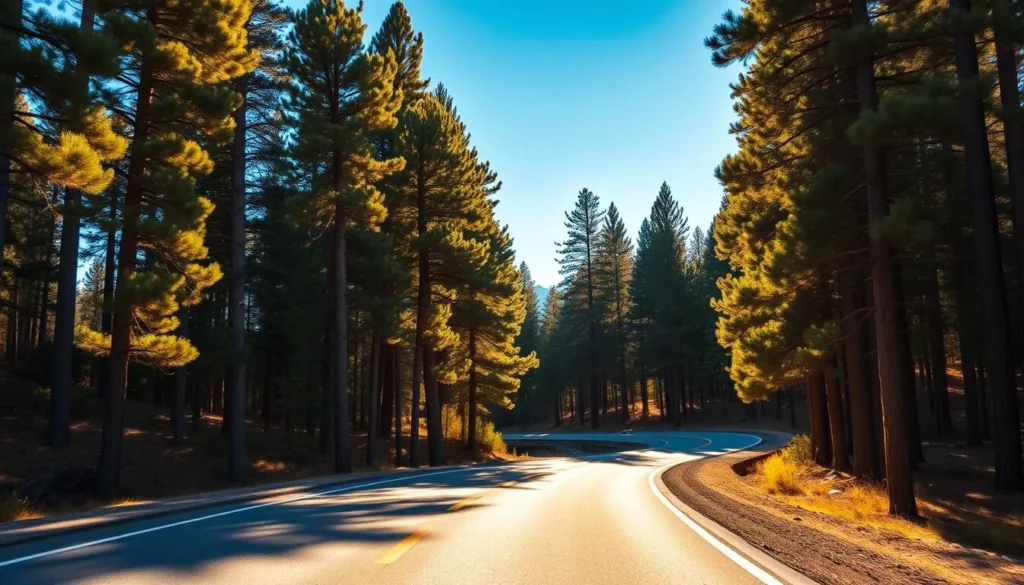
The most scenic approach to the Kaibab Plateau is from the north through Fredonia, Arizona, or Kanab, Utah. From either town, take Highway 89A south and then Highway 67 (also known as the Kaibab Plateau-North Rim Parkway) south for 70 km (43 miles) to the North Rim. This spectacular drive takes you through changing ecosystems as you climb nearly 1,200 meters (4,000 feet) in elevation.
If coming from the South Rim of the Grand Canyon, remember that despite being only 16 km (10 miles) across the canyon as the crow flies, the drive around the canyon is 346 km (215 miles) and takes approximately 4.5 hours.
Entry Fees
To access the North Rim of the Grand Canyon (the southern portion of the Kaibab Plateau), you’ll need to pay the Grand Canyon National Park entrance fee of $35 per vehicle, valid for 7 days. If you plan to visit multiple national parks, consider the America the Beautiful Pass for $80, which provides access to all national parks for one year.
The northern portions of the Kaibab Plateau lie within Kaibab National Forest, which generally does not charge entrance fees except for specific developed recreation sites.
Best Time to Visit & Weather Tips
The Kaibab Plateau experiences dramatic seasonal changes due to its high elevation, which ranges from 2,400 to 2,800 meters (8,000 to 9,200 feet). This creates a climate very different from the desert below and significantly impacts when you can visit.
Recommended Seasons
- Mid-May to Mid-October – The North Rim and most Kaibab Plateau facilities are only open during this period due to heavy winter snowfall
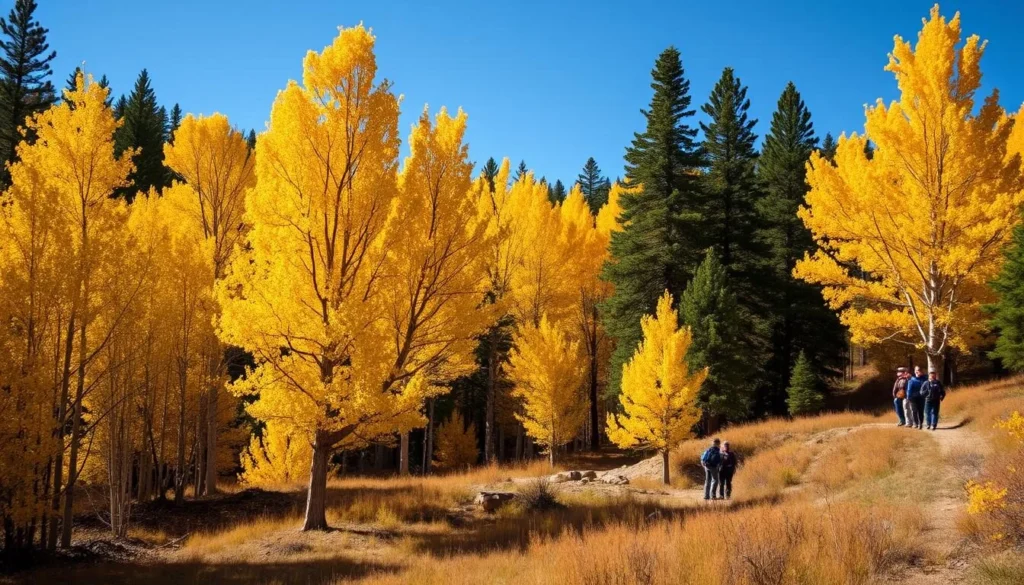
- Late September to Early October – The absolute best time to visit when fall colors transform the aspen groves to brilliant gold and temperatures are perfect for hiking
- June – Wildflowers peak and wildlife is highly active, though afternoon thunderstorms can occur
- July to August – Warmest months with daytime temperatures averaging 21-24°C (70-75°F), but afternoon monsoon storms are common
Seasons to Avoid
- Mid-October to Mid-May – The North Rim facilities close and Highway 67 is not maintained; heavy snow makes most of the plateau inaccessible
- July Afternoons – Monsoon thunderstorms can be dangerous, especially at exposed viewpoints
| Month | Avg. High | Avg. Low | Precipitation | Notes |
| May | 16°C (61°F) | 0°C (32°F) | 2.5 cm (1 in) | North Rim opens mid-month; snow possible |
| June | 21°C (70°F) | 4°C (39°F) | 1.3 cm (0.5 in) | Peak wildflowers; clear skies |
| July | 24°C (75°F) | 7°C (45°F) | 4.6 cm (1.8 in) | Monsoon season begins; afternoon thunderstorms |
| August | 23°C (73°F) | 7°C (44°F) | 5.8 cm (2.3 in) | Peak monsoon; lightning risk at viewpoints |
| September | 18°C (65°F) | 3°C (38°F) | 3.3 cm (1.3 in) | Aspen colors begin late month; fewer storms |
| October | 13°C (55°F) | -1°C (30°F) | 3.0 cm (1.2 in) | Peak fall colors; North Rim closes mid-month |
Weather Considerations
The Kaibab Plateau’s high elevation means weather can change rapidly. Summer afternoons often bring thunderstorms with dangerous lightning, particularly from July through August. Temperature differences between the rim and the canyon below can be extreme—up to 11°C (20°F) cooler on the plateau than at the Colorado River. Always check the forecast before setting out, and be prepared for temperature swings of 15°C (27°F) between day and night.
Getting Around Locally
Once you’ve arrived at the Kaibab Plateau, you’ll need to know how to navigate this expansive highland wilderness. Unlike the South Rim with its shuttle system, the North Rim and Kaibab Plateau require more self-reliance.
Private Vehicle
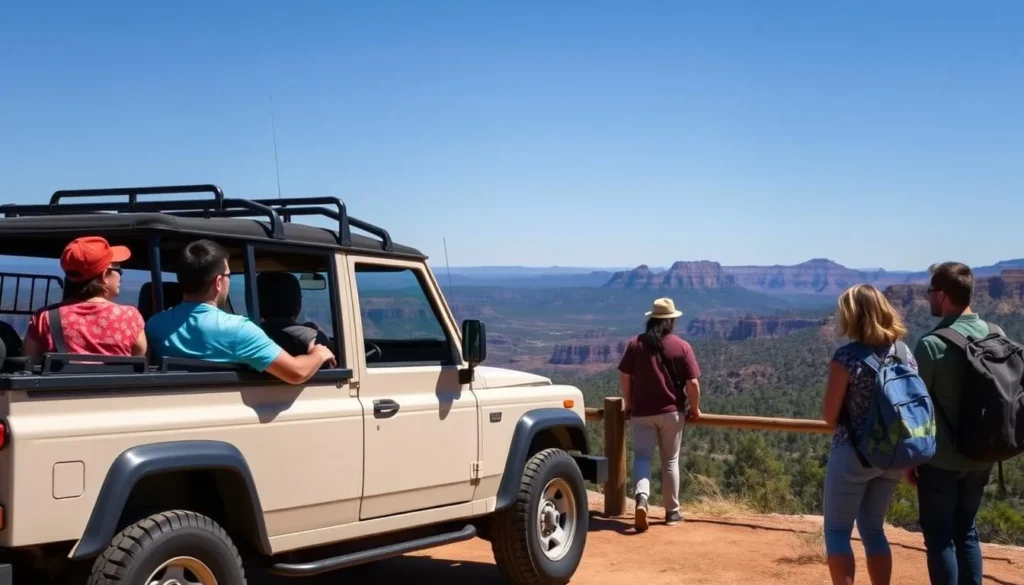
A private vehicle is the most practical way to explore the Kaibab Plateau. The main artery is Highway 67, which runs 70 km (43 miles) from Jacob Lake to the North Rim. From this highway, several scenic forest roads branch off, providing access to viewpoints and trailheads. While the main highway is paved and well-maintained (when open), many side roads are unpaved and may require high-clearance vehicles, especially after rain.
Key Driving Routes
- Kaibab Plateau-North Rim Parkway (Highway 67) – The main paved road through the plateau to the North Rim
- Point Imperial Road – 5.6 km (3.5 miles) paved road to the highest point on the North Rim
- Cape Royal Road – 23 km (14.5 miles) paved scenic drive to spectacular viewpoints
- Forest Road 22 – Unpaved road leading to the eastern edge of the plateau and remote viewpoints
- Forest Road 611 – Unpaved road accessing the western plateau and Rainbow Rim Trail
Bicycling
The Kaibab Plateau offers excellent road cycling along Highway 67 and the Cape Royal Road, with wide shoulders and moderate traffic. Mountain biking is permitted on forest roads and designated trails throughout Kaibab National Forest, including the spectacular Rainbow Rim Trail that connects five viewpoints along the canyon edge.
✓ Check 30,000+ Local Sightseeing Tours Worldwide
Hiking
Many areas of the Kaibab Plateau are best explored on foot. The North Rim has a network of day-hiking trails, while the broader plateau offers everything from short nature walks to multi-day backpacking routes. Trailheads are generally accessible by car, though some remote ones may require high-clearance vehicles.
Transportation Services
Unlike the South Rim, there are no shuttle services within the North Rim or Kaibab Plateau. The Trans-Canyon Shuttle does operate between the North and South Rims once daily in each direction during the season (May-October), but reservations are essential and must be made well in advance.
Where to Stay
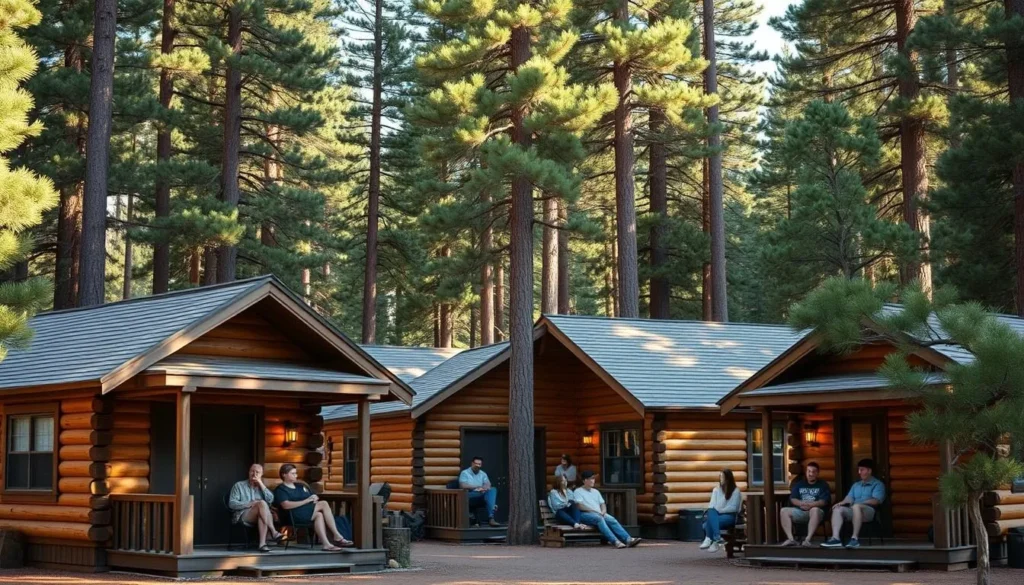
Accommodations on the Kaibab Plateau range from the historic Grand Canyon Lodge perched on the canyon rim to rustic forest campgrounds tucked among towering pines. Options are limited and fill quickly during the short season, so advance planning is essential.
North Rim Lodging
The historic Grand Canyon Lodge is the only in-park lodging on the North Rim. Built in 1937 and perched right on the canyon edge, it offers motel rooms and rustic cabins with varying proximity to the rim. The lodge features a dining room with panoramic canyon views and is typically open from mid-May to mid-October. Reservations open 13 months in advance and are often fully booked within days of becoming available.
Note: The Grand Canyon Lodge was damaged in the 2023 Dragon Fire. While reconstruction is underway, check the official Grand Canyon National Park website for current status and reopening dates.
Kaibab Plateau Lodging
Outside the national park boundaries but still on the Kaibab Plateau, Jacob Lake Inn offers the closest year-round accommodations, located at the junction of Highway 89A and Highway 67, about 70 km (43 miles) north of the North Rim. This rustic lodge is famous for its homemade cookies and serves as a convenient base for exploring the northern plateau.
Camping Options
- North Rim Campground – Located 1.6 km (1 mile) from the rim, this developed campground has 90 sites that accommodate tents and RVs up to 9 meters (30 feet). Reservations are available and strongly recommended from mid-May to mid-October.
- DeMotte Campground – Located in Kaibab National Forest, 11 km (7 miles) north of the North Rim entrance, this campground offers a more rustic experience with 38 sites available first-come, first-served.
- Jacob Lake Campground – At the northern end of the plateau, this forest service campground has 51 sites and is typically open May through September.
- Dispersed Camping – Free dispersed camping is permitted throughout much of Kaibab National Forest, offering solitude and flexibility for self-sufficient campers.
Backcountry Camping
For those seeking true wilderness immersion, backcountry camping is permitted in both Grand Canyon National Park and Kaibab National Forest. Within the park, a backcountry permit is required and should be requested well in advance. In the national forest, permits are not required for most areas, but check current regulations before your trip.
Dining & Local Cuisine
Dining options on the Kaibab Plateau are limited but offer quality experiences that often incorporate local ingredients and regional flavors. The remote location means restaurants are concentrated in just a few locations, so planning meals is important, especially for day trips.
North Rim Dining
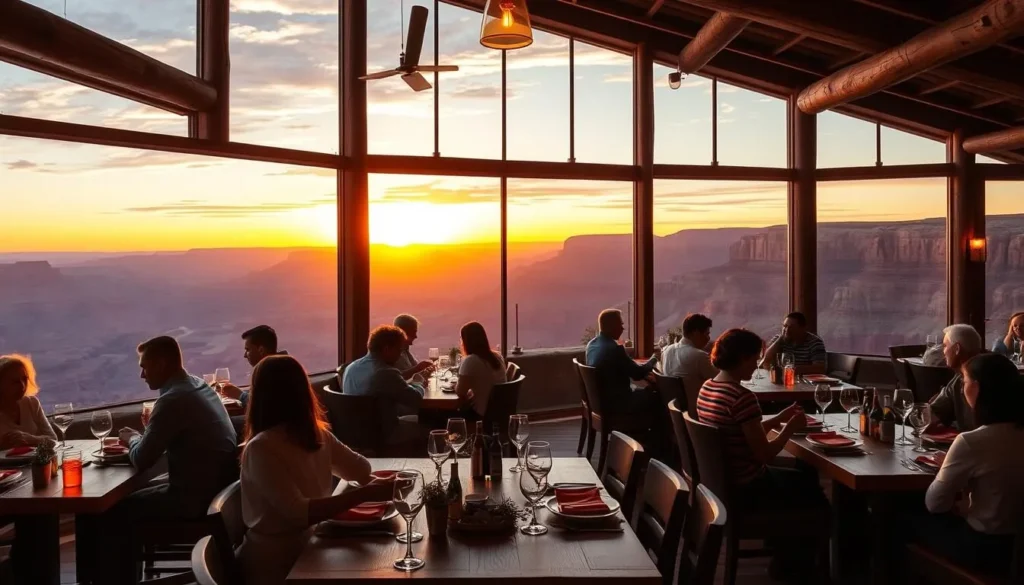
The Grand Canyon Lodge Dining Room offers the premier dining experience on the plateau, with large windows framing spectacular canyon views. The menu features regional specialties like Arizona-raised beef, native trout, and vegetarian options highlighting local ingredients. Breakfast, lunch, and dinner are served daily during the operating season, and reservations are strongly recommended for dinner.
For more casual options, the Lodge also operates a deli and a saloon that serves pub-style food alongside local craft beers. These venues offer grab-and-go options perfect for picnics at viewpoints or on the trail.
Jacob Lake Dining
Jacob Lake Inn Restaurant, at the northern gateway to the plateau, serves hearty American fare for breakfast, lunch, and dinner. Their homemade cookies have achieved legendary status among plateau visitors—the peanut butter chocolate chip variety is particularly renowned. The restaurant is open year-round, making it an important resource during shoulder seasons.
Local Specialties
- Navajo Tacos – A regional specialty featuring fry bread topped with beans, meat, cheese, and vegetables
- Ponderosa Pine Cookies – Jacob Lake Inn’s signature treat, available in multiple flavors
- Game Meats – Elk and bison occasionally feature on menus, reflecting the plateau’s hunting traditions
- Arizona Craft Beers – Local breweries like Grand Canyon Brewing Company produce beers that pair perfectly with the plateau experience
Self-Catering Options
There are no grocery stores on the plateau, so if you’re planning to self-cater, stock up in Kanab, Utah, or Fredonia, Arizona, before heading up. The General Store at the North Rim offers limited groceries and supplies during the operating season, but selection is restricted and prices reflect the remote location.
Dining Tip: During monsoon season (July-August), try to get a window table at the Grand Canyon Lodge Dining Room in late afternoon. You might witness the spectacular sight of storm clouds forming over the canyon, with lightning illuminating the vast depths as you enjoy dinner.
Attractions, Sightseeing & Activities
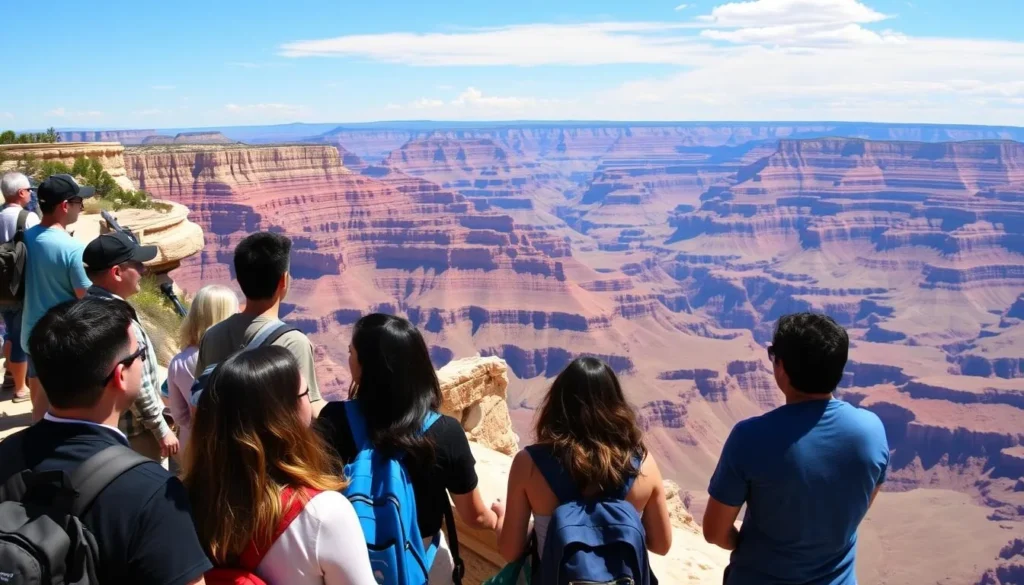
The Kaibab Plateau offers some of the most spectacular viewpoints and unique experiences in the Grand Canyon region. With significantly fewer visitors than the South Rim, you’ll often find yourself alone with the magnificent landscape, especially if you venture beyond the main visitor areas.
Must-See Viewpoints
- Point Imperial – The highest point on either rim at 2,683 meters (8,803 feet), offering expansive views of the eastern canyon, the Painted Desert, and the Colorado River. Especially magnificent at sunrise.
- Cape Royal – Perhaps the most comprehensive canyon panorama, featuring Angels Window (a natural arch), with views of the Colorado River and the South Rim. The premier sunset location.
- Bright Angel Point – Just a short walk from the Grand Canyon Lodge, this accessible viewpoint provides classic North Rim vistas and is perfect for first-time visitors.
- Roosevelt Point – Named after President Theodore Roosevelt, this less-visited viewpoint offers solitude and a memorial plaque commemorating the conservation-minded president.
- Walhalla Overlook – Near the end of the Cape Royal Road, this viewpoint overlooks Unkar Delta, an important archaeological site with ancient Puebloan ruins visible from above.
Scenic Drives
The Kaibab Plateau features some of Arizona’s most spectacular driving routes, with roads that wind through diverse ecosystems and access remarkable viewpoints:
- Kaibab Plateau-North Rim Parkway – The 70 km (43-mile) drive from Jacob Lake to the North Rim climbs through changing forest zones and offers occasional glimpses of the canyon.
- Cape Royal Road – This 23 km (14.5-mile) scenic drive branches off Highway 67 and leads to multiple viewpoints, including Point Imperial and Cape Royal.
- East Rim Drive – For the adventurous with high-clearance vehicles, Forest Road 22 provides access to remote eastern sections of the plateau with fewer visitors.
Historic Sites
The Kaibab Plateau contains significant historic and prehistoric sites that tell the story of human interaction with this challenging landscape:
- Grand Canyon Lodge – A National Historic Landmark built in 1937, exemplifying National Park Service rustic architecture.
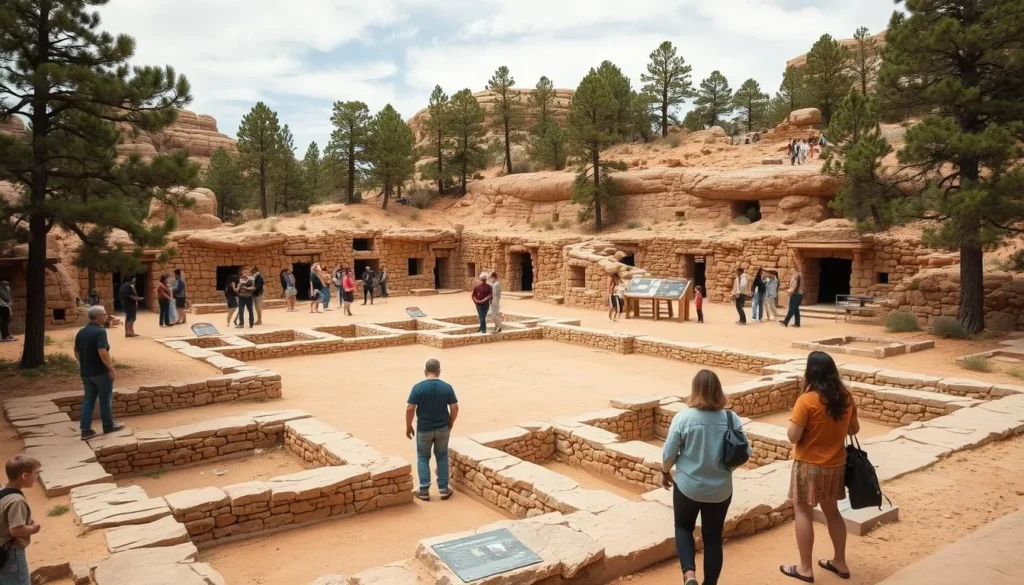
- Walhalla Glades Pueblo – Ancient Puebloan ruins dating from 1050-1150 CE, accessible via a short trail near Cape Royal.
- North Rim Lookout Tower – A historic fire lookout that still serves its original purpose during fire season.
Ranger Programs
During the operating season, Grand Canyon National Park offers daily ranger-led programs at the North Rim, including geology talks, rim walks, and evening programs at the lodge. These free activities provide expert insights into the natural and cultural history of the plateau and canyon.
Museums, Cultural Spots & Festivals
While the Kaibab Plateau is primarily known for its natural wonders, it also offers cultural and educational experiences that deepen visitors’ appreciation of this unique region.
Visitor Centers & Museums
- North Rim Visitor Center – Located near the Grand Canyon Lodge, this facility offers interpretive exhibits about the geology, ecology, and human history of the North Rim. Rangers are available to answer questions and help plan your visit.
- Kaibab Plateau Visitor Center – At Jacob Lake, this small center operated by the U.S. Forest Service provides information about the broader plateau region, including areas outside the national park.
- Pipe Spring National Monument – Located 51 km (32 miles) northwest of the plateau, this historic site preserves a frontier Mormon settlement and tells the story of Native American and pioneer interactions in the region.
Cultural Heritage
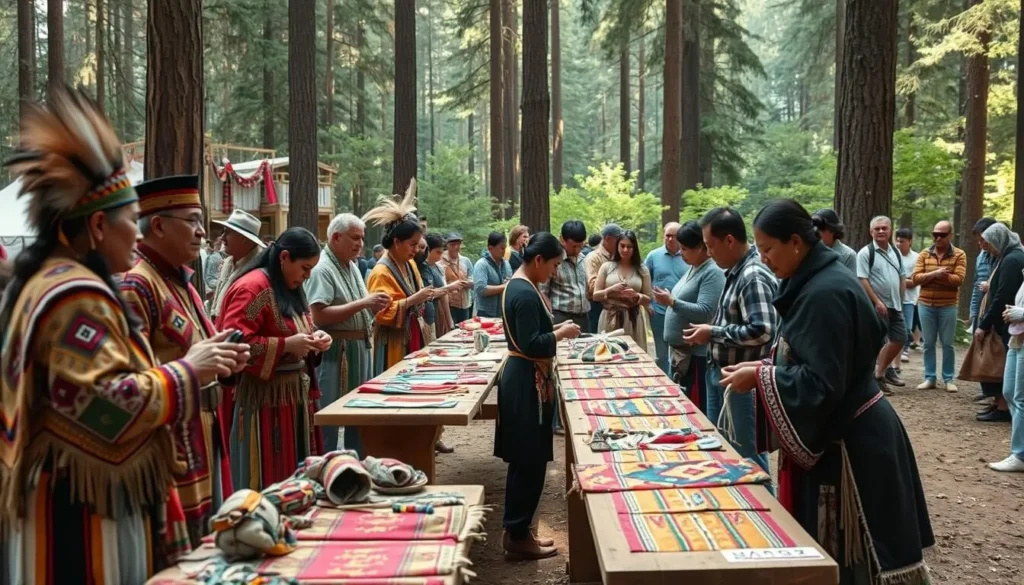
The Kaibab Plateau has deep cultural significance for several Native American tribes, particularly the Southern Paiute, whose traditional territory encompassed the plateau. The Navajo Nation borders the plateau to the east, while Hopi lands lie to the southeast. These indigenous connections are reflected in place names, interpretive materials, and occasional cultural demonstrations.
Seasonal Events & Festivals
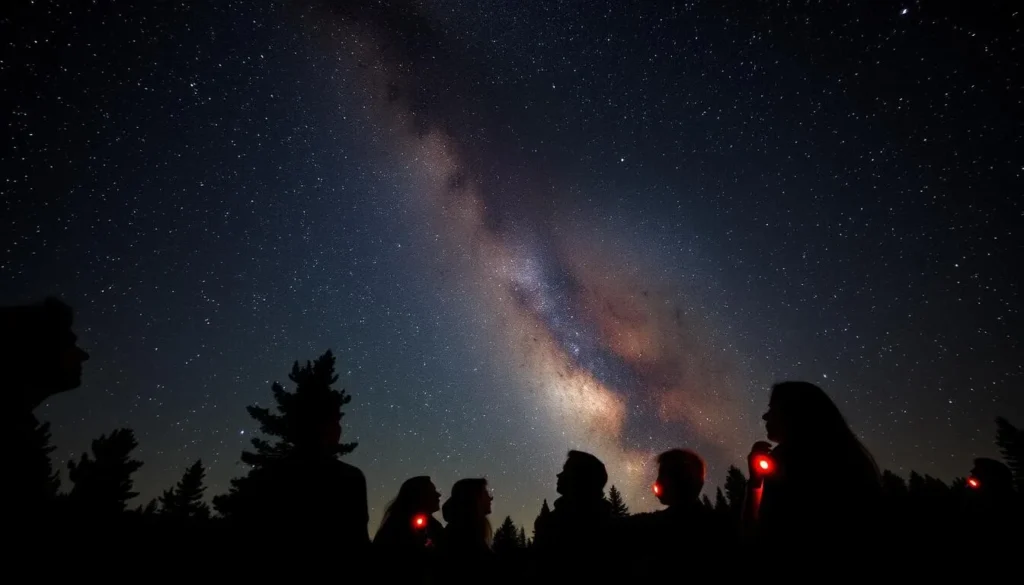
- Star Parties – The North Rim’s dark skies make it ideal for astronomy, and rangers occasionally host evening star-gazing events during the summer months.
- Native American Heritage Days – Usually held in August, this event features cultural demonstrations, traditional music, and educational programs highlighting the indigenous connections to the Grand Canyon.
- Western Arts Day – Celebrating the plateau’s ranching heritage with demonstrations of traditional skills like leatherworking and horseback riding.
- Fall Colors Festival – Late September brings informal celebrations of the aspen’s golden transformation, with photography workshops and guided hikes to the best color spots.
Art & Photography
The dramatic landscapes of the Kaibab Plateau have inspired artists for generations. The Grand Canyon Lodge occasionally hosts art exhibitions featuring local and regional artists. For photographers, the North Rim offers workshops during the summer season, focusing on capturing the unique light and perspectives of this less-photographed side of the canyon.
Sports, Nature & Outdoor Experiences
The Kaibab Plateau is a paradise for outdoor enthusiasts, offering experiences that range from casual nature walks to challenging backcountry adventures. The diverse ecosystems, dramatic elevation changes, and relative solitude create ideal conditions for connecting with nature.
Day Hiking
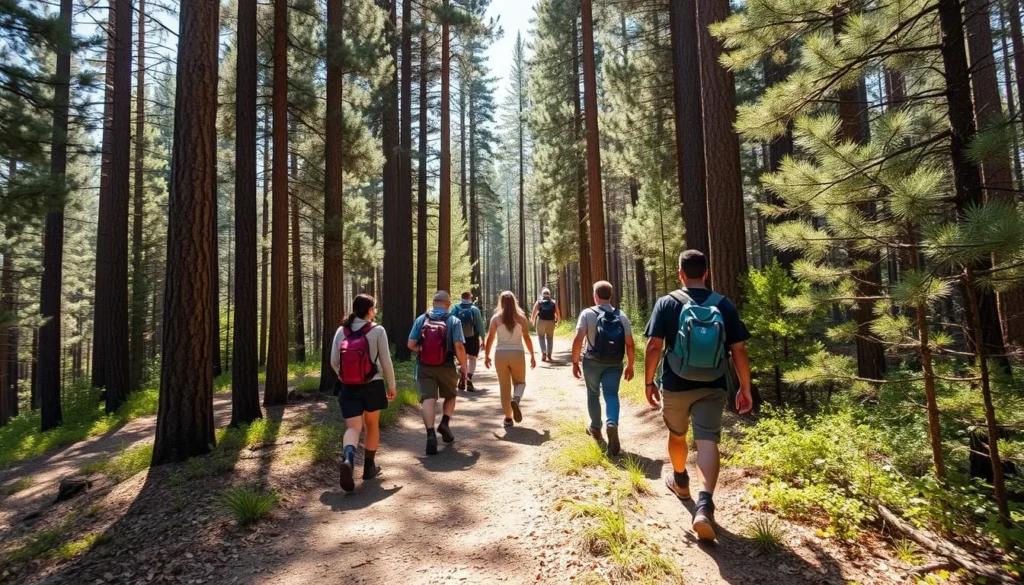
The North Rim offers several outstanding day hikes that showcase the plateau’s diverse environments:
- Bright Angel Point Trail – 0.8 km (0.5 miles) round trip; an easy paved walk to a spectacular viewpoint
- Transept Trail – 4.8 km (3 miles) round trip; follows the canyon rim from Grand Canyon Lodge to North Rim Campground
- Uncle Jim Trail – 8 km (5 miles) round trip; loops through forest to a viewpoint overlooking Bright Angel Canyon
- Cape Final Trail – 6.4 km (4 miles) round trip; relatively flat forest walk to an outstanding viewpoint
- Widforss Trail – 16 km (10 miles) round trip; alternates between forest and rim views, considered one of the best day hikes on the North Rim
Backpacking & Wilderness Hiking
For those seeking more immersive experiences, the Kaibab Plateau offers exceptional backpacking opportunities:
- North Kaibab Trail – The only maintained trail into the canyon from the North Rim, this challenging route descends 1,737 meters (5,700 feet) over 23 km (14 miles) to Bright Angel Campground near the Colorado River
- Arizona Trail – This 1,287 km (800-mile) trail traverses the entire state, with a particularly scenic section crossing the Kaibab Plateau
- Rainbow Rim Trail – A 29 km (18-mile) trail connecting five viewpoints along the western edge of the plateau, popular with both hikers and mountain bikers
Safety Tip: When hiking below the rim, remember that the return journey uphill will take at least twice as long as the descent. The North Kaibab Trail is particularly strenuous—hiking from the rim to the river and back in one day is strongly discouraged, even for experienced hikers.
Wildlife Viewing
The Kaibab Plateau hosts remarkable biodiversity, with species adapted to its island-like isolation:
- Kaibab Squirrel – This unique subspecies with its distinctive white tail and black belly exists nowhere else on Earth
- California Condor – North America’s largest bird occasionally soars along the canyon rims; bring binoculars
- Mule Deer – Abundant throughout the plateau, especially at dawn and dusk
- Bison – A managed herd roams the northern portions of the plateau
- Mountain Lion – Rarely seen but present throughout the remote areas

Other Outdoor Activities
- Mountain Biking – The Rainbow Rim Trail and numerous forest roads offer excellent mountain biking through varied terrain
- Horseback Riding – Guided mule trips run from the North Rim during the operating season, ranging from one-hour rides along the rim to half-day adventures
- Fishing – Several small lakes on the northern plateau offer trout fishing opportunities
- Winter Sports – When Highway 67 closes for winter, it becomes a route for cross-country skiing and snowshoeing for those willing to make the long approach
Safety, Etiquette & Local Customs
The Kaibab Plateau’s remote location, high elevation, and extreme environments require special attention to safety. Understanding local customs and etiquette will also enhance your experience and help preserve this special place for future visitors.
Wilderness Safety
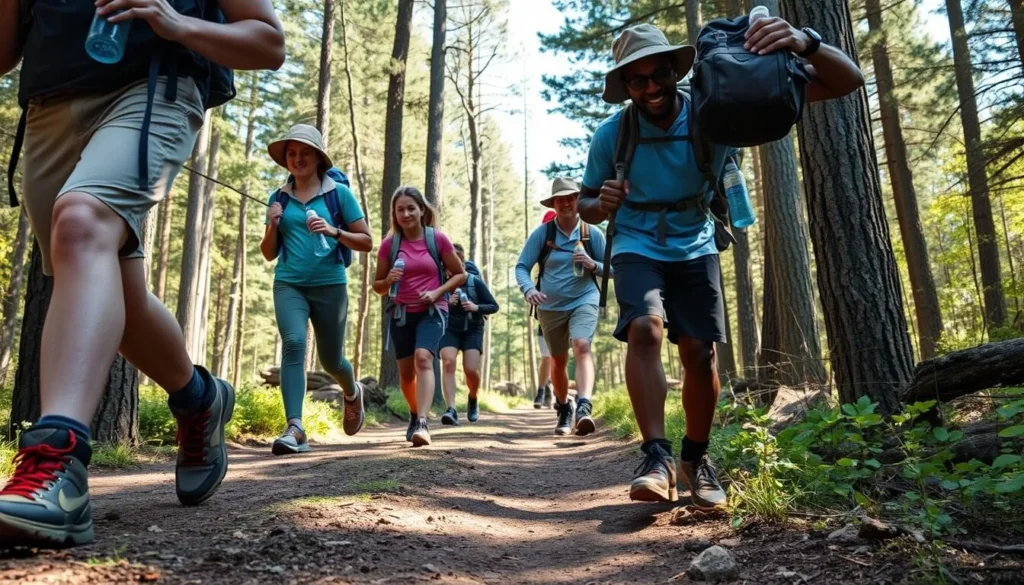
- Altitude Awareness – The plateau’s elevation (2,400-2,800 meters/8,000-9,200 feet) can cause altitude sickness in some visitors. Symptoms include headache, nausea, and fatigue. Acclimatize gradually, stay hydrated, and descend if symptoms persist.
- Weather Preparedness – Conditions can change rapidly. Summer thunderstorms bring dangerous lightning—move away from exposed areas if storms approach. Winter brings heavy snow and sub-freezing temperatures.
- Hydration – The high-altitude environment is surprisingly dry. Carry more water than you think you’ll need, even for short hikes.
- Navigation – Cell service is extremely limited. Carry physical maps and know how to use them, especially when venturing onto forest roads or trails.
- Wildlife Safety – Never approach or feed wildlife. Store food securely, especially in campgrounds where ravens and rodents are adept at accessing improperly stored items.
Environmental Etiquette
The Kaibab Plateau’s ecosystems are fragile and slow to recover from damage. Practice these principles to minimize your impact:
- Stay on designated trails and roads to prevent soil erosion and vegetation damage
- Pack out all trash, including food scraps, which can alter wildlife behavior
- Respect fire restrictions, which are often in place during the dry summer months
- Use established campsites when backcountry camping to minimize impact
- Leave natural and cultural features undisturbed for others to enjoy
Cultural Considerations
The Kaibab Plateau has deep significance for Native American tribes, particularly the Southern Paiute, whose traditional territory encompasses the plateau. Show respect by:
- Not disturbing archaeological sites or removing artifacts
- Listening respectfully during cultural presentations
- Understanding that certain locations may have spiritual significance
Local Customs
The remote communities near the Kaibab Plateau maintain some traditional Western customs and values:
- A friendly wave is customary when passing vehicles on remote roads
- Respect private property and ranch operations, which border public lands
- Dress tends to be casual and practical, with an emphasis on sun protection and layers for changing conditions
Visitor Comments About Kaibab Plateau
“We’ve visited the Grand Canyon five times but never ventured to the North Rim until last September. What a revelation! The Kaibab Plateau feels like a completely different world—cooler, quieter, and somehow more intimate with the canyon. Watching the sunset from Cape Royal with just a handful of other visitors was magical. The golden aspens along the drive were an unexpected bonus. We’re already planning our return trip.”
“As an avid wildlife photographer, the Kaibab Plateau exceeded all my expectations. In three days, I spotted seven Kaibab squirrels, countless mule deer, and even caught a distant glimpse of a California condor soaring along the rim. The changing light throughout the day creates endless photographic opportunities. Just be prepared for afternoon thunderstorms in summer—they come up quickly but create dramatic skies!”
“We visited with our three children (ages 8-14) and found the Kaibab Plateau perfect for a family adventure. The shorter, less crowded trails were manageable even for our youngest, and the Junior Ranger program at the North Rim was excellent. Staying at the North Rim Campground gave us easy access to sunrise viewpoints. Pro tip: don’t miss the homemade cookies at Jacob Lake Inn on your way in or out—they’re legendary for good reason!”
Additional Nearby Destinations
The Kaibab Plateau’s central location makes it an excellent base for exploring other remarkable destinations in the region, many within a day’s drive.
Within 1-2 Hours
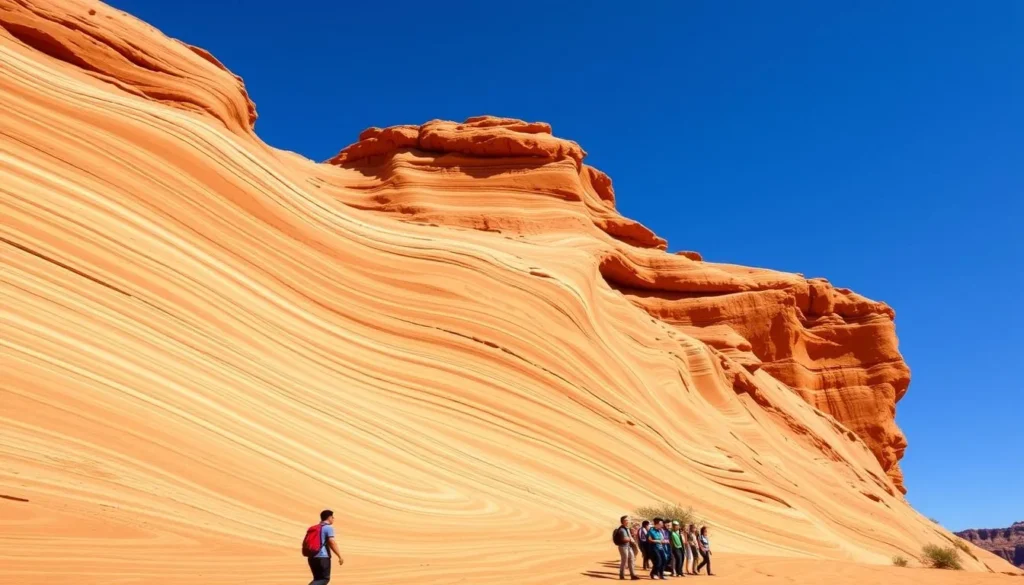
- Vermilion Cliffs National Monument – 64 km (40 miles) east; home to The Wave, Buckskin Gulch, and spectacular sandstone formations
- Pipe Spring National Monument – 51 km (32 miles) northwest; preserves a frontier Mormon settlement and Native American heritage site
- Lake Powell/Glen Canyon National Recreation Area – 125 km (78 miles) east; offers boating, swimming, and access to slot canyons
- Zion National Park – 116 km (72 miles) northwest; renowned for its soaring sandstone cliffs and slot canyons
Within 3-4 Hours
- Bryce Canyon National Park – 153 km (95 miles) north; famous for its otherworldly hoodoo formations
- Grand Staircase-Escalante National Monument – 161 km (100 miles) northeast; vast wilderness of canyons, arches, and plateaus
- South Rim of Grand Canyon – 346 km (215 miles) by road; the more developed and accessible section of the park
- Flagstaff, Arizona – 335 km (208 miles) south; mountain town with excellent dining, brewing, and cultural attractions
Scenic Routes
Consider these scenic drives when traveling to or from the Kaibab Plateau:
- Highway 89A through Marble Canyon – Spectacular views of the Vermilion Cliffs and Colorado River
- Highway 12 Scenic Byway – If heading to Bryce Canyon, this route through Grand Staircase-Escalante is considered one of America’s most scenic drives
- Highway 89 through the Navajo Nation – Passes dramatic landscapes and offers access to Monument Valley
Practical Travel Tips
These final suggestions will help you make the most of your Kaibab Plateau adventure while avoiding common pitfalls that can diminish the experience.
Reservations & Planning
- Book Accommodations Early – Lodge rooms and cabin reservations at Grand Canyon Lodge open 13 months in advance and fill quickly. Aim to book in April or May for the following summer.
- Fuel Up – The only gas station on the plateau is at North Rim Village, and it’s only open during the operating season. Fill your tank in Jacob Lake, Fredonia, or Kanab before heading onto the plateau.
- Download Maps – Download offline maps before your trip, as cell service is extremely limited throughout the plateau.
- Check Road Conditions – Before traveling, especially in May or October, check the status of Highway 67, which can close due to snow or maintenance.
Packing Essentials
- Layers – Even in summer, temperatures can range from near freezing at night to 24°C (75°F) during the day
- Sun Protection – The high elevation intensifies UV exposure; bring sunscreen, sunglasses, and a wide-brimmed hat
- Rain Gear – Afternoon thunderstorms are common in summer
- Binoculars – Essential for wildlife viewing and appreciating distant canyon features
- Flashlight/Headlamp – The plateau has minimal light pollution, making nighttime navigation challenging without illumination
Money-Saving Tips
- America the Beautiful Pass – If you plan to visit multiple national parks, this $80 annual pass covers entrance fees for all national parks and many federal recreation sites
- Bring Supplies – Groceries and sundries are limited and expensive on the plateau; stock up before arriving
- Visit Shoulder Seasons – Early June and late September offer excellent weather with slightly lower demand for accommodations
- Consider Camping – Campgrounds are significantly less expensive than lodge accommodations, and dispersed camping in the national forest is free
Photography Tips
- Golden Hours – The hour after sunrise and before sunset offers the most dramatic lighting for canyon photography
- Composition – Include foreground elements like twisted junipers or ponderosa pines to add depth to your canyon shots
- Weather – Partly cloudy days often provide the most dramatic lighting conditions, with shadows and light playing across the canyon
- Night Photography – The plateau’s dark skies are perfect for astrophotography; bring a tripod and remote shutter release
The Plateau’s Promise: A Grand Canyon Experience Like No Other
The Kaibab Plateau stands as a testament to nature’s ability to create worlds within worlds. Rising from the desert like a forested island in the sky, it offers not just a different perspective on the Grand Canyon, but an entirely different experience. Here, among ancient pines and golden aspens, with the vast canyon unfurling at your feet, you’ll find the space and solitude to forge a personal connection with one of Earth’s most magnificent landscapes.
Whether you come for the spectacular viewpoints, the unique wildlife, the challenging trails, or simply the chance to experience the Grand Canyon away from the crowds, the Kaibab Plateau rewards those willing to venture beyond the familiar. In a world where truly wild places grow increasingly rare, this elevated wilderness preserves not just an ecosystem, but a way of experiencing nature that harkens back to the days when Theodore Roosevelt himself hunted mountain lions among these same trees and gazed into these same depths.
As you plan your journey to this remarkable destination, remember that the Kaibab Plateau isn’t just a place to visit—it’s a place to linger, to explore, and to discover the Grand Canyon as it was meant to be experienced: with wonder, with reverence, and with the time to let its grandeur truly sink in.
Related Posts

Patagonia-Sonoita Creek Preserve, Arizona: Best Things to Do – Top Picks
Yuma Territorial Prison State Historic Park, Arizona: Best Things to Do – Top Picks
Windsor Beach (Lake Havasu State Park), Arizona: Best Things to Do – Top Picks

White Pocket, Arizona: Best Things to Do – Top Picks

White Mountains, Arizona: Best Things to Do – Top Picks
Walnut Canyon National Monument, Arizona: Best Things to Do – Top Picks
Coming Soon: Clickable Maps