
Hotels by Trip.com
Flights by Trip.com
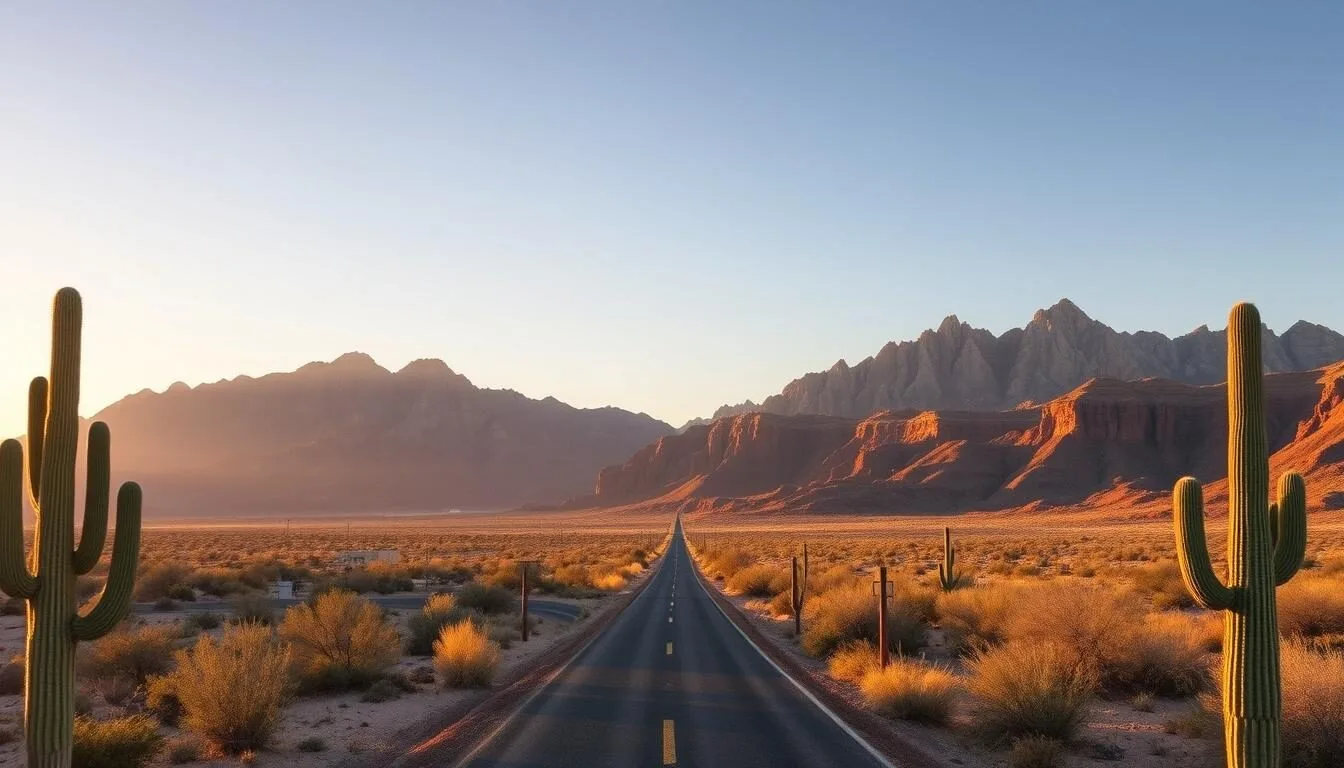
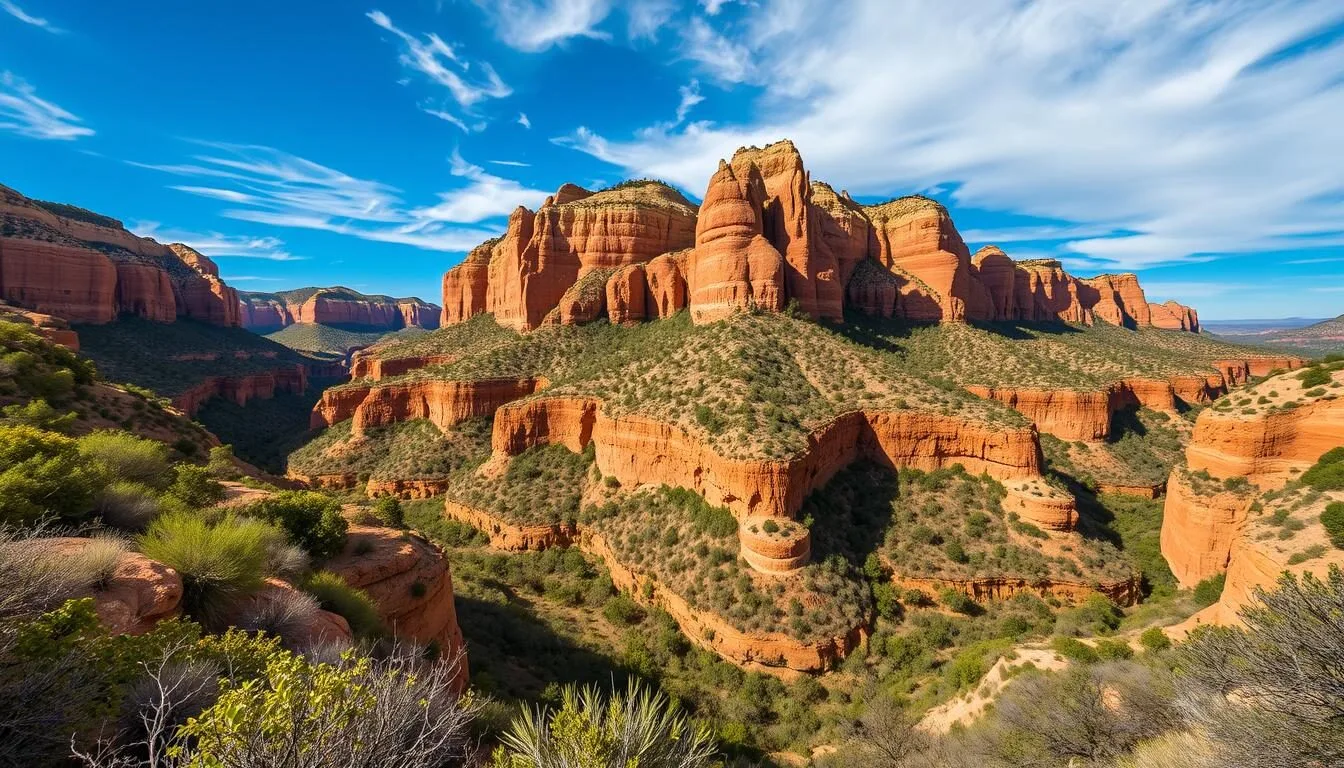
Did you know that the Kofa Mountains in Arizona are home to one of the last native desert bighorn sheep populations in the Southwest? With approximately 400-800 bighorn sheep roaming freely across its 547,719 acres of protected wilderness, the Kofa National Wildlife Refuge offers visitors a rare glimpse into Arizona’s pristine desert ecosystem. This vast, rugged landscape of towering peaks and hidden canyons remains one of Arizona’s best-kept secrets for outdoor enthusiasts seeking solitude and natural beauty.
Getting There & Planning Your Journey
The Kofa Mountains are located within the Kofa National Wildlife Refuge in southwestern Arizona, approximately 65 km (40 miles) northeast of Yuma. For most visitors, the journey begins with a flight to one of the region’s airports.
Closest Airports:
- Yuma International Airport (YUM) – 80 km (50 miles)
- Phoenix Sky Harbor International Airport (PHX) – 241 km (150 miles)
- Palm Springs International Airport (PSP) – 257 km (160 miles)
From Yuma, take Highway 95 north for about 40 minutes until you reach Palm Canyon Road, which serves as the main entrance to the refuge. From Phoenix, take I-10 west toward Los Angeles, then Highway 95 south from Quartzsite. The refuge is accessible via Palm Canyon Road (well-marked) or King Road, both dirt roads that branch east from Highway 95.
While a standard passenger vehicle can navigate Palm Canyon Road in dry conditions, a high-clearance vehicle is recommended for exploring deeper into the refuge, especially for reaching Kofa Queen Canyon or Signal Peak. Four-wheel drive becomes essential after rain or for accessing more remote areas.
Best Time to Visit & Weather Tips
Recommended Seasons:
| Season | Months | Temperature | Conditions | Recommendation |
| Winter | November – February | 7-21°C (45-70°F) | Mild days, cold nights | Highly Recommended |
| Spring | March – April | 15-29°C (60-85°F) | Wildflowers, moderate temps | Excellent |
| Fall | October – November | 15-29°C (60-85°F) | Cooling temperatures | Very Good |
| Summer | May – September | 32-46°C (90-115°F) | Extreme heat, monsoons | Not Recommended |
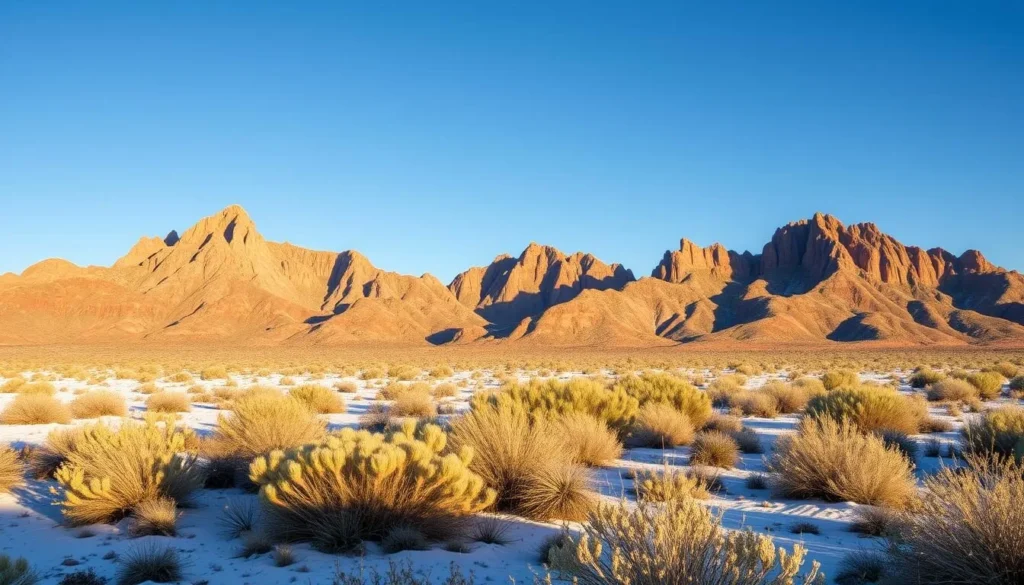
The ideal time to visit the Kofa Mountains is from November through April when temperatures are comfortable for outdoor activities. Winter (November-February) offers mild daytime temperatures perfect for hiking, though nights can drop below freezing. Spring (March-April) brings wildflower blooms across the desert floor, creating spectacular photo opportunities.
Summer months (May-September) bring extreme heat with temperatures regularly exceeding 38°C (100°F), making outdoor activities dangerous. July through September also brings monsoon season with sudden thunderstorms that can cause flash flooding on dirt roads.
Weather Tip: Always check weather forecasts before your trip. Flash floods can occur rapidly in desert environments, making roads impassable. Even in cooler months, bring plenty of water (at least 4 liters per person per day), sun protection, and layer clothing for temperature fluctuations of up to 20°C (36°F) between day and night.
Getting Around Locally
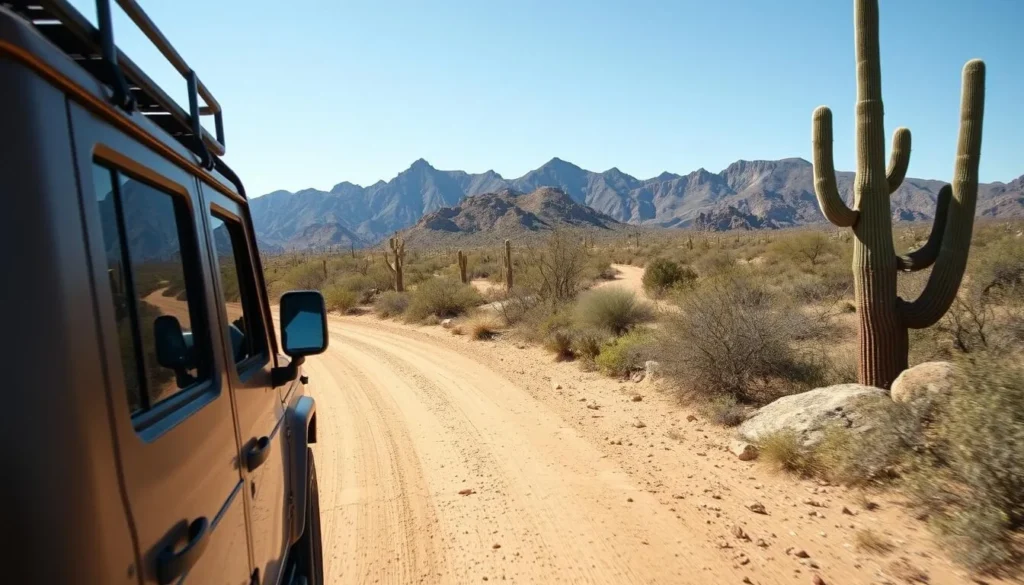
Navigating the Kofa Mountains requires preparation and the right vehicle. The refuge contains no paved roads, only dirt and gravel routes of varying quality. Palm Canyon Road is generally well-maintained and accessible to most vehicles in dry conditions, though washboarding can make for a bumpy ride.
Vehicle Recommendations:
Standard Vehicles:
- Can access Palm Canyon Road and trailhead
- Limited to main roads only
- Not recommended after rainfall
High-Clearance/4WD:
- Required for Kofa Queen Canyon
- Necessary for Signal Peak access
- Essential for exploring remote areas
There is no public transportation to or within the refuge. Visitors must bring their own vehicles. The nearest rental car agencies are in Yuma or Quartzsite. If planning to explore beyond the main roads, consider renting a high-clearance or 4WD vehicle.
✓ Check 30,000+ Local Sightseeing Tours Worldwide
Navigation Tip: Cell service is extremely limited or non-existent throughout most of the refuge. Download offline maps before your trip, bring physical maps, and consider a GPS device. Let someone know your planned route and expected return time before heading into remote areas.
Where to Stay
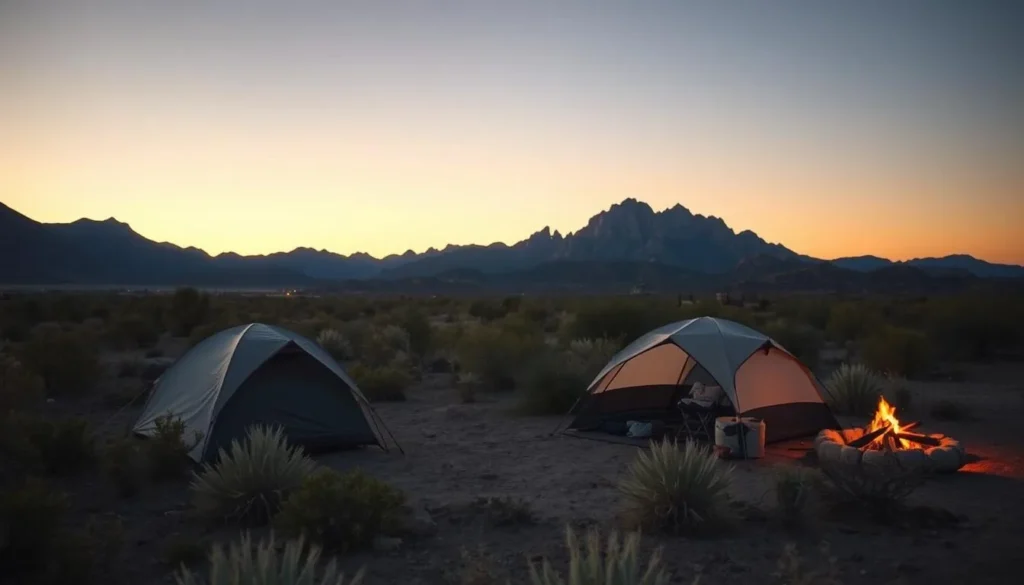
The Kofa Mountains offer a true wilderness experience with no developed facilities within the refuge itself. Accommodation options range from primitive camping to nearby towns.
Camping in Kofa National Wildlife Refuge:
Dispersed camping is permitted throughout most of the refuge, with a 14-day limit. There are no designated campgrounds, developed sites, or facilities of any kind. Visitors must be entirely self-sufficient, bringing all necessary water, food, and supplies.
- Palm Canyon Road: Several informal pull-offs along this main access road offer flat areas for camping with stunning mountain views.
- Kofa Queen Canyon: More remote camping spots with spectacular scenery, but requires high-clearance vehicles.
- Crystal Hill Area: Popular area for rockhounds with several dispersed camping locations.
Nearby Accommodations:
For those preferring more comfortable lodging, the nearest options are in Quartzsite (45 minutes north) or Yuma (1 hour southwest).
Quartzsite:
- Several budget motels
- RV parks with hookups
- BLM land for free camping
Yuma:
- Full range of hotels/motels
- Vacation rentals
- RV resorts
Camping Advisory: Practice Leave No Trace principles. Pack out all trash, bury human waste at least 15 cm (6 inches) deep and 60 m (200 feet) from water sources, and minimize campfire impacts. During fire restrictions, portable stoves may be required instead of open fires.
Dining & Local Cuisine
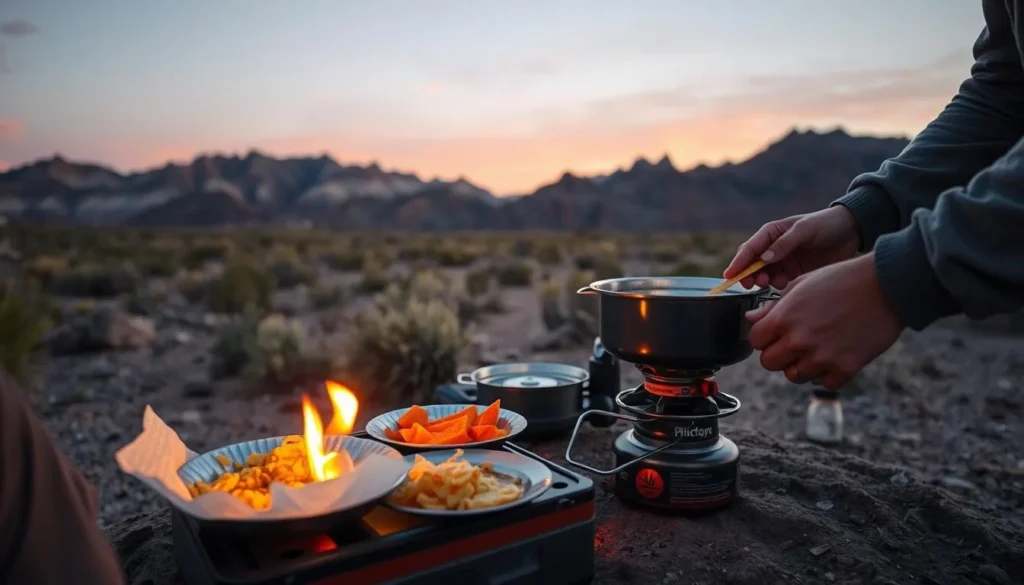
There are no dining establishments within the Kofa National Wildlife Refuge. Visitors must bring all food and cooking supplies. The nearest restaurants and grocery stores are in Quartzsite or Yuma.
Self-Catering Tips:
- Stock up on groceries in Yuma or Quartzsite before entering the refuge
- Bring a cooler with ice for perishable items
- Pack easy-to-prepare meals that require minimal water for cooking and cleanup
- Bring a portable stove and fuel, especially during fire restriction periods
- Store food securely to prevent attracting wildlife
Nearby Dining Options:
If you’re planning day trips from nearby towns, here are some dining options:
Quartzsite:
This small desert town offers several casual dining options, particularly during winter months when the population swells with seasonal visitors. You’ll find diners, fast food, and pizza places along Main Street.
Yuma:
As a larger city, Yuma provides a wider range of dining options, from fast food to sit-down restaurants. The city is known for its fresh produce (Yuma is a major agricultural center) and Mexican cuisine influenced by its proximity to the border.
Water Advisory: There are NO water sources within the refuge. Bring at least 4 liters (1 gallon) of water per person per day, plus additional water for cooking and emergencies. Desert conditions can quickly lead to dehydration, even in cooler months.
Attractions, Sightseeing & Activities
Top Attractions in Kofa Mountains:
1. Palm Canyon
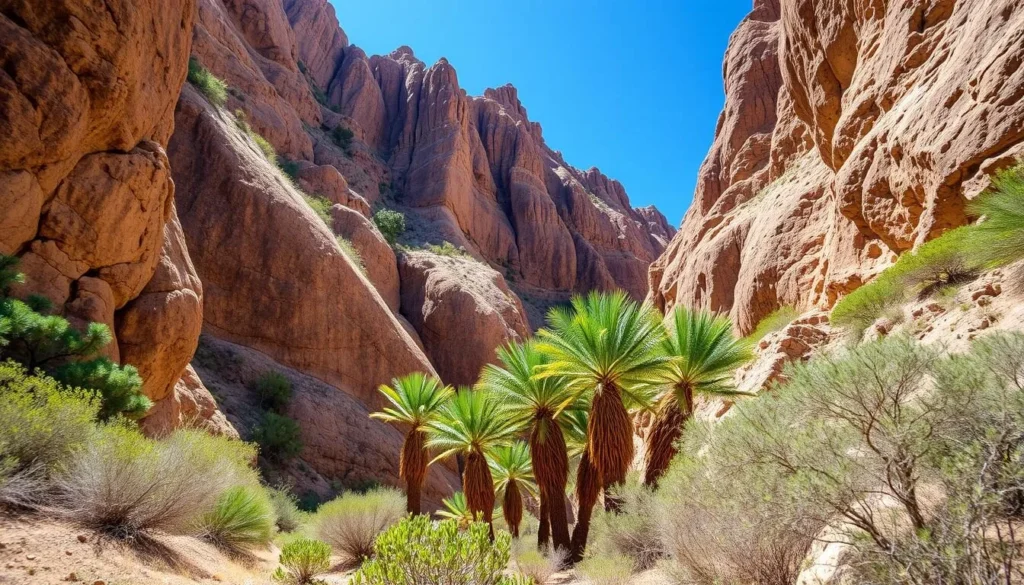
The crown jewel of Kofa National Wildlife Refuge, Palm Canyon harbors the only native palm trees (California fan palms) in Arizona. These remarkable trees grow in a steep, narrow side canyon where they’re protected from extreme desert conditions. The Palm Canyon Trail is a relatively short 1.2 km (0.75 mile) round-trip hike that offers spectacular views of these botanical rarities.
2. Signal Peak
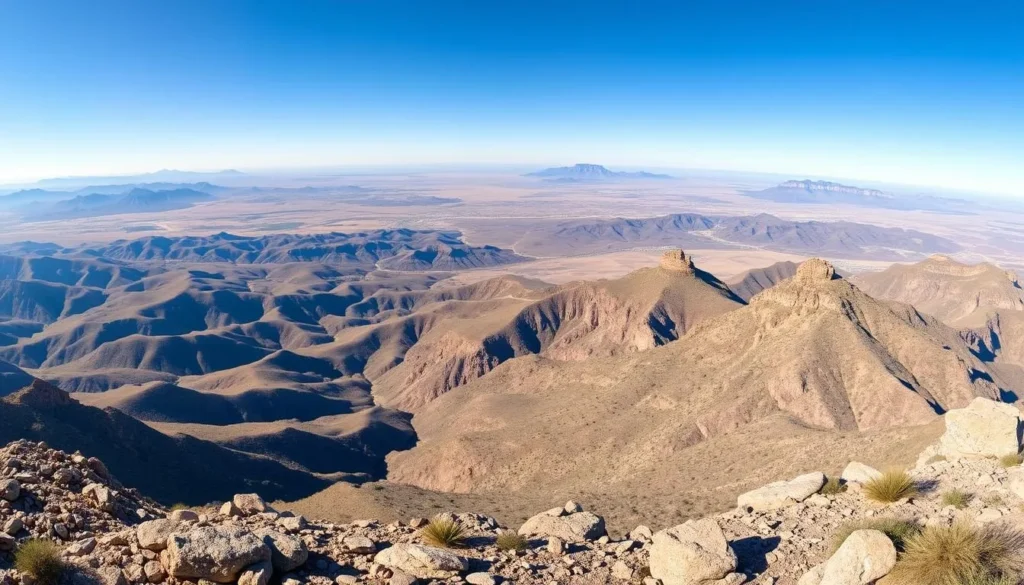
At 1,442 m (4,731 feet), Signal Peak is the highest point in the Kofa Mountains. The challenging hike to the summit rewards adventurers with breathtaking 360-degree views across the Sonoran Desert. The trail is approximately 6.4 km (4 miles) round-trip with significant elevation gain and requires good navigation skills as it’s not well-marked.
3. Kofa Queen Canyon
This scenic canyon offers some of the most dramatic landscapes in the refuge. The rugged terrain features towering rock formations, including the famous “Skull Rock” formation. High-clearance vehicles are required to access this area, but the spectacular scenery makes it worth the effort.
4. Crystal Hill
The only area within the refuge where recreational rock collecting is permitted, Crystal Hill is popular among rockhounds searching for quartz crystals, agates, and other minerals. Visitors may collect up to 10 specimens or 4.5 kg (10 pounds) of material per person for personal use.
5. Historic Mining Sites
The refuge contains several abandoned mining sites that tell the story of the area’s prospecting history. The King of Arizona (KOFA) Mine, which gave the mountains their name, operated from 1896 to 1910. While the mine itself is on private property, visitors can explore nearby areas and see remnants of this bygone era.
6. Kofa Cabin
Built by the Civilian Conservation Corps in the late 1930s, this historic stone shelter is available for day use. The cabin provides a fascinating glimpse into the region’s past and makes for an interesting side trip when exploring the refuge.
Sports, Nature & Outdoor Experiences
Hiking & Backpacking
The Kofa Mountains offer unlimited hiking opportunities, though most are unmarked routes rather than established trails. Besides Palm Canyon and Signal Peak, adventurous hikers can explore numerous canyons and peaks throughout the refuge. Backpacking is permitted, allowing for multi-day wilderness experiences.
- Horse Tanks Trail: A moderate 10.1 km (6.3 mile) route leading to natural water catchments.
- Ten Ewes Canyon: A challenging but rewarding canyon exploration with dramatic rock formations.
- Castle Dome Peak: Located in the Castle Dome Mountains section of the refuge, this distinctive peak offers a challenging technical climb.
Wildlife Viewing
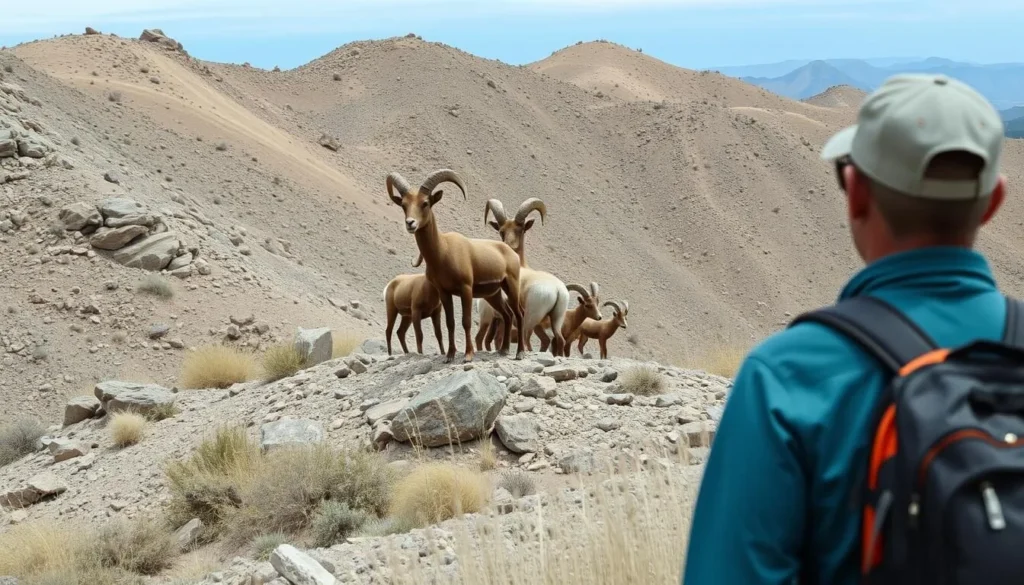
The refuge was established primarily to protect desert bighorn sheep, and patient observers may spot these magnificent animals on rocky slopes, especially near water sources in early morning or late afternoon. Other wildlife includes desert tortoises, Gila monsters, kit foxes, bobcats, and numerous bird species.
Photography
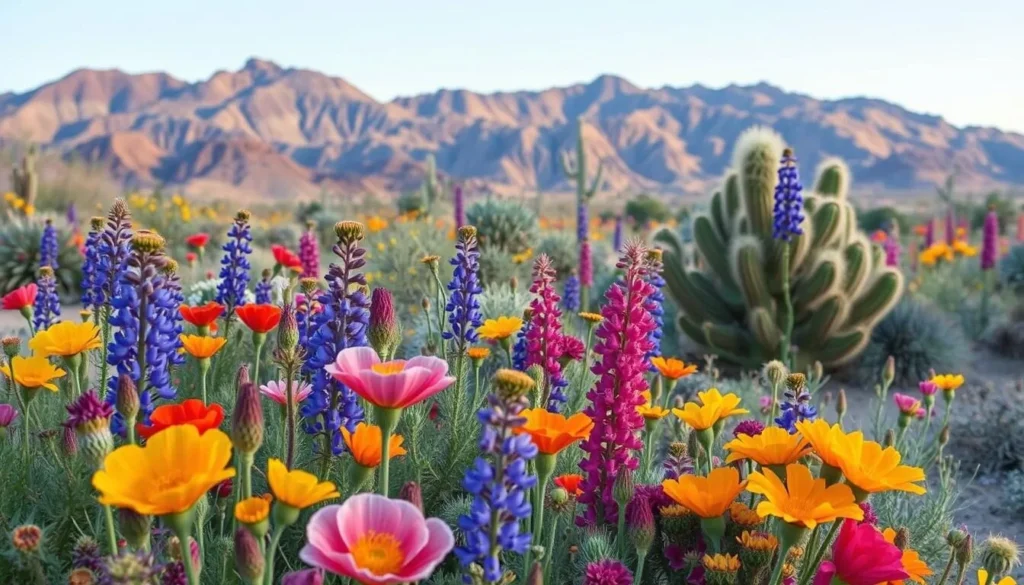
The Kofa Mountains provide endless opportunities for landscape and wildlife photography. The dramatic light at sunrise and sunset creates spectacular conditions for capturing the desert landscape. Spring wildflower blooms (typically February-April, depending on winter rainfall) transform the desert into a colorful canvas.
Stargazing
With minimal light pollution, the Kofa Mountains offer exceptional stargazing opportunities. The clear desert air and open skies provide perfect conditions for observing the Milky Way, meteor showers, and astronomical events.
Hunting
Regulated hunting is permitted in certain areas of the refuge during specific seasons. Hunters must obtain appropriate Arizona state licenses and follow all refuge regulations. Target species include desert bighorn sheep (limited permits through lottery), mule deer, Gambel’s quail, and dove.
Outdoor Safety: The desert environment can be unforgiving. Always carry sufficient water, navigation tools, and emergency supplies. Inform someone of your plans before venturing into remote areas, and be prepared for extreme temperature changes between day and night.
Safety, Etiquette & Local Customs
Desert Safety
- Water: Bring at least 4 liters (1 gallon) per person per day, plus emergency reserves.
- Sun Protection: Wear a wide-brimmed hat, sunglasses, and sunscreen. Long-sleeved, light-colored clothing provides better protection than short sleeves.
- Navigation: Bring physical maps, compass, and GPS. Cell service is unreliable or non-existent.
- First Aid: Carry a comprehensive first aid kit including treatments for blisters, cuts, and heat-related illnesses.
- Temperature: Be prepared for extreme temperature fluctuations between day and night.
Wildlife Etiquette
Observe wildlife from a distance and never approach, feed, or disturb animals. This is especially important for desert bighorn sheep, which may abandon critical water sources if disturbed. Use binoculars or telephoto lenses for closer views.
Leave No Trace
The fragile desert ecosystem recovers very slowly from human impacts. Follow Leave No Trace principles: pack out all trash, stay on existing roads and trails when possible, and minimize campfire impacts. If camping, set up at least 60 m (200 feet) from water sources to allow wildlife access.
Wilderness Regulations
Most of the Kofa National Wildlife Refuge is designated wilderness, which prohibits mechanized vehicles (including bicycles) off established roads. Drones are not permitted anywhere within the refuge without special permission.
Emergency Contacts: There is no cell service in most of the refuge. For emergencies, the nearest help may be hours away. Consider carrying a satellite communication device. The refuge headquarters in Yuma can be reached at (928) 783-7861 during business hours.
Visitor Comments About Kofa Mountains
“The Palm Canyon hike was the highlight of our Arizona road trip. Seeing native palm trees growing in a desert canyon was surreal. We camped along Palm Canyon Road and had the most spectacular stargazing experience of our lives. Just be prepared with plenty of water and a high-clearance vehicle if you want to explore beyond the main areas.”
“We visited in March when the wildflowers were in full bloom – an absolutely magical experience! The contrast of colorful flowers against the stark desert landscape was breathtaking. The hike to Signal Peak was challenging but worth every step for those panoramic views. Just be aware that navigation can be tricky as trails aren’t well-marked.”
“Kofa is Arizona’s best-kept secret. We spent three days exploring the refuge and barely scratched the surface. The solitude and pristine wilderness are increasingly rare finds these days. We saw bighorn sheep near Horse Tanks and had an entire canyon to ourselves for camping. If you’re looking to escape crowds and reconnect with nature, this is your place.”
Additional Nearby Destinations
While the Kofa Mountains deserve a dedicated trip, several nearby attractions can complement your visit:
- Imperial National Wildlife Refuge (80 km/50 miles west): Protects 30 miles of the lower Colorado River, offering water-based recreation, wildlife viewing, and hiking.
- Yuma, Arizona (80 km/50 miles southwest): Historic downtown, Colorado River activities, and the Yuma Territorial Prison State Historic Park.
- Quartzsite, Arizona (72 km/45 miles north): Famous for its massive gem and mineral shows in winter, plus the Hi Jolly Monument and nearby BLM lands.
- Cabeza Prieta National Wildlife Refuge (adjacent to southern boundary): Even more remote wilderness with stunning desert landscapes (special permits required).
- Castle Dome Mine Museum (45 km/28 miles south): Restored ghost town and mining museum showcasing the area’s rich mining history.
Practical Travel Tips
Essential Gear:
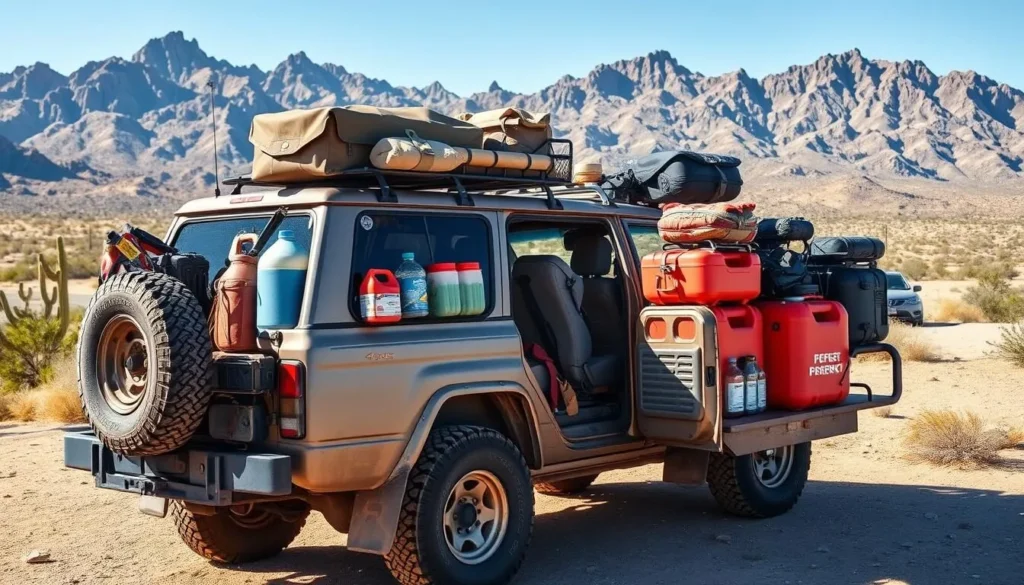
Vehicle Preparation:
- Full tank of fuel (no services in refuge)
- Spare tire and jack
- Basic tools and tire repair kit
- Extra engine coolant and oil
- Tow strap
Personal Equipment:
- Plenty of water (minimum 4L/1gal per person per day)
- High-energy food
- Sun protection (hat, sunscreen, sunglasses)
- First aid kit
- Navigation tools (map, compass, GPS)
Communication:
Cell service is extremely limited or non-existent in most of the refuge. Consider renting or purchasing a satellite communication device for emergencies. At minimum, always inform someone of your planned route and expected return time.
Supplies:
Stock up on all necessary supplies in Yuma or Quartzsite before entering the refuge. There are no services of any kind within the refuge boundaries.
Permits:
No permits are required for general visitation or camping. Hunting requires appropriate Arizona state licenses and permits. Commercial activities or organized group events may require special use permits from the refuge manager.
Accessibility Note: Most of the Kofa National Wildlife Refuge is undeveloped wilderness with limited accessibility for those with mobility challenges. The Palm Canyon Trail parking area has an information kiosk, but the trail itself is rocky and uneven. The refuge headquarters in Yuma is fully accessible and provides information about the refuge.
Embrace the Wild Heart of Arizona
The Kofa Mountains stand as a testament to the raw, untamed beauty that still exists in the American Southwest. In a world increasingly defined by connectivity and convenience, this rugged wilderness offers something increasingly precious: solitude, adventure, and the chance to experience nature on its own terms. Whether you come to photograph the dramatic landscapes, hike among rare desert palms, or simply gaze at star-filled skies untouched by light pollution, the Kofa Mountains reward those willing to venture beyond the beaten path. As you plan your journey to this desert treasure, remember that its very remoteness is what preserves its magic. Come prepared, tread lightly, and allow yourself to be transformed by one of Arizona’s most spectacular hidden gems.
Related Posts

Patagonia-Sonoita Creek Preserve, Arizona: Best Things to Do – Top Picks
Yuma Territorial Prison State Historic Park, Arizona: Best Things to Do – Top Picks
Windsor Beach (Lake Havasu State Park), Arizona: Best Things to Do – Top Picks

White Pocket, Arizona: Best Things to Do – Top Picks

White Mountains, Arizona: Best Things to Do – Top Picks
Walnut Canyon National Monument, Arizona: Best Things to Do – Top Picks
Coming Soon: Clickable Maps