

Spanning over 665,400 hectares (1.6 million acres) of pristine Sonoran Desert wilderness, Kofa National Wildlife Refuge is home to one of the largest desert bighorn sheep populations in the United States, yet remains one of Arizona’s least visited natural treasures. Established in 1939 primarily to protect these magnificent creatures, this remote sanctuary offers adventurous travelers a rare glimpse into an untouched desert ecosystem where jagged mountain peaks rise dramatically from vast desert plains, creating a landscape of breathtaking beauty and solitude.
Getting There & Planning Your Journey
Kofa National Wildlife Refuge is located in southwestern Arizona, approximately 40 km (25 miles) northeast of Yuma and 175 km (110 miles) west of Phoenix. The refuge is relatively remote, which contributes to its pristine condition and peaceful atmosphere.
Nearest Airports
The closest major airports to Kofa National Wildlife Refuge are:
- Yuma International Airport (YUM) – 65 km (40 miles)
- Phoenix Sky Harbor International Airport (PHX) – 210 km (130 miles)
- Palm Springs International Airport (PSP) – 240 km (150 miles)
Road Access
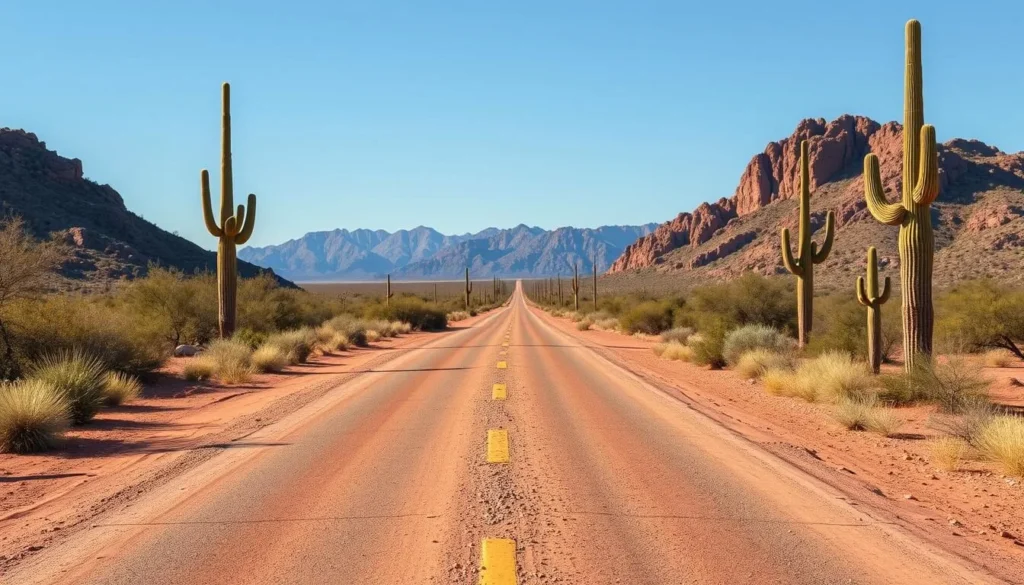
The refuge is accessible via Highway 95, which runs between Yuma and Quartzsite. The main entrance points are Palm Canyon Road and King Road. Most roads within the refuge are unpaved and require high-clearance vehicles, with some areas necessitating 4-wheel drive capability, especially after rain.
Best Time to Visit & Weather Tips
The extreme desert climate of Kofa National Wildlife Refuge makes timing your visit crucial for both comfort and safety. Summer temperatures regularly exceed 43°C (110°F), making outdoor activities dangerous without proper preparation.
| Season | Temperature Range | Conditions | Recommendation |
| Winter (Dec-Feb) | 7-21°C (45-70°F) | Mild days, cold nights, occasional rain | Highly Recommended |
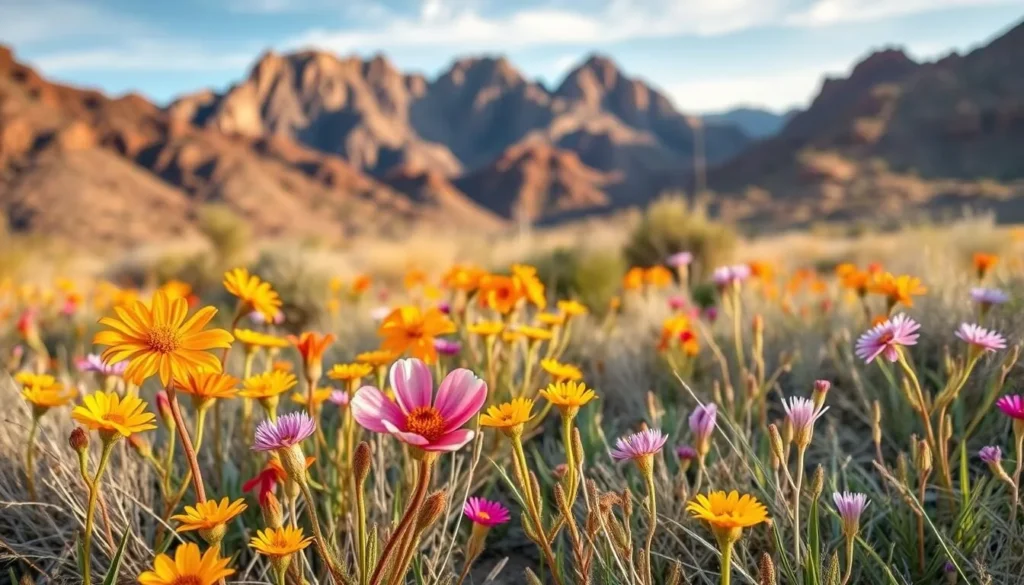
| Spring (Mar-May) | 13-32°C (55-90°F) | Warming days, wildflower blooms (March-April) | Excellent |
| Summer (Jun-Aug) | 27-46°C (80-115°F) | Extreme heat, monsoon storms possible | Not Recommended |
| Fall (Sep-Nov) | 13-35°C (55-95°F) | Gradually cooling, stable weather | Very Good |
Best Months to Visit: November through March offers the most pleasant temperatures for hiking and camping. February and March may feature spectacular wildflower displays if winter rains have been sufficient.
Getting Around Locally
Navigating Kofa National Wildlife Refuge requires preparation and the right vehicle. There are no paved roads within the refuge boundaries, and conditions can change rapidly with weather.
Vehicle Requirements
For most accessible areas like Palm Canyon Road, a high-clearance vehicle is sufficient in dry conditions. However, for exploring deeper into areas like Kofa Queen Canyon or approaching Signal Peak, 4-wheel drive is strongly recommended. Passenger cars should stay on the main gravel roads only.
Navigation Tips
- Cell service is extremely limited or nonexistent throughout the refuge
- Bring physical maps – GPS devices may not have updated information for remote roads
- Inform someone of your planned route and expected return time
- Carry extra water, food, and emergency supplies
- Check road conditions at the refuge office before venturing into backcountry areas
Where to Stay
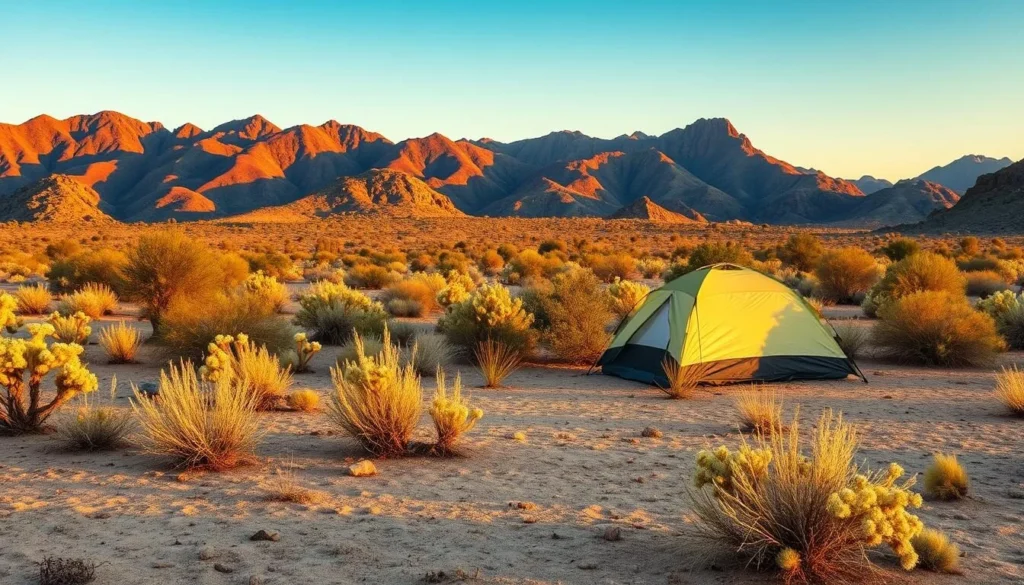
Kofa National Wildlife Refuge offers no developed campgrounds or lodging facilities within its boundaries. Visitors have several options for overnight stays:
Camping in the Refuge
Dispersed camping is permitted throughout most of the refuge with some restrictions:
- Maximum stay is 14 days within any 12-month period
- Camp at least 0.4 km (0.25 miles) from water sources
- Practice Leave No Trace principles – pack out all trash
- No facilities, water, or services available
- Campfires permitted but discouraged (bring a camp stove instead)
Nearby Accommodations
For those preferring more comfortable accommodations, the nearest options are:
Quartzsite
Located 40 km (25 miles) north of the refuge, this small town offers basic motels, RV parks, and services. Popular with winter visitors and gem enthusiasts.
Yuma
About 65 km (40 miles) southwest of the refuge, Yuma provides full-service hotels, restaurants, and amenities. Good base for day trips to the refuge.
BLM Land
Adjacent Bureau of Land Management areas offer additional dispersed camping options with similar regulations to the refuge.
Attractions, Sightseeing & Activities
Kofa National Wildlife Refuge offers a variety of outdoor experiences for nature lovers, photographers, and adventure seekers. Here are the top attractions and activities to enjoy during your visit:
Palm Canyon
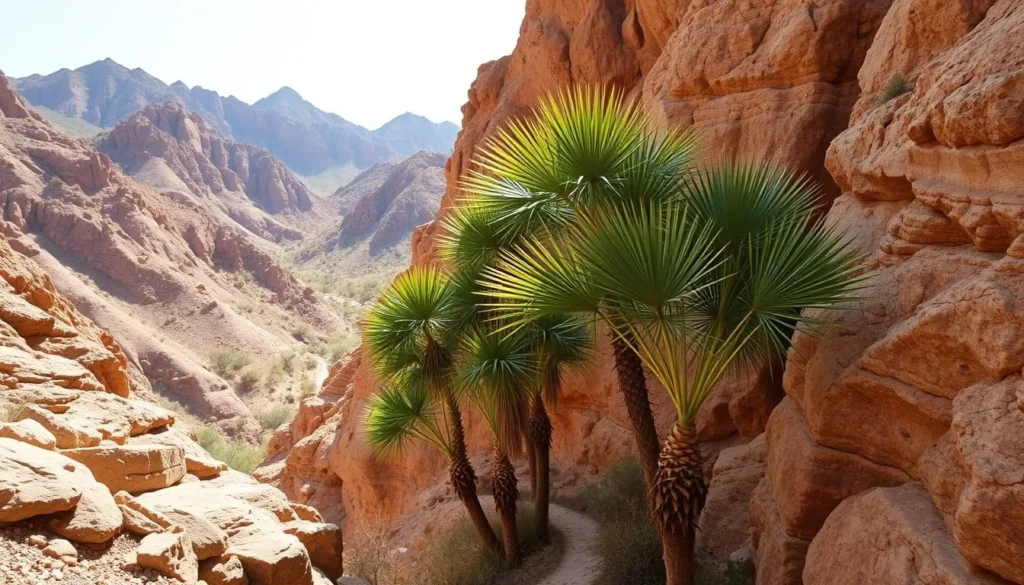
The crown jewel of Kofa National Wildlife Refuge, Palm Canyon is home to Arizona’s only native palm trees (Washingtonia filifera). These remarkable palms have survived in this hidden canyon for thousands of years, creating a surprising oasis in the desert landscape.
The Palm Canyon Trail is a relatively short 1.5 km (0.9 miles) round-trip hike with moderate difficulty. The trail leads to a viewpoint where you can spot the palms nestled in a steep, narrow side canyon. For the best viewing, visit in morning light when the palms are illuminated.
Signal Peak
At 1,430 m (4,700 feet), Signal Peak offers the most challenging and rewarding hiking experience in the refuge. The trail to the summit is approximately 6.4 km (4 miles) round-trip with significant elevation gain. Hikers are rewarded with breathtaking 360-degree views across the Sonoran Desert.
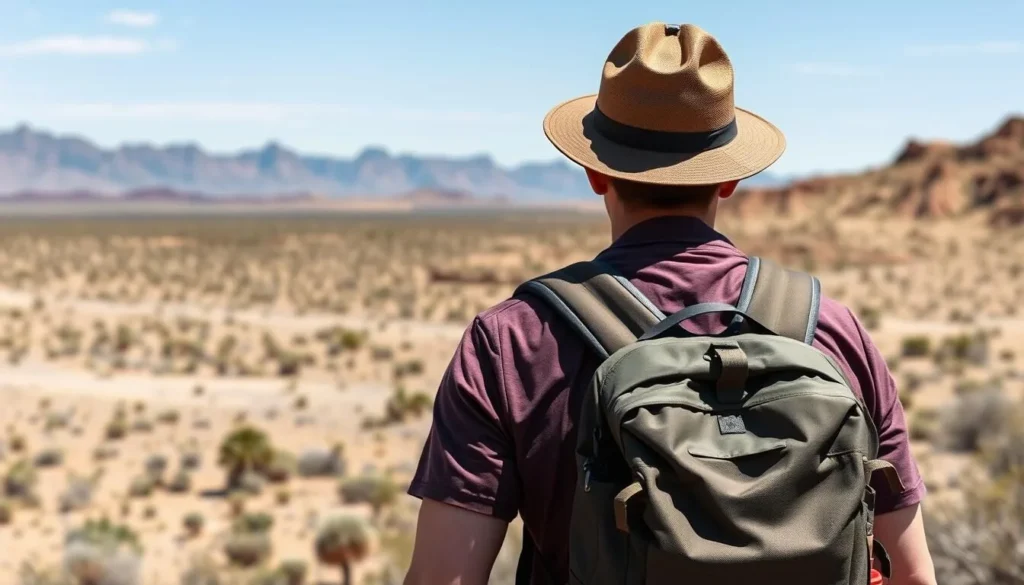
Hiking Safety: Always carry at least 4 liters (1 gallon) of water per person per day. Wear sun protection, sturdy footwear, and avoid hiking during the hottest parts of the day. There are no marked trails in most of the refuge – navigation skills are essential.
Wildlife Viewing
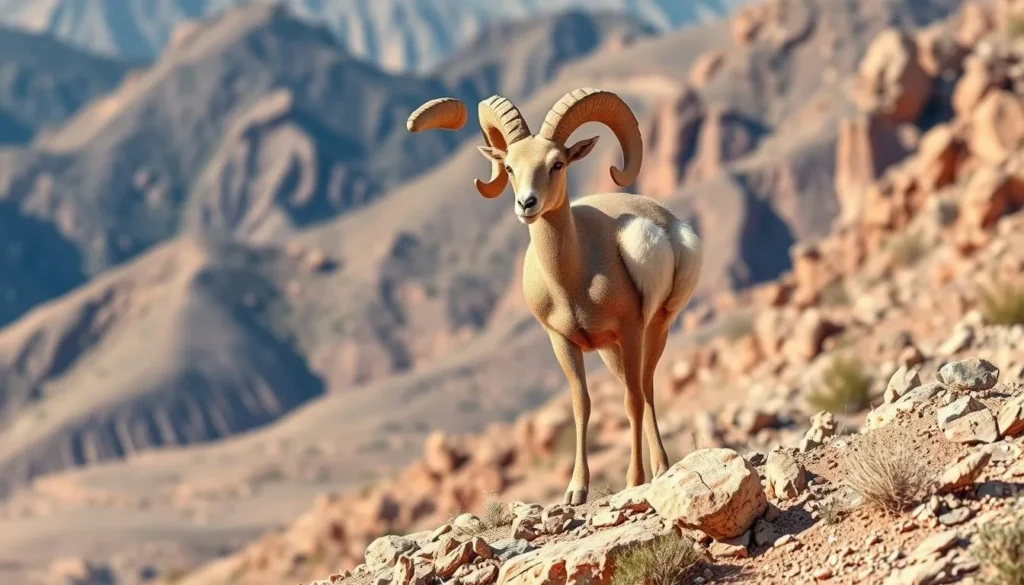
The refuge was established primarily to protect desert bighorn sheep, which can sometimes be spotted on rocky slopes during early morning or late afternoon. Other wildlife includes:
- Mule deer and desert kit foxes
- Great horned owls and prairie falcons
- Gila monsters and desert tortoises
- Various lizards, snakes, and desert-adapted rodents
Crystal Hill
Crystal Hill is the only area within the refuge where recreational rock collecting is permitted. Visitors can search for quartz crystals, agates, and other interesting minerals. Collection is limited to 10 specimens or 10 pounds per person per day, and only for personal use.
Historic Sites & Mining History
The Kofa Mountains have a rich mining history dating back to the late 1800s. Several abandoned mines and historic sites can be found throughout the refuge, offering glimpses into Arizona’s frontier past.
King of Arizona Mine
The refuge’s name “Kofa” comes from the acronym for the King of Arizona Mine, which operated from 1896 to 1910. While the mine itself is on private property and not accessible, the surrounding area features remnants of mining operations and historic structures.
Big Eye Mine
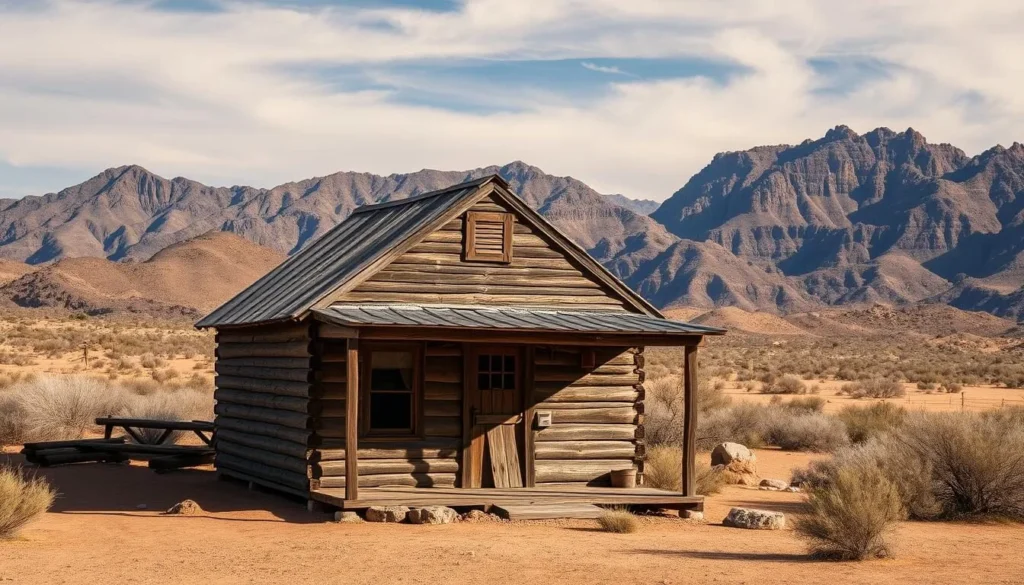
Located deep in the Castle Dome Mountains, Big Eye Mine features a preserved miner’s cabin that can be reached via a challenging 4×4 road and a short hike. The cabin offers a fascinating glimpse into the life of early prospectors in this harsh environment.
Historical Preservation: All artifacts and structures are protected by federal law. Observe and photograph, but do not disturb or remove any historical items.
Kofa Cabin
Built by the Civilian Conservation Corps in the 1930s, this stone shelter is available for public use on a first-come, first-served basis. Located in a remote section of the refuge, the cabin provides basic shelter but has no amenities or services.
Photography & Scenic Vistas
Kofa National Wildlife Refuge offers exceptional photography opportunities with its dramatic landscapes, diverse plant life, and stunning light conditions. The refuge’s remote nature means minimal light pollution, making it ideal for night sky photography as well.
Best Photography Locations
- Palm Canyon Overlook – Best in morning light when the palms are illuminated
- Kofa Queen Canyon – Dramatic rock formations and dense saguaro forests
- Signal Peak – Panoramic vistas across the entire refuge
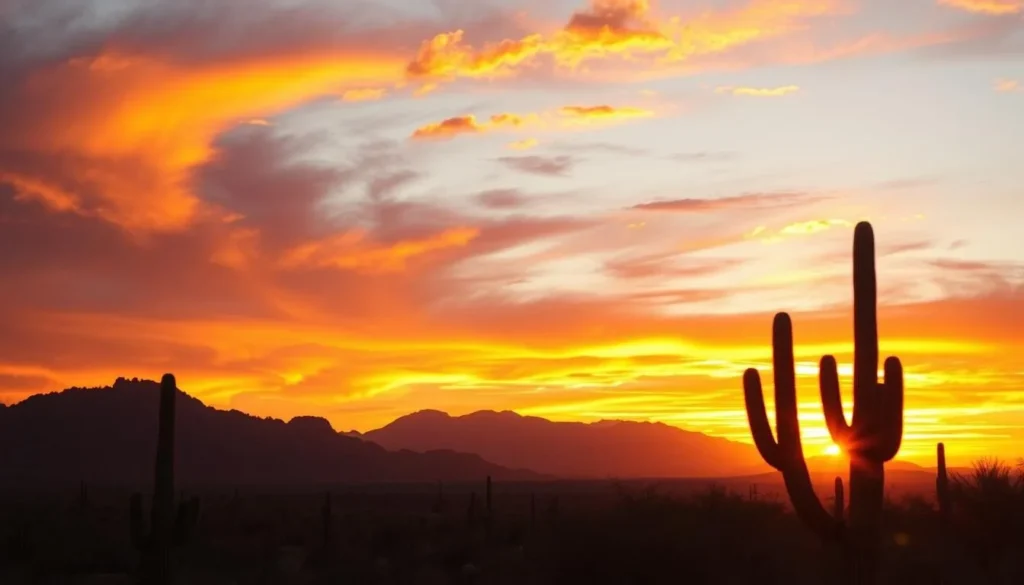
- Skull Rock – Unique rock formation that’s especially photogenic at sunset
Photography Tips
The harsh desert light presents both challenges and opportunities for photographers:
- Golden hour (first and last hour of daylight) provides warm, soft lighting
- Bring polarizing filters to manage glare and enhance sky contrast
- Include saguaro cacti or cholla for scale and foreground interest
- Spring wildflower blooms (February-April) add vibrant color to landscapes
- Night photography reveals spectacular Milky Way views (new moon periods best)
Safety, Etiquette & Local Customs
Visiting Kofa National Wildlife Refuge requires careful preparation and respect for both the environment and wildlife. The remote nature and extreme conditions demand extra attention to safety.
Desert Safety Essentials
- Water – Carry at least 4 liters (1 gallon) per person per day, plus extra for emergencies
- Navigation – Bring physical maps, compass, and GPS with spare batteries
- Communication – Satellite phone or personal locator beacon recommended (cell service unreliable)
- Vehicle Preparation – Full gas tank, spare tire, jack, basic tools, extra water for radiator
- First Aid – Comprehensive kit including snake bite protocol
Wildlife Etiquette
The refuge exists primarily to protect wildlife, particularly the desert bighorn sheep. Observe these guidelines:
- Maintain distance from all wildlife – use binoculars or telephoto lenses
- Never approach or feed animals
- Keep pets leashed at all times (better to leave them at home)
- Avoid wildlife water sources, especially during hot seasons
Leave No Trace Principles
Help preserve this pristine wilderness by following Leave No Trace ethics:
- Pack out all trash and waste
- Stay on existing roads and trails
- Camp in previously used sites when possible
- Minimize campfire impacts (use a camp stove instead)
- Respect wildlife and other visitors
Visitor Comments About Kofa National Wildlife Refuge
“The Palm Canyon hike was the highlight of our Arizona trip. Seeing native palm trees thriving in a desert canyon was surreal. We spotted two bighorn sheep on the ridge above us! Bring plenty of water and start early to avoid the heat.”
“As a photographer from Europe, I found Kofa to be a hidden gem. The landscapes are spectacular, especially at sunrise when the mountains glow red. We camped for three nights and barely saw another soul. The night skies were incredible – I’ve never seen so many stars!”
“We visited in February after winter rains and were rewarded with an amazing wildflower display. The contrast of colorful blooms against the harsh desert backdrop was stunning. The roads were challenging but manageable in our SUV. Worth every bump for the solitude and scenery.”
Additional Nearby Destinations
While Kofa National Wildlife Refuge offers plenty to explore, several other remarkable destinations are within easy driving distance for those wanting to extend their southwest Arizona adventure.
Castle Dome Mines Museum
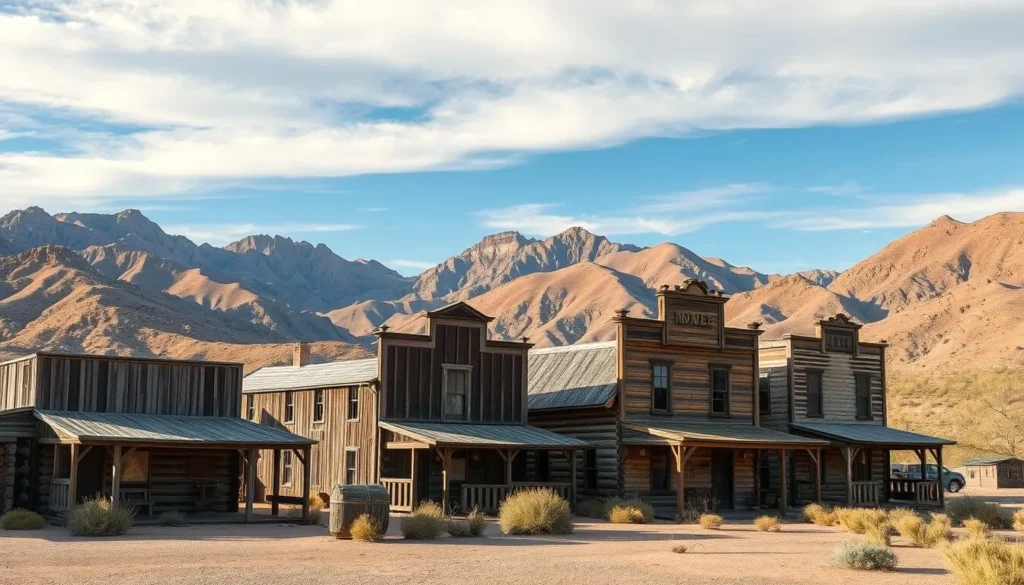
Located just outside the refuge boundaries, this fascinating ghost town museum preserves over 50 historic buildings and thousands of artifacts from the area’s mining heyday. The museum offers a glimpse into frontier life with authentic structures and displays.
Distance from Kofa: 24 km (15 miles)
Imperial National Wildlife Refuge
Protecting 30,000 acres of desert and wetlands along the Colorado River, Imperial offers a stark contrast to Kofa’s arid landscape. Visitors can enjoy boating, fishing, wildlife viewing, and hiking in this lush riverside habitat.
Distance from Kofa: 80 km (50 miles)
Yuma Territorial Prison State Historic Park
This well-preserved frontier prison operated from 1876 to 1909 and housed some of the West’s most notorious outlaws. Now a museum, it offers fascinating exhibits on prison life and Arizona’s territorial history.
Distance from Kofa: 65 km (40 miles)
Practical Travel Tips
Essential Supplies
Before heading to Kofa National Wildlife Refuge, ensure you have these crucial items:
- Water (minimum 4 liters/1 gallon per person per day)
- High-energy food and snacks
- Full tank of gas (no services in the refuge)
- Detailed maps (physical copies)
- First aid kit and emergency supplies
- Sun protection (hat, sunscreen, sunglasses, light-colored clothing)
- Sturdy hiking boots and clothing layers for temperature changes
Permits and Regulations
No permits are required for day use or camping in Kofa National Wildlife Refuge. However, visitors should be aware of these regulations:
- Maximum camping stay is 14 days within any 12-month period
- Hunting is permitted in season with proper Arizona licenses
- Collection of plants, animals, or artifacts is prohibited (except at Crystal Hill)
- Drones are not permitted anywhere in the refuge
- Target shooting is prohibited; firearms may be carried in accordance with state laws
Embrace the Wild Heart of Arizona
Kofa National Wildlife Refuge represents the Sonoran Desert at its most pristine and dramatic. Far from the crowds of more famous Arizona destinations, this vast wilderness rewards adventurous travelers with unparalleled solitude, breathtaking landscapes, and authentic desert experiences that connect you to the raw beauty of the American Southwest.
Whether you come to photograph the stunning mountain vistas, hike to hidden palm groves, spot elusive bighorn sheep, or simply escape into the peaceful desert silence, Kofa offers a rare opportunity to experience Arizona as it was centuries ago. Just remember that this remarkable place demands respect and preparation – the very remoteness that makes it special also requires visitors to be self-sufficient and responsible.
As you plan your journey to this desert treasure, embrace the spirit of adventure that has drawn explorers, miners, and nature lovers to these mountains for generations. Kofa National Wildlife Refuge isn’t just a destination; it’s an experience that will leave you with a deeper appreciation for the resilience and beauty of desert ecosystems.
Related Posts

Patagonia-Sonoita Creek Preserve, Arizona: Best Things to Do – Top Picks
Yuma Territorial Prison State Historic Park, Arizona: Best Things to Do – Top Picks
Windsor Beach (Lake Havasu State Park), Arizona: Best Things to Do – Top Picks

White Pocket, Arizona: Best Things to Do – Top Picks

White Mountains, Arizona: Best Things to Do – Top Picks
Walnut Canyon National Monument, Arizona: Best Things to Do – Top Picks
Coming Soon: Clickable Maps