
Hotels by Trip.com
Flights by Trip.com
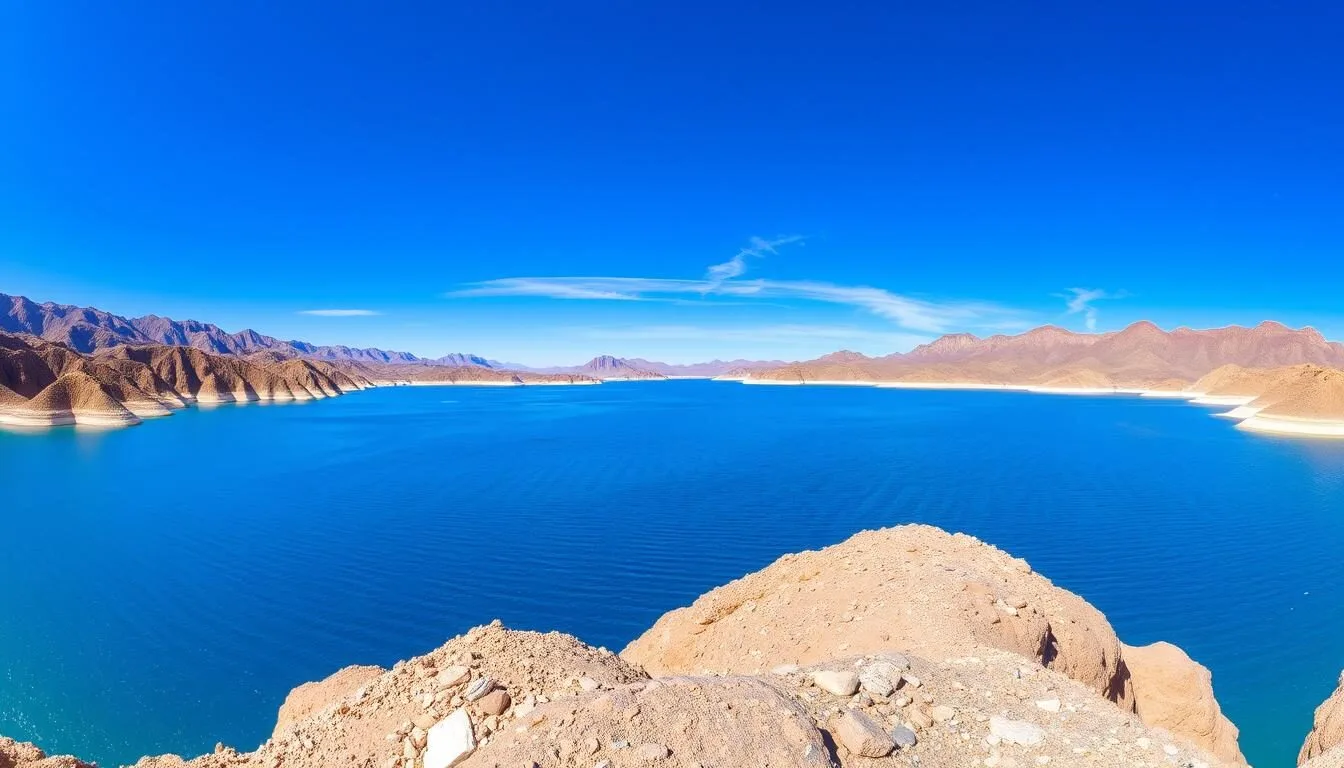
Did you know that Lake Mead is home to the largest reservoir in the United States by volume, holding an astonishing 26.12 million acre-feet of water when full? This magnificent body of water, straddling the Arizona-Nevada border, offers a striking contrast of brilliant blue waters against the stark desert landscape. Created by the iconic Hoover Dam in 1935, Lake Mead National Recreation Area spans an impressive 1.5 million acres of diverse terrain, including mountains, canyons, valleys, and two lakes.
Whether you’re seeking adventure on the water, scenic hikes through colorful rock formations, or a peaceful retreat from the nearby Las Vegas Strip, Lake Mead delivers unforgettable experiences for every type of traveler. Join us as we explore the best things to do at this desert oasis, from cruising its azure waters to discovering hidden hot springs and historic trails.
Getting There & Planning Your Journey
Lake Mead National Recreation Area is conveniently located just 32 km (20 miles) southeast of the Las Vegas Strip, making it an easily accessible destination for both locals and tourists. The recreation area straddles the Arizona-Nevada border, with multiple entrance points available depending on which part of the lake you plan to visit.
Closest Airports
The nearest major airport is Harry Reid International Airport (formerly McCarran) in Las Vegas, Nevada, approximately 48 km (30 miles) from the recreation area. From the airport, you can rent a car or join organized tours to reach Lake Mead.
Entrance Points
Lake Mead National Recreation Area has six main entrance stations:
- Lake Mead Parkway (east of Henderson)
- Northshore Road (northeast of Las Vegas)
- Boulder Entrance (near Boulder City)
- Lake Mead Boulevard (north of Las Vegas)
- Temple Bar (Arizona side)
- Meadview (Arizona side)
The Lake Mead Visitor Center, located off U.S. 93 southeast of Boulder City, is an excellent starting point for your visit. Here, you can gather maps, watch an informative film about the area’s history, and get recommendations from park rangers.
Best Time to Visit & Weather Tips
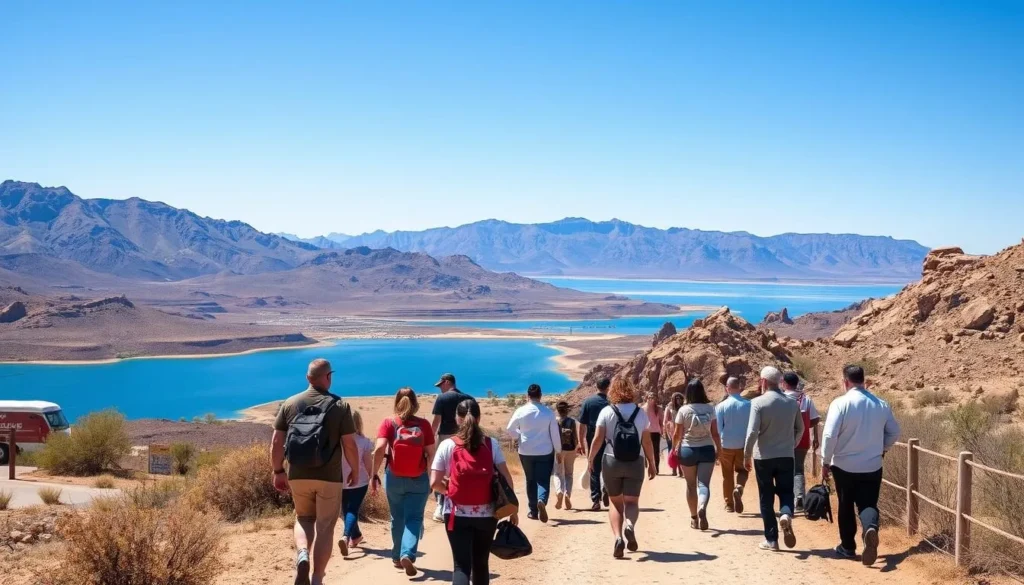
The climate at Lake Mead varies dramatically throughout the year, from scorching summer heat to mild winter temperatures. Understanding the seasonal patterns will help you plan the most enjoyable visit possible.
Recommended Seasons
- Spring (March-May): Ideal conditions with pleasant temperatures ranging from 18-29°C (65-85°F). Spring offers comfortable weather for both water activities and hiking, with wildflowers often blooming in March and April.
- Fall (September-November): Another excellent time to visit, with temperatures gradually cooling from summer highs. Expect 18-32°C (65-90°F) in September, dropping to 10-21°C (50-70°F) by November. Water temperatures remain warm enough for swimming well into October.
Seasons to Avoid or Use Caution
- Summer (June-August): Extremely hot, with temperatures regularly exceeding 38°C (100°F) and sometimes reaching 47°C (117°F). If visiting during summer, plan water activities for early morning, and avoid hiking between 10 AM and 4 PM. Several hiking trails, including the popular hot springs trails, close from May 15 to September 30 due to dangerous heat conditions.
- Winter (December-February): Cooler temperatures ranging from 7-16°C (45-60°F), with occasional drops below freezing at night. While this season offers a unique perspective of the landscape and fewer crowds, it’s generally too cold for water activities unless you’re visiting the hot springs.
Weather Tip: The desert climate means dramatic temperature swings between day and night, especially in spring and fall. Always pack layers, even if daytime temperatures are forecast to be warm.
Getting Around Locally
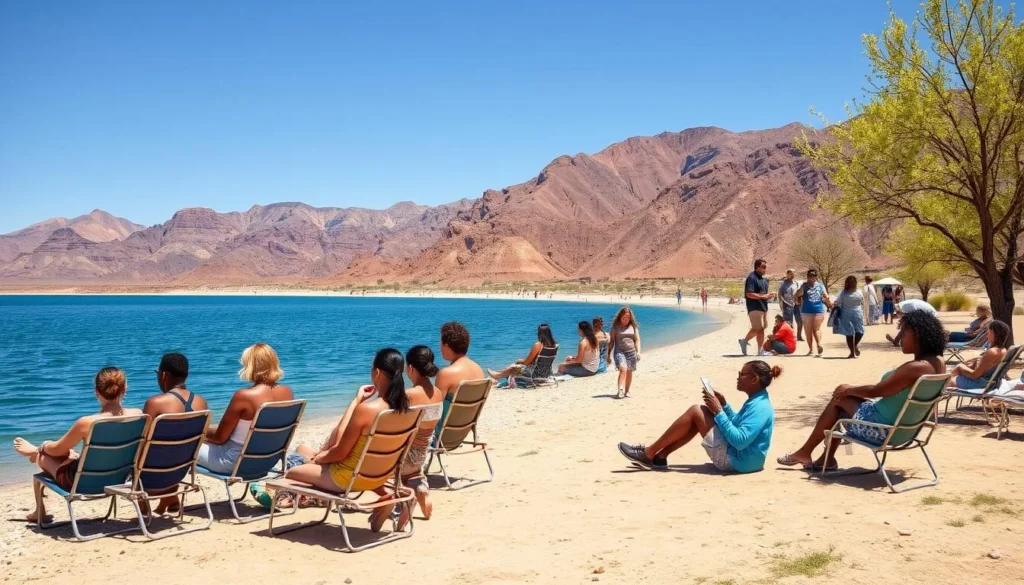
Navigating the vast 1.5 million acres of Lake Mead National Recreation Area requires some planning. With 759 miles of shoreline when the lake is at capacity, having reliable transportation is essential to fully experience all this destination has to offer.
By Car
A personal or rental vehicle is the most practical way to explore Lake Mead. The recreation area features several scenic drives, including the spectacular Northshore Road (approximately 80 km/50 miles) and Lakeshore Road. Be aware that cell phone service is limited within the park, so download maps before your visit. Gas stations are scarce, so fill up your tank before entering the recreation area.
By Boat
Water transportation is popular for accessing different areas of the lake. Several marinas offer boat rentals, including:
- Callville Bay Marina
- Boulder Beach Marina
- Echo Bay Marina
- Temple Bar Marina
- Willow Beach Marina (on Lake Mohave)
Rental options range from pontoon boats and personal watercraft to houseboats for multi-day adventures. Note that if renting from Nevada marinas, you must comply with Nevada’s boating education requirements, while Arizona side rentals generally don’t require a boating license.
By Bicycle
Cycling is another excellent way to explore certain areas of Lake Mead. The Historic Railroad Trail and River Mountains Loop Trail are particularly popular with cyclists. Bike rentals are available in nearby Boulder City and Las Vegas.
✓ Check 30,000+ Local Sightseeing Tours Worldwide

Where to Stay
Lake Mead National Recreation Area offers diverse accommodation options, from camping under the stars to comfortable lodges. Your choice depends on your preferred experience and proximity to specific attractions.
Camping Options
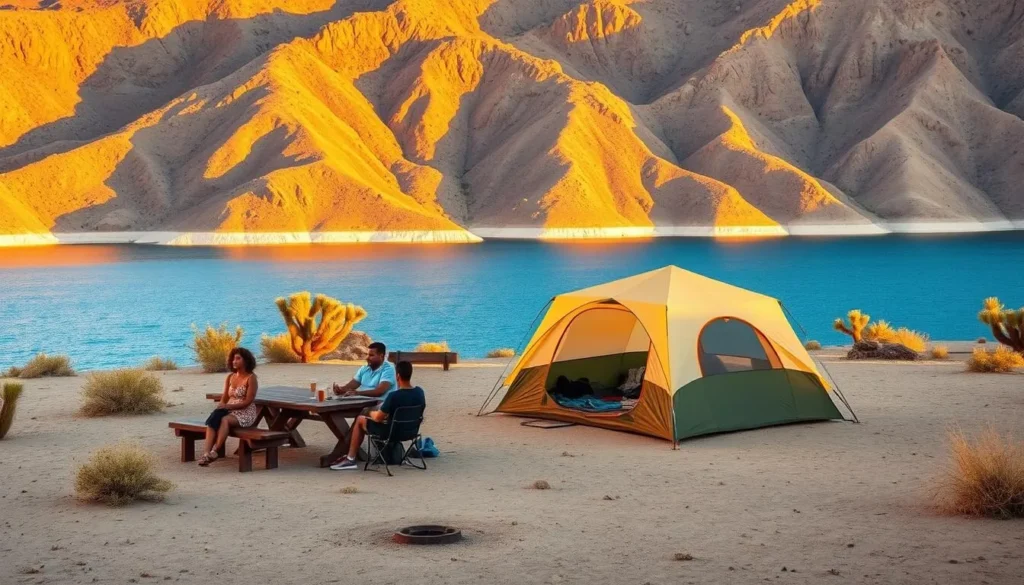
With over 900 campsites across 15 locations, camping is one of the most popular and immersive ways to experience Lake Mead. Options include:
- Boulder Beach Campground: Located on the Nevada side with 148 tent and RV sites. No hookups or showers, but WiFi access is available. First-come, first-served basis.
- Las Vegas Bay Campground: Closer to Vegas with 84 tent and RV sites. No hookups or showers, but offers WiFi access.
- Echo Bay Campground: More remote with 37 sites. No hookups, showers, or WiFi.
- Willow Beach RV/Campground: On Lake Mohave with 8 tent sites and 28 RV sites with hookups, showers, and WiFi. Reservations required.
Camping fees are typically $20 per site per night. During peak seasons (spring and fall), sites fill quickly, especially on weekends.
RV Parks
For those traveling with RVs who want full hookups and amenities:
- Lake Mead RV Village: 115 RV sites with hookups, showers, and WiFi. Lakeside spots offer stunning views.
- Callville Bay RV Park: 5 RV sites with full amenities.
- Echo Bay RV Park: 58 RV sites with hookups and showers, but no WiFi.
Lodges and Hotels
If you prefer more comfortable accommodations:
- Hoover Dam Lodge: Located near the Historic Railroad Trail and Hoover Dam, offering comfortable rooms and a casino.
- Westin Lake Las Vegas Resort: A luxury option on the northwestern edge of Lake Mead Recreation Area with two outdoor pools and a private beach.
- Boulder City Hotels: Numerous options in nearby Boulder City, just a short drive from the recreation area.
Dining & Local Cuisine
While Lake Mead National Recreation Area isn’t known as a culinary destination, you’ll find several options to satisfy your hunger during your visit. Many visitors choose to bring their own food for picnics or camping meals, but there are dining establishments within and near the recreation area.
Marina Restaurants
Several marinas around Lake Mead offer casual dining options:
- Boulder Beach Marina Restaurant: Serves American classics with lake views.
- Callville Bay Resort & Marina: Features a restaurant and a convenience store for supplies.
- Echo Bay Marina: Offers basic food service during peak seasons.
- Willow Beach Marina & Campground: Has a small café and a store for essentials.
Nearby Dining
For more dining options, head to nearby communities:
- Boulder City: Just minutes from the recreation area, offering numerous restaurants ranging from casual diners to upscale establishments. The Coffee Cup Café and Southwest Diner are local favorites.
- Henderson: On the way from Las Vegas, with a wide variety of dining options.
- Las Vegas: For those staying in Vegas and making day trips to Lake Mead, the dining options are virtually limitless.
Picnicking
Lake Mead features numerous designated picnic areas with tables, grills, and shade structures. Popular picnic spots include:
- Boulder Beach
- Hemenway Harbor
- Special Events Beach
- 33 Hole Overlook
- Katherine Landing (Lake Mohave)
Local Tip: If planning a picnic, shop for supplies in Boulder City, Henderson, or Las Vegas before entering the recreation area, as options are limited once inside.
Attractions, Sightseeing & Activities
Lake Mead National Recreation Area offers a wealth of attractions and activities for visitors of all interests. From engineering marvels to natural wonders, here are the must-see sights and experiences.
Hoover Dam
This iconic engineering marvel created Lake Mead and is a must-visit attraction. Located at the southwestern end of Lake Mead, Hoover Dam offers several tour options ranging from $10-30, depending on the level of access. You can explore the power plant, walk across the dam, or view it from various perspectives. For a unique vantage point, consider seeing the dam from the water on a Lake Mead cruise.
Lake Mead Cruises
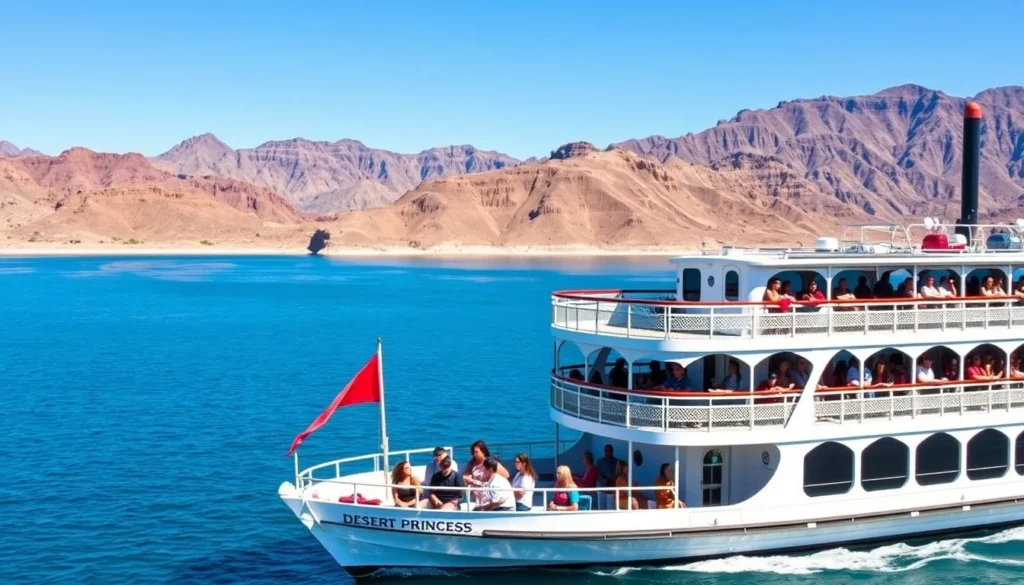
One of the best ways to experience the vastness of Lake Mead is on a cruise aboard the Desert Princess, a three-level paddle wheeler. These 90-minute to 2-hour cruises offer spectacular views of the lake and surrounding desert landscape. Many cruises include views of Hoover Dam from the water, providing a unique perspective of this engineering marvel. Dinner cruises are particularly popular, offering the chance to enjoy the scenery while dining.
Alan Bible Visitor Center
Start your visit at the Lake Mead Visitor Center (Alan Bible Visitor Center), where you can watch a 20-minute film about the area’s history, explore exhibits, and walk through a desert botanical garden featuring native plant species. Rangers are available to answer questions and provide recommendations tailored to your interests.
St. Thomas Ghost Town
Once submerged beneath Lake Mead’s waters, the ghost town of St. Thomas has reemerged due to declining water levels. Founded in 1865 by Mormon settlers, the town was abandoned when the reservoir filled after Hoover Dam’s completion. Today, visitors can walk among the foundations and remnants of this once-thriving community, accessible via a 5 km (3.1 mile) round-trip trail.
Hiking Trails & Natural Wonders
Lake Mead National Recreation Area boasts diverse hiking opportunities through striking desert landscapes. From easy walks to challenging adventures, these trails showcase the area’s unique geology and natural beauty.
Historic Railroad Trail
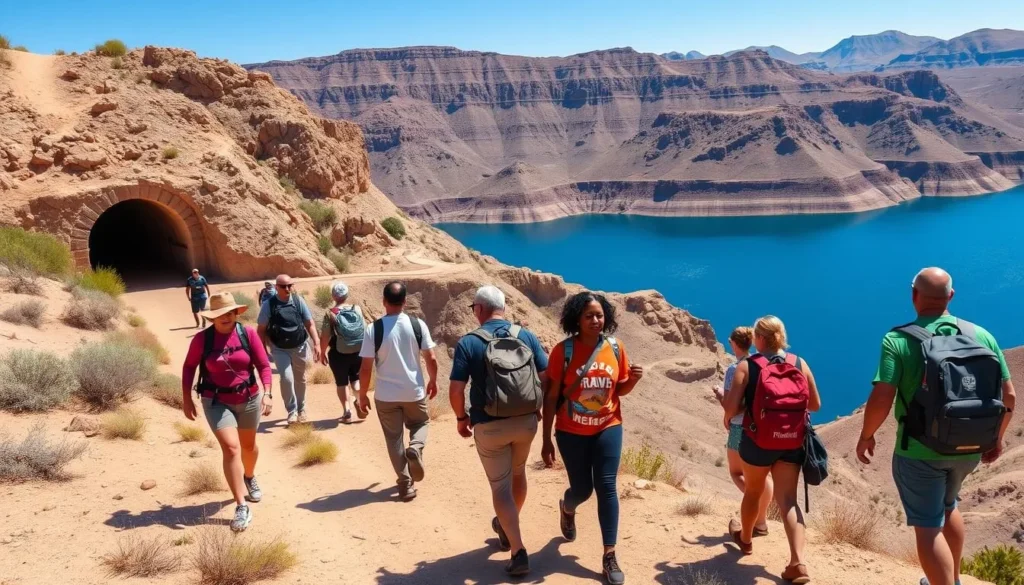
One of Lake Mead’s most popular hiking paths, this easy 12 km (7.5 mile) round-trip trail follows the route of the old railroad tracks that once transported workers and materials during the construction of Hoover Dam. The trail features five large tunnels carved through the mountainside and offers spectacular views of Lake Mead throughout the journey. This flat, gravel path is suitable for all skill levels and is also popular with cyclists.
Redstone Hiking Trail
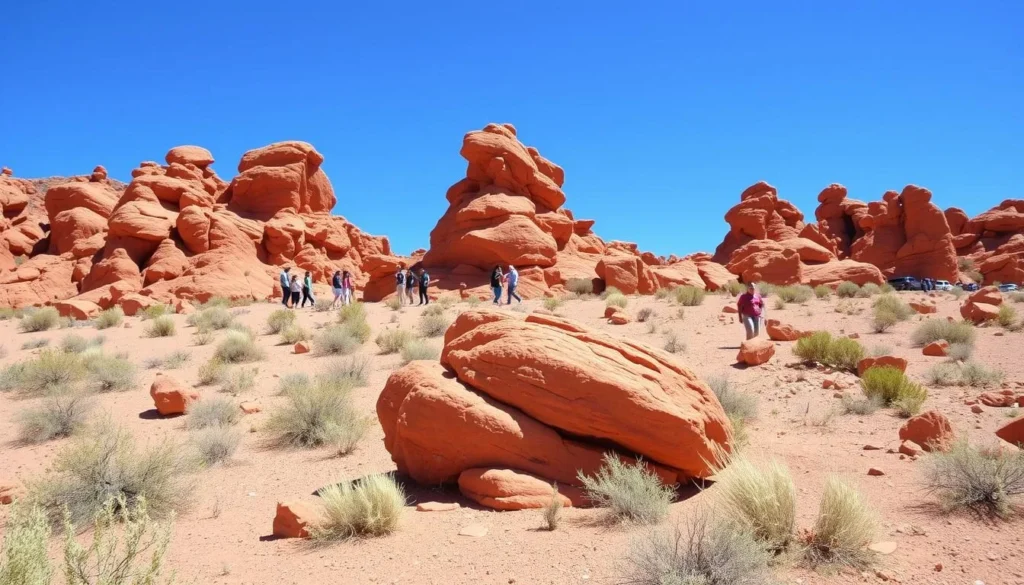
This easy 1.8 km (1.1 mile) loop trail takes you through vibrant red rock formations that were once sand dunes similar to the Sahara Desert over 200 million years ago. The iron particles in the sand oxidized over time, creating the striking red color. With minimal elevation change, this trail is perfect for families and casual hikers looking to experience the area’s unique geology.
Hot Springs Trails
For more adventurous hikers, Lake Mead offers access to natural hot springs:
- Gold Strike Hot Springs Trail: A challenging 7.6 km (4.7 mile) round-trip hike requiring scrambling over boulders and using ropes in some sections. The reward is relaxing in hot springs with temperatures ranging from 37-43°C (100-109°F).
- Arizona Hot Springs Trail: Another challenging 8 km (5 mile) round-trip hike leading to natural hot springs of varying temperatures. A 20-foot ladder is required to access the canyon with the springs.
Important: Both hot springs trails are closed during summer months (May 15 – September 30) due to extreme heat dangers. Always check current conditions before attempting these hikes, and carry plenty of water regardless of season.
Northshore Summit Trail
This moderate 1.6 km (1 mile) round-trip trail offers panoramic views of Lake Mead, the Muddy Mountains, and the Bowl of Fire from its elevated vantage point. The trail climbs approximately 62 meters (205 feet), rewarding hikers with some of the best vistas in the recreation area.
Water Activities & Recreation
With 247 square miles of surface area when full, Lake Mead offers abundant opportunities for water recreation. From leisurely pontoon cruises to adrenaline-pumping water sports, there’s something for every water enthusiast.
Boating
Boating is one of the most popular activities at Lake Mead. Several marinas offer rentals ranging from pontoon boats and personal watercraft to houseboats for multi-day adventures. Daily pontoon boat rental rates start around $400 for vessels that can accommodate up to 12 people. Popular launch points include:
- Hemenway Harbor
- Boulder Harbor
- Callville Bay
- Echo Bay
- Temple Bar
- Willow Beach (Lake Mohave)
Boating Tip: If you don’t have a boating license, consider renting from marinas on the Arizona side, as Nevada marinas require compliance with state boating education requirements.
Kayaking and Canoeing
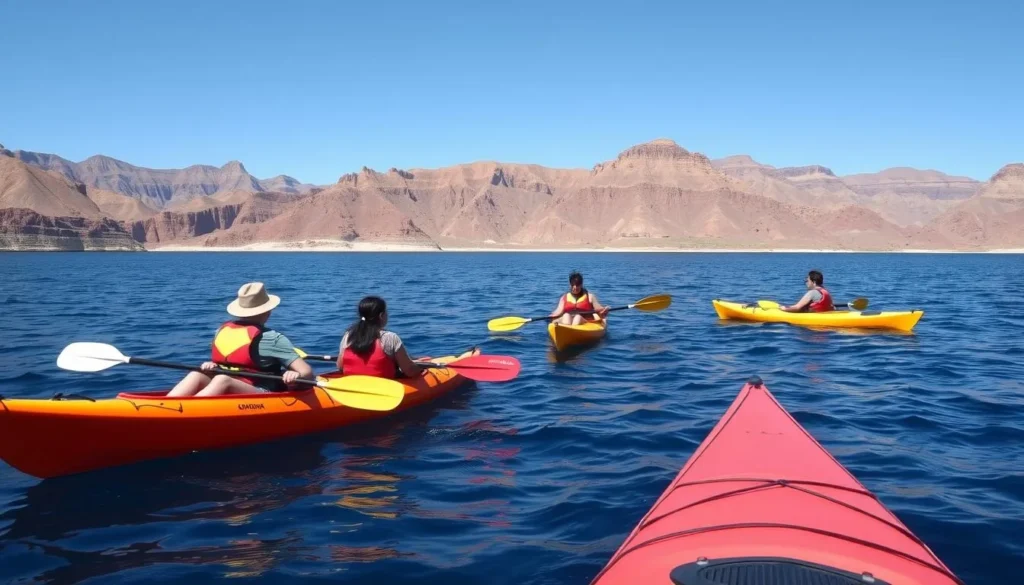
Exploring Lake Mead’s many coves and inlets by kayak or canoe offers a peaceful way to experience the water. Popular paddling destinations include:
- Black Canyon: Below Hoover Dam, featuring emerald waters and hot springs.
- Boulder Islands: A group of islands near Boulder Beach offering protected waters.
- Emerald Cove: Known for its stunning emerald-green waters.
Kayak and canoe rentals are available at most marinas, or you can launch your own at designated points like Canoe/Kayak Beach at Hemenway Harbor.
Fishing
Lake Mead is renowned for its excellent sport fishing, with opportunities to catch striped bass, largemouth bass, smallmouth bass, channel catfish, crappie, and rainbow trout. Popular fishing locations include:
- Katherine Landing
- Willow Beach (especially on Fridays when rainbow trout are released)
- Cottonwood Cove
- Hemenway Fishing Pier
A fishing license from either Nevada or Arizona is required, depending on which state’s waters you’re fishing in.
Swimming
While there are no designated swimming areas or lifeguards at Lake Mead, swimming is permitted throughout the lake. Popular swimming spots include Boulder Beach and Willow Beach. Water temperatures vary significantly by season, from around 35°C (95°F) in summer to 8°C (47°F) in winter.
Museums, Cultural Spots & Festivals
While Lake Mead National Recreation Area is primarily known for its natural attractions, there are several cultural and historical sites worth exploring in and around the area.
Hoover Dam Museum
Located in Boulder City, the Boulder City/Hoover Dam Museum chronicles the construction of Hoover Dam and the creation of Boulder City to house the workers. Through interactive exhibits, oral histories, and artifacts, the museum tells the story of the thousands of people who came to Black Canyon during the Great Depression to build the dam. The museum is housed in the historic Boulder Dam Hotel, which is listed on the National Register of Historic Places.
Lost City Museum
About 58 km (36 miles) northeast of Lake Mead in Overton, Nevada, the Lost City Museum showcases artifacts from Ancestral Puebloan cultures that once inhabited the region. Many of these archaeological sites were flooded when Lake Mead filled. The museum features reconstructed pueblos, artifacts, and exhibits about the indigenous cultures of the region.
Annual Events
Several events take place in and around Lake Mead throughout the year:
- Lake Mead Fishing Tournaments: Various fishing competitions are held throughout the year, attracting anglers from across the region.
- Boulder City Spring Jamboree: Held in early May in nearby Boulder City, featuring arts and crafts, food vendors, and entertainment.
- Dam Short Film Festival: An annual event in Boulder City showcasing short films from around the world.
- Art in the Park: One of the largest outdoor art festivals in the Southwest, held in Boulder City each October.
Ranger Programs
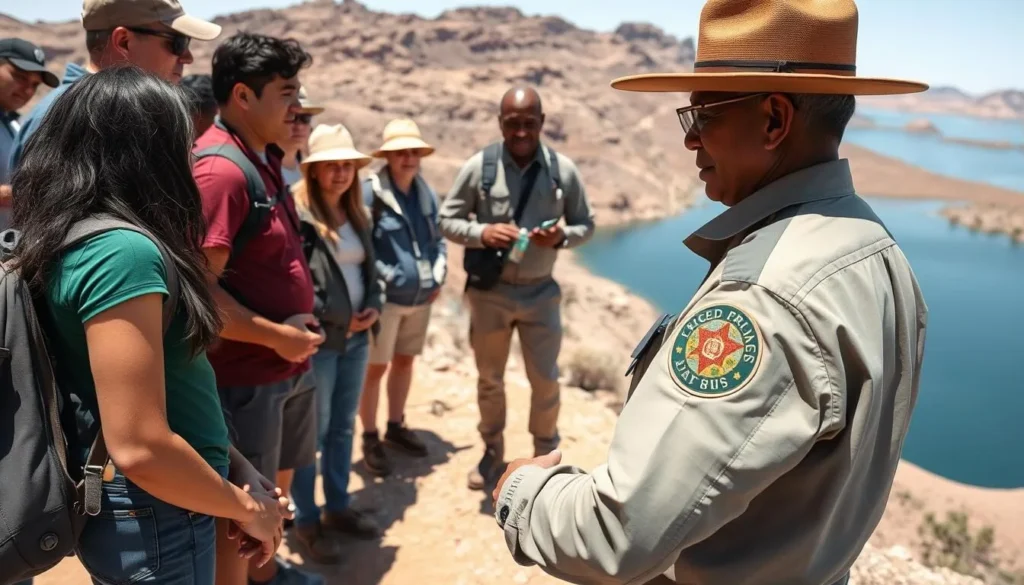
The National Park Service offers various ranger-led programs throughout the year, including guided hikes, evening programs, and educational talks. These programs provide insights into the natural and cultural history of the area. Check the visitor center for the current schedule of ranger programs during your visit.
Sports, Nature & Outdoor Experiences
Beyond the water activities and hiking trails, Lake Mead National Recreation Area offers numerous other outdoor experiences for nature lovers and adventure seekers.
Scenic Drives
Lake Mead features several spectacular scenic drives that showcase the area’s diverse landscapes:
- Northshore Road: This 80 km (50 mile) scenic byway winds through vibrant red rock formations and desert landscapes, offering stunning views of Lake Mead’s azure waters contrasting dramatically with the surrounding terrain.
- Lakeshore Road: Following the southern shore of Boulder Basin, this drive provides easy access to several beaches and picnic areas while offering continuous views of the lake.
- Pearce Ferry Road: This route takes you through colorful desert landscapes featuring Joshua Tree forests, creating a distinctly different visual experience.
Wildlife Viewing
The diverse ecosystems of Lake Mead support a variety of wildlife. Keep your eyes open for:
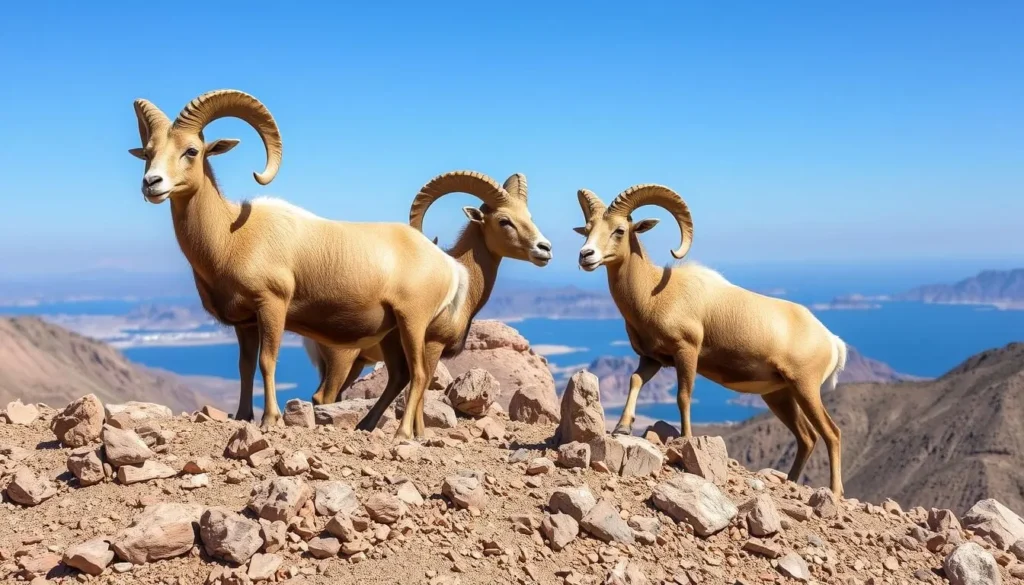
- Desert bighorn sheep, particularly near Hemenway Park in Boulder City
- Coyotes, foxes, and bobcats
- Various reptiles, including the desert tortoise and Gila monster
- Over 240 bird species, including bald eagles in winter
Dawn and dusk are the best times for wildlife viewing. Bring binoculars for the best experience.
Cycling
Lake Mead offers excellent cycling opportunities on both paved and off-road trails:
- River Mountains Loop Trail: This challenging 54 km (34 mile) paved trail circles the River Mountains, connecting Lake Mead, Henderson, Boulder City, and the Las Vegas Valley.
- Historic Railroad Trail: A flat, gravel path suitable for mountain bikes or hybrids.
- Backcountry Roads: Numerous dirt roads throughout the recreation area offer mountain biking adventures for more experienced cyclists.
Stargazing
With minimal light pollution in many areas, Lake Mead provides excellent stargazing opportunities. The desert skies come alive after dark, revealing countless stars, planets, and occasionally the Milky Way. Popular stargazing locations include Boulder Beach, Callville Bay, and the Northshore Road pullouts.
Safety, Etiquette & Local Customs
Ensuring a safe and respectful visit to Lake Mead National Recreation Area requires awareness of several important considerations, especially given the extreme desert environment.
Weather Safety
- Heat Precautions: Summer temperatures regularly exceed 38°C (100°F). Always carry at least 4 liters (1 gallon) of water per person per day when hiking, even in cooler seasons.
- Sun Protection: Wear sunscreen, sunglasses, a wide-brimmed hat, and lightweight, long-sleeved clothing to protect against intense UV radiation.
- Flash Floods: Be aware of weather forecasts and avoid narrow canyons during rain, as flash floods can occur rapidly, even if it’s not raining in your immediate area.
Water Safety
- Life Jackets: Always wear life jackets when boating. Children under 12 are required by law to wear them at all times on boats.
- Changing Conditions: Be aware that wind conditions can change rapidly on the lake, creating dangerous situations for small watercraft.
- No Lifeguards: There are no designated swimming areas or lifeguards at Lake Mead. Swim at your own risk and never swim alone.
Environmental Etiquette
- Leave No Trace: Pack out all trash and leave natural and cultural features as you found them.
- Invasive Species: Clean, drain, and dry all watercraft and equipment before and after use to prevent the spread of invasive species, particularly quagga mussels.
- Wildlife: Observe wildlife from a distance and never feed animals.
- Fire Restrictions: Be aware of current fire restrictions, which can change based on conditions.
Cultural Considerations
- Archaeological Sites: It is illegal to disturb or collect artifacts from archaeological sites. These are protected by federal law.
- Photography: While photography is encouraged throughout the recreation area, commercial photography requires a permit.
- Quiet Hours: Respect quiet hours in campgrounds, typically from 10 PM to 6 AM.
Emergency Preparedness: Cell phone coverage is limited throughout much of the recreation area. Consider carrying a satellite communication device for emergencies, and always let someone know your planned route and expected return time when venturing into remote areas.
Visitor Comments About Lake Mead
“We spent three days camping at Boulder Beach, and it was one of the most peaceful experiences we’ve had. Waking up to the sunrise over the lake was breathtaking, and the contrast between the blue water and desert landscape made for stunning photographs. The Historic Railroad Trail was perfect for our family hike – even our 6-year-old managed it easily. Don’t miss taking a boat out on the lake if you can!”
“As someone who’s visited many lakes around the world, Lake Mead offers a unique experience with its desert setting. The Hoover Dam tour was fascinating from an engineering perspective, and kayaking through Black Canyon gave us a different view of the dam that most visitors don’t see. The extreme summer heat is no joke though – we visited in June and could only do water activities. I’d recommend spring or fall for a more comfortable experience.”
“The Redstone Trail was a highlight of our visit – those red rocks are unlike anything I’ve seen before! We also enjoyed the Lake Mead cruise on the Desert Princess, which provided interesting commentary about the lake’s history and formation. The declining water levels are concerning but also reveal fascinating geological features that were previously underwater. We stayed in Boulder City, which was a charming base for exploring the area.”
Additional Nearby Destinations
Lake Mead’s strategic location makes it an excellent base for exploring other remarkable destinations in the region. Consider adding these nearby attractions to your itinerary:
Valley of Fire State Park
Located just beyond the northern boundary of Lake Mead, approximately 80 km (50 miles) northeast of Las Vegas, Valley of Fire State Park features 16,000 hectares (40,000 acres) of bright red Aztec sandstone formations, ancient petrified trees, and 2,000-year-old petroglyphs. The vibrant red rock landscape looks like it’s on fire when reflecting the sun’s rays. Popular spots include Elephant Rock, The Beehives, and Mouse’s Tank.
Red Rock Canyon National Conservation Area
About 72 km (45 miles) west of Lake Mead, Red Rock Canyon offers dramatic scenery with towering red sandstone peaks and walls. The area features a 21 km (13 mile) scenic drive, numerous hiking trails, and world-class rock climbing opportunities. The visitor center provides excellent exhibits on the area’s geology, flora, and fauna.
Las Vegas Strip
Just 32 km (20 miles) from Lake Mead, the famous Las Vegas Strip offers a complete contrast to the natural beauty of the recreation area. After enjoying the tranquility of Lake Mead, you can experience the excitement of world-class entertainment, dining, and gaming options.
Grand Canyon West
Approximately 150 km (93 miles) southeast of Lake Mead, Grand Canyon West is home to the Skywalk, a glass bridge extending 21 meters (70 feet) from the canyon rim, offering spectacular views 1,219 meters (4,000 feet) down to the canyon floor. This portion of the Grand Canyon is operated by the Hualapai Tribe and offers a different experience from the National Park sections.
Mojave National Preserve
About 97 km (60 miles) southwest of Lake Mead in California, this 650,000-hectare (1.6 million-acre) preserve features cinder cone volcanoes, Joshua tree forests, sand dunes, and wildflower meadows. The preserve offers a more remote desert experience with fewer visitors than many other parks in the region.
Practical Travel Tips
Entrance Fees and Passes
- Vehicle Daily Pass: $25 (valid for 1-7 days)
- Motorcycle Daily Pass: $20 (valid for 1-7 days)
- Individual Daily Pass: $15 (for pedestrians or cyclists)
- Lake Use Fee for Vessels: $16 (valid for 1-7 days)
- Annual Pass: $45 for vehicle, $50 for vessel
Consider purchasing an America the Beautiful Annual National Park Pass ($80) if you plan to visit multiple national parks or recreation areas within a year. This pass covers entrance fees at all National Park Service sites.
Operating Hours
- Recreation Area: Open 24 hours a day, 365 days a year
- Alan Bible Visitor Center: 9:00 AM to 4:30 PM daily
- Entrance Stations: Staffed from approximately 8:00 AM to 4:00 PM
Essential Packing List
- Plenty of water (at least 4 liters/1 gallon per person per day)
- Sun protection (sunscreen, sunglasses, hat, lightweight long-sleeved clothing)
- Appropriate footwear for your planned activities
- Layers for temperature changes, especially in spring and fall
- Basic first aid kit
- Navigation tools (maps, compass, GPS)
- Camera to capture the stunning landscapes
- Binoculars for wildlife viewing
Time Zone Considerations
Lake Mead straddles Nevada and Arizona, which can lead to time zone confusion. Arizona does not observe Daylight Saving Time (except for the Navajo Nation). This means that during DST (March-November), Nevada and Arizona are in the same time zone. During standard time (November-March), Arizona is one hour ahead of Nevada. If you’re crossing between states, be aware of potential time changes.
Water Level Awareness: Lake Mead’s water levels have been declining for years due to drought and increased water demand. Before your visit, check current lake conditions, as they may affect boat launch ramps, beach access, and overall experience. The National Park Service website provides updated information on ramp status and water levels.
Your Desert Oasis Awaits
Lake Mead National Recreation Area stands as a testament to both natural beauty and human ingenuity. From the engineering marvel of Hoover Dam to the serene waters of the lake itself, this desert oasis offers a perfect escape from the nearby bustle of Las Vegas. Whether you’re seeking adventure on the water, tranquility along a scenic hiking trail, or simply a moment to appreciate the striking contrast between azure waters and rugged desert landscape, Lake Mead delivers unforgettable experiences.
The best memories at Lake Mead often come from the unexpected moments – the bighorn sheep spotted on a hillside, the perfect sunset reflecting off the water, or the refreshing dip in a hidden hot spring. As you plan your visit, remember that each season offers its own unique perspective of this remarkable place. Come prepared for the elements, bring your sense of adventure, and discover why Lake Mead National Recreation Area has captivated visitors for generations.
Related Posts

Patagonia-Sonoita Creek Preserve, Arizona: Best Things to Do – Top Picks
Yuma Territorial Prison State Historic Park, Arizona: Best Things to Do – Top Picks
Windsor Beach (Lake Havasu State Park), Arizona: Best Things to Do – Top Picks

White Pocket, Arizona: Best Things to Do – Top Picks

White Mountains, Arizona: Best Things to Do – Top Picks
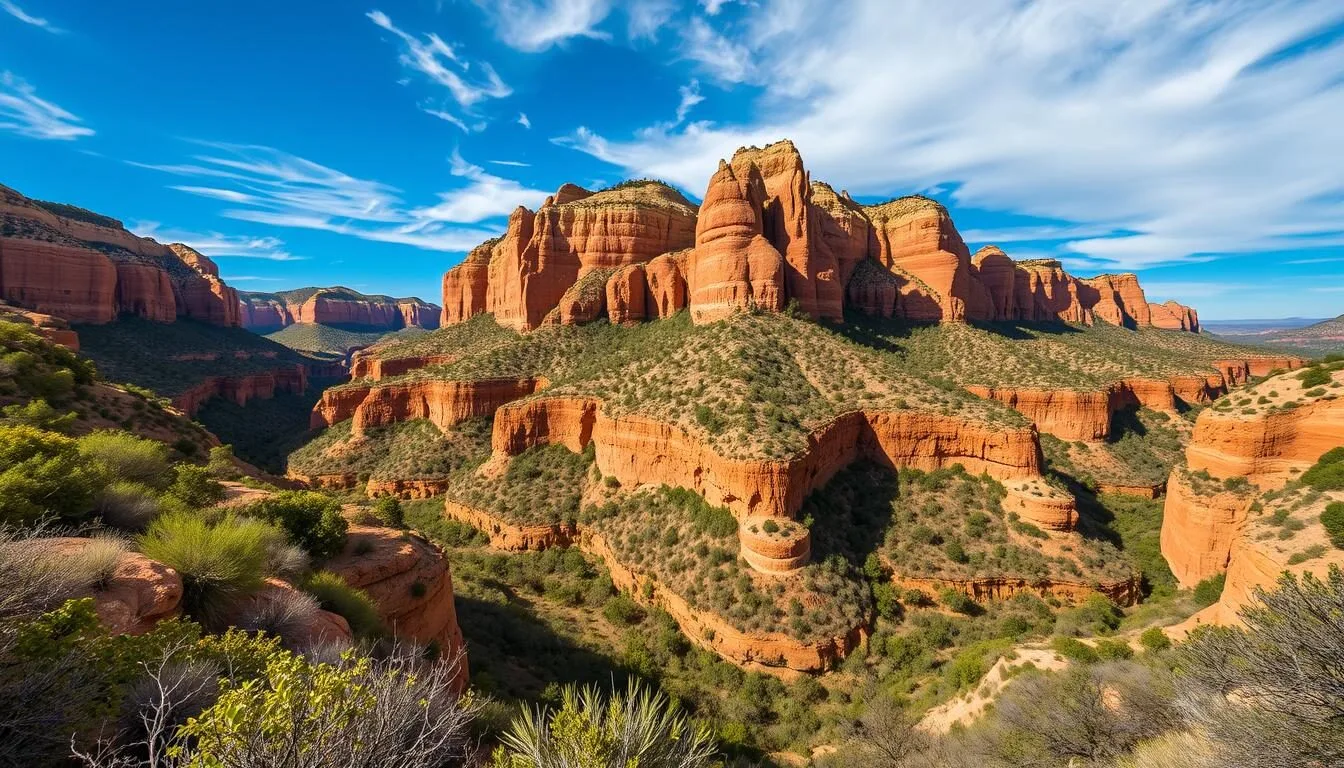
Walnut Canyon National Monument, Arizona: Best Things to Do – Top Picks
Coming Soon: Clickable Maps