
Did you know that 50,000 years ago, a meteorite traveling at 26,000 miles per hour struck Arizona with the explosive force of over 20 million tons of TNT? The result is the breathtaking Meteor Crater (also known as Barringer Crater) — a colossal bowl-shaped cavity measuring nearly 1.6 km (1 mile) across and 170 m (550 feet) deep. This remarkable site isn’t just a hole in the ground; it’s one of the best-preserved meteorite impact sites on Earth and a window into our planet’s violent cosmic history.
Getting There & Planning Your Journey
Meteor Crater is conveniently located in Northern Arizona, just off Interstate 40 and historic Route 66, approximately 69 km (43 miles) east of Flagstaff and 29 km (18 miles) west of Winslow.
Closest Airports:
- Flagstaff Pulliam Airport (FLG) – 77 km (48 miles) away
- Phoenix Sky Harbor International Airport (PHX) – 265 km (165 miles) away
- Albuquerque International Sunport (ABQ) – 370 km (230 miles) away
Most visitors drive to Meteor Crater as part of an Arizona road trip or while exploring Route 66. The site is well-marked with highway signs, making it easy to find. After exiting I-40, you’ll drive about 9.5 km (6 miles) south on Meteor Crater Road to reach the visitor center.
Best Time to Visit & Weather Tips
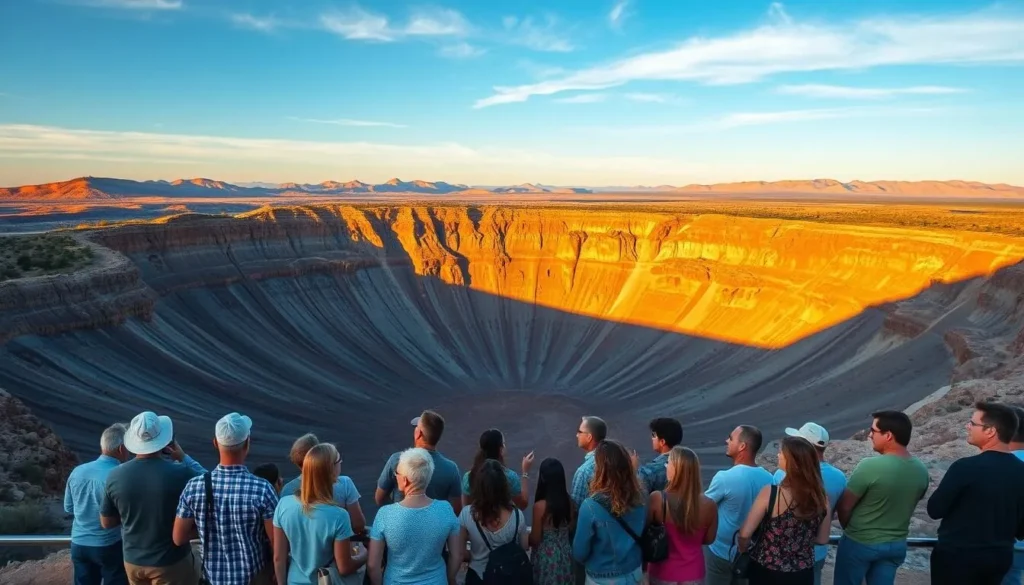
Northern Arizona experiences dramatic temperature variations throughout the year, which can significantly impact your Meteor Crater experience.
Recommended Seasons:
Spring (March-May)
Temperatures range from 10-24°C (50-75°F) with mild conditions and smaller crowds. Occasional spring winds can be strong.
Fall (September-November)
Similar to spring with pleasant temperatures between 7-21°C (45-70°F) and typically clear skies, making it ideal for photography.
Seasons to Approach with Caution:
Summer (June-August)
Daytime temperatures often exceed 32°C (90°F). Visit early morning to avoid midday heat. The air-conditioned visitor center provides relief.
Winter (December-February)
Temperatures can drop below freezing, especially in the mornings. Occasional snow is possible, though rare. Dress in warm layers.
The crater rim is frequently windy, so a windbreaker is recommended year-round. The site closes during severe weather conditions for safety reasons.
Getting Around Locally
Once you arrive at Meteor Crater, getting around is straightforward. The visitor center, museum, and crater viewpoints are all connected by paved walkways.
- The main complex houses the visitor center, museum, gift shop, and indoor viewing areas
- Outdoor observation decks offer unobstructed views of the crater
- Free guided rim tours depart regularly from the visitor center (weather permitting)
- An elevator provides ADA access to the first viewing level (check for maintenance closures)
- Comfortable walking shoes are recommended for exploring the rim paths
Note that visitors are not permitted to hike into the crater itself or explore it independently for both safety and preservation reasons. All viewing is done from designated observation areas.
Where to Stay
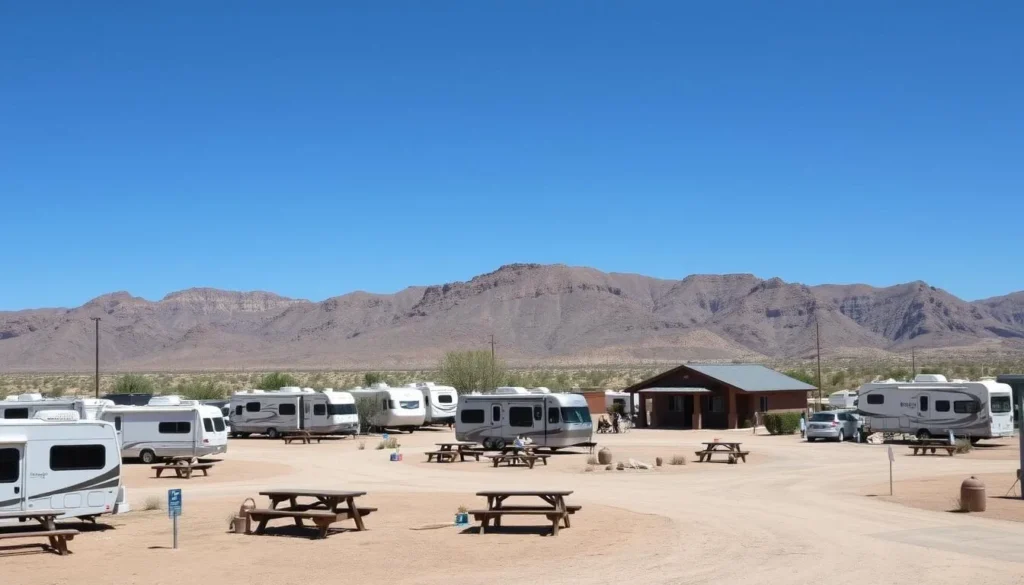
While there are no accommodations at the crater itself, several options are available nearby:
Closest Option:
Meteor Crater RV Park – Located at the junction of I-40 and Meteor Crater Road, this convenient campground offers:
- Full RV hookups with 30/50 amp service
- Clean restrooms and shower facilities
- Two off-leash dog parks
- Convenience store with basic supplies
- Just 9.5 km (6 miles) from the crater
Nearby Towns:
Winslow (29 km/18 miles)
Made famous by the Eagles song “Take It Easy,” Winslow offers several chain hotels and motels along I-40, plus the historic La Posada Hotel, a beautifully restored Fred Harvey railroad hotel.
Flagstaff (69 km/43 miles)
This mountain town provides numerous accommodation options from budget motels to upscale hotels and vacation rentals, plus excellent dining and shopping.
For a unique experience, consider booking a stay in Winslow’s La Posada Hotel, which combines Route 66 history with southwestern charm, or choose from Flagstaff’s many options if you prefer a larger selection of amenities.
Dining & Local Cuisine
Food options at Meteor Crater itself are limited to the Subway restaurant inside the visitor center, which offers sandwiches, salads, and beverages. For more substantial dining:
Nearby Options:
Winslow (29 km/18 miles)
- The Turquoise Room at La Posada Hotel – Award-winning Southwestern cuisine
- Relics Restaurant – Classic American fare with Route 66 memorabilia
- Falcon Restaurant – Local favorite for Mexican dishes
Flagstaff (69 km/43 miles)
- Numerous dining options from casual to fine dining
- Local breweries featuring craft beers
- Farm-to-table restaurants highlighting Arizona ingredients
If you’re planning a full day at the crater, consider bringing water and snacks, especially during hot weather. The visitor center has vending machines and water bottle filling stations available.
Attractions, Sightseeing & Activities
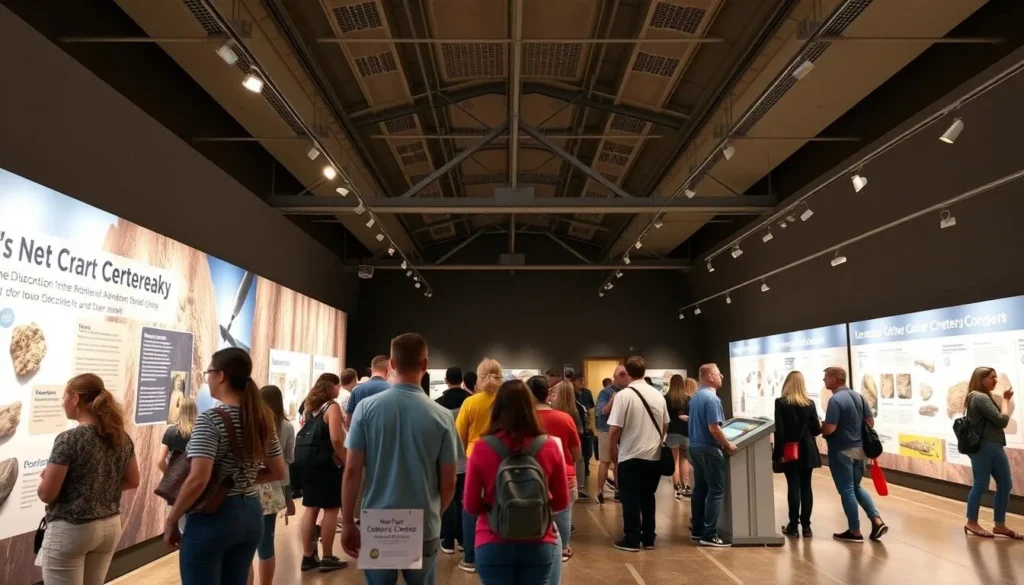
Meteor Crater offers several engaging attractions that make it worth the visit:
1. Crater Viewpoints
Multiple indoor and outdoor observation areas provide spectacular views of the massive crater. Outdoor decks feature coin-operated binoculars to examine distant features like the Apollo test capsule and mining equipment at the crater floor.
2. Guided Rim Tours
Free 45-minute tours led by knowledgeable guides take you along a portion of the crater rim. These tours provide fascinating insights into the crater’s formation, history, and scientific significance while offering exclusive photo opportunities.
3. Discovery Center
This interactive space features hands-on exhibits explaining impact cratering, meteorites, and planetary science. Perfect for visitors of all ages, especially children curious about space and geology.
4. COLLISION! 4D Experience
An immersive theater presentation that simulates the meteorite’s journey through space and its dramatic impact. Special effects including motion seats make this a thrilling experience for visitors of all ages.
5. Apollo 11 Test Capsule
View an authentic test capsule used by NASA astronauts who trained at Meteor Crater in preparation for the first moon landing. This historical artifact highlights the crater’s importance to space exploration.
Museums, Cultural Spots & Festivals
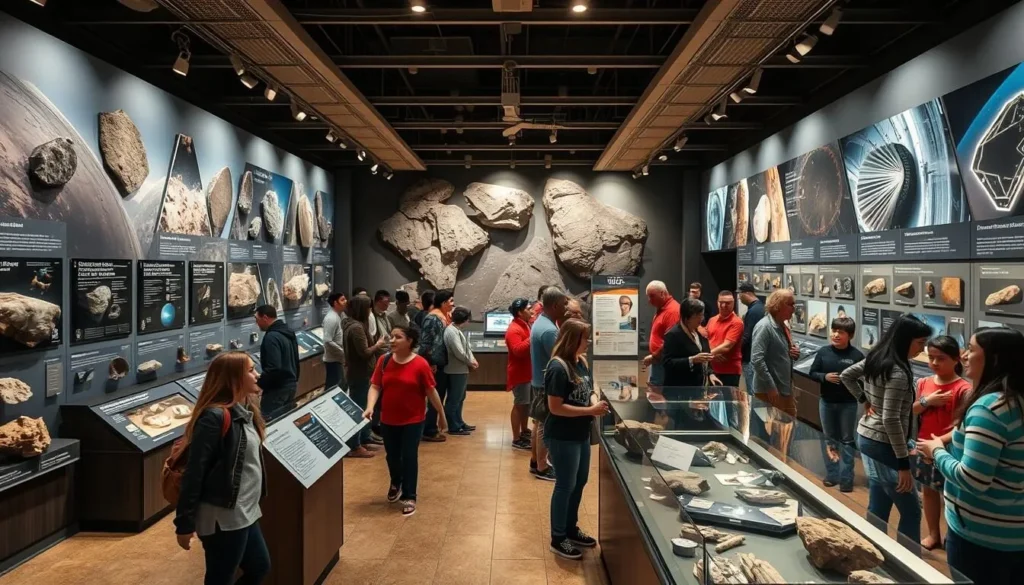
On-Site Museums:
The Meteor Crater complex houses several museum-quality exhibits:
- Impact: The Mystery of Meteor Crater – An educational film shown throughout the day that explains the crater’s formation and scientific importance
- Space Museum – Features exhibits on meteorites, asteroids, and space exploration, including actual fragments of the meteorite that created the crater
- Interactive Displays – Learn about crater formation, meteorite identification, and the difference between meteors, meteorites, and meteoroids
Nearby Cultural Attractions:
Winslow
- “Standin’ on the Corner” Park – Famous Eagles song tribute
- Old Trails Museum – Local history exhibits
- Winslow Arts Trust – Contemporary southwestern art
Flagstaff
- Lowell Observatory – Historic astronomical research facility
- Museum of Northern Arizona – Native American culture and natural history
- Flagstaff Festival of Science (September) – Annual celebration of science
The crater’s connection to NASA and astronaut training makes it particularly interesting for space enthusiasts. Many of the Apollo astronauts, including Neil Armstrong, trained here to prepare for lunar missions.
Sports, Nature & Outdoor Experiences
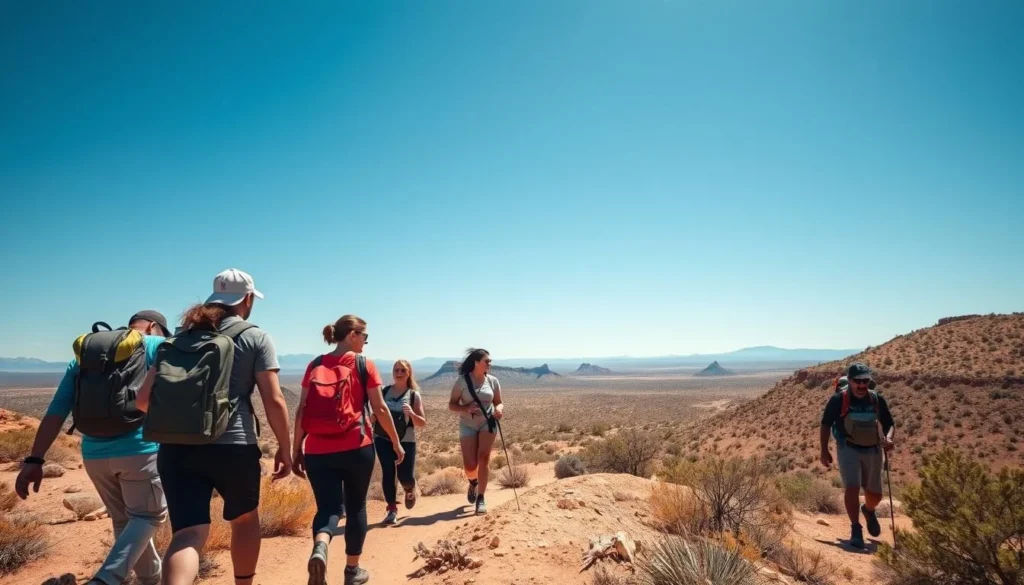
While the crater itself has limited outdoor activities beyond the rim walk, the surrounding area offers several opportunities for nature enthusiasts:
Nearby Natural Attractions:
- Painted Desert – Colorful badlands just 80 km (50 miles) northeast
- Petrified Forest National Park – Ancient fossilized trees and stunning landscapes 97 km (60 miles) east
- Homolovi State Park – Archaeological sites and hiking trails 40 km (25 miles) northeast
- Little Colorado River Gorge – Dramatic canyon views 113 km (70 miles) north
Outdoor Activities in the Region:
Hiking
The Coconino National Forest near Flagstaff offers numerous trails through pine forests, lava fields, and desert landscapes for all skill levels.
Stargazing
Northern Arizona’s dark skies make it perfect for astronomy. Flagstaff was the world’s first International Dark Sky City.
The high desert environment around Meteor Crater provides excellent wildlife viewing opportunities, including pronghorn antelope, coyotes, jackrabbits, and various bird species adapted to the arid climate.
Safety, Etiquette & Local Customs
Safety Considerations:
- Sun Protection – The Arizona sun is intense year-round. Wear sunscreen, sunglasses, and a hat, even on cloudy days
- Hydration – The high desert climate is extremely dry. Bring water and drink regularly
- Altitude – At 1,740 m (5,710 feet) elevation, some visitors may experience mild altitude symptoms. Take it easy if you’re not accustomed to higher elevations
- Weather Changes – Be prepared for sudden temperature shifts and strong winds, especially at the rim
Visitor Etiquette:
- Stay on designated paths and viewing areas
- Do not throw anything into the crater
- Respect the scientific importance of the site by not removing rocks or other natural materials
- Keep noise levels reasonable during guided tours
- Follow all staff instructions regarding safety and restricted areas
Photography is encouraged throughout the site, but commercial photography requires special permission. Drones are strictly prohibited due to safety concerns and proximity to flight paths.
Visitor Comments About Meteor Crater
“As a science teacher, I was blown away by the sheer scale of Meteor Crater. The guided rim tour was incredibly informative, and my students were fascinated by the interactive exhibits. Definitely worth the drive from Phoenix!”
“We visited during our Route 66 road trip and were pleasantly surprised. The 4D theater was a hit with our kids, and the views are truly spectacular. Tip: go early to avoid afternoon winds that sometimes close the rim tours.”
“Having seen photos, I wasn’t sure if it would be worth the detour. I’m so glad we went! The crater’s immensity can’t be captured in pictures. The museum was excellent, and seeing the actual meteorite fragments was the highlight of our Arizona trip.”
Additional Nearby Destinations
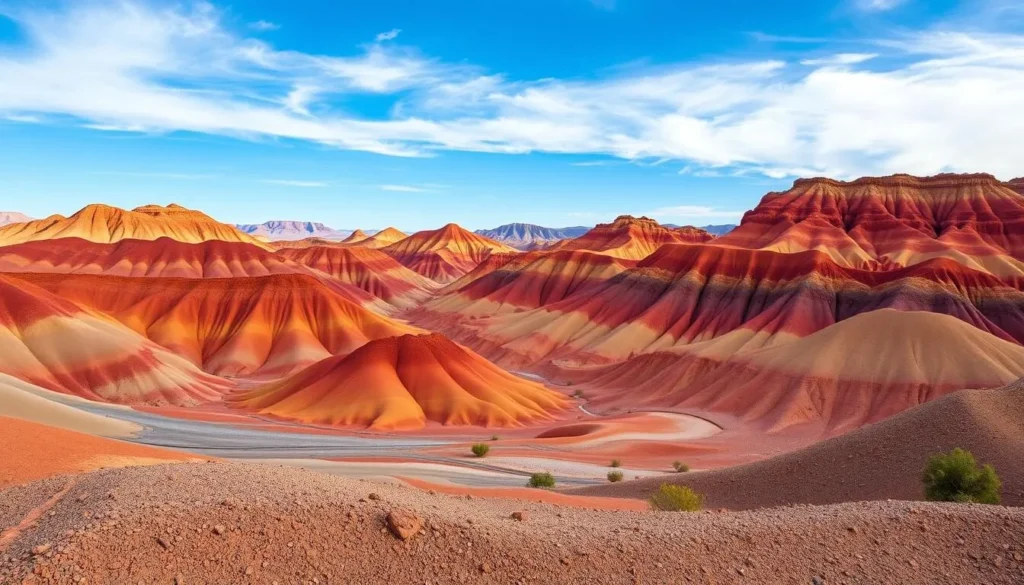
Make the most of your journey by exploring these attractions within easy driving distance of Meteor Crater:
Within 1 Hour:
- Winslow – Visit the famous “Standin’ on the Corner” park and historic La Posada Hotel
- Walnut Canyon National Monument – Ancient cliff dwellings built into canyon walls
- Twin Arrows Navajo Casino Resort – Gaming, dining, and cultural experiences
Within 2 Hours:
- Petrified Forest National Park – Ancient fossilized trees and colorful badlands
- Flagstaff – Mountain town with breweries, restaurants, and Lowell Observatory
- Sunset Crater Volcano National Monument – Young cinder cone volcano and lava flows
Day Trips (2-3 Hours):
- Grand Canyon National Park – One of the world’s most spectacular natural wonders
- Sedona – Red rock formations, spiritual vortexes, and upscale shopping
- Canyon de Chelly – Stunning canyon with ancient cliff dwellings on Navajo land
Many visitors combine Meteor Crater with a Route 66 road trip or a tour of Arizona’s numerous national parks and monuments.
Practical Travel Tips
Hours & Admission:
- Open daily from 8:00 AM to 5:00 PM (last admission at 4:15 PM)
- Closed on Thanksgiving and Christmas Day
- Adult admission (12+): Approximately $22
- Children (6-11): Approximately $12
- Children under 6: Free
- Military and senior discounts available
Visitor Amenities:
- Free parking for cars, RVs, and buses
- Clean restrooms in the visitor center
- Water bottle filling stations
- Subway restaurant on-site
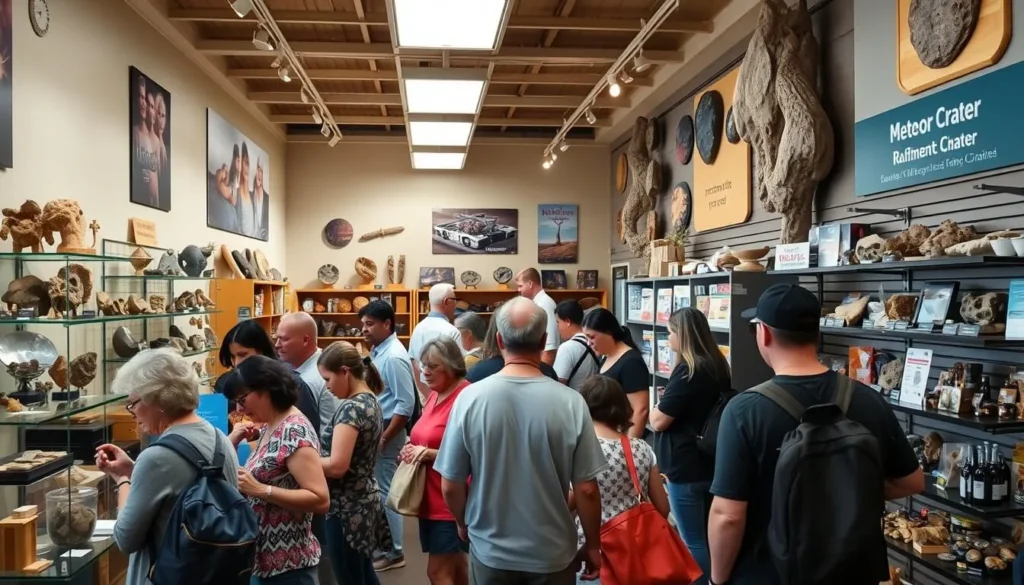
- Gift shop with unique meteorite specimens and space-themed souvenirs
- Pet kennels available for a fee ($15 per pet)
Time Needed:
Most visitors spend 2-3 hours exploring the crater, museum, and other attractions. If you take the guided rim tour and watch the film presentation, plan for at least 2.5 hours.
Your Cosmic Adventure Awaits
Standing at the rim of Meteor Crater is a humbling experience that connects you to both Earth’s distant past and the vast cosmos beyond. This remarkable natural wonder offers a rare glimpse into the powerful forces that have shaped our planet and continues to inspire scientific discovery and wonder in visitors of all ages. Whether you’re a space enthusiast, science lover, history buff, or simply seeking unique experiences on your Arizona journey, Meteor Crater delivers an unforgettable adventure that puts our place in the universe into breathtaking perspective.
Related Posts

Patagonia-Sonoita Creek Preserve, Arizona: Best Things to Do – Top Picks
Yuma Territorial Prison State Historic Park, Arizona: Best Things to Do – Top Picks
Windsor Beach (Lake Havasu State Park), Arizona: Best Things to Do – Top Picks

White Pocket, Arizona: Best Things to Do – Top Picks

White Mountains, Arizona: Best Things to Do – Top Picks
Walnut Canyon National Monument, Arizona: Best Things to Do – Top Picks
Coming Soon: Clickable Maps