
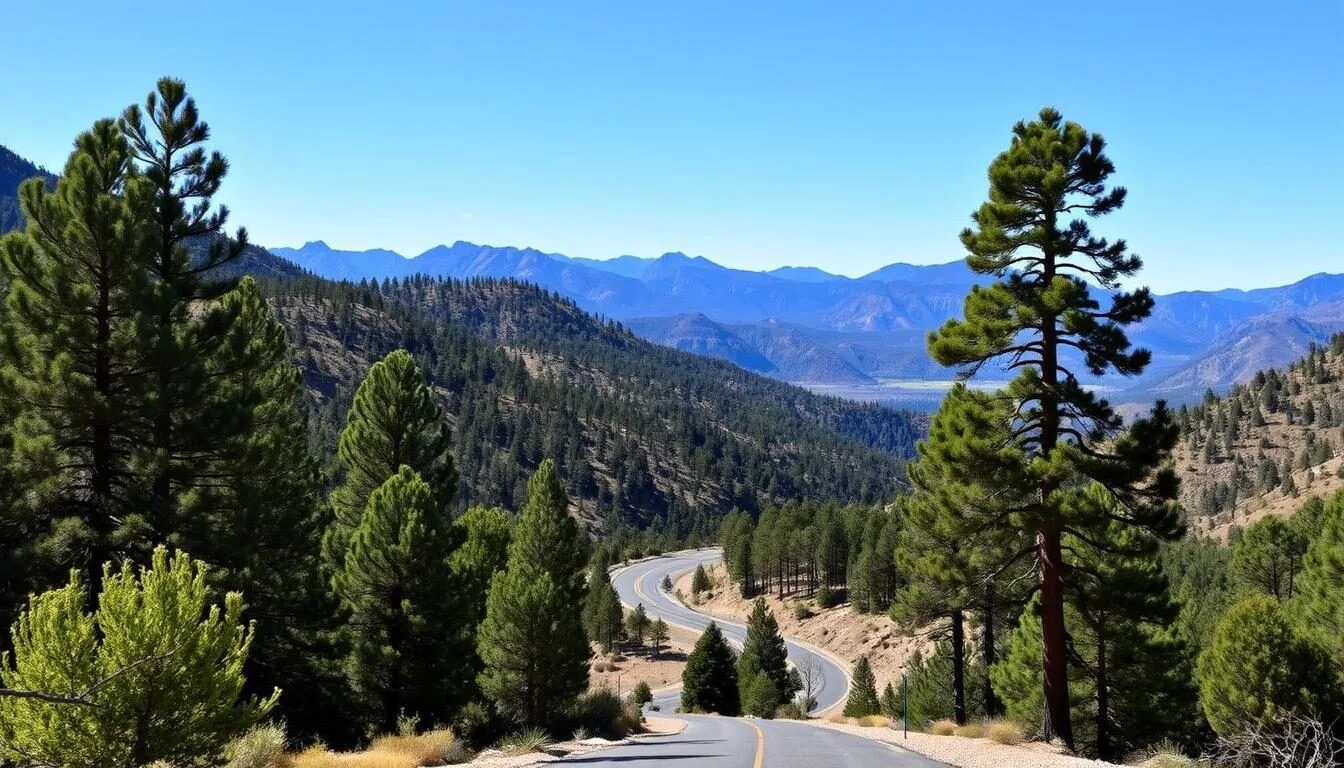
Rising 7,815 meters (25,640 feet) above Arizona’s Verde Valley, Mingus Mountain is home to one of the state’s most unique ecosystems where desert landscapes transition into cool pine forests within just a few kilometers of elevation gain. This remarkable transition zone supports over 200 bird species and creates a natural haven that’s a striking 10-15°C (18-27°F) cooler than nearby Phoenix during summer months, making it a perfect escape from the desert heat.
Getting There & Planning Your Journey
Mingus Mountain is conveniently located between Prescott and Jerome in central Arizona, making it accessible from several major airports. Phoenix Sky Harbor International Airport is the closest major hub, approximately 148 km (92 miles) south, offering a scenic 2-hour drive. Flagstaff Pulliam Airport is about 97 km (60 miles) northeast, providing another option for travelers.
From Phoenix, take I-17 North to Highway 260, then Highway 89A through Jerome. From Flagstaff, follow I-17 South to Highway 260, then connect to Highway 89A. The mountain is accessible via the scenic Highway 89A, which winds through Jerome and up the mountain with breathtaking views of the Verde Valley below.
If you’re coming from Prescott, take Highway 89A east toward Jerome. The road to Mingus Mountain is fully paved until you reach some of the recreational areas, where dirt roads may require vehicles with decent clearance.
Best Time to Visit & Weather Tips

Mingus Mountain experiences distinct seasons, each offering unique experiences for visitors:
Recommended Seasons
- Spring (April-May): Mild temperatures ranging from 10-21°C (50-70°F) with wildflowers blooming across the mountain slopes.
- Fall (September-October): Comfortable 7-18°C (45-65°F) temperatures with spectacular autumn colors as the aspen trees turn golden.
- Early Summer (June): Warm days around 24-29°C (75-85°F) with cool evenings, perfect for camping before monsoon season.
Seasons to Avoid
- Late Summer (July-August): Afternoon thunderstorms are common during monsoon season, creating potentially dangerous conditions on exposed trails.
- Winter (December-February): Temperatures frequently drop below freezing, and snow can make some roads impassable without 4WD vehicles.
Weather on the mountain can change rapidly, so always check forecasts before your visit and pack layers regardless of season. The mountain’s elevation creates a microclimate that’s significantly cooler than surrounding desert areas, making it a refreshing escape during hot Arizona summers.
Getting Around Locally

Navigating Mingus Mountain requires some planning as public transportation is non-existent in this wilderness area. A personal vehicle is essential for exploring the mountain’s diverse attractions.
Road Conditions
The main access road, Highway 89A, is well-maintained and paved, suitable for all vehicles. However, many recreational areas and viewpoints are accessed via dirt roads that can become washboardy with potholes, especially after rain. While most are passable in standard vehicles during dry conditions, some areas benefit from higher clearance vehicles.
Navigation Tips
- Download offline maps before your visit as cell service can be spotty on the mountain.
- Forest Service maps are available at ranger stations in Prescott and are highly recommended for exploring beyond main roads.
- Allow extra time for driving as mountain roads are winding and scenic stops are plentiful.
- Carry extra fuel if planning extensive exploration, as there are no gas stations on the mountain.
Many visitors enjoy the journey itself, as the drive up Mingus Mountain offers spectacular views with numerous pullouts for photography and sightseeing.
Where to Stay
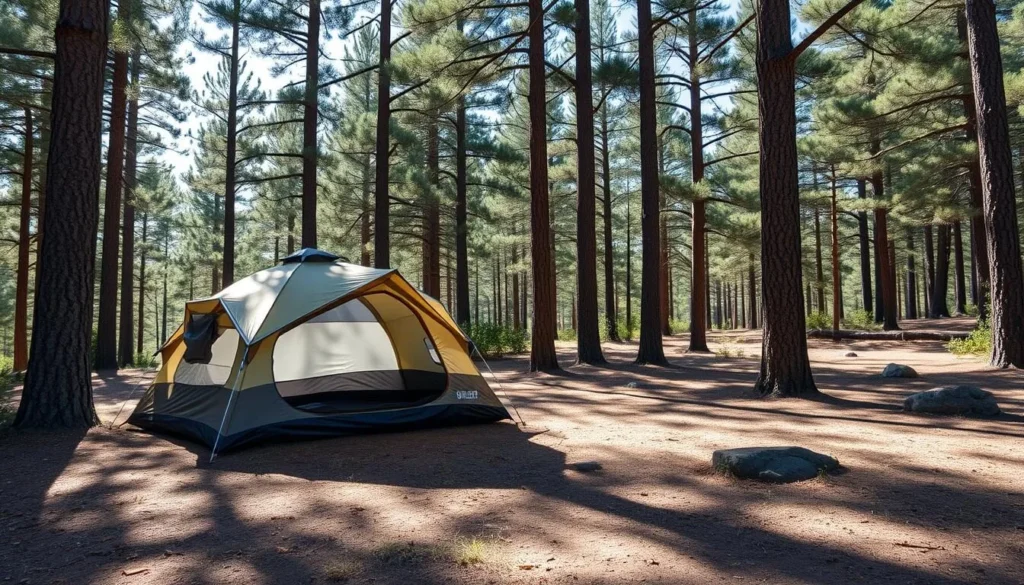
Accommodation options on Mingus Mountain itself are limited to camping, but nearby towns offer a variety of lodging choices:
Camping on Mingus Mountain
- Mingus Mountain Campground: Located at 2,100 meters (7,000 feet) elevation, this Forest Service campground offers 21 sites with picnic tables, fire rings, and vault toilets. Open May through October, sites are available on a first-come, first-served basis for $10-15 per night.
- Dispersed Camping: Free dispersed camping is permitted in most areas of the Prescott National Forest surrounding Mingus Mountain, following Leave No Trace principles.
Nearby Accommodations
- Jerome (12 minutes southwest): This historic mining town offers charming bed and breakfasts and boutique hotels with character, many in restored historic buildings.
- Cottonwood (20 minutes southeast): Provides more conventional hotel options and vacation rentals at lower prices than Jerome.
- Prescott (30 minutes west): Offers the widest range of accommodations from budget motels to upscale resorts.
For a truly immersive experience, camping on the mountain allows you to enjoy the star-filled night skies and cool mountain air, with temperatures that provide welcome relief from Arizona’s summer heat.
Dining & Local Cuisine

While there are no restaurants on Mingus Mountain itself, the surrounding communities offer excellent dining options featuring local ingredients and southwestern flavors.
Dining Near Mingus Mountain
- Jerome Dining: This artistic community is known for its eclectic restaurants, many with spectacular views of the Verde Valley. Local specialties include prickly pear cactus-infused dishes and Arizona wines from nearby vineyards.
- Cottonwood Culinary Scene: Old Town Cottonwood has emerged as a foodie destination with farm-to-table restaurants and numerous wine tasting rooms featuring Verde Valley vintages.
- Prescott Eateries: Offers more diverse dining options, from casual southwestern fare to upscale restaurants around the historic courthouse square.
Picnicking on the Mountain
Many visitors bring picnic supplies to enjoy at the numerous scenic overlooks. The Mingus Mountain picnic area near the campground provides tables and grills in a beautiful pine forest setting.
For self-catering, stock up on supplies in Cottonwood or Prescott, where you’ll find grocery stores and specialty food shops. Local farmers markets (seasonal) offer fresh produce, artisanal cheeses, and Arizona honey that make for perfect picnic provisions.
Attractions, Sightseeing & Activities
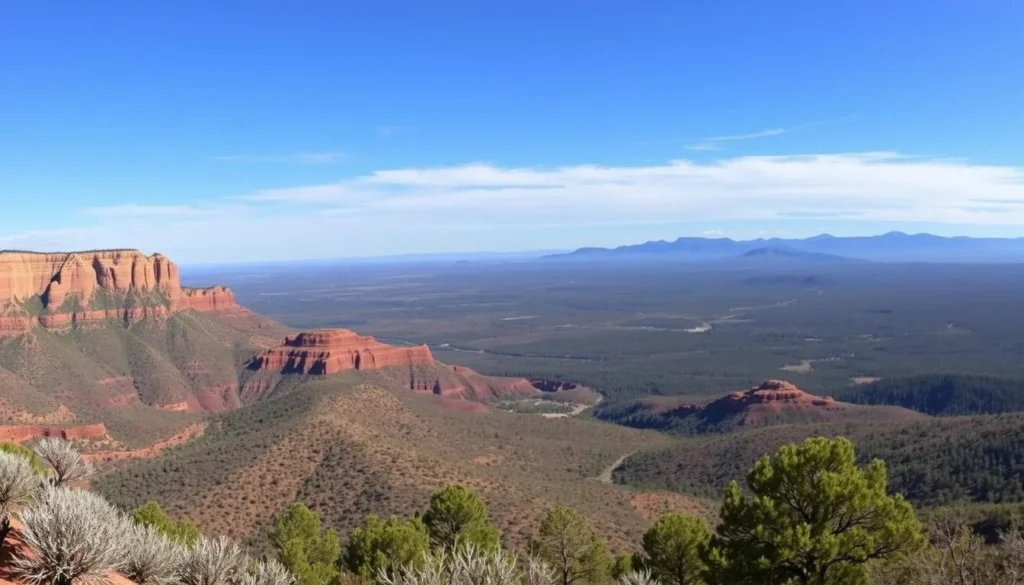
Mingus Mountain offers diverse attractions that showcase Arizona’s natural beauty and provide activities for all interest levels:
Scenic Drives
The drive up Highway 89A from Jerome to the summit is considered one of Arizona’s most scenic routes. Multiple pullouts offer spectacular views of the Verde Valley, Sedona’s red rocks, and on clear days, even the San Francisco Peaks near Flagstaff.
Viewpoints
- Mingus Mountain Vista: The main overlook near the summit provides 180-degree views of the Verde Valley and beyond.
- Woodchute Wilderness Overlook: A short walk from the road offers views of the Prescott Valley to the west.
Photography Opportunities
The mountain’s diverse landscapes create perfect conditions for photography, especially during golden hour. The dramatic elevation changes create opportunities to capture desert vistas, pine forests, and wildlife in a single outing.
Mingus Mountain’s location away from major cities also makes it an excellent spot for night sky photography, with minimal light pollution allowing for stunning Milky Way shots during summer months.
Sports, Nature & Outdoor Experiences
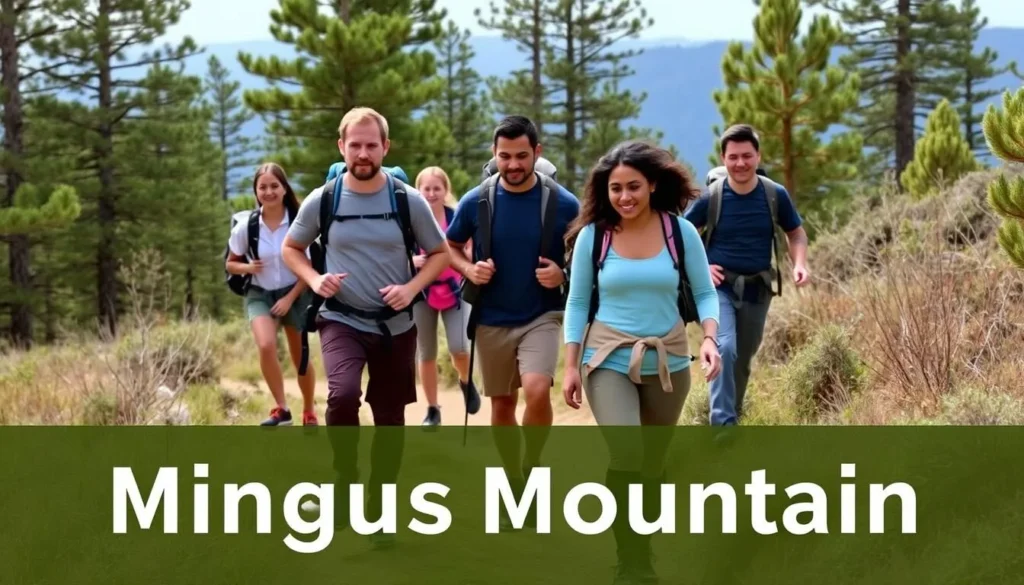
Hiking Trails
Mingus Mountain features numerous trails catering to all skill levels:
- Woodchute Trail #102: A moderate 5.6 km (3.5-mile) one-way trail leading to the Woodchute Wilderness with panoramic views.
- North Mingus Trail #105: A challenging 4.8 km (3-mile) route with significant elevation gain, rewarding hikers with spectacular vistas.
- Mingus Recreation Trail #106: An easier 3.2 km (2-mile) loop suitable for families, passing through pine forests and meadows.
Mountain Biking
The mountain offers technical single-track trails that attract mountain bikers from across the region:
- Mingus Downhill: A thrilling descent with switchbacks and technical sections for experienced riders.
- Forest Road Network: Miles of dirt roads provide less technical options for casual riders.
Wildlife Viewing
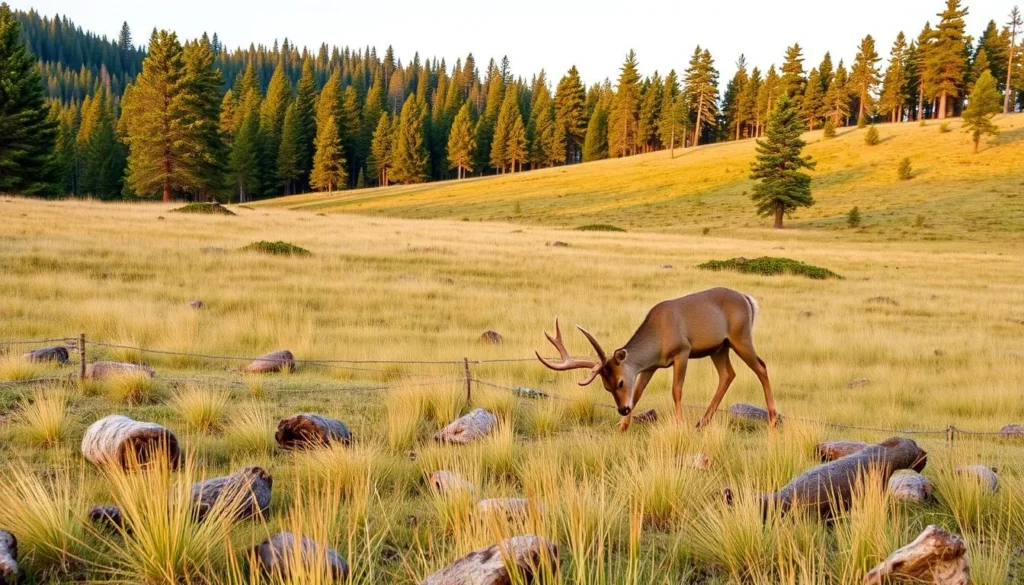
The mountain’s diverse habitats support abundant wildlife:
- Bird Watching: Over 200 species including red-tailed hawks, Steller’s jays, and seasonal migratory birds.
- Mammals: Mule deer are commonly seen, while more elusive residents include black bears, mountain lions, and bobcats.
- Best Times: Dawn and dusk offer the highest activity levels for wildlife viewing.
While wildlife sightings enhance the experience, visitors should maintain a safe distance, especially from larger predators. Hiking in groups and making noise on trails helps prevent surprise encounters.
Safety, Etiquette & Local Customs
Mountain Safety
- Wildlife Awareness: Mountain lions and black bears inhabit the area. Hike in groups, make noise on trails, and never approach wildlife. If you encounter a large predator, make yourself look bigger, make noise, and back away slowly.
- Weather Preparedness: Mountain weather can change rapidly. Check forecasts before heading out and bring layers regardless of season. During summer monsoon season (July-August), be off exposed ridges by early afternoon to avoid lightning strikes.
- Navigation: Cell service is limited on the mountain. Carry physical maps and inform someone of your planned route and return time.
Outdoor Etiquette
- Leave No Trace: Pack out all trash, stay on designated trails, and minimize your impact on this fragile ecosystem.
- Fire Safety: Check current fire restrictions before your visit. During high fire danger periods, open flames may be prohibited entirely.
- Respect Private Property: Some areas around the mountain are privately owned. Always honor posted signs and property boundaries.
The mountain is part of Prescott National Forest, which requires a $5 day-use fee or display of an interagency pass (America the Beautiful Pass) at developed recreation sites.
Visitor Comments About Mingus Mountain
“The transition from desert to alpine forest on Mingus Mountain is something you have to experience to believe. We hiked the Woodchute Trail and were rewarded with views that rivaled anything I’ve seen in Arizona. The temperature was 15°C cooler than Phoenix, making it the perfect summer escape.”
“As a photographer, I found Mingus Mountain to be a hidden gem. The diverse ecosystems and dramatic lighting at sunset created stunning opportunities. The dirt roads were a bit rough, but absolutely worth it for the unspoiled natural beauty and wildlife sightings.”
“We camped at Mingus Mountain Campground for three nights and were amazed by the star-filled skies and peaceful surroundings. The proximity to Jerome made for perfect day trips exploring the historic town. Just be prepared for wildlife – we spotted a black bear from a safe distance!”
Additional Nearby Destinations
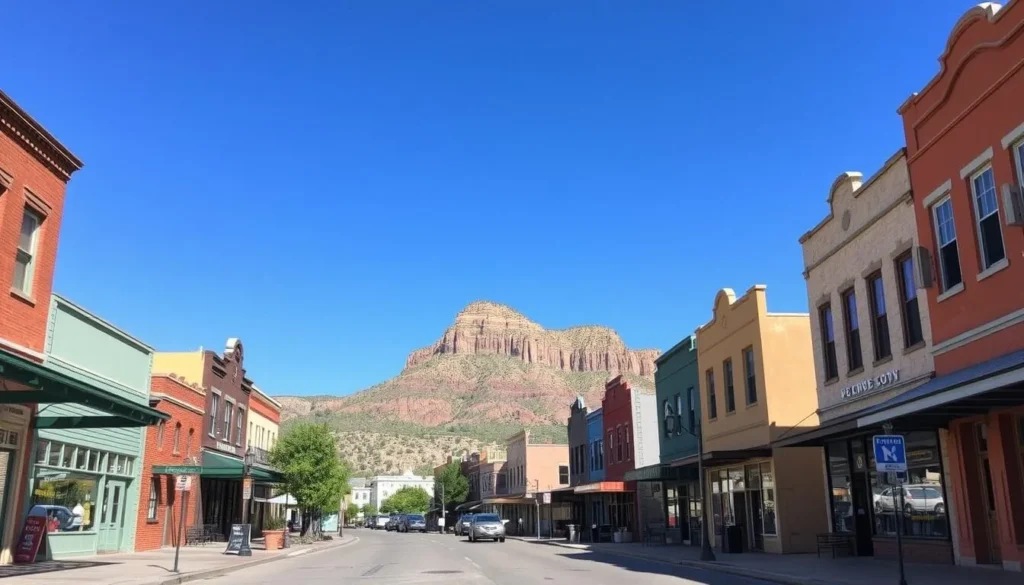
Mingus Mountain’s central location makes it an ideal base for exploring several remarkable destinations in north-central Arizona:
Jerome (12 minutes)
Once known as the “Wickedest Town in the West,” this former mining community clings to the mountainside and is now a thriving artist colony and ghost town. Explore its mining history, browse galleries, and enjoy dining with spectacular views.
Sedona (33 minutes)
Famous for its stunning red rock formations and spiritual vortexes, Sedona offers world-class hiking, jeep tours, and a vibrant arts scene. The drive from Mingus Mountain to Sedona through the Verde Valley is particularly scenic.
Tuzigoot National Monument (25 minutes)
This well-preserved ancient pueblo ruin offers insights into the indigenous Sinagua culture that thrived in the Verde Valley between 1000 and 1400 CE.
Verde Canyon Railroad (30 minutes)
This historic train ride from Clarkdale offers a unique perspective on the Verde Canyon’s wildlife and scenery, inaccessible by road.
Prescott (30 minutes)
Arizona’s former territorial capital features a charming downtown with historic Whiskey Row, museums, and the scenic Watson Lake with its distinctive granite boulders.
Sycamore Canyon Wilderness (35 minutes)
Arizona’s second largest canyon system offers solitude and pristine wilderness with fewer crowds than more famous destinations.
Practical Travel Tips
Essential Preparations
- Water: Bring plenty of water for all activities. The mountain’s dry climate and elevation can lead to rapid dehydration.
- Vehicle Readiness: Ensure your vehicle is in good condition. While main roads are paved, many recreational areas require driving on dirt roads that can be rough in places.
- Sun Protection: Even at higher elevations, Arizona’s sun is intense. Bring sunscreen, hats, and sunglasses.
- Permits: A $5 day-use fee or America the Beautiful Pass is required for developed recreation sites within Prescott National Forest.
Local Resources
- Prescott National Forest Offices: Provide maps, current conditions, and permits in Prescott.
- Jerome Chamber of Commerce: Offers information on local attractions and events.
- Emergency Services: Cell service is limited on the mountain. The nearest medical facilities are in Cottonwood and Prescott.
For those interested in the area’s mining history, the Jerome State Historic Park and the Gold King Mine Ghost Town provide fascinating insights into the region’s past that complement the natural attractions of Mingus Mountain.
Your Mountain Adventure Awaits
Mingus Mountain stands as a testament to Arizona’s incredible ecological diversity, offering a refreshing alpine escape just a short drive from desert landscapes. Whether you’re seeking challenging hikes with rewarding views, peaceful camping under star-filled skies, or simply a scenic drive through changing ecosystems, this mountain delivers experiences that will linger in your memory long after your visit. With its perfect combination of natural beauty, outdoor recreation, and proximity to cultural attractions, Mingus Mountain deserves a prominent place on any Arizona travel itinerary.
The above is subject to change.
Check back often to TRAVEL.COM for the latest travel tips and deals.



0 Comments