
Hotels by Trip.com
Flights by Trip.com
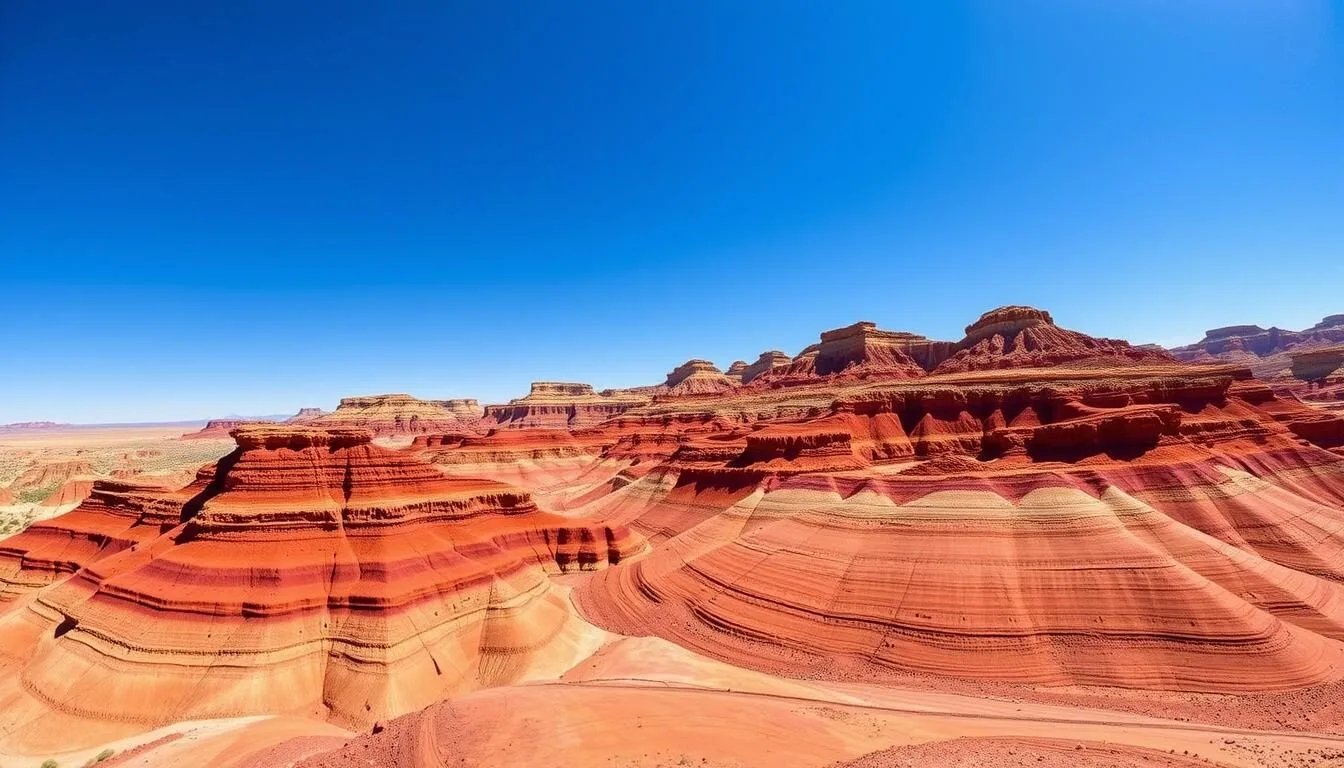
Did you know that the vibrant, multi-colored badlands of the Painted Desert contain petrified wood dating back an astonishing 225 million years? These ancient trees fell during the Triassic Period when dinosaurs roamed the Earth, and were slowly transformed into brilliant quartz crystals through a fascinating mineralization process. Today, this geological wonder stretches across 93,533 hectares (231,000 acres) of northern Arizona, creating one of the most uniquely beautiful landscapes in the American Southwest.
Getting There & Planning Your Journey
The Painted Desert spans a large area in northeastern Arizona, with the most accessible and spectacular portions located within Petrified Forest National Park. The park has two entrance points: the northern entrance off Interstate 40 (exit 311) and the southern entrance off Highway 180.
Closest Airports
- Flagstaff Pulliam Airport (FLG) – 180 km (112 miles) west
- Phoenix Sky Harbor International Airport (PHX) – 340 km (211 miles) southwest
- Albuquerque International Sunport (ABQ) – 338 km (210 miles) east
Most visitors rent a car at one of these airports and drive to the Painted Desert as part of a larger Arizona or Southwest road trip. The journey from Phoenix takes approximately 3.5 hours, while from Flagstaff it’s about 1.5 hours.
Park Hours and Fees
Petrified Forest National Park, which contains the most accessible portions of the Painted Desert, is open daily from 8:00 am to 5:00 pm (except December 25). The entrance fee is $25 per vehicle, valid for seven days. If you plan to visit multiple national parks, consider purchasing an America the Beautiful Annual Pass for $80, which covers entrance fees to all national parks for a year.
Important Note: Unlike many national parks, Petrified Forest National Park is NOT open 24 hours. The entrance gates close promptly at 5:00 pm, and overnight parking is not permitted within the park. Plan your visit accordingly to ensure you have enough time to explore.
Best Time to Visit & Weather Tips
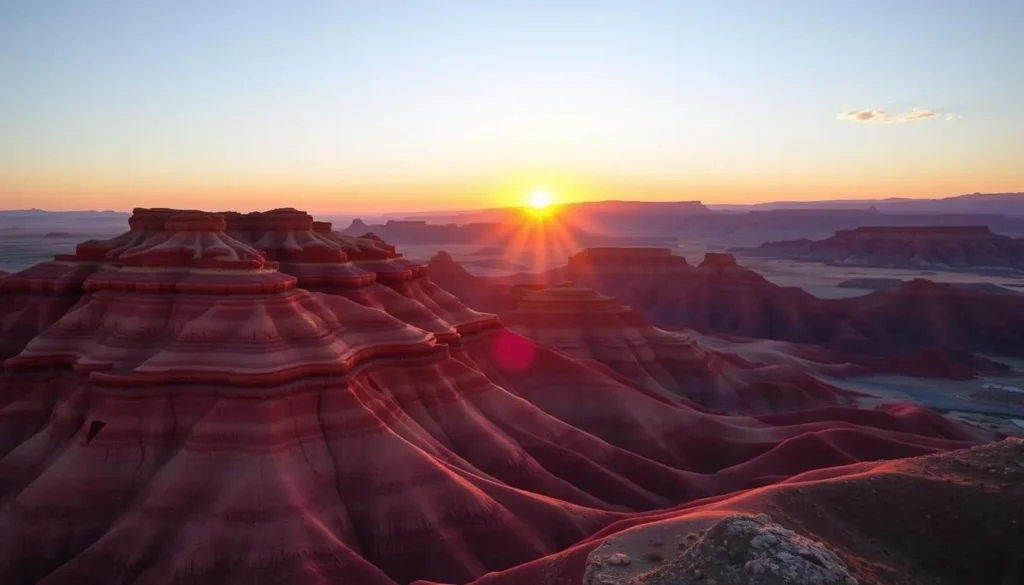
The Painted Desert experiences extreme temperature variations throughout the year, which significantly impacts when you should plan your visit.
Recommended Seasons
Spring (March to May)
One of the best times to visit with comfortable daytime temperatures ranging from 15-23°C (60-73°F). Spring brings clear skies and wildflowers that add splashes of color to the landscape. Crowds are moderate, making this an ideal time for photography and hiking.
Fall (September to November)
Another excellent time to visit with pleasant temperatures between 13-29°C (55-85°F). The angle of the autumn sun enhances the vibrant colors of the desert, creating spectacular photo opportunities. Fall also typically sees fewer visitors than summer.
Seasons to Avoid or Use Caution
Summer (June to August)
Daytime temperatures regularly exceed 32°C (90°F) and can climb above 38°C (100°F). July and August also bring monsoon season with sudden, intense thunderstorms. If visiting in summer, arrive early in the morning, bring plenty of water, and be prepared for extreme heat.
Winter (December to February)
While winter offers the fewest crowds, temperatures can drop below freezing, especially at night. Daytime highs average 7-10°C (45-50°F). Occasional snow is possible, which creates a unique landscape but can make some roads temporarily impassable.
| Month | Avg. High | Avg. Low | Precipitation | Crowd Level |
| January | 7°C (45°F) | -8°C (17°F) | 25mm (1.0in) | Low |
| April | 18°C (65°F) | -1°C (31°F) | 8mm (0.3in) | Moderate |
| July | 31°C (88°F) | 13°C (56°F) | 41mm (1.6in) | High |
| October | 20°C (68°F) | 1°C (33°F) | 23mm (0.9in) | Moderate |
Getting Around Locally
The Painted Desert is best explored by car, as public transportation options are extremely limited in this remote area. The main park road through Petrified Forest National Park is 45 km (28 miles) long and connects the north and south entrances, with numerous pullouts and viewpoints along the way.
Transportation Options
- Personal Vehicle: The most convenient way to explore. The park road is well-maintained and suitable for all types of vehicles.
- Rental Car: Available at all nearby airports and major towns. Reserve in advance, especially during peak season.
- Guided Tours: Several companies offer day tours from Flagstaff or Holbrook, which include transportation and a guide.
There is no shuttle service within the park, so having your own transportation is essential. The park road is a one-way route that takes approximately one hour to drive without stops, but plan for 3-5 hours to fully enjoy the viewpoints and short trails.
Where to Stay
There are no accommodations within the Painted Desert or Petrified Forest National Park itself. Most visitors stay in nearby Holbrook (about 30 minutes from the south entrance) or Winslow (about 1 hour from the north entrance).
✓ Check 30,000+ Local Sightseeing Tours Worldwide
Holbrook Accommodations
Historic Route 66 Motels
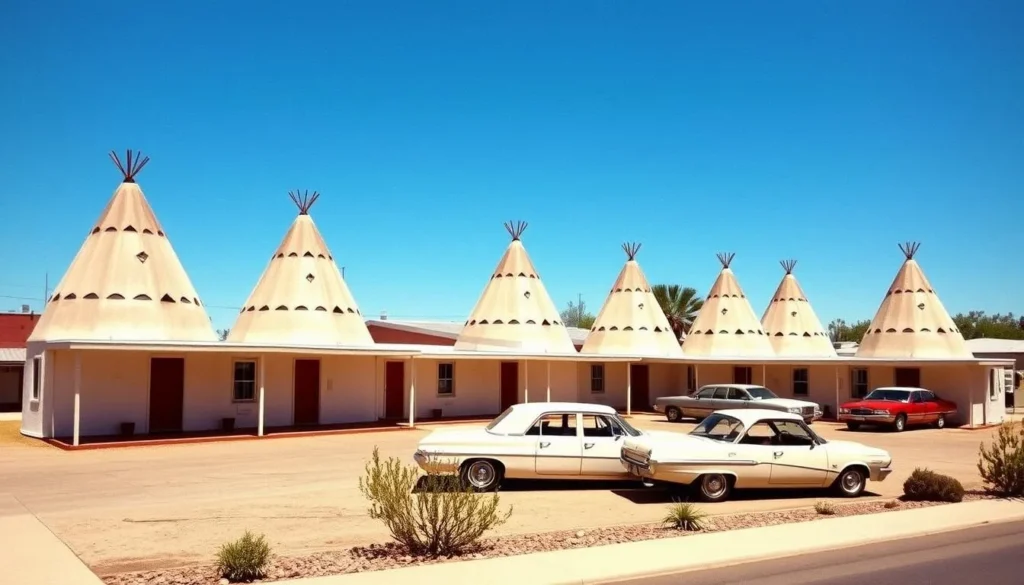
For a unique experience, stay at the iconic Wigwam Motel, where you can sleep in concrete teepees along historic Route 66. This nostalgic motel inspired the Cozy Cone Motel in the Pixar film “Cars” and offers a truly memorable stay. Rates start around $90-120 per night.
Mid-Range Hotels
Holbrook offers several reliable chain hotels including Best Western Arizonian Inn, Days Inn, and La Quinta Inn & Suites. These provide comfortable, modern accommodations with amenities like free WiFi, breakfast, and swimming pools. Prices typically range from $80-150 per night depending on the season.
Budget Options
For travelers on a tighter budget, Holbrook has several affordable motels like Brad’s Desert Inn and Globetrotter Lodge. These simple accommodations provide clean rooms and basic amenities at rates starting around $50-70 per night.
Camping Options
While there is no developed campground within the park, backcountry camping is permitted with a free permit available at the visitor centers. For traditional campgrounds with facilities, consider:
- Holbrook/Petrified Forest KOA: Located about 30 minutes from the park entrance with full RV hookups, tent sites, and cabin rentals.
- OK RV Park: In Holbrook with sites for RVs and tents, plus basic amenities.
- Homolovi State Park: About 45 minutes west of the park near Winslow, offering developed campsites with beautiful views.
Dining & Local Cuisine

Dining options within Petrified Forest National Park are limited to the Painted Desert Diner near the north entrance visitor center. This cafeteria-style restaurant offers basic sandwiches, burgers, and snacks. For more substantial dining, you’ll need to head to nearby towns.
Holbrook Dining Highlights
- Mesa Italiana Restaurant: A local favorite serving Italian-American cuisine in a casual setting. Known for generous portions and homemade pasta dishes.
- Butterfield Stage Co. Steak House: Housed in a historic building on Route 66, this restaurant offers quality steaks, prime rib, and Southwestern specialties in a cowboy-themed atmosphere.
- Joe & Aggie’s Café: A Route 66 institution since 1943, serving Mexican-American comfort food including enchiladas, tacos, and their famous green chile.
- Petrified Forest Diner: Classic American diner fare with Southwestern influences, located near the south entrance to the park.
Regional Specialties to Try
While in the area, don’t miss the opportunity to sample these Southwestern specialties:
Navajo Tacos
A regional favorite featuring fry bread (a fluffy, deep-fried dough) topped with beans, ground beef, lettuce, tomatoes, and cheese. Many local restaurants offer their own variation of this hearty dish.
Green Chile Stew
A warming, flavorful stew made with roasted green chiles, pork or beef, potatoes, and onions. The level of spiciness varies, so ask if you prefer mild or hot.
Tip: There are no food services available within the park beyond the Painted Desert Diner at the north entrance. If you plan to spend a full day exploring, bring a cooler with drinks and snacks, especially during hot summer months when staying hydrated is crucial.
Attractions, Sightseeing & Activities
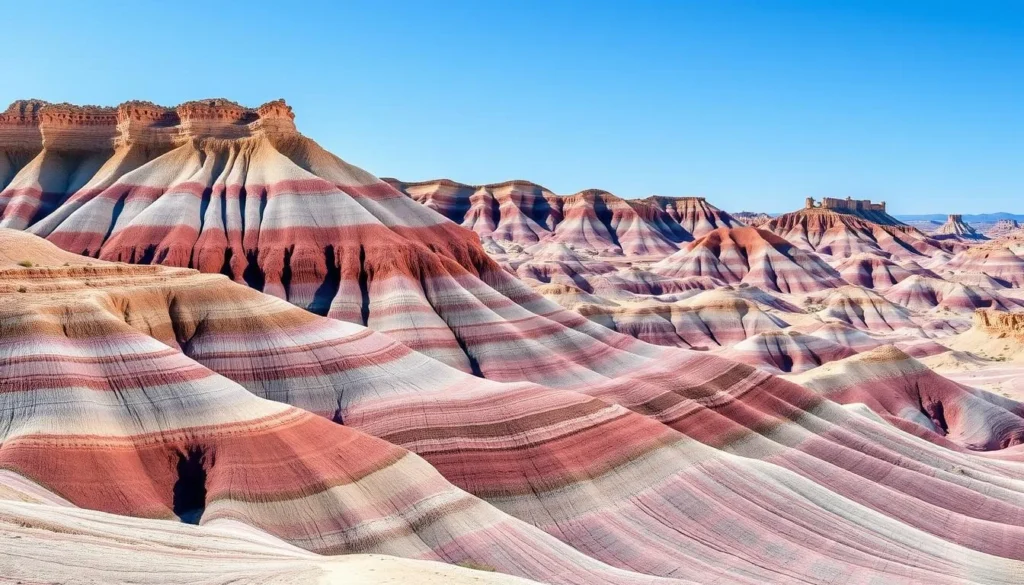
The Painted Desert offers a fascinating array of geological wonders, cultural sites, and scenic viewpoints. Here are the must-see attractions and activities for your visit:
Top Painted Desert Viewpoints
- Kachina Point: Home to the historic Painted Desert Inn (now a museum), this viewpoint offers one of the most spectacular panoramas of the colorful badlands.
- Pintado Point: A 360-degree viewpoint showcasing the vibrant red, orange, and pink hues that give the Painted Desert its name.
- Tawa Point: The starting point for the Painted Desert Rim Trail, offering expansive views of the northern section of the park.
- Chinde Point: A perfect picnic spot with covered tables and sweeping desert vistas.
- Nizhoni Point: “Nizhoni” means “beautiful” in Navajo, and this viewpoint lives up to its name with stunning desert panoramas.
Must-See Geological Features
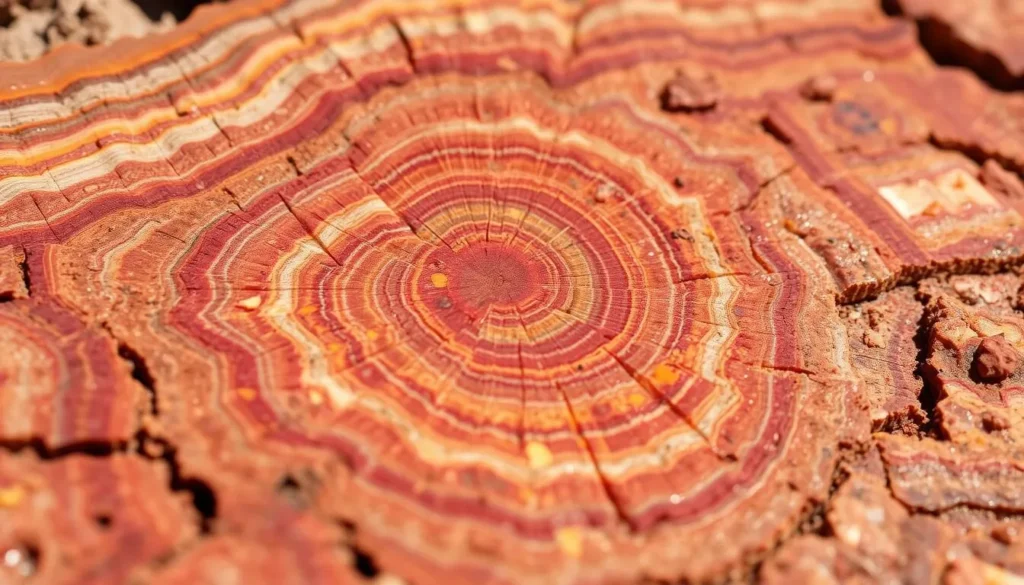
Blue Mesa
Perhaps the most striking geological feature in the park, Blue Mesa showcases hills banded with blue, purple, and gray claystone layers. The 1.6 km (1-mile) Blue Mesa Trail loops through this surreal landscape, allowing visitors to get up close to these colorful formations.
The Tepees
These cone-shaped hills with dramatic striped patterns are among the most photographed features in the park. The layered red and white sediments create a striking visual reminiscent of Native American tepees.
Crystal Forest
A 1.2 km (0.8-mile) loop trail winding through one of the highest concentrations of petrified wood in the park. The ancient logs, some over 30 meters (100 feet) long, display brilliant colors from the minerals that replaced the original wood.
Historic and Cultural Sites
Painted Desert Inn
This National Historic Landmark was built in the 1920s and renovated in the 1930s by the Civilian Conservation Corps. Now a museum, it features stunning murals by Hopi artist Fred Kabotie and exhibits on the region’s cultural history. Don’t miss the vintage ice cream parlor in summer!
Puerco Pueblo
The remains of a 100-room pueblo inhabited by ancestral Puebloan people from around 1250 to 1380 CE. A short 0.5 km (0.3-mile) trail leads visitors through the archaeological site, with interpretive signs explaining the ancient community’s way of life.
Best Short Hikes
Painted Desert Rim Trail
An easy 1.6 km (1-mile) round-trip walk between Tawa Point and Kachina Point, offering spectacular views of the Painted Desert’s colorful badlands.
Blue Mesa Trail
A moderate 1.6 km (1-mile) loop descending into the heart of the blue-hued badlands. The trail includes some steep sections but rewards hikers with up-close views of the unique geological formations.
Giant Logs Trail
A short 0.6 km (0.4-mile) loop behind the Rainbow Forest Museum showcasing some of the largest and most colorful petrified logs in the park, including “Old Faithful,” a massive log almost 10 meters (33 feet) long.
Museums, Cultural Spots & Festivals
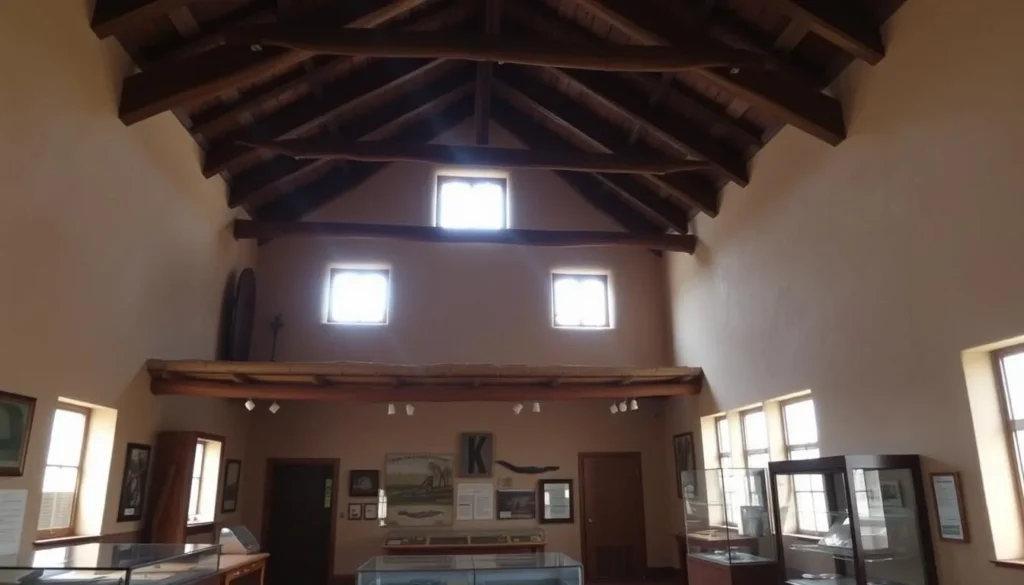
Museums and Visitor Centers
Painted Desert Visitor Center
Located at the north entrance, this modern facility offers orientation films, interactive exhibits about the park’s geology and ecology, and a bookstore. Rangers are available to answer questions and provide recommendations for your visit.
Rainbow Forest Museum
At the south entrance, this museum houses impressive displays of petrified wood, fossils, and prehistoric animal exhibits. Don’t miss the paleontology exhibits featuring fossils of Triassic Period plants and animals found in the park.
Cultural Heritage Sites
- Newspaper Rock: View hundreds of petroglyphs (rock carvings) created by ancestral Puebloan people between 650 and 2,000 years ago. A viewing platform with telescopes allows visitors to see the detailed carvings from a distance.
- Agate House: A partially reconstructed eight-room pueblo built entirely of petrified wood by ancestral Puebloan people around 1050 CE. Accessible via a 3.2 km (2-mile) round-trip trail from the Rainbow Forest Museum.
- Route 66 Alignment: See the historic roadbed and a vintage 1932 Studebaker at a special exhibit marking where the famous “Mother Road” once passed through what is now the national park.
Annual Events and Festivals
While the Painted Desert itself hosts few regular events due to its protected status, nearby communities celebrate the region’s natural and cultural heritage:
Petrified Forest National Park Star Parties
Several times throughout the year, the park hosts evening astronomy programs taking advantage of the area’s dark skies. Rangers and local astronomers provide telescopes and guidance for viewing celestial objects.
Holbrook’s Days of the Dinosaur Festival
Held annually in June, this family-friendly event celebrates the area’s prehistoric past with dinosaur-themed activities, vendor booths, and educational presentations about paleontology and geology.
Navajo Nation Fair
Held in Window Rock (about 2 hours from the Painted Desert) each September, this is the largest annual event on the Navajo Nation. The fair features traditional foods, arts and crafts, rodeo events, and ceremonial dances.
Sports, Nature & Outdoor Experiences
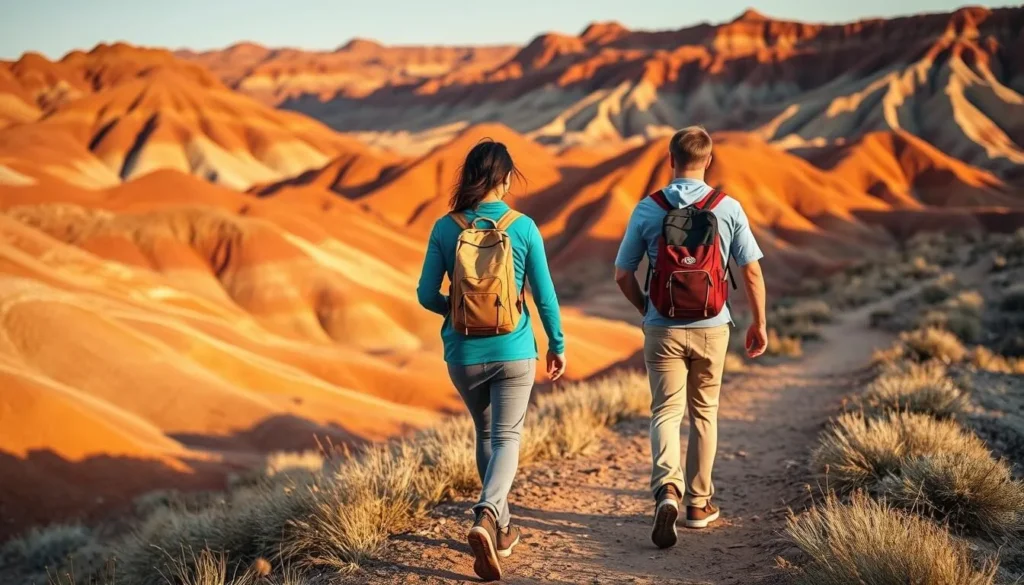
Hiking and Trail Experiences
While the Painted Desert is not known for long-distance trails, it offers several unique hiking experiences that allow visitors to immerse themselves in this otherworldly landscape:
Off-the-Beaten-Path: Blue Forest Trail
This unmarked 4.8 km (3-mile) round-trip trail takes adventurous hikers through some of the most spectacular blue and purple badlands in the park. Starting from a small pullout south of the Tepees, this trail requires basic navigation skills but rewards with solitude and stunning scenery.
Family-Friendly: Long Logs Trail
This 2.6 km (1.6-mile) loop showcases some of the longest petrified logs in the park, including specimens over 50 meters (170 feet) long. The relatively flat, well-marked trail is suitable for all ages and fitness levels.
Wilderness Experience: Backcountry Hiking
With a free permit from either visitor center, experienced hikers can explore the park’s 20,234 hectares (50,000 acres) of designated wilderness. There are no established trails in the wilderness areas, so navigation skills and proper preparation are essential.
Wildlife Viewing
Despite its seemingly barren appearance, the Painted Desert supports a surprising diversity of wildlife. Early morning and late afternoon offer the best opportunities for wildlife viewing:
- Mammals: Pronghorn antelope, coyotes, jackrabbits, and desert cottontails are commonly seen, especially near dawn and dusk.
- Birds: Over 200 bird species have been recorded in the park, including golden eagles, prairie falcons, horned larks, and ravens. Bring binoculars for the best viewing experience.
- Reptiles: Several lizard species inhabit the park, including the colorful eastern collared lizard and the greater short-horned lizard. Rattlesnakes are present but rarely seen.
Photography Opportunities
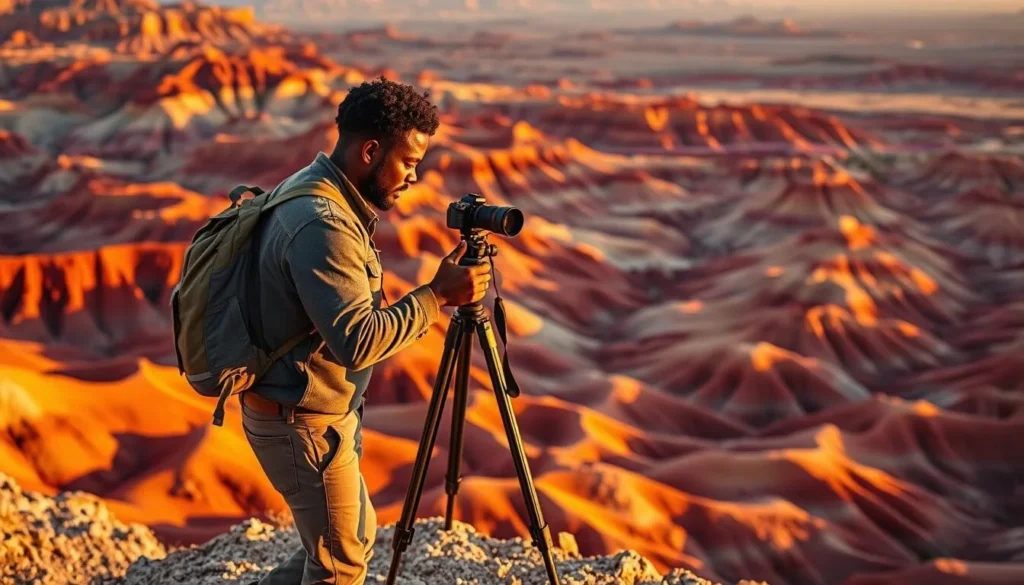
The Painted Desert is a photographer’s paradise, with ever-changing light and color throughout the day:
Best Morning Locations
Kachina Point and Pintado Point offer spectacular sunrise views as the first light illuminates the eastern faces of the colorful badlands. The soft morning light brings out the subtle blue and purple tones in the landscape.
Best Evening Locations
Tawa Point and Chinde Point face west, making them ideal for capturing the warm glow of sunset on the red and orange badlands. The Tepees and Blue Mesa also take on a magical quality in the late afternoon light.
For the most dramatic lighting conditions, plan to be at key viewpoints during the golden hours—the first hour after sunrise and the last hour before sunset. The low angle of the sun during these times enhances the textures and colors of the landscape.
Safety, Etiquette & Local Customs

Desert Safety Tips
- Stay Hydrated: The desert air is extremely dry, and dehydration can occur quickly. Bring at least 1 liter (1 quart) of water per person for every hour you plan to be hiking.
- Sun Protection: Wear a wide-brimmed hat, sunglasses, and apply sunscreen with SPF 30 or higher. Long-sleeved, lightweight shirts and pants offer the best protection against the intense sun.
- Weather Awareness: Summer thunderstorms can develop quickly, bringing lightning, flash floods, and strong winds. Check the weather forecast before your visit and seek shelter if storms approach.
- Proper Footwear: Wear sturdy, closed-toe shoes with good traction. The terrain can be uneven and slippery, especially on the clay soils of the badlands.
- Stay on Designated Trails: Venturing off-trail damages fragile desert ecosystems and increases your risk of getting lost or injured.
Park Etiquette and Regulations
Important: Taking petrified wood or any other natural or cultural objects from the park is strictly prohibited and punishable by fines. It’s estimated that up to 12 tons of petrified wood are illegally removed from the park each year, gradually diminishing this irreplaceable natural treasure.
To ensure a positive experience for all visitors and to protect this fragile environment:
- Practice Leave No Trace principles by packing out all trash and leaving natural and cultural features undisturbed.
- Keep pets on a leash no longer than 2 meters (6 feet) at all times, and only on paved areas, parking lots, and developed areas.
- Drones are not permitted anywhere within the national park boundaries.
- Camping is only allowed in the designated wilderness areas with a free backcountry permit.
- Respect closures of sensitive archaeological sites and follow all posted regulations.
Cultural Sensitivity
The Painted Desert region has deep cultural significance to several Native American tribes, particularly the Navajo and Hopi peoples:
- Treat archaeological sites with respect by not touching petroglyphs or entering unexcavated ruins.
- If you encounter traditional ceremonies or activities, maintain a respectful distance unless invited to approach.
- Ask permission before photographing Native American people or their artwork, especially on tribal lands.
- Support authentic Native American arts and crafts by purchasing directly from artists or from reputable galleries that ensure fair compensation to creators.
Visitor Comments About Painted Desert
“The Painted Desert exceeded all my expectations! The Blue Mesa area was like walking on another planet—those purple and blue striped hills are unlike anything I’ve ever seen. We visited in April and had perfect weather. My tip: start at the north entrance early in the morning to catch the best light on the colorful badlands, then work your way south to see the petrified wood in the afternoon.”
“As a local from El Paso, I’ve visited the Painted Desert multiple times and it never disappoints. The Crystal Forest trail is my favorite spot—seeing those ancient trees turned to rainbow-colored stone is mind-blowing when you think about how old they are. If you’re visiting in summer like we did last July, bring LOTS of water and try to finish your hikes before noon. The heat gets intense, but the early morning light on the desert is worth the early wake-up call.”
“We included the Painted Desert as part of our Arizona road trip and were so glad we did! The historic Painted Desert Inn was a highlight—those Hopi murals are beautiful, and the rangers were incredibly knowledgeable. We stayed at the Wigwam Motel in Holbrook which added to the Route 66 nostalgia of the trip. One suggestion: the Blue Mesa Trail looks deceptively easy, but that climb back up at the end is challenging in the heat. Take it slow and enjoy the otherworldly scenery.”
Additional Nearby Destinations
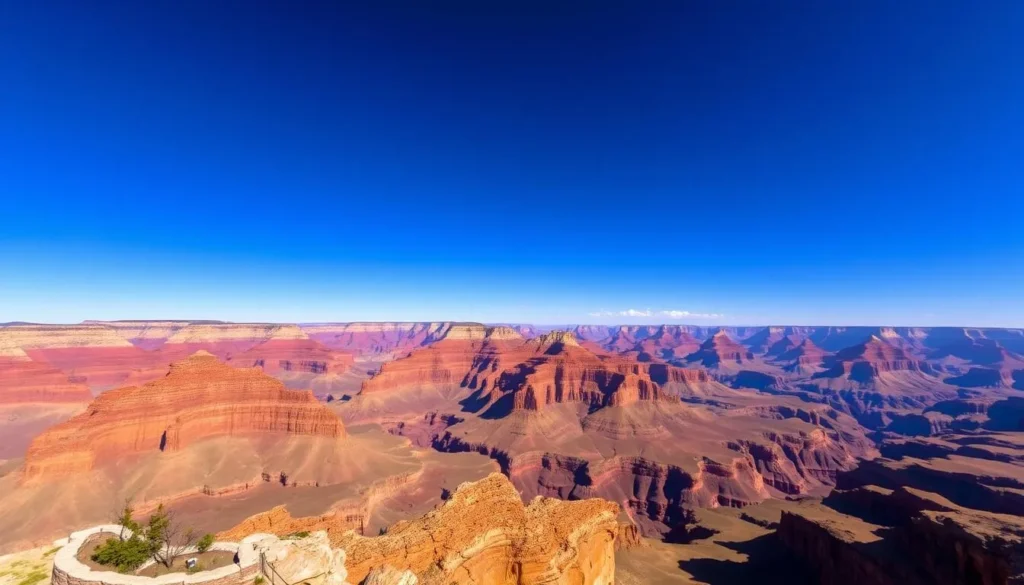
The Painted Desert makes an excellent addition to a larger Southwest road trip. Consider adding these nearby destinations to your itinerary:
Grand Canyon National Park
Distance: 200 km (124 miles), 3-hour drive
One of the world’s most spectacular natural wonders, the Grand Canyon offers unparalleled vistas, hiking trails, and geological wonders. The South Rim is open year-round and features numerous viewpoints, visitor centers, and accommodation options.
Monument Valley Navajo Tribal Park
Distance: 240 km (149 miles), 3.5-hour drive
This iconic landscape of towering sandstone buttes has been featured in countless films and advertisements. Located on Navajo Nation land, the park offers guided tours, a scenic drive, and authentic cultural experiences.
Meteor Crater
Distance: 85 km (53 miles), 1-hour drive
The best-preserved meteorite impact site on Earth, this massive crater is nearly 1.6 km (1 mile) across and 170 meters (550 feet) deep. The visitor center features interactive exhibits about meteorites and space science.
Historic Route 66 Attractions
Winslow, Arizona
Distance: 95 km (59 miles), 1-hour drive
Made famous by the Eagles song “Take It Easy,” Winslow embraces its Route 66 heritage. Visit the “Standin’ on the Corner” park, the historic La Posada Hotel, and the Old Trails Museum to experience the golden age of American road trips.
Holbrook’s Route 66 Landmarks
Distance: 40 km (25 miles), 30-minute drive
Beyond the Wigwam Motel, Holbrook offers several Route 66 attractions including the historic courthouse, vintage neon signs, and quirky roadside shops selling petrified wood and other souvenirs.
Natural Wonders
Canyon de Chelly National Monument
Distance: 160 km (99 miles), 2.5-hour drive
This stunning canyon system features sheer red cliffs, ancient cliff dwellings, and a thriving Navajo community. The White House Trail is the only self-guided hike into the canyon; other areas require a Navajo guide.
Sunset Crater Volcano National Monument
Distance: 180 km (112 miles), 2-hour drive
Explore the aftermath of a volcanic eruption that occurred just 900 years ago. The cinder cone, lava flows, and recovering ecosystem provide a fascinating glimpse into geological processes.
Walnut Canyon National Monument
Distance: 170 km (106 miles), 2-hour drive
Descend into a picturesque canyon to discover ancient cliff dwellings built into the limestone walls. The Island Trail loops past 25 cliff dwelling rooms, offering close-up views of these remarkable structures.
Practical Travel Tips
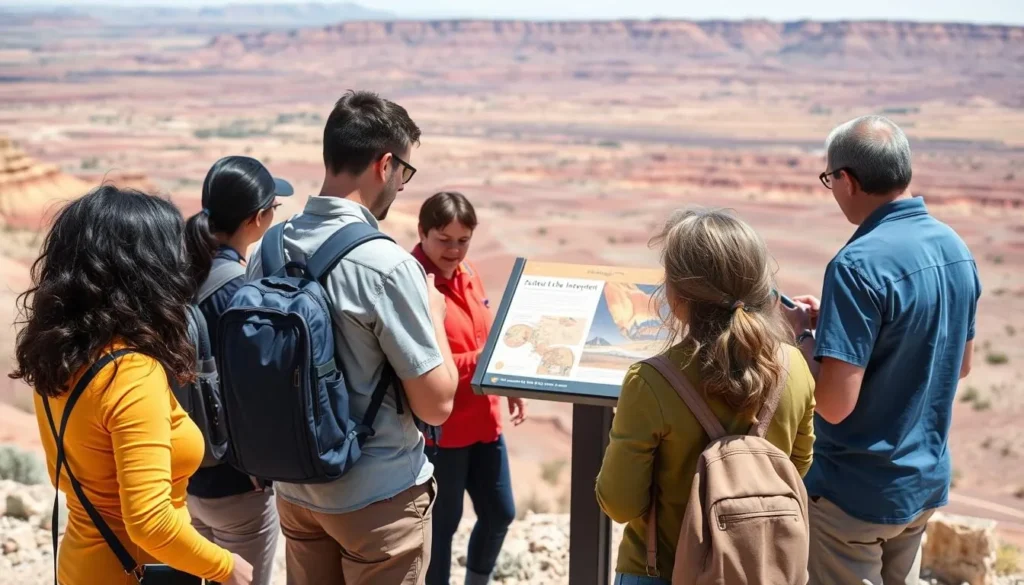
Essential Items to Pack
- Water: Bring at least 2-3 liters (2-3 quarts) per person per day, more in summer.
- Sun Protection: Sunscreen, sunglasses, wide-brimmed hat, and lightweight, long-sleeved clothing.
- Navigation: Park map (available at entrance stations), compass, and/or GPS device.
- Food: Pack a lunch and snacks as food options within the park are limited.
- First Aid Kit: Include basic supplies plus blister treatment and any personal medications.
- Camera: The unique landscapes and colors make for stunning photography.
- Binoculars: Useful for wildlife viewing and examining distant geological features.
Time-Saving Tips
One-Day Itinerary
If you only have one day, enter from the north entrance and follow this route:
- Start at the Painted Desert Visitor Center for orientation
- Stop at Kachina Point and the Painted Desert Inn
- Visit the Tepees and Blue Mesa (prioritize the Blue Mesa Trail)
- Explore Puerco Pueblo and Newspaper Rock
- End at Crystal Forest and the Rainbow Forest Museum
Half-Day Itinerary
With just a half-day, focus on these highlights:
- Painted Desert Inn and Kachina Point viewpoint
- The Tepees
- Blue Mesa viewpoints (skip the trail if time is tight)
- Crystal Forest Trail
Money-Saving Tips
- Purchase an America the Beautiful Annual Pass ($80) if you plan to visit multiple national parks within a year.
- Visit on fee-free days, which occur several times throughout the year (check the National Park Service website for dates).
- Stay in Holbrook rather than more expensive tourist destinations like Flagstaff or Sedona.
- Pack your own food and drinks rather than purchasing them at the limited park facilities.
- Consider camping or budget accommodations to save on lodging costs.
Connectivity and Services
Cell phone coverage is spotty throughout the park, with the best reception near the visitor centers. Free WiFi is available at both the Painted Desert Visitor Center and the Rainbow Forest Museum. The park has no gas stations, so fill up in Holbrook or Chambers before entering.
Accessibility Information: Many viewpoints and visitor facilities are wheelchair accessible. The Painted Desert Visitor Center, Rainbow Forest Museum, and Painted Desert Inn all have accessible restrooms and exhibits. Several paved trails, including portions of the Giant Logs Trail and Puerco Pueblo, are accessible to wheelchair users. Contact the park in advance for the most current accessibility information.
Embrace the Ancient Rainbow of the Desert
The Painted Desert stands as one of America’s most extraordinary landscapes—a living gallery where nature has painted with an artist’s palette of reds, purples, blues, and golds across an ancient canvas. As you stand at Kachina Point watching the setting sun transform the badlands into a glowing tapestry, or walk among 225-million-year-old petrified logs that once towered as mighty trees when dinosaurs roamed the Earth, you can’t help but feel a profound connection to our planet’s remarkable history.
This is a place where time itself seems visible in the layered hills, where every vista tells a story spanning millions of years. Whether you come for a brief visit or an extended exploration, the Painted Desert will leave you with memories as colorful and enduring as its ancient landscapes. Pack your sense of wonder, bring your camera, and prepare to be amazed by this geological masterpiece in the heart of Arizona.
Related Posts

Patagonia-Sonoita Creek Preserve, Arizona: Best Things to Do – Top Picks
Yuma Territorial Prison State Historic Park, Arizona: Best Things to Do – Top Picks
Windsor Beach (Lake Havasu State Park), Arizona: Best Things to Do – Top Picks

White Pocket, Arizona: Best Things to Do – Top Picks

White Mountains, Arizona: Best Things to Do – Top Picks
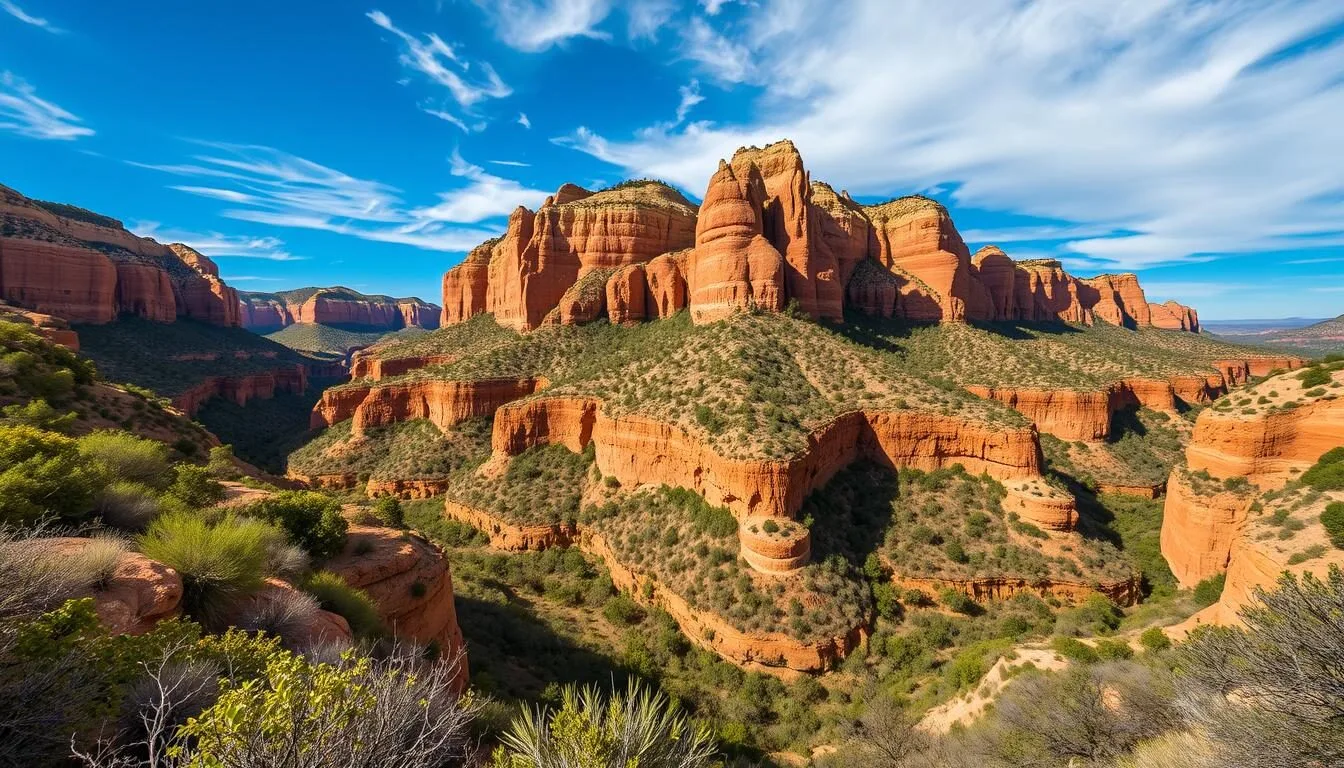
Walnut Canyon National Monument, Arizona: Best Things to Do – Top Picks
Coming Soon: Clickable Maps