
Hotels by Trip.com
Flights by Trip.com
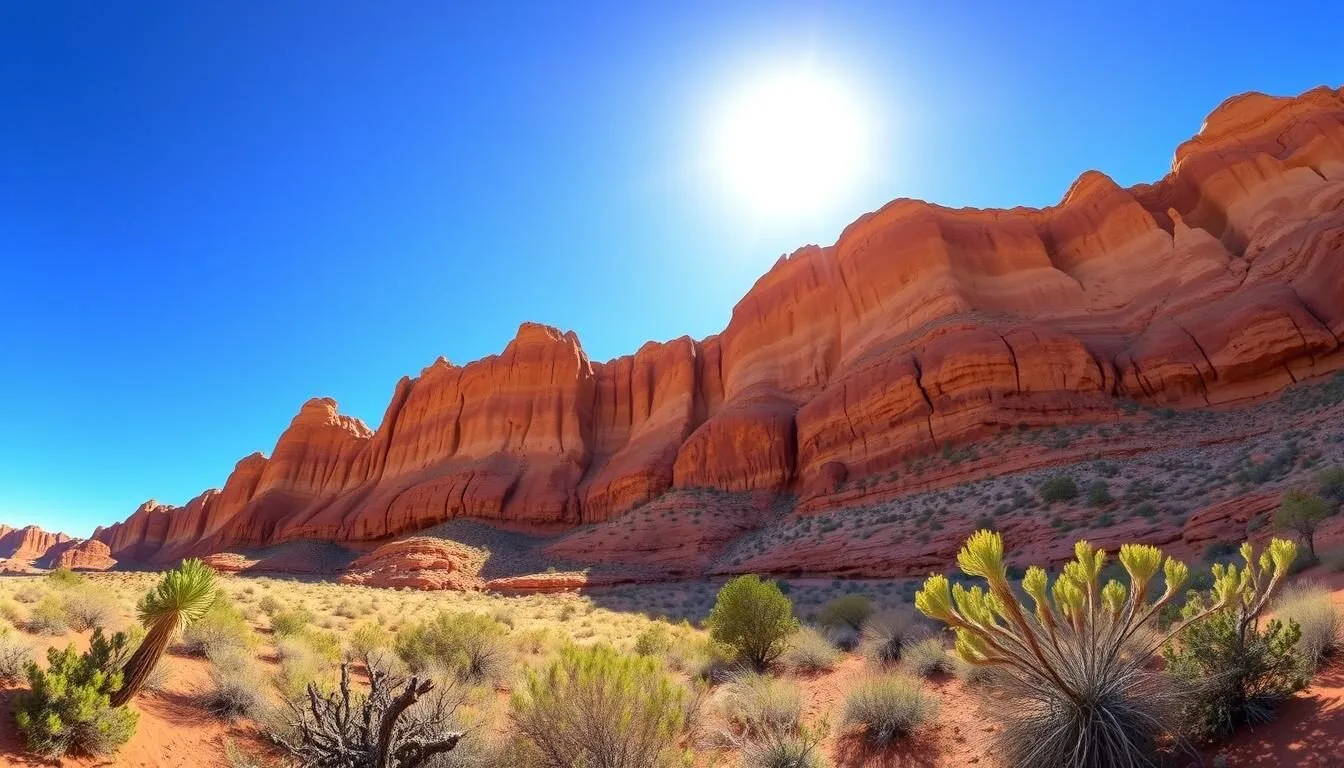
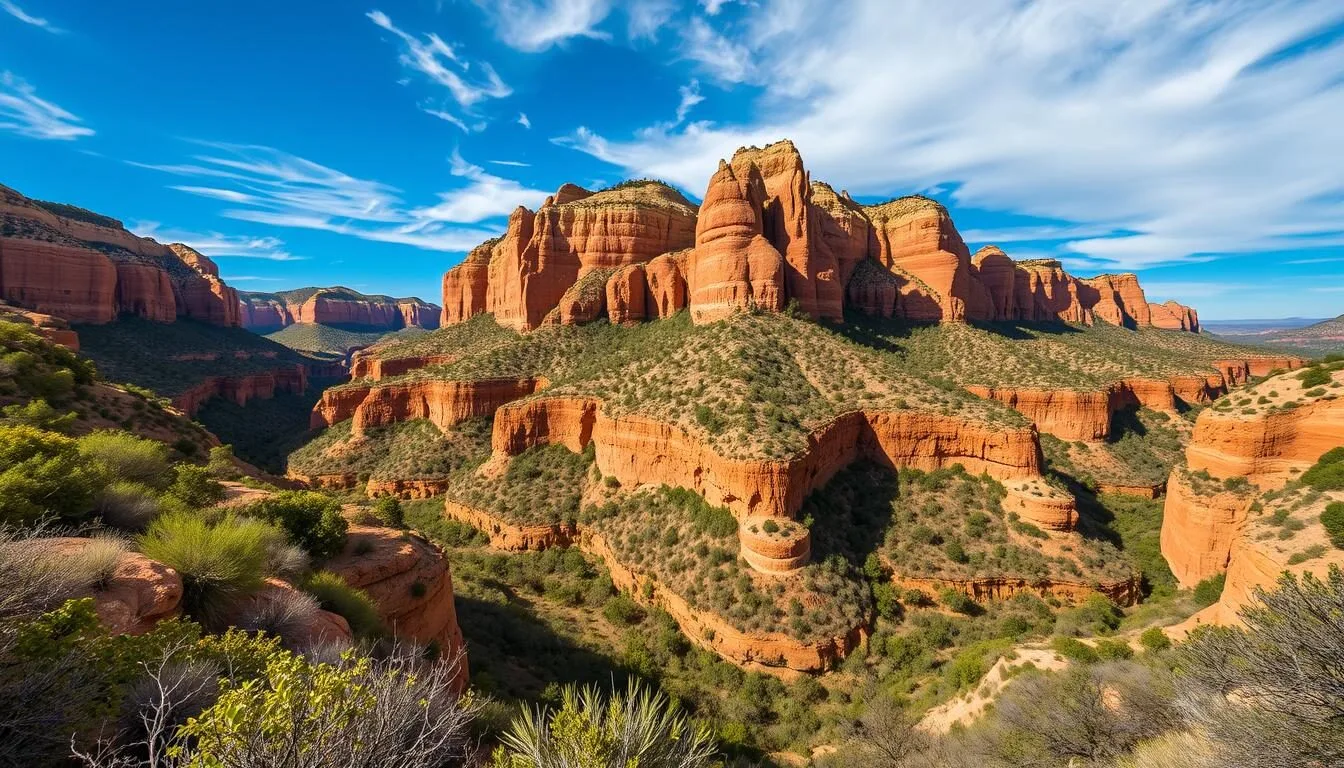
Did you know that only 20 people per day are permitted to visit “The Wave,” one of the most photographed sandstone formations in the Paria Canyon–Vermilion Cliffs Wilderness? This stunning 112,500-hectare (280,000-acre) wilderness area straddling northern Arizona and southern Utah houses some of the most striking geological wonders on the planet, with swirling sandstone formations dating back 190 million years. From otherworldly rock formations to deep slot canyons, this remote desert paradise offers adventures that will leave you speechless.
Getting There & Planning Your Journey
The Paria Canyon–Vermilion Cliffs Wilderness is located in a remote area of northern Arizona, bordering southern Utah. This isolation contributes to its pristine beauty but requires careful planning before your visit.
Closest Airports
- Page Municipal Airport (PGA) – 48 km (30 miles) east
- St. George Regional Airport (SGU) – 145 km (90 miles) northwest
- Las Vegas McCarran International Airport (LAS) – 290 km (180 miles) west
- Flagstaff Pulliam Airport (FLG) – 241 km (150 miles) south
Most visitors rent a vehicle at one of these airports and drive to the wilderness area. The journey from Las Vegas takes approximately 4.5 hours, while from Flagstaff it’s about 3 hours.
Required Permits
Many areas within the wilderness require permits, which are strictly limited to protect the fragile environment:
- The Wave (Coyote Buttes North): Only 64 permits issued daily through an online lottery system four months in advance or a daily lottery for walk-ins.
- Coyote Buttes South: 20 permits per day, available through a similar lottery system.
- Paria Canyon Overnight: Required for overnight backpacking trips, with a limit of 20 people per day.
Permits for popular areas like The Wave are extremely competitive, with thousands of applicants competing for just a few dozen spots each day. Plan to apply multiple times or consider visiting during off-season months for better chances.

Best Time to Visit & Weather Tips
The Paria Canyon–Vermilion Cliffs Wilderness experiences extreme temperature variations throughout the year, making timing your visit crucial for comfort and safety.
Recommended Seasons
- Spring (March-May): Ideal temperatures between 15-26°C (60-80°F) with wildflowers blooming. Be aware of occasional spring storms.
- Fall (September-November): Pleasant temperatures similar to spring with stable weather patterns and fewer visitors.
- Winter (December-February): Cold but beautiful with occasional snow dusting the red rocks, creating stunning contrasts. Daytime temperatures range from 4-10°C (40-50°F).
Seasons to Avoid
- Summer (June-August): Extreme heat with temperatures regularly exceeding 38°C (100°F). Hiking becomes dangerous due to heat exposure and lack of shade.
- Monsoon Season (July-August): Afternoon thunderstorms create flash flood dangers in slot canyons like Buckskin Gulch and Wire Pass.
Flash floods can occur with little warning in slot canyons, even when storms are miles away. Always check weather forecasts before entering any canyon, and never enter if rain is predicted anywhere in the region.
Getting Around Locally
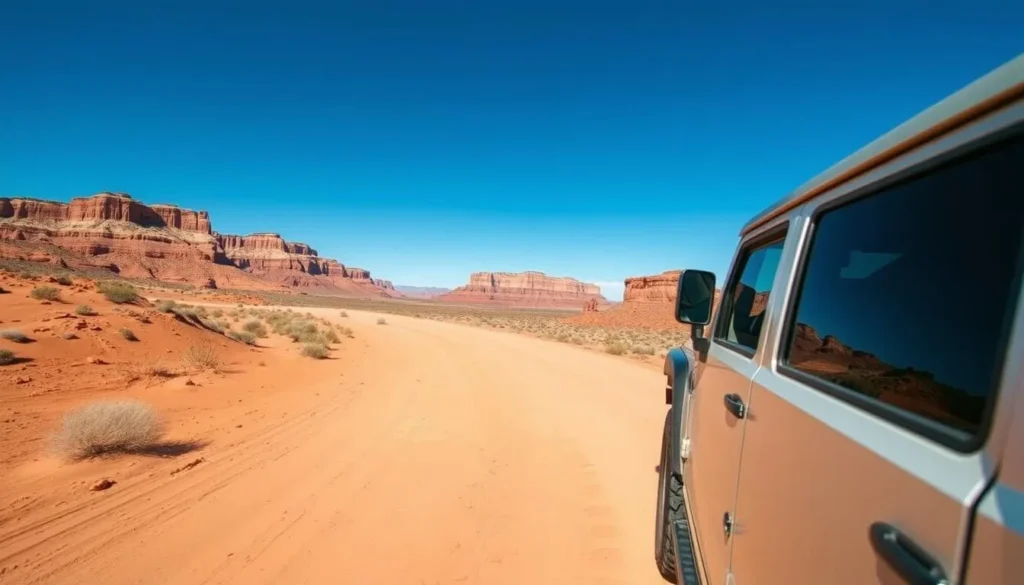
Navigating the Paria Canyon–Vermilion Cliffs Wilderness requires preparation and the right vehicle. Most attractions are accessed via unpaved roads that range from well-maintained gravel to challenging 4WD tracks.
Road Conditions
- House Rock Valley Road: The main unpaved access road to Wire Pass Trailhead, The Wave, and Buckskin Gulch. Generally passable in dry conditions with a high-clearance vehicle, but becomes extremely challenging after rain.
- White Pocket Access Roads: Requires true 4WD with high clearance and experience driving in deep sand. Many visitors get stuck attempting this route.
- Highway 89A: The paved highway running along the base of Vermilion Cliffs, providing access to Marble Canyon and Lee’s Ferry.
Transportation Options
- Self-driving: Most visitors explore with their own or rented high-clearance vehicles.
- Guided tours: Several companies offer guided trips to difficult-to-access areas like White Pocket and The Wave.
- Shuttle services: Available for backpackers doing one-way hikes through Paria Canyon.
Cell service is extremely limited or non-existent throughout most of the wilderness area. Download offline maps, bring paper maps, and consider renting a satellite communication device for emergencies.
✓ Check 30,000+ Local Sightseeing Tours Worldwide

Where to Stay
Accommodation options near the Paria Canyon–Vermilion Cliffs Wilderness are limited but varied, ranging from primitive camping to comfortable lodges.
Lodging Options
Hotels and Lodges
- Cliff Dwellers Lodge: Located along Highway 89A, offering comfortable rooms and an excellent restaurant with views of the Vermilion Cliffs.
- Marble Canyon Lodge: Historic lodge near Lee’s Ferry with basic but comfortable rooms, a restaurant, and a convenience store.
- Page, Arizona: The nearest town with a full range of hotels and amenities, about 1 hour from the eastern edge of the wilderness.
- Kanab, Utah: A charming town with various accommodation options about 1 hour from the western access points.
Camping Options
- Stateline Campground: Primitive BLM campground near Wire Pass Trailhead with pit toilets but no water.
- White House Campground: Near the Paria Contact Station, offering basic sites for Paria Canyon backpackers.
- Lee’s Ferry Campground: Developed campground with potable water and restrooms in Glen Canyon National Recreation Area.
- Dispersed Camping: Allowed on BLM land with proper permits and following Leave No Trace principles.
Accommodations in this remote area are limited and often book up months in advance, especially during peak seasons. Make reservations well ahead of your planned visit, particularly if traveling during spring or fall.
Dining & Local Cuisine
Dining options in the immediate vicinity of the Paria Canyon–Vermilion Cliffs Wilderness are limited but offer surprising quality given the remote location.
Restaurants Near the Wilderness
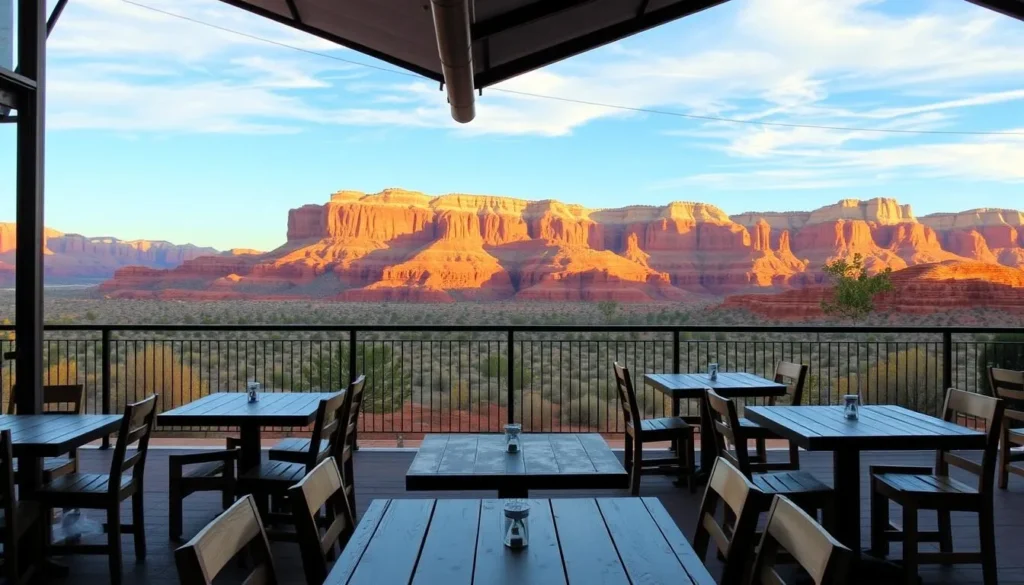
- Cliff Dwellers Restaurant: A local favorite along Highway 89A offering excellent Southwestern cuisine, burgers, and famous margaritas with spectacular views from their patio.
- Marble Canyon Lodge Restaurant: Serves hearty American fare including breakfast, lunch, and dinner in a rustic setting.
- Lee’s Ferry Lodge Restaurant: Known for its home-style cooking and riverside location.
Grocery & Supply Options
There are very limited grocery options in the immediate area:
- Marble Canyon Trading Post: Basic convenience store with limited groceries, snacks, and drinks.
- Page, Arizona: The nearest town with full supermarkets, about 1 hour east.
- Kanab, Utah: Offers grocery stores and supplies about 1 hour northwest.
Most visitors bring coolers with food and drinks from larger towns before arriving in the area. If you’re planning multiple days of hiking or camping, stock up on supplies in Page or Kanab before heading to the wilderness.
Attractions, Sightseeing & Activities
The Paria Canyon–Vermilion Cliffs Wilderness offers some of the most unique geological formations and hiking opportunities in the American Southwest.
Must-See Geological Wonders
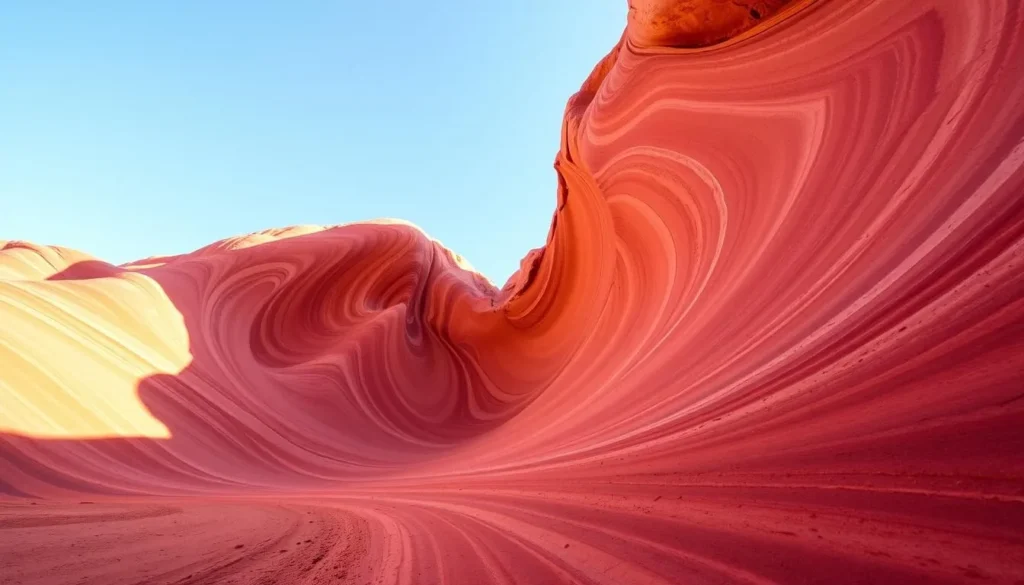
- The Wave: The crown jewel of the area, featuring swirling sandstone patterns that create a wave-like appearance. Requires a highly competitive permit.
- White Pocket: Often described as a “brain rock” landscape with swirling white, orange, and red formations. No permit required but access is challenging.
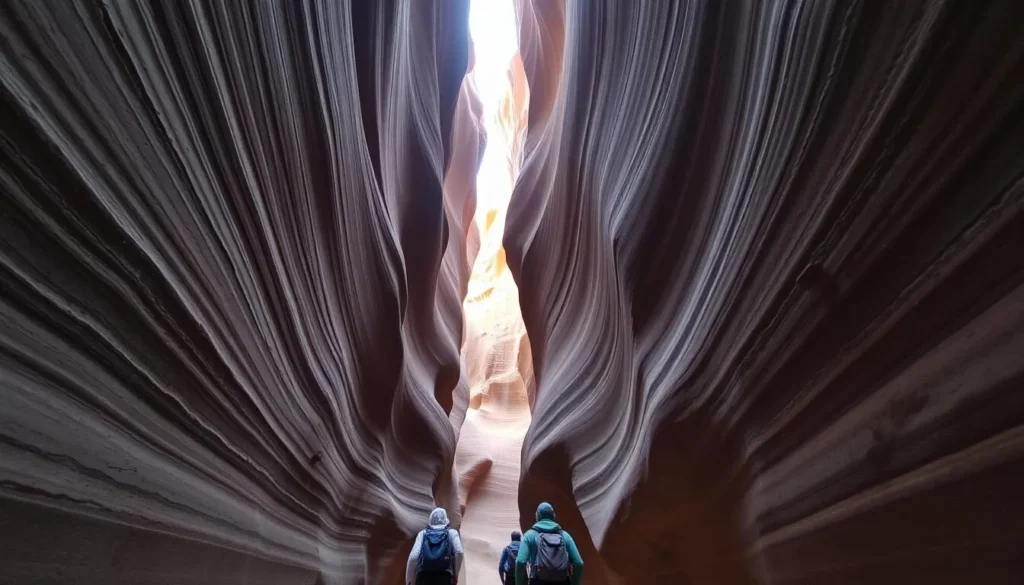
- Buckskin Gulch: The longest and deepest slot canyon in the Southwest, stretching over 21 km (13 miles) with walls reaching 152 m (500 feet) high.
- Wire Pass Slot Canyon: A narrow, twisting slot canyon that serves as a shortcut into Buckskin Gulch.
- Coyote Buttes South: Less visited than The Wave but equally impressive with unique sandstone formations.
Top Hiking Trails
- Wire Pass to Buckskin Gulch: A 5.8 km (3.6 mile) round trip hike through a narrow slot canyon to its junction with Buckskin Gulch.
- Paria Canyon: A premier 61 km (38 mile) backpacking route from White House Trailhead to Lee’s Ferry, typically done in 3-5 days.
- The Wave Trail: A moderately difficult 9.7 km (6 mile) round trip hike across open desert to reach the famous formation.
- Wirepass to Confluence: An 11.3 km (7 mile) round trip hike to where Buckskin Gulch meets the Paria River.
Cultural Heritage & History
The Paria Canyon–Vermilion Cliffs Wilderness has a rich cultural history spanning thousands of years, from ancient indigenous peoples to pioneer settlers.
Native American Heritage
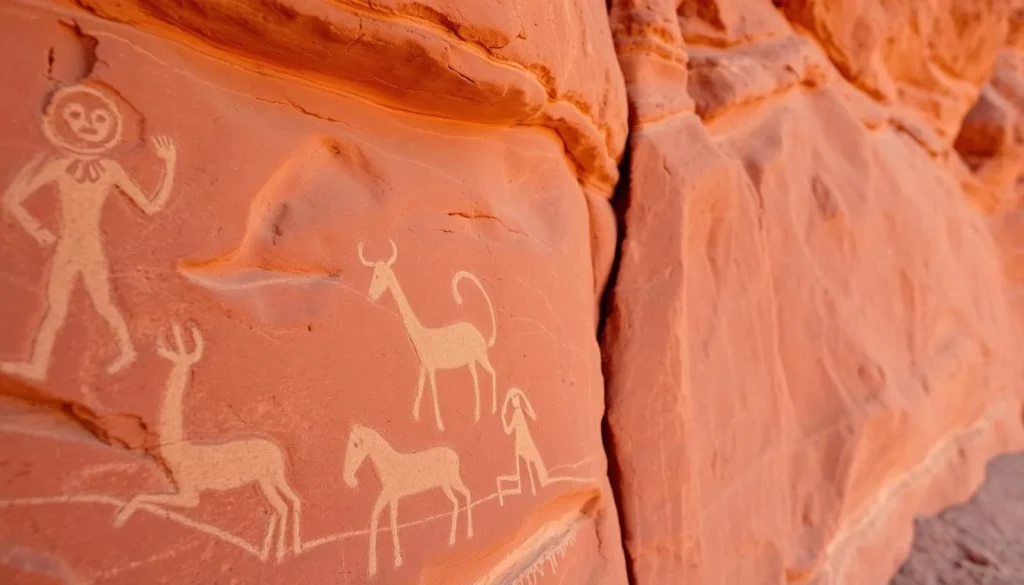
The area was home to various indigenous groups including the Ancestral Puebloan, Southern Paiute, and Navajo peoples. Evidence of their presence can be found throughout the wilderness:
- Petroglyphs: Ancient rock art can be found in several locations, particularly near the confluence of Buckskin Gulch and the Paria River.
- Archaeological Sites: Remnants of granaries and dwellings can be spotted in some of the more remote areas.
Pioneer History
European-American settlers arrived in the late 1800s, attempting to farm and ranch in this challenging landscape:
- Lonely Dell Ranch: Historic homestead at Lee’s Ferry established by Mormon pioneers in 1871 as an important Colorado River crossing point.
- Paria Townsite: Ghost town remains of a small settlement abandoned in the early 1900s due to frequent flooding.
- Old Navajo Bridge: Historic 1929 bridge spanning Marble Canyon, now preserved for pedestrians with interpretive displays.
When visiting cultural sites, remember these are protected by federal law. Never disturb artifacts or structures, and avoid touching petroglyphs as oils from hands can damage these irreplaceable treasures.
Sports, Nature & Outdoor Experiences
Beyond hiking, the Paria Canyon–Vermilion Cliffs Wilderness offers a variety of outdoor activities for adventure seekers and nature enthusiasts.
Photography Opportunities
The area is a photographer’s paradise with endless compositions:
- Golden Hour at The Wave: The sandstone formations glow with intense colors during early morning and late afternoon light.
- Night Photography: The wilderness offers exceptional dark skies for astrophotography and Milky Way shots.
- Slot Canyon Light Beams: During midday in summer months, light beams penetrate into the narrow openings of slot canyons.
Wildlife Viewing
The desert ecosystem supports surprising biodiversity:
- California Condors: These endangered birds with 2.9 m (9.5 foot) wingspans can often be spotted soaring near Navajo Bridge.
- Desert Bighorn Sheep: Occasionally seen on the rocky slopes of the cliffs.
- Reptiles: Various lizards and snakes, including the venomous rattlesnake (maintain safe distance).
Water Activities
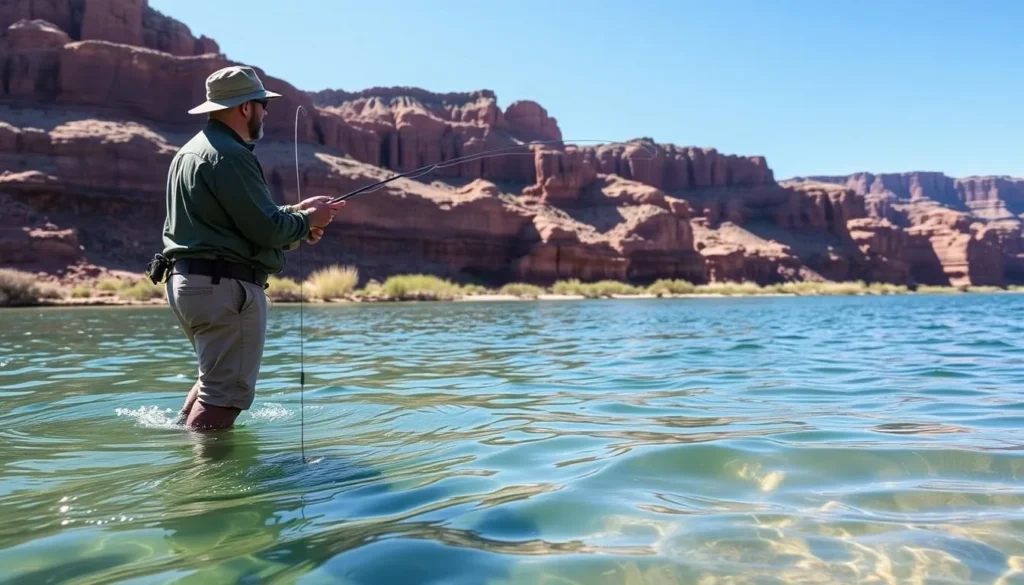
The Colorado River offers refreshing activities in this desert environment:
- Fly Fishing: Lee’s Ferry is renowned for its blue-ribbon trout fishing in the clear, cold waters below Glen Canyon Dam.
- Kayaking: Calm water kayaking is popular at Lee’s Ferry, with backhaul services available to transport you upriver.
- River Rafting: Lee’s Ferry serves as the launching point for Grand Canyon rafting expeditions.
When engaging in water activities, be aware that the Colorado River water is extremely cold year-round (around 8-10°C/46-50°F) due to its release from the bottom of Glen Canyon Dam.
Safety, Etiquette & Local Customs
The remote and rugged nature of the Paria Canyon–Vermilion Cliffs Wilderness presents unique challenges that require proper preparation and respect for the environment.
Desert Safety
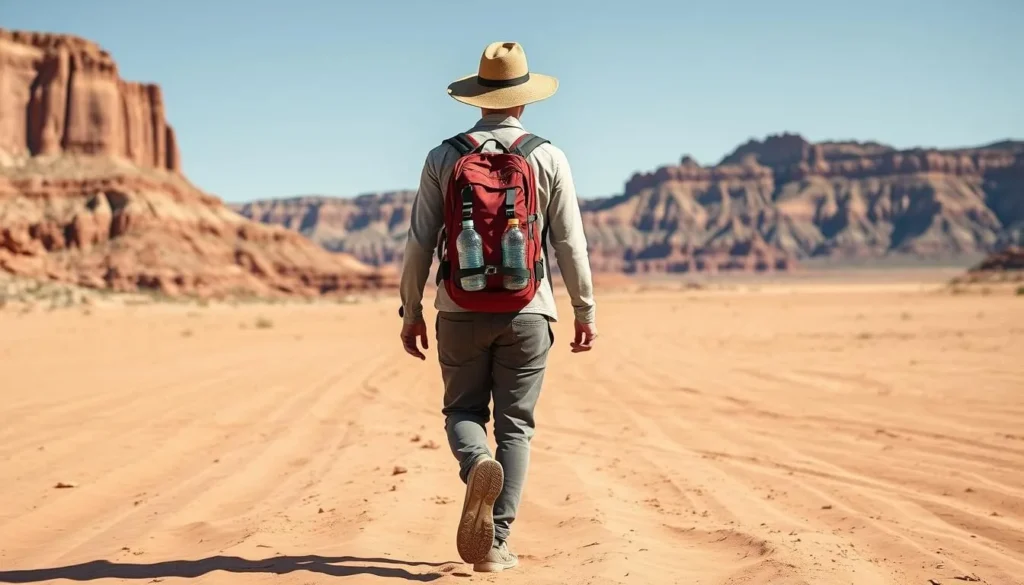
- Water: Carry at least 4 liters (1 gallon) of water per person per day. Natural water sources are unreliable and often contaminated.
- Heat Protection: Wear lightweight, light-colored clothing, a wide-brimmed hat, and high-SPF sunscreen. Avoid hiking during midday heat in warmer months.
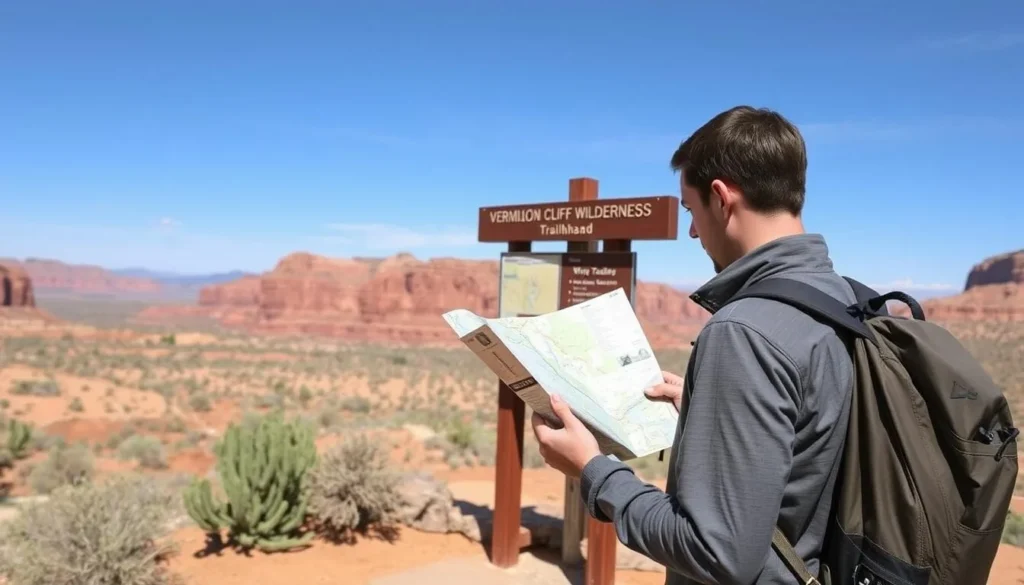
- Navigation: Many trails are unmarked or minimally marked. Bring detailed maps, compass, and GPS devices with extra batteries.
- Flash Floods: Never enter slot canyons if rain is forecast anywhere in the region. Check weather forecasts carefully before your hike.
Environmental Etiquette
- Leave No Trace: Pack out all trash, including toilet paper. Use established campsites and trails.
- Cultural Sites: Never touch petroglyphs or remove artifacts. Observe archaeological sites from a distance.
- Cryptobiotic Soil: Stay on established trails to avoid damaging the fragile black soil crust that takes decades to form.
- Wildlife: Observe animals from a distance and never feed wildlife.
Cell service is virtually non-existent throughout most of the wilderness. Consider renting a satellite communication device for emergencies, and always tell someone your detailed plans including expected return time.
Visitor Comments About Paria Canyon–Vermilion Cliffs Wilderness
“After three years of applying for The Wave permit, the experience exceeded all expectations. The colors and patterns were even more vibrant than photos suggest. Don’t miss White Pocket if you can’t get Wave permits—it’s equally stunning and doesn’t require the lottery system.”
“Our backpacking trip through Paria Canyon was challenging but life-changing. The towering walls, natural springs, and solitude were incredible. Be prepared for wet feet the entire journey and bring trekking poles for river crossings. Worth every blister!”
“Wire Pass to Buckskin Gulch makes for an amazing day hike. The narrow slot canyons are breathtaking, but we were glad we checked weather forecasts carefully. Saw ancient petroglyphs at the confluence that were incredible. Definitely bring a headlamp even for day hikes.”
Additional Nearby Destinations
The Paria Canyon–Vermilion Cliffs Wilderness is surrounded by other world-class natural attractions that can be combined into a comprehensive Southwest road trip.
Within 1-2 Hours
- Antelope Canyon: Famous slot canyon near Page, Arizona, known for its light beams and flowing sandstone walls (48 km/30 miles east).
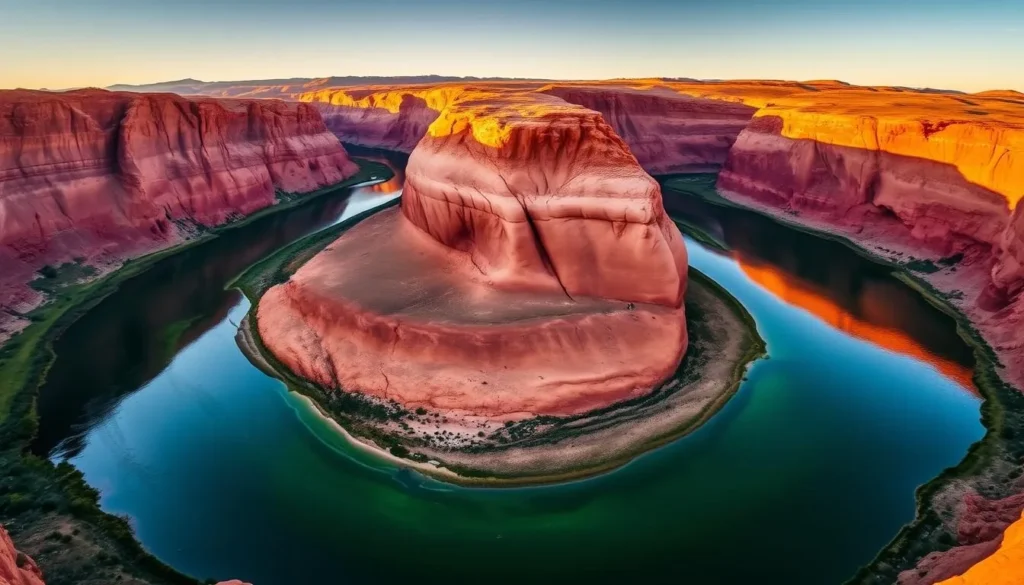
- Horseshoe Bend: Iconic 270-degree bend in the Colorado River just south of Page (53 km/33 miles east).
- Lake Powell: Massive reservoir offering houseboating, swimming, and water sports (64 km/40 miles east).
- Grand Staircase-Escalante National Monument: Vast wilderness with slot canyons, arches, and unique geology (borders to the north).
Within 2-3 Hours
- North Rim of Grand Canyon: Less visited and higher elevation rim of the Grand Canyon (113 km/70 miles south).
- Zion National Park: Famous for its soaring sandstone cliffs and Virgin River canyon (129 km/80 miles northwest).
- Bryce Canyon National Park: Known for its otherworldly hoodoo rock formations (145 km/90 miles north).
- Monument Valley: Iconic landscape of towering buttes featured in countless Western films (177 km/110 miles east).
Many visitors combine several of these destinations into a 7-10 day Southwest road trip. Consider purchasing an America the Beautiful Pass ($80) for access to all national parks and federal recreation sites for a full year.
Practical Travel Tips
These insider tips will help you make the most of your visit to the Paria Canyon–Vermilion Cliffs Wilderness while staying safe and comfortable.
Essential Gear
- Footwear: Sturdy hiking boots with ankle support for most trails; water shoes or quick-drying trail runners for Paria Canyon backpacking.
- Navigation: Detailed paper maps, compass, and GPS device with extra batteries.
- Sun Protection: Wide-brimmed hat, sunglasses, UPF clothing, and high-SPF sunscreen.
- Water Storage: Multiple containers totaling at least 4 liters (1 gallon) per person per day.
- Emergency Gear: First aid kit, emergency blanket, headlamp, and satellite communication device.
Planning Resources
- BLM Visitor Centers: The Kanab Visitor Center in Utah and the Paria Contact Station provide up-to-date information and permits.
- Weather Resources: Check NOAA weather forecasts specifically for the Paria Canyon-Vermilion Cliffs area before your trip.
- Road Conditions: Call the BLM offices for current conditions on House Rock Valley Road and other access roads.
Money-Saving Tips
- Camping: BLM campgrounds are much more affordable than hotels in the area.
- Water: Fill reusable containers in Page or Kanab rather than buying bottled water.
- Group Tours: For difficult-to-access areas like White Pocket, joining a group tour can be more economical than renting a suitable 4WD vehicle.
The Wilderness That Changes You
The Paria Canyon–Vermilion Cliffs Wilderness isn’t just a destination—it’s a transformative experience. In this remote corner of Arizona, time is measured in geological epochs rather than hours, and the landscape tells stories millions of years in the making. Whether you’re standing awestruck before the swirling patterns of The Wave, feeling dwarfed by the towering walls of Buckskin Gulch, or watching the sunset paint the Vermilion Cliffs in impossible shades of red and orange, you’ll connect with something timeless and profound. This is a place that demands effort to reach its treasures, but rewards that effort a thousandfold with experiences you’ll carry for a lifetime. Come prepared, tread lightly, and allow yourself to be changed by one of America’s most spectacular wilderness areas.
Related Posts

Patagonia-Sonoita Creek Preserve, Arizona: Best Things to Do – Top Picks
Yuma Territorial Prison State Historic Park, Arizona: Best Things to Do – Top Picks
Windsor Beach (Lake Havasu State Park), Arizona: Best Things to Do – Top Picks

White Pocket, Arizona: Best Things to Do – Top Picks

White Mountains, Arizona: Best Things to Do – Top Picks
Walnut Canyon National Monument, Arizona: Best Things to Do – Top Picks
Coming Soon: Clickable Maps