
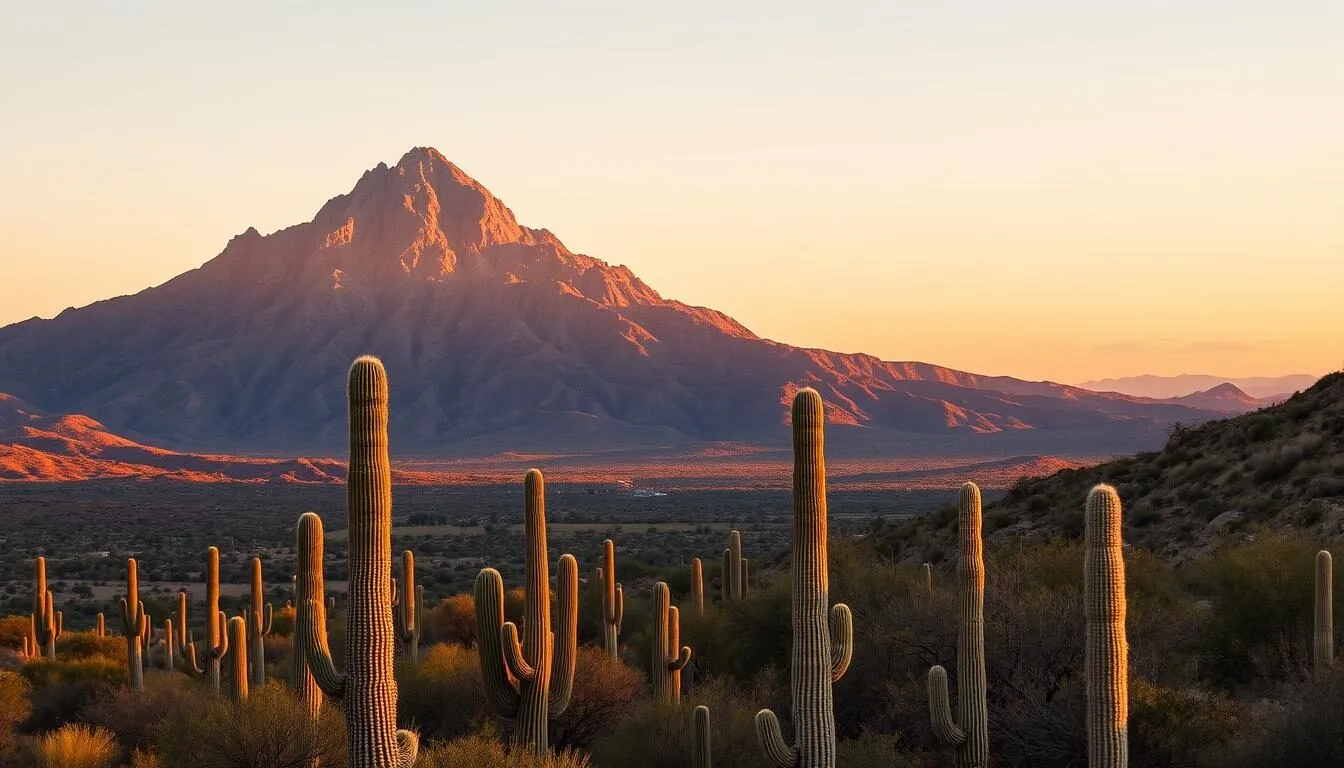
Did you know that Picacho Peak State Park was the site of the westernmost battle of the American Civil War? This fascinating historical footnote is just one of many surprises awaiting visitors to this dramatic desert landmark. Rising 450 meters (1,500 feet) above the surrounding Sonoran Desert, Picacho Peak’s distinctive profile has guided travelers for centuries, from ancient indigenous peoples to Spanish explorers and modern-day adventurers seeking spectacular views and challenging hikes.
Getting There & Planning Your Journey
Picacho Peak State Park is conveniently located about 70 km (45 miles) northwest of Tucson and 95 km (60 miles) southeast of Phoenix, making it an accessible day trip from either city. The park sits just off Interstate 10 at exit 219, between Casa Grande and Tucson.
Closest Airports
- Tucson International Airport (TUS) – 70 km (45 miles)
- Phoenix Sky Harbor International Airport (PHX) – 110 km (70 miles)
The park entrance is well-marked and easily accessible from the interstate. Entry fees are $10 per vehicle (1 person) or $20 per vehicle (2-4 people), with individual/bicycle entry at $5. Annual passes are available for frequent visitors to Arizona State Parks.
Best Time to Visit & Weather Tips
Picacho Peak State Park experiences extreme desert temperatures that significantly impact the visitor experience. Timing your visit correctly can make the difference between an enjoyable adventure and a potentially dangerous situation.
Recommended Seasons
Best Months (October-April)
- Fall (October-November): Temperatures range from 10-27°C (50-80°F), offering comfortable hiking conditions with fewer crowds than spring.
- Winter (December-February): Daytime temperatures average 15-21°C (60-70°F) with cool nights around 4-10°C (40-50°F). Perfect for hiking and outdoor activities.
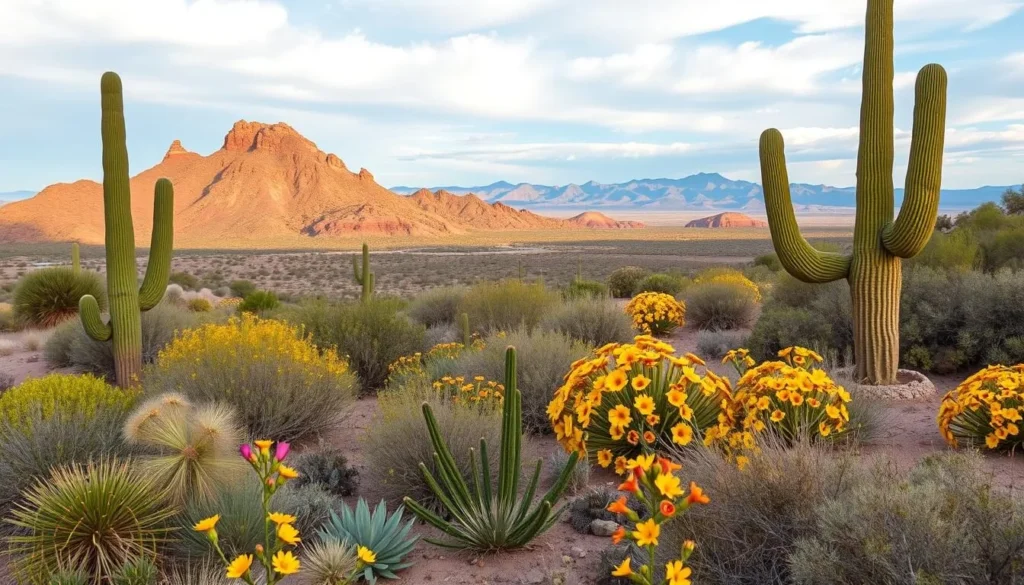
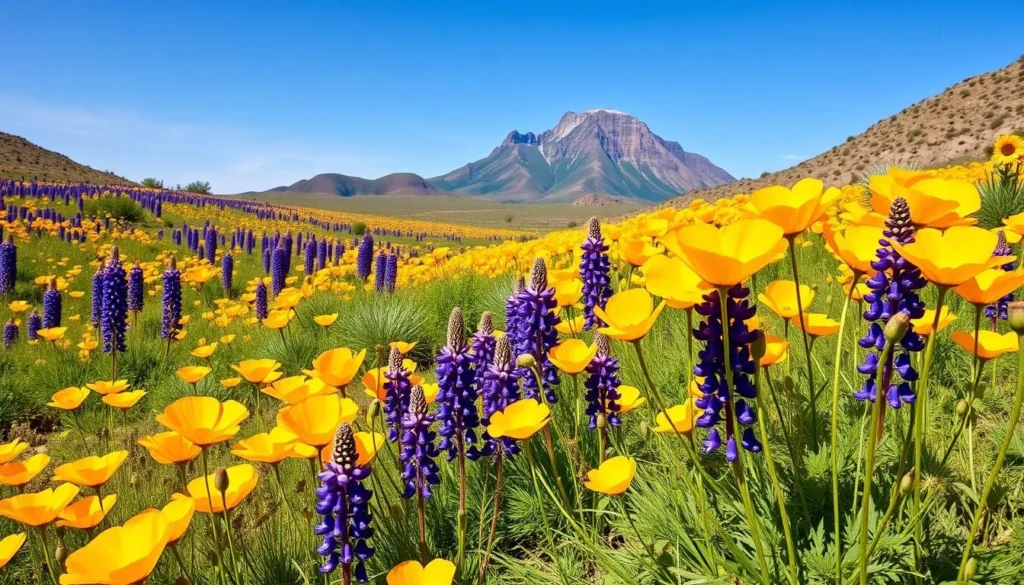
- Spring (March-April): Temperatures range from 15-29°C (60-85°F). This is wildflower season, with Mexican gold poppies and lupines creating spectacular displays, especially after wet winters.
Months to Avoid (May-September)
- Summer (May-September): Extremely hot with temperatures regularly exceeding 38°C (100°F). Hiking during these months can be dangerous due to heat exposure risks.
- Monsoon Season (July-September): Afternoon thunderstorms are common and can create flash flood hazards on trails.
Wildflower Tip: For the best chance of seeing the famous wildflower blooms, plan your visit between late February and early April. The exact timing varies each year depending on winter rainfall patterns.
Getting Around Locally
Picacho Peak State Park covers 3,747 acres of Sonoran Desert terrain. The park has a simple layout with a main road leading to the visitor center, picnic areas, campground, and trailheads.
- Personal Vehicle: The most convenient way to access the park. All major areas within the park are accessible via paved roads.
- Walking/Hiking: Once inside the park, a network of trails connects various points of interest. Trail maps are available at the visitor center.
- No Public Transportation: There is no public transportation to or within the park, so arranging private transportation is essential.
The visitor center is open daily from 8:00 a.m. to 5:00 p.m. (with reduced summer hours from 9:00 a.m. to 3:00 p.m. between May and September). It’s a great first stop to get oriented, pick up maps, and check current trail conditions.
Where to Stay
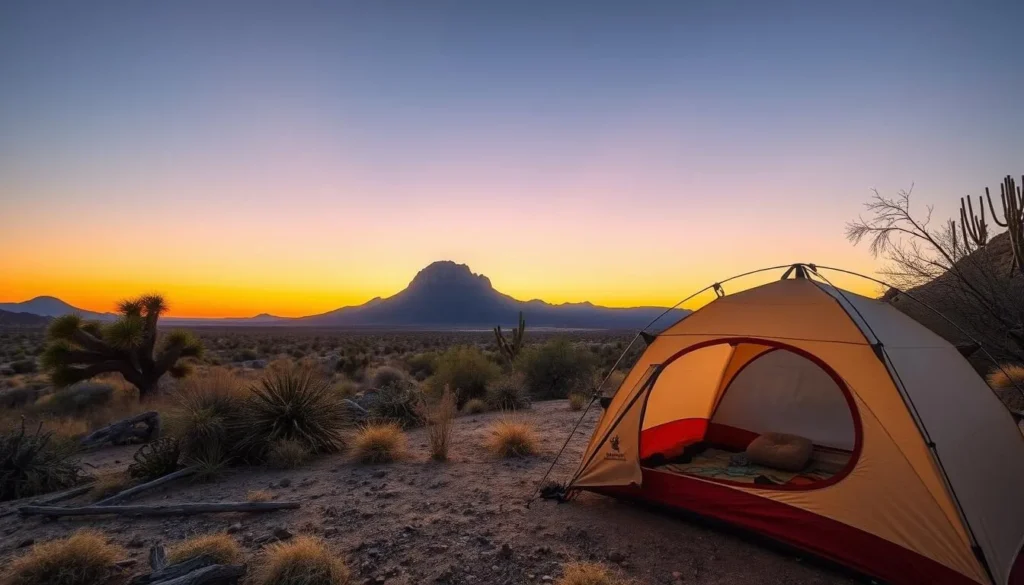
While Picacho Peak State Park is popular as a day trip destination, staying overnight allows you to experience the magical desert sunsets and starry skies. Here are your accommodation options:
Camping Within the Park
The park features 85 campsites suitable for tents and RVs. All sites include a picnic table and fire ring, with access to clean restrooms and hot showers.
- RV Sites: 41 sites with electrical hookups (no water or sewer hookups)
- Tent Sites: 44 non-electric sites
- Amenities: Drinking water, restrooms with showers, dump station
- Reservations: Highly recommended, especially during peak season (October-April)
Important: The campground is closed during summer months (May 15 to September 15) due to extreme heat conditions.
Nearby Accommodations
If camping isn’t your style or if you’re visiting during summer when the campground is closed, several options are available within a 30-minute drive:
- Eloy (18 km/11 miles): Several budget and mid-range hotels near I-10
- Casa Grande (40 km/25 miles): Wider range of accommodations including chain hotels and motels
- Tucson (70 km/45 miles): Full range of accommodations from budget to luxury resorts
Dining & Local Cuisine
Picacho Peak State Park does not have restaurants within its boundaries, so planning your meals is essential. Here’s what you need to know about dining options:
Within the Park
- Picnic Areas: Several shaded picnic areas with tables are available throughout the park
- Grills: Fire rings at campsites can be used for cooking
- Water: Potable water is available at the visitor center and campground
Tip: Pack plenty of water and snacks for hiking, especially if you plan to tackle the challenging trails. A minimum of 2 liters (68 oz) of water per person is recommended for any hike in this desert environment.
Nearby Dining Options
The closest dining establishments are located at nearby highway exits:
- Picacho Exit (5 km/3 miles): Fast food options and a convenience store
- Eloy (18 km/11 miles): Several casual dining restaurants and fast food chains
- Casa Grande (40 km/25 miles): Wide variety of dining options including local Mexican restaurants and national chains
Local Specialties
When dining in nearby towns, look for these Sonoran Desert specialties:
- Sonoran Hot Dogs: Bacon-wrapped hot dogs topped with beans, onions, tomatoes, and various condiments
- Carne Asada: Grilled marinated beef, often served with tortillas
- Prickly Pear Products: Look for prickly pear lemonade, syrups, and candies made from local cactus fruit
Attractions, Sightseeing & Activities
Picacho Peak State Park offers a variety of attractions and activities for visitors of all interests, from challenging hikes to leisurely nature walks and historical exploration.
Top Attractions
Picacho Peak Summit
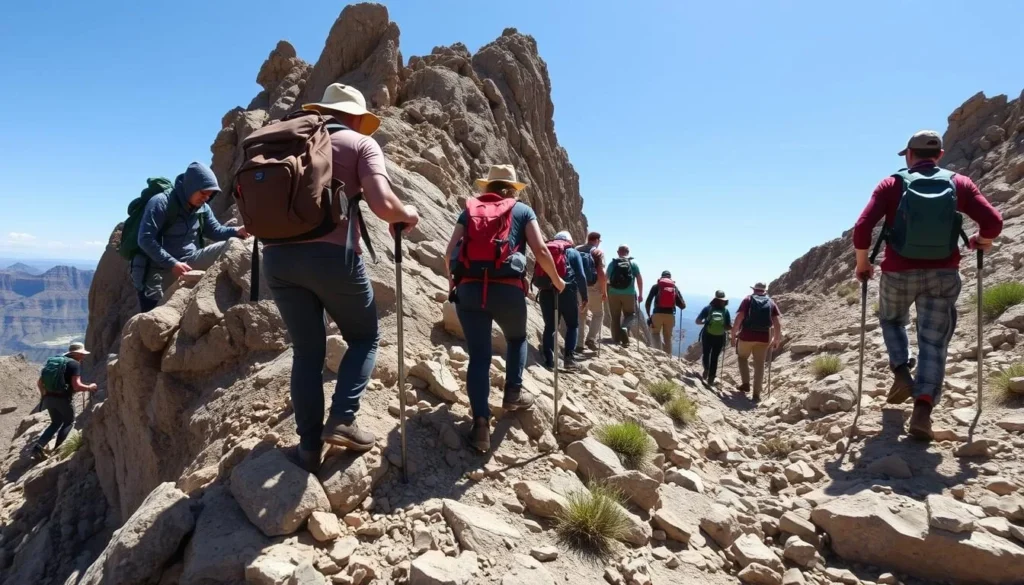
The park’s namesake peak offers one of the most rewarding (and challenging) hiking experiences in southern Arizona. Standing 450 meters (1,500 feet) above the desert floor, the summit provides breathtaking 360-degree views of the surrounding Sonoran Desert landscape.
Hunter Trail
This well-maintained but challenging 3.1 km (1.9 mile) trail leads to the summit of Picacho Peak. The trail includes steep sections with installed cables and handrails to assist hikers. Not recommended for beginners or those with a fear of heights.
Sunset Vista Trail
A longer but slightly less steep approach to the peak at 6.2 km (3.9 miles) one-way. This trail eventually connects with Hunter Trail for the final ascent to the summit. Offers spectacular views, especially in late afternoon.
Family-Friendly Activities
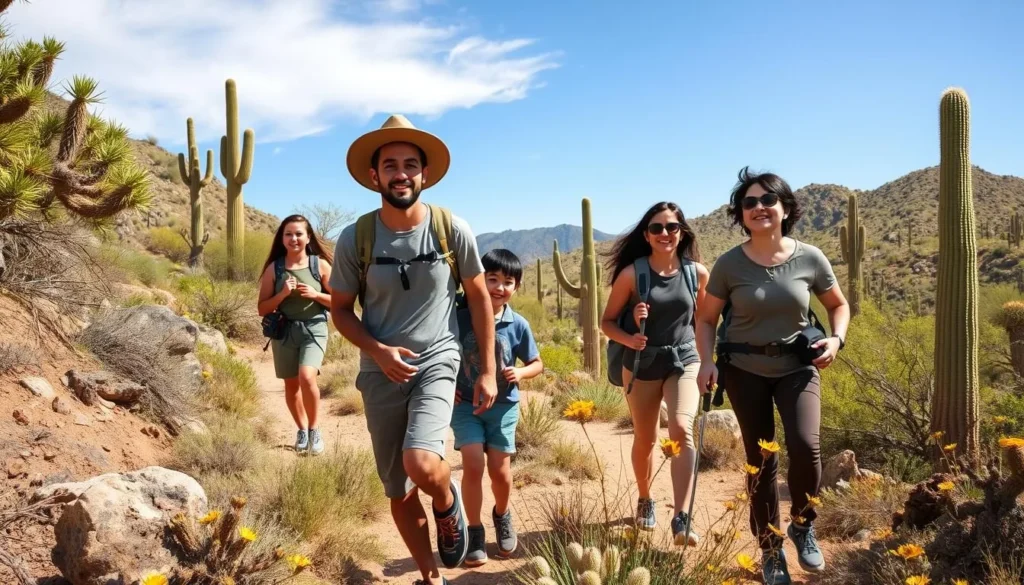
- Nature Trail: An easy 0.8 km (0.5 mile) loop suitable for all ages with interpretive signs about desert plants and wildlife
- Calloway Trail: A moderate 1.3 km (0.8 mile) trail leading to a scenic overlook with views to the south and east
- Wildlife Viewing: Watch for desert wildlife including roadrunners, Gambel’s quail, jackrabbits, and various lizard species
- Stargazing: The park’s distance from major cities makes it an excellent spot for night sky observation
Museums, Cultural Spots & Festivals
While Picacho Peak State Park is primarily known for its natural features, the area has rich historical significance and cultural attractions worth exploring.
Historical Significance
Battle of Picacho Pass
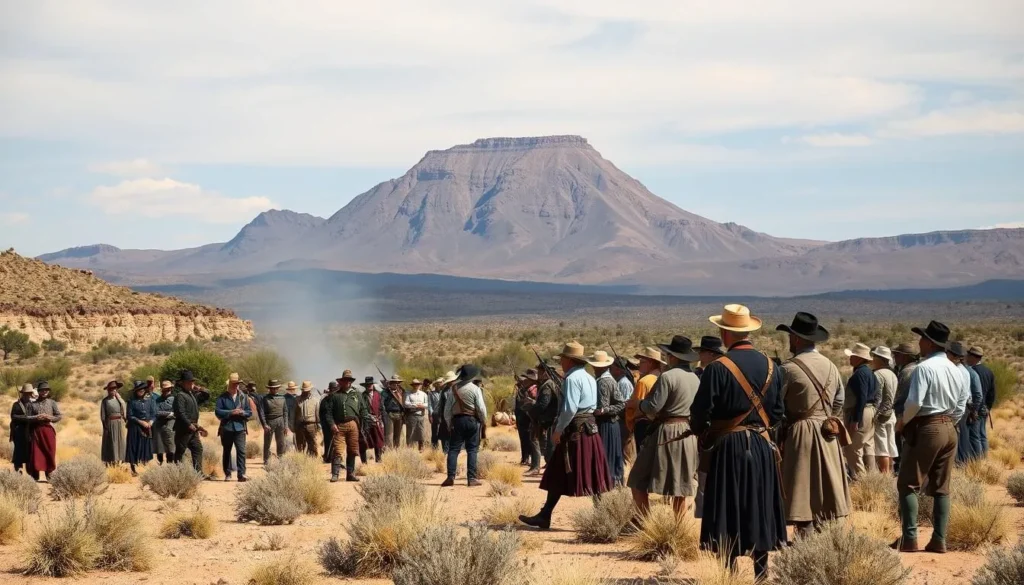
On April 15, 1862, the westernmost battle of the American Civil War was fought near Picacho Peak. Though small in scale (involving only about 25 soldiers), this skirmish between Union volunteers from California and Confederate scouts represents an important piece of Arizona history.
A monument commemorating the battle is located within the park. Each year in March, volunteers reenact the battle, bringing this historical event to life for visitors.
Juan Bautista de Anza Expedition
In the 1770s, Spanish explorer Juan Bautista de Anza led expeditions through this area, using Picacho Peak as a landmark. The peak was noted in his journals as he led settlers to what would eventually become San Francisco, California.
The Juan Bautista de Anza National Historic Trail, which commemorates this journey, passes near the park.
Annual Events
- Civil War in the Southwest (March): Historical reenactment of the Battle of Picacho Pass, featuring period costumes, weapons demonstrations, and living history exhibits
- Wildflower Walks (February-April): Ranger-led interpretive hikes during wildflower season
- Star Parties (Various dates): Occasional astronomy events with telescopes and expert guides
Nearby Cultural Attractions
- Casa Grande Ruins National Monument (42 km/26 miles): Preserved remains of an ancient Hohokam structure dating back to the 13th century
- Rooster Cogburn Ostrich Ranch (1.6 km/1 mile): A unique attraction where visitors can feed ostriches and other animals
- Biosphere 2 (84 km/52 miles): A science research facility that contains several of Earth’s biomes under glass
Sports, Nature & Outdoor Experiences
The rugged desert landscape of Picacho Peak State Park provides a stunning backdrop for various outdoor activities. Here are the top outdoor experiences to enjoy during your visit:
Hiking Trails
Hiking is the premier activity at Picacho Peak State Park, with trails ranging from easy nature walks to challenging summit climbs:
| Trail Name | Distance (Round Trip) | Difficulty | Features |
| Hunter Trail | 3.1 km (1.9 miles) | Difficult | Summit access, steel cables, panoramic views |
| Sunset Vista Trail | 12.4 km (7.8 miles) | Difficult | Alternative summit route, wildflowers in spring |
| Calloway Trail | 1.3 km (0.8 miles) | Moderate | Scenic overlook, good for families |
| Nature Trail | 0.8 km (0.5 miles) | Easy | Interpretive signs, desert plants, accessible |
| Children’s Cave Trail | 0.3 km (0.2 miles) | Easy | Small cave, kid-friendly |
Safety Note: The Hunter and Sunset Vista Trails include sections with installed cables to assist hikers on steep, slippery sections. Gloves are strongly recommended for these trails to protect your hands while using the cables.
Wildlife Viewing
The Sonoran Desert ecosystem supports a surprising diversity of wildlife. Keep your eyes open for:
- Birds: Gambel’s quail, roadrunners, hawks, and various songbirds
- Mammals: Jackrabbits, desert cottontails, coyotes, and javelinas (rarely seen during daylight)
- Reptiles: Desert spiny lizards, whiptails, and occasionally rattlesnakes (always watch where you step)
Photography
Picacho Peak offers exceptional photography opportunities:
- Golden Hour: The peak is particularly photogenic during early morning and late afternoon when the low-angle sunlight creates dramatic shadows
- Wildflower Season: Spring blooms create a colorful foreground against the rugged peak
- Night Photography: The dark skies make this an excellent location for astrophotography

Safety, Etiquette & Local Customs
Visiting Picacho Peak State Park requires preparation and awareness of desert conditions. Follow these guidelines to ensure a safe and respectful experience:
Safety Considerations
Heat Safety
- Water: Bring at least 2-4 liters (68-135 oz) of water per person for hiking, even in cooler months
- Timing: Start hikes early in the morning to avoid midday heat
- Protection: Wear sunscreen, a wide-brimmed hat, and lightweight, long-sleeved clothing
- Recognition: Know the signs of heat exhaustion and heat stroke
Trail Safety
- Proper Footwear: Wear sturdy hiking boots with good traction
- Gloves: Bring gloves for sections with steel cables
- Stay on Trail: Never take shortcuts as this causes erosion and can be dangerous
- Hiking Poles: Consider using hiking poles for stability on steep sections
Wildlife Safety
- Rattlesnakes: Watch where you place your hands and feet, especially around rocks
- Respect Wildlife: Observe from a distance and never feed wild animals
- Insects: Check for scorpions before sitting on rocks or logs
Park Etiquette
- Leave No Trace: Pack out all trash and leave natural objects where you find them
- Quiet Hours: Observe campground quiet hours from 10:00 p.m. to 6:00 a.m.
- Cultural Sites: Respect historical areas and artifacts
- Plant Life: Stay on designated trails to protect fragile desert vegetation
Visitor Comments About Picacho Peak State Park
“The Hunter Trail to the summit was one of the most exhilarating hikes I’ve ever done! Those cables and steep sections definitely get your heart pumping, but the 360-degree views from the top are absolutely worth the effort. Just make sure to bring gloves and plenty of water.”
“We visited during wildflower season in March and were completely blown away by the carpets of yellow and purple flowers covering the desert floor. The contrast against the blue sky and rugged peak created postcard-perfect views at every turn. The Nature Trail was perfect for our family with young children.”
“Camping at Picacho Peak was a highlight of our Arizona road trip. The campground was clean and well-maintained, and falling asleep under that star-filled desert sky was magical. We appreciated the hot showers after a day of hiking! Just be prepared for train noise at night if you’re a light sleeper.”
Additional Nearby Destinations
Extend your adventure by exploring these attractions within easy driving distance of Picacho Peak State Park:
Casa Grande Ruins National Monument
Distance: 42 km (26 miles)
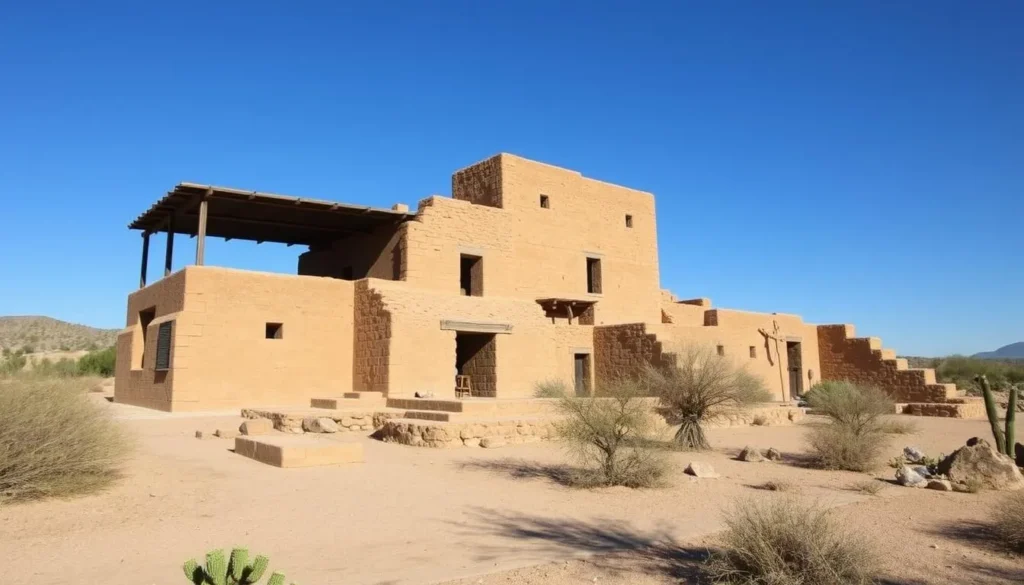
Explore the impressive remains of an ancient four-story structure built by the Hohokam people around 1350 CE. The monument includes a museum with exhibits on Hohokam culture and the archaeological significance of the site.
Rooster Cogburn Ostrich Ranch
Distance: 1.6 km (1 mile)
This unique attraction just east of the park entrance offers interactive experiences with ostriches, stingrays, rainbow lorikeets, and other animals. Visitors can feed the animals and take “monster truck” tours through the desert.
Saguaro National Park
Distance: 80 km (50 miles) to East section
Protect and showcases the iconic saguaro cactus in its natural Sonoran Desert habitat. The park is divided into two districts (East and West) on opposite sides of Tucson, both offering scenic drives, hiking trails, and spectacular desert landscapes.
Practical Travel Tips
Make the most of your visit to Picacho Peak State Park with these helpful tips:
What to Pack
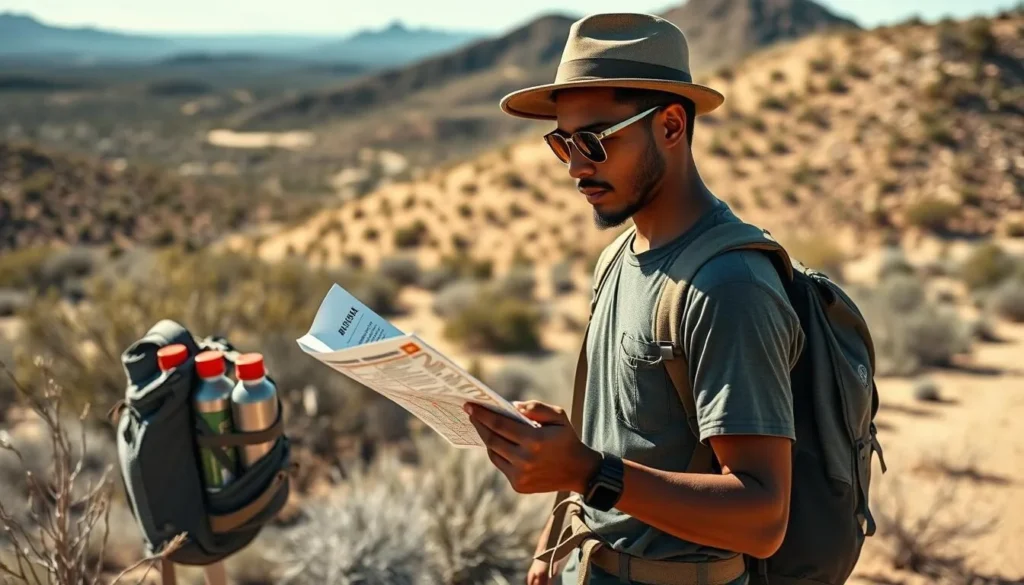
- Water: Bring more than you think you’ll need (minimum 2 liters/68 oz per person for short hikes, 4+ liters/135+ oz for longer trails)
- Sun Protection: Sunscreen, sunglasses, wide-brimmed hat
- Proper Footwear: Sturdy hiking boots or trail shoes with good traction
- Gloves: Essential for the cable sections on Hunter and Sunset Vista Trails
- Layers: Desert temperatures can vary widely between morning and afternoon
- First Aid Kit: Include blister treatment and tweezers for cactus spines
Park Facilities
- Visitor Center: Open daily 8:00 a.m. to 5:00 p.m. (9:00 a.m. to 3:00 p.m. in summer)
- Restrooms: Available at the visitor center, campground, and day-use areas
- Picnic Areas: Several shaded picnic areas with tables throughout the park
- Gift Shop: Located in the visitor center with souvenirs, books, and basic supplies
Connectivity
Cell phone coverage is generally available throughout the park, though signal strength varies by carrier. The visitor center does not offer public Wi-Fi.
Accessibility
The visitor center, restrooms, and some picnic areas are wheelchair accessible. The Nature Trail is partially accessible for visitors with limited mobility, though some assistance may be required on certain sections.
Desert Adventure Awaits: Your Picacho Peak Journey
Picacho Peak State Park offers a perfect blend of natural beauty, challenging adventure, and historical significance. Whether you’re conquering the summit via the exhilarating Hunter Trail, marveling at spring wildflowers painting the desert floor, or simply enjoying the serenity of this Sonoran Desert landmark, the park delivers an authentic Arizona experience that will stay with you long after your visit. With proper preparation and respect for the desert environment, your journey to Picacho Peak will reward you with stunning vistas, unique wildlife encounters, and the satisfaction of experiencing one of Arizona’s most distinctive natural landmarks. The peak has been guiding travelers for centuries—now it’s your turn to discover its magic.
Related Posts

Patagonia-Sonoita Creek Preserve, Arizona: Best Things to Do – Top Picks
Yuma Territorial Prison State Historic Park, Arizona: Best Things to Do – Top Picks
Windsor Beach (Lake Havasu State Park), Arizona: Best Things to Do – Top Picks

White Pocket, Arizona: Best Things to Do – Top Picks

White Mountains, Arizona: Best Things to Do – Top Picks
Walnut Canyon National Monument, Arizona: Best Things to Do – Top Picks
Coming Soon: Clickable Maps