
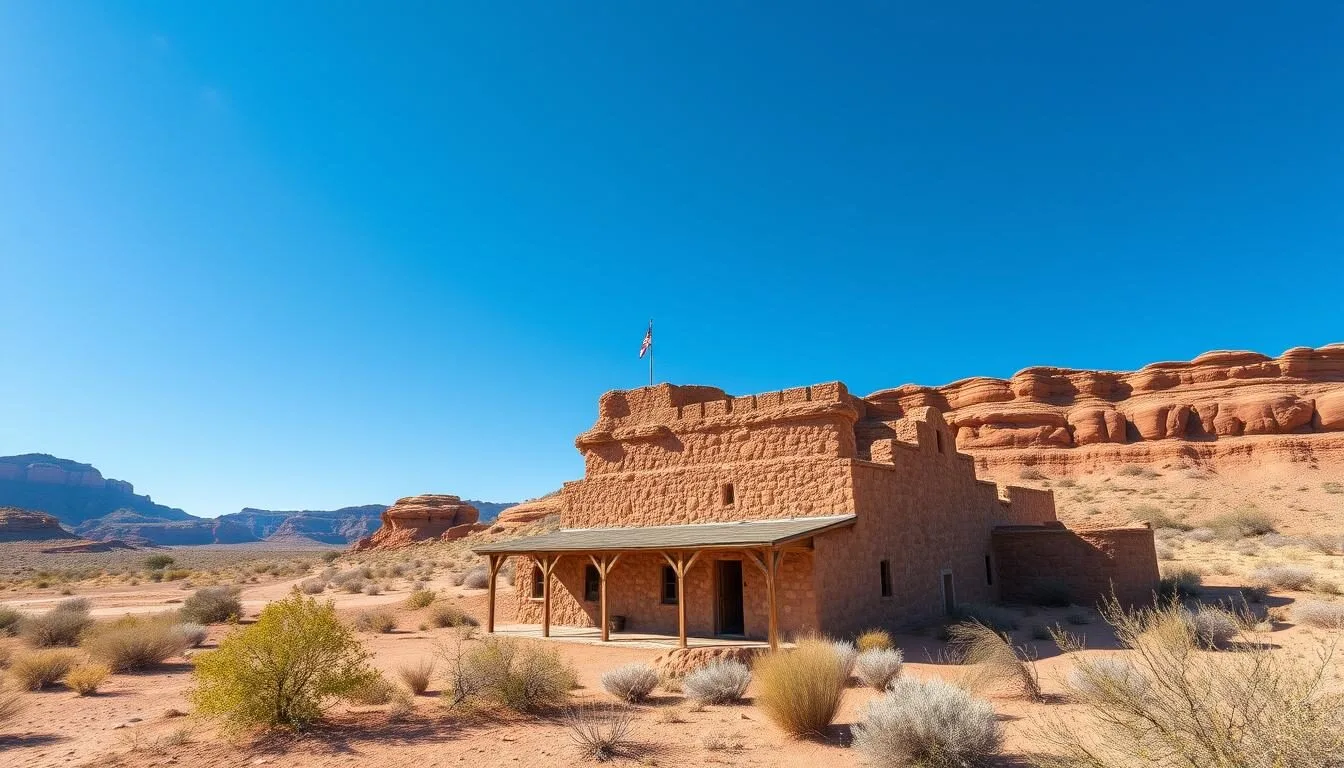
Did you know that Pipe Spring National Monument’s historic fort once served as a hiding place for polygamist wives during the 1870s? This fascinating hidden gem in the Arizona Strip offers a rare glimpse into the complex intersection of Mormon pioneer history, Native American heritage, and Wild West tales that many travelers miss when rushing between the Grand Canyon and Zion National Park. The life-giving spring that has flowed continuously for centuries created an oasis of life in this harsh desert landscape, making it a crucial waypoint for travelers and settlers alike.
Getting There & Planning Your Journey
Pipe Spring National Monument is located in the remote Arizona Strip, the portion of Arizona that lies north of the Grand Canyon. The monument sits just off Highway 389, approximately 15 miles west of Fredonia, Arizona, and about 45 miles east of Hurricane, Utah.
Closest Airports
- McCarran International Airport (Las Vegas) – 201 km (125 miles), approximately 2.5-hour drive
- St. George Regional Airport – 85 km (53 miles), approximately 1-hour drive
- Cedar City Regional Airport – 121 km (75 miles), approximately 1.5-hour drive
- Salt Lake City International Airport – 526 km (327 miles), approximately 5-hour drive

Most visitors arrive by car as part of a larger road trip through the spectacular national parks of the American Southwest. The monument makes an excellent stopping point between Zion National Park and the North Rim of the Grand Canyon.
Best Time to Visit & Weather Tips
The monument experiences extreme temperature variations throughout the year, with hot summers and cold winters typical of high desert environments.
Recommended Seasons
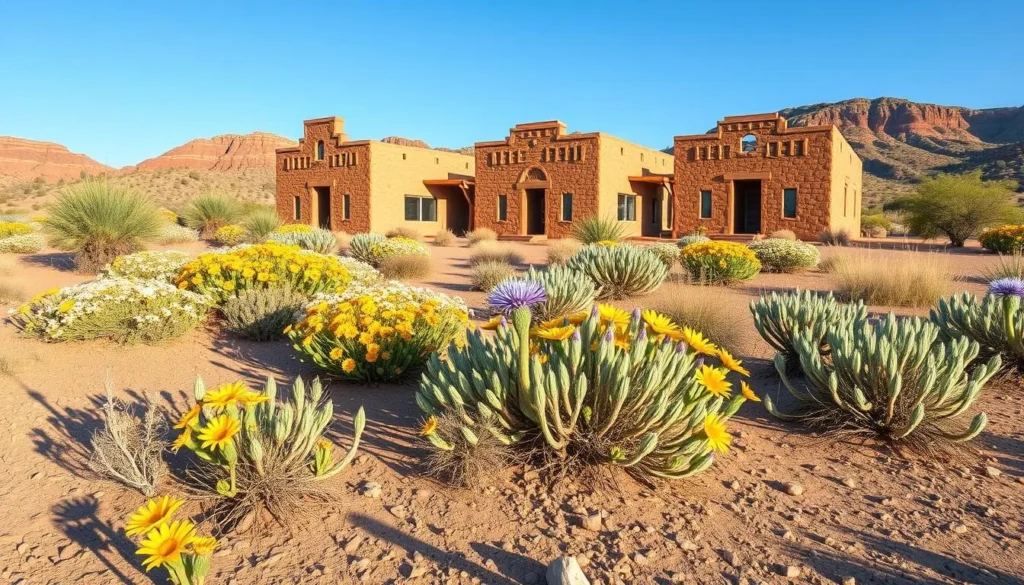
- Spring (April-May): Ideal with mild temperatures ranging from 10-24°C (50-75°F), wildflowers, and fewer crowds
- Fall (September-October): Perfect weather with temperatures between 7-27°C (45-80°F) and beautiful desert colors
- Morning hours: The best time to explore regardless of season, with cooler temperatures and better lighting for photography
Seasons to Avoid
- Summer (June-August): Daytime temperatures frequently exceed 38°C (100°F), making outdoor exploration uncomfortable
- Winter (December-February): Occasional snowfall and temperatures that can drop below freezing, though the visitor center remains open
The monument is open year-round except for Thanksgiving Day, Christmas Day, and New Year’s Day. Summer hours (June-September) are 7:00 am to 5:00 pm, while the rest of the year it’s open from 8:00 am to 5:00 pm.
Getting Around Locally
Pipe Spring National Monument is a compact site that’s easy to explore on foot. The entire monument covers just 40 acres, making it manageable to see everything in a few hours.
- The visitor center, historic fort (Winsor Castle), garden areas, and short nature trails are all within walking distance of each other
- Comfortable walking shoes are recommended for exploring the grounds and trails
- The main areas of the monument are wheelchair accessible, with paved pathways connecting major sites
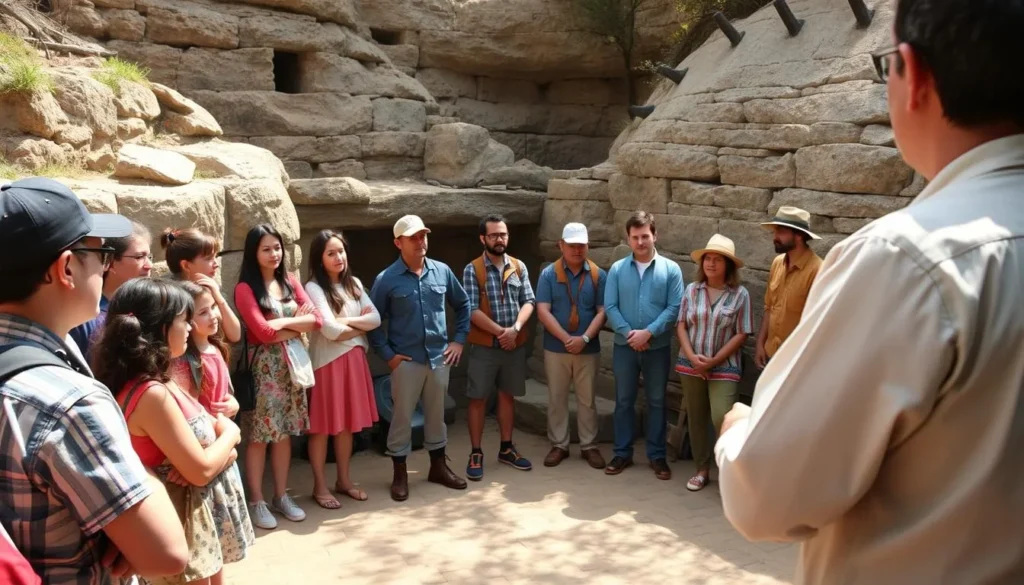
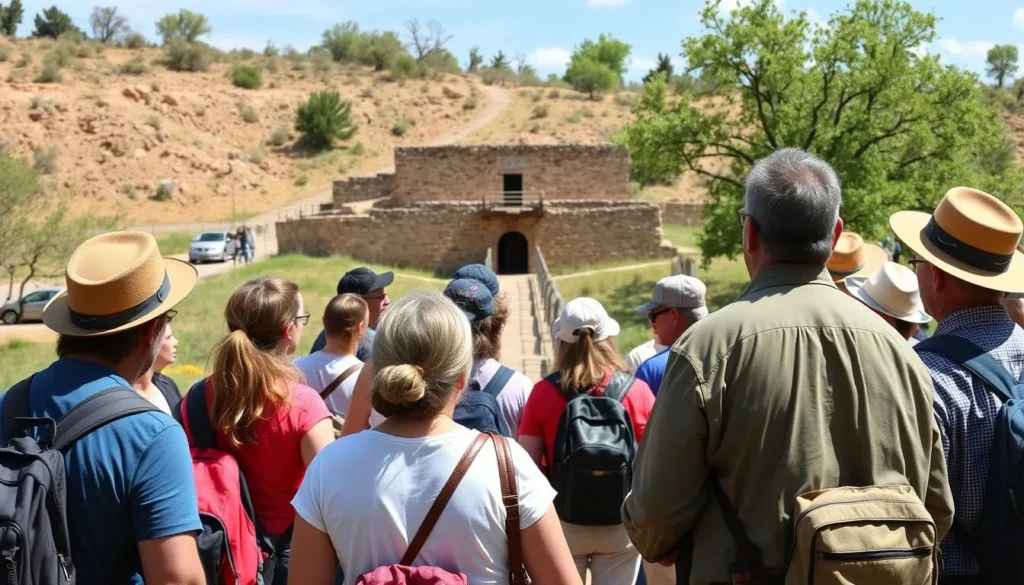
- Guided tours of the fort begin every half-hour and last approximately 30 minutes
For those exploring the broader region, a rental car is essential as public transportation is not available in this remote area. The monument is often visited as part of a larger road trip including Zion National Park (50 km/31 miles), Grand Canyon North Rim (120 km/75 miles), and Bryce Canyon National Park (121 km/75 miles).
Where to Stay
While there are no accommodations directly at Pipe Spring National Monument, several options are available within a reasonable driving distance.
Nearby Camping
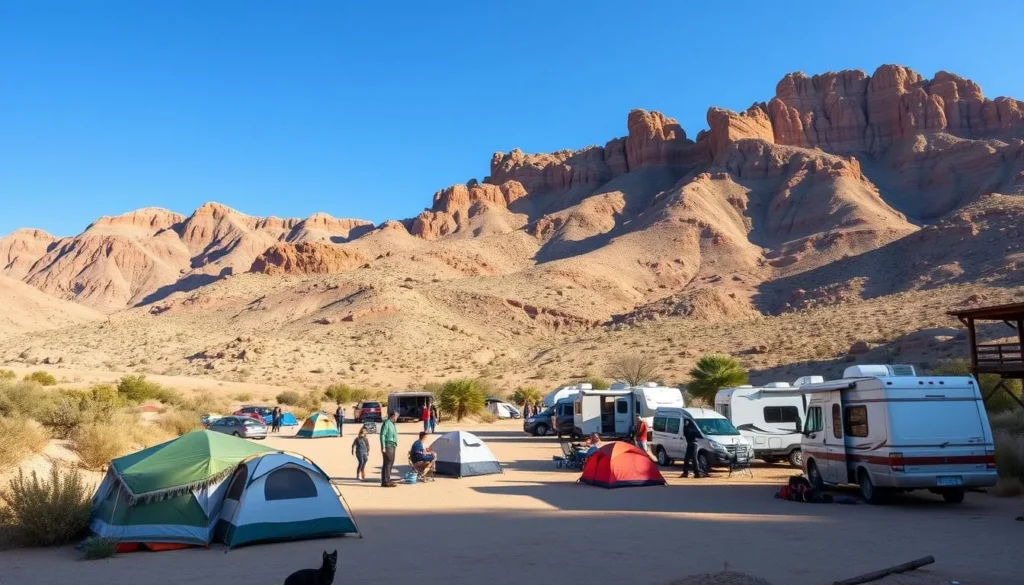
The Kaibab Paiute Tribe operates a small campground adjacent to the monument with basic facilities for both tent and RV camping. It’s the closest option for those wanting to stay overnight.
Nearby Towns
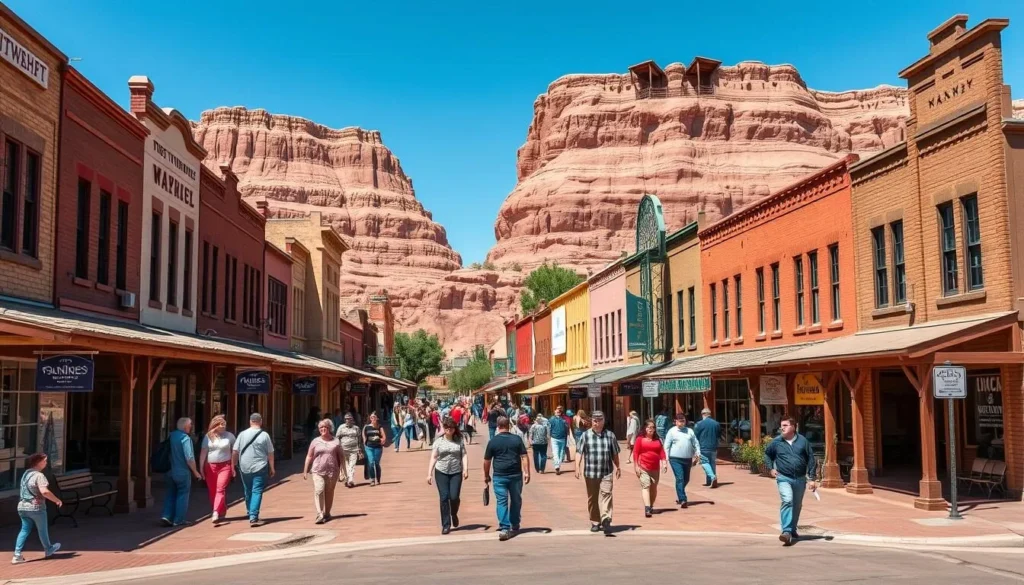
Kanab, Utah (32 km/20 miles) offers the closest selection of hotels, motels, and B&Bs with options ranging from budget to upscale. This charming town serves as an excellent base for exploring the region.
Nearby Resorts
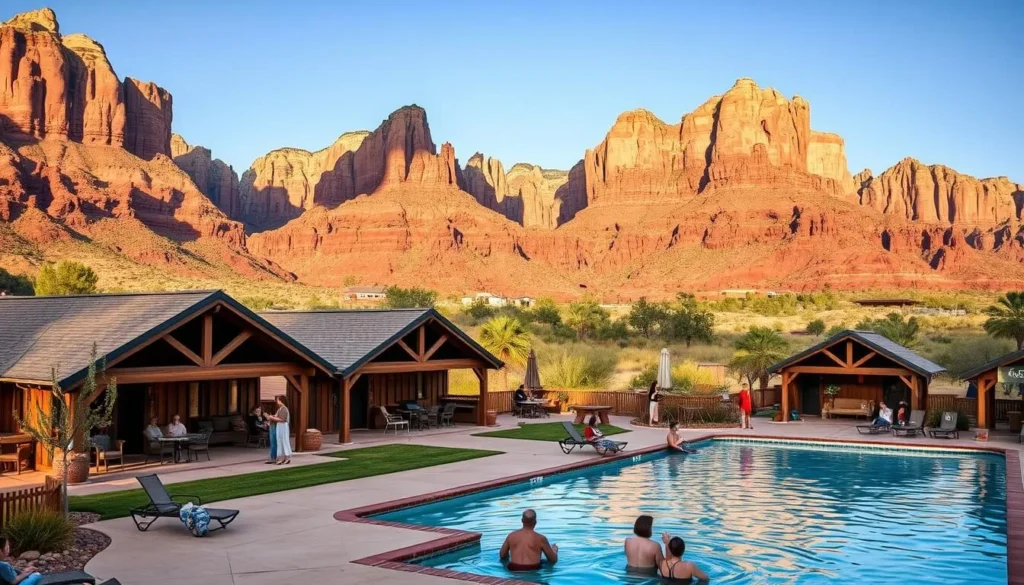
For those seeking more amenities, Zion Ponderosa Ranch Resort and Zion Mountain Ranch offer upscale accommodations about an hour’s drive from the monument, with restaurants, activities, and beautiful settings.
“We stayed in Kanab and made a day trip to Pipe Spring as part of our national parks tour. It was the perfect distance and allowed us to visit several other attractions in the area.”
Dining & Local Cuisine
There are no dining facilities at Pipe Spring National Monument itself, but several options exist in the surrounding area.
Nearby Options
- A small convenience store/gas station is located about 0.4 km (0.25 miles) south of the monument for basic snacks and drinks
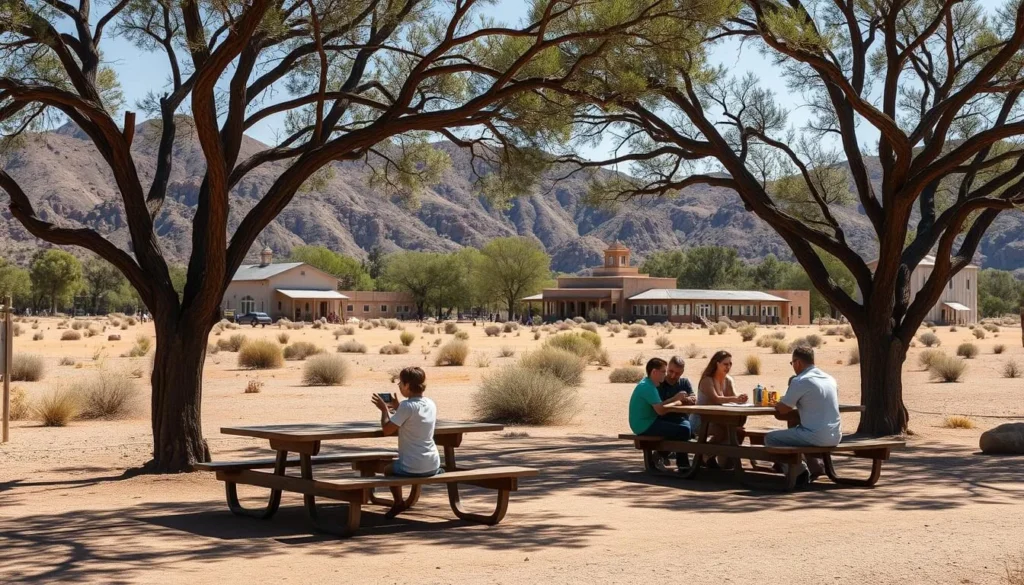
- Picnic areas at the monument allow visitors to bring their own food and enjoy a meal amid the historic setting
- Fredonia, Arizona (24 km/15 miles) has a few casual dining options
- Kanab, Utah (32 km/20 miles) offers the widest selection of restaurants, cafes, and grocery stores
Regional Specialties
When dining in nearby towns, look for these Southwestern specialties:
- Navajo Tacos – Fry bread topped with beans, meat, cheese, and vegetables
- Green Chile Stew – A hearty dish featuring New Mexico green chiles
- Prickly Pear products – From jellies to candies made from this desert cactus fruit
- Local beef – The region has a long history of cattle ranching, showcased in many restaurants
Tip: Bring plenty of water and snacks for your visit, especially during summer months, as options are limited at the monument itself.
Attractions, Sightseeing & Activities
Despite its small size, Pipe Spring National Monument offers several fascinating attractions that provide insight into the area’s rich history and cultural significance.
Winsor Castle
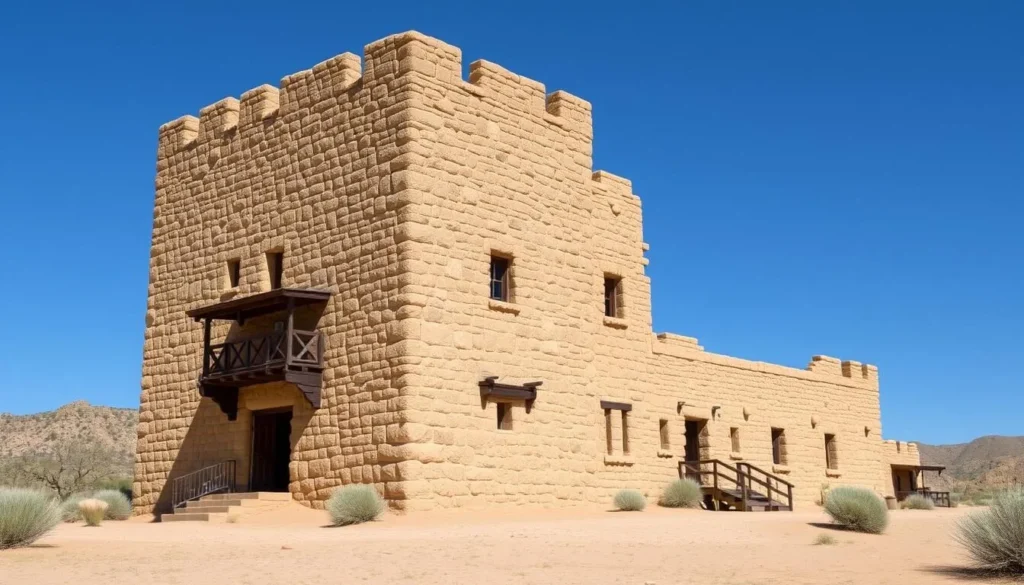
The centerpiece of the monument is this fortified ranch house built in 1870 by Mormon settlers. Named “Winsor Castle” after its first superintendent, the fort was strategically built directly over the spring to secure this precious water source. Guided tours take you through the well-preserved rooms filled with period furnishings.
The Sacred Spring
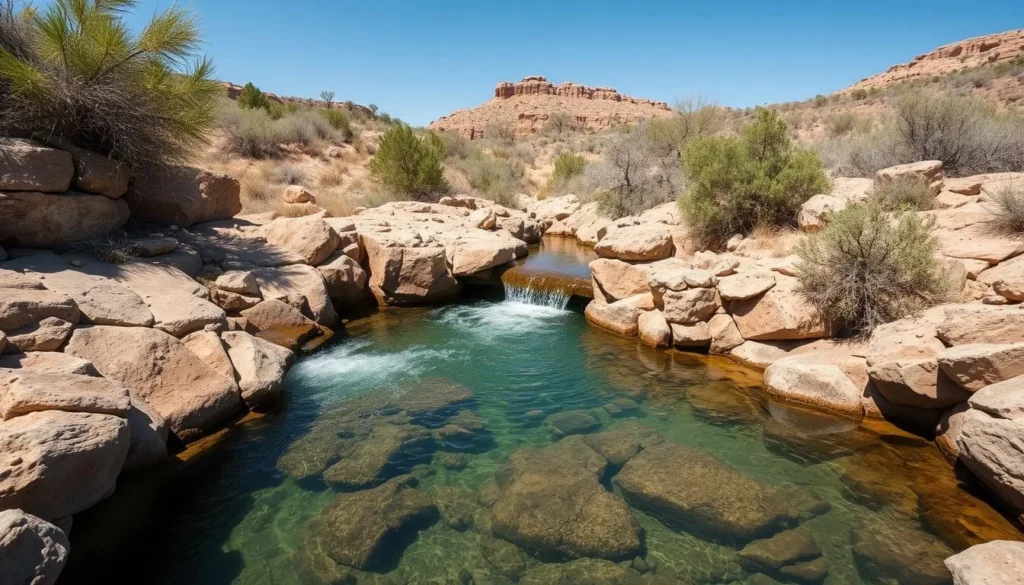
The life-giving spring that gives the monument its name has flowed continuously for centuries, creating a vital oasis in the desert. You can see how the water was channeled through the fort and used for various purposes, from drinking to cooling dairy products in the “spring room.”
Heritage Gardens
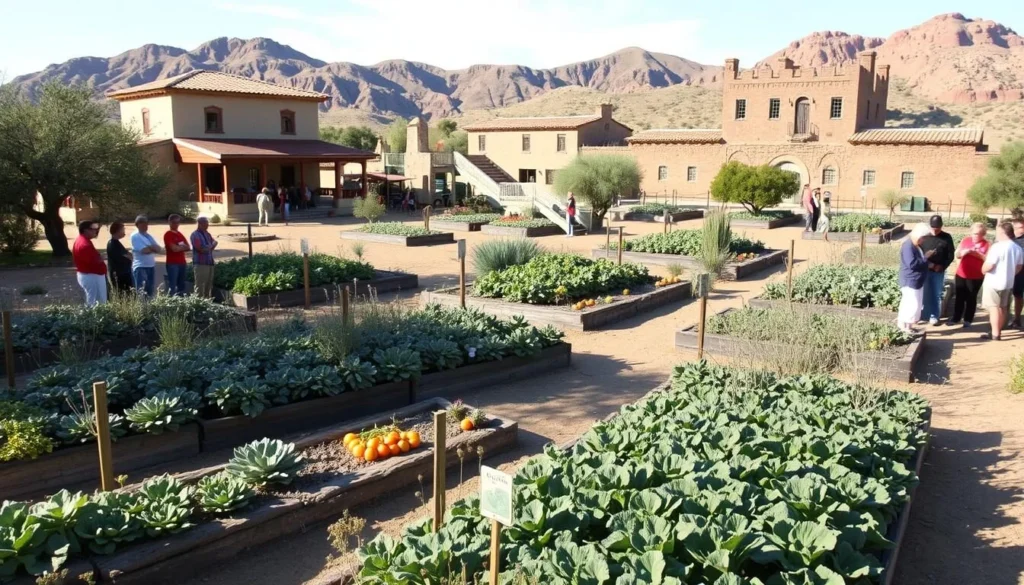
Explore the heritage gardens that demonstrate the types of crops grown by settlers in this harsh environment. During summer months, staff often tend the gardens using historic techniques, offering visitors a glimpse into 19th-century agricultural practices.
Living History Demonstrations
Throughout the year, especially during peak seasons, the monument offers living history demonstrations that bring the past to life. These may include:
- Dutch oven cooking over an open fire
- Blacksmithing demonstrations
- Cheese and butter making
- Quilting and other pioneer crafts
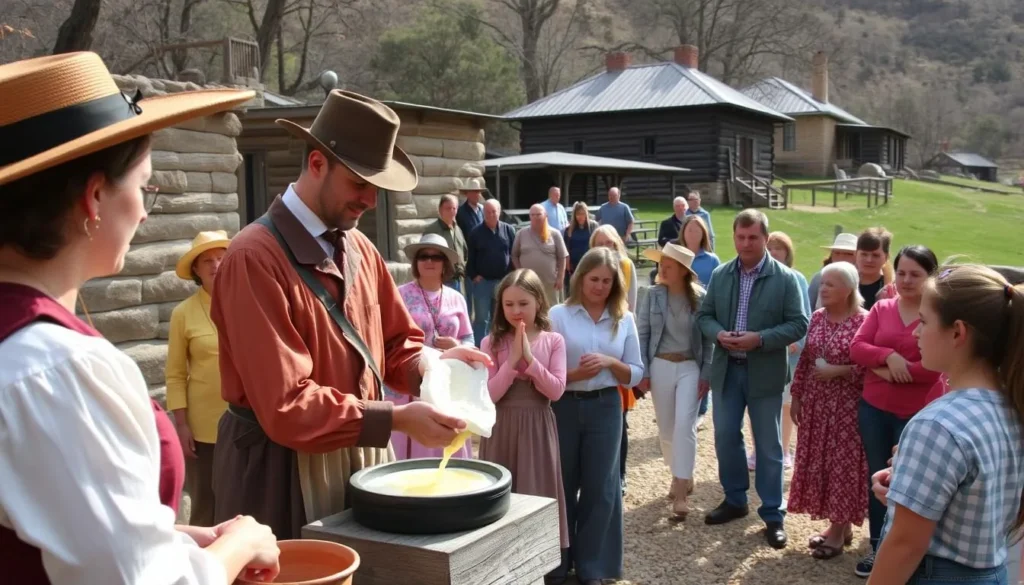
“The guided tour of Winsor Castle was fascinating! Our ranger was knowledgeable about both Mormon and Native American history, providing a balanced perspective on this complex historical site.”
Museums, Cultural Spots & Festivals
Pipe Spring National Monument offers rich cultural experiences that highlight the diverse heritage of this unique region.
Visitor Center Museum
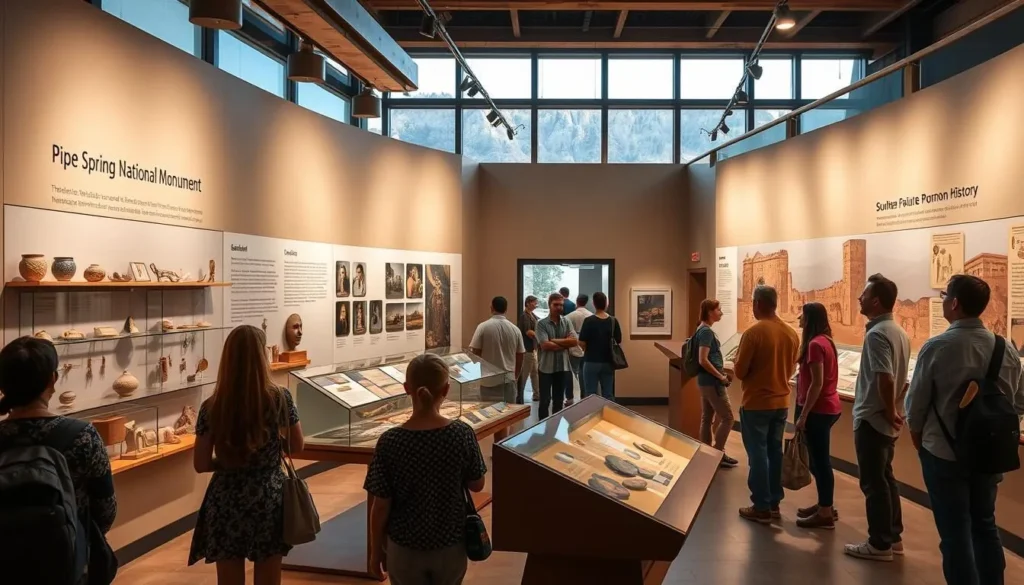
The monument’s visitor center houses an excellent museum with exhibits detailing the area’s geology, natural history, and human history. Displays cover:
- Southern Paiute culture and lifeways
- Mormon pioneer settlement
- Ranching history of the Arizona Strip
- Natural resources and wildlife of the region
A 25-minute orientation film provides an excellent introduction to the monument’s significance.
Kaibab Paiute Cultural Center

Adjacent to the monument is the Kaibab Paiute Tribal Visitor Center and Museum, which offers deeper insight into the indigenous history and culture of the region. The center features:
- Traditional artifacts and cultural items
- Exhibits on contemporary Paiute life
- Information about the tribe’s ongoing relationship with the land
- A gift shop featuring authentic Native American crafts
Special Events
Throughout the year, the monument hosts special events that celebrate the cultural heritage of the region:
- Pioneer Day (July): Commemorates the arrival of Mormon pioneers to the region with demonstrations and activities
- Heritage Days (September): Features cultural demonstrations from both pioneer and Native American traditions
- Native American Heritage Month (November): Special programs highlighting indigenous history and culture
- Dark Sky Events: Occasional stargazing programs that take advantage of the monument’s exceptional night skies
Sports, Nature & Outdoor Experiences
While Pipe Spring National Monument is primarily known for its historical significance, it also offers opportunities to connect with the natural environment of the Arizona Strip.
Ridge Trail
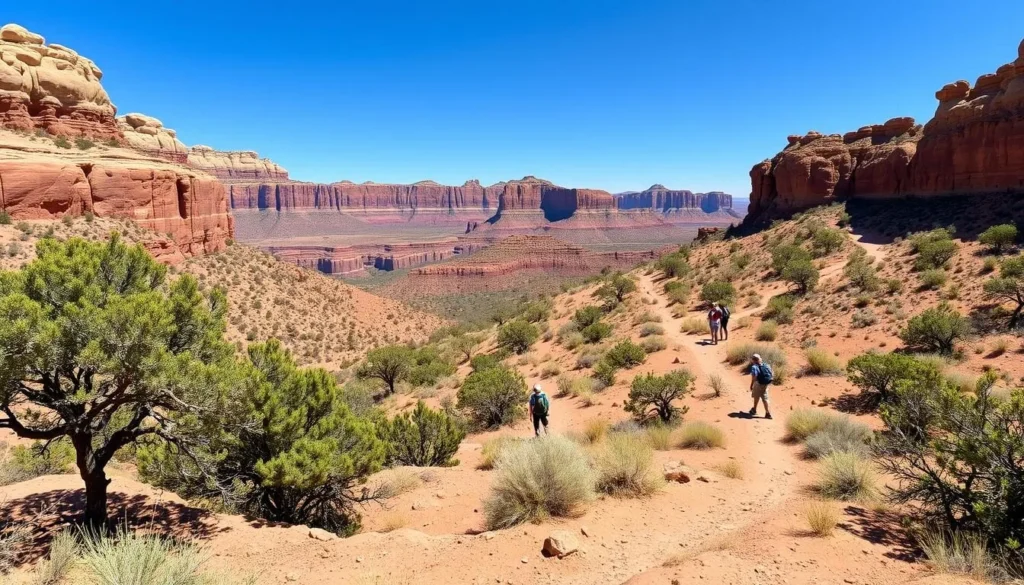
This short 0.8 km (0.5-mile) trail leads to a ridge overlooking the monument and offers spectacular views of the Arizona Strip, with the Vermilion Cliffs and Kaibab Plateau visible in the distance. Interpretive signs along the way explain the geology and plant life of the region.
Wildlife Viewing
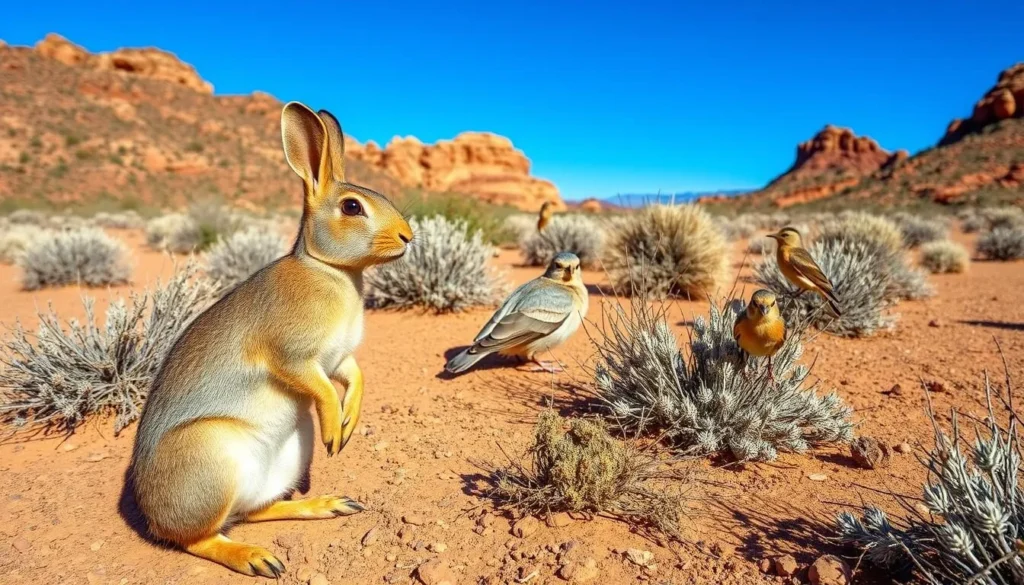
The spring creates a desert oasis that attracts wildlife. Visitors might spot desert cottontails, jackrabbits, lizards, and numerous bird species. Dawn and dusk offer the best wildlife viewing opportunities. Bring binoculars for the best experience.
Historic Ranch Animals
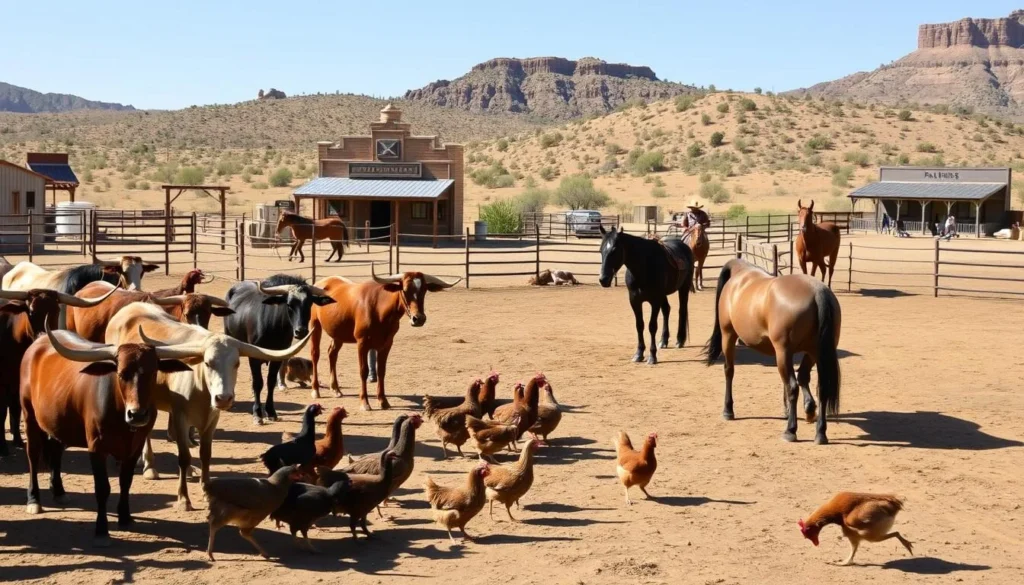
As part of the living history experience, the monument maintains heritage breeds of livestock similar to those that would have been raised at the ranch in the 1870s. These may include longhorn cattle, horses, and chickens.
Nearby Outdoor Adventures
For those seeking more extensive outdoor experiences, several options are available within a short drive:
- Coral Pink Sand Dunes State Park (45 km/28 miles): Unique pink sand dunes perfect for hiking and photography
- Grand Staircase-Escalante National Monument (64 km/40 miles): Vast wilderness with hiking trails and scenic drives
- Zion National Park (50 km/31 miles): World-famous canyon with numerous hiking trails and rock climbing opportunities
- Grand Canyon North Rim (120 km/75 miles): Less-visited rim of the Grand Canyon with spectacular viewpoints
“Don’t miss the Ridge Trail! It’s short but offers amazing views of the surrounding landscape. We saw a golden eagle soaring overhead and several desert cottontails along the path.”
Safety, Etiquette & Local Customs
Visiting Pipe Spring National Monument safely requires awareness of desert conditions and respect for both the historical site and local cultural traditions.
Safety Considerations
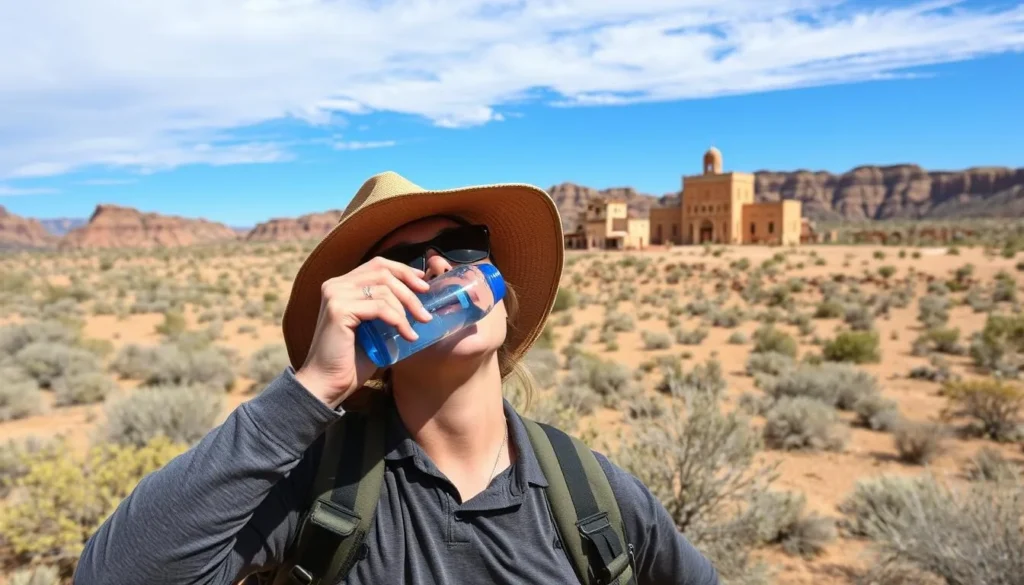
- Hydration: The desert environment is extremely dry. Bring at least 2 liters of water per person, even for short visits
- Sun Protection: Wear sunscreen, a wide-brimmed hat, and sunglasses. The high elevation (1,494 m/4,900 ft) intensifies sun exposure
- Proper Footwear: Wear sturdy shoes with good traction for walking on uneven terrain
- Weather Awareness: Summer thunderstorms can develop quickly. Seek shelter if lightning is present
- Wildlife: Respect all wildlife and maintain a safe distance. Watch for rattlesnakes during warm months
Etiquette & Cultural Considerations
- Respect Sacred Sites: The spring has spiritual significance to the Kaibab Paiute people. Treat all areas with respect
- Photography: Photography is permitted in most areas, but follow any posted restrictions
- Cultural Sensitivity: The monument tells complex stories of cultural interaction and conflict. Listen with an open mind to different perspectives
- Preservation: Do not touch or climb on historic structures. Stay on designated paths
- Quiet Hours: Maintain reasonable noise levels to preserve the peaceful atmosphere
Cell phone service is limited in this remote area. Download maps and information before your visit, and let someone know your travel plans if venturing beyond the monument.
Visitor Comments About Pipe Spring National Monument
“We almost skipped Pipe Spring on our national parks road trip, but I’m so glad we didn’t! The ranger-led tour of Winsor Castle was fascinating, and our children loved seeing the heritage livestock. It provided a perfect historical context for understanding settlement in this challenging landscape.”
“This lesser-known monument packs a lot of history into a small area. The dual perspective of both Mormon pioneer and Native American history made for a thought-provoking visit. The fort is remarkably well-preserved, and the spring itself is a marvel considering the surrounding desert.”
“Pipe Spring was the unexpected highlight of our Southwest trip! The living history demonstrations were engaging, and the staff was incredibly knowledgeable. We spent much longer here than planned because there was so much to learn and see. Don’t miss the Ridge Trail for amazing views!”
Additional Nearby Destinations
Pipe Spring National Monument is ideally situated as a stopping point between several major attractions in the region. Consider including these nearby destinations in your itinerary:
Zion National Park
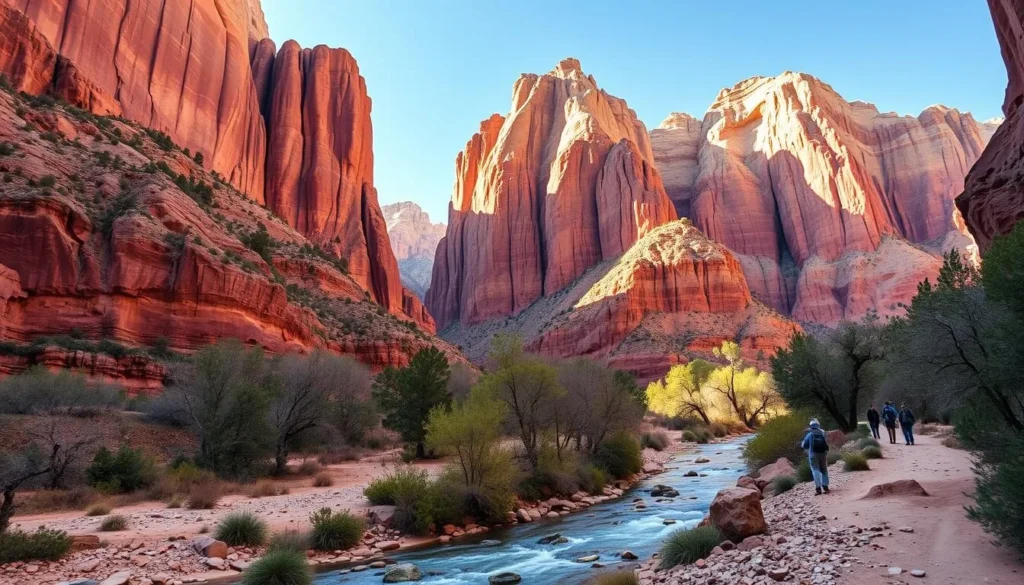
Just 50 km (31 miles) northwest of Pipe Spring, Zion features spectacular sandstone cliffs, narrow slot canyons, and world-class hiking trails. The contrast between Zion’s lush river valley and Pipe Spring’s desert setting is remarkable.
Grand Canyon North Rim
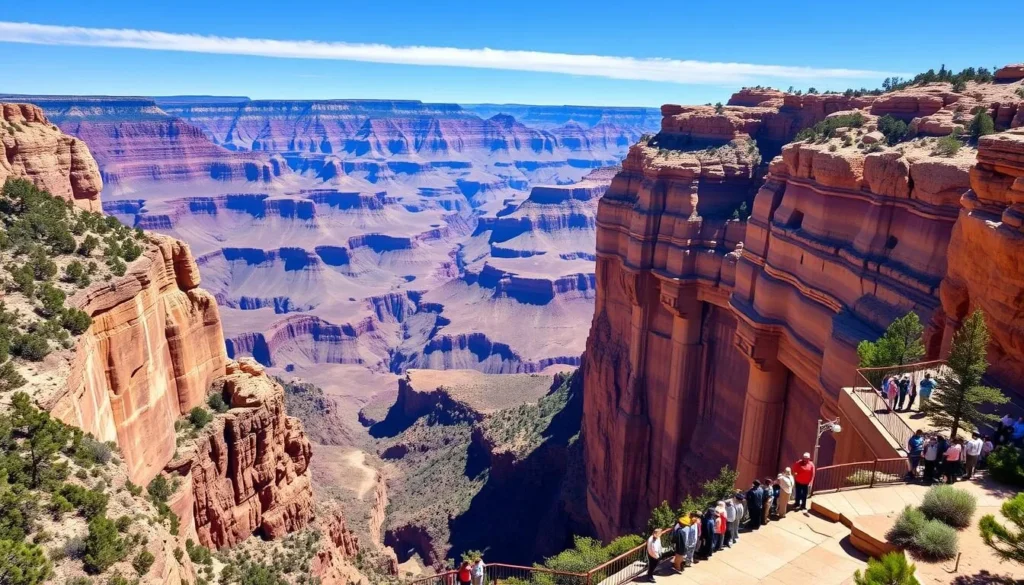
Located 120 km (75 miles) southeast, the North Rim offers a less-crowded Grand Canyon experience with spectacular viewpoints and a higher elevation that provides cooler temperatures in summer. Open mid-May through mid-October.
Kanab, Utah
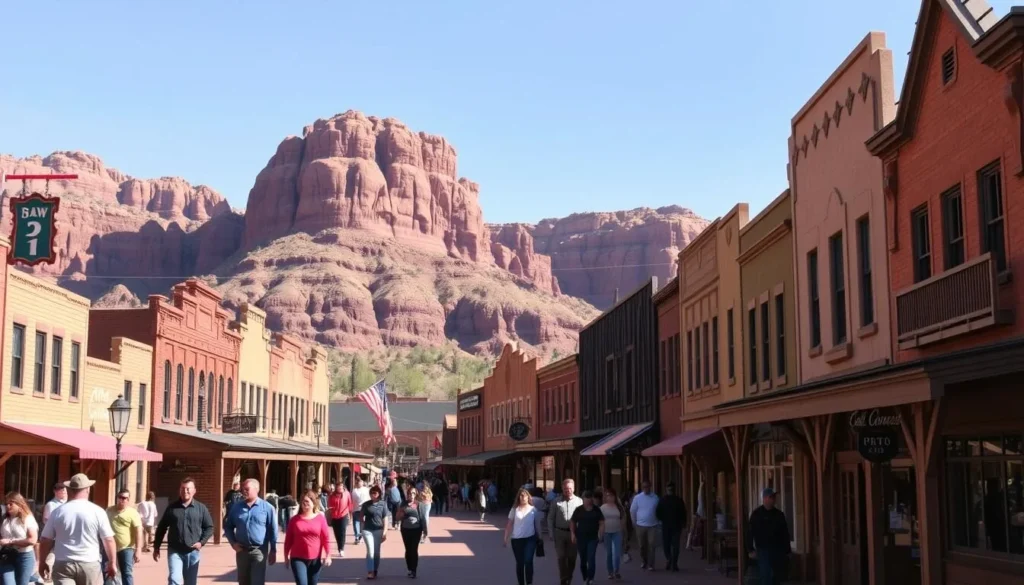
This charming town 32 km (20 miles) north serves as a gateway to several attractions and offers dining, lodging, and services. Known as “Little Hollywood,” it has been the filming location for numerous western movies and TV shows.
Other Nearby Attractions
- Coral Pink Sand Dunes State Park (45 km/28 miles): Unique pink sand dunes created by erosion of Navajo sandstone
- Best Friends Animal Sanctuary (40 km/25 miles): The nation’s largest no-kill animal sanctuary offers tours and volunteer opportunities
- Lake Powell/Glen Canyon National Recreation Area (113 km/70 miles): Massive reservoir with boating, fishing, and stunning scenery
- Vermilion Cliffs National Monument (80 km/50 miles): Home to The Wave and other spectacular geological formations
Practical Travel Tips
Make the most of your visit to Pipe Spring National Monument with these helpful tips:
Planning Your Visit
- Timing: Allow 1-3 hours to fully experience the monument, including the guided fort tour
- Entrance Fees: A modest entrance fee applies, but America the Beautiful National Park Passes are accepted
- Guided Tours: Fort tours begin every half-hour and are included with admission
- Accessibility: The visitor center and portions of the grounds are wheelchair accessible
- Pet Policy: Leashed pets are allowed in outdoor areas but not inside buildings
What to Bring
- Water bottles (at least 2 liters per person)
- Sun protection (hat, sunscreen, sunglasses)
- Camera for capturing the historic buildings and desert landscape
- Binoculars for wildlife viewing and distant landscape features
- Light layers of clothing (temperatures can vary significantly throughout the day)
- Snacks or picnic lunch (limited food options available)
Tip: Download the NPS App before your visit for offline access to monument information, maps, and self-guided tour content.
Discover a Hidden Gem of American History
Pipe Spring National Monument may be small in size, but it offers an outsized window into the complex tapestry of American western history. From the life-giving spring that has sustained people for centuries to the fortified ranch house that tells tales of cultural intersection and conflict, this hidden gem rewards visitors with authentic insights that larger parks often can’t provide.
As you plan your journey through the spectacular landscapes of the American Southwest, consider carving out time for this remarkable oasis in the desert. Whether you’re a history enthusiast, nature lover, or simply curious about the diverse stories that shaped our nation, Pipe Spring National Monument offers a meaningful and memorable experience that will enrich your understanding of this fascinating region.
The above is subject to change.
Check back often to TRAVEL.COM for the latest travel tips and deals.



0 Comments