
Hotels by Trip.com
Flights by Trip.com
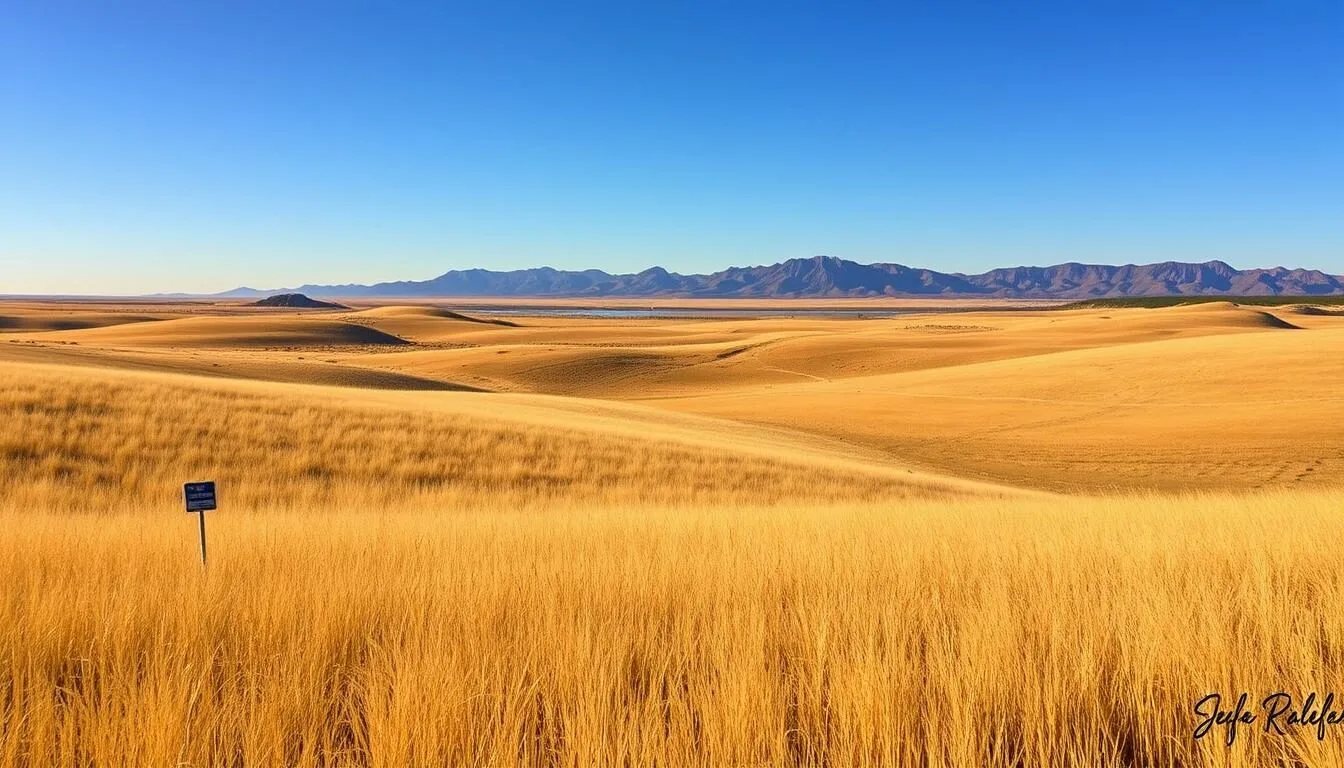
Tucked away in the southeastern corner of Arizona lies one of the state’s best-kept secrets: San Rafael State Natural Area protects the last remaining undisturbed shortgrass prairie in Arizona and serves as a crucial wildlife corridor between the United States and Mexico. Established in 1999, this 3,557-acre natural treasure represents a rare ecological crossroads where the Sonoran Desert meets unique riparian habitats along the upper Santa Cruz River, creating one of the most biologically diverse regions in the entire Southwest.
Getting There & Planning Your Journey
San Rafael State Natural Area is located in Santa Cruz County, approximately 70 miles southeast of Tucson and about 15 miles south of Patagonia. The natural area sits just north of the U.S.-Mexico border at approximately 31.3456° N, 110.6093° W.
Nearest Airports
- Tucson International Airport (TUS) – Approximately 80 km (50 miles) north
- Phoenix Sky Harbor International Airport (PHX) – Approximately 280 km (175 miles) northwest
From Tucson, take I-10 east to Highway 83 south. Continue on Highway 83 until you reach Sonoita, then take Highway 82 east to Patagonia. From Patagonia, head south on Duquesne Road for approximately 15 miles to reach the natural area entrance.
Note that access to San Rafael State Natural Area is limited. The area is open Friday through Sunday from 8 AM to 5 PM year-round, with extended hours (8 AM to 7 PM) during summer months (May through September). It remains closed to the public Monday through Thursday except for pre-arranged educational groups or research permits.
Best Time to Visit & Weather Tips
Recommended Seasons
Best Months to Visit
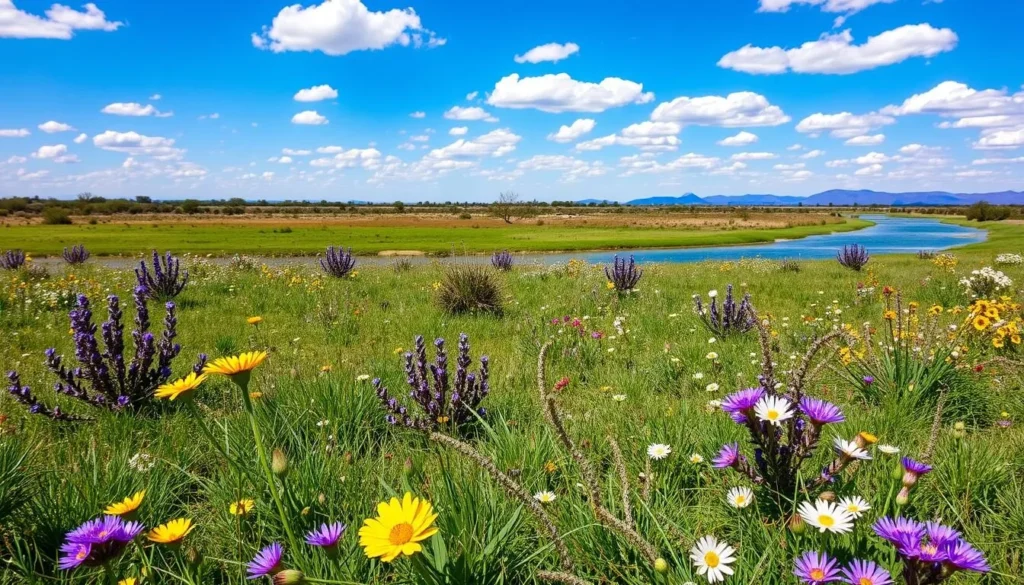
- March to May (Spring) – Moderate temperatures (18-29°C/65-85°F) and spectacular wildflower displays
- September to November (Fall) – Pleasant temperatures with golden grasslands and fall foliage along the river
Months to Avoid
- June to August (Summer) – Hot daytime temperatures (29-35°C/85-95°F) though monsoon storms create dramatic landscapes
- December to February (Winter) – Cold temperatures (10-18°C/50-65°F) with occasional snow and freezing nights
Weather patterns at San Rafael are influenced by its 1,310 m (4,300-foot) elevation. The summer monsoon season (July-September) brings afternoon thunderstorms that can cause flash flooding in the river and arroyos. Winter occasionally brings snow, which rarely lasts more than a day or two but can make roads impassable.
INSIDER TIP: The best views of the entire San Rafael Valley can be had from the eastern slopes of the natural area in early morning when the sun illuminates the grasslands and low fog often clings to the river corridor.
Getting Around Locally
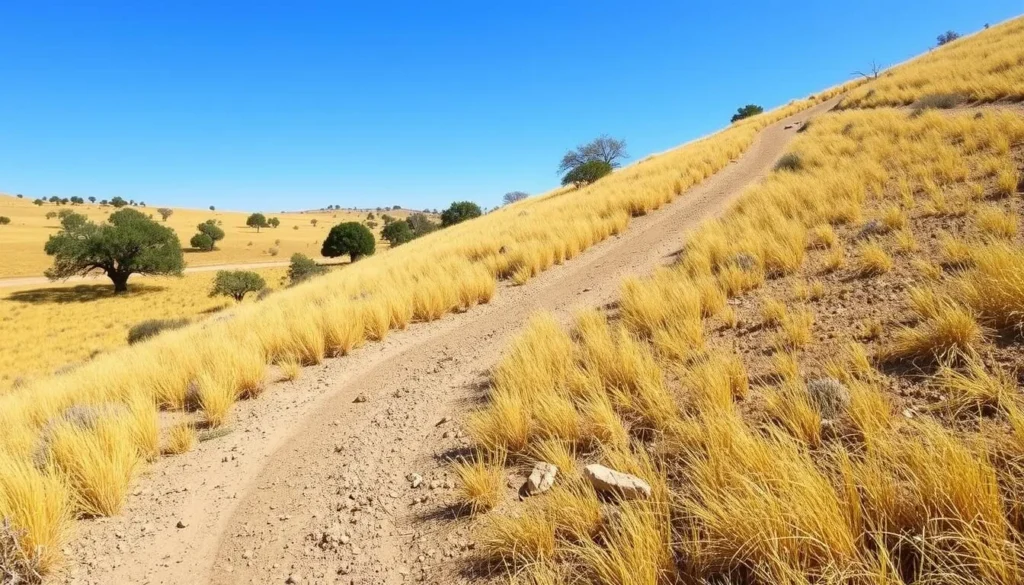
San Rafael State Natural Area is best explored on foot. The natural area features several unmarked routes that traverse diverse landscapes, requiring good navigation skills but rewarding adventurous hikers with solitude and pristine views.
Transportation Options
- Personal Vehicle – Required to reach the natural area as there is no public transportation to the site
- High-Clearance Vehicles – Recommended, especially during monsoon season when roads may be rough
- Hiking – The primary way to explore once inside the natural area
There is no shuttle service within the natural area, and the primitive nature of the trails means that accessibility is limited for visitors with mobility challenges. The entrance area and short sections of trail near the ranch house are relatively flat and may be navigable for wheelchairs, but most trails traverse uneven terrain.
IMPORTANT ALERT: Due to the natural area’s proximity to the international border, visitors may encounter Border Patrol operations. Always carry identification and be prepared to answer questions about your activities in the area.
Where to Stay
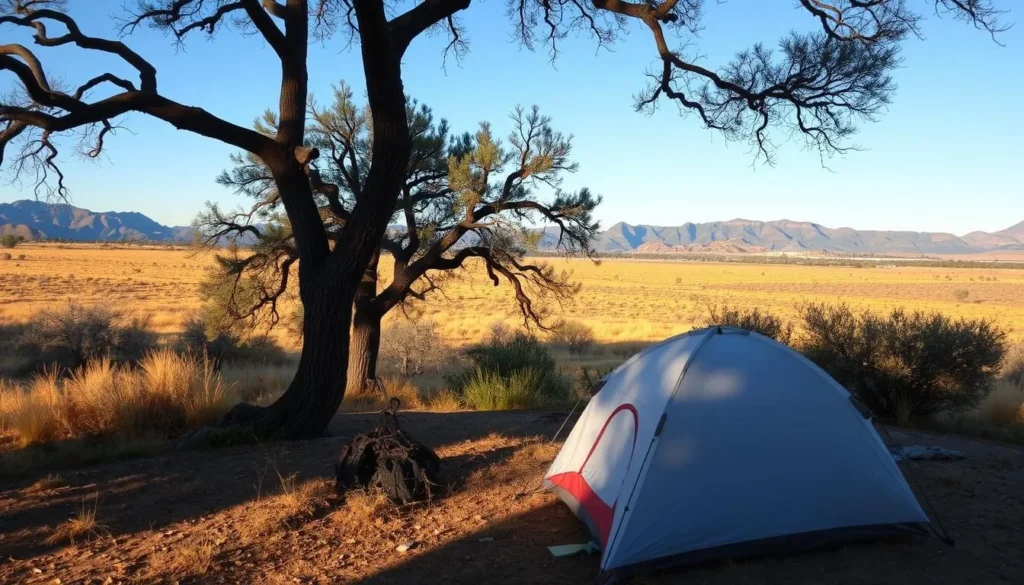
San Rafael State Natural Area offers limited and primitive camping opportunities, emphasizing self-sufficiency and low-impact principles. For those seeking more comfortable accommodations, options are available in surrounding communities.
✓ Check 30,000+ Local Sightseeing Tours Worldwide
Camping Options
The main campground consists of just 10 designated primitive sites located in the eastern portion of the natural area. These sites are suitable for tents only—no RV or trailer facilities are available. Each site typically features a level tent pad, a simple fire ring (subject to seasonal fire restrictions), and a picnic table.
Amenities are intentionally minimal with a single vault toilet serving the camping area and no shower facilities available. Potable water is not provided, so campers must bring all necessary water for drinking, cooking, and cleaning.
Nearby Accommodations
- Patagonia (15 miles north) – Several bed and breakfast establishments, including the Duquesne House Inn and the Stage Stop Inn
- Sierra Vista (30 miles east) – Wider range of hotels and motels, including national chains
- Nogales (25 miles west) – Various lodging options, including the historic Hacienda Corona de Guevavi
Camping regulations emphasize conservation ethics. Fires are permitted only in designated rings and are often prohibited during dry periods. Collection of firewood is not allowed—visitors must bring their own certified, pest-free firewood. The entire natural area operates under Leave No Trace principles.
Dining & Local Cuisine
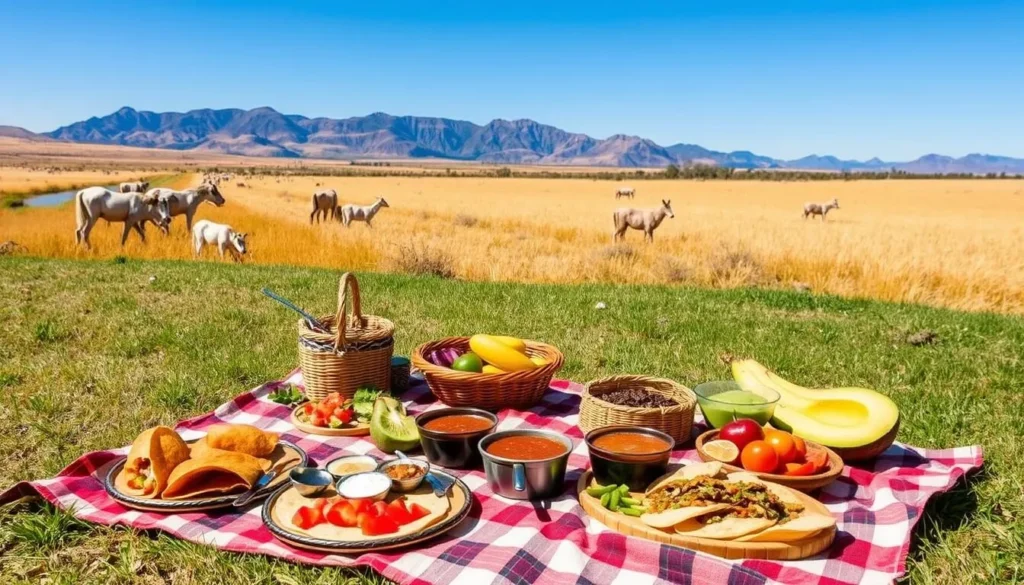
There are no dining facilities within San Rafael State Natural Area, so visitors should come prepared with all necessary food and drinks. The natural area operates on a strict pack-in, pack-out basis with no trash service provided.
Picnic Areas
Three designated picnic areas with a total of 12 tables are situated near the entrance. Each picnic site includes a table and trash receptacle, with several featuring simple stone fire rings (subject to seasonal fire restrictions).
Nearby Dining Options
- Patagonia (15 miles north)
- Gathering Grounds Café – Popular local coffee shop with light meals
- Wild Horse Restaurant – Southwestern cuisine and American classics
- Sonoita (25 miles north)
- The Café – Farm-to-table cuisine featuring local ingredients
- Sonoita Vineyards – Wine tasting with light fare
LOCAL TIP: Pack a picnic lunch to enjoy at one of the scenic overlooks within the natural area. The Wedge Overlook, with its views of the “Little Grand Canyon,” makes an especially memorable dining spot.
Attractions, Sightseeing & Activities
Historic San Rafael Ranch
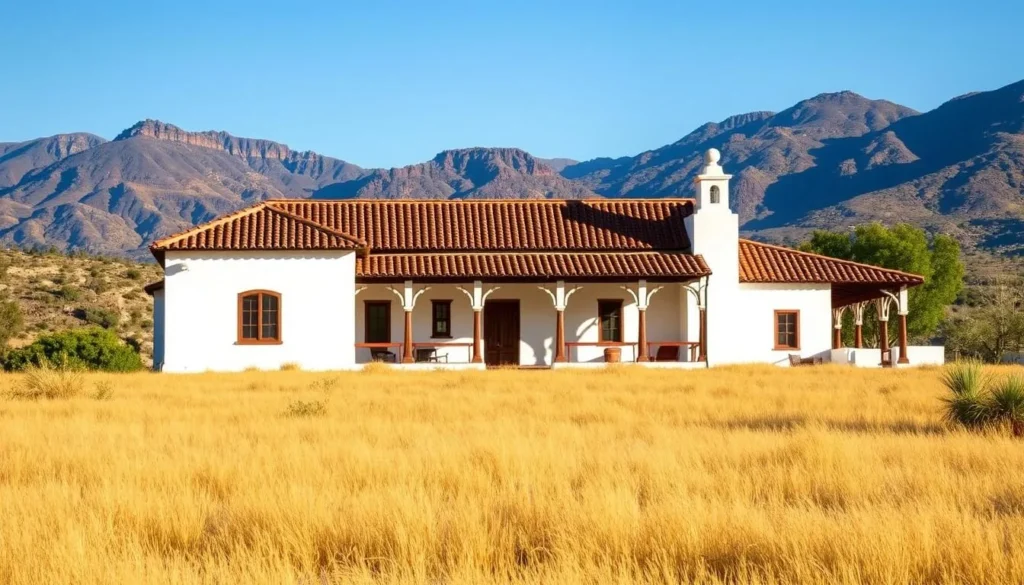
The heart of San Rafael is the historic San Rafael Ranch, with its sprawling grasslands, oak-studded hills, and the critically important Santa Cruz River headwaters. The ranch house itself, built in 1900, is a registered National Historic Landmark and serves as a stunning example of territorial ranch architecture. This Spanish Colonial Revival-style hacienda may look familiar to film enthusiasts—it was featured prominently in the classic 1958 western “Oklahoma!”
The ranch house is occasionally open for guided tours on select weekends, typically the first Saturday of each month. These tours must be reserved in advance and fill quickly.
The Wedge Overlook
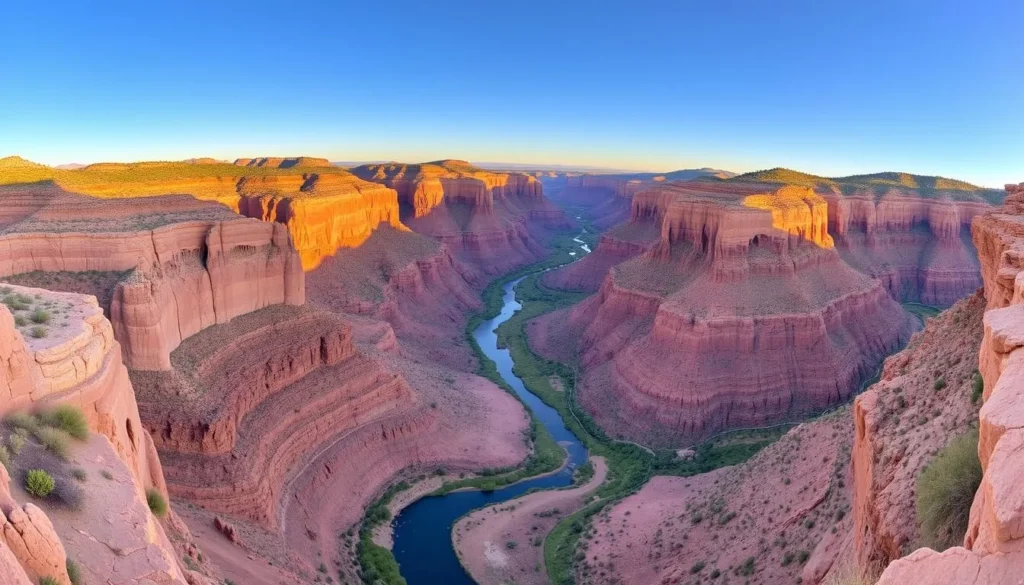
This spectacular viewpoint offers breathtaking vistas of what locals call the “Little Grand Canyon,” where the Santa Cruz River has carved a dramatic canyon through the landscape. The river provides some greenery at the bottom, and the canyon walls seem to change colors as clouds roll by. This spot offers one of the most impressive and least-visited views in southern Arizona.
Santa Cruz River Headwaters
The Santa Cruz River, which originates just south of the park in Mexico, flows northward through the natural area, creating an essential ribbon of life. This stretch represents one of the few remaining perennial segments of the Santa Cruz, meaning it flows year-round—a rarity in Arizona’s arid landscape.
Grassland Ecosystem
The rolling grasslands of San Rafael represent one of the most intact grassland ecosystems remaining in the Southwest. These grasslands, dotted with mesquite and oak, stretch toward the horizon and provide habitat for numerous species of plants and animals.
Museums, Cultural Spots & Festivals
Cultural Heritage
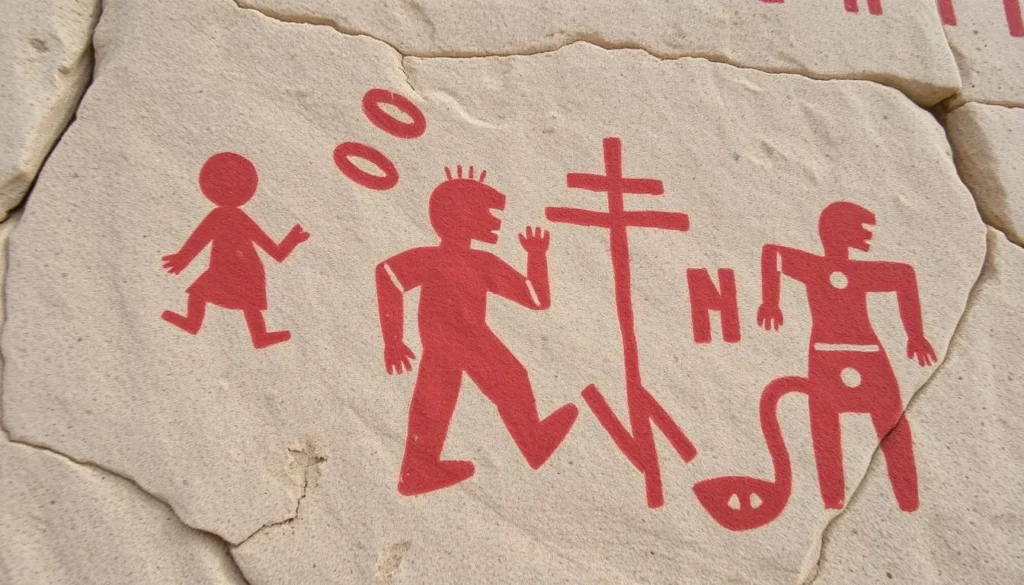
Archaeological evidence suggests human habitation in the San Rafael Valley dating back approximately 12,000 years, with artifacts from Paleo-Indian, Archaic, and later cultures discovered throughout the area. The O’odham (historically known as Pima and Papago) and Apache peoples utilized these lands extensively before European contact.
Indigenous connections to the land continue to the present day. The Tohono O’odham Nation considers portions of the San Rafael Valley to be part of their traditional territories, and tribal members maintain cultural practices connected to plants and landmarks within the natural area.
Nearby Cultural Attractions
- Patagonia Museum (15 miles north) – Focuses on the local history of the area
- Tubac Presidio State Historic Park (40 miles northwest) – Arizona’s first state park preserves the ruins of the oldest Spanish presidio in Arizona
- Tumacácori National Historical Park (35 miles northwest) – Preserves the ruins of three Spanish mission communities
Regional Festivals
- Patagonia Fall Festival (October) – Arts, crafts, music, and food celebrating the culture of the region
- Santa Cruz County Fair (September) – Authentic rural fair showcasing the ranching heritage that defined the San Rafael Valley
- Sonoita Horse Races (May) – Kentucky Derby day races at the oldest continuous horse track in Arizona
Sports, Nature & Outdoor Experiences
Bird Watching
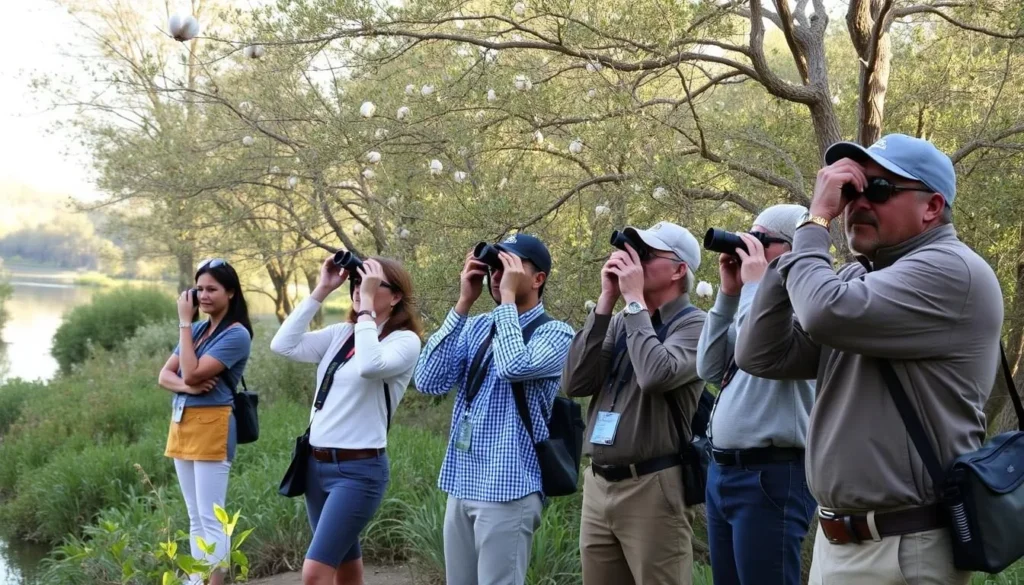
San Rafael State Natural Area represents one of Arizona’s premier birding destinations, protecting rare riparian habitat along the Santa Cruz River. The area supports over 300 documented bird species, including rarities like the gray hawk, elegant trogon, and varied bunting. The cottonwood-willow forests create crucial habitat for neotropical migrants, while surrounding grasslands host distinctive species including Botteri’s sparrow and grasshopper sparrow.
The spring migration period (April-May) offers particularly exceptional birding opportunities when dozens of warbler species pass through the area.
Hiking & Trail Exploration
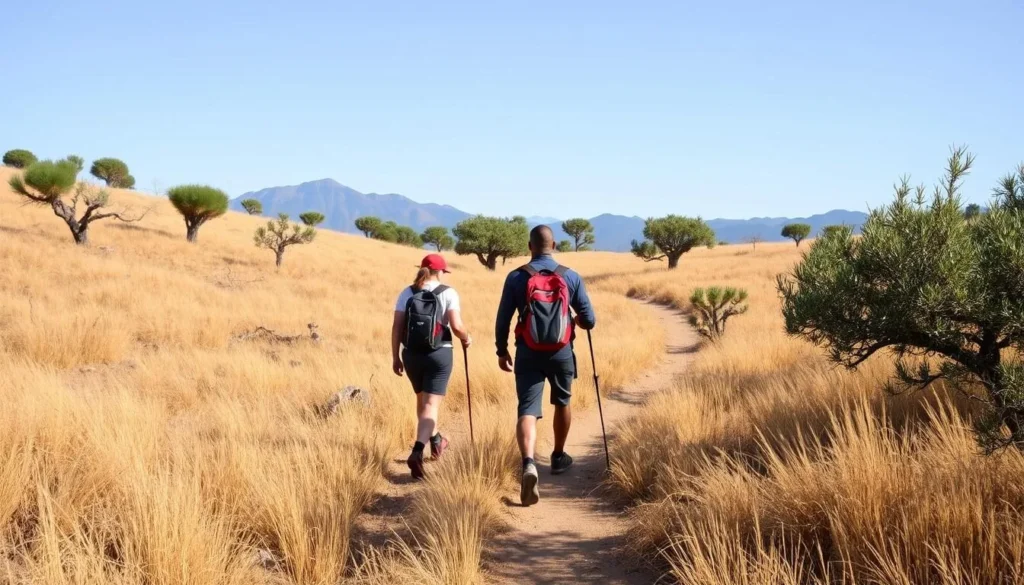
Several primitive trails traverse the diverse landscapes within this conservation area. The River Trail follows the cottonwood corridor along the Santa Cruz River, while the Grassland Loop showcases one of the finest remaining examples of native grassland in the Southwest. These unmarked routes require good navigation skills but reward adventurous hikers with solitude and pristine landscapes rarely experienced elsewhere in Arizona.
Photography
The combination of riparian corridors, expansive grasslands, and distant mountain views creates exceptional photography opportunities. Morning fog often settles in the river valley, creating ethereal scenes as sunlight filters through the mist and cottonwood canopy. Seasonal changes bring dramatic transformations, from summer monsoon storms to autumn colors in the riparian trees.
Stargazing
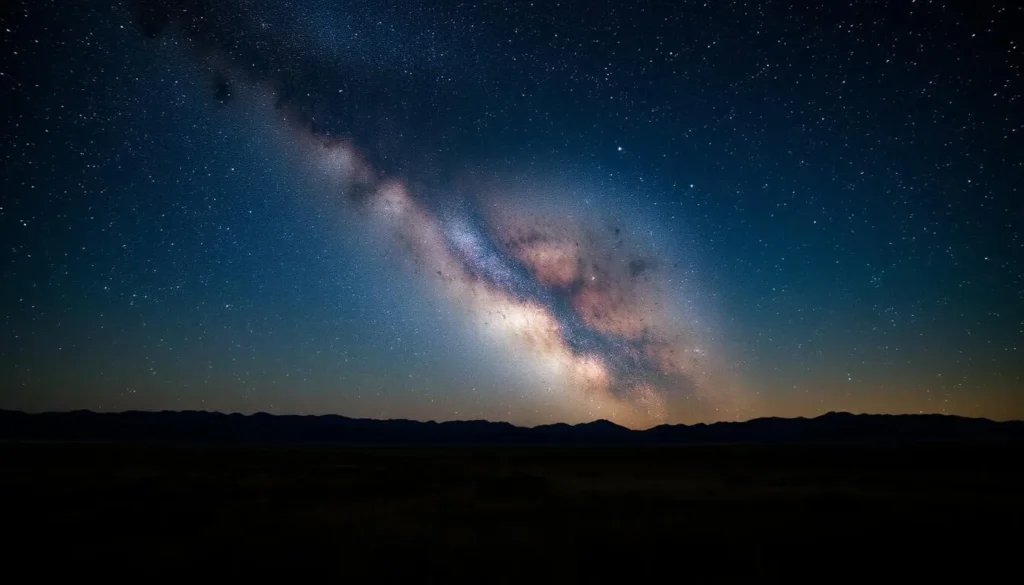
Located far from urban areas with minimal light pollution, the natural area offers exceptional dark sky conditions for astronomy enthusiasts. The high elevation and clear air create ideal conditions for observing celestial objects. The open grasslands provide unobstructed horizons for viewing constellations, planets, and astronomical events against a dramatic landscape backdrop.
Safety, Etiquette & Local Customs
Safety Considerations
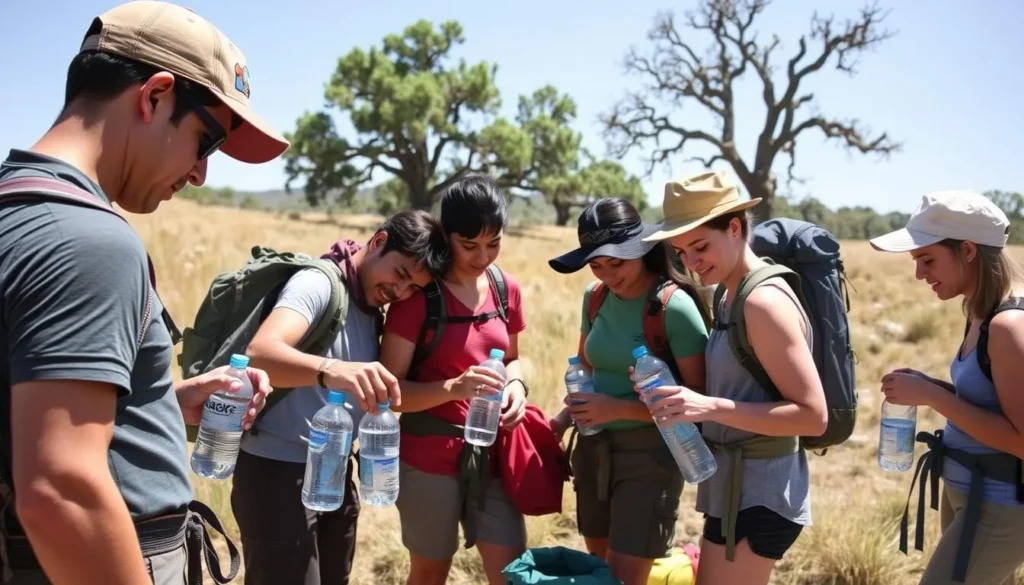
- Water – Bring all necessary water as no potable water is available in the natural area
- Weather – Be prepared for rapid weather changes, especially during monsoon season (July-September)
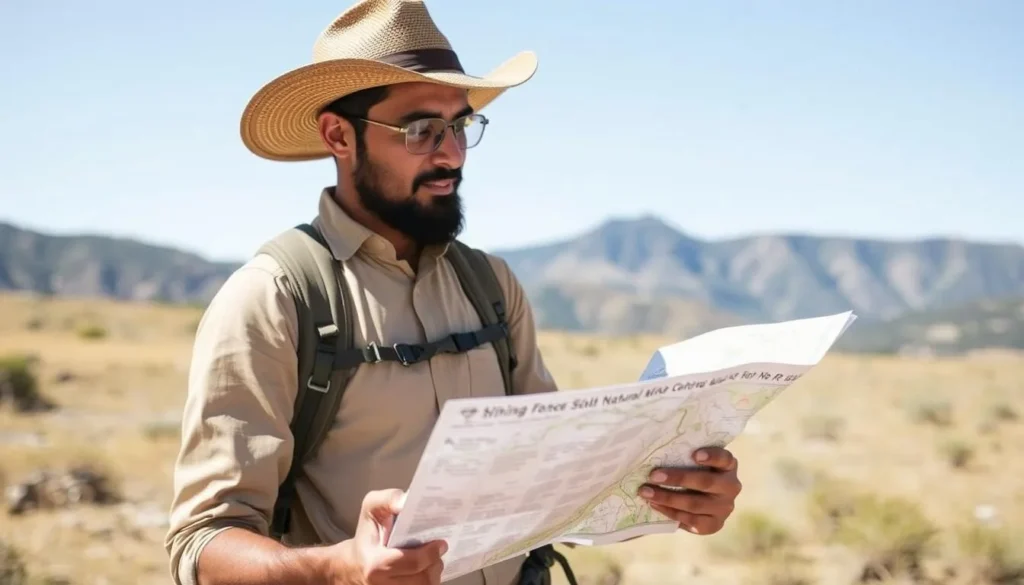
- Navigation – Trails are unmarked; bring topographic maps and compass/GPS
- Wildlife – Respect wildlife by maintaining distance; watch for rattlesnakes in warmer months
- Border Proximity – Carry identification due to the area’s location near the international border
Leave No Trace Principles
The San Rafael Natural Area operates under comprehensive Leave No Trace principles:
- Plan ahead and prepare for limited facilities
- Travel and camp on designated surfaces only
- Dispose of waste properly (pack out all trash)
- Leave all natural and cultural objects as found
- Minimize campfire impacts by using only designated fire rings
- Respect wildlife by observing from a distance
- Be considerate of other visitors by keeping noise levels low
IMPORTANT ALERT: The grasslands and riparian areas of San Rafael are particularly sensitive to human impact. Please stay on designated trails, avoid creating new paths, and never drive off-road vehicles through the grasslands.
Visitor Comments About San Rafael State Natural Area
“I’ve traveled to many natural areas across the American Southwest, but San Rafael offered something truly special. The combination of pristine grasslands and the riparian corridor along the Santa Cruz River created a diversity of landscapes I hadn’t expected. Spotting a gray hawk soaring above the cottonwoods was the highlight of my visit. This hidden gem deserves more recognition while still maintaining its unspoiled character.”
“As an avid photographer, I found San Rafael State Natural Area to be a paradise of untapped potential. The morning light filtering through the mist along the river created ethereal scenes unlike anything I’ve captured elsewhere in Arizona. The solitude was remarkable – I spent an entire day at the Wedge Overlook without seeing another person. Just be prepared with plenty of water and good navigation skills.”
“Our family camping trip to San Rafael was an incredible experience in getting back to basics. The kids were amazed by the night sky – we counted dozens of shooting stars! The primitive facilities meant we had to be well-prepared, but that was part of the adventure. The historic ranch house tour was fascinating and gave us a deeper appreciation for the area’s cultural heritage. We’ll definitely return in spring to see the wildflowers.”
Additional Nearby Destinations

Within 30 km (20 miles)
- Patagonia Lake State Park – A 42-hectare (105-acre) man-made lake offering fishing, swimming, camping, and boating opportunities
- Patagonia-Sonoita Creek Preserve – Protected riparian area with excellent birdwatching opportunities
- Sonoita Wine Country – Several vineyards and tasting rooms showcasing Arizona wines
Within 80 km (50 miles)
- Coronado National Memorial – Commemorates the Francisco Vásquez de Coronado expedition with hiking trails and cave exploration
- Ramsey Canyon Preserve – Known as the “Hummingbird Capital” with diverse bird species
- Kartchner Caverns State Park – Features spectacular living limestone cave formations
- Tumacácori National Historical Park – Preserves the ruins of three Spanish mission communities
Practical Travel Tips
Entrance Information
Entrance fees are $7 per vehicle (up to four adults), payable at the entrance booth by cash or check only—credit cards are not accepted. An annual Arizona State Parks Pass ($75) covers entrance fees for all state parks and natural areas and represents a good value for frequent visitors.
What to Bring
- Water – At least 2 liters per person for day visits, more for camping
- Food – No food services available within the natural area
- Navigation – Topographic maps, compass, and/or GPS device
- Sun Protection – Hat, sunscreen, sunglasses, and lightweight long-sleeved clothing
- First Aid Kit – Basic supplies for minor injuries
- Binoculars – Essential for wildlife viewing and birdwatching
Cell Service & Connectivity
Cell service is extremely limited throughout the natural area, with most carriers showing no service or occasional single bars. Visitors should not rely on mobile phones for communication or navigation. Internet availability is non-existent, and no Wi-Fi services are provided.
Pet Policies
Pets are permitted in the natural area but must be kept on leashes no longer than six feet at all times. Pets are not allowed in buildings or in the Santa Cruz River to protect water quality and sensitive riparian habitat. Owners must pick up and properly dispose of pet waste.
Embrace the Untamed Beauty of Arizona’s Hidden Gem
San Rafael State Natural Area offers a rare glimpse into Arizona’s natural heritage in its most undisturbed form. As one of the least-visited units in the state park system, it provides not only sanctuary for diverse wildlife but also for visitors seeking authentic connection with the natural world away from crowds. The combination of ecological significance, cultural history, and pristine landscapes makes this hidden corner of Arizona a destination that rewards those willing to venture beyond the typical tourist path. Whether you come to photograph the ethereal morning mist over the Santa Cruz River, spot rare bird species in the cottonwood canopy, or simply soak in the vast silence of the grasslands, San Rafael State Natural Area promises an experience that connects you to the wild heart of the Southwest in ways that more developed destinations simply cannot match.
Related Posts

Patagonia-Sonoita Creek Preserve, Arizona: Best Things to Do – Top Picks
Yuma Territorial Prison State Historic Park, Arizona: Best Things to Do – Top Picks
Windsor Beach (Lake Havasu State Park), Arizona: Best Things to Do – Top Picks

White Pocket, Arizona: Best Things to Do – Top Picks

White Mountains, Arizona: Best Things to Do – Top Picks
Walnut Canyon National Monument, Arizona: Best Things to Do – Top Picks
Coming Soon: Clickable Maps