
Hotels by Trip.com
Flights by Trip.com
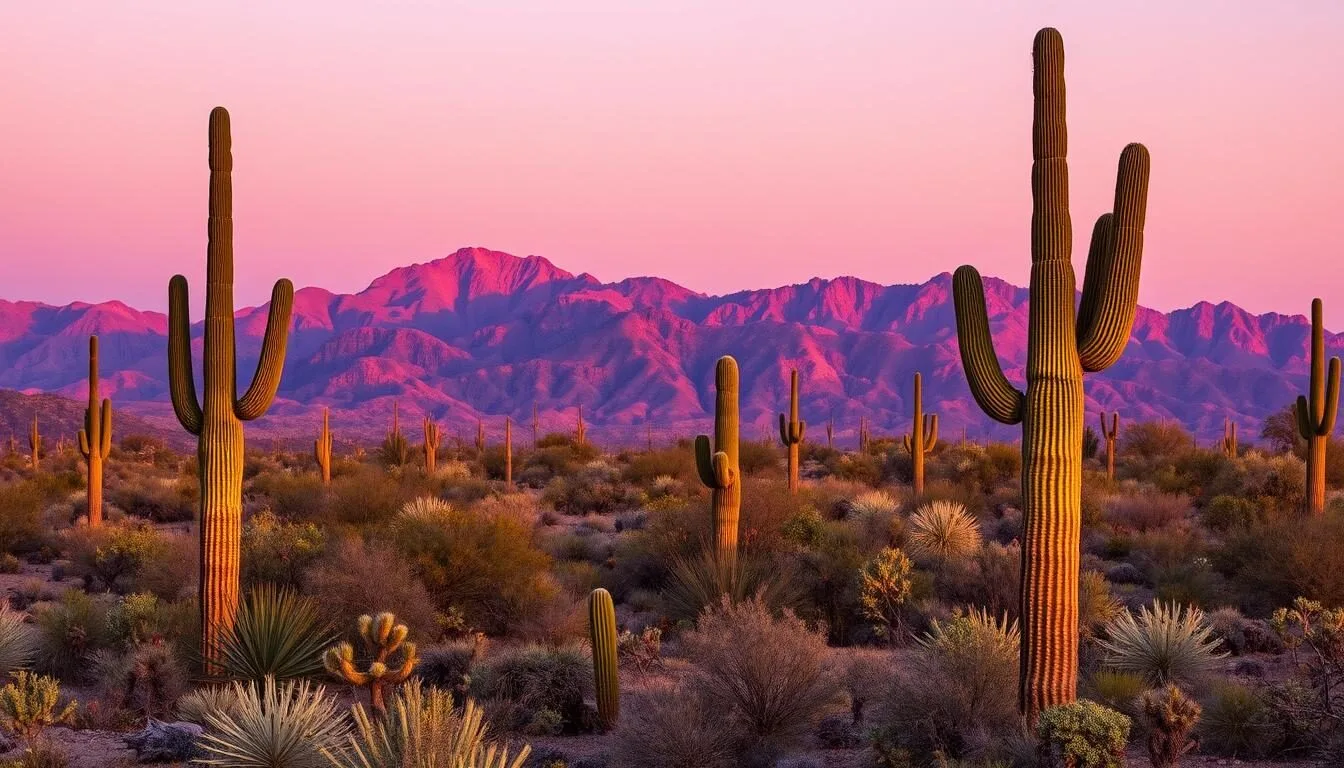
The Sonoran Desert is the only place on Earth where the iconic saguaro cactus grows wild, creating a landscape unlike any other in the world. Spanning 100,000 square miles across Arizona, California, and Mexico, this unique desert ecosystem receives twice the rainfall of other North American deserts, supporting an astonishing biodiversity of over 2,000 plant species and 550 vertebrate species. Whether you’re seeking adventure, tranquility, or natural wonder, the Sonoran Desert offers experiences that will leave you in awe of its surprising beauty and resilience.
Getting There & Planning Your Journey
The Sonoran Desert is most easily accessed through two major gateways: Phoenix and Tucson. Phoenix Sky Harbor International Airport (PHX) serves as the primary entry point, offering connections to over 100 domestic and international destinations. Located just 5 km (3 miles) east of downtown Phoenix, it provides convenient access to the northern portions of the Sonoran Desert.
Tucson International Airport (TUS), situated 13 km (8 miles) south of downtown Tucson, offers a more direct route to the southern regions of the desert. While smaller than Phoenix’s airport, it still provides numerous domestic connections and is often less crowded.
For those driving from neighboring states, Interstate 10 runs through both Phoenix and Tucson, while Interstate 8 provides access from California. When planning your journey, consider that the Sonoran Desert spans a vast area with numerous access points to different attractions, so identifying your priority destinations is essential for efficient trip planning.
Best Time to Visit & Weather Tips
The ideal time to explore the Sonoran Desert is from October through April when temperatures are pleasantly moderate. During these months, daytime temperatures typically range from 18°C to 28°C (65°F to 82°F), with cool evenings dropping to 7°C to 15°C (45°F to 59°F). This comfortable weather window makes outdoor activities enjoyable and safe.
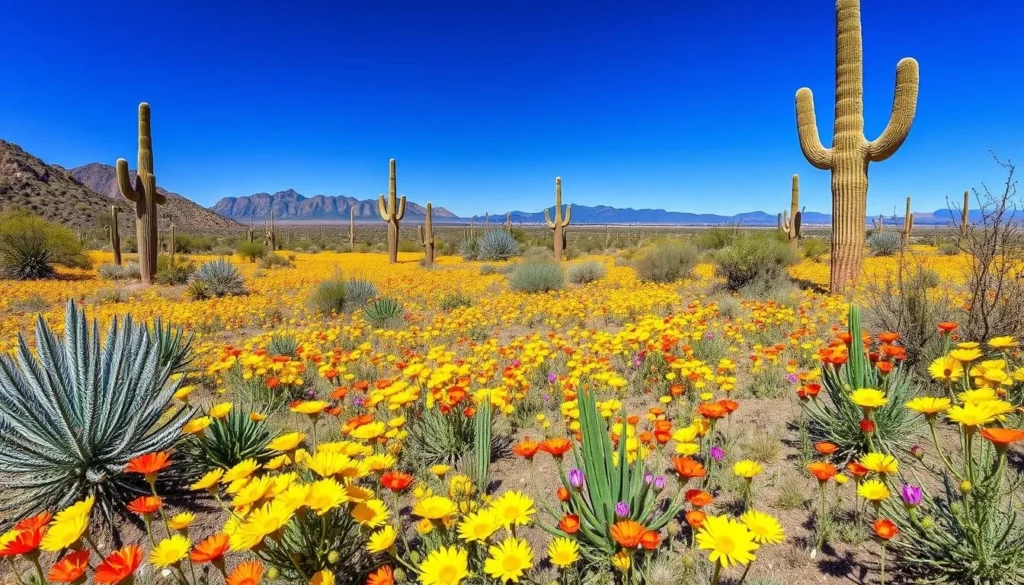
Spring (March-April) offers a spectacular bonus: wildflower blooms that transform the desert into a canvas of vibrant colors after winter rains. This is also when many cacti, including the iconic saguaro, display their delicate white flowers.
Summer months (June-August) bring extreme heat, with temperatures regularly exceeding 38°C (100°F) and occasionally climbing above 43°C (110°F). These conditions make outdoor activities dangerous without proper preparation and are best avoided by most visitors.
The monsoon season (July-September) brings dramatic afternoon thunderstorms, creating spectacular skies but also flash flood risks in desert washes. If visiting during this period, plan morning activities and be vigilant about weather forecasts.
Getting Around Locally
Navigating the Sonoran Desert region requires some planning, as public transportation options are limited outside urban centers. Renting a vehicle provides the most flexibility for exploring the diverse attractions spread across this vast landscape. Most major rental companies operate at both Phoenix and Tucson airports.
For those staying within Phoenix or Tucson, ride-sharing services like Uber and Lyft are readily available and can be convenient for shorter trips. The Valley Metro light rail system in Phoenix connects downtown with Tempe and Mesa, though it doesn’t reach most desert attractions.
Many tour operators offer guided excursions to popular desert destinations, providing transportation from major hotels. These guided tours can be an excellent option for those who prefer not to drive or want to benefit from a guide’s local knowledge and expertise about the Sonoran Desert’s unique ecosystem.
If you’re planning to explore hiking trails or more remote areas, a high-clearance vehicle may be necessary for accessing certain trailheads with unpaved roads. Always carry a detailed map or use GPS, as cell service can be spotty in more remote desert areas.
Where to Stay
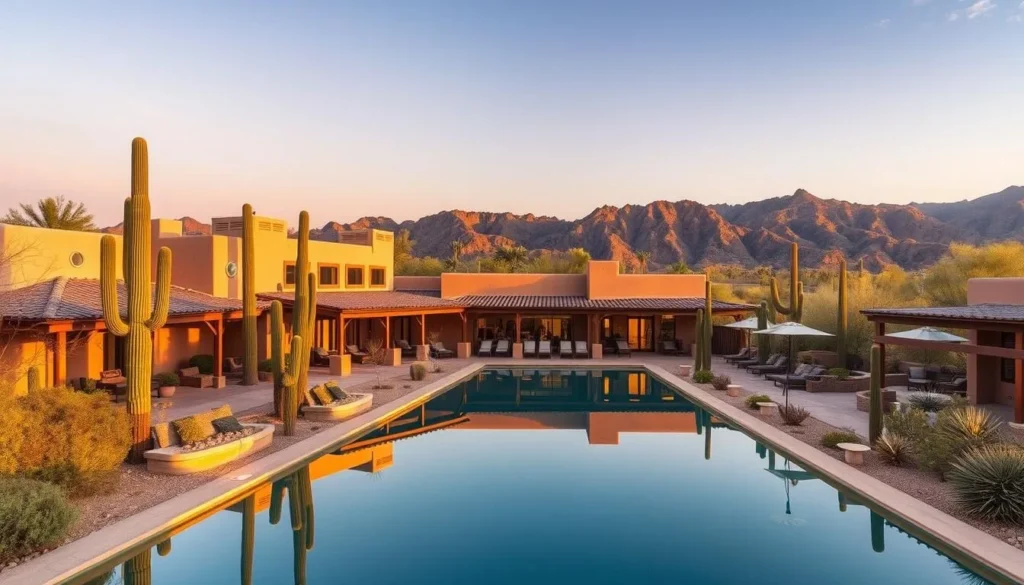
The Sonoran Desert offers diverse accommodation options to suit every preference and budget. In Phoenix and Scottsdale, luxury resorts like The Phoenician and Four Seasons Resort Scottsdale provide upscale experiences with world-class spas, golf courses, and stunning desert views. These properties often incorporate desert-inspired architecture and landscaping that harmonize with the natural surroundings.
✓ Check 30,000+ Local Sightseeing Tours Worldwide
For a more intimate experience, boutique hotels and bed-and-breakfasts in Tucson and smaller communities offer personalized service and local character. The Arizona Inn in Tucson and El Portal in Sedona exemplify this category, providing charm and comfort in historic settings.
Budget-conscious travelers will find numerous national hotel chains throughout the region, particularly along major highways and in urban centers. Additionally, vacation rentals through platforms like Airbnb and VRBO offer options ranging from desert casitas to modern apartments.
For those seeking an immersive natural experience, campgrounds in state and national parks provide opportunities to sleep under the star-filled desert sky. Popular options include Lost Dutchman State Park near Phoenix and Catalina State Park near Tucson. Some areas also permit dispersed camping on Bureau of Land Management (BLM) lands for a truly remote desert experience.
Dining & Local Cuisine

The Sonoran Desert region boasts a rich culinary landscape that reflects its multicultural heritage and unique native ingredients. Southwestern and Mexican influences dominate local cuisine, with signature dishes that shouldn’t be missed during your visit.
The Sonoran hot dog—a bacon-wrapped hot dog topped with beans, onions, tomatoes, and a variety of condiments—originated in Sonora, Mexico, and has become a beloved street food throughout southern Arizona. For an authentic experience, visit El Güero Canelo in Tucson, recipient of a James Beard Award for this regional specialty.
Native desert ingredients feature prominently in innovative local restaurants. Look for dishes incorporating prickly pear cactus fruit, mesquite flour, cholla buds, and saguaro seeds. The prickly pear margarita, with its vibrant magenta color and sweet-tart flavor, has become an iconic regional cocktail.
Phoenix’s dining scene has exploded in recent years, with acclaimed restaurants like Barrio Café, FnB, and Kai at Wild Horse Pass showcasing sophisticated interpretations of regional cuisine. Kai, the only AAA Five Diamond and Forbes Five Star Native American restaurant in the world, offers a menu deeply rooted in the heritage of the Pima and Maricopa tribes.
Farmers’ markets in both Phoenix and Tucson provide opportunities to sample local products, from artisanal cheeses and honey to desert-adapted fruits and vegetables. The Santa Cruz River Farmers’ Market in Tucson and the Phoenix Public Market are excellent starting points for culinary exploration.
Attractions, Sightseeing & Activities
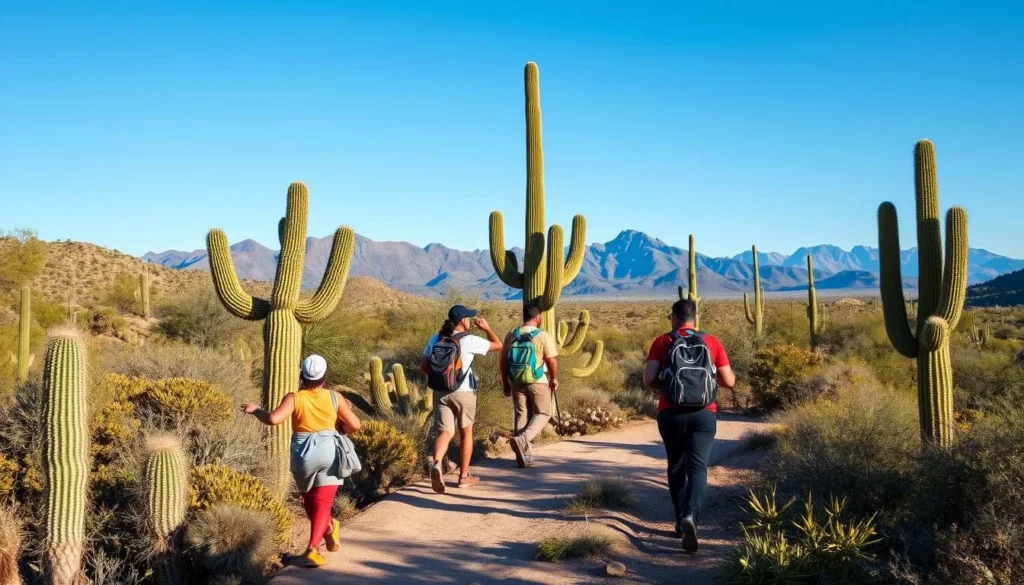
The Sonoran Desert offers a wealth of attractions that showcase its natural beauty and cultural significance. Saguaro National Park, with its eastern and western districts flanking Tucson, protects dense forests of the iconic saguaro cactus. The park’s scenic drives and hiking trails provide opportunities to experience these majestic plants up close, with the Bajada Loop Drive and Valley View Overlook Trail being particularly popular options.
South Mountain Park and Preserve in Phoenix, one of the largest municipal parks in North America, encompasses over 16,000 acres of desert landscape. Its 82 km (51 miles) of trails accommodate hikers, mountain bikers, and horseback riders, while Dobbins Lookout offers panoramic views of the Phoenix metropolitan area.
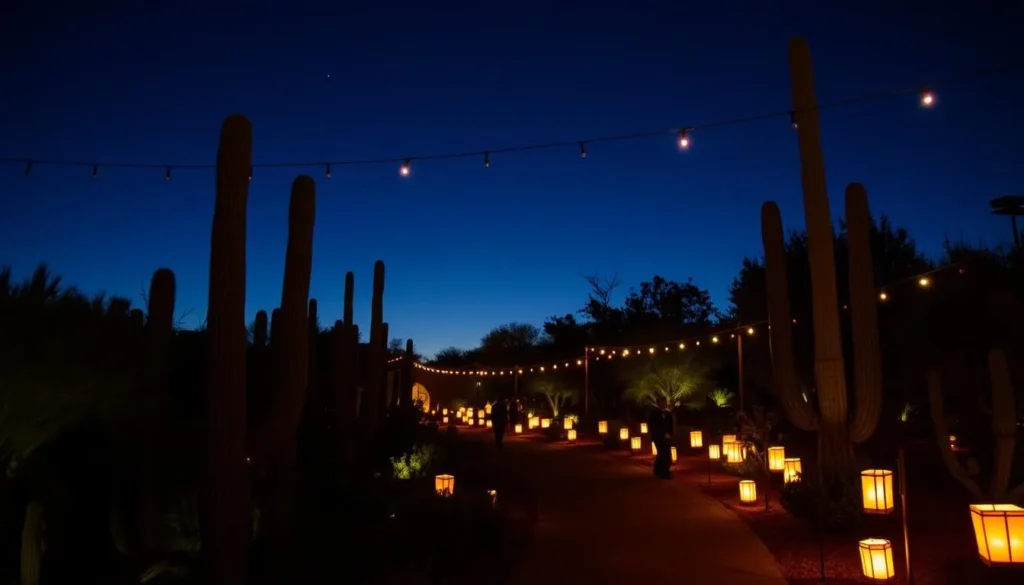
The Desert Botanical Garden in Phoenix showcases the diversity of desert plants from around the world, with special emphasis on Sonoran Desert species. Its thematic gardens, art installations, and seasonal events like Las Noches de las Luminarias provide educational and aesthetic experiences for visitors of all ages.
For a unique perspective on the desert landscape, hot air balloon rides offer breathtaking views at sunrise or sunset. Companies like Rainbow Ryders provide this unforgettable experience, often followed by a champagne toast to celebrate the adventure.
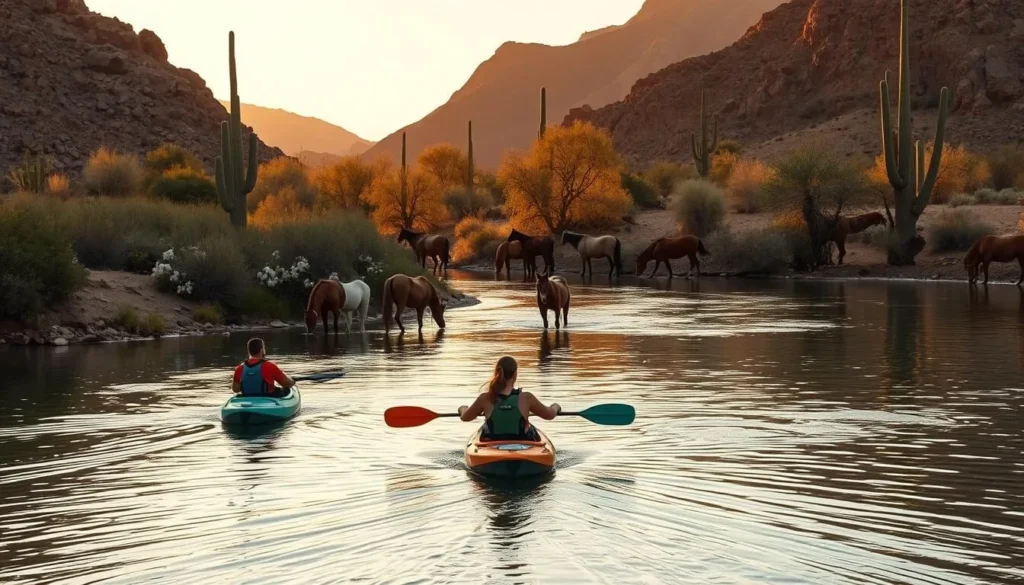
Water activities might seem unexpected in a desert environment, but the Salt River and Lake Pleasant near Phoenix offer opportunities for kayaking, paddleboarding, and tubing. The Salt River is also home to a herd of wild horses, frequently spotted along the shoreline during water excursions.
Museums, Cultural Spots & Festivals
The Sonoran Desert region is rich in cultural heritage, with museums and cultural sites that illuminate the area’s fascinating history and contemporary significance. The Arizona-Sonora Desert Museum near Tucson combines elements of a zoo, botanical garden, and natural history museum to provide a comprehensive introduction to the region’s ecology. Its 2 miles of walking paths wind through habitats showcasing 230 animal species and 1,200 types of plants.
The Heard Museum in Phoenix celebrates Native American cultures, with particular emphasis on tribes of the Southwest. Its world-renowned collection includes historical artifacts, contemporary art, and immersive exhibits that provide context and understanding of indigenous perspectives.
Mission San Xavier del Bac, a stunning example of Spanish colonial architecture dating to the late 18th century, continues to serve the Tohono O’odham community south of Tucson. Often called the “White Dove of the Desert,” its ornate interior features original paintings and sculptures that reflect the blending of European and indigenous artistic traditions.
Throughout the year, festivals celebrate the region’s diverse cultural influences. The Tucson Gem and Mineral Show, held annually in February, draws visitors from around the world. Phoenix’s Native American Fine Art Market showcases indigenous artists, while the Tucson Meet Yourself festival highlights the area’s multicultural heritage through food, music, and crafts.
The Desert Botanical Garden hosts seasonal events including Las Noches de las Luminarias during the winter holidays, when thousands of luminaria bags and subtle lighting transform the garden into a magical nighttime experience. During spring, local communities celebrate the saguaro fruit harvest with traditional ceremonies that honor this desert icon.
Nature & Outdoor Experiences
The Sonoran Desert offers unparalleled opportunities to connect with nature through diverse outdoor experiences. Hiking remains one of the most popular activities, with trails suitable for all skill levels. Camelback Mountain and Piestewa Peak in Phoenix provide challenging summit hikes with rewarding views, while the Wind Cave Trail in Usery Mountain Regional Park offers a more moderate experience with fascinating geology and plant life.
Wildlife viewing opportunities abound throughout the region. The McDowell Sonoran Preserve in Scottsdale provides habitat for javelinas, coyotes, and numerous bird species. Early morning and late afternoon offer the best chances to spot wildlife when animals are most active. The Sweetwater Wetlands in Tucson attracts over 300 bird species, making it a paradise for birdwatchers.
Mountain biking enthusiasts will find extensive trail networks at Brown’s Ranch in Scottsdale and Fantasy Island in Tucson. These purpose-built trails feature varying technical challenges while showcasing the beauty of the desert landscape.
For a unique perspective, horseback riding allows visitors to experience the desert as early settlers did. Stables like Ponderosa in South Mountain Park offer guided rides suitable for beginners and experienced riders alike.
The Lower Salt River provides a refreshing contrast to the arid surroundings, with opportunities for kayaking, paddleboarding, and tubing. The river is home to a herd of wild horses, creating magical moments when these majestic animals are spotted drinking at the water’s edge. Several outfitters offer equipment rentals and guided experiences on this desert waterway.
Safety, Etiquette & Local Customs
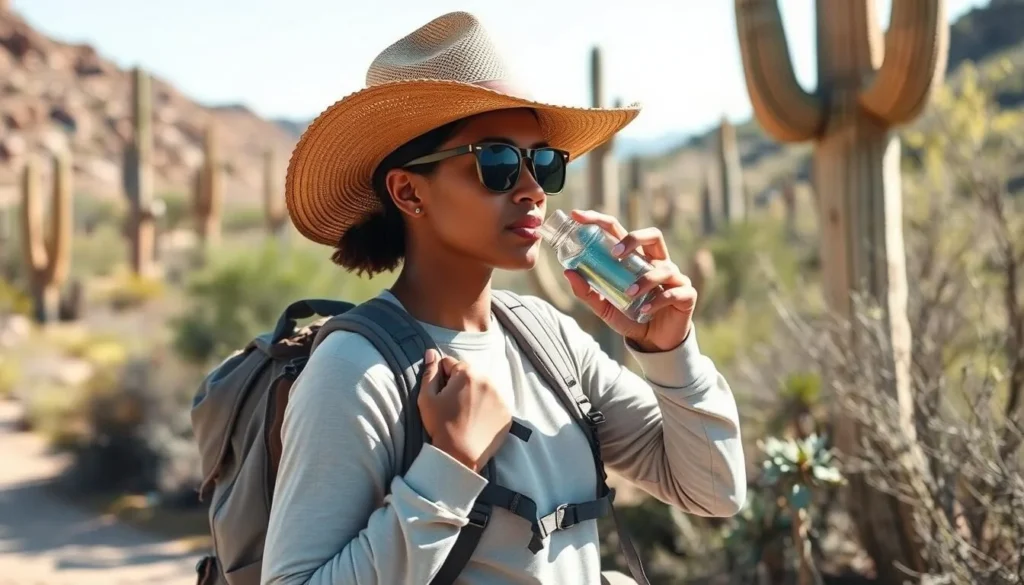
Safety in the Sonoran Desert requires preparation and respect for the environment. Heat-related illnesses pose the greatest risk, particularly from May through September. Always carry at least 1 liter (1 quart) of water per hour of planned outdoor activity—and more during summer months. Wear lightweight, light-colored clothing that covers your skin, along with a wide-brimmed hat and high-SPF sunscreen.
Begin outdoor activities early in the morning to avoid peak heat, and know the signs of heat exhaustion and heat stroke. If you experience dizziness, headache, or nausea, seek shade immediately, drink water, and cool your body. Cell service can be unreliable in remote areas, so inform someone of your plans before venturing out.
Desert wildlife generally avoids human contact, but maintain awareness of your surroundings. Watch where you place your hands and feet to avoid rattlesnakes, scorpions, and other venomous creatures. If you encounter a rattlesnake, remain calm and slowly back away—they strike only when threatened.
Flash floods can occur rapidly during monsoon season (July-September), even when skies above you are clear. Never enter slot canyons or desert washes if rain is forecast anywhere in the area. If caught in a storm, move to higher ground immediately.
When visiting protected areas, practice Leave No Trace principles: stay on designated trails, pack out all trash, and leave natural objects and cultural artifacts where you find them. It’s illegal to collect plants, rocks, or artifacts from public lands. Respect closures of sensitive areas, which may be implemented to protect wildlife breeding grounds or fragile desert ecosystems.
Visitor Comments About Sonoran Desert
“The Sonoran Desert completely changed my perception of what a desert could be. Instead of barren emptiness, I found a vibrant ecosystem teeming with life. Hiking through Saguaro National Park at sunrise was magical—the light filtering through the cacti created an otherworldly landscape. Don’t miss the Desert Museum if you want to understand what makes this place so special.”
“As a photographer, the Sonoran Desert offers endless inspiration. The spring wildflower blooms exceeded all my expectations—fields of gold poppies stretching to the horizon. I recommend taking a hot air balloon ride for a perspective that truly captures the vastness and beauty of this landscape. Just be sure to book well in advance during peak season.”
“We visited with our children (ages 8 and 10) and were concerned about keeping them engaged in a desert environment. We needn’t have worried! The ranger programs at Sabino Canyon taught them about desert adaptation, and they were fascinated by the wildlife we spotted. Floating down the Salt River was their favorite activity—especially when we saw wild horses drinking at the shore. Just be prepared with plenty of water and sun protection.”
Additional Nearby Destinations
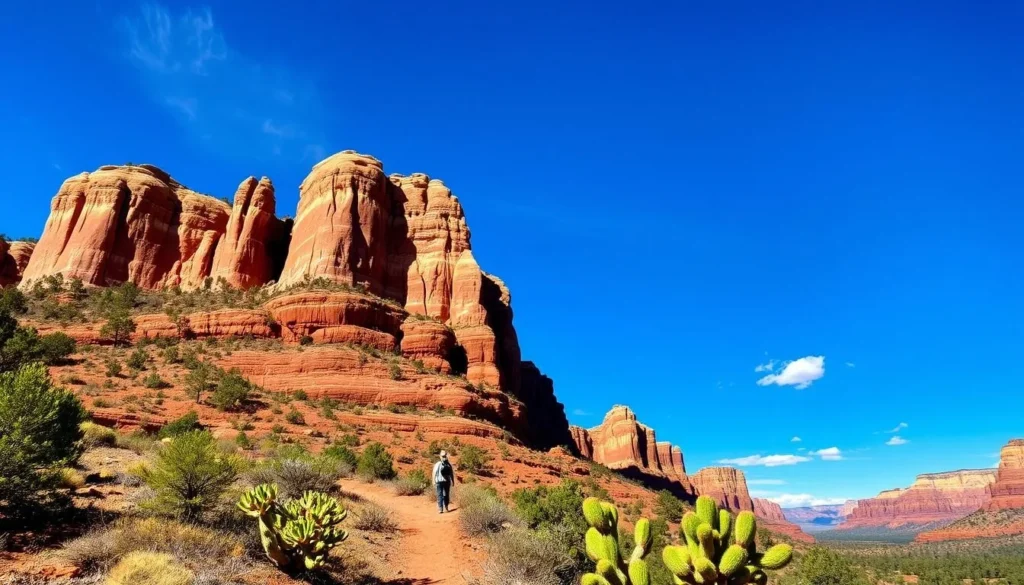
While exploring the Sonoran Desert, consider these remarkable destinations within easy reach. Sedona, located about 190 km (120 miles) north of Phoenix, offers a dramatic landscape of red rock formations set against azure skies. Known for its energy vortexes and spiritual significance, Sedona combines natural beauty with a thriving arts community and wellness culture. Popular activities include jeep tours, hiking among the red rocks, and browsing the numerous galleries in Tlaquepaque Arts & Shopping Village.
The historic mining town of Bisbee, situated 150 km (93 miles) southeast of Tucson near the Mexican border, provides a fascinating glimpse into Arizona’s past. Its well-preserved Victorian architecture, quirky shops, and mining history make it a unique destination. Take the Queen Mine Tour to experience the underground world that built this community, then explore the charming downtown area with its steep staircases and colorful buildings.
For a complete contrast to desert environments, the sky islands of southeastern Arizona offer forested mountain habitats rising dramatically from the desert floor. Mount Lemmon, just outside Tucson, climbs to 2,791 meters (9,157 feet), with temperatures typically 10-15°C (20-30°F) cooler than the valley below. The scenic Catalina Highway provides access to hiking trails, camping areas, and the charming village of Summerhaven.
The historic town of Tombstone, “The Town Too Tough to Die,” lies 113 km (70 miles) southeast of Tucson. Famous for the Gunfight at the O.K. Corral, this well-preserved frontier town offers living history demonstrations, museums, and period saloons that transport visitors back to the Wild West era of the 1880s.
Practical Travel Tips
When planning your Sonoran Desert adventure, consider these practical tips to enhance your experience. Hydration is paramount—invest in a quality insulated water bottle or hydration pack that keeps water cool despite high temperatures. The dry desert air increases water loss through respiration and perspiration, often without noticeable sweating, making dehydration a silent risk.
Vehicle preparation is essential if you’ll be exploring remote areas. Ensure your car has a full tank of fuel before leaving urban areas, as gas stations can be widely spaced. Consider carrying an emergency kit with basic tools, a spare tire in good condition, extra water, and non-perishable food. Cell service is unreliable in many desert regions, so a paper map or downloaded offline maps are wise precautions.
For photography enthusiasts, the “golden hours” around sunrise and sunset offer the most dramatic lighting for desert landscapes. The clear air and minimal light pollution in remote areas also create exceptional opportunities for night sky photography. Protect camera equipment from dust and heat, and carry spare batteries that can discharge more quickly in extreme temperatures.
When dining out, explore the region’s distinctive Mexican-influenced cuisine. Look for restaurants serving Sonoran-style dishes rather than generic Tex-Mex offerings. Local specialties like chimichurras, Sonoran hot dogs, and dishes featuring nopales (prickly pear cactus pads) provide authentic culinary experiences.
Finally, respect private property and tribal lands, which comprise significant portions of the Sonoran Desert region. Some areas require permits or guided access, particularly on Native American reservations where cultural sites hold spiritual significance. Research requirements before visiting these areas to ensure respectful and legal access.
Embrace the Desert’s Magic
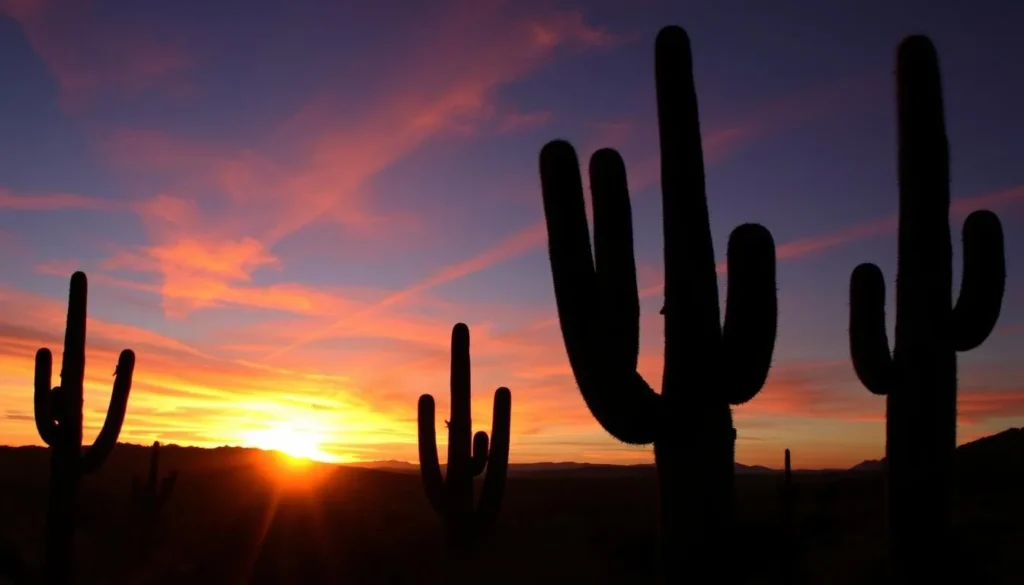
The Sonoran Desert defies expectations at every turn—a place where life thrives in seemingly impossible conditions, where ancient cultures have left their mark, and where modern adventurers continue to discover new wonders. From the silent dignity of towering saguaros to the explosive color of spring wildflowers, from star-filled night skies to dramatic monsoon storms, this remarkable landscape offers experiences that resonate long after your visit ends.
As you plan your journey to the Sonoran Desert, remember that its treasures reveal themselves to those who approach with respect, curiosity, and a willingness to adapt to desert rhythms. Take time to observe the subtle details—the way light plays across the landscape, the intricate adaptations of plants and animals, the profound silence of remote areas. These moments of connection with this extraordinary environment will become the most cherished souvenirs of your desert adventure.
The Sonoran Desert isn’t merely a destination; it’s an invitation to experience the world differently—to appreciate resilience, to find beauty in austerity, and to reconnect with natural cycles that have shaped this land for millennia. Whether you come seeking adventure, tranquility, or inspiration, the desert awaits with its timeless wisdom and unexpected delights.
Related Posts

Patagonia-Sonoita Creek Preserve, Arizona: Best Things to Do – Top Picks
Yuma Territorial Prison State Historic Park, Arizona: Best Things to Do – Top Picks
Windsor Beach (Lake Havasu State Park), Arizona: Best Things to Do – Top Picks

White Pocket, Arizona: Best Things to Do – Top Picks

White Mountains, Arizona: Best Things to Do – Top Picks
Walnut Canyon National Monument, Arizona: Best Things to Do – Top Picks
Coming Soon: Clickable Maps