
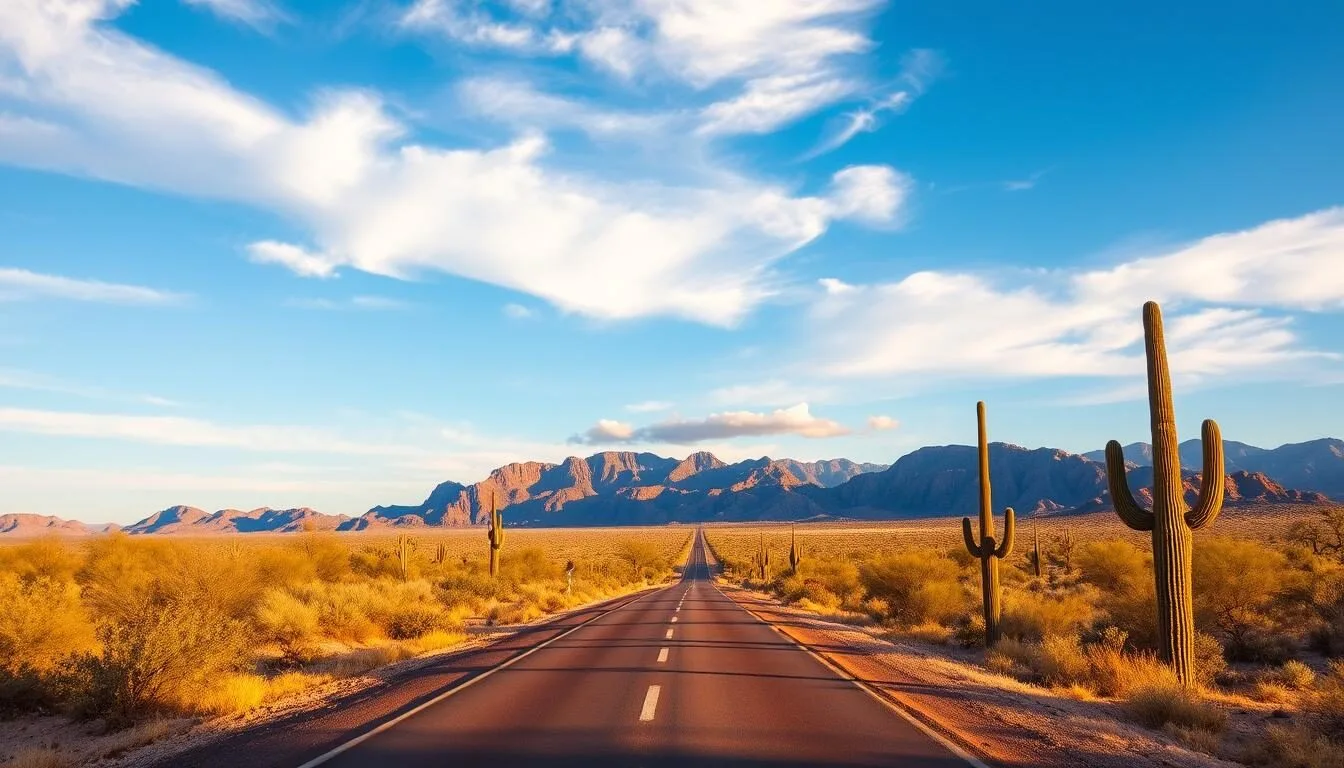
Home to the world’s most biologically diverse desert ecosystem, the Sonoran Desert National Monument protects nearly 500,000 acres of pristine desert landscape that contains one of the most spectacular saguaro cactus forests on the planet. Established in 2001, this hidden gem receives fewer visitors than many national monuments, offering a rare opportunity to experience the raw beauty of the Sonoran Desert in relative solitude.
Getting There & Planning Your Journey
The Sonoran Desert National Monument is located approximately 60 miles southwest of Phoenix, Arizona. The monument can be accessed via several routes:
- From Phoenix: Take Interstate 10 west to Exit 112 for State Route 85, then head south about 35 miles to Gila Bend. Turn left onto State Route 238 and proceed east about four miles to reach the western edge of the monument.
- From Tucson: Take Interstate 10 west to Interstate 8, then proceed west to Exit 144 (Vekol Road) to access the southern portion of the monument.
- From Phoenix (eastern access): Take Interstate 10 east/south to Exit 164 (Queen Creek Road), turn right onto State Route 347 and continue about 15 miles to Maricopa. Turn right onto State Route 238 and continue west about 16 miles to the eastern monument boundary.
The closest major airports are Phoenix Sky Harbor International Airport (approximately 75 minutes away) and Tucson International Airport (approximately 90 minutes away).
Best Time to Visit & Weather Tips
Recommended Seasons
- Late Fall (October-November): Mild temperatures between 18-29°C (65-85°F) with clear skies make this an ideal time for hiking and exploration.
- Winter (December-February): Daytime temperatures average 15-21°C (60-70°F), perfect for longer hikes. Nights can drop to 4-10°C (40-50°F).
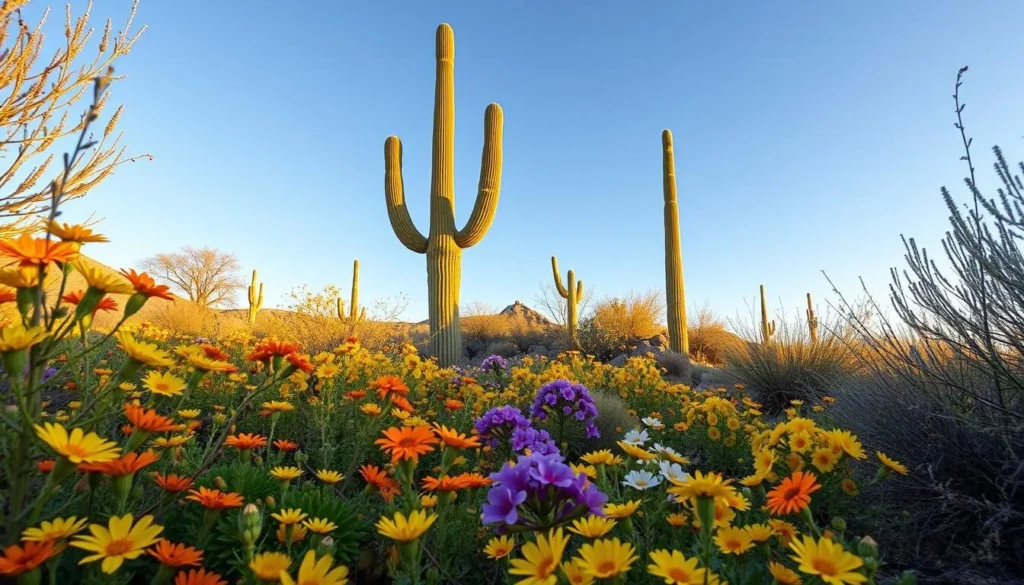
- Spring (March-April): Witness spectacular wildflower blooms, especially after wet winters. Temperatures range from 21-32°C (70-90°F).
Seasons to Avoid
- Summer (May-September): Extreme heat with temperatures regularly exceeding 38°C (100°F) and sometimes reaching 43-46°C (110-115°F). Dehydration and heat-related illnesses are serious risks.
- Monsoon Season (July-September): Sudden, intense thunderstorms can cause dangerous flash floods in washes and canyons.
Weather Tip: Early mornings and late afternoons offer the most comfortable temperatures and the most dramatic lighting for photography, regardless of season.
Getting Around Locally
Navigation within the Sonoran Desert National Monument requires preparation and the right vehicle:
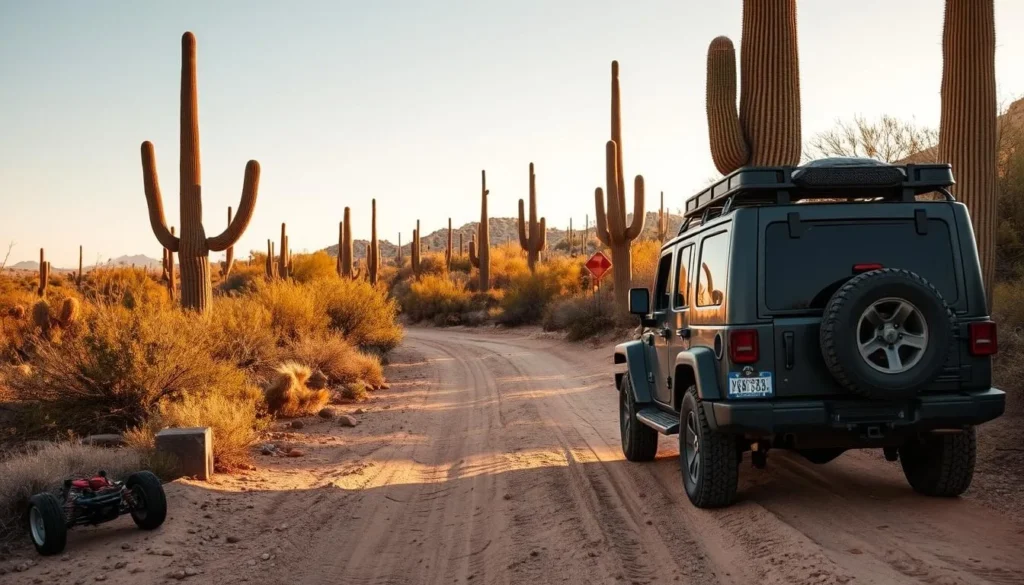
- Vehicle Requirements: Many roads within the monument are unpaved and primitive. A high-clearance vehicle is recommended, and a 4-wheel drive vehicle is necessary for exploring deeper areas, especially after rain.
- Main Access Roads: Interstate 8 and State Route 238 cross the monument and provide paved access points. The Vekol Valley Road and Maricopa Road offer dirt road access to interior areas.
- Navigation Tools: Cell service is spotty or non-existent in much of the monument. Bring physical maps, download offline maps to your device, and consider a GPS unit.
- Special Access: The Sand Tank Mountains area in the southern portion of the monument requires a free permit from the Barry M. Goldwater Range. These permits are only available online, not at BLM offices.
Important: Do not rely solely on your vehicle’s navigation system within the monument. Roads can be washed out or impassable without recent updates. Always check road conditions before your visit.
Where to Stay
The Sonoran Desert National Monument offers primitive camping options but no developed lodging facilities within its boundaries:
Camping Within the Monument
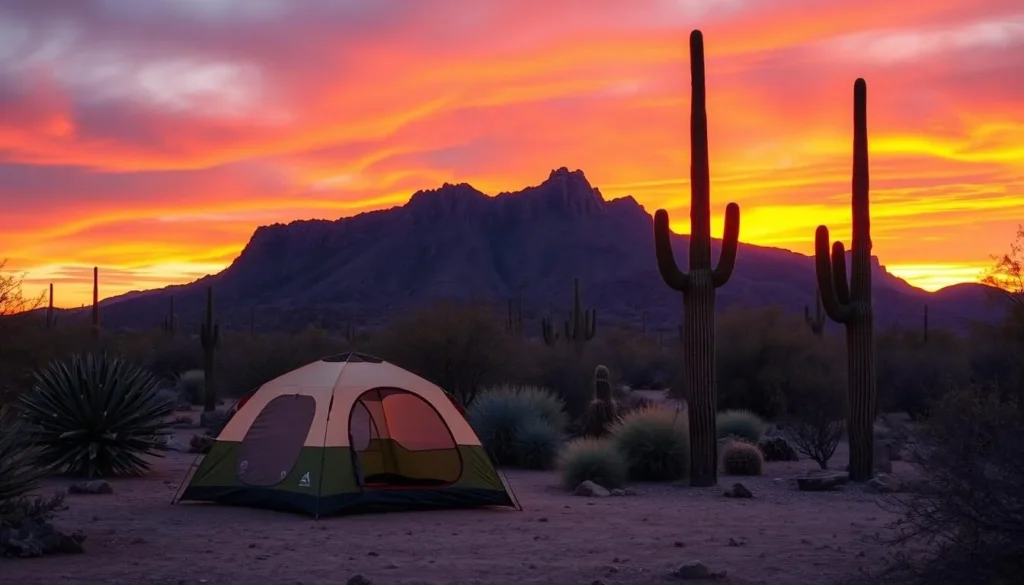
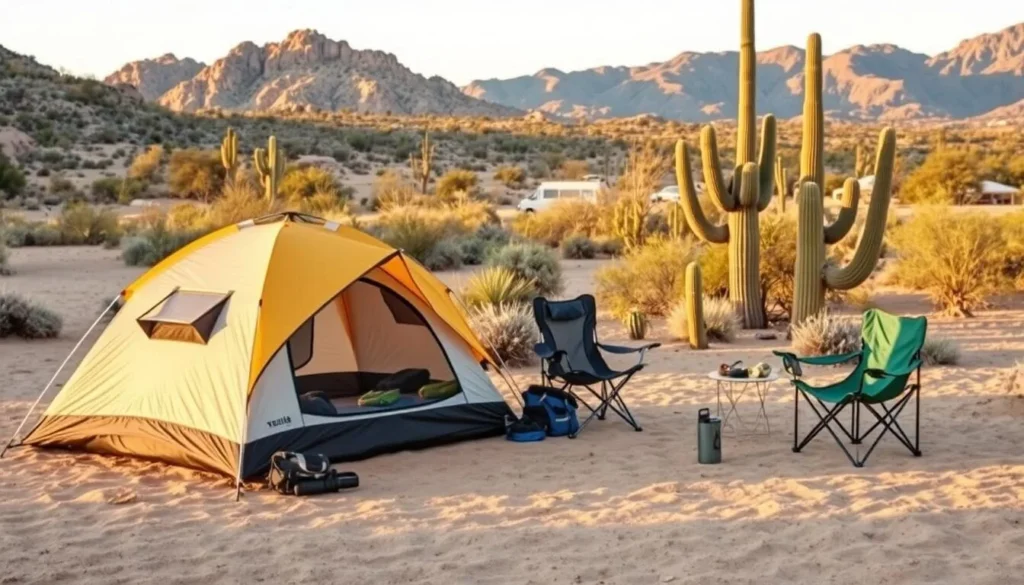
- Margie’s Cove West Campground: A primitive campground with vault toilets, fire rings, and picnic tables. No water or hookups available. First-come, first-served with no fees.
- Dispersed Camping: Allowed throughout most of the monument on BLM land. Practice Leave No Trace principles and camp in previously disturbed areas when possible.
Nearby Accommodations
- Gila Bend (15-30 minutes): Several budget motels and RV parks offer basic accommodations closest to the western portion of the monument.
- Casa Grande (30-45 minutes): Offers a wider range of hotels, motels, and dining options near the eastern access points.
- Maricopa (30-45 minutes): Has limited hotel options but provides access to the northern sections of the monument.
- Phoenix Metro Area (60-90 minutes): Full range of accommodations from budget to luxury, best for those planning day trips to the monument.
Dining & Local Cuisine
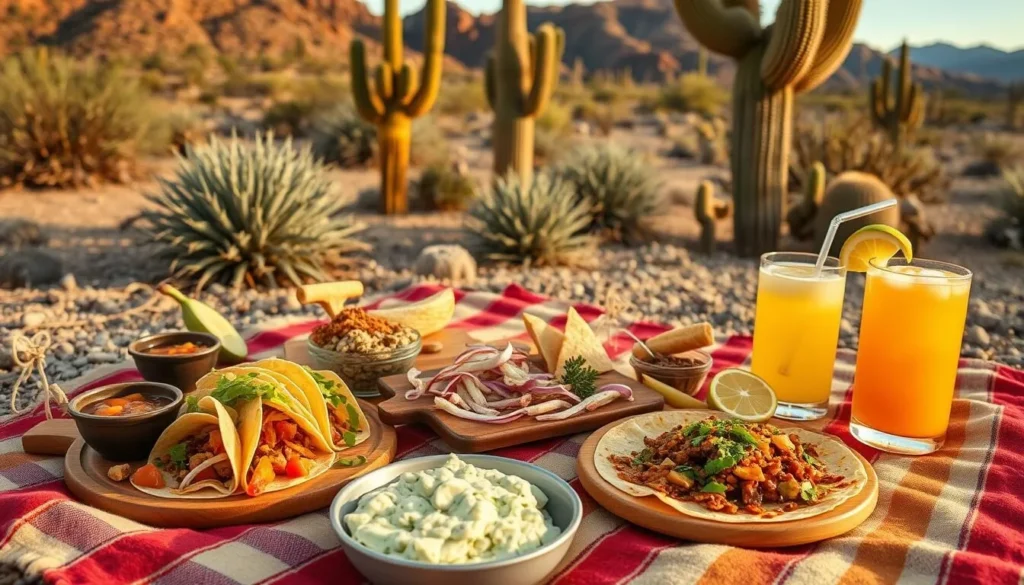
There are no food services within the Sonoran Desert National Monument. Visitors should plan accordingly:
What to Bring
- Water: Pack at least 4 liters (1 gallon) of water per person per day, more if hiking or during warmer months.
- Snacks & Meals: Bring non-perishable, high-energy foods like trail mix, energy bars, jerky, and sandwiches.
- Cooler: A good cooler with ice is essential for keeping food fresh, especially during warmer months.
Nearby Dining Options
- Gila Bend: Several casual dining options including Mexican restaurants, fast food, and a few local diners.
- Maricopa: More diverse dining options including American, Mexican, and Asian cuisine.
- Casa Grande: The largest nearby city with the most extensive dining options, from fast food to sit-down restaurants.
Local Tip: Consider trying Sonoran-style Mexican food, which features unique regional specialties like Sonoran hot dogs, carne asada, and dishes featuring native ingredients like prickly pear and mesquite.
Attractions, Sightseeing & Activities
Top Things to Do
Hiking & Trails
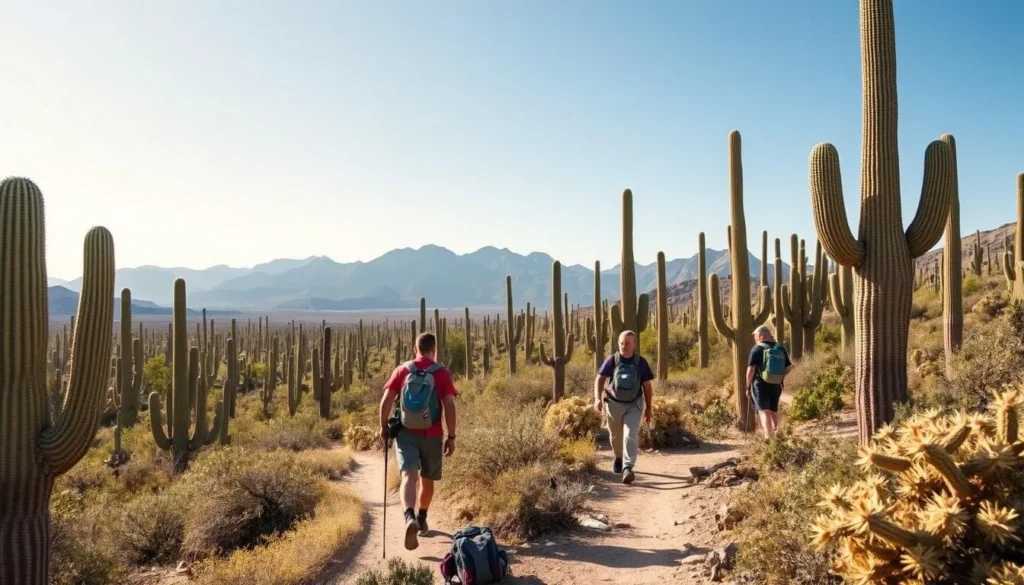
Explore the monument’s diverse terrain on trails ranging from easy walks to challenging mountain climbs:
- Table Mountain Trail: Challenging hike with rewarding panoramic views of the vast desert landscape.
- Brittlebush Trail: Moderate trail showcasing desert flora, especially beautiful during spring blooms.
- Margie’s Cove Trail: Accessible trail through saguaro forests with mountain vistas.
Wildlife Viewing
The monument is home to diverse desert wildlife:
- Birds: Over 200 species including Gila woodpeckers, cactus wrens, and Harris’s hawks.
- Reptiles: Desert tortoises, Gila monsters, and various lizard species.
- Mammals: Coyotes, jackrabbits, and occasionally bighorn sheep in mountainous areas.
Photography
Capture the monument’s stunning landscapes:
- Golden Hour: Sunrise and sunset create dramatic lighting on saguaros and mountains.
- Wildflower Season: Spring blooms transform the desert with vibrant colors.
- Night Sky: Minimal light pollution makes for exceptional stargazing and astrophotography.
More Activities
Off-Road Exploration
Numerous primitive roads offer adventures for high-clearance and 4WD vehicles. Popular routes include:
- Vekol Valley Road
- BLM Road 8008
- North Maricopa Mountains backcountry roads
Horseback Riding
Experience the desert as early travelers did, on horseback. The monument offers:
- Open terrain suitable for experienced riders
- Historic trails through varied landscapes
- No designated horse trails, but dispersed riding is permitted
Stargazing
Far from city lights, the monument offers exceptional night sky viewing:
- Milky Way visibility on clear nights
- Meteor shower viewing during annual events
- Opportunity to see planets and deep sky objects
Museums, Cultural Spots & Festivals
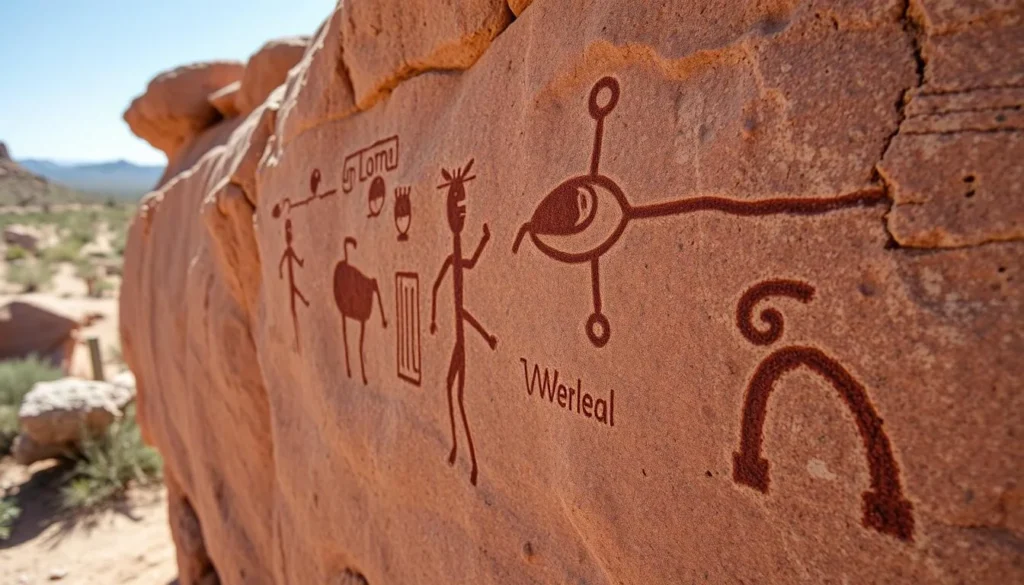
While the monument itself has limited developed cultural facilities, it contains significant historical and archaeological sites:
Historical Sites Within the Monument
- Vekol Ranch: Historic ranch site offering glimpses into the area’s ranching past.
- Butterfield Overland Stage Route: Remnants of this historic mail and passenger route that operated from 1858 to 1861.
- Archaeological Sites: The monument contains numerous prehistoric sites, though many are not marked or developed for visitors. Always respect these protected areas.
Nearby Cultural Attractions
- Gila Bend Museum: Located in Gila Bend (644 W. Pima Street), offers exhibits on local history and provides information about the monument.
- Casa Grande Ruins National Monument: Located about 45 minutes east, features preserved ruins of ancient Hohokam structures.
- Ak-Chin Him-Dak Eco-Museum: Located in nearby Maricopa, showcases the culture and history of the Ak-Chin Indian Community.
The monument does not host regular festivals, but nearby communities occasionally hold events celebrating desert culture and heritage, particularly during cooler months.
Nature & Outdoor Experiences
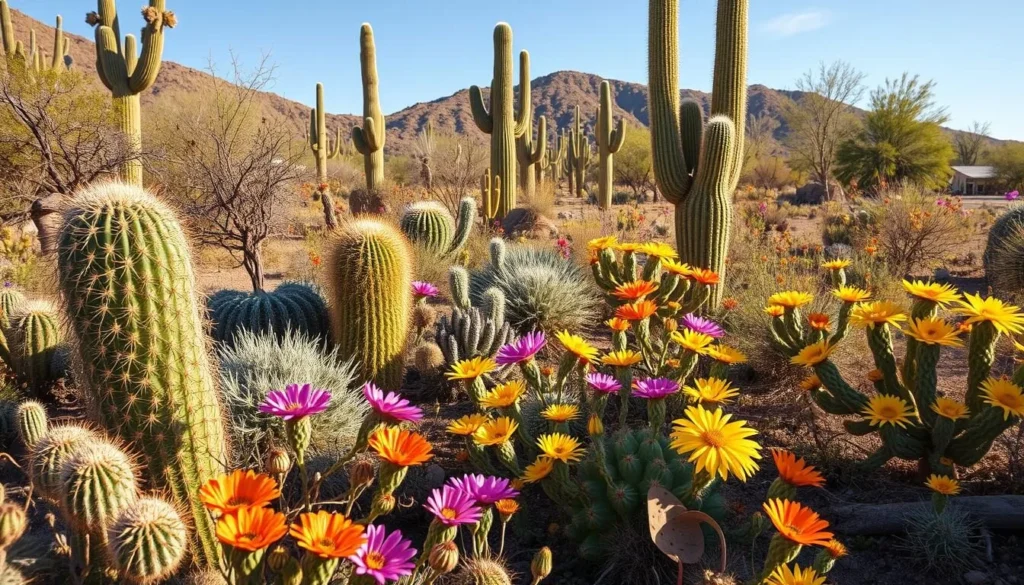
The Sonoran Desert National Monument protects one of North America’s most ecologically diverse desert ecosystems:
Unique Natural Features
- Saguaro Cactus Forests: Some of the most dense and magnificent stands of these iconic cacti, which can live up to 200 years and grow over 15 m (50 ft) tall.
- Sand Tank Mountains: Rugged mountain range offering dramatic vistas and unique geological features.
- Desert Washes: Seasonal waterways that support distinct riparian habitats and serve as wildlife corridors.
- Tinajas (Sand Tanks): Natural rock depressions that collect and store water, critical for desert wildlife.
Plant Life
The monument contains over 2,000 plant species adapted to desert conditions:
- Cacti: Besides saguaros, look for barrel cactus, cholla, prickly pear, and organ pipe.
- Trees: Ironwood, mesquite, and palo verde provide crucial shade and habitat.
- Wildflowers: Spring blooms can include Mexican gold poppies, lupine, brittlebush, and desert marigold.
- Adaptations: Notice how plants have evolved to survive extreme conditions through water storage, reduced leaf surface, and protective spines.
Safety, Etiquette & Local Customs
Desert Safety
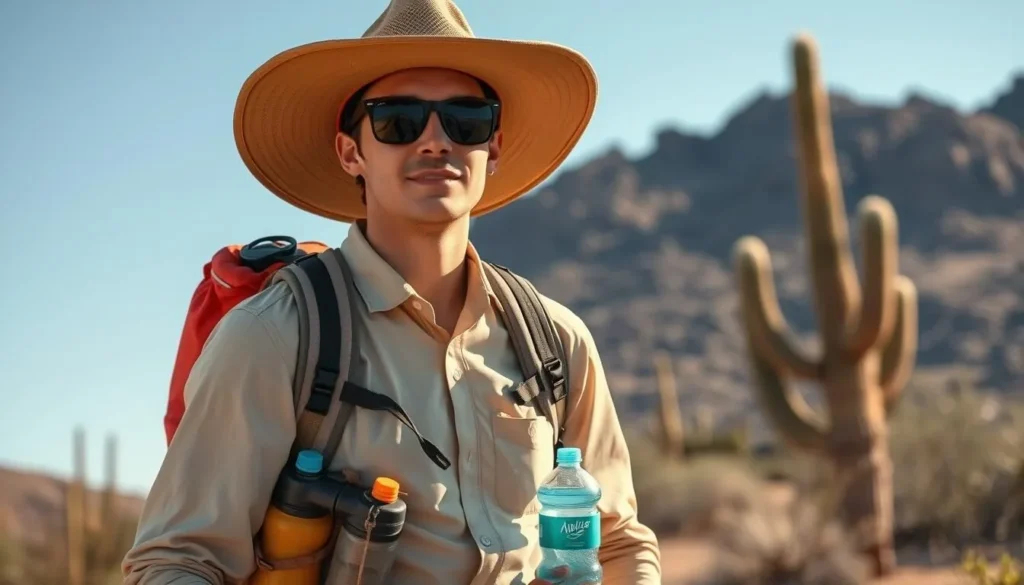
- Water: Bring at least 4 liters (1 gallon) per person per day. There is NO drinking water available in the monument.
- Heat Protection: Wear lightweight, light-colored, long-sleeved clothing, a wide-brimmed hat, and sunglasses. Apply sunscreen regularly.
- Navigation: Bring physical maps and a compass. Don’t rely solely on cell phones, as service is limited or non-existent.
- Vehicle Preparation: Ensure your vehicle is in good condition with a full tank of gas, spare tire, and emergency supplies.
- Flash Floods: Never camp in washes or low areas. Be aware that storms many miles away can cause sudden flooding.
Wilderness Etiquette
- Leave No Trace: Pack out all trash and leave natural and cultural features undisturbed.
- Stay on Existing Roads: Motorized vehicles and bicycles must remain on designated routes to protect fragile desert ecosystems.
- Cultural Resources: It is illegal to disturb archaeological sites or collect artifacts. Observe but don’t touch.
- Wildlife: Observe from a distance and never feed wild animals.
- Plants: Do not collect or damage plants, including cacti. Many are protected by law.
Border Area Awareness: The southern portion of the monument is near the U.S.-Mexico border. Visitors may encounter evidence of illegal border crossings. Do not interfere with any suspicious activities—instead, report them to authorities by calling 911.
Visitor Comments About Sonoran Desert National Monument
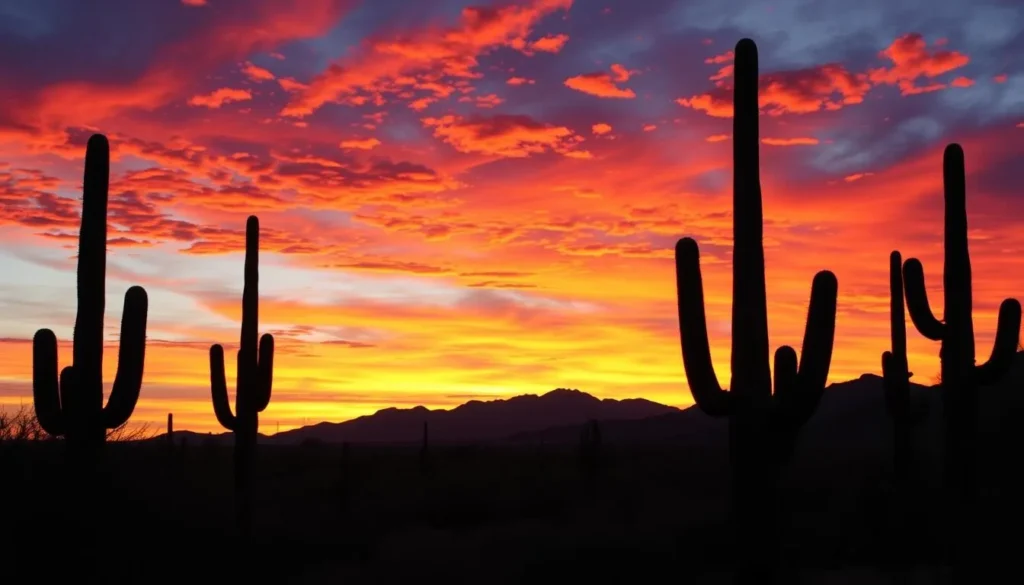
“The Sonoran Desert National Monument offers some of the most pristine desert landscapes I’ve ever seen. The saguaro forests are magnificent, especially at sunset when they’re silhouetted against the colorful sky. Just make sure you bring plenty of water and a high-clearance vehicle—the roads can be rough but the solitude and scenery are worth it!”
“As someone from a tropical country, the Sonoran Desert was unlike anything I’d experienced before. The vastness and silence were almost spiritual. We visited in March and were lucky to see wildflowers blooming everywhere. The night sky was incredible too—I’ve never seen so many stars!”
“Table Mountain Trail was challenging but offered amazing views of the entire monument. We camped at Margie’s Cove and had the place to ourselves. The desert comes alive at dawn and dusk with wildlife. Just be prepared—we underestimated how cold desert nights can get in February!”
Additional Nearby Destinations
Casa Grande Ruins National Monument
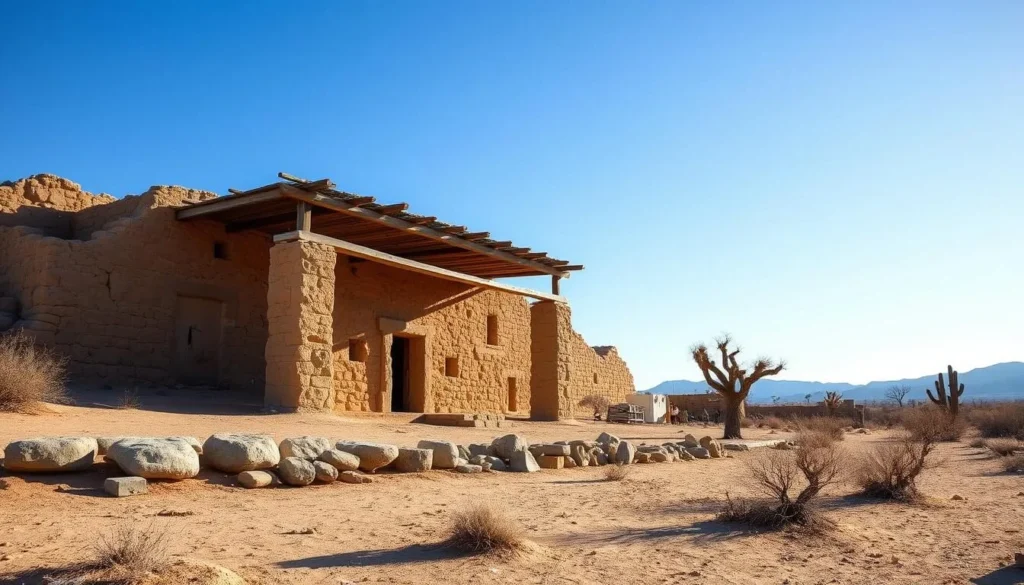
Located about 45 minutes east, this national monument preserves the ruins of an ancient Hohokam farming community and “Great House” structure dating back to the 13th century. The site offers a visitor center, guided tours, and insights into prehistoric desert agriculture.
Estrella Mountain Regional Park
About 1 hour north, this 19,840-acre park offers more developed recreation opportunities including hiking trails, picnic areas, camping, and mountain biking. The park features similar desert ecosystems but with more facilities and services.
Organ Pipe Cactus National Monument
Located about 2 hours southwest, this UNESCO biosphere reserve showcases the rare organ pipe cactus and other Sonoran Desert species not commonly found in the northern reaches of the desert. More developed visitor facilities are available.
Location Map
Practical Travel Tips
What to Pack
- Plenty of water (4+ liters per person per day)
- Sun protection (hat, sunscreen, sunglasses)
- Lightweight, long-sleeved clothing
- Sturdy hiking boots
- First aid kit with blister treatment
- Navigation tools (maps, compass, GPS)
- Flashlight or headlamp
- Extra food and emergency supplies
Permits & Regulations
- No entrance fees for general monument access
- Sand Tank Mountains area requires a free Barry M. Goldwater Range permit (online only)
- Competitive events and organized activities with 25+ participants require special permits
- Motorized vehicles must stay on designated routes
- Collection of plants, rocks, or artifacts is prohibited
- Check for current fire restrictions before camping
Communication & Emergencies
- Cell service is unreliable throughout the monument
- Tell someone your itinerary before visiting
- Consider a satellite communication device for emergencies
- Nearest medical facilities are in Casa Grande, Maricopa, and Gila Bend
- For emergencies, call 911 (if service is available)
- BLM Lower Sonoran Field Office: 602-867-5400
Experience the Desert’s Timeless Beauty
The Sonoran Desert National Monument offers a rare opportunity to experience one of North America’s most fascinating ecosystems in its natural state. From the towering saguaro forests to the rugged mountain ranges, from vibrant spring wildflowers to spectacular desert sunsets, this protected landscape reveals the surprising diversity and resilience of desert life. Whether you come for a day trip or an extended backcountry adventure, the monument rewards visitors with solitude, natural beauty, and a deeper connection to the ancient rhythms of the desert. With proper preparation and respect for this fragile environment, your visit to the Sonoran Desert National Monument will leave you with lasting memories of one of Arizona’s most remarkable natural treasures.
The above is subject to change.
Check back often to TRAVEL.COM for the latest travel tips and deals.



0 Comments