
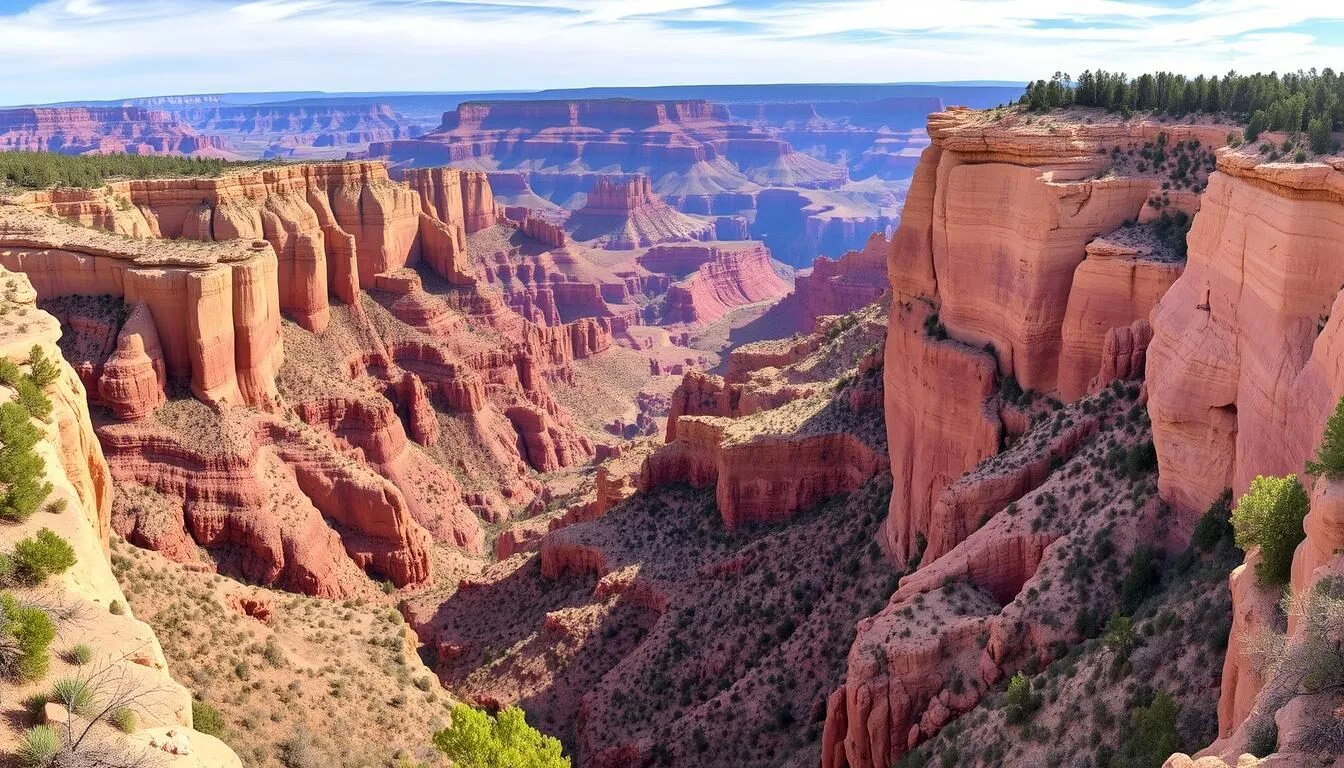
Did you know that Sycamore Canyon is Arizona’s second largest canyon system, spanning an impressive 56,000 acres of pristine wilderness? Often referred to as the “mini Grand Canyon,” this hidden gem offers all the breathtaking beauty of its famous neighbor but with a fraction of the crowds. With stunning red rock formations, emerald swimming holes, and diverse ecosystems transitioning from pine forests to desert landscapes, Sycamore Canyon remains one of Northern Arizona’s best-kept secrets waiting to be explored.
Getting There & Planning Your Journey
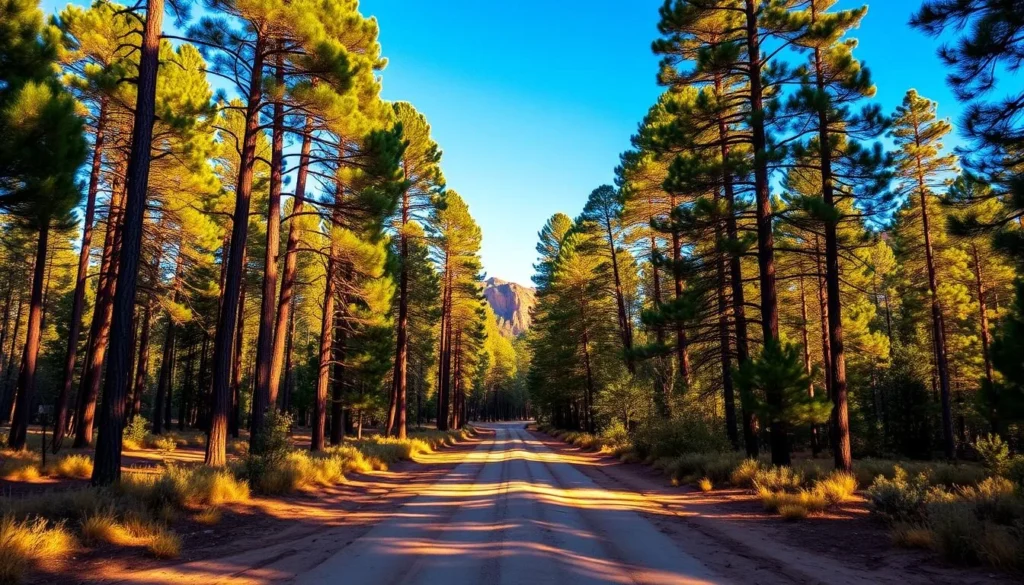
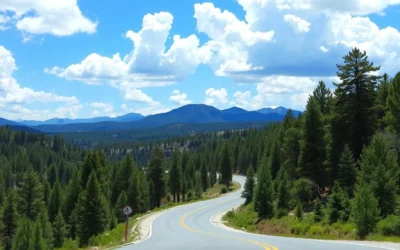
Sycamore Canyon Wilderness is located between Williams and Sedona in northern Arizona. The canyon begins in the thick Ponderosa Pine forests near Williams and extends 21 miles south to the desert landscape of Verde Valley near Clarkdale and Cottonwood.
Closest Airports
- Flagstaff Pulliam Airport (FLG) – 45 km (28 miles) from the northern access points
- Phoenix Sky Harbor International Airport (PHX) – 225 km (140 miles) from the canyon
- Las Vegas McCarran International Airport (LAS) – 330 km (205 miles) from the northern entrance
Access Points
There are several ways to access different parts of Sycamore Canyon:
- Northern Access (Sycamore Falls): Take exit 178 off I-40 east of Williams. Head south on Garland Prairie Road (becomes FR 141) for about 9 miles. Turn right on White Horse Lake Rd/FR 109 and follow for about 3 miles to the parking lot.
- Southern Access (Parsons Trail): Located near Clarkdale, this trailhead provides access to the popular swimming holes and riparian areas.
- Eastern Access: Several Forest Service roads provide access from the Sedona area, though many require high-clearance vehicles.
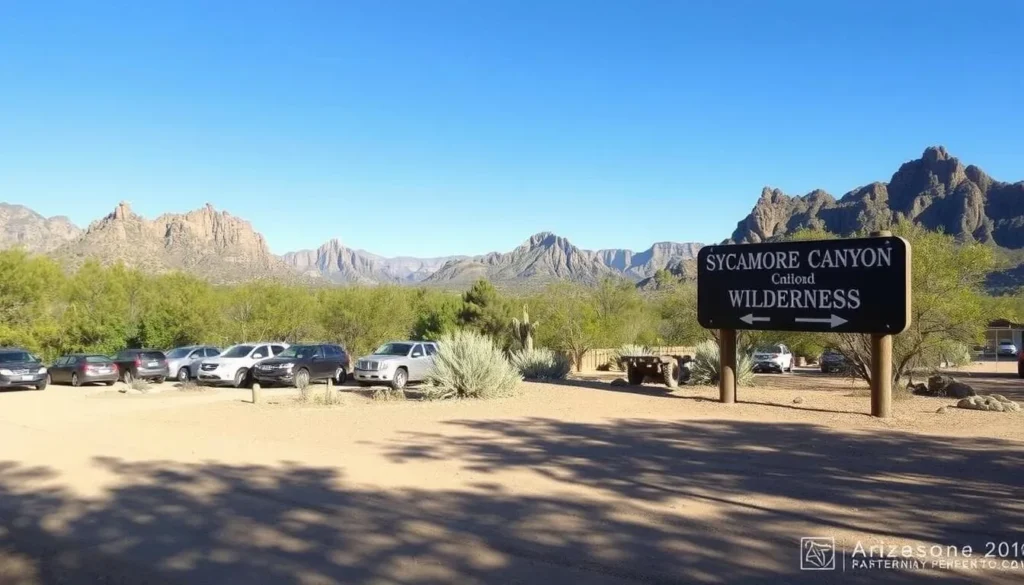
Most access roads are unpaved but generally well-maintained. During winter months or after heavy rain, 4WD vehicles may be necessary for some access points. Always check road conditions before setting out, especially during monsoon season (July-September).
Best Time to Visit & Weather Tips
Sycamore Canyon experiences distinct seasons, each offering unique experiences for visitors. The canyon’s elevation ranges from 1,460 m (4,800 ft) at its lowest point to 2,070 m (6,800 ft) at the northern rim, creating varied microclimates throughout the area.
Recommended Seasons
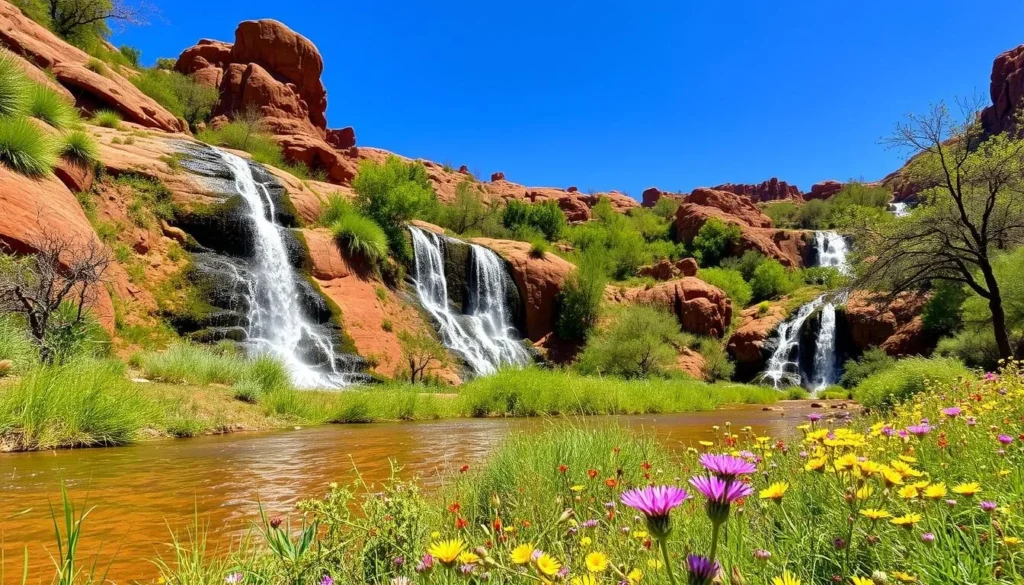
- Spring (April-May): Ideal time to visit with mild temperatures, flowing waterfalls from snowmelt, and wildflowers in bloom. Daytime temperatures range from 18-26°C (65-80°F).
- Fall (September-October): Another excellent time with comfortable temperatures, changing foliage colors, and fewer visitors. Expect daytime temperatures of 15-24°C (60-75°F).
- Early Summer (June): Still pleasant before the intense heat and monsoon season, with temperatures around 27-32°C (80-90°F).
Seasons to Avoid
- Late Summer (July-August): The monsoon season brings afternoon thunderstorms, flash flood risks, and high humidity. Temperatures can exceed 35°C (95°F) in lower elevations.
- Winter (December-February): The northern sections can be snow-covered and difficult to access. The southern portions remain accessible but can be quite cold, with temperatures ranging from -1 to 10°C (30-50°F).
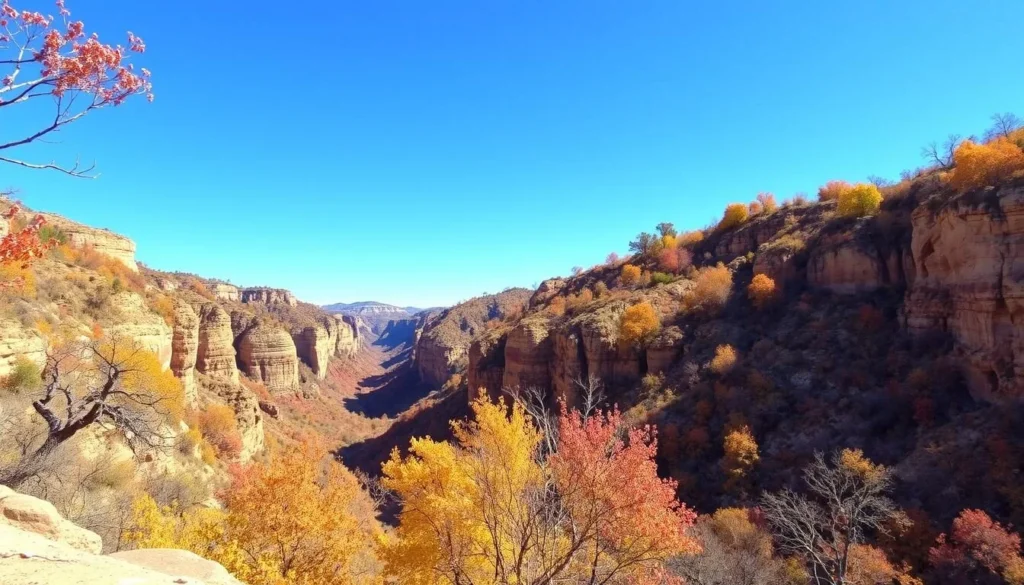
Weather Tip: Sycamore Falls is seasonal and flows best during spring snowmelt or after monsoon rains. If seeing the waterfall is a priority, plan your visit accordingly or check recent conditions with the Forest Service.
Getting Around Locally
Sycamore Canyon Wilderness is a pristine natural area with no paved roads within its boundaries. Motorized vehicles and even bicycles are prohibited past the entrance points, preserving the wilderness experience.
Transportation Options
- Hiking: The primary way to explore the canyon is on foot via the network of hiking trails.
- Horseback: Horseback riding is permitted on designated trails, offering a traditional way to experience the canyon.
- Private Vehicle: Required to reach the various trailheads and access points around the perimeter of the wilderness area.
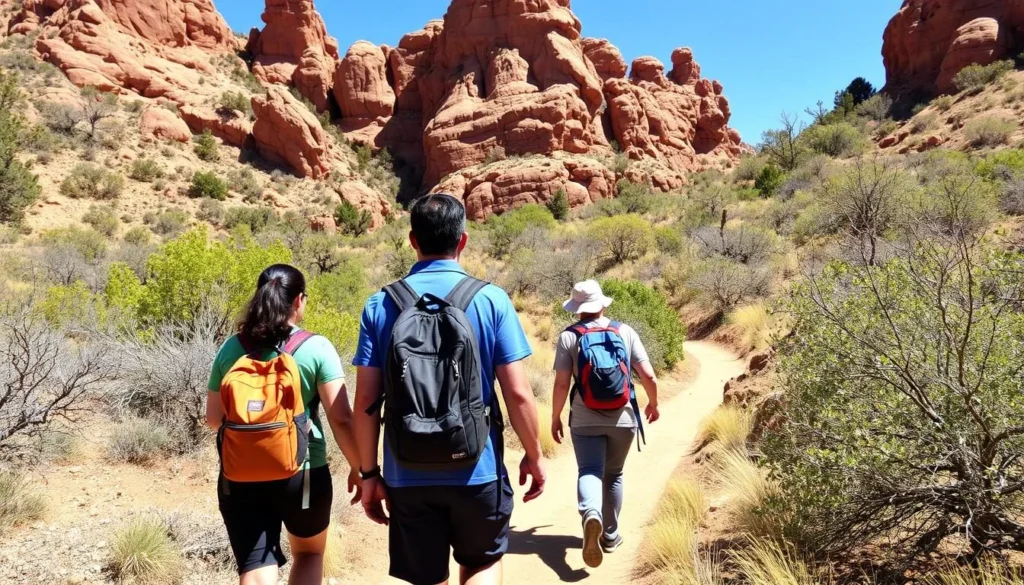
There is no public transportation to the canyon, so a personal or rental vehicle is essential. High-clearance vehicles are recommended for accessing some of the more remote trailheads, especially after rain or during winter months when roads may be muddy or snow-covered.
Local Tip: Cell service is extremely limited or non-existent within the canyon. Download offline maps, bring physical maps, and inform someone of your planned route and expected return time before heading into the wilderness.
Where to Stay
While there are no lodging options within Sycamore Canyon Wilderness itself, several nearby communities offer accommodations ranging from rustic to luxurious.
Williams
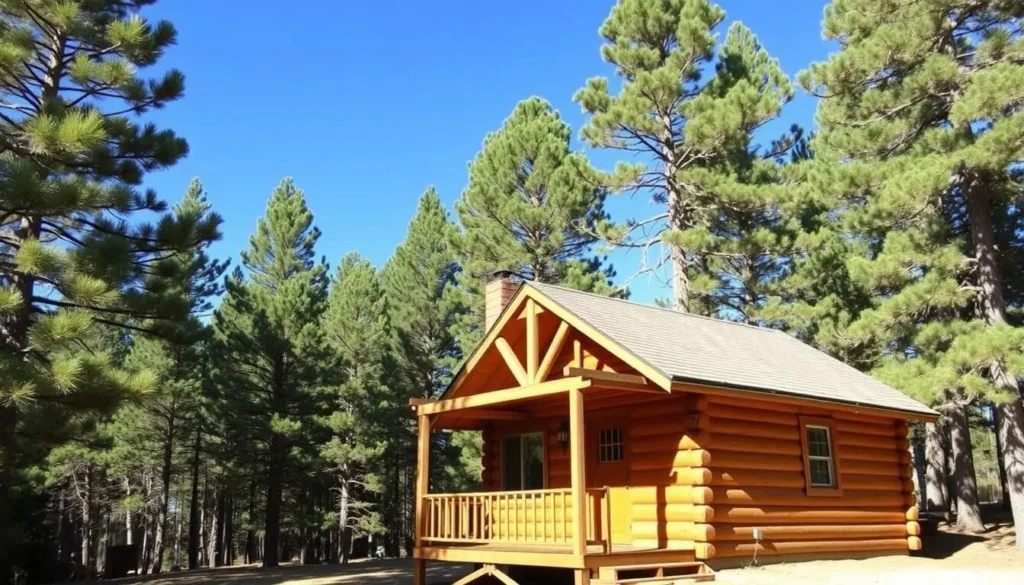
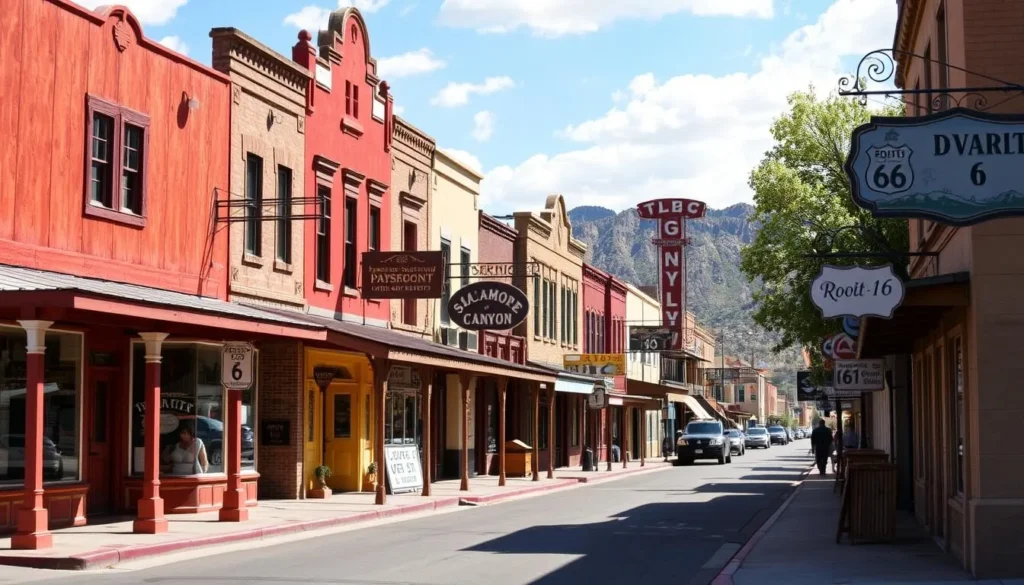
Located about 30 minutes from the northern access points, this historic Route 66 town offers hotels, motels, B&Bs, and RV parks. It’s a convenient base for exploring both Sycamore Canyon and the Grand Canyon.
Sedona
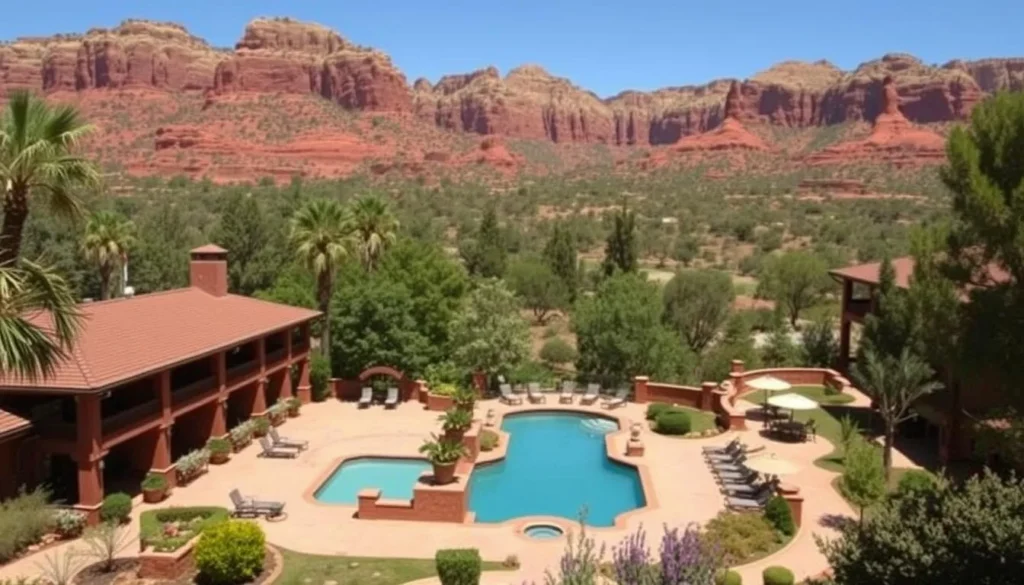
About 45 minutes from the eastern access points, Sedona offers upscale resorts, boutique hotels, and vacation rentals with spectacular red rock views. Perfect for those wanting luxury amenities after a day of hiking.
Camping Options
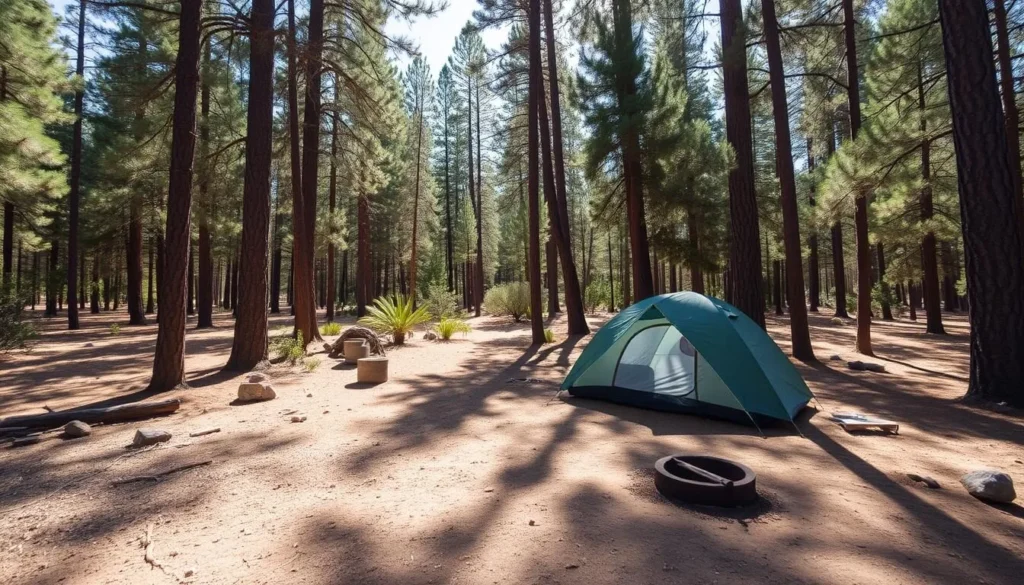
While no developed campgrounds exist within the wilderness, nearby options include White Horse Lake Campground (northern access) and several dispersed camping areas in Coconino National Forest. Backcountry camping is permitted in the wilderness area with proper preparation.
Accommodation Tip: Book accommodations well in advance during peak seasons (spring and fall). For those seeking a unique experience, glamping domes near Williams offer comfortable accommodations with excellent stargazing opportunities.
Dining & Local Cuisine
There are no dining facilities within Sycamore Canyon Wilderness, so visitors should pack all necessary food and water. However, the surrounding communities offer various dining options before or after your canyon adventure.
Nearby Dining Options
- Williams: Experience Route 66 nostalgia at classic diners serving American comfort food, steakhouses, and brewpubs with craft beers.
- Sedona: Find upscale restaurants with spectacular views, farm-to-table establishments featuring local ingredients, and international cuisine options.
- Clarkdale/Cottonwood: Explore the emerging wine scene with tasting rooms, casual cafes, and family-owned restaurants serving Southwestern specialties.

Local Specialties
- Prickly Pear: Try this local cactus fruit in margaritas, sauces, or desserts for a uniquely Arizona flavor.
- Navajo Tacos: Featuring fry bread topped with beans, meat, cheese, and vegetables – a regional favorite.
- Arizona Wines: Sample locally produced wines from the Verde Valley wine region, particularly known for Syrah, Mourvèdre, and Viognier varieties.

Dining Tip: Pack a picnic lunch to enjoy at one of the scenic spots within the canyon. For multi-day hikes, bring lightweight, non-perishable foods and a water filtration system to refill at natural water sources (though these can be seasonal and unreliable).
Attractions, Sightseeing & Activities
Sycamore Canyon offers diverse activities for outdoor enthusiasts, from casual day-trippers to experienced backcountry adventurers. The wilderness area’s varied terrain provides opportunities for hiking, swimming, wildlife viewing, and more.
Sycamore Falls
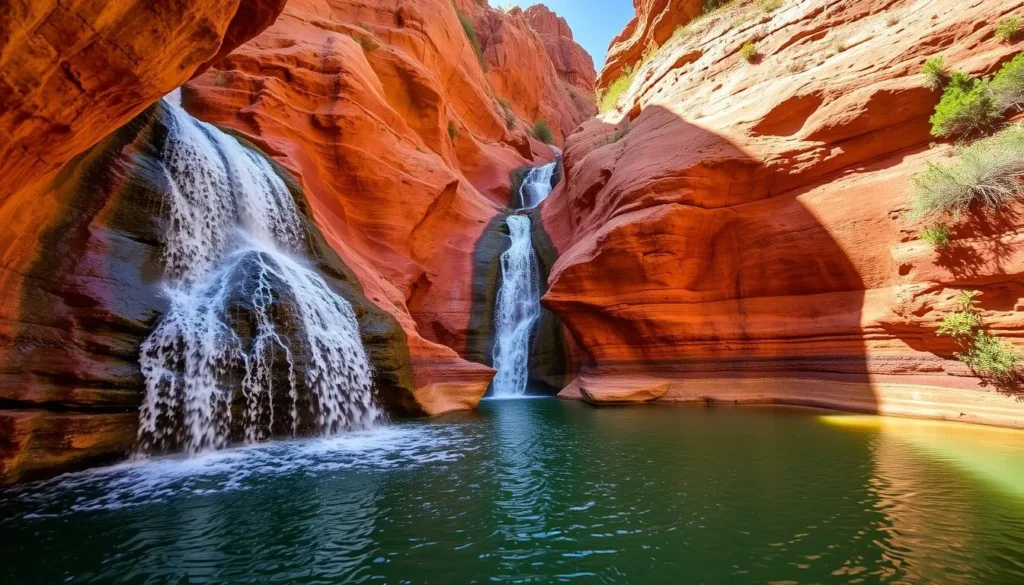
Located at the upper head of the canyon at Paradise Forks, this impressive waterfall is accessible via a short 0.4 km (0.25 mile) hike from the parking area. The falls plunge into a deep emerald pool surrounded by dramatic basalt cliffs. Best viewed during spring runoff or after monsoon rains.
Parsons Trail
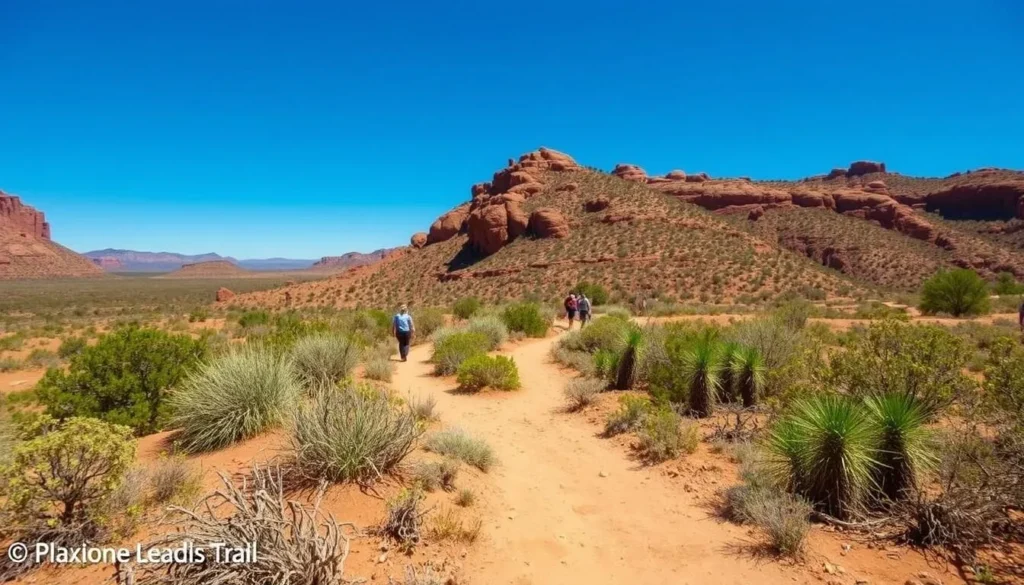
This popular 11.8 km (7.3 mile) out-and-back trail follows Sycamore Creek through a lush riparian area. The moderate hike rewards visitors with a beautiful swimming hole about 1.9 km (1.2 miles) in, perfect for cooling off during warmer months. The trail continues through one of the world’s rarest habitats – a fertile desert riparian ecosystem.
Sycamore Rim Trail
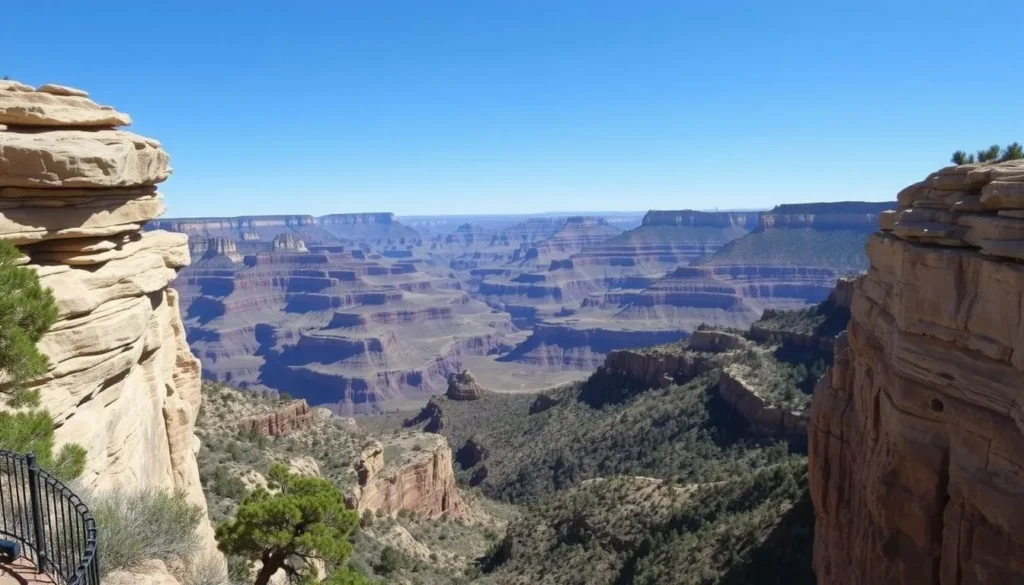
This 17.7 km (11 mile) loop trail traverses the canyon’s upper rim, offering spectacular vistas, meadows, pine forests, and several historical sites. Highlights include the deep pools of Pomeroy Tanks and the summit of KA Hill with panoramic views of the surrounding wilderness.
Other Notable Activities
- Rock Climbing: The jointed basaltic walls at Paradise Forks are popular with advanced climbers, offering challenging routes in a spectacular setting.
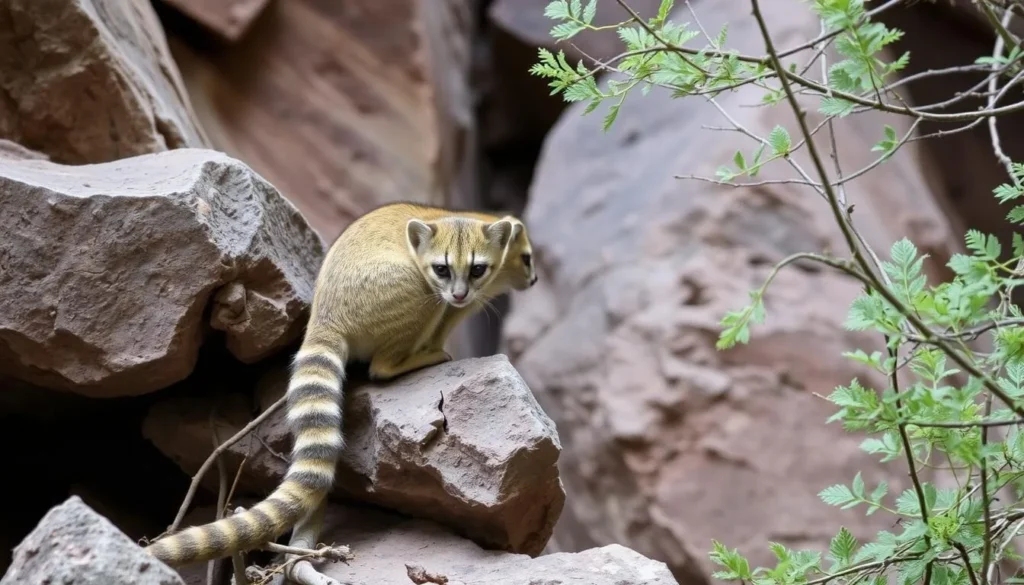
- Wildlife Viewing: The canyon is home to black bears, mountain lions, ringtail cats (Arizona’s state mammal), and numerous bird species.
- Photography: Capture the dramatic landscapes, seasonal waterfalls, and diverse ecosystems that make this canyon a photographer’s paradise.
- Stargazing: The remote location with minimal light pollution makes it an excellent spot for night sky observation.
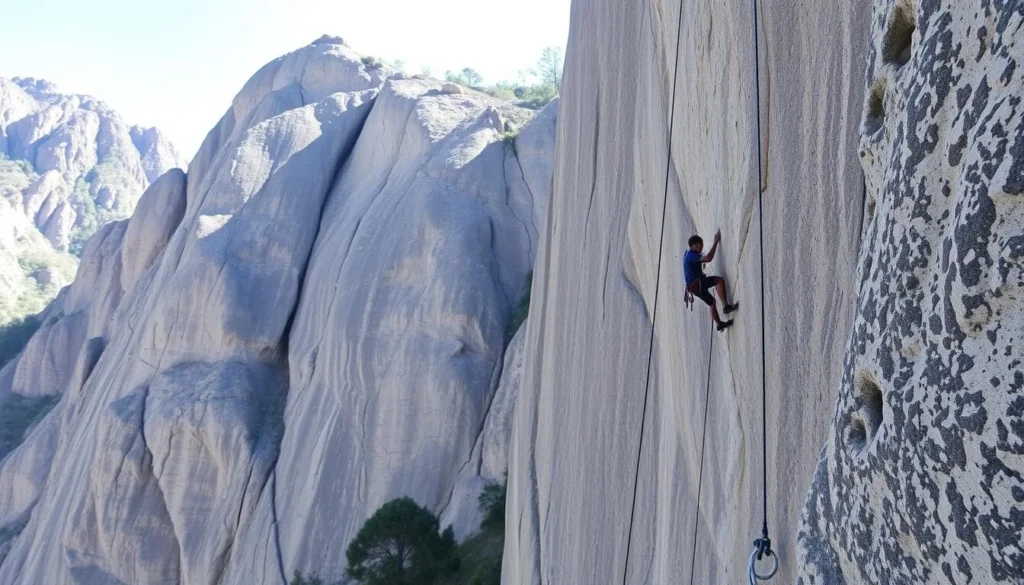
Activity Tip: The sun sets behind Sycamore Falls, so the best time for photography is in the morning or at sunset for dramatic lighting effects. Bring a tripod for long exposures of the falls when they’re flowing.
Museums, Cultural Spots & Festivals
While Sycamore Canyon itself is primarily a natural wilderness area without cultural facilities, the surrounding region offers rich cultural experiences that complement your canyon adventure.
Nearby Cultural Attractions
- Bearizona Wildlife Park: Located in Williams, this drive-through wildlife park showcases native Arizona animals in natural habitats.
- Historic Route 66: Experience Americana in Williams with preserved buildings, classic diners, and Route 66 memorabilia.
- Verde Canyon Railroad: Based in Clarkdale, this scenic train ride offers insights into the area’s mining history and natural beauty.
- Tuzigoot and Montezuma Castle National Monuments: Explore well-preserved ancient pueblos built by the Sinagua people, located near Cottonwood and Camp Verde respectively.
Seasonal Events
- Williams Mountain Village Festival (June): Celebrating local culture with arts, crafts, food, and live music.
- Sedona International Film Festival (February): Acclaimed film event showcasing independent films from around the world.
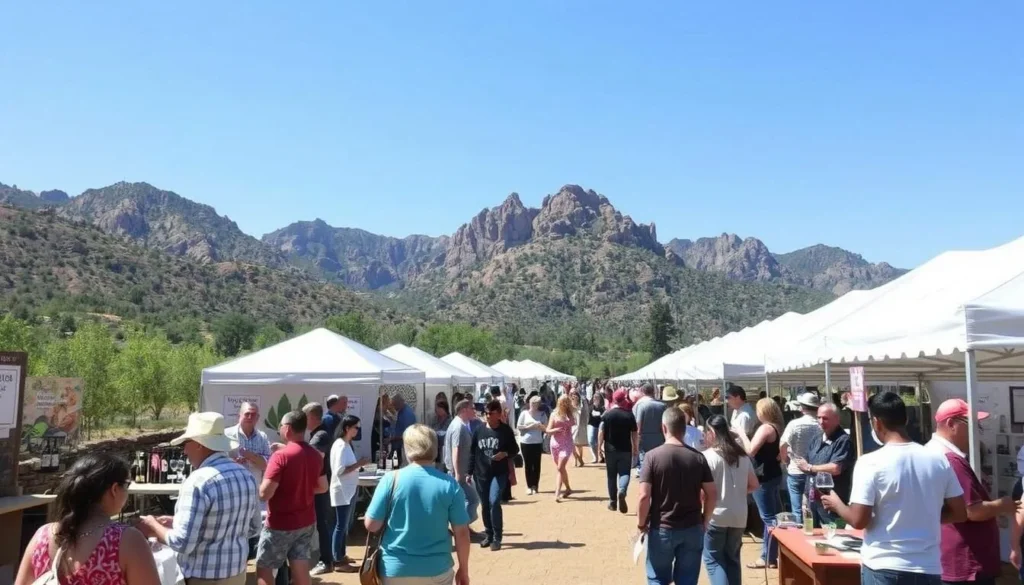
- Verde Valley Wine Festival (May): Highlighting the region’s growing wine industry with tastings, food pairings, and entertainment.
- Cowboy Christmas Gathering (December): Western-themed holiday celebration in Williams with music, poetry, and crafts.
Cultural Tip: The area surrounding Sycamore Canyon has a rich Native American history. Show respect when visiting cultural sites, and consider learning about the indigenous peoples who have called this region home for thousands of years.
Nature & Outdoor Experiences
Sycamore Canyon Wilderness offers a remarkable diversity of ecosystems, transitioning from high-elevation pine forests to low-desert riparian areas. This ecological variety creates unique opportunities for nature enthusiasts.
Ecosystems & Wildlife
The canyon’s 610 m (2,000 ft) elevation change creates distinct life zones supporting diverse plant and animal communities:
- Upper Canyon: Ponderosa pine forests home to mule deer, wild turkeys, and northern goshawks.
- Mid-Canyon: Oak woodlands and chaparral hosting javelinas, gray foxes, and various raptors.
- Lower Canyon: Desert riparian areas with cottonwood-willow galleries supporting beaver, river otters, and numerous bird species.
Geological Features
The canyon showcases spectacular geological formations spanning hundreds of millions of years:
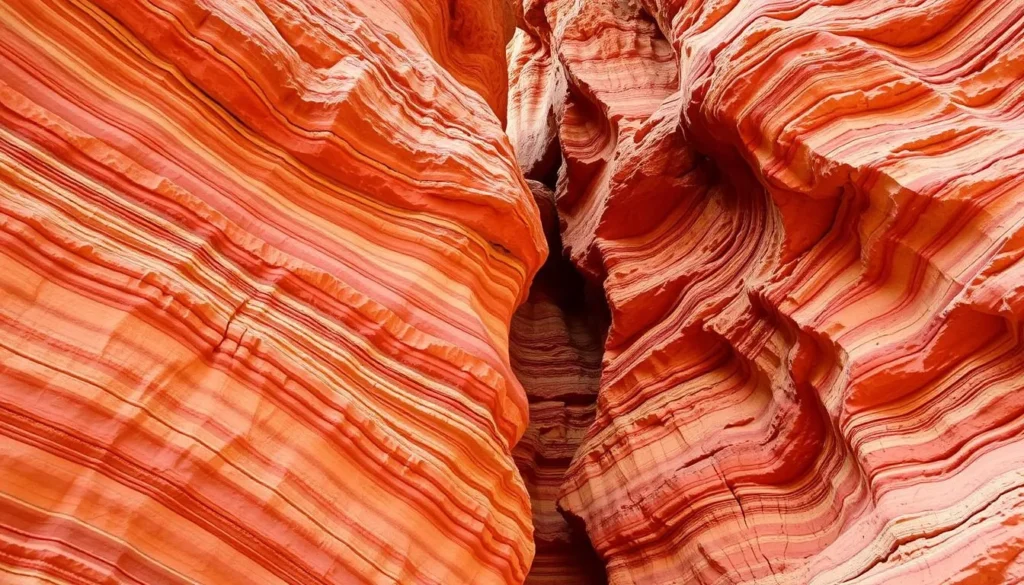
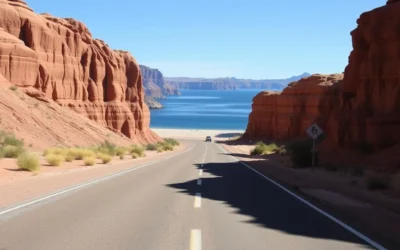
- Red Rock Formations: Similar to those in Sedona, these colorful sandstone cliffs display striking bands of red, orange, and cream.
- Basalt Columns: Near Sycamore Falls, dramatic black basalt columns formed by ancient lava flows create perfect climbing walls.
- Fossil Beds: Throughout the canyon, careful observers may spot fossils embedded in the sedimentary layers, telling the story of ancient seas that once covered the region.
Seasonal Natural Phenomena
- Spring Wildflowers: April and May bring colorful displays of wildflowers, including Indian paintbrush, lupine, and penstemon.
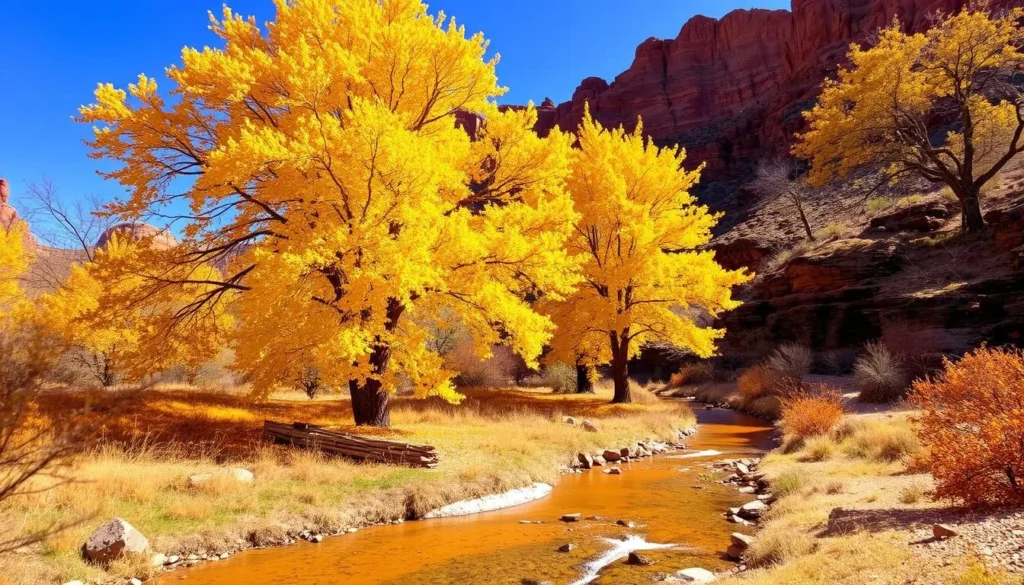
- Fall Colors: Late October sees the canyon’s deciduous trees – sycamores, maples, and oaks – transform into brilliant yellows, oranges, and reds.
- Monsoon Waterfalls: After summer thunderstorms, temporary waterfalls cascade down the canyon walls, creating ephemeral spectacles.
Nature Tip: Bring binoculars for wildlife spotting and stargazing. The canyon is home to over 100 bird species, making it a paradise for birdwatchers, especially in the riparian areas along Sycamore Creek.
Safety, Etiquette & Local Customs
Sycamore Canyon Wilderness is a remote backcountry area with minimal facilities and emergency services. Proper preparation and respect for the environment are essential for a safe and enjoyable visit.
Safety Considerations
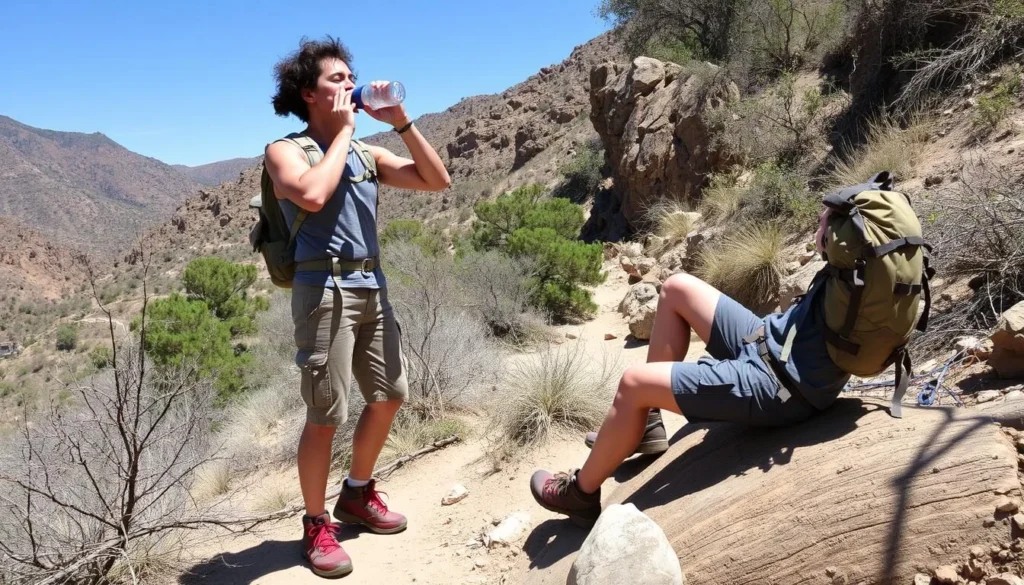
- Water: Always carry more water than you think you’ll need. Aim for at least 3-4 liters (0.8-1 gallon) per person for day hikes, more in summer.
- Navigation: Cell service is non-existent in most of the canyon. Bring physical maps and a compass, and download offline maps before your trip.
- Weather: Check forecasts before departing. Be aware of flash flood risks during monsoon season and hypothermia risks during colder months.
- Wildlife: The canyon is home to black bears and mountain lions. Make noise while hiking, store food properly, and know how to respond to encounters.
- Terrain: Many areas have steep drop-offs and unstable surfaces. Wear appropriate footwear and use caution, especially with children.
Wilderness Etiquette
- Leave No Trace: Pack out all trash, including food scraps and toilet paper.
- Camping: Camp at least 60 m (200 ft) from water sources. Use existing fire rings where permitted or bring a camp stove.
- Human Waste: Bury waste in catholes 15-20 cm (6-8 inches) deep and at least 60 m (200 ft) from water sources.
- Cultural Sites: Do not disturb any archaeological or historical artifacts you may encounter.
- Cliff Edges: Stay back from cliff edges, especially when taking photos, and never throw objects from cliffs as hikers or climbers may be below.
Safety Tip: Always inform someone of your planned route and expected return time before heading into the wilderness. The remoteness of Sycamore Canyon means that emergency services can take hours to reach you in case of an accident.
Visitor Comments About Sycamore Canyon
“One of the most beautiful remaining places in the state. We need to protect this place where the birds still sing and the deer still run. The comparison to a miniature Grand Canyon is spot on, but what makes it special is how pristine it remains. The Parsons Trail to the swimming hole was the highlight of our Arizona trip.”
“I wanted to see Sycamore Falls after reading about it online. There was lots of wildlife and it was a nice cool summer day hike. The trail is mild overall, with the heavy breathing part being the short switchbacks climbing back out. Always bring more water than you think you’ll need! This is not a flip flop hike, so be sure to bring your tennis shoes!”
“As an international visitor, I was amazed by the diversity of landscapes in such a compact area. The transition from pine forests to desert was fascinating to experience in a single day. We visited in October and had perfect weather and fall colors. The swimming holes were too cold for swimming but beautiful for photography. Much less crowded than other Arizona attractions we visited.”
Additional Nearby Destinations
Sycamore Canyon makes an excellent centerpiece for a longer exploration of Northern Arizona’s natural and cultural attractions. Consider adding these nearby destinations to your itinerary:
Grand Canyon National Park
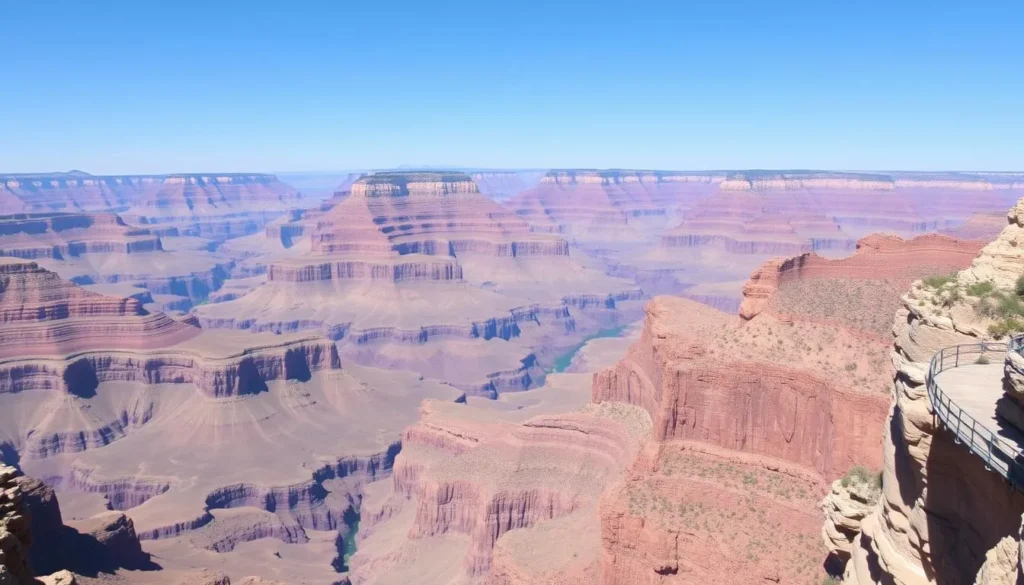
Located just 90 minutes north of Sycamore Canyon’s northern access points, the world-famous Grand Canyon offers an even more dramatic canyon experience. The South Rim is open year-round and provides numerous viewpoints, hiking trails, and visitor services.
Sedona
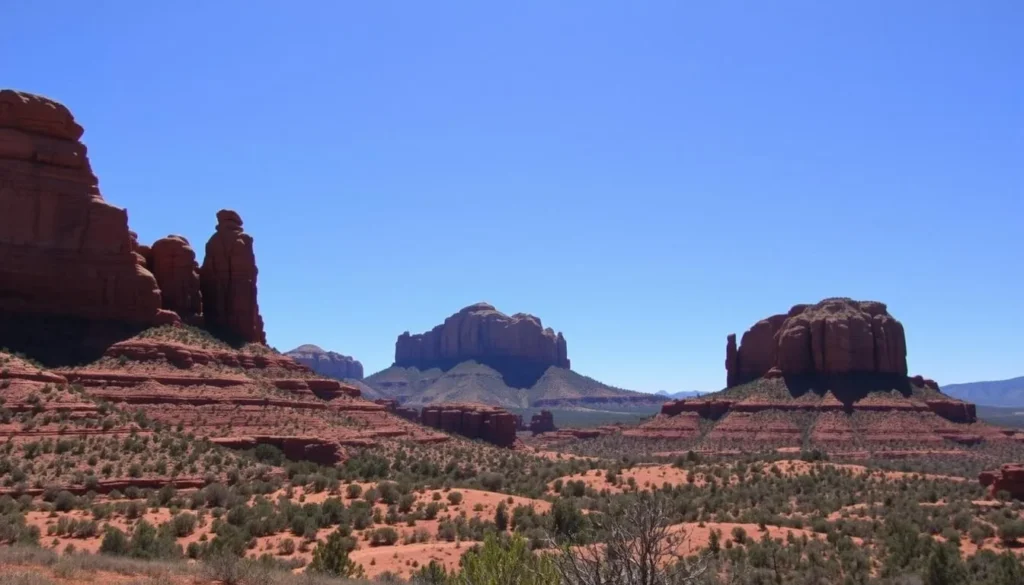
Just 45 minutes from the eastern access points of Sycamore Canyon, Sedona is renowned for its stunning red rock formations, energy vortexes, art galleries, and upscale dining. Popular activities include jeep tours, hiking, and shopping in the charming Tlaquepaque Arts & Shopping Village.
Oak Creek Canyon
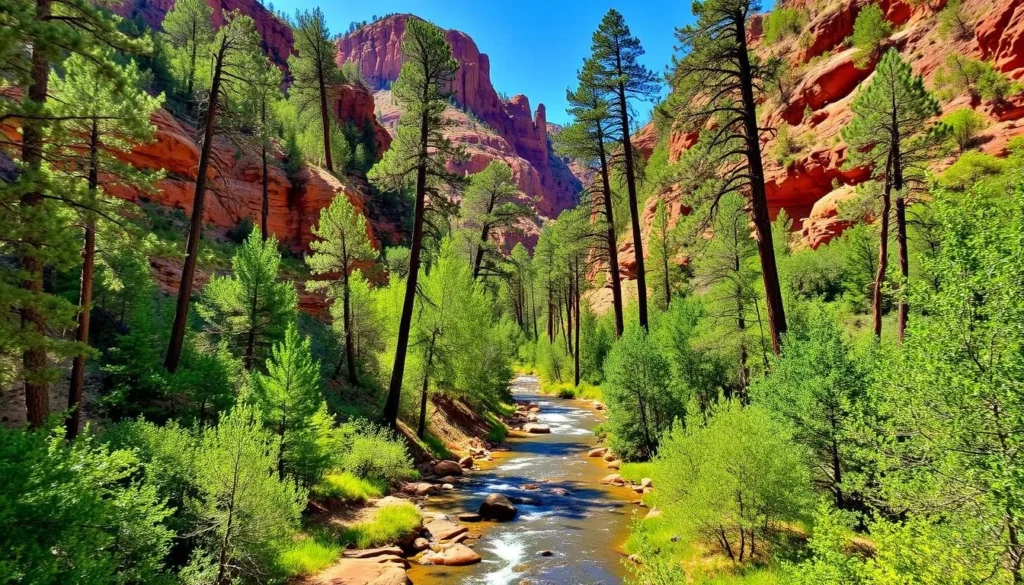
Often called Sedona’s smaller cousin, Oak Creek Canyon offers a more verdant canyon experience with a year-round creek, swimming holes, and the popular Slide Rock State Park. The scenic drive between Sedona and Flagstaff through the canyon is considered one of America’s most beautiful routes.
Travel Tip: Consider a loop itinerary starting in Flagstaff, heading west to Williams and Sycamore Canyon, south to Jerome and Cottonwood, east to Sedona and Oak Creek Canyon, and back to Flagstaff. This route encompasses many of Northern Arizona’s highlights in a manageable 3-5 day trip.
Practical Travel Tips
Make the most of your Sycamore Canyon adventure with these practical tips from experienced visitors:
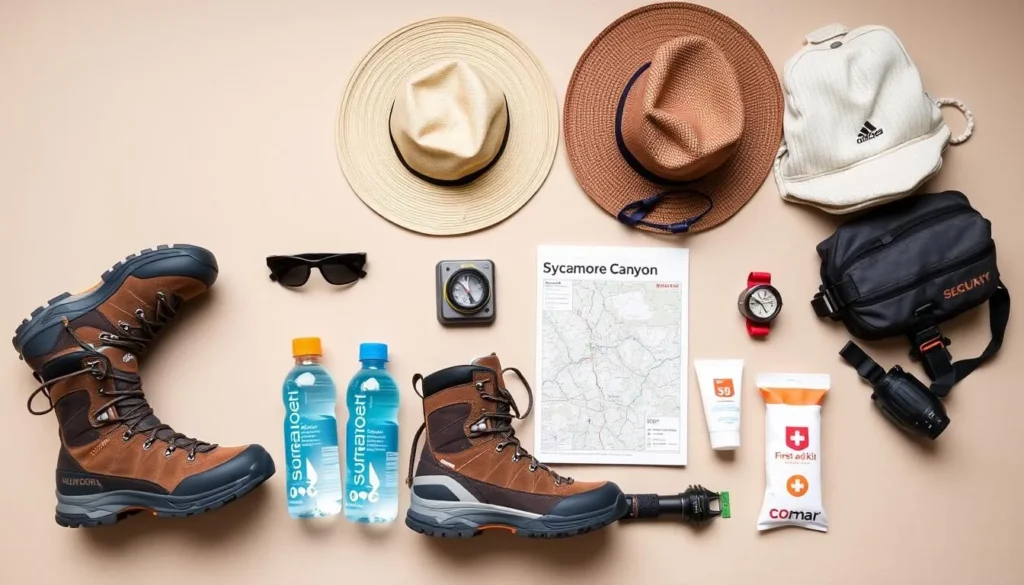
Essential Gear
- Footwear: Sturdy hiking boots or trail runners with good traction. This is not terrain for sandals or casual shoes.
- Sun Protection: Hat, sunglasses, and sunscreen are essential year-round at this elevation and latitude.
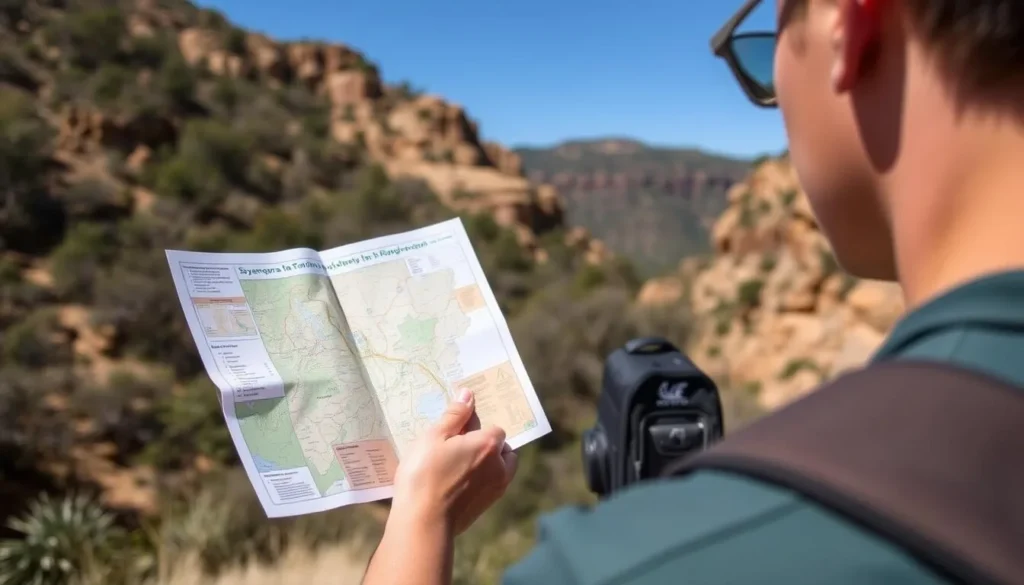
- Navigation: Physical map, compass, and downloaded offline maps (Gaia GPS or AllTrails are popular options).
- First Aid: Basic kit including blister treatment, pain relievers, and any personal medications.
- Lighting: Headlamp or flashlight with extra batteries in case your hike takes longer than expected.
Planning Resources
- Coconino National Forest: Official information about Sycamore Canyon Wilderness. Phone: (928) 203-2900 (Red Rock District) or (928) 527-3600 (Flagstaff District).
- Trail Maps: Available from ranger stations in Flagstaff or Sedona, or from outdoor retailers in the area.
- Weather: National Weather Service forecasts for the Sycamore Canyon area are more reliable than general app forecasts.
- Road Conditions: Check with the Forest Service for current conditions on forest roads, especially after weather events.
Local Insight: Sycamore Canyon is a true wilderness experience with no facilities, services, or cell coverage. This remoteness is part of its charm but requires proper preparation. If you’re new to backcountry hiking, consider starting with shorter trails like the path to Sycamore Falls before attempting longer routes like Parsons Trail or Sycamore Rim Trail.
Arizona’s Hidden Canyon Paradise Awaits
Sycamore Canyon offers a rare opportunity to experience the raw beauty of Arizona’s second-largest canyon system without the crowds that flock to its more famous neighbor. From the pine-scented forests of the northern rim to the lush riparian oases of the canyon floor, this wilderness area rewards visitors with spectacular landscapes, diverse ecosystems, and a profound sense of solitude that’s increasingly rare in today’s world. Whether you’re seeking a refreshing swim in a hidden pool, a challenging hike with breathtaking vistas, or simply a quiet moment of connection with nature, Sycamore Canyon delivers experiences that will linger in your memory long after you’ve returned home. As one visitor aptly put it, this is truly “one of the most beautiful remaining places in the state” – a pristine wilderness deserving of our respect, protection, and appreciation.
The above is subject to change.
Check back often to TRAVEL.COM for the latest travel tips and deals.



0 Comments