

Only 64 people per day are permitted to visit The Wave, with over 200,000 applicants competing for permits annually—giving you just a 4-5% chance of winning the lottery on any given day. This extraordinary geological wonder, with its undulating sandstone formations dating back 190 million years, represents one of North America’s most exclusive and breathtaking hiking destinations. The Wave’s mesmerizing swirls of red, orange, and yellow sandstone have created an almost mythical status among photographers and outdoor enthusiasts worldwide.
Getting There & Planning Your Journey
Planning a trip to The Wave requires advance preparation, primarily because of the highly competitive permit system. Located in the Paria Canyon-Vermilion Cliffs Wilderness area on the Arizona-Utah border, this remote destination demands careful logistical planning.
Closest Airports
The nearest airports to The Wave are:
- Page Municipal Airport (PGA) – 83 km (52 miles) away, limited commercial flights
- St. George Regional Airport (SGU) – 136 km (85 miles) away
- Las Vegas McCarran International Airport (LAS) – 262 km (163 miles) away
- Phoenix Sky Harbor International Airport (PHX) – 451 km (280 miles) away
Most visitors fly into Las Vegas or Phoenix and rent a vehicle for the drive to Kanab, Utah or Page, Arizona—the two gateway towns for The Wave.
The Permit System
The Bureau of Land Management (BLM) strictly limits access to 64 people per day through two permit systems:
Online Lottery (48 permits)
- Applications open four months in advance on recreation.gov
- Apply during the entire month for dates four months later
- $9 non-refundable application fee per group
- If selected, additional $7 per person permit fee
- Permits are non-transferable except to listed alternate permit holders
Daily Lottery (16 permits)
- Apply via mobile device two days before desired hiking date
- Must be within the geofenced area (Kanab, Page, etc.)
- $9 application fee per group
- Winners announced at 7:15 PM
- Must attend mandatory safety briefing the next morning

Best Time to Visit & Weather Tips
The climate at The Wave varies dramatically throughout the year, with each season offering distinct advantages and challenges for visitors.
Recommended Seasons
Spring (March-May)
- Moderate temperatures: 15-26°C (60-80°F)
- Low precipitation and cloud cover in April-May
- Wildflowers may bloom in wet years
- Higher winds, especially in afternoons
- Very difficult to obtain permits
Fall (September-November)
- Comfortable temperatures: 10-25°C (50-77°F)
- Clear skies and stable weather
- Beautiful golden light for photography
- Less crowded in gateway towns
- Very difficult to obtain permits
Seasons to Approach with Caution
Summer (June-August)
- Extreme heat: 32-38°C (90-101°F)
- Limited shade on the trail
- Risk of heat-related illness
- Afternoon thunderstorms possible
- Permits somewhat easier to obtain
- Bring at least 4 liters of water per person
Winter (December-February)
- Cold temperatures: 4-10°C (40-50°F)
- Possible snow covering formations
- Higher cloud cover
- House Rock Road may be impassable when wet
- Permits relatively easier to obtain (except holidays)

Getting Around Locally
The remote location of The Wave requires careful planning for local transportation. House Rock Valley Road, the unpaved access road to the Wire Pass Trailhead, presents its own challenges depending on weather conditions.
Gateway Towns
- Kanab, Utah – 68 km (42 miles) from the trailhead, offers more accommodation options
- Page, Arizona – 70 km (44 miles) from the trailhead, convenient for combining with Antelope Canyon visits
Road Conditions
House Rock Valley Road is unpaved and can be challenging in certain conditions:
- When dry: Passable by most passenger vehicles
- When wet: Becomes extremely slippery and impassable even for 4WD vehicles
- Always check road conditions before departing
- Consider hiring a local shuttle service if you’re uncertain about driving conditions
The Hike
The hike to The Wave is approximately 5.6 km (3.5 miles) each way with no marked trail:
- Navigation skills are essential – GPS, map and compass recommended
- Moderate difficulty with 200 m (650 ft) elevation gain
- Terrain includes sand, slickrock, and some scrambling
- Allow 6-8 hours for the round trip including exploration time
- Consider hiring a guide if you’re uncertain about navigation
Where to Stay
Since The Wave is located in a wilderness area with no overnight camping permitted, visitors must stay in nearby towns. Here are the best accommodation options in the vicinity:
Kanab, Utah
As the closest town with substantial amenities, Kanab offers the widest range of accommodations:
- Hotels/Motels – Several chain and boutique options ranging from $80-200 per night
- Vacation Rentals – Private homes and cabins available for families or groups
- B&Bs – Charming options with local character and breakfast included
- Campgrounds – Several options including RV parks with hookups
Page, Arizona
Similar distance to the trailhead as Kanab, with the advantage of being closer to Lake Powell and Antelope Canyon:
- Hotels – Range from budget to upscale with many offering lake views
- Vacation Rentals – Good for families or longer stays
- Campgrounds – Options at Lake Powell and in town
Primitive Camping
For budget travelers comfortable with basic facilities:
- Stateline Campground – Free BLM campground 1.6 km (1 mile) from Wire Pass Trailhead
- Wire Pass Trailhead – Dry camping permitted in the parking area (no facilities except vault toilet)
- Dispersed Camping – Allowed on BLM land with proper permits

Dining & Local Cuisine
The remote location of The Wave means you’ll need to plan your meals carefully, especially for the day of your hike. The gateway towns offer various dining options before and after your adventure.
Dining in Kanab
Despite its small size, Kanab offers surprisingly diverse dining options:
- Wild Thyme Cafe – Upscale dining with locally-sourced ingredients
- Rocking V Cafe – Eclectic menu with vegetarian options
- Houston’s Trail’s End – Classic American comfort food
- Kanab Creek Bakery – Excellent pastries and coffee for early morning starts
- Grocery stores – Several options for packing hiking supplies
Dining in Page
Page offers a mix of chain restaurants and local establishments:
- Big John’s Texas BBQ – Popular for hearty post-hike meals
- El Tapatio – Mexican cuisine with large portions
- State 48 Tavern – Craft beers and elevated pub food
- Blue Coffee Co. – Great for breakfast and coffee
Packing Food for Your Hike
There are no food services at The Wave, so proper preparation is essential:
- Pack high-energy, non-perishable foods (trail mix, energy bars, jerky)
- Bring at least 4 liters of water per person in summer (less in cooler months)
- Consider freezing some water bottles for hot days (they’ll thaw as you hike)
- Pack out all trash – leave no trace principles strictly apply

Attractions, Sightseeing & Activities
While The Wave itself is the main attraction, the Coyote Buttes North area contains several other remarkable formations worth exploring if you have the energy during your permitted day.
Within Coyote Buttes North (Included with Wave Permit)
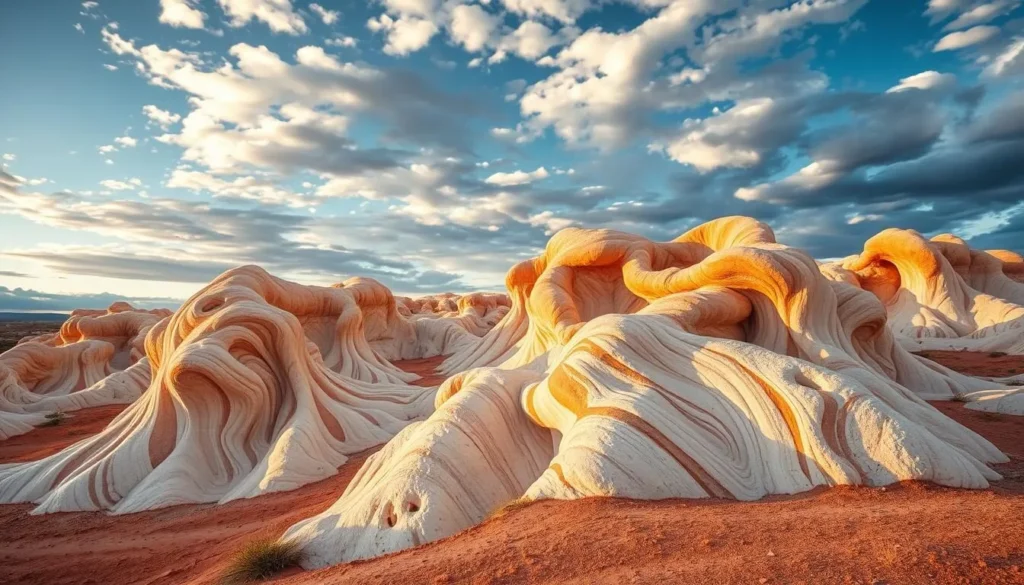
The Wave
The primary attraction featuring undulating sandstone layers in vibrant orange, red, and yellow hues. Best photographed mid-morning to early afternoon when shadows are minimized.
The Second Wave
Located about 400 m (1/4 mile) southeast of The Wave, this formation offers similar swirling patterns but with distinctive small fins or ledges. Best photographed in late afternoon.
Top Rock & Melody Arch
A challenging climb above The Wave rewards hikers with spectacular views and a photogenic arch. Requires some scrambling and comfort with exposure.
The Alcove
A towering sandstone grotto with sand dunes inside, located near Top Rock. Provides welcome shade during hot days and interesting photographic opportunities.
Sand Cove
Beautiful sandstone curves and formations south of The Wave. Best photographed in late afternoon when the low sun accentuates the textures.
Dinosaur Tracks
Fossilized three-toed dinosaur tracks can be found in the red stone near the western wall of the area. These Jurassic-era tracks are often difficult to locate without a guide.

Museums, Cultural Spots & Festivals
While The Wave itself is a natural wonder without cultural facilities on-site, the surrounding area offers several opportunities to learn about the rich geological and cultural history of the region.
In Kanab
- Kanab Heritage Museum – Exhibits on local history, Native American artifacts, and the area’s film history
- Little Hollywood Museum – Showcases Kanab’s history as a filming location for Western movies
- Amazing Earthfest – Annual May festival celebrating the natural wonders of the Colorado Plateau
- Western Legends Roundup – August festival celebrating Western film heritage
In Page
- John Wesley Powell Museum – Exhibits on the famous explorer and the geology of the Colorado Plateau
- Glen Canyon Conservancy – Educational programs about the area’s natural history
- Page-Lake Powell Balloon Regatta – Colorful hot air balloon festival held each November
Native American Culture
The region has a rich Native American heritage, particularly Navajo and Southern Paiute:
- Navajo Nation – Tours of nearby Monument Valley offer insights into Navajo culture
- Tribal Parks – Nearby attractions like Antelope Canyon are on Navajo land and feature Native guides
- Cultural Demonstrations – Occasionally available in Page and Kanab visitor centers

Nature & Outdoor Experiences
The Wave is just one of many natural wonders in this geologically rich region. If you’re unable to secure a Wave permit or want to extend your stay, numerous other spectacular outdoor destinations await.
Nearby Destinations (No Permit Required)
White Pocket
Often considered equally impressive to The Wave, this area features bizarre “brain rock” formations, swirling colors, and unique textures. No permit required, but 4WD vehicle highly recommended for access.
Buckskin Gulch
The longest and deepest slot canyon in the Southwest. Day-use permits available at the trailhead. Connect via Wire Pass for a shorter but equally impressive experience.
Horseshoe Bend
A spectacular 270-degree bend in the Colorado River, just 8 km (5 miles) from Page. Easy 2.4 km (1.5 mile) round-trip hike to the viewpoint.
Toadstool Hoodoos
Unusual rock formations resembling mushrooms, accessible via a short 2.4 km (1.5 mile) round-trip hike from Highway 89.
Permit-Required Alternatives
- Coyote Buttes South – Similar geology to The Wave but with different formations. Permits are easier to obtain but 4WD vehicle required.
- Antelope Canyon – Famous slot canyon on Navajo land. Advance tour reservations required.
- Paria Canyon – Multi-day backpacking destination with stunning narrows. Overnight permits required.
Safety, Etiquette & Local Customs
Visiting The Wave requires careful preparation and respect for both the natural environment and regulations. Several fatalities have occurred here in recent years, primarily due to heat-related issues and getting lost.
Safety Essentials
- Water – Bring at least 4 liters (1 gallon) per person in summer, 2-3 liters in cooler months
- Navigation – Carry a map, compass, and GPS with spare batteries
- Communication – Cell service is unreliable; consider a satellite messenger for emergencies
- First Aid – Bring a comprehensive kit including blister treatment
- Sun Protection – Hat, sunglasses, sunscreen, and lightweight long-sleeve clothing
- Food – Pack extra in case your return is delayed
Hiking Etiquette
- Stay on slickrock – Avoid walking on cryptobiotic soil (dark, crusty soil surface)
- Leave No Trace – Pack out all trash, including toilet paper
- No drones – The Wave is in a Wilderness Area where drones are prohibited
- No collecting – Leave rocks, plants, and artifacts for others to enjoy
- Group size – Limited to the number specified on your permit
Permit Compliance
- Display your permit visibly on your backpack
- Be prepared to show ID matching the permit holder’s name
- Only visit on your permitted date
- Rangers patrol the area and issue citations for violations

Visitor Comments About The Wave
“After three years of applying for permits, our persistence finally paid off. The hike was moderately challenging but absolutely worth every step. The formations are even more vibrant and mesmerizing in person than in photos. My advice: hire a guide if you’re uncertain about navigation, start early, and take your time to explore beyond just The Wave itself. The Second Wave and dinosaur tracks were highlights for us too.”
“We lucked out and got permits through the daily lottery on our second try in February. The cooler weather made hiking comfortable, though we did encounter some snow on the ground which added a magical quality to the formations. The unmarked trail was more challenging than we expected—definitely download offline maps and consider a GPS device. The Wave exceeded our expectations, truly one of the most unique landscapes I’ve ever experienced.”
“Our family won permits on our first try for an August date. While the heat was intense (38°C/100°F), we started at dawn and brought plenty of water. The colors and patterns in the sandstone are simply otherworldly—like walking on another planet. We hired a guide who showed us hidden spots we would have missed, including some small pools of water that created perfect reflection photos. Worth every drop of sweat and every penny spent on the guide.”
Additional Nearby Destinations
The Colorado Plateau region surrounding The Wave offers numerous world-class destinations that make extending your trip worthwhile. Consider these options when planning your itinerary:
Within 1-2 Hours Drive
Lake Powell
The second-largest man-made reservoir in the US offers boating, swimming, and stunning scenery with red rock formations meeting turquoise water. Boat tours to Rainbow Bridge National Monument available.
Grand Staircase-Escalante National Monument
Vast wilderness with slot canyons, arches, and unique rock formations. Highlights include Peek-a-boo and Spooky Gulch slots, Calf Creek Falls, and Devil’s Garden.
Within 2-3 Hours Drive
Zion National Park
Towering sandstone cliffs, narrow slot canyons, and emerald pools. Famous hikes include Angels Landing, The Narrows, and Observation Point.
Bryce Canyon National Park
Known for its otherworldly hoodoos (irregular columns of rock), especially stunning at sunrise and sunset. Rim trails and hikes into the amphitheater available.
Monument Valley
Iconic landscape on Navajo Nation land featuring massive sandstone buttes. Guided tours available to access restricted areas.
Grand Canyon North Rim
Less visited than the South Rim, offering a more serene experience of this natural wonder. Open mid-May through mid-October.

Practical Travel Tips
These practical tips will help you maximize your chances of seeing The Wave and ensure a safe, enjoyable experience if you’re fortunate enough to secure a permit.
Increasing Your Permit Chances
- Apply for dates in winter (December-February) when competition is lower
- Avoid holidays and weekends when applying
- Be flexible with dates when entering the lottery
- Consider smaller group sizes (solo or pairs have better odds)
- Try both the advance lottery and daily lottery if possible
- Have backup plans for excellent alternatives like White Pocket
Photography Tips
- The Wave is best photographed mid-morning to early afternoon
- The Second Wave and Sand Cove are best in late afternoon
- Bring a wide-angle lens to capture the sweeping formations
- Consider a polarizing filter to enhance the colors
- After rain, small pools can create stunning reflection shots
- Bring a lightweight tripod for low-light conditions
Money-Saving Tips
- Share transportation costs by carpooling with other permit holders
- Consider camping instead of hotels to reduce accommodation costs
- Pack your own food rather than eating at restaurants
- Visit during shoulder seasons when lodging rates are lower
- If hiring a guide, form a group to split the cost
Nature’s Masterpiece Awaits
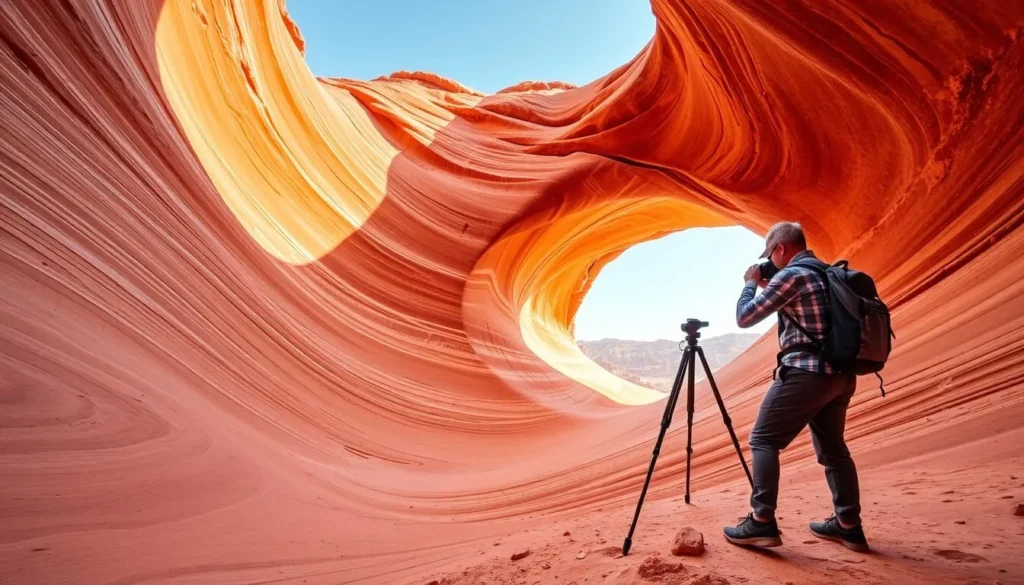
The Wave represents one of those rare destinations where reality exceeds even the most stunning photographs. Its mesmerizing sandstone swirls tell a 190-million-year geological story that can only be fully appreciated in person. While the permit system may seem daunting, it preserves this fragile wonder for future generations while ensuring those who do visit have a more intimate, uncrowded experience.
Whether you’re successful in the permit lottery on your first try or your tenth, the anticipation only enhances the eventual reward. And remember—the journey to The Wave takes you through some of America’s most spectacular landscapes, with numerous worthy alternatives nearby. In this corner of the Southwest, there are no disappointing destinations, only varying degrees of wonder. Pack your patience, preparation, and sense of adventure, and let the Colorado Plateau’s geological masterpieces leave their impression on your soul.
The above is subject to change.
Check back often to TRAVEL.COM for the latest travel tips and deals.



0 Comments