
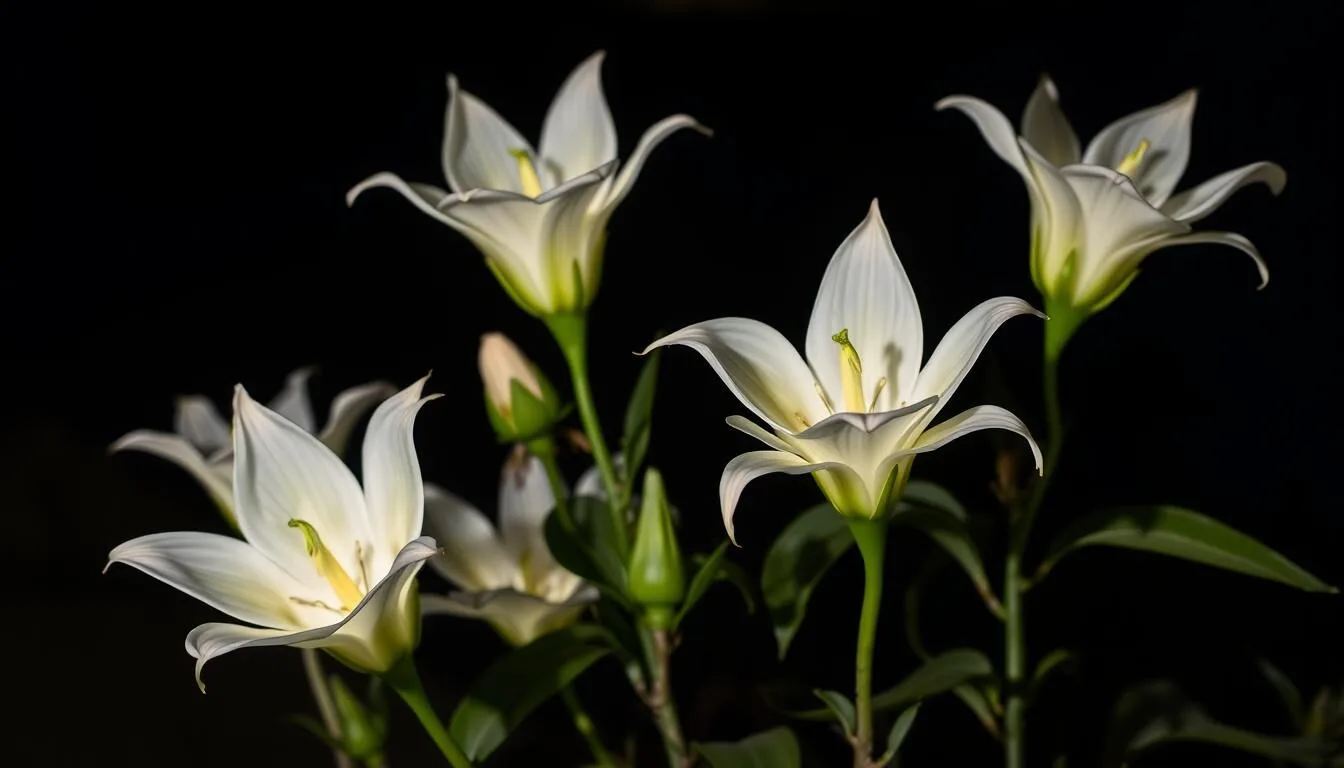
Did you know that Tohono Chul Park is home to over 300 night-blooming cereus plants that all bloom on a single mysterious night each summer? This rare botanical phenomenon, known as “The Queen of the Night,” draws visitors from around the world to witness these spectacular flowers that remain dormant as seemingly dead sticks all year until their magical, synchronized blooming. This is just one of many unique experiences awaiting you at this 49-acre desert oasis nestled in the heart of Tucson, Arizona.
Getting There & Planning Your Journey
Tohono Chul Park is conveniently located in northwest Tucson at 7366 Paseo del Norte. The closest major airport is Tucson International Airport (TUS), approximately 25 km (15.5 miles) away, with a typical drive time of 30-40 minutes depending on traffic. Phoenix Sky Harbor International Airport (PHX) is about 177 km (110 miles) north, making it a viable alternative for those combining their visit with a broader Arizona exploration.
For those driving, the park is easily accessible from Interstate 10 and offers ample free parking, including designated spaces for RVs and buses. If you’re staying in central Tucson, expect a 15-20 minute drive to reach this desert sanctuary.

Best Time to Visit & Weather Tips
The ideal time to visit Tohono Chul Park is during the spring (March to May) and fall (October to November) months when temperatures are pleasantly moderate, ranging from 21-29°C (70-85°F). These seasons also showcase the park at its most vibrant, with spring wildflowers and fall colors enhancing the desert landscape.
| Season | Temperature Range | Pros | Cons |
| Spring (Mar-May) | 21-29°C (70-85°F) | Wildflowers in bloom, comfortable temperatures, special plant sales | Can be crowded during peak bloom periods |
| Summer (Jun-Sep) | 32-40°C (90-104°F) | Night Blooming Cereus event, fewer crowds, early morning beauty | Extreme heat during midday (visit before 10 am) |
| Fall (Oct-Nov) | 18-27°C (65-80°F) | Perfect weather, fall colors, Holiday Nights preparation | Some plants may be dormant |
| Winter (Dec-Feb) | 10-18°C (50-65°F) | Holiday Nights event, crisp clear days, desert in different light | Cooler mornings and evenings, some plants dormant |
Summer visitors should plan early morning explorations (the park opens at 8 am) to avoid the intense midday heat. The special Night Blooming Cereus event typically occurs in June or July, with the exact date announced just days before as nature dictates the timing. Winter visitors can enjoy the popular Holiday Nights festival with thousands of lights illuminating the gardens.
Regardless of when you visit, bring sun protection, closed-toe walking shoes, and a refillable water bottle. The park has water stations throughout the grounds to keep you hydrated.
Getting Around Locally
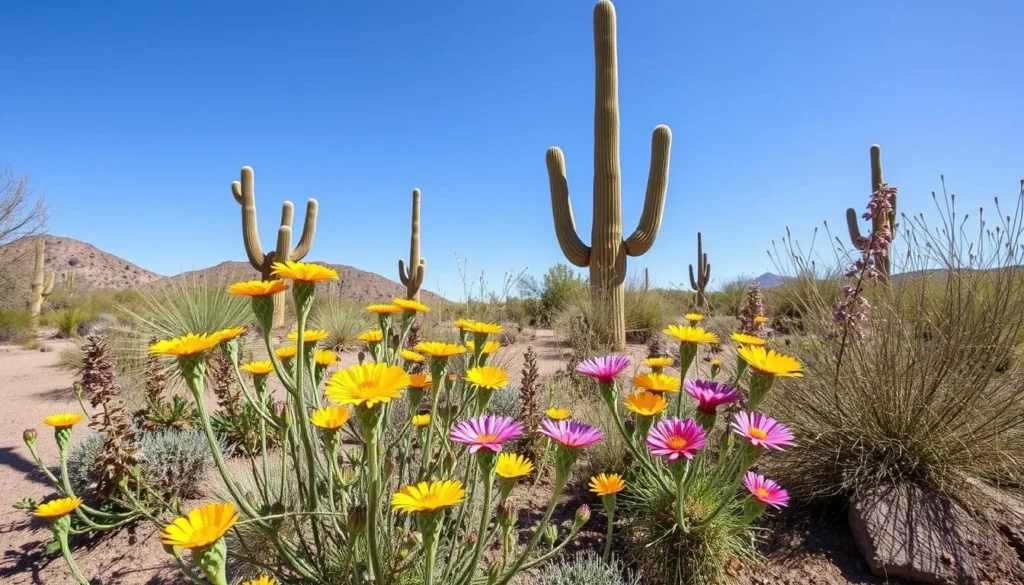
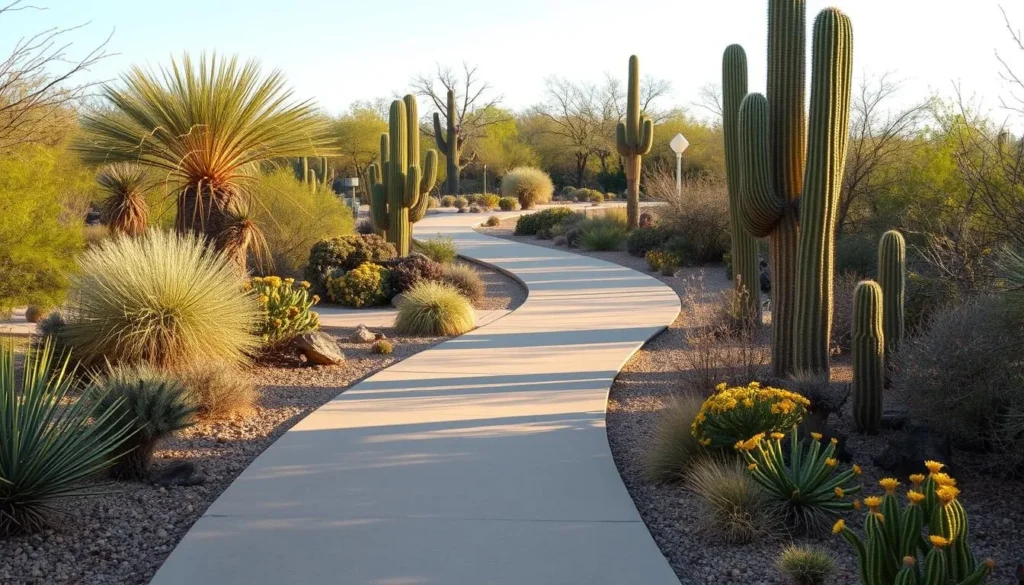
Tohono Chul Park features 1.6 km (1 mile) of accessible, well-maintained walking paths that wind through various themed gardens and natural desert landscapes. Most trails are relatively flat and wheelchair accessible, with benches placed strategically throughout the grounds for resting. The park provides complimentary wheelchairs at the admissions desk on a first-come basis.
The park is designed for self-guided exploration, with clear signage and interpretive displays explaining the plants, wildlife, and cultural significance of different areas. For those wanting more in-depth information, daily guided tours are available at no additional cost. These expert-led walks typically begin at 10 am and focus on different aspects of the park, from native plants to wildlife habitats.
If you’re short on time, the staff at the admissions desk can recommend abbreviated routes that showcase the highlights in under an hour. For a more leisurely experience, plan to spend at least 2-3 hours exploring the full grounds, galleries, and shops.
Where to Stay
While Tohono Chul Park doesn’t offer on-site accommodations, numerous lodging options are available within a short drive. The nearby Casas Adobes area and Oro Valley provide a range of hotels and resorts to suit various preferences and budgets.
Luxury Options
- El Conquistador Tucson, A Hilton Resort (5 km/3 miles) – Features mountain views, multiple pools, and golf courses
- Westward Look Wyndham Grand Resort (7 km/4.3 miles) – Historic property with desert gardens and riding stables
- The Westin La Paloma Resort & Spa (12 km/7.5 miles) – Offers mountain views and world-class amenities
Mid-Range & Budget Options
- Hampton Inn & Suites Tucson-Mall (4 km/2.5 miles) – Convenient location near shopping
- Holiday Inn Express & Suites Oro Valley (8 km/5 miles) – Comfortable rooms with free breakfast
- Red Lion Inn & Suites Tucson North Foothills (6 km/3.7 miles) – Budget-friendly option with pool
For a more authentic experience, consider one of Tucson’s charming bed and breakfasts, such as the Adobe Rose Inn or Cat Mountain Lodge, both within a 15-20 minute drive of the park. Vacation rentals are also plentiful in the area, offering more space and privacy for families or extended stays.
Dining & Local Cuisine
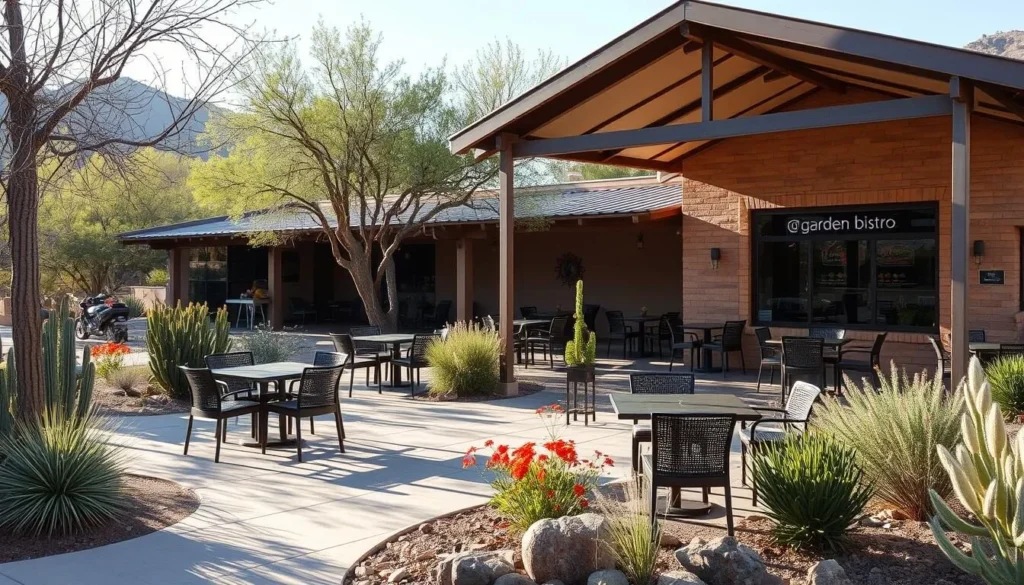
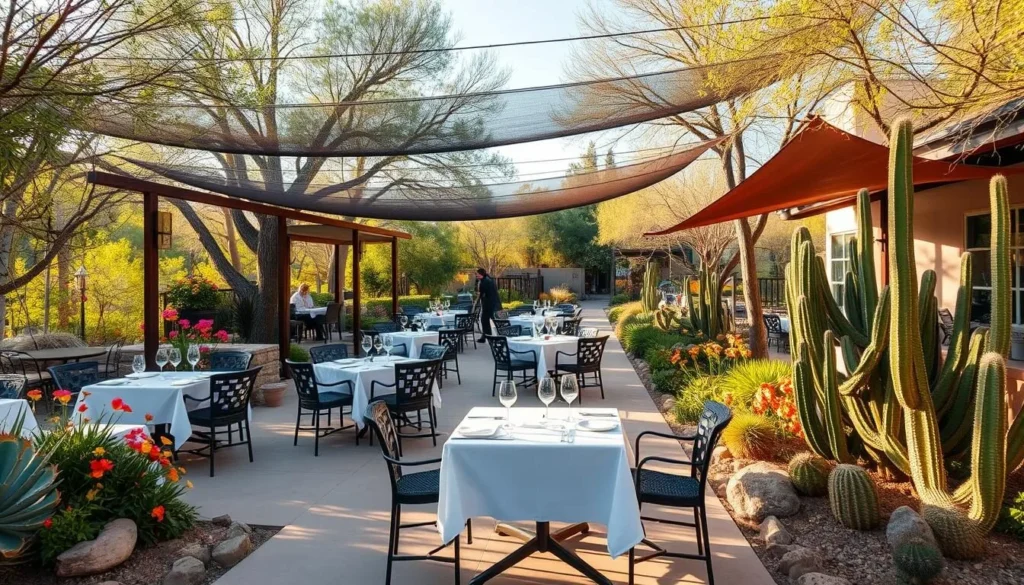
The Garden Bistro at Tohono Chul Park is widely regarded as one of Tucson’s best outdoor dining experiences. Set amidst lush desert gardens with hummingbirds and butterflies flitting about, this charming restaurant offers breakfast, lunch, and afternoon tea daily from 8 am to 4 pm.
The menu features Southwestern-inspired cuisine using locally-sourced ingredients, many grown in the park’s gardens. Don’t miss their famous prickly pear margarita, a vibrant magenta cocktail that captures the essence of the Sonoran Desert. Their breakfast offerings, particularly the omelets and southwestern-style dishes, receive consistent praise from visitors.
For those seeking lighter fare, the Bistro offers a selection of freshly baked goods, sandwiches, and salads perfect for a quick refuel during your exploration. Outdoor seating is available year-round, with misters in summer and heaters in winter ensuring comfort regardless of the season.
Local Tip: The Garden Bistro can get quite busy, especially during weekend brunch hours. Consider making a reservation for groups of 6 or more, or plan your visit during off-peak hours (before 11 am or after 1:30 pm) for a more relaxed dining experience.
Beyond the park, several excellent dining options are available within a short drive. Beyond Bread on Ina Road (less than 1 km away) offers fantastic breakfast options and baked goods, while the Tucson Tamale Company on Oracle Road (about 5 minutes by car) serves authentic, handmade tamales in various regional styles.
Attractions, Sightseeing & Activities
Tohono Chul Park offers a diverse range of attractions that showcase the natural beauty, art, and culture of the Sonoran Desert region. Here are the must-see highlights during your visit:
Themed Gardens
Explore ten distinct botanical gardens, each with a unique focus. The Ethnobotanical Garden highlights plants used by indigenous peoples, while the Hummingbird Garden attracts these vibrant pollinators year-round. Don’t miss the Sin Agua Garden demonstrating water-wise landscaping and the Children’s Garden with interactive elements for young explorers.

Art Galleries
The park houses three art galleries featuring rotating exhibitions that celebrate the nature, art, and culture of the Southwest. The Exhibit House showcases contemporary and traditional works by regional artists, while smaller galleries highlight specific themes related to desert life and indigenous cultures.

Desert Living Courtyard
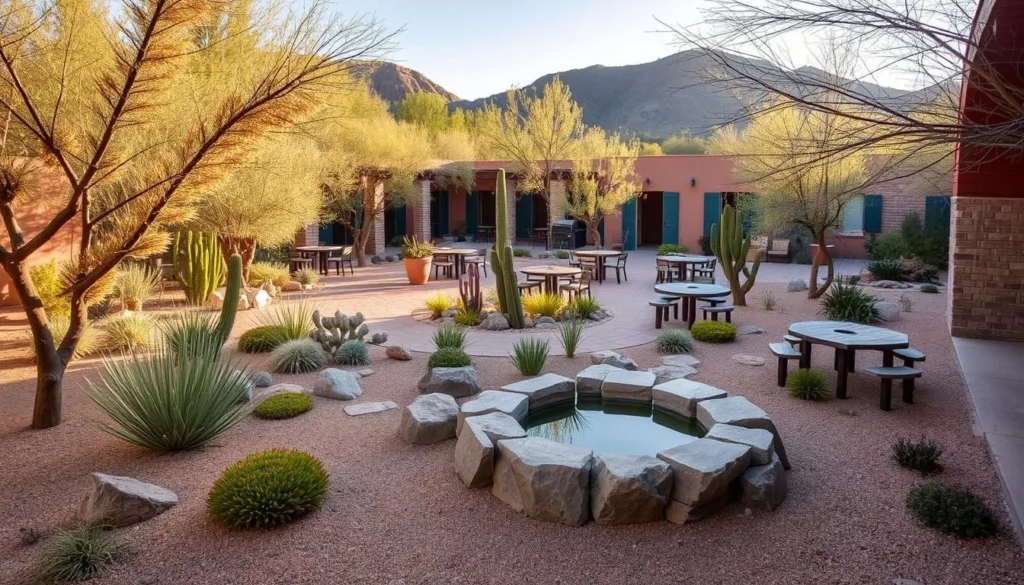
This demonstration area showcases how to create beautiful, sustainable outdoor living spaces in the desert. With innovative water harvesting techniques, native plant selections, and thoughtful design elements, it provides inspiration for desert dwellers and visitors alike.
Special Experiences
The Night Blooming Cereus event, locally known as “The Queen of the Night,” is perhaps the most magical experience at Tohono Chul. For one night between late May and early July, hundreds of cereus plants bloom simultaneously, creating a spectacular display of large, fragrant white flowers. The park extends its hours for this special occasion, allowing visitors to witness this rare phenomenon that lasts just a single night.
Throughout the year, the park offers specialized tours focusing on birds, geology, plant identification, and cultural history. Check the visitor center upon arrival for the daily schedule of guided walks and eco-stations where knowledgeable docents share insights about the desert environment.
For shoppers, the La Fuente Museum Shop and Desert Corner Nursery provide opportunities to take home a piece of the Sonoran Desert. The nursery specializes in native and desert-adapted plants, many propagated from the park’s own collection, while the museum shop offers locally-made crafts, jewelry, and educational materials.

Museums, Cultural Spots & Festivals
Tohono Chul Park serves as a living museum that celebrates the intersection of nature, art, and cultural heritage of the Sonoran Desert region. The park’s name itself, meaning “desert corner” in the language of the Tohono O’odham people, honors the indigenous connection to this land.
Cultural Exhibits
Throughout the grounds, interpretive displays share the rich cultural history of the region, from ancient peoples to modern desert dwellers. The Ethnobotanical Garden highlights the traditional uses of native plants by indigenous communities, while art exhibitions often feature works by Native American artists that reflect their deep connection to the desert landscape.
A recent addition to Tohono Chul is the Children’s Museum Oro Valley satellite location, open Tuesday through Sunday from 9 am to 1 pm. This family-friendly space offers hands-on activities that teach children about desert ecology, conservation, and cultural heritage through play and exploration.
Seasonal Festivals & Events
Tohono Chul hosts several signature events throughout the year that have become beloved traditions for locals and attractions for visitors:
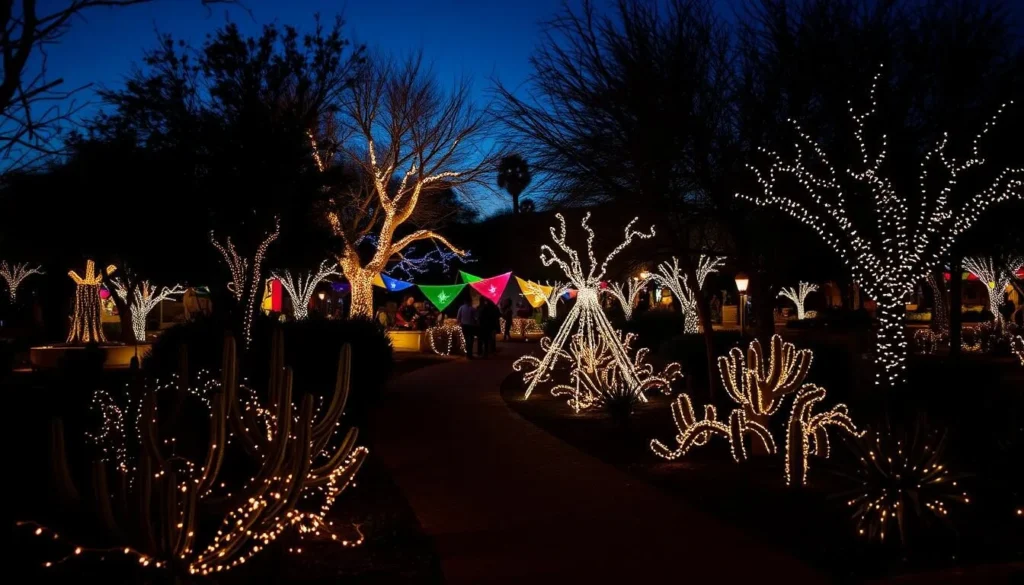
- Holiday Nights (December) – The gardens transform with thousands of twinkling lights, live music, and festive activities. This award-winning event has been voted “Best Festival” by locals.
- Spring Plant Sale (March/April) – A paradise for garden enthusiasts featuring hundreds of native and desert-adapted plants, many propagated from the park’s own collection.
- Sonoran Spring Festival (April) – Celebrating the vibrant spring season with special tours, art activities, and cultural demonstrations.
- Queen of the Night (June/July) – The magical evening when the night-blooming cereus plants flower simultaneously.
The Performance Garden hosts concerts throughout the year, featuring everything from classical chamber music to contemporary Southwestern and indigenous performers. Check the park’s calendar when planning your visit to coincide with these enriching cultural experiences.
Nature & Outdoor Experiences
The heart of Tohono Chul Park is its remarkable collection of Sonoran Desert flora and fauna, preserved in a natural setting that allows visitors to experience the desert’s biodiversity up close. With over 500 species of plants, including 150 types of shrubs and trees, the park serves as both a conservation space and living classroom.
Wildlife Watching
Tohono Chul is a haven for desert wildlife, particularly birds. Over 140 bird species have been documented within the park, making it a premier destination for birdwatchers. Early mornings offer the best opportunity to spot resident species like cactus wrens, Gambel’s quail, and gila woodpeckers, along with seasonal migrants.
Beyond birds, vigilant visitors might spot desert mammals such as javelinas, coyotes, and ground squirrels. Reptiles, including several lizard species and the occasional desert tortoise, can be seen basking in sunny spots. The park’s commitment to maintaining natural habitat corridors has created a thriving ecosystem within an urban setting.
Photography Tip: The “golden hours” shortly after opening (8-9 am) and before closing (4-5 pm) offer the most magical light for photography, with the low-angled sun illuminating desert plants and bringing out their textures. The gardens are also less crowded during these times.
Notable Natural Features
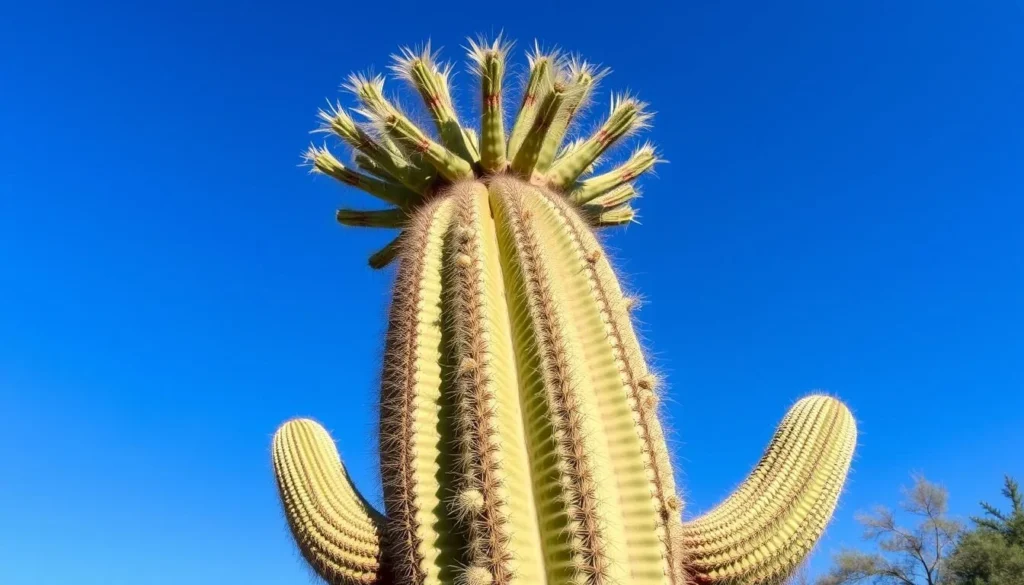
The park’s famous crested saguaro cactus is a must-see natural wonder. This rare mutation causes the cactus to form a fan-like growth pattern at its crown instead of the typical upward-reaching arms. Scientists estimate that only 1 in 200,000 saguaros develop this distinctive crest.
The Riparian Habitat area demonstrates how precious water shapes desert ecosystems. This streamside environment supports lush vegetation that contrasts dramatically with the surrounding arid landscape, highlighting the importance of water conservation in desert regions.
For geology enthusiasts, the park features impressive mineral displays, including large boulders with striking copper carbonate minerals like malachite (turquoise) and azurite (blue) that showcase the region’s rich mining heritage.
Safety, Etiquette & Local Customs
Visiting Tohono Chul Park is generally a safe and pleasant experience, but being prepared for desert conditions will ensure your comfort and enjoyment. The park staff prioritizes visitor safety while preserving the natural environment.
Desert Safety
- Stay hydrated – Even in cooler months, the desert air is extremely dry. Bring a refillable water bottle and use the water stations throughout the park.
- Sun protection – Wear a hat, sunglasses, and sunscreen. The desert sun is intense year-round.
- Proper footwear – Closed-toe shoes are recommended for walking the trails and protecting against cactus spines.
- Wildlife awareness – Observe wildlife from a distance and never attempt to touch or feed animals. Alert staff if you encounter potentially dangerous wildlife like rattlesnakes.
- Heat precautions – During summer months, plan your visit for early morning and stay in shaded areas during peak heat hours.
Visitor Etiquette
Tohono Chul Park asks visitors to follow these guidelines to preserve the natural environment and ensure everyone’s enjoyment:
- Stay on designated paths to protect sensitive desert vegetation
- Do not pick flowers, collect seeds, or remove any natural materials
- Maintain a peaceful atmosphere by keeping noise levels down
- Photography is welcome, but avoid using flash around wildlife
- Outside food is permitted in designated picnic areas, but please clean up thoroughly
- Service animals are welcome, but pets are not allowed
Cultural Respect
The park acknowledges its location on the traditional lands of the Tohono O’odham and Yoeme peoples. Visitors are encouraged to approach cultural exhibits with respect and appreciation for the indigenous knowledge that has allowed human communities to thrive in this challenging environment for thousands of years.
When visiting the art galleries, remember that many pieces represent cultural and spiritual traditions. Photography may be restricted in certain exhibition areas to respect artists’ rights and cultural sensitivities.
Visitor Comments About Tohono Chul Park
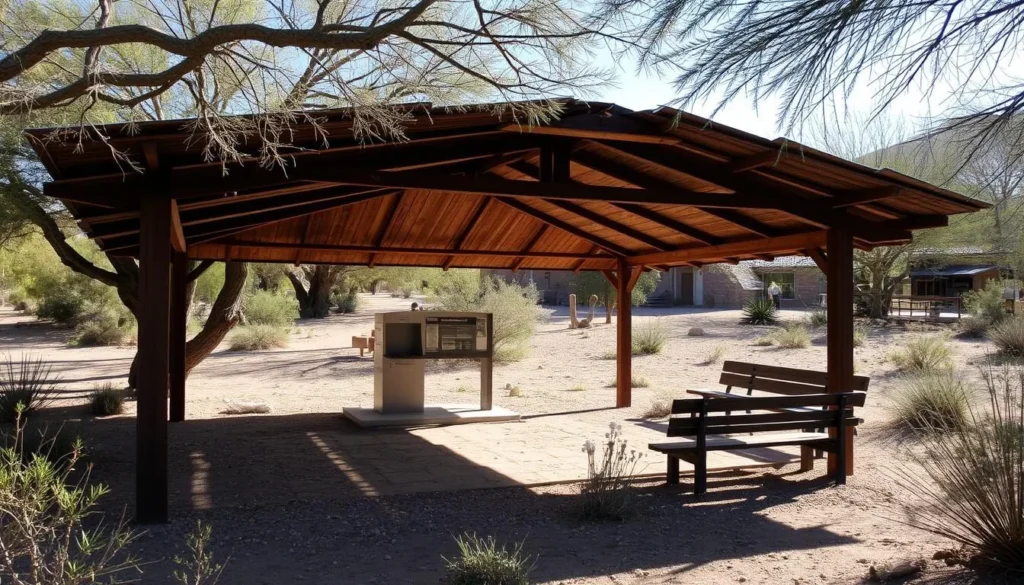
“As a plant enthusiast, I was absolutely blown away by the diversity of desert flora at Tohono Chul. The themed gardens offered so many ideas I could bring back to my own landscaping. Don’t miss the Desert Corner Nursery where you can purchase some of the plants you’ll fall in love with during your visit. The Garden Bistro’s prickly pear margarita was the perfect end to a wonderful day!”
“Coming from Malaysia, I was fascinated by the Sonoran Desert ecosystem, so different from our tropical rainforests. Tohono Chul provided an excellent introduction to desert ecology with its well-labeled plants and informative guides. I was fortunate to visit during the Night Blooming Cereus event—an absolutely magical experience I’ll never forget. The cultural exhibits also gave me insight into how indigenous peoples have thrived in this environment.”
“We visited with our grandchildren (ages 6 and 9) and were pleasantly surprised by how engaging it was for them. The Children’s Garden had hands-on activities, and they loved spotting lizards and birds along the trails. The docents were wonderful with kids, taking time to answer their endless questions. Much less crowded than other Tucson attractions, which made for a relaxed family outing. The Children’s Museum area was an unexpected bonus!”

Additional Nearby Destinations
Tohono Chul Park makes an excellent anchor for exploring other attractions in the Tucson area. Consider adding these nearby destinations to create a comprehensive Sonoran Desert experience:
Within 15 Minutes
- Bach’s Cactus Nursery (5 km/3 miles) – An extensive collection of rare and unusual cacti and succulents for collectors and enthusiasts
- Catalina State Park (10 km/6 miles) – Offers hiking trails with spectacular mountain views and seasonal wildflower displays
- Tucson Mall (4 km/2.5 miles) – The largest shopping center in Tucson for retail therapy and dining options
Within 30-45 Minutes
- Arizona-Sonora Desert Museum (32 km/20 miles) – World-renowned zoo, natural history museum, and botanical garden in one
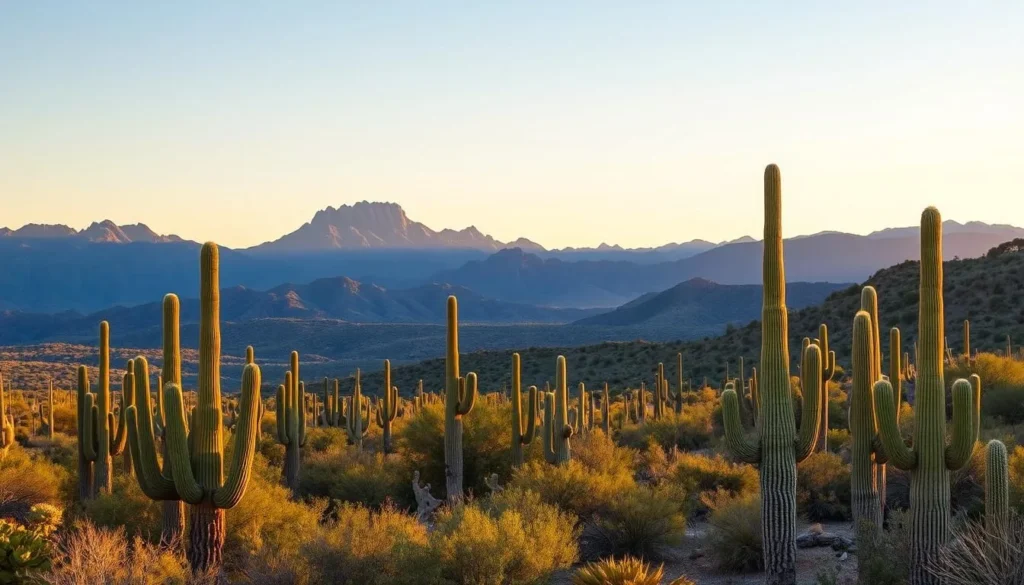
- Saguaro National Park (West District, 24 km/15 miles) – Iconic landscapes with forests of massive saguaro cacti
- Downtown Tucson (16 km/10 miles) – Historic districts, cultural attractions, and vibrant dining scene
For those with more time, consider day trips to the artistic community of Tubac (72 km/45 miles south), the historic mining town of Bisbee (153 km/95 miles southeast), or the renowned bird-watching destination of Madera Canyon (80 km/50 miles south).
Wine enthusiasts might enjoy exploring the Sonoita-Elgin wine region about an hour’s drive southeast of Tucson, where high-elevation vineyards produce distinctive Arizona wines in a beautiful grassland setting.
Practical Travel Tips
Admission & Hours
Tohono Chul Park is open daily from 8 am to 5 pm, with the Garden Bistro operating from 8 am to 4 pm. The park is closed on major holidays including New Year’s Day, Fourth of July, Thanksgiving, and Christmas Day, with reduced hours (8 am to 3 pm) on Christmas Eve and New Year’s Eve.
Admission fees support the park’s conservation and education efforts. Current rates are available at the park’s official website or by calling (520) 742-6455. Discounts are available for AAA members, active military, and through programs like Museums for All and Culture Pass. Members of the American Horticultural Society enjoy reciprocal admission benefits.
Accessibility
Most of Tohono Chul’s grounds, buildings, and trails are wheelchair accessible. Complimentary wheelchairs are available at the admissions desk on a first-come basis. Handicapped parking spaces are provided in both public parking lots.
Photography
Photography for personal use is permitted throughout the park. Commercial photography requires prior arrangement. When photographing art in the galleries, check for any restrictions on specific exhibits.
Connectivity
Free Wi-Fi is available in the main buildings, including the visitor center and Garden Bistro. Cell phone reception is generally good throughout the park.
Membership
If you plan to visit multiple times or want to support the park’s conservation mission, consider an annual membership. Benefits include unlimited free admission, discounts at the Garden Bistro and shops, and invitations to special events.
Contact Information:
Tohono Chul Park
7366 Paseo del Norte
Tucson, AZ 85704
Phone: (520) 742-6455
Hours: 8 am – 5 pm daily
Desert Magic Awaits: Your Tohono Chul Adventure
Tohono Chul Park offers a uniquely intimate desert experience that captures the essence of the Sonoran region—its natural beauty, rich cultural heritage, and remarkable adaptations to arid conditions. Whether you’re wandering through themed gardens, dining amidst hummingbirds at the Garden Bistro, or witnessing the once-a-year blooming of the Queen of the Night, this desert corner provides moments of discovery and tranquility that larger attractions often can’t match.
As you plan your Arizona journey, consider Tohono Chul not just a stop on your itinerary but a gateway to understanding the complex relationship between people and the desert that has shaped this region for millennia. In this thoughtfully preserved natural sanctuary, you’ll find not only spectacular plants and wildlife but also a deeper appreciation for the delicate balance that sustains life in one of North America’s most distinctive ecosystems.
The above is subject to change.
Check back often to TRAVEL.COM for the latest travel tips and deals.




0 Comments