
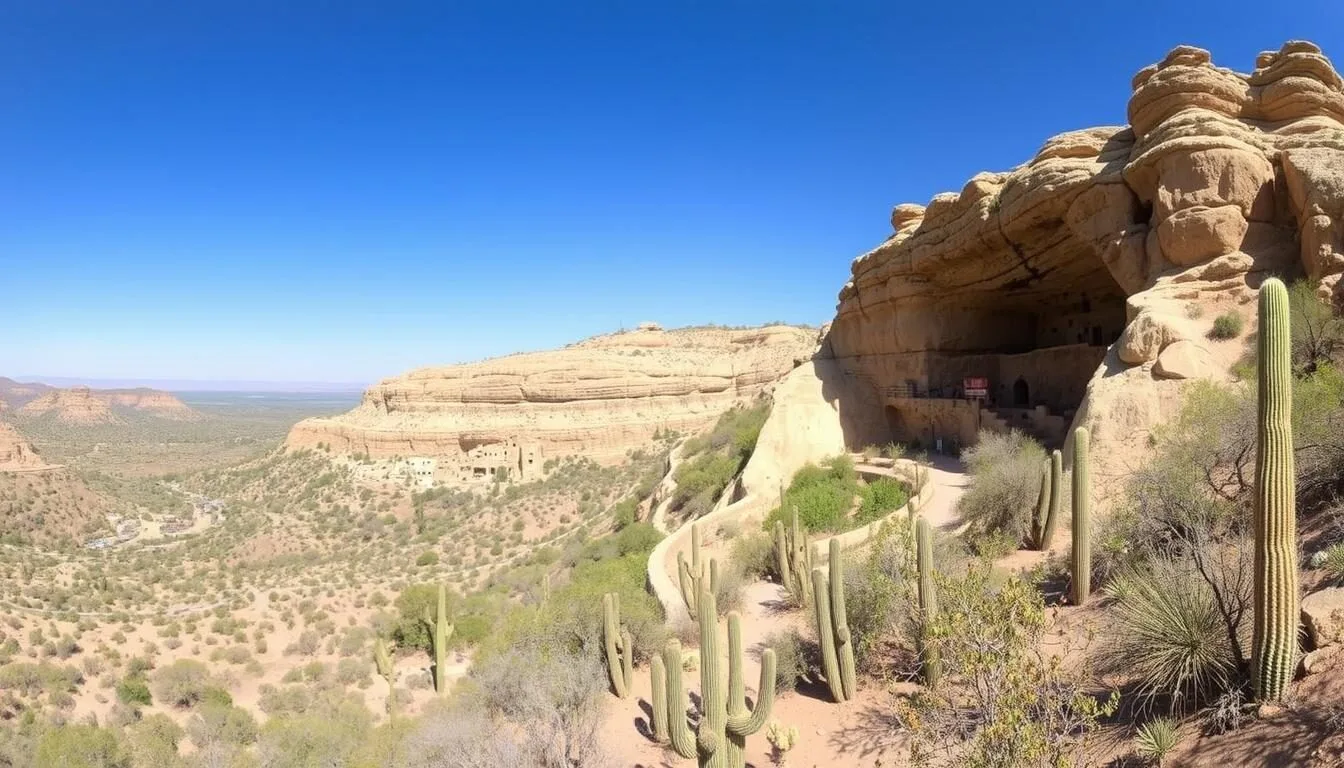
Nestled in the rugged Sonoran Desert, Tonto National Monument preserves cliff dwellings that have withstood the test of time for over 700 years. These remarkably intact structures offer a rare glimpse into the lives of the Salado people, who created a vibrant cultural center in central Arizona’s Tonto Basin between 1250 and 1450 CE. Unlike many ancient sites, visitors here can stand within the actual rooms where indigenous families once lived, touching the same walls their hands crafted centuries ago.
Getting There & Planning Your Journey
Tonto National Monument is located 110 km (68 miles) east of Phoenix, Arizona, making it an accessible day trip from the state capital. The nearest major airport is Phoenix Sky Harbor International Airport, which offers numerous domestic and international flights daily.
There are several routes to reach the monument:
- From Phoenix: Take US-60 east toward Globe, then north on AZ-188 (approximately 1.5 hours)
- From Tucson: Take AZ-77 north to Globe, then AZ-188 northwest (approximately 2.5 hours)
- From Flagstaff: Take I-17 south to Phoenix, then follow the Phoenix directions (approximately 3 hours)
The monument’s exact address is 26260 North AZ-188, Roosevelt, AZ 85545. The entrance to the monument is well-marked along AZ-188, which runs along the western shore of Roosevelt Lake.

Best Time to Visit & Weather Tips
The monument experiences hot summers and mild winters, typical of the Sonoran Desert climate. Planning your visit during the right season can make a significant difference in your experience.
| Season | Months | Temperature | Recommendation |
| Winter | December-February | 7-18°C (45-65°F) | Excellent time to visit with mild temperatures ideal for hiking |
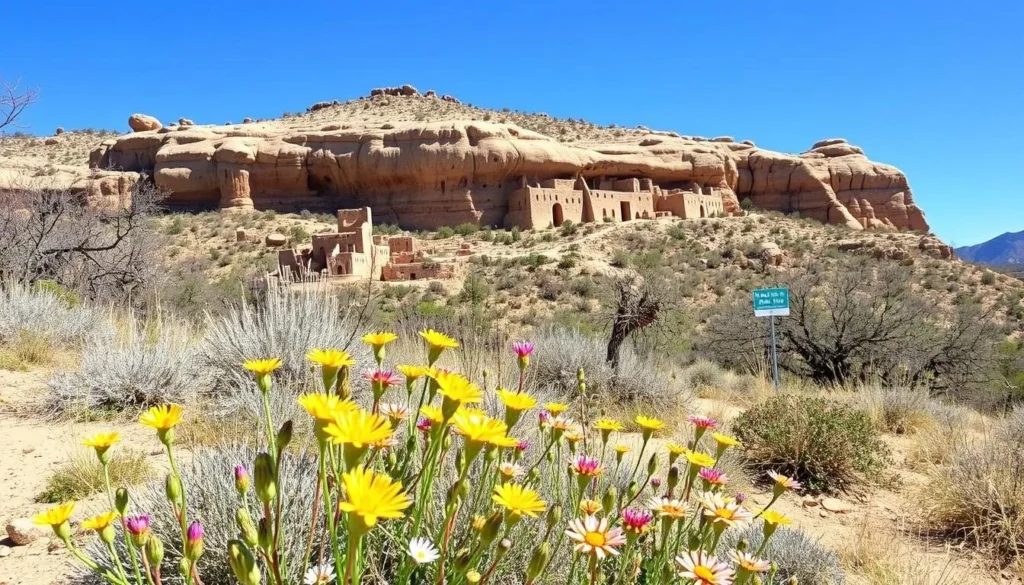
| Spring | March-May | 13-29°C (55-85°F) | Highly recommended; wildflowers bloom and temperatures are pleasant |
| Summer | June-August | 24-38°C (75-100°F+) | Not recommended; extreme heat makes hiking uncomfortable and potentially dangerous |
| Fall | September-November | 13-32°C (55-90°F) | Excellent time to visit as temperatures cool and crowds are smaller |
The monument is open daily from 8:00 AM to 5:00 PM year-round, except for December 25th. The Lower Cliff Dwelling trail closes to uphill travel at 4:00 PM to ensure visitors have enough time to return before closing.
Pro Tip: Visit in the early morning during warmer months to avoid the midday heat. Always bring plenty of water (at least 1 liter per person), wear sun protection, and sturdy walking shoes regardless of when you visit.
Getting Around Locally
The monument is relatively compact, with the main attractions accessible via well-maintained trails. Here’s what you need to know about navigating the site:
- Lower Cliff Dwelling Trail: This paved but steep 1.6 km (1 mile) round-trip trail climbs approximately 107 m (350 feet) to reach the Lower Cliff Dwelling. The trail features several benches where you can rest and enjoy the views.
- Upper Cliff Dwelling: This larger dwelling is accessible only through guided tours offered from November through April. The 4.8 km (3 mile) round-trip hike is more strenuous and requires advance reservations by calling the visitor center at 928-467-2241.
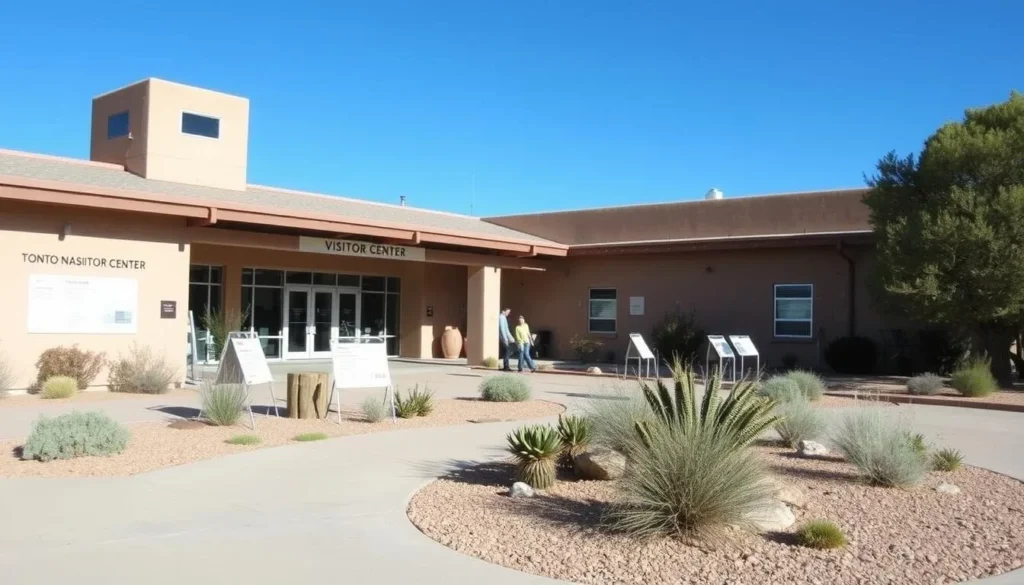
- Visitor Center: Start your visit here to view exhibits about the Salado culture, watch an informative video, and speak with knowledgeable park rangers about current conditions.
There is no public transportation to the monument, so a personal vehicle is necessary. The parking lot is located near the visitor center, with accessible parking spaces available.
Where to Stay
There are no lodging facilities within Tonto National Monument itself, but several options are available in nearby communities:
Roosevelt Area
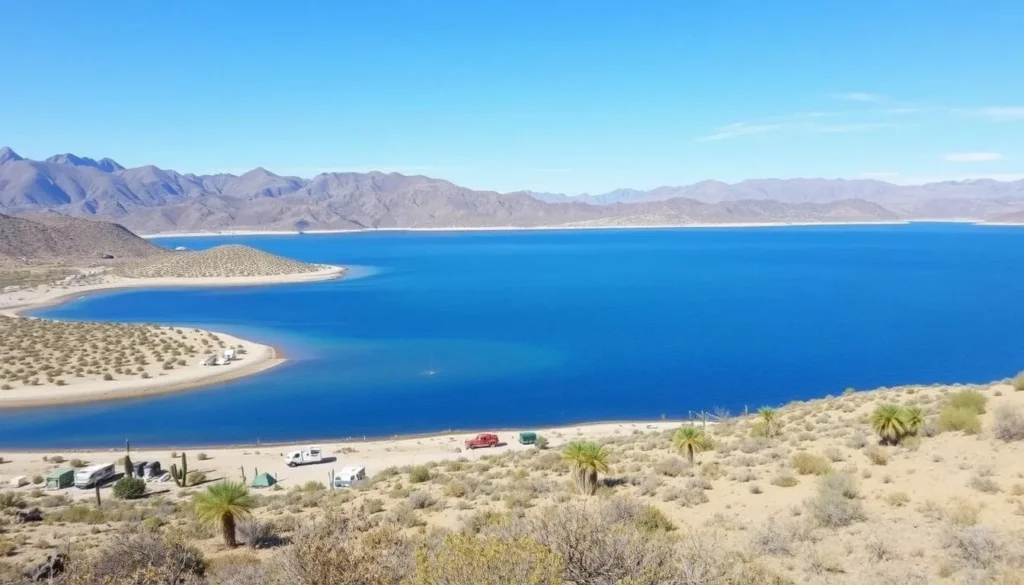
The closest accommodations to the monument are at Roosevelt Lake, just a few minutes away:
- Roosevelt Lake Resort – Offers cabins and an RV park with lake views
- Roosevelt Lake Visitor Center – Provides information on camping options
Globe-Miami (30 minutes)
These neighboring towns offer more lodging options:
- Best Western Copper Hills Inn
- Motel 6 Globe
- Days Inn by Wyndham Globe
- Several local motels and B&Bs
Payson (1 hour)
This larger mountain town offers more amenities:
- Majestic Mountain Inn
- Quality Inn Payson
- Comfort Inn Payson
- Several vacation rentals and cabins
Camping Options
While camping is not permitted within the monument, several campgrounds are located nearby:
- Cholla Campground: Located at Roosevelt Lake, just minutes from the monument. Offers 206 developed sites with amenities including restrooms, drinking water, and boat ramps.
- Windy Hill Campground: Also at Roosevelt Lake, with similar amenities to Cholla.
- Tonto National Forest Dispersed Camping: Primitive camping is allowed in many areas of the surrounding national forest.
Dining & Local Cuisine
There are no dining facilities within Tonto National Monument, so it’s advisable to bring your own food and water for your visit. However, several dining options are available in nearby communities:
Nearby Options
- Roosevelt Lake Marina Store: Offers basic groceries, snacks, and drinks. Located about 10 minutes from the monument.
- Roosevelt Resort Park: Features a small café with basic meals during peak season.
Globe-Miami Area (30 minutes)
These historic mining towns offer a variety of dining options:
- Guayo’s El Rey Café: Authentic Mexican cuisine in a historic building
- Copper Hen Bakery & Café: Homemade pastries and lunch options
- Drift Inn Saloon: Historic bar with pub fare
- Chalo’s Casa Reynoso: Family-owned Mexican restaurant
Payson (1 hour)
- La Sierra Mexican Restaurant: Popular spot for Mexican cuisine
- Macky’s Grill: American classics and burgers
- Fargo’s Steakhouse: Steaks and southwestern fare
Picnic Tip: The monument has a picnic area near the visitor center with tables and shade structures. Consider bringing a packed lunch to enjoy the scenic views while dining.

Attractions, Sightseeing & Activities
Tonto National Monument offers several fascinating attractions that showcase the ancient Salado culture and the natural beauty of the Sonoran Desert:
Lower Cliff Dwelling
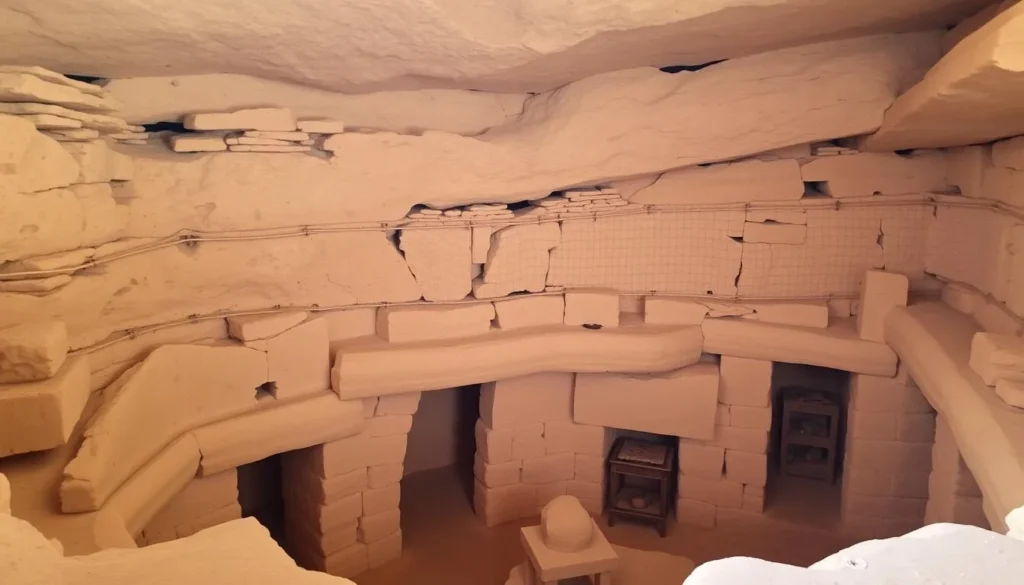
The most accessible of the monument’s prehistoric structures, this well-preserved 20-room dwelling offers a fascinating glimpse into Salado life. The paved trail to the dwelling is steep but manageable for most visitors and provides excellent views of Roosevelt Lake and the surrounding Tonto Basin.

Upper Cliff Dwelling
Larger and more remote than the Lower Dwelling, this 40-room structure offers a more immersive experience. Accessible only through guided tours (November-April), the 4.8 km (3 mile) round-trip hike rewards visitors with spectacular views and a deeper understanding of Salado architecture and lifestyle.
Reservation Tip: Upper Cliff Dwelling tours fill up quickly during peak season. Call the visitor center at 928-467-2241 at least 2-3 weeks in advance to secure your spot.
Visitor Center Museum
The museum houses an impressive collection of Salado artifacts, including colorful pottery, woven textiles, and tools. Interactive exhibits explain the geology of the area, the daily life of the Salado people, and their eventual migration from the region. Don’t miss the informative video that provides context for your visit.
Special Events
- Lower Cliff Dwelling Trail Luminaria Night: Usually held in December, this special event illuminates the trail to the Lower Cliff Dwelling with hundreds of paper lanterns, creating a magical experience.
- Astronomy Nights: The monument is designated as an International Dark Sky Park. Periodic stargazing events with telescopes and expert guides offer spectacular views of the night sky.
- Cultural Demonstrations: Throughout the year, the monument hosts demonstrations of traditional crafts and skills.

Museums, Cultural Spots & Festivals
While Tonto National Monument itself serves as a living museum, there are several complementary cultural attractions in the surrounding area that can enhance your understanding of the region’s rich history:
Within the Monument
- Visitor Center Exhibits: Features artifacts from the Salado culture including pottery, textiles, and tools. The exhibits explain how these items were made and used in daily life.
- Archaeological Collections: The monument preserves thousands of artifacts recovered from excavations, with rotating displays highlighting different aspects of Salado culture.
Nearby Cultural Attractions
- Besh Ba Gowah Archaeological Park (Globe): A partially reconstructed Salado pueblo with an excellent museum featuring artifacts similar to those found at Tonto.
- Gila County Historical Museum (Globe): Housed in the old county jail, this museum focuses on the mining history of the area but also includes exhibits on indigenous cultures.
- San Carlos Apache Cultural Center (San Carlos): Showcases the culture and history of the Apache people who later inhabited the region.
- Tonto Basin Archaeological Research Center: Occasionally open to the public, this facility houses researchers studying the prehistoric cultures of the Tonto Basin.
Annual Events
Several cultural events throughout the year celebrate the heritage of the region:
- Native American Arts Festival (March): Held in Globe, featuring traditional crafts, music, and dance.
- Apache Sunrise Ceremony (June-July): A coming-of-age ceremony for Apache girls. While primarily for tribal members, some portions may be open to respectful visitors.
- Globe-Miami Heritage Festival (October): Celebrates the diverse cultural heritage of the area, including indigenous, Hispanic, and mining traditions.

Nature & Outdoor Experiences
Beyond its archaeological treasures, Tonto National Monument offers visitors the chance to experience the diverse ecosystems of the Sonoran Desert:
Flora and Fauna
The monument preserves a remarkable variety of desert plants and animals. Keep an eye out for:
Plants
- Saguaro cacti – the iconic symbol of the Sonoran Desert
- Cholla and prickly pear cacti
- Jojoba and mesquite
- Agave and yucca
- Desert wildflowers (spring)
Animals
- Mule deer and javelina
- Coyotes and ringtails
- Desert tortoises
- Various lizards and snakes
- 14 species of bats
- Numerous bird species
Hiking Opportunities
While the monument’s trails focus primarily on accessing the cliff dwellings, they also offer excellent opportunities to experience the natural environment:
- Lower Cliff Dwelling Trail: Beyond its archaeological significance, this trail offers excellent views of Roosevelt Lake and the surrounding mountains. Interpretive signs identify native plants and their traditional uses.
- Upper Cliff Dwelling Trail: This guided hike traverses varied terrain and ecosystems, providing more opportunities to spot wildlife and desert plants.
Roosevelt Lake Recreation
Adjacent to the monument, Roosevelt Lake offers numerous outdoor activities:
- Fishing for bass, crappie, and catfish
- Boating and kayaking on the 8,658-hectare (21,493-acre) lake
- Swimming at designated beaches
- Birdwatching, especially during migration seasons
- Hiking on trails around the lake
Wildlife Viewing Tip: Early morning and late afternoon are the best times to spot wildlife. Bring binoculars and move quietly along the trails for the best chances of seeing animals.

Safety, Etiquette & Local Customs
Visiting Tonto National Monument safely requires preparation and respect for both the natural environment and cultural heritage:
Safety Considerations
- Heat Safety: Summer temperatures regularly exceed 38°C (100°F). Bring at least 1 liter of water per person, wear a hat and sunscreen, and avoid hiking during the hottest part of the day (10 AM – 4 PM).
- Trail Conditions: While paved, the trail to the Lower Cliff Dwelling is steep with uneven surfaces in places. Wear sturdy footwear and consider using hiking poles if you have balance concerns.
- Wildlife Awareness: Rattlesnakes, scorpions, and other venomous creatures inhabit the area. Stay on designated trails, watch where you step and place your hands, and report any snake sightings to park staff.
- Flash Floods: During monsoon season (July-September), sudden heavy rains can cause dangerous flash floods. Be aware of weather forecasts and seek higher ground immediately if heavy rain begins.
Cultural Etiquette
The cliff dwellings and artifacts are irreplaceable cultural treasures that require special care:
- Never climb on or lean against the ancient walls
- Do not touch the prehistoric mortar or plaster on walls
- Stay on designated trails and within visitor areas
- Photography is permitted, but no tripods or selfie sticks inside the dwellings
- It is illegal to collect or disturb any artifacts, plants, or rocks within the monument
Local Customs
The monument is culturally significant to several Native American tribes:
- Speak quietly and respectfully when visiting the dwellings
- If you encounter tribal members conducting ceremonies, maintain a respectful distance
- Some Native American visitors may leave small offerings at the site; these should never be disturbed
Emergency Information: Cell phone coverage is limited within the monument. In case of emergency, contact a park ranger or call 911. The nearest medical facilities are in Globe, approximately 48 km (30 miles) away.

Visitor Comments About Tonto National Monument
“The Lower Cliff Dwelling exceeded all my expectations. Standing in rooms built 700 years ago was a profound experience. The trail is steep but manageable with several rest benches. I recommend starting early to avoid the heat and crowds. The rangers were incredibly knowledgeable and passionate about the site’s history.”
“We were fortunate to book a guided tour to the Upper Cliff Dwelling, which was absolutely worth the longer hike. Our guide shared fascinating details about the Salado people and their ingenious building techniques. The visitor center museum complemented our experience with its excellent artifact displays. Don’t miss the pottery collection!”
“Visiting during the Luminaria Night event was magical. The path lit by hundreds of paper lanterns created an unforgettable atmosphere. The cliff dwelling illuminated at night offered a completely different perspective from daytime visits. The stargazing afterward was spectacular—I’ve never seen so many stars in my life!”

Additional Nearby Destinations
Tonto National Monument makes an excellent anchor for exploring other attractions in central Arizona:
Within 1 Hour
- Theodore Roosevelt Dam: Historic dam completed in 1911, offering tours and spectacular views
- Besh Ba Gowah Archaeological Park: Reconstructed Salado pueblo in Globe
- Apache Trail Scenic Drive: Historic route with dramatic desert vistas (partially unpaved)
- Tonto Natural Bridge State Park: World’s largest natural travertine bridge
Within 2 Hours
- Boyce Thompson Arboretum: Arizona’s oldest and largest botanical garden
- Casa Grande Ruins National Monument: Prehistoric Hohokam great house and compound
- Salt River Canyon: Dramatic gorge with rafting opportunities
- Mogollon Rim: Dramatic 600 m (2,000 ft) escarpment with hiking trails and viewpoints
Within 3 Hours
- Petrified Forest National Park: Ancient fossilized trees and colorful badlands
- Saguaro National Park: Preserves the iconic cacti of the Sonoran Desert
- Canyon Lake: Beautiful reservoir with boat tours and swimming
- Montezuma Castle National Monument: Well-preserved cliff dwelling near Camp Verde
Many visitors combine Tonto National Monument with other sites along the “Ancient Arizona” route, which includes several prehistoric cultural sites throughout central and eastern Arizona.
Practical Travel Tips
- Entrance Fees: $10 per person (valid for 7 days), free for children under 16. America the Beautiful Passes, Senior Passes, and other federal recreation passes are accepted.
- Operating Hours: The monument is open daily 8:00 AM to 5:00 PM year-round, except December 25th. The Lower Cliff Dwelling trail closes to uphill travel at 4:00 PM.
- Accessibility: The visitor center, museum, restrooms, and picnic area are wheelchair accessible. The trails to the cliff dwellings are not accessible due to steep grades.
- Pet Policy: Leashed pets are allowed only on the Lower Cliff Dwelling trail but not inside the dwelling itself. Service animals are permitted throughout the monument.
- Photography: Photography for personal use is permitted throughout the monument. Commercial photography requires a permit.
- Cell Service: Cell phone coverage is limited within the monument. Download maps and information before your visit.
- Fuel: The nearest gas stations are in Roosevelt and Globe. Fill your tank before heading to the monument.
- Free Entrance Days: The National Park Service offers several fee-free days throughout the year, including Martin Luther King Jr. Day, the first day of National Park Week, and Veterans Day.
Ranger Programs: Check at the visitor center for daily ranger talks and guided walks. These free programs greatly enhance your understanding of the monument’s cultural and natural history.
Echoes of Ancient Wisdom: Your Journey Awaits
Standing within the ancient walls of Tonto National Monument’s cliff dwellings creates a profound connection across the centuries. As you trace your fingers along the same stone surfaces touched by Salado hands 700 years ago, the boundaries between past and present seem to momentarily dissolve. These remarkable structures aren’t merely archaeological curiosities—they’re testaments to human ingenuity, adaptation, and the enduring relationship between people and the desert landscape.
Whether you’re drawn by the archaeological wonders, the spectacular Sonoran Desert scenery, or the opportunity to experience one of Arizona’s less-crowded national monuments, Tonto offers a rewarding journey into America’s ancient past. As you plan your visit, remember that you’re not just a tourist but a temporary steward of this irreplaceable heritage. Tread lightly, listen closely to the stories these ancient walls have to tell, and carry their wisdom forward into your own journey.
The above is subject to change.
Check back often to TRAVEL.COM for the latest travel tips and deals.



0 Comments