
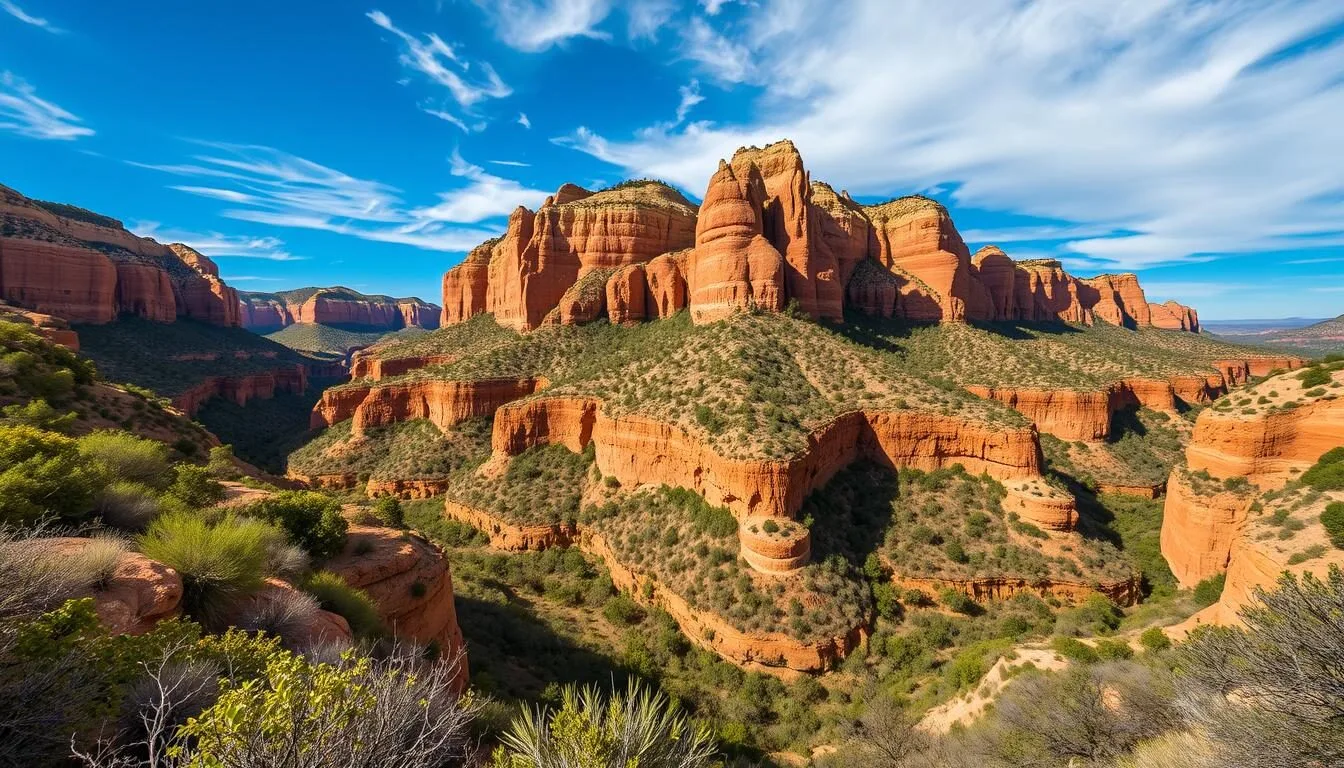
Did you know that the ancient cliff dwellings at Walnut Canyon National Monument were built nearly 900 years ago by the Sinagua people, who mysteriously abandoned their homes after living there for only 150 years? These remarkably preserved dwellings, tucked into the limestone walls of a 400-foot deep canyon, offer one of Arizona’s most accessible glimpses into prehistoric life. Today, you can walk the same paths these ancient people once traveled, peering into their former homes while enjoying breathtaking views of the canyon landscape.
Getting There & Planning Your Journey
Walnut Canyon National Monument is conveniently located just 11 km (7 miles) east of Flagstaff, Arizona. The monument is easily accessible from Interstate 40 – simply take exit 204 and follow the signs for about 5 km (3 miles) to reach the entrance.
The closest major airport is Flagstaff Pulliam Airport (FLG), approximately 24 km (15 miles) away, offering limited commercial flights. For more flight options, Phoenix Sky Harbor International Airport (PHX) is about 233 km (145 miles) south, providing a scenic 2.5-hour drive through the beautiful Arizona landscape.
If driving from Flagstaff, the journey takes only about 15-20 minutes. From Phoenix, expect a 2.5-hour drive, while from the Grand Canyon South Rim, it’s approximately a 1.5-hour journey. The monument is also a perfect stop if you’re traveling along the historic Route 66.
Best Time to Visit & Weather Tips
Recommended Seasons
Spring (April-May)
Spring offers mild temperatures ranging from 10-21°C (50-70°F) with blooming wildflowers adding splashes of color to the canyon. The crowds are moderate, making it an excellent time for photography and peaceful hiking.
Fall (September-October)
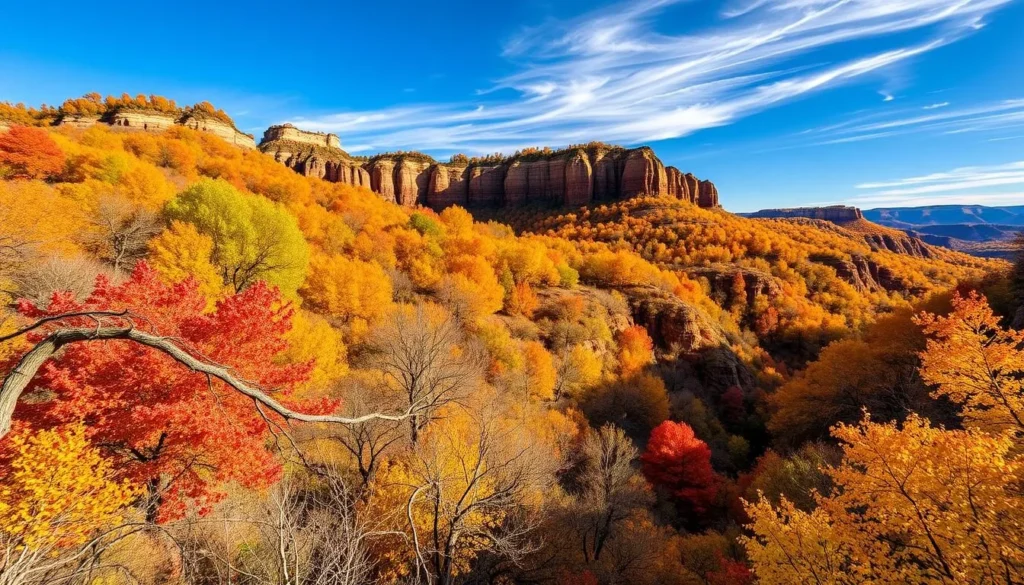
Fall brings comfortable temperatures of 7-24°C (45-75°F) with stunning golden and amber foliage. The tourist numbers decrease after summer, providing a more serene experience.
Summer (June-August)
Summer temperatures typically range from 15-32°C (60-90°F). While it can get hot during midday, the higher elevation (2,134 m/7,000 ft) keeps temperatures more moderate than lower desert areas. Morning hikes are recommended to avoid afternoon heat and potential thunderstorms.
Winter (November-March)
Winter brings temperatures between -7 to 10°C (20-50°F) with occasional snow. The monument remains open, and the snow-dusted canyon offers unique photographic opportunities, though trails may be icy.
Seasons to Avoid
July and August afternoons can bring monsoon thunderstorms with lightning risks. December and January may have icy trail conditions that can make hiking dangerous, especially on the Island Trail with its 736 stairs. Holiday weekends throughout the year bring larger crowds.
Weather Tip: Due to the canyon’s elevation at around 2,134 m (7,000 ft), weather can change rapidly. Dress in layers and bring sun protection year-round. During summer, start hikes early to avoid afternoon thunderstorms, and in winter, check trail conditions before setting out.
Getting Around Locally
Walnut Canyon National Monument is a compact site that’s easy to navigate on foot. The Visitor Center serves as your starting point, with all trails beginning nearby. No shuttle services operate within the monument, as the main areas of interest are within walking distance.
Transportation Options
- Personal vehicle – Required to reach the monument as no public transportation serves the site
- Walking – The only way to explore the monument once you arrive
- Taxi/rideshare – Available from Flagstaff but not practical for return trips due to limited cell service
If you’re staying in Flagstaff without a car, consider booking a tour that includes transportation or arranging a taxi with a scheduled pickup time for your return. Once at the monument, comfortable walking shoes are essential as you’ll be exploring exclusively on foot.
The Island Trail includes 736 stairs (down and up), so visitors with mobility concerns may prefer the more accessible Rim Trail, which is paved and relatively flat.
Where to Stay
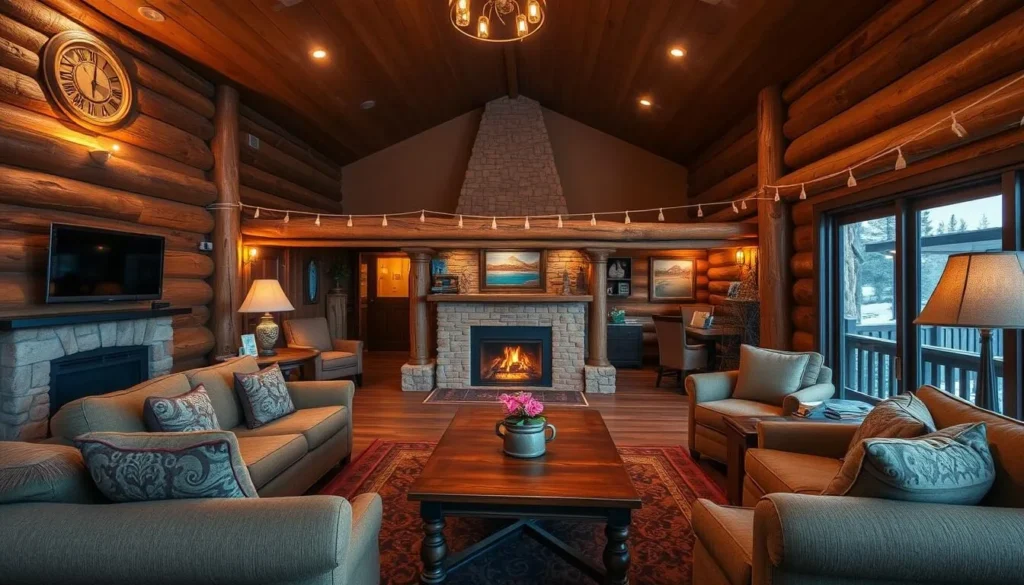
Walnut Canyon National Monument doesn’t offer lodging within its boundaries, but nearby Flagstaff provides numerous accommodation options just 15-20 minutes away. Here are the best places to stay when visiting the monument:
Flagstaff Accommodations
Hotels & Motels
Flagstaff offers a wide range of hotels from budget to luxury. The east side of Flagstaff is closest to Walnut Canyon, with several chain hotels near I-40 exit 198. Downtown Flagstaff hotels, though slightly farther, provide access to restaurants and shops within walking distance.
Bed & Breakfasts
For a more personalized experience, Flagstaff features several charming B&Bs, particularly in the historic downtown area. These often provide local knowledge, homemade breakfasts, and unique southwestern charm.
Vacation Rentals
Cabins and vacation homes are available throughout the Flagstaff area, offering more space and kitchen facilities. Many are nestled among the ponderosa pines, providing a peaceful forest retreat after a day of exploring.
Camping Options
While there’s no camping at Walnut Canyon itself, the surrounding Coconino National Forest offers developed campgrounds and dispersed camping opportunities. Bonito Campground near Sunset Crater and Fort Tuthill County Park provide established camping facilities within 30 minutes of the monument.
Accommodation Tip: Flagstaff accommodations can fill quickly during summer months and holiday weekends. Book at least 2-3 months in advance if visiting during peak season (June-August) or around major holidays.
Dining & Local Cuisine

There are no dining facilities within Walnut Canyon National Monument, so planning ahead for meals is essential. The nearest food options are in Flagstaff, about 15-20 minutes away.
Dining Options
Picnicking at the Monument
Walnut Canyon has a small picnic area near the Visitor Center with tables and trash facilities. Bringing your own food is recommended for a midday break between hikes. There are no water fountains on the trails, so bring plenty of water.
Flagstaff Restaurants
Flagstaff offers diverse dining options from casual to fine dining. The historic downtown area features numerous local restaurants serving everything from southwestern cuisine to international options. East Flagstaff (closest to Walnut Canyon) has several chain restaurants near I-40.
Local Specialties to Try
- Navajo Tacos – Fry bread topped with beans, meat, and toppings
- Green Chile Stew – Hearty southwestern favorite
- Prickly Pear – Used in desserts, drinks, and sauces
- Craft Beer – Flagstaff has several excellent local breweries
- Piñon Coffee – Local coffee flavored with pine nuts
Dining Tip: Pack a picnic lunch to enjoy at the monument’s designated picnic area. This saves time and allows you to maximize your visit without returning to Flagstaff for meals. Don’t forget to bring plenty of water, especially during warmer months!
Attractions, Sightseeing & Activities
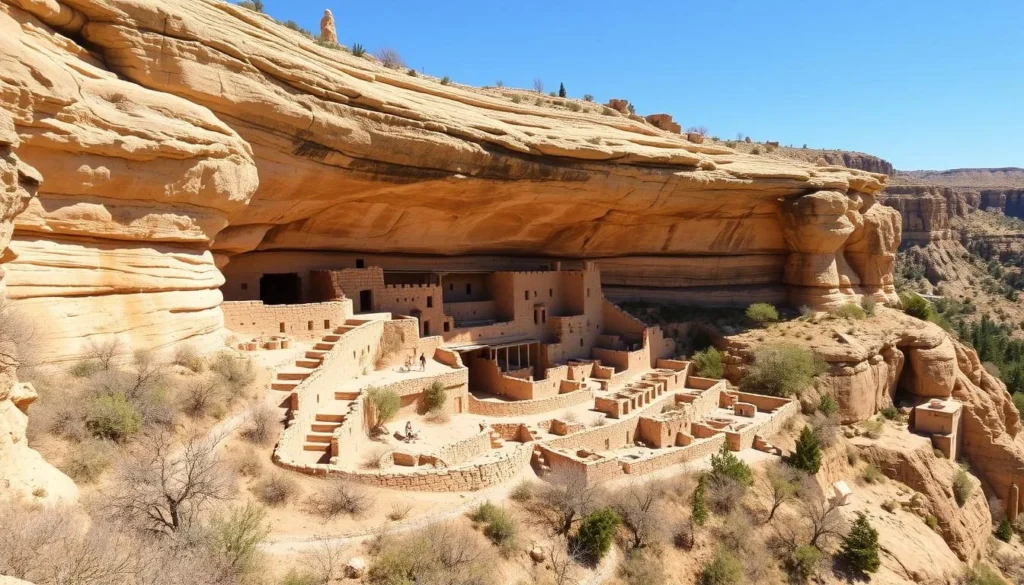
Walnut Canyon National Monument offers a fascinating glimpse into ancient history with remarkably preserved cliff dwellings and beautiful natural scenery. Here are the top attractions and activities to experience during your visit:
Must-See Attractions
Island Trail
This 1.6 km (1 mile) loop trail is the highlight of any visit, taking you down 73 m (240 ft) into the canyon via 736 stairs. The path winds around a “island” peninsula, passing 25 cliff dwelling rooms that you can observe up close. The trail offers spectacular views of the canyon and provides the best opportunity to experience how the Sinagua people lived. Allow 1-1.5 hours to complete this moderately strenuous trail.
Rim Trail
This easier 1.2 km (0.75 mile) paved trail follows the canyon’s edge, offering panoramic views and access to a partially reconstructed pithouse and pueblo. This trail is wheelchair accessible and perfect for those who prefer not to navigate the stairs of the Island Trail. The trail takes approximately 30-45 minutes to complete and includes interpretive signs explaining the natural and cultural history.
Other Notable Attractions
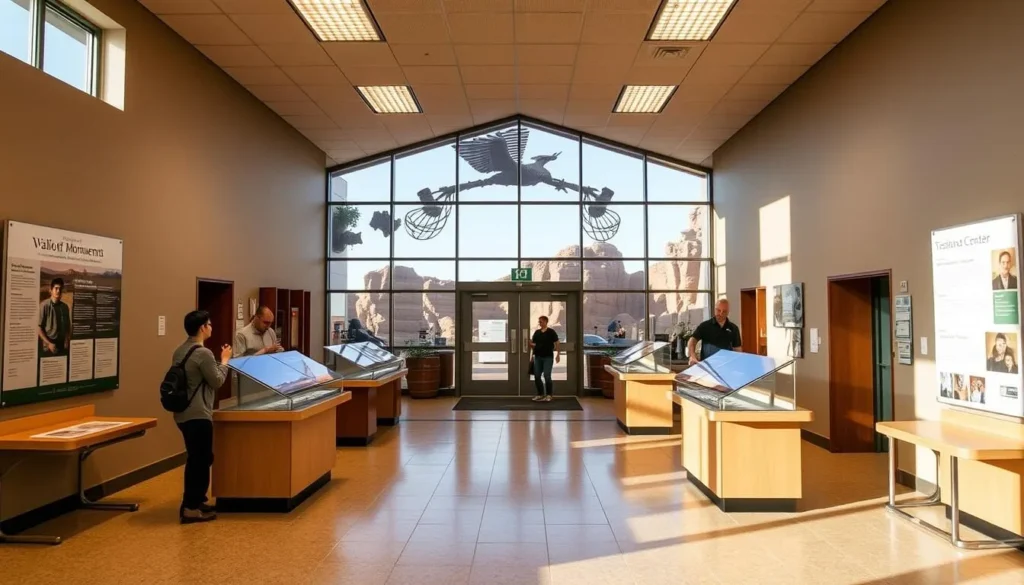
- Visitor Center Museum – Displays artifacts, exhibits on Sinagua culture, and a short film about the monument’s history
- Ranger Programs – Seasonal guided walks and talks that provide deeper insights into the area’s cultural and natural history
- Wildlife Viewing – Opportunities to spot some of the 121 bird species and 69 mammal species that inhabit the canyon
- Photography – Countless opportunities to capture the dramatic landscape, cliff dwellings, and diverse plant life
Visitor Tip: The Island Trail is the most popular attraction and provides the closest access to cliff dwellings. If you have limited time, prioritize this trail for the most immersive experience. Start early in the day to avoid crowds and midday heat.
Museums, Cultural Spots & Festivals
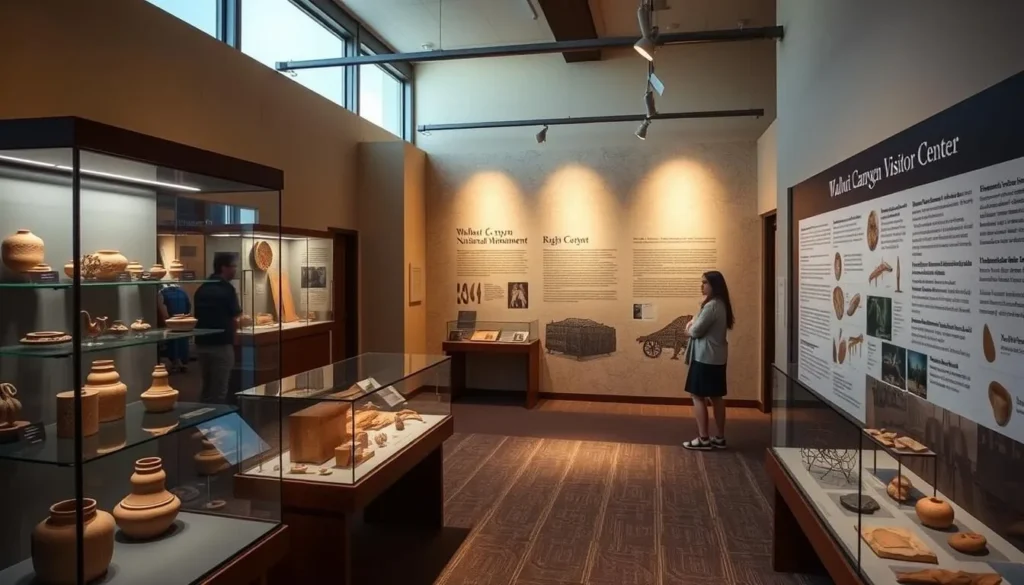
Cultural Experiences at Walnut Canyon
While Walnut Canyon is primarily an archaeological site rather than a museum destination, it offers several cultural experiences:
- Visitor Center Exhibits – The small but informative museum houses artifacts, dioramas, and interactive displays that tell the story of the Sinagua people and their connection to the land
- Interpretive Film – A short film at the Visitor Center provides context about the monument’s history and significance
- Junior Ranger Program – An educational program for children to learn about archaeology, history, and conservation
Nearby Cultural Attractions
To enhance your cultural experience, consider visiting these nearby sites:
Museum of Northern Arizona (Flagstaff)
Located just 16 km (10 miles) from Walnut Canyon, this excellent museum features extensive exhibits on Native American cultures of the Colorado Plateau, including the Sinagua, Hopi, and Navajo. The museum also showcases natural history exhibits and fine art.
Wupatki National Monument
About 63 km (39 miles) north of Flagstaff, Wupatki preserves additional pueblos built by the same cultural group. The red sandstone structures offer a different architectural style than those at Walnut Canyon.
Flagstaff Cultural Events
Depending on when you visit, Flagstaff hosts several cultural events throughout the year:
- Museum of Northern Arizona Heritage Festivals (summer) – Celebrating Zuni, Hopi, and Navajo cultures
- Flagstaff Festival of Science (September) – Including archaeology programs
- Indigenous Peoples Day (October) – Cultural celebrations and educational events
Cultural Tip: To gain a deeper understanding of the ancient peoples who once inhabited Walnut Canyon, consider visiting all three of the Flagstaff area national monuments (Walnut Canyon, Wupatki, and Sunset Crater Volcano) which tell different parts of the same cultural story.
Nature & Outdoor Experiences
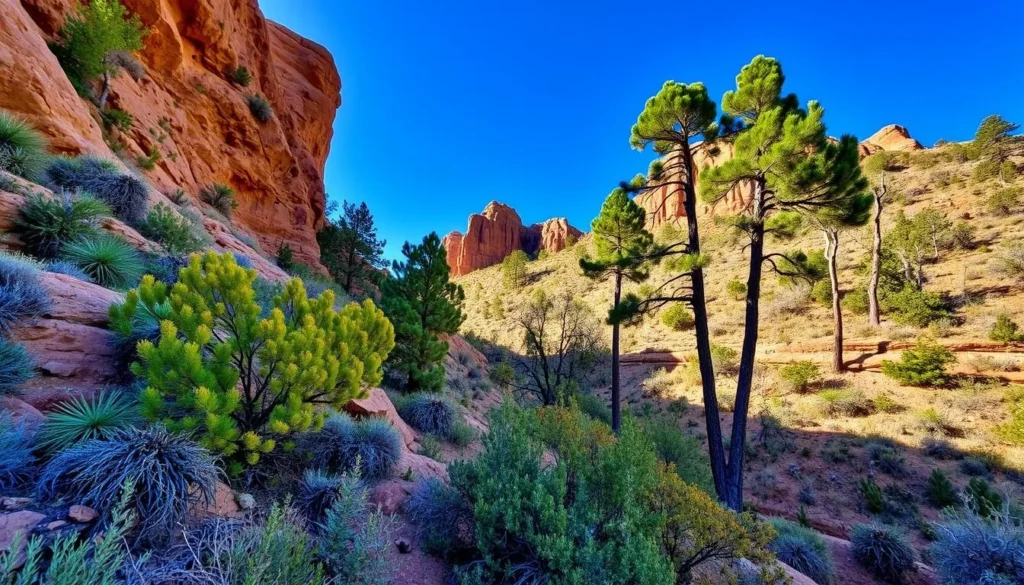
Walnut Canyon offers more than just archaeological wonders—it’s a natural paradise with diverse ecosystems packed into a relatively small area. The dramatic 122 m (400 ft) deep canyon creates multiple microhabitats that support a surprising variety of plant and animal life.
Natural Highlights
Canyon Ecology
The canyon’s varying sun exposure creates distinct ecological zones. The north-facing slopes support ponderosa pines and Douglas firs, while the sunnier south-facing slopes host drought-resistant plants like yucca and agave. The canyon bottom near Walnut Creek features riparian vegetation including cottonwoods and willows.
Geological Features
The canyon walls reveal 225 million years of geological history with distinct layers of Kaibab limestone and Toroweap formation. The limestone is responsible for the alcoves where the Sinagua built their dwellings. Erosion patterns, fossil remnants, and the canyon’s formation itself provide fascinating study for geology enthusiasts.
Wildlife Viewing
Walnut Canyon is home to an impressive variety of wildlife:
- 69 mammal species including mule deer, rock squirrels, and occasionally elk
- 121 bird species such as peregrine falcons, canyon wrens, and various raptors
- Reptiles including several lizard species and occasional rattlesnakes
Early morning and late afternoon offer the best wildlife viewing opportunities.
Outdoor Activities
- Photography – The interplay of light and shadow in the canyon creates stunning photographic opportunities throughout the day
- Birdwatching – Bring binoculars to spot the diverse bird species that inhabit different levels of the canyon
- Plant Identification – The monument features interpretive signs to help identify the diverse plant communities
- Stargazing – While the monument closes at sunset, nearby areas in Coconino National Forest offer excellent night sky viewing due to Flagstaff’s dark sky ordinances
Nature Tip: The dramatic changes in elevation within Walnut Canyon create a compressed version of the ecological zones you’d normally see across hundreds of miles of the Colorado Plateau. Take time to notice how the plant communities change as you descend the Island Trail.
Safety, Etiquette & Local Customs
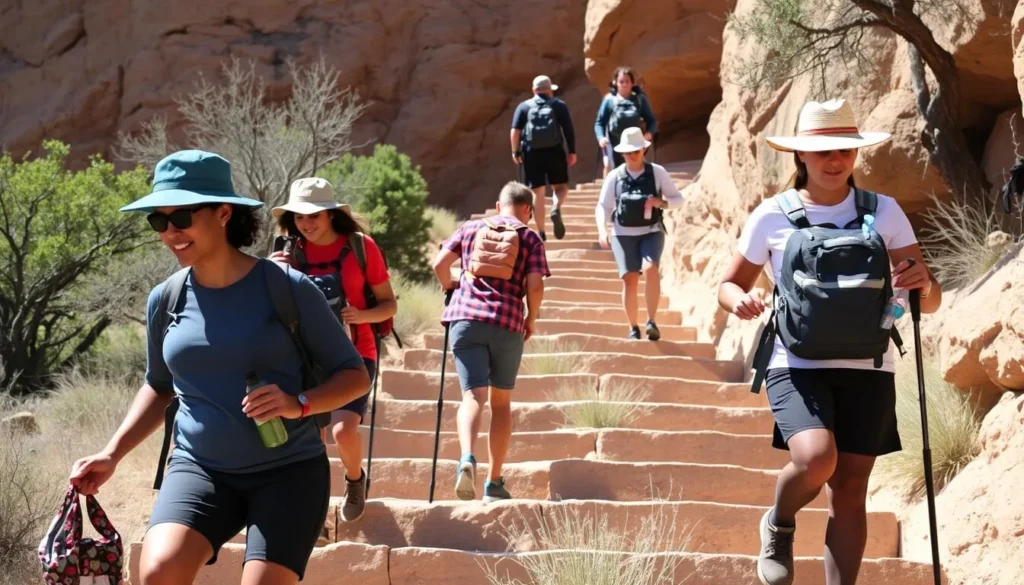
Safety Considerations
- Elevation – At 2,134 m (7,000 ft), the high elevation can affect visitors unaccustomed to altitude. Take it slow, especially on the stairs, and stay hydrated
- Weather Preparedness – Weather can change rapidly. Bring layers, sun protection, and rain gear depending on the season
- Trail Safety – The Island Trail has steep dropoffs and 736 stairs. Wear proper footwear, watch your footing, and use caution with children
- Hydration – No water is available on the trails. Bring at least 1 liter per person, more in hot weather
- Wildlife – Keep a safe distance from all wildlife. Watch for rattlesnakes during warm months
Etiquette & Preservation
Archaeological Site Etiquette
Walnut Canyon is both a natural wonder and an archaeological treasure that requires special care:
- Never enter, touch, or climb on cliff dwellings
- Stay on designated trails at all times
- Do not remove any artifacts, rocks, plants, or other natural items
- Avoid touching petroglyphs or pictographs if present
- Speak quietly to maintain the peaceful atmosphere
Cultural Respect
The cliff dwellings hold cultural significance for several Native American tribes:
- Treat the site with respect as you would a place of worship
- Listen to ranger guidance about culturally sensitive areas
- Be mindful of your conversation topics near dwelling sites
- Photography is permitted, but be respectful when photographing culturally significant areas
Important Safety Note: Cell phone coverage is limited or non-existent within the canyon. Inform someone of your plans before hiking, especially if traveling alone. The Island Trail can be strenuous due to the elevation change and numerous stairs—know your physical limitations.
Visitor Comments About Walnut Canyon National Monument
“The Island Trail was the highlight of our Arizona trip. Walking among dwellings built into the canyon walls gave us an intimate connection to the people who once lived here. The views are spectacular, and the trail is well-maintained, though those 736 stairs are no joke on the way back up! Definitely worth the effort.”
“We visited with our children (ages 8 and 10) who were fascinated by the cliff dwellings. The Junior Ranger program kept them engaged while teaching them about the Sinagua culture. The Rim Trail was perfect for taking breaks between sections of the more challenging Island Trail. I recommend arriving early to avoid crowds and heat.”
“As someone interested in both archaeology and nature, Walnut Canyon was perfect. The diversity of plant life was unexpected—like traveling through several ecosystems in one short hike. The rangers were knowledgeable and passionate. Bring water and take your time; there’s so much detail to absorb in both the natural and cultural features.”
Additional Nearby Destinations
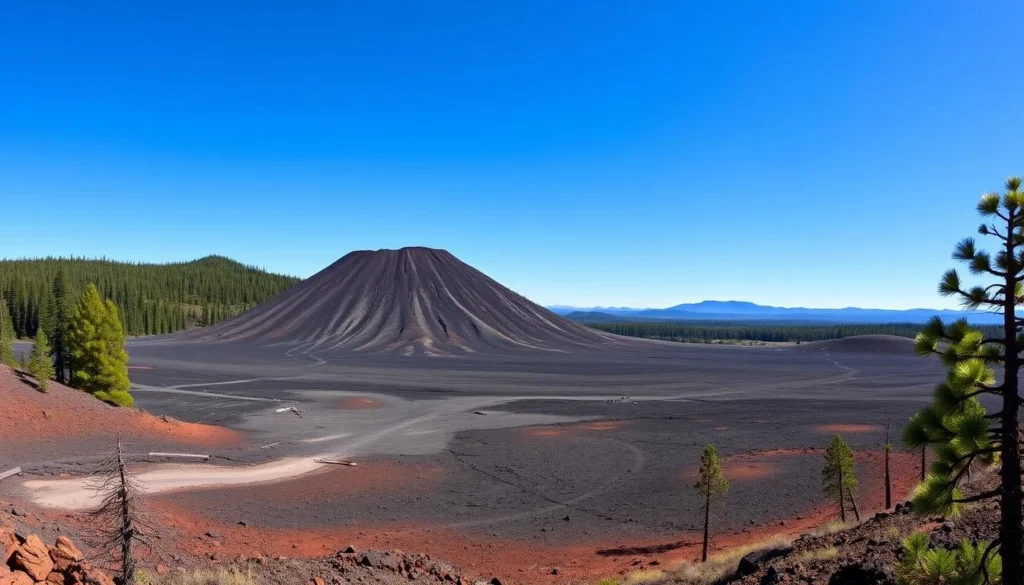
Walnut Canyon is just one of several fascinating destinations in the Flagstaff area. Consider extending your trip to include these nearby attractions:
Sunset Crater Volcano National Monument
Just 29 km (18 miles) north of Flagstaff, this monument preserves a cinder cone volcano that erupted less than 1,000 years ago. Walk through lava flows and cinder fields on the Lava Flow Trail, and see how life returns to a volcanic landscape.
Distance from Walnut Canyon: 45 km (28 miles)
Wupatki National Monument
Connected to Sunset Crater by a scenic loop road, Wupatki features well-preserved red sandstone pueblos built by the same Sinagua culture. The largest pueblo contained over 100 rooms and housed hundreds of people.
Distance from Walnut Canyon: 63 km (39 miles)
Grand Canyon National Park
One of the world’s most spectacular natural wonders is just 130 km (81 miles) northwest of Walnut Canyon. The South Rim is open year-round and offers dramatic vistas, hiking trails, and visitor services.
Distance from Walnut Canyon: 130 km (81 miles)
Other Nearby Attractions
- Flagstaff Downtown Historic District – Charming area with shops, restaurants, and historic buildings along Route 66
- Lowell Observatory – Historic astronomical research facility where Pluto was discovered
- Arizona Snowbowl – Skiing in winter and scenic chairlift rides in summer with panoramic views
- Riordan Mansion State Historic Park – 1904 Arts and Crafts style mansion showcasing early Flagstaff history
- Oak Creek Canyon – Scenic drive and recreation area between Flagstaff and Sedona with swimming holes and hiking
Travel Tip: Consider purchasing the “Flagstaff Area National Monuments Annual Pass” for $45 if you plan to visit multiple monuments. It covers admission to Walnut Canyon, Sunset Crater Volcano, and Wupatki National Monuments for a full year and is more economical than paying individual entrance fees.
Practical Travel Tips
Hours & Fees
- Operating Hours: Open daily 9:00 AM to 4:30 PM year-round (closed Christmas Day)
- Entrance Fee: $25 per vehicle (valid for 7 days)
- Passes Accepted: America the Beautiful Annual Pass ($80), Senior Pass, Access Pass, and Military Pass
- Flagstaff Area Pass: $45 (covers Walnut Canyon, Sunset Crater, and Wupatki for one year)
Facilities
- Visitor Center with museum exhibits and bookstore
- Restrooms at the Visitor Center only (none on trails)
- Water filling station at the Visitor Center
- Picnic area with tables near the parking lot
- No food, lodging, or camping available within the monument
What to Bring
- Water bottles (at least 1 liter per person)
- Sun protection (hat, sunscreen, sunglasses)
- Sturdy walking shoes with good traction
- Layers appropriate for the season
- Camera and binoculars
- Snacks or picnic lunch
Accessibility
- Visitor Center and restrooms are wheelchair accessible
- Rim Trail is paved and mostly accessible
- Island Trail is not accessible due to numerous stairs
- Service animals are permitted on trails
- Contact the Visitor Center at (928) 526-3367 for specific accessibility information
Time Management
To make the most of your visit to Walnut Canyon National Monument, consider this suggested timeline:
- Minimum Visit (2 hours): Visitor Center exhibits (30 minutes) and Island Trail (1.5 hours)
- Half-Day Visit (3-4 hours): Visitor Center and museum (45 minutes), Island Trail (1.5 hours), Rim Trail (45 minutes), and picnic lunch (30 minutes)
- Full-Day Visit: Combine Walnut Canyon with nearby Sunset Crater Volcano National Monument for a comprehensive day exploring the Flagstaff area monuments
Local Tip: Arrive early (9:00-10:00 AM) to enjoy cooler temperatures and smaller crowds, especially during summer months. The Island Trail can become congested by midday during peak season.
Embrace the Ancient Spirit of the Canyon
Walnut Canyon National Monument offers a rare opportunity to step back in time while surrounded by natural beauty. As you walk the same paths once traveled by the Sinagua people, peering into their cliff dwellings and imagining their daily lives, you’ll gain a deeper appreciation for the ingenuity and resilience of these ancient inhabitants. The monument’s blend of cultural history and natural splendor creates an experience that resonates long after your visit. Whether you’re fascinated by archaeology, drawn to scenic landscapes, or simply seeking a meaningful connection to America’s past, Walnut Canyon delivers an unforgettable journey through time in one of Arizona’s most accessible and rewarding national monuments.
The above is subject to change.
Check back often to TRAVEL.COM for the latest travel tips and deals.


0 Comments