

Rising dramatically from the flat Sacramento Valley floor, the Sutter Buttes—known as the world’s smallest mountain range—stands as a geological wonder that few people have truly explored. Despite being visible from up to 160 km (100 miles) away, this circular complex of eroded volcanic lava domes spanning just 75 square km (29 square miles) remains one of California’s most mysterious and inaccessible natural landmarks. What makes this destination truly unique is that while it’s often referred to as “Sutter Buttes State Park,” most of the range is actually privately owned, with only a small portion designated as Peace Valley State Park—and even that remains largely inaccessible to the public without guided tours.
Getting There & Planning Your Journey
Located in the heart of California’s Sacramento Valley, Sutter Buttes sits approximately 80 km (50 miles) north of Sacramento and 60 km (37 miles) southeast of Chico. The closest towns are Yuba City to the east and the smaller communities of Sutter and Meridian to the west and south.
Nearest Airports
The closest major airport is Sacramento International Airport (SMF), about 97 km (60 miles) south of Sutter Buttes. Alternative options include Chico Municipal Airport for regional flights, though most visitors will find Sacramento offers more convenient connections.
Driving Directions
From Sacramento: Take Highway 99 north for about 72 km (45 miles) to Yuba City, then follow Highway 20 west toward Colusa for approximately 16 km (10 miles). Look for signs directing to the Sutter Buttes area.
From San Francisco: Take Interstate 80 east to Sacramento, then follow the directions above. The total drive is approximately 2.5-3 hours.
From Chico: Take Highway 99 south for about 48 km (30 miles) to Yuba City, then follow Highway 20 west as described above.
Since most of the Sutter Buttes area is privately owned, access is limited. The best way to experience this natural wonder is through authorized guided tours offered by the Middle Mountain Foundation, which has arrangements with landowners to conduct educational hikes and tours throughout the year.
Best Time to Visit & Weather Tips

The ideal time to visit Sutter Buttes depends on your preferences for weather, scenery, and available activities. The area experiences distinct seasonal changes that affect both accessibility and the overall experience.
Recommended Seasons
Spring (March-May)
Best for: Wildflower viewing, photography, and comfortable hiking temperatures
Spring brings spectacular wildflower displays to the Buttes, with California poppies, lupines, and numerous other native species carpeting the hillsides. Temperatures typically range from 15-26°C (60-80°F), making it ideal for hiking. The landscape is at its most vibrant green following winter rains.
Fall (September-November)
Best for: Clear views, photography, and hiking
Fall offers mild temperatures ranging from 10-24°C (50-75°F) and typically clear skies that provide excellent visibility for viewing the surrounding Sacramento Valley. The golden grasses against the volcanic formations create stunning photographic opportunities.
Seasons to Avoid
Summer (June-August)
Summer temperatures regularly exceed 38°C (100°F) in the Sacramento Valley, making hiking uncomfortable and potentially dangerous. The grasses turn golden brown, and the risk of rattlesnake encounters increases. Limited shade on most trails compounds the heat issue.
Winter (December-February)
While winters are generally mild with temperatures between 5-15°C (40-60°F), the rainy season can make trails muddy and slippery. Some tours may be canceled due to poor conditions. However, the clear days following rain storms can offer spectacular visibility.
Weather Considerations
The Sutter Buttes create their own microclimate, sometimes trapping fog or generating localized weather patterns different from the surrounding valley. Always check the forecast before your visit and be prepared for changing conditions. The elevation change from the valley floor to the peaks can mean temperature differences of 5-10°C (10-20°F).
Guided tours through the Middle Mountain Foundation typically run from October through May, avoiding the extreme heat of summer. Spring tours often fill quickly due to the wildflower displays, so booking well in advance is recommended for this popular season.
Getting Around Locally

Due to the private ownership of most of the Sutter Buttes area, getting around requires some planning. There are several options for experiencing this unique geological formation, depending on your interests and time constraints.
The 39-Mile Scenic Loop
One of the best ways to experience Sutter Buttes without accessing private property is by driving the 39-mile scenic loop that encircles the entire mountain range. This drive takes approximately 3-4 hours with stops and offers various viewpoints, including the Frémont Monument and views of South Butte. The route follows public roads through agricultural landscapes with the Buttes as a dramatic backdrop.
The loop can be started from any point, but many visitors begin in the town of Sutter on the eastern side. The route follows Pass Road, West Butte Road, North Butte Road, and East Butte Road, making a complete circuit around the formation.
Guided Hiking Tours
The most immersive way to experience Sutter Buttes is through guided hiking tours offered by the Middle Mountain Foundation. These tours provide access to private lands within the Buttes that would otherwise be inaccessible to the public. Tours range from easy walks suitable for families to challenging hikes to the peaks.
Tours typically include:
- Interpretive information about geology, history, and ecology
- Access to private ranches and properties
- Knowledgeable guides familiar with the area’s natural and cultural history
- Small group sizes to minimize environmental impact
Public Transportation
There is no public transportation directly to Sutter Buttes. Visitors will need their own vehicle or a rental car to access the area. The nearest car rental services are available in Yuba City, Marysville, or at Sacramento International Airport.
For those without personal transportation, some tour companies may offer pickup services from nearby towns like Yuba City, though this should be arranged in advance.
Where to Stay

While there are no accommodations within Sutter Buttes itself, several nearby communities offer lodging options ranging from chain hotels to charming bed and breakfasts. Here are the best places to stay when visiting the area:
Yuba City & Marysville
Located about 16 km (10 miles) east of Sutter Buttes, these twin cities offer the widest selection of accommodations in the area.
Hotels & Motels
- Hampton Inn & Suites Yuba City
- Best Western Yuba City Inn
- Comfort Suites Marysville
- Holiday Inn Express Yuba City
Bed & Breakfasts
- Harkey House Bed & Breakfast Inn (historic Victorian in Yuba City)
- The Painted Lady Bed & Breakfast (Marysville)
Colusa
Located about 24 km (15 miles) west of Sutter Buttes, this small town on the Sacramento River offers a few accommodation options:
- Rocco’s River Resort (riverside cabins)
- River Valley Lodge
- Colusa Riverside Inn
Gridley
About 19 km (12 miles) north of the Buttes, Gridley offers a few basic accommodations:
- Pacific Motel
- Gridley Inn & RV Park
Camping Options
While there is no camping within Sutter Buttes itself, nearby options include:
- Colusa-Sacramento River State Recreation Area (30 minutes west)
- Lake Oroville State Recreation Area (45 minutes northeast)
- Gray Lodge Wildlife Area (limited primitive camping, 20 minutes north)
For visitors planning to take early morning tours of Sutter Buttes, staying in Yuba City or the town of Sutter is most convenient. Book accommodations well in advance during spring wildflower season (March-May) when tourism to the area peaks.
Dining & Local Cuisine

The Sutter Buttes region is surrounded by rich agricultural land, and the local dining scene reflects this bounty. From farm-to-table restaurants to classic diners, visitors can enjoy fresh, locally-sourced cuisine throughout the area.
Restaurants Near Sutter Buttes
Town of Sutter
- Sutter Buttes Brewing – Craft brewery and restaurant offering wood-fired pizzas and burgers with views of the Buttes
- Marcella’s Italian Restaurant – Family-owned establishment serving homemade pasta and Italian classics
Yuba City
- Cilantro’s Mexican Restaurant – Authentic Mexican cuisine with outdoor patio
- Taste of India – Reflecting the area’s significant Punjabi community
- The Happy Viking – Sports pub with extensive menu and local beers
- Sopa Thai Cuisine – Highly rated Thai restaurant
Local Specialties
The Sutter Buttes region is known for several agricultural products that influence the local cuisine:
Rice
The Sacramento Valley is one of the nation’s leading rice-producing regions. Look for restaurants serving locally grown rice varieties, including specialty sushi rice and aromatic varieties.
Nuts
Almonds, walnuts, and pistachios are major crops in the surrounding valley. Many restaurants incorporate these into salads, desserts, and main dishes. Local farmers markets often sell freshly harvested nuts.
Olives & Olive Oil
The region has a long history of olive cultivation dating back to the Gold Rush era. Several local producers offer tastings and sell products at farmers markets.
Peaches & Stone Fruits
The surrounding orchards produce excellent peaches, nectarines, and plums in summer months. Seasonal desserts featuring these fruits are highlights at local restaurants.
Farmers Markets
To experience the freshest local produce, visit one of the area’s farmers markets:
- Yuba City Certified Farmers Market – Thursdays, 5-8pm (summer months)
- Marysville Farmers Market – Saturdays, 9am-2pm
- Gridley Farmers Market – Tuesdays, 5:30-8pm (June-August)
For visitors taking guided tours of Sutter Buttes, packing a picnic lunch is recommended as there are no dining facilities within the Buttes themselves. Several delis and grocery stores in Yuba City and the town of Sutter offer prepared foods suitable for hiking trips.
Attractions, Sightseeing & Activities

Despite limited public access, Sutter Buttes offers several unique attractions and activities for visitors. Here are the top experiences to enjoy in and around the world’s smallest mountain range:
Guided Hiking Tours
The premier activity at Sutter Buttes is participating in a guided hiking tour through the Middle Mountain Foundation. These tours provide exclusive access to private lands within the Buttes and are led by knowledgeable guides who share insights about the area’s geology, ecology, and cultural history.
Tour options typically include:
- Ridge Ascent Hikes – Challenging 8-10 km (5-6 mile) hikes with significant elevation gain, offering panoramic views from the peaks
- Valley and Woodland Hikes – Moderate 5-6 km (3-4 mile) walks through oak woodlands and volcanic formations
- Cultural History Tours – Focusing on Native American history and Gold Rush era connections
- Wildflower Walks – Spring-specific tours highlighting the diverse botanical displays
- Photography Outings – Specialized tours timed for optimal lighting conditions
Tours must be booked in advance through the Middle Mountain Foundation, with prices typically ranging from $35-$60 per person. Most tours operate on weekends from October through May.
The 39-Mile Scenic Drive
For those unable to join a hiking tour, the scenic drive circling the Buttes offers excellent views and photo opportunities. Key stops along the route include:
- Sutter County Museum – In Yuba City, offering exhibits on the natural and cultural history of the Buttes
- Frémont Monument – Commemorating explorer John C. Frémont’s 1846 visit to the area
- West Butte Overlook – Offering views of the western face of the range
- North Butte Vista Point – Providing perspectives of the highest peak (652 m/2,132 ft)
Wildlife Viewing

The Sutter Buttes ecosystem supports diverse wildlife. While on guided tours or driving the scenic loop, watch for:
- Mule deer and coyotes
- Golden eagles and red-tailed hawks
- Acorn woodpeckers and oak titmice
- Western rattlesnakes (maintain safe distance)
- Ringtails (rare, nocturnal relatives of raccoons)
For serious wildlife enthusiasts, the nearby Gray Lodge Wildlife Area (20 minutes north) offers exceptional bird watching opportunities, particularly during fall and winter migrations when millions of waterfowl pass through.
Photography
The unique volcanic formations, oak woodlands, and sweeping vistas make Sutter Buttes a photographer’s paradise. The best photography opportunities include:
- Early morning or late afternoon light on the eastern or western faces
- Spring wildflower displays against the volcanic backdrop
- Fog-shrouded peaks during winter mornings
- Dramatic cloud formations during storm systems
Remember that photography for commercial purposes requires special permission when on private property during guided tours.
Museums, Cultural Spots & Festivals
The Sutter Buttes region is rich in cultural heritage, from its significance to Native American tribes to its role in California’s Gold Rush history. Explore these cultural attractions to deepen your understanding of this unique area.
Museums
Sutter County Museum
Located in Yuba City, this museum showcases the geology of Sutter Buttes, the indigenous Nisenan Maidu and Wintun people, pioneers, and the agricultural history that has shaped the area. Exhibits include artifacts, photographs, and interactive displays that tell the story of the region from prehistoric times to the present.
Community Memorial Museum of Sutter County
This museum in Yuba City houses extensive collections related to the natural and cultural history of the Sutter Buttes region. Special exhibits often feature the geological formation of the Buttes and their significance to various cultural groups throughout history.
Cultural Significance
The Sutter Buttes hold deep cultural significance for several groups:
Native American Heritage
For the indigenous Maidu, Wintun, and Nisenan people, the Buttes were known as “Histum Yani” (Middle Mountain) and held sacred significance. They believed the Buttes were the site of world creation and the place where spirits of the deceased traveled to the afterlife. Several ceremonial sites within the Buttes remain important to contemporary Native American communities.
Gold Rush Connections
During the California Gold Rush, the Buttes served as an important landmark for prospectors and settlers. John Sutter, for whom the Buttes are named, received the land as part of his New Helvetia land grant. The Buttes also served as a refuge for General John C. Frémont during conflicts with Mexican forces in 1846.
Annual Events & Festivals
Several events throughout the year celebrate the natural and cultural heritage of the Sutter Buttes region:
- Sutter Buttes Day (April) – Educational event in the town of Sutter with presentations, exhibits, and activities focused on the natural and cultural history of the Buttes
- Snow Goose Festival (January) – Based in nearby Chico, this festival celebrates the millions of waterfowl that migrate through the area, with some events offering views of the Buttes
- Punjabi American Festival (November) – Yuba City hosts one of the largest Sikh festivals outside of India, attracting over 100,000 people
- Sutter County Fair (August) – Traditional county fair in Yuba City showcasing the agricultural heritage of the region
Historical Sites
While exploring the area around Sutter Buttes, history enthusiasts should visit:
- Bok Kai Temple – Historic Chinese temple in Marysville dating to the Gold Rush era
- Mary Aaron Museum – Victorian-era home in Marysville with period furnishings
- Sutter’s Fort State Historic Park – In Sacramento, this restored fort was established by John Sutter, namesake of the Buttes
Many guided tours of Sutter Buttes include visits to historical sites within the range that are otherwise inaccessible, including remnants of early settlements and Native American cultural sites.
Sports, Nature & Outdoor Experiences

The Sutter Buttes and surrounding Sacramento Valley offer numerous opportunities for outdoor recreation and nature appreciation. From hiking within the Buttes to exploring nearby wildlife areas, outdoor enthusiasts will find plenty to enjoy.
Hiking
Hiking is the primary activity within Sutter Buttes, though access is limited to guided tours through the Middle Mountain Foundation. These hikes vary in difficulty:
Beginner Hikes
- Dean Ranch Walk – 3 km (2 mile) easy walk through oak woodlands and grasslands
- Bragg Canyon – Gentle 4 km (2.5 mile) hike with minimal elevation gain
Advanced Hikes
- Summit Ascent – Challenging 8 km (5 mile) hike with 457 m (1,500 ft) elevation gain to North Butte
- Ridge Traverse – Difficult 10 km (6 mile) hike along volcanic ridgelines
All hikes feature interpretive information about geology, plant communities, wildlife, and cultural history. Proper hiking boots, sun protection, and plenty of water are essential for all Sutter Buttes hikes.
Birdwatching

The Sutter Buttes region is a premier destination for birdwatching, particularly during migration seasons. Key locations include:
- Gray Lodge Wildlife Area – Located 24 km (15 miles) north of Sutter Buttes, this 3,675-hectare (9,100-acre) preserve hosts over a million waterfowl during winter migrations
- Sutter National Wildlife Refuge – 10,000 acres of wetlands supporting numerous bird species
- Bobelaine Audubon Sanctuary – Riparian habitat along the Feather River with a 5-mile loop trail
- Within the Buttes – Look for golden eagles, prairie falcons, acorn woodpeckers, and numerous songbird species during guided hikes
The best seasons for birdwatching are fall through spring, with winter bringing spectacular concentrations of snow geese, tundra swans, and numerous duck species to the surrounding wetlands.
Photography
The unique landscape of Sutter Buttes provides exceptional photography opportunities. For the best shots:
- Visit during spring wildflower season (March-May)
- Photograph at sunrise or sunset for dramatic lighting on the volcanic formations
- Capture winter fog as it surrounds the lower elevations of the Buttes
- Look for wildlife such as raptors soaring above the peaks
Nearby Outdoor Recreation
While activities within Sutter Buttes are limited, the surrounding region offers numerous outdoor recreation opportunities:
Water Activities
- Feather River – Fishing, kayaking, and swimming spots
- Lake Oroville – Boating, fishing, and swimming (45 minutes northeast)
- Sacramento River – Fishing and boating (20 minutes west)
Other Activities
- Cycling – The 39-mile scenic loop around Sutter Buttes is popular with road cyclists
- Golf – Several courses in Yuba City and Marysville
- Horseback Riding – Guided rides available at nearby ranches
For those interested in geology, the Sutter Buttes represent a fascinating volcanic formation. The circular complex of eroded lava domes formed approximately 1.6 million years ago through a series of eruptions. Guided hikes often include detailed explanations of the unique geological processes that created this “mountain island” in the middle of the Sacramento Valley.
Safety, Etiquette & Local Customs
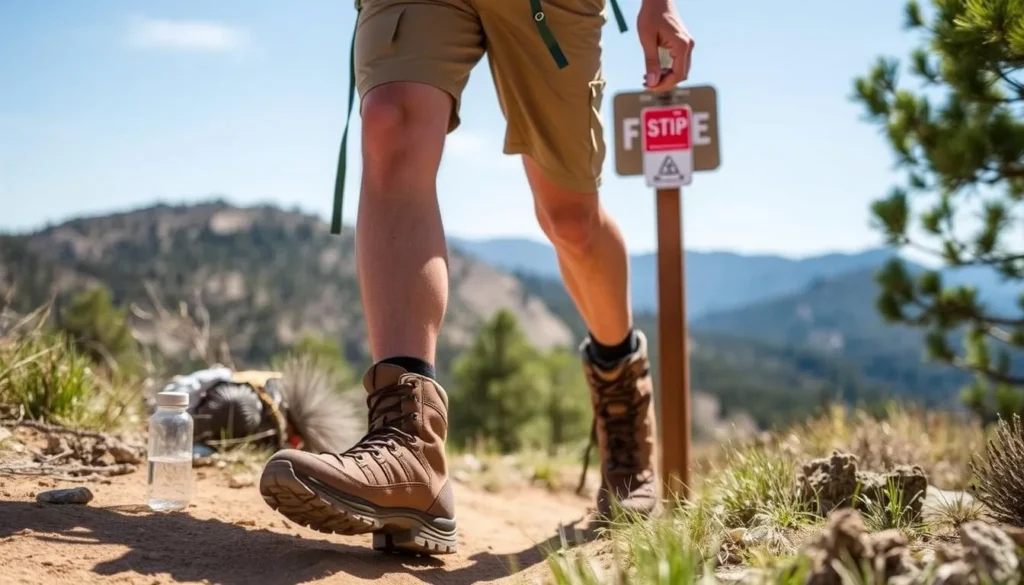
Visiting Sutter Buttes requires special attention to safety, respect for private property, and awareness of local customs. Following these guidelines will ensure a positive experience for both visitors and the local community.
Safety Considerations
Weather & Terrain
- Summer temperatures regularly exceed 38°C (100°F) – avoid hiking during this season
- Bring at least 2 liters of water per person, even in cooler months
- Wear sturdy hiking boots with ankle support for the rocky, uneven terrain
- Apply sunscreen and wear a hat – shade is limited on many trails
- Check weather forecasts before your visit – trails can become dangerous when wet
Wildlife Awareness
- Rattlesnakes are common from spring through fall – stay on trails and watch your step
- Poison oak is prevalent – learn to identify and avoid this plant
- Ticks may be present in grassy areas – wear long pants and check for ticks after hiking
- Mountain lions occasionally inhabit the area – hike in groups and keep children close
Respect for Private Property
The most important etiquette consideration when visiting Sutter Buttes is respecting that most of the land is privately owned. This means:
- Never enter the Buttes without proper permission or a guided tour
- Stay with your tour group and follow all guide instructions
- Do not collect plants, rocks, or artifacts
- Close all gates you pass through
- Do not disturb livestock or wildlife
- Pack out all trash
Trespassing is taken seriously by local landowners and law enforcement. Unauthorized access not only risks legal consequences but also jeopardizes the guided tour programs that provide limited public access.
Cultural Sensitivity
The Sutter Buttes hold significant cultural importance to local Native American tribes. When visiting:
- Treat all potential cultural sites with respect
- Do not disturb or remove any artifacts
- Listen respectfully to cultural information shared by guides
- Understand that some cultural information may be considered sacred and not shared with visitors
Local Customs
The communities surrounding Sutter Buttes are primarily rural and agricultural. Visitors should be aware of:
- Slow-moving farm equipment on roads – drive cautiously
- The significant Punjabi Sikh community in Yuba City – the largest rural Punjabi population in the US
- Agricultural seasons that may affect air quality (rice field burning) or traffic (harvest time)
- Conservative rural values in many communities
By respecting these safety guidelines, property boundaries, and local customs, visitors help ensure that limited access to Sutter Buttes can continue through authorized guided tours.
Visitor Comments About Sutter Buttes
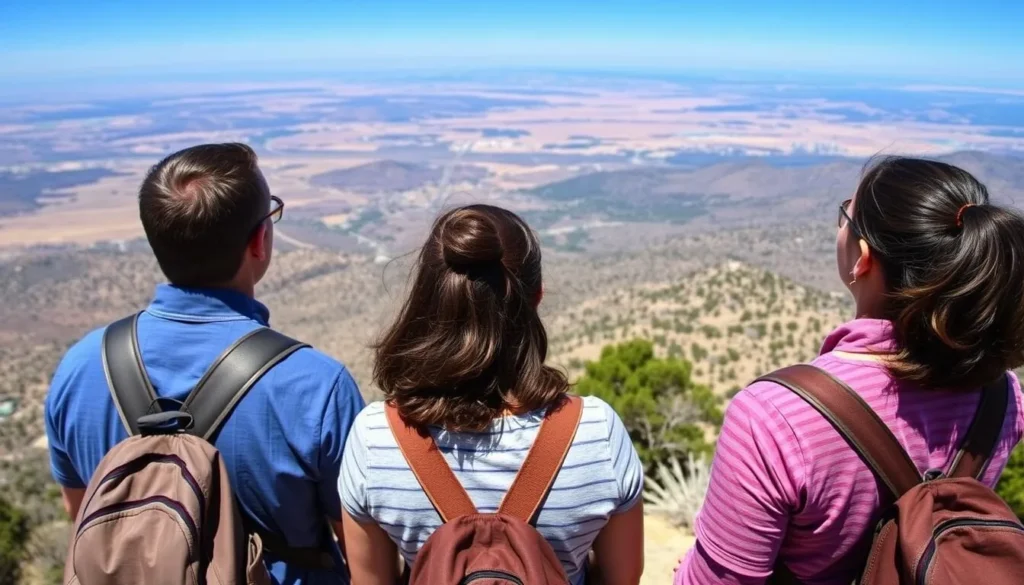
“The guided hike through Sutter Buttes was one of the most unique California experiences I’ve had. Our guide was incredibly knowledgeable about both the geology and Native American history of the area. Standing on the summit and seeing the entire Sacramento Valley spread out below was breathtaking. The wildflowers in April were spectacular – worth planning your trip around!”
“As someone who’s lived in the Sacramento Valley for decades, I’d always seen the Buttes from a distance but never had the chance to explore them up close. The Middle Mountain Foundation tour was eye-opening. I had no idea about the volcanic history or the rich cultural significance to Native peoples. The hike was moderately challenging but manageable for our family. Bring plenty of water and good hiking shoes – the terrain is rocky in places.”
“We drove the 39-mile scenic loop around the Buttes and were impressed by how the mountains seemed to change character from different angles. We stopped at several viewpoints for photos. While we couldn’t enter the Buttes themselves without a tour, the drive gave us a good appreciation for this unique geological feature. We combined it with birdwatching at Gray Lodge Wildlife Area nearby, which was fantastic in February with thousands of snow geese.”
Additional Nearby Destinations

While visiting Sutter Buttes, consider exploring these nearby attractions to enhance your Northern California experience:
Gray Lodge Wildlife Area
Located just 24 km (15 miles) north of Sutter Buttes, this 3,675-hectare (9,100-acre) wildlife area is one of the premier bird-watching destinations in California. During winter months, it hosts over a million waterfowl including snow geese, tundra swans, and numerous duck species. The auto tour route, walking trails, and observation platforms make wildlife viewing accessible for all ages.
Distance from Sutter Buttes: 24 km (15 miles)
Yuba City & Marysville
These twin cities offer cultural attractions including the Bok Kai Temple (one of the oldest Chinese temples in California), the Sutter County Museum, and numerous restaurants reflecting the area’s diverse population, including one of the largest rural Punjabi communities in the United States. The annual Sikh Parade in November attracts over 100,000 visitors.
Distance from Sutter Buttes: 16 km (10 miles)
Lake Oroville State Recreation Area
California’s second-largest reservoir offers boating, fishing, swimming, and camping opportunities. The 234-meter (767-foot) Oroville Dam is the tallest in the United States. The visitor center provides excellent views and educational exhibits about the dam’s construction and purpose.
Distance from Sutter Buttes: 56 km (35 miles)
Sacramento
California’s capital city offers numerous attractions including Old Sacramento State Historic Park, the California State Railroad Museum, the Crocker Art Museum, and the State Capitol building. The farm-to-fork food scene reflects the agricultural bounty of the surrounding valley.
Distance from Sutter Buttes: 80 km (50 miles)
Bidwell Park (Chico)
One of the largest municipal parks in the United States, Bidwell Park stretches 11 miles from downtown Chico into the Sierra Nevada foothills. Swimming holes along Big Chico Creek, hiking trails, and scenic drives make this a popular recreation destination.
Distance from Sutter Buttes: 64 km (40 miles)
Colusa-Sacramento River State Recreation Area
This park along the Sacramento River offers camping, fishing, and boating opportunities. The riparian habitat supports diverse wildlife and provides a peaceful retreat for nature lovers.
Distance from Sutter Buttes: 32 km (20 miles)
Many visitors combine a trip to Sutter Buttes with exploration of these nearby attractions, creating a multi-day itinerary that showcases the diverse landscapes and cultural heritage of California’s Sacramento Valley region.
Practical Travel Tips

Make the most of your visit to Sutter Buttes with these practical tips and insider advice:
Planning Your Visit
- Book Tours Early – Guided hikes through the Middle Mountain Foundation often fill months in advance, especially during spring wildflower season. Book as early as possible.
- Visit Midweek – If possible, schedule your visit for weekdays when tours are less crowded and accommodations may offer better rates.
- Combine Destinations – Plan to visit Gray Lodge Wildlife Area, Lake Oroville, or other nearby attractions to create a comprehensive Northern California itinerary.
- Check Tour Requirements – Some tours have minimum age requirements or fitness prerequisites. Verify these before booking.
What to Bring
- Hiking Essentials – Sturdy boots, hat, sunscreen, insect repellent, and at least 2 liters of water per person
- Layered Clothing – Weather can change quickly, and temperature differences between valleys and peaks can be significant
- Camera & Binoculars – The views and wildlife viewing opportunities are exceptional
- Field Guides – Books on local wildflowers, birds, or geology can enhance your experience
- Snacks & Lunch – Most tours last 4-6 hours with no food services available
Local Insights
- Photography Timing – The eastern face of the Buttes is best photographed in morning light, while the western face is more dramatic in late afternoon
- Seasonal Events – Plan around special events like the Snow Goose Festival (January) or wildflower peaks (March-April)
- Local Produce – Visit farm stands around the Buttes for seasonal fruits, nuts, and olive oil produced in the region
- Road Conditions – Some roads on the scenic loop are narrow and winding. Drive cautiously, especially during agricultural seasons when farm equipment may be present
Accessibility Information
Most guided hikes in Sutter Buttes require moderate physical ability and involve uneven terrain. However, some options exist for those with limited mobility:
- The scenic drive around the Buttes is accessible to all
- Some ranches occasionally offer vehicle tours with minimal walking
- The Sutter County Museum provides accessible exhibits about the Buttes’ natural and cultural history
Contact the Middle Mountain Foundation directly to inquire about specific accessibility accommodations for guided tours.
Embracing the Mystery of California’s Hidden Mountain Island
Sutter Buttes stands as a testament to California’s geological diversity and rich cultural heritage—a volcanic island rising mysteriously from the flat Sacramento Valley. While access challenges exist due to private ownership, the reward for those who make the effort to visit through guided tours or the scenic loop is an unforgettable glimpse into a landscape unlike any other in California.
The world’s smallest mountain range offers more than just hiking and scenic views; it provides a window into the complex relationship between humans and the natural world spanning thousands of years. From the indigenous peoples who considered these peaks sacred to the ranchers who have stewarded the land for generations, Sutter Buttes continues to inspire awe and curiosity.
As you plan your visit, remember that the limited access is part of what has preserved this unique place. By respecting private property boundaries and participating in authorized tours, you contribute to the ongoing conservation of this geological wonder for future generations. Whether you’re capturing the perfect photograph of wildflowers against volcanic formations, learning about Maidu cultural connections, or simply soaking in the panoramic views from a summit, Sutter Buttes offers an authentic California experience that remains refreshingly off the beaten path.
The above is subject to change.
Check back often to TRAVEL.COM for the latest travel tips and deals.




0 Comments