

During World War II, Tule Lake Segregation Center held over 29,000 Japanese Americans, making it the largest and most controversial of the ten incarceration camps in the United States. Today, this solemn historical site stands as a powerful reminder of a dark chapter in American history, inviting visitors to learn, reflect, and remember. Unlike many national monuments celebrating natural wonders, Tule Lake preserves a complex human story of injustice, resilience, and the ongoing journey toward reconciliation.
Getting There & Planning Your Journey
Tule Lake National Monument is located in northern California, just south of the Oregon border. Its remote location requires some planning, but the historical significance makes it well worth the journey.
Closest Airports
- Klamath Falls Airport (LMT) – 36 km (22 miles)
- Rogue Valley International-Medford Airport (MFR) – 174 km (108 miles)
- Redding Municipal Airport (RDD) – 259 km (161 miles)
Driving Directions
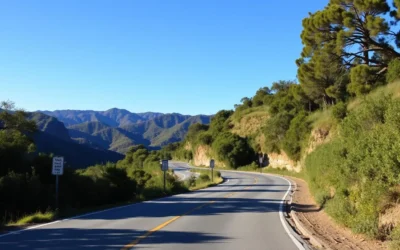
From Interstate 5, take the Weed/Mt. Shasta exit (Exit 738) and follow State Route 97 north for 84 km (52 miles). Turn left onto State Route 161, continue for 14.5 km (9 miles), then turn left onto Hill Road and follow for 2.4 km (1.5 miles) to reach the monument.
Best Time to Visit & Weather Tips
The climate at Tule Lake National Monument varies significantly throughout the year, with distinct seasonal differences that can impact your visit.
Recommended Seasons
- Summer (June-August): The ideal time to visit with warm temperatures averaging 21-27°C (70-80°F). The visitor center and ranger-led tours operate regularly from Memorial Day through Labor Day.
- Late Spring/Early Fall (May, September): Pleasant temperatures with fewer visitors. Some services may be limited.
Seasons to Avoid
- Winter (December-February): Cold temperatures averaging -1 to 4°C (30-40°F) with occasional snow. The visitor center is closed, and tours are extremely limited.
- Early Spring (March-April): Unpredictable weather with rain and occasional late snow.

Weather Tip: The area experiences significant temperature fluctuations even in summer. Mornings can be cool at 10°C (50°F) while afternoons reach 27°C (80°F). Dress in layers and bring sun protection as shade is limited at the monument sites.
Getting Around Locally
Due to the monument’s remote location and the distance between its different sites, having your own vehicle is essential for exploring Tule Lake National Monument effectively.
Key Locations
- Visitor Center: Located at 44340 Highway 139, Tulelake, CA 96134, approximately 8 km (5 miles) south of the town of Tulelake.
- Tule Lake Segregation Center: The jail and remaining structures are located near the visitor center but can only be accessed on ranger-led tours.
- Camp Tulelake: Located about 13 km (8 miles) from the visitor center, this former Civilian Conservation Corps camp later housed Japanese American strikebreakers and German and Italian POWs.
- Tulelake-Butte Valley Fairgrounds Museum: Located at 800 Main Street in Tulelake, this museum contains additional exhibits about the area’s history.

Local Tip: Cell service can be spotty in the area. Download offline maps before your visit and note that GPS directions may not always be accurate in this remote region.
Where to Stay
Accommodations near Tule Lake National Monument are limited but adequate for visitors planning to explore the area. Most options are located in nearby towns.
Nearby Lodging
Hotels & Motels
- Microtel Inn & Suites (Klamath Falls): Modern accommodations with complimentary breakfast, about 58 km (36 miles) from the monument.
- Cimarron Inn (Klamath Falls): Comfortable rooms with an indoor pool and hot tub.
Camping Options
- Lava Beds Campground: Located 35 km (22 miles) from Tule Lake at nearby Lava Beds National Monument, offering 43 sites with tables and fire rings.
- Tulelake RV Park: Basic facilities for RV travelers in the town of Tulelake.

Accommodation Tip: Book lodging well in advance during summer months, especially if visiting during the biennial Tule Lake Pilgrimage (held in even-numbered years around July 4th), when accommodations fill quickly.
Dining & Local Cuisine
The area around Tule Lake National Monument offers limited but satisfying dining options. The small towns of Tulelake, California and Merrill, Oregon provide several family-owned establishments serving hearty meals.
Local Restaurants
- Mike & Wanda’s Family Dining: Located at 423 Modoc Ave in Tulelake, this casual restaurant serves American comfort food and homestyle dishes.
- Señor Tequila: Authentic Mexican cuisine at 337-341 Main St in Tulelake.
- Captain Jack’s Stronghold: Located at 45650 CA-139 A in Tulelake, offering steaks, seafood, and casual American fare.
Grocery & Supplies
- Jock’s Super Market: Located at 395 Modoc Ave in Tulelake, this small grocery store provides essentials for visitors staying in the area.
- La Michoacana: A small market in nearby Merrill, Oregon (425 E. Front St) offering Mexican staples and ingredients.

Dining Tip: There are no food services at the monument itself. Pack water and snacks, especially if planning to take ranger-led tours which can last up to 2 hours.
Attractions, Sightseeing & Activities
Tule Lake National Monument offers a powerful historical experience focused on remembrance and education. The site preserves the stories of those unjustly incarcerated during World War II.
Key Attractions
- Visitor Center: Start your visit here to gain context through interpretive displays and exhibits. Open Friday through Sunday from Memorial Day to Labor Day, 9:00 AM to 4:30 PM.
- Tule Lake Segregation Center Jail: One of the few surviving structures from the original camp, accessible only through ranger-led tours.
- Camp Tulelake: Former CCC camp later used to house Japanese American strikebreakers and POWs, also accessible only through ranger-led tours.
- Castle Rock: A large bluff visible from the monument that was named by detainees in the 1940s. A replica of an original cross placed by detainees stands atop the bluff.

Ranger-Led Tours
Tours are the best way to experience the monument and are typically offered during the summer season:
- Jail Tour: Offered Friday-Sunday at 9:30 AM from Memorial Day through Labor Day. Tours last approximately 1.5-2 hours and are limited to about 10 people per group.
- Camp Tulelake Tour: Offered on Saturdays at 1:00 PM during the summer season, lasting approximately 1 hour.
Tour Reservation: Advance reservations are required for all tours. Call 530-664-4015 to reserve your spot during the summer season. For off-season or group tours, call 530-667-8119 at least two weeks in advance.
Museums, Cultural Spots & Festivals
Beyond the monument itself, several nearby cultural institutions help visitors understand the complex history of Tule Lake and the surrounding region.
Museums & Cultural Sites
- Tulelake-Butte Valley Fairgrounds Museum: Located at 800 Main St in Tulelake, this museum houses exhibits on local history, including Japanese American incarceration, Modoc tribal history, and agricultural development. Open Monday-Friday, 9:30 AM to 4:30 PM.
- Lava Beds Visitor Center: Located 35 km (22 miles) south at Lava Beds National Monument, this center provides context about the natural and cultural history of the region.
- Klamath County Museum: Located in Klamath Falls, Oregon, about 58 km (36 miles) north, offering broader regional historical context.

Special Events
- Tule Lake Pilgrimage: Held every even-numbered year around July 4th, this event brings together former detainees, their descendants, and others to honor the memory of those incarcerated at Tule Lake.
- Day of Remembrance: Annual events held on or near February 19th (the date President Roosevelt signed Executive Order 9066) to commemorate the Japanese American incarceration experience.
Cultural Tip: If your visit coincides with the Tule Lake Pilgrimage, consider attending some of the public programs, which offer powerful first-hand accounts and commemorative ceremonies.
Nature & Outdoor Experiences
While Tule Lake National Monument primarily preserves historical sites, the surrounding area offers beautiful natural landscapes and outdoor recreation opportunities.
Nearby Natural Areas
- Tule Lake National Wildlife Refuge: Adjacent to the monument, this 15,000-hectare (39,000-acre) refuge provides habitat for migratory birds and offers wildlife viewing opportunities.
- Lava Beds National Monument: Located 35 km (22 miles) south, featuring volcanic landscapes, lava tube caves, and hiking trails.
- Lower Klamath National Wildlife Refuge: One of the oldest wildlife refuges in the United States, offering excellent bird watching opportunities.

Recommended Hiking Trails
- Discovery Marsh Trail: A 1.3 km (0.8 mile) loop trail in Tule Lake National Wildlife Refuge, offering bird watching opportunities and seasonal wildflowers.
- Sheepy Ridge Trail: A short but steep 0.7 km (0.44 mile) trail providing panoramic views of Tule Lake and the surrounding valley.
- Whitney Butte Trail: A 10.6 km (6.6 mile) round-trip trail in nearby Lava Beds National Monument, traversing volcanic landscapes.

Safety, Etiquette & Local Customs
Visiting Tule Lake National Monument requires both practical safety awareness and cultural sensitivity given its historical significance.
Safety Considerations
- Weather Preparedness: The area experiences extreme temperature variations. Bring layers, sun protection, and plenty of water.
- Remote Location: Cell service is limited. Inform someone of your travel plans and carry a paper map.
- Wildlife Awareness: The surrounding wildlife refuges host various wildlife. Maintain a safe distance and never feed wild animals.
Respectful Visitation
- Historical Sensitivity: Tule Lake was a site of suffering for thousands of Japanese Americans. Maintain a respectful demeanor throughout your visit.
- Photography: Photography is permitted at accessible areas, but be mindful when photographing sensitive historical sites.
- Preservation: Do not remove any items from the monument, including rocks, plants, or historical artifacts.

Important: Many areas of the Tule Lake Segregation Center are not open to the public except on ranger-led tours. Respect all closure signs and boundaries.
Visitor Comments About Tule Lake National Monument
“Visiting Tule Lake was a profound experience that helped me understand this difficult chapter in American history. The ranger-led jail tour was incredibly moving – seeing the graffiti etched by those who were detained there brought their stories to life in a way no textbook could.”
“I traveled all the way from Australia to visit various WWII historical sites in the US, and Tule Lake was among the most impactful. The contrast between the beautiful landscape and the sobering history creates a powerful experience. I highly recommend planning your visit when ranger tours are available.”
“As a Japanese American whose grandparents were incarcerated during WWII, visiting Tule Lake helped me connect with my family’s history. The preservation work being done here is vital for ensuring future generations understand this history. The staff were knowledgeable and respectful in sharing these difficult stories.”
Additional Nearby Destinations
Combine your visit to Tule Lake National Monument with these nearby attractions to create a more comprehensive trip to the region.
Lava Beds National Monument
Located just 35 km (22 miles) south, this volcanic landscape features over 800 lava tube caves, Native American rock art, and historic battlefields from the Modoc War. Allow at least a full day to explore.
Crater Lake National Park
About 177 km (110 miles) northwest, this stunning lake in a collapsed volcano crater is the deepest in the United States at 594 m (1,949 feet). The brilliant blue waters and surrounding forest make it a must-see natural wonder.
Klamath Falls
This small city 58 km (36 miles) north offers additional accommodations, dining options, and cultural attractions including the Favell Museum of Western Art and Native American Artifacts.

Practical Travel Tips
Planning Your Visit
- Duration: Allow 3-4 hours for a visit including a ranger-led tour.
- Entrance Fee: There is no entrance fee for Tule Lake National Monument.
- Accessibility: The visitor center is wheelchair accessible, but the jail tour involves stairs and uneven surfaces.
- Pets: Pets are allowed in open spaces but not in buildings or on tours.
What to Bring
- Water and Snacks: No food services are available at the monument.
- Sun Protection: Hat, sunscreen, and sunglasses are essential as shade is limited.
- Camera: Photography is permitted in most areas (no flash inside buildings).
- Comfortable Shoes: Tours involve standing and walking on uneven surfaces.

Final Tip: Consider reading about the history of Japanese American incarceration before your visit to gain deeper context. Recommended books include “Infamy: The Shocking Story of the Japanese American Internment in World War II” by Richard Reeves and “Tule Lake” by Edward Miyakawa.
Honoring the Past, Inspiring the Future
A visit to Tule Lake National Monument is more than a typical tourist experience—it’s an opportunity to engage with a crucial chapter of American history that continues to resonate today. By walking the grounds where thousands of Japanese Americans were unjustly incarcerated, you participate in the important work of remembrance and education. The monument’s power lies not in grand architecture or scenic vistas, but in the stories it preserves and the questions it raises about civil liberties, prejudice, and resilience in the face of injustice. As you leave Tule Lake, you carry with you not only a deeper understanding of this historical injustice but also an invitation to consider how its lessons might guide us toward a more just and inclusive future.
The above is subject to change.
Check back often to TRAVEL.COM for the latest travel tips and deals.




0 Comments