
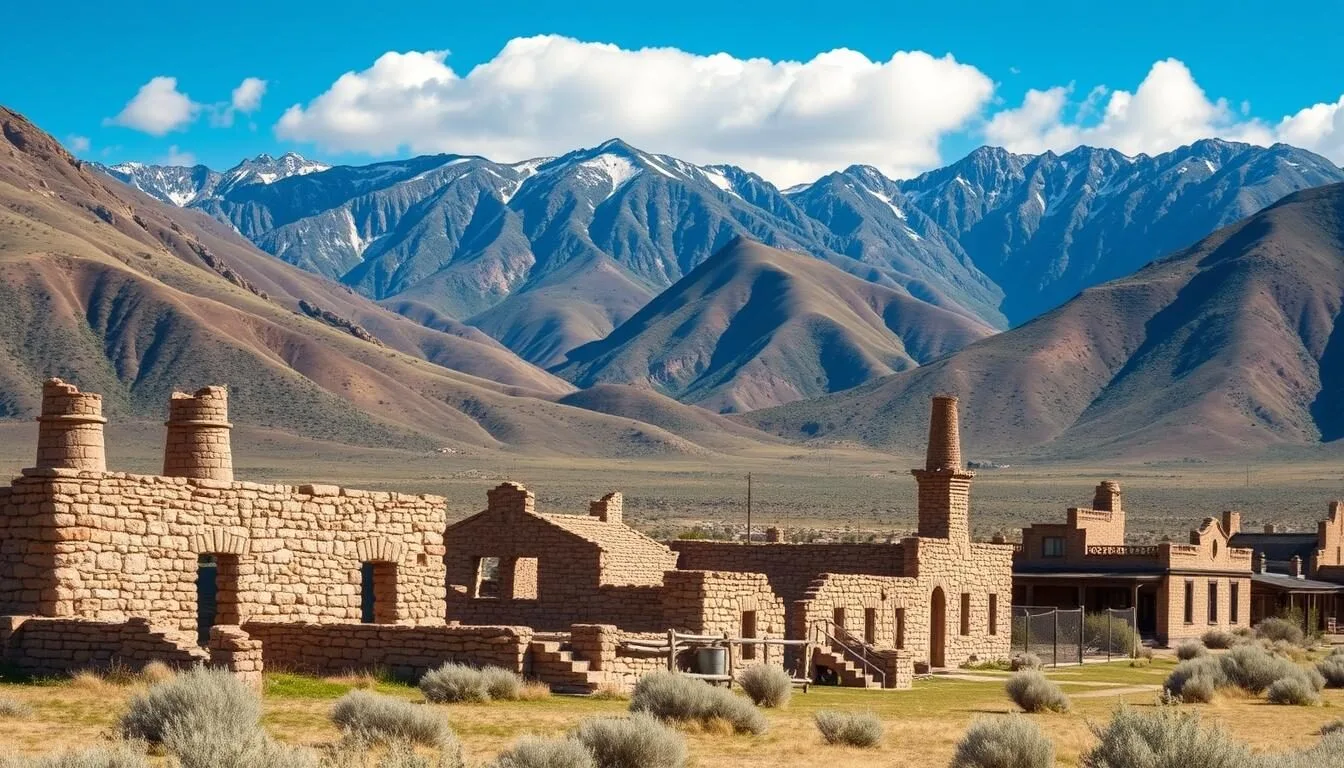
Did you know that Capitol City, Colorado was once envisioned to become the state capital by its ambitious founder George S. Lee? This fascinating ghost town, nestled at 9,480 feet (2,889 m) in elevation along the Alpine Loop Backcountry Byway, represents one of Colorado’s most intriguing historical treasures. Founded in 1876 as “Galena City” before being renamed, this former silver mining boomtown offers visitors a remarkable glimpse into Colorado’s rich mining heritage while surrounded by the breathtaking beauty of the San Juan Mountains.
Getting There & Planning Your Journey
Capitol City is located approximately 9 miles (14.5 km) west of Lake City in Hinsdale County, Colorado. The nearest major airports are Montrose Regional Airport (MTJ), about 85 miles (137 km) away, and Gunnison-Crested Butte Regional Airport (GUC), approximately 75 miles (121 km) away. From either airport, you’ll need to rent a vehicle suitable for mountain driving.
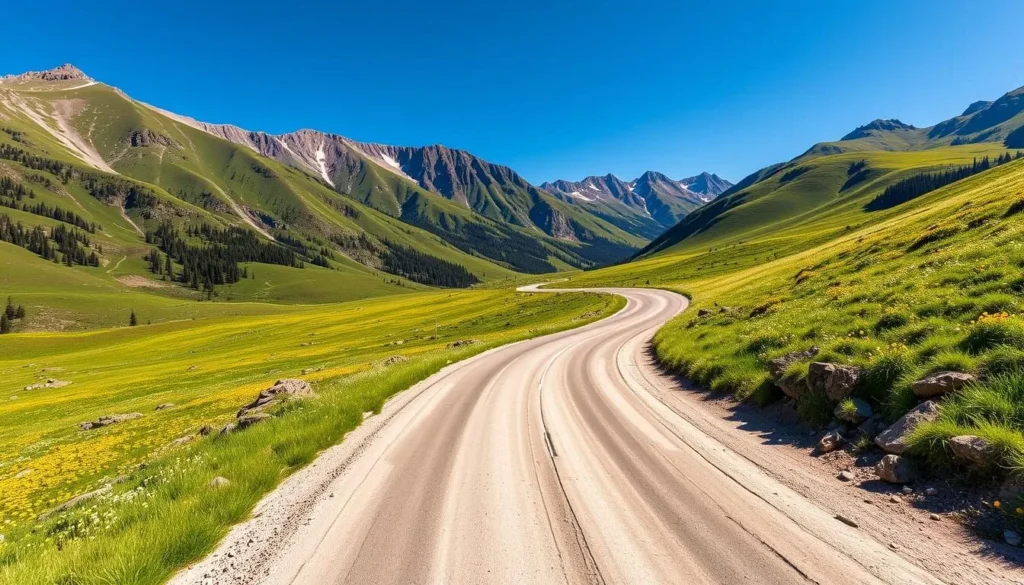
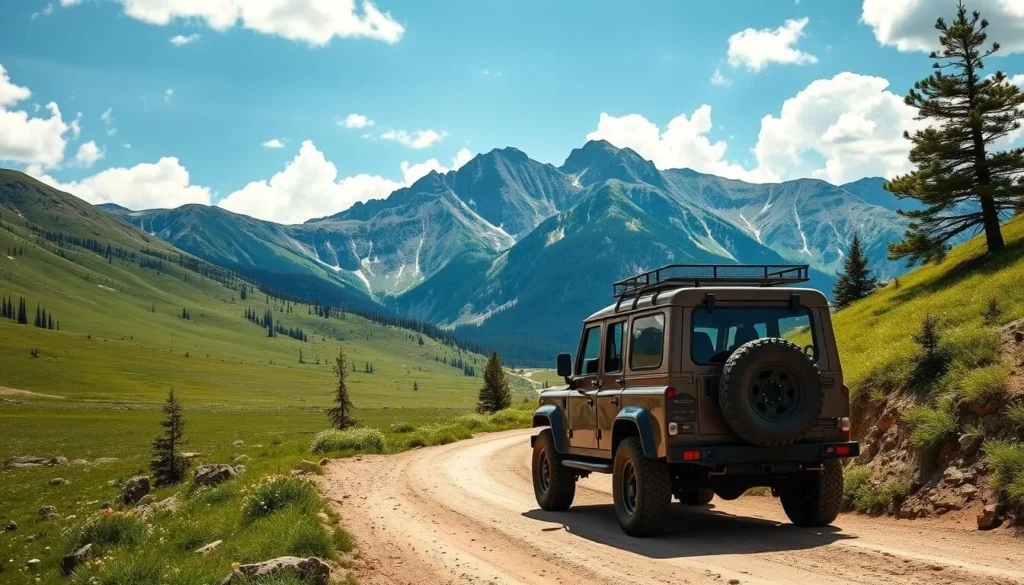
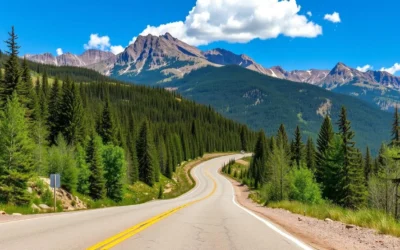
The ghost town sits along the Alpine Loop Backcountry Byway, a 65-mile (105 km) scenic route connecting Lake City, Silverton, and Ouray. This unpaved mountain road traverses stunning passes and historic mining areas. While the section to Capitol City is generally accessible by standard vehicles during summer months, a high-clearance 4WD vehicle is recommended for exploring the full Alpine Loop.
Best Time to Visit & Weather Tips
The optimal time to visit Capitol City is from late June through early September when the Alpine Loop is fully accessible and weather conditions are most favorable. During these summer months, temperatures typically range from 10-24°C (50-75°F) during the day, dropping significantly at night.
Recommended Months
- Late June: Alpine wildflowers begin blooming
- July: Peak summer season with warmest temperatures
- August: Excellent weather and fewer afternoon thunderstorms
- Early September: Beautiful fall colors starting to appear
Months to Avoid
- October-May: Road typically closed due to snow
- Late May-Early June: Snowmelt and muddy conditions
- Late September: Increasing chance of early snowfall
Always check current road conditions before departing, as mountain weather can change rapidly. The Alpine Loop typically closes with the first significant snowfall, usually in October, and doesn’t reopen until late May or June, depending on snowpack levels.
Getting Around Locally
Capitol City is a small ghost town site that can be explored entirely on foot. The remaining structures are clustered in a relatively compact area. Here’s what you need to know about navigating the area:
- A high-clearance vehicle is recommended for reaching Capitol City, though most passenger cars can make it during dry summer conditions
- The site itself is best explored on foot – wear sturdy hiking boots as the terrain is uneven
- No public transportation serves the area – a personal or rental vehicle is essential
- Cell service is extremely limited or non-existent – download offline maps before your trip
- Bring a detailed map of the Alpine Loop if you plan to explore beyond Capitol City
Remember that Capitol City sits on a combination of public and private land. Stay on established paths and respect any “No Trespassing” signs you encounter. The main ghost town site is accessible to visitors, but some surrounding areas are privately owned.
Where to Stay
Capitol City itself has no accommodation options as it’s an uninhabited ghost town. The nearest lodging is available in Lake City, approximately 9 miles (14.5 km) east. Here are your best options:
Lake City Hotels
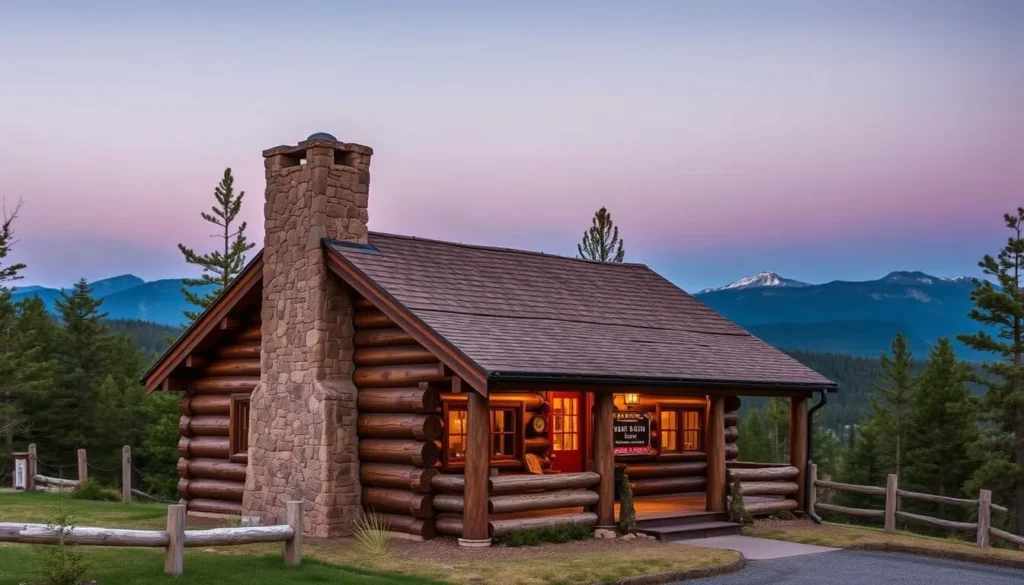
Lake City offers several charming hotels and inns, including the historic Elkhorn Lodge, G&S Mountain Lodge, and the Lake City Hotel. Most properties feature mountain views and rustic decor that complements the area’s mining heritage.
Vacation Rentals
Numerous cabins and vacation homes are available for rent in and around Lake City, providing more space and privacy. These range from simple mountain cabins to luxurious homes with modern amenities.
Camping Options
For outdoor enthusiasts, several campgrounds are located near Lake City, including Williams Creek Campground and Wupperman Campground at Lake San Cristobal. Dispersed camping is also permitted in designated areas of the surrounding national forest.
If you’re exploring the entire Alpine Loop, consider splitting your stay between Lake City and either Silverton or Ouray to minimize daily driving time. Advance reservations are strongly recommended during the peak summer season (July-August).
Dining & Local Cuisine
There are no dining options in Capitol City itself, so you’ll need to plan meals accordingly. Lake City, 9 miles east, offers several restaurants serving hearty mountain fare. Pack a picnic lunch to enjoy during your Capitol City exploration – the scenic surroundings make for a perfect outdoor dining experience.
Lake City Dining Highlights
- Packer Saloon & Cannibal Grill – Historic saloon with burgers and Colorado craft beers
- Climb Elevated Eatery – Farm-to-table cuisine with mountain views
- Southern Vittles – Comfort food with Southern influences
- Lake City Bakery – Fresh pastries and sandwiches perfect for packing on your adventure
When visiting remote areas like Capitol City, always carry extra water and snacks. The high altitude and dry mountain air can increase dehydration risk, so plan for more water than you think you’ll need – at least 2 liters (68 oz) per person for a half-day excursion.
Attractions, Sightseeing & Activities
Despite its small size, Capitol City offers several fascinating historical structures and nearby attractions that make it worth visiting. Here’s what you shouldn’t miss:
Within Capitol City
- Historic Post Office – One of the few remaining structures, this wooden building served as Capitol City’s post office from 1877 to 1920
- Lee Smelter Stack – The tall brick chimney from George Lee’s smelting operation stands as a testament to the town’s industrial past
- Rose Lime Kiln – Built by George Lee and named after his daughter, this well-preserved structure is located just outside town
- Building Foundations – Explore the stone foundations that mark where Capitol City’s hotels, saloons, and homes once stood
Nearby Attractions
- Henson Creek – This scenic mountain stream runs through Capitol City and offers fishing opportunities
- Engineer Pass – Spectacular mountain pass (12,800 feet/3,901 m) accessible via 4WD vehicle
- Whitmore Falls – Beautiful waterfall located between Capitol City and Lake City
- Historic Mining Sites – Several abandoned mines dot the surrounding hillsides (view from a safe distance only)
Photography enthusiasts will find endless opportunities to capture the haunting beauty of this ghost town against the backdrop of the San Juan Mountains. The quality of light in early morning or late afternoon creates particularly striking images.

Historical Significance & Cultural Heritage
Capitol City’s fascinating history begins in 1876 when it was established as “Galena City” by George S. Lee, an ambitious entrepreneur with grand visions. In 1877, when applying for a post office, Lee discovered another Colorado town had claimed the name, so he renamed it “Capitol City” – reflecting his audacious dream of making it Colorado’s state capital with himself as governor.
At its peak in the late 1870s and early 1880s, Capitol City boasted approximately 400 residents and featured several remarkable achievements for a remote mountain town:
- The Governor’s Mansion – Lee built an extravagant two-story brick home with a ballroom, theater, and tropical plant conservatory
- Industrial Operations – The town supported two smelters, a sawmill, and the region’s first brick kiln
- Civic Infrastructure – Unlike many hastily built mining camps, Capitol City featured numerous brick buildings, hotels, and restaurants
- Daily Mail Service – During summer months, the town enjoyed daily mail delivery from Lake City
The silver crash of 1893 dealt a severe blow to Capitol City’s economy, though limited gold discoveries around 1900 briefly revived the town. The post office finally closed in 1920, marking the official end of Capitol City as an active community. Today, it stands as a testament to the boom-and-bust cycle that characterized many Colorado mining towns of the era.

Nature & Outdoor Experiences
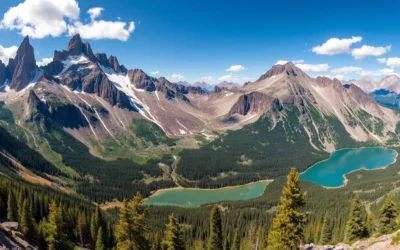
Capitol City is surrounded by the stunning natural beauty of the San Juan Mountains, offering numerous outdoor activities for visitors to enjoy:
Hiking Opportunities
Several hiking trails of varying difficulty levels can be accessed near Capitol City. The Alpine Loop features numerous pull-offs where you can embark on short hikes to scenic viewpoints or abandoned mining structures. For more serious hikers, trails leading into the surrounding mountains offer challenging terrain and spectacular vistas.
Wildlife Viewing
The area around Capitol City is home to diverse wildlife, including mule deer, elk, black bears, and numerous bird species. Dawn and dusk offer the best wildlife viewing opportunities. Keep a respectful distance and never approach or feed wild animals.
Photography
The combination of historic ruins, mountain scenery, and changing seasonal colors makes Capitol City a photographer’s paradise. The quality of light at higher elevations creates unique photographic opportunities, especially during the golden hours of early morning and late afternoon.

Fishing
Henson Creek, which runs through Capitol City, offers fishing opportunities for brook and cutthroat trout. A valid Colorado fishing license is required, and catch-and-release is encouraged to preserve fish populations. The creek’s clear mountain waters make for a peaceful fishing experience surrounded by historic ruins and natural beauty.
Safety, Etiquette & Local Customs
Visiting historic ghost towns requires special attention to safety and preservation. Here are important guidelines to ensure a safe, respectful visit to Capitol City:
Safety Considerations
- Altitude Awareness – At 9,480 feet (2,889 m), Capitol City’s elevation can cause altitude sickness. Stay hydrated, pace yourself, and recognize symptoms like headache, nausea, and dizziness
- Weather Preparedness – Mountain weather changes rapidly; bring layers, rain gear, and sun protection regardless of forecast
- Navigation – Cell service is unreliable; bring physical maps and inform someone of your plans
- Wildlife Safety – Store food securely and maintain distance from wildlife; carry bear spray in backcountry areas
- Building Safety – Never enter unstable structures; view ruins from a safe distance
Preservation Etiquette
- Leave No Trace – Pack out all trash and leave natural and historical features undisturbed
- Stay on Established Paths – Avoid creating new trails or disturbing vegetation
- No Collecting – Taking artifacts or even small items is illegal and diminishes the experience for future visitors
- Respect Private Property – Some parcels within and around Capitol City remain privately owned; observe all posted signs
- Quiet Enjoyment – Maintain a peaceful atmosphere that allows all visitors to connect with the site’s history
Remember that Capitol City represents an important piece of Colorado’s mining heritage. Your responsible visitation helps preserve this historical treasure for generations to come.
Visitor Comments About Capitol City
“Capitol City was the highlight of our Alpine Loop adventure. Standing beside the old post office and imagining George Lee’s grand vision for this remote mountain town was fascinating. The drive there is spectacular, and the history is captivating. Don’t miss the Rose Lime Kiln just outside town – it’s remarkably well-preserved.”
“We visited Capitol City as part of a photography tour of Colorado ghost towns. The quality of light in the mountains creates stunning photo opportunities, especially in the early morning. The contrast between the remaining structures and the magnificent natural setting tells a powerful story about human ambition and nature’s permanence.”
“As a history buff, I found Capitol City absolutely fascinating. The story of George Lee’s dream to create Colorado’s capital in this remote location is both ambitious and slightly tragic. The site is smaller than I expected but incredibly atmospheric. Bring good hiking shoes and plenty of water – the altitude affected us more than we anticipated.”
Additional Nearby Destinations
Lake City
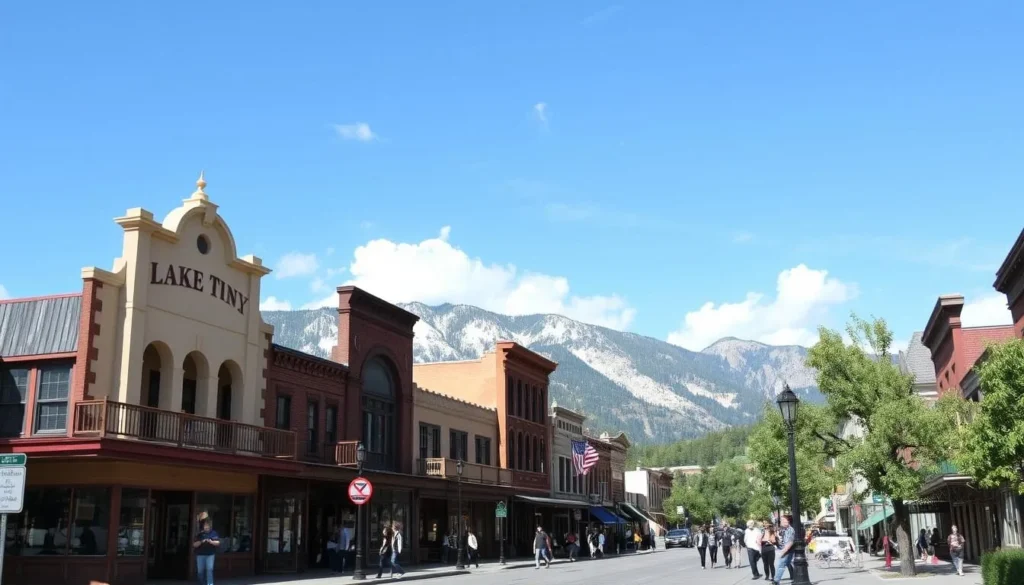
Just 9 miles (14.5 km) east of Capitol City, this charming historic town offers dining, lodging, and shopping. Visit the Hinsdale County Museum to learn more about the area’s mining history and see artifacts from Capitol City and other ghost towns. The town’s well-preserved historic district features Victorian architecture and scenic mountain views.
Animas Forks
Located 12 miles (19.3 km) southwest of Capitol City via the Alpine Loop, this better-preserved ghost town features several standing structures, including the impressive two-story Duncan House. Interpretive signs provide historical context for the buildings and mining operations that once thrived here.
Engineer Pass
This spectacular mountain pass at 12,800 feet (3,901 m) elevation offers breathtaking panoramic views of the surrounding San Juan Mountains. The pass connects the Lake City and Ouray sides of the Alpine Loop and requires a 4WD vehicle with high clearance. Early miners used this route to transport ore and supplies between mining districts.
Practical Travel Tips
- Vehicle Preparation – Ensure your vehicle is in good condition with adequate fuel; gas stations are limited in the area
- Pack Essentials – Bring water, snacks, first aid kit, sunscreen, insect repellent, and layers regardless of forecast
- Photography Gear – Bring extra batteries and memory cards; the scenic beauty will have you taking more photos than expected
- Timing – Allow at least 1-2 hours to explore Capitol City thoroughly; more if you plan to hike nearby trails
- Local Information – Stop at the Lake City Visitor Center (800 N. Gunnison Ave, Lake City) for maps and current conditions
- Accessibility – The site has uneven terrain and no formal accommodations for visitors with mobility challenges
- Pets – Leashed pets are welcome but bring water for them and clean up waste
Echoes of Ambition: Capitol City’s Enduring Legacy
Capitol City stands as a poignant reminder of the ambitious dreams that shaped Colorado’s mining era. Though George Lee’s vision of creating the state capital never materialized, the ghost town’s remaining structures and rich history offer visitors a meaningful connection to the past. As you stand among the ruins, surrounded by the majestic San Juan Mountains, you can almost hear the echoes of the bustling community that once thrived here.
Whether you’re a history enthusiast, outdoor adventurer, or simply seeking a unique Colorado experience, Capitol City rewards visitors with its blend of fascinating human stories and natural beauty. The journey along the Alpine Loop to reach this remote ghost town is itself part of the adventure, offering glimpses into Colorado’s mining heritage and spectacular mountain scenery at every turn. As you plan your visit to Capitol City, you’re not just exploring a ghost town – you’re stepping into a chapter of American history where ambition, industry, and nature continue their timeless conversation.
The above is subject to change.
Check back often to TRAVEL.COM for the latest travel tips and deals.
0 Comments