
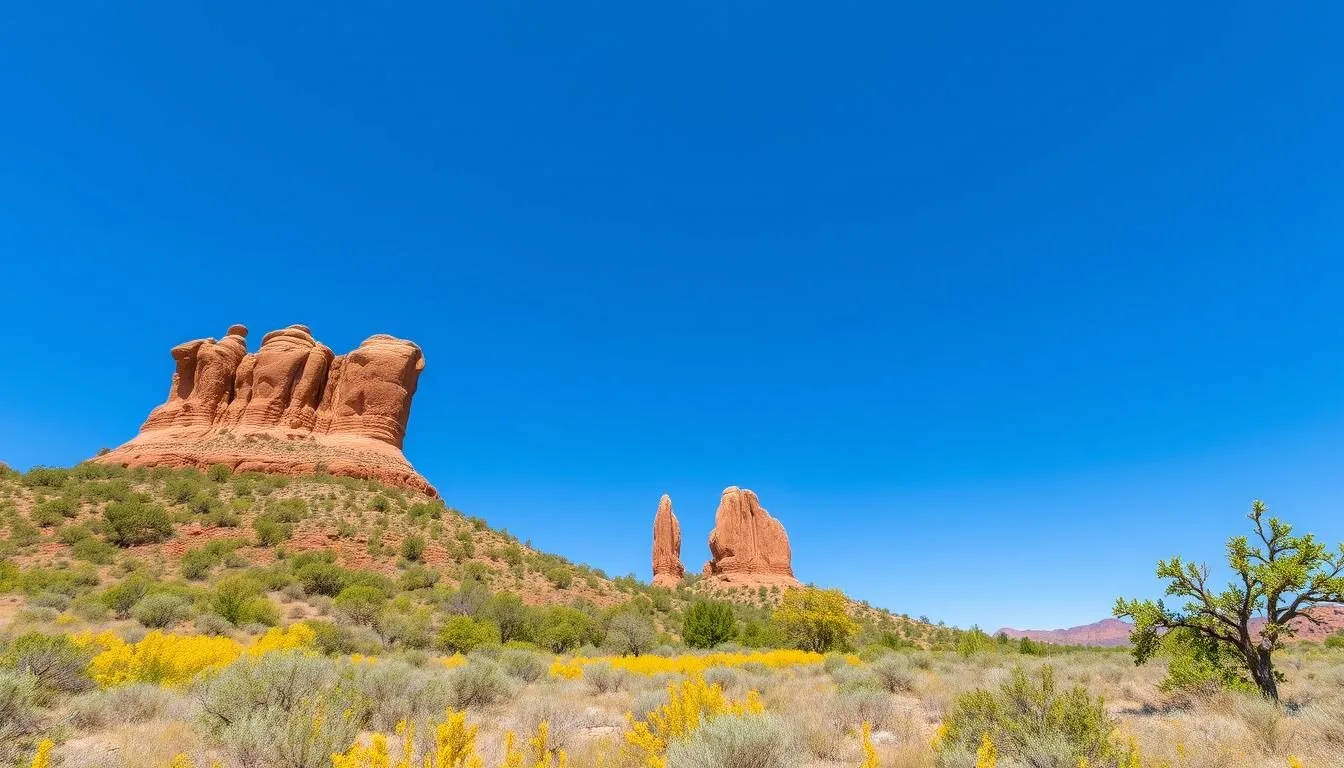
Did you know that Chimney Rock Archaeological Area is one of only a handful of places in the world where you can witness the rare Major Lunar Standstill? Every 18.6 years, the moon rises perfectly between the site’s twin stone pillars, an astronomical event that the Ancestral Puebloans tracked with remarkable precision over 1,000 years ago. This fascinating connection between ancient architecture and celestial movements is just one of the many wonders awaiting visitors at this extraordinary Colorado destination.
Getting There & Planning Your Journey
Chimney Rock Archaeological Area is located in southwestern Colorado, approximately 24 km (15 miles) west of Pagosa Springs and 97 km (60 miles) east of Durango. The site sits within the San Juan National Forest and has been managed by the USDA Forest Service since being designated a National Monument in 2012.
The closest major airports are:
- Durango-La Plata County Airport (DRO) – 80 km (50 miles) away
- Albuquerque International Sunport (ABQ) – 322 km (200 miles) away
- Denver International Airport (DEN) – 483 km (300 miles) away
From Pagosa Springs, take Highway 160 west for about 19 km (12 miles), then turn south onto Highway 151 and continue for 5 km (3 miles) to reach the entrance. The monument is well-marked with directional signs along the way.
Best Time to Visit & Weather Tips
Chimney Rock Archaeological Area is only open for guided and self-guided tours from mid-May through mid-September, making summer the primary visiting season. This limited operating window exists because the site’s high elevation (7,600 feet or 2,316 meters) makes winter access challenging.
The monument’s elevation means weather can change rapidly. Even on summer days, temperatures can fluctuate by 15°C (27°F) between morning and afternoon. Always bring layers!
Recommended Months:
- June to August – Peak season with warm days averaging 24-29°C (75-85°F) and cool evenings around 10°C (50°F). All programs and tours are available.
- Late May and early September – Fewer crowds with pleasant temperatures, though some special programs may be limited.
Months to Avoid:
- October through April – The monument is closed to regular visitors during these months.
- July afternoons – Thunderstorms are common; morning visits are recommended.
If you’re interested in astronomy, plan your visit during one of the special night programs offered throughout the summer. The 2024-2026 period is particularly special as it marks the Major Lunar Standstill, when the moon rises between the twin spires – a phenomenon that occurs only once every 18.6 years.
Getting Around Locally
Once you arrive at Chimney Rock, you’ll find that the site is divided into two main areas: the lower area with the visitor center and the upper archaeological area accessible via a 4.8 km (3-mile) paved road.
Transportation Options:
- Self-driving – Most visitors drive their own vehicles to the upper parking area for tours.
- Carpool service – Available for those who prefer not to drive the winding road to the upper area.
- Walking – Not recommended as an option to reach the upper area due to the distance and elevation gain.
Once at the upper area, exploring the archaeological sites requires walking on trails. The main trail to the Great House Pueblo is approximately 0.8 km (0.5 miles) round trip with an elevation gain of about 61 meters (200 feet). Some sections of this trail are narrow with drop-offs on either side, so proper footwear is essential.
Accessibility Note: The Chimney Rock Great Kiva Trail is wheelchair accessible, but the Great House Pueblo Trail is not suitable for those with mobility challenges due to steep, uneven terrain.
Where to Stay
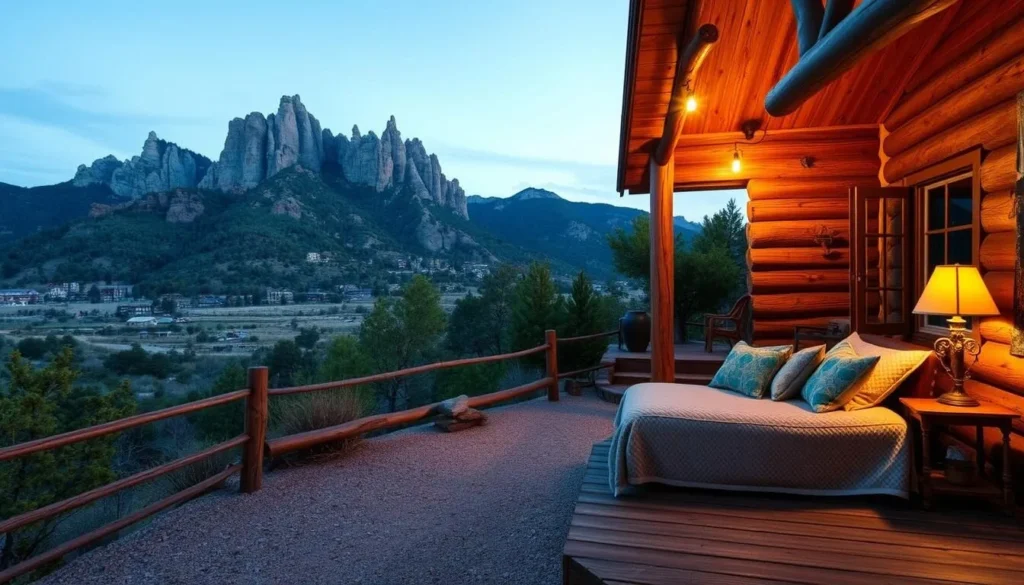
While there are no accommodations within Chimney Rock Archaeological Area itself, several options are available in nearby communities:
Pagosa Springs (24 km/15 miles):
- Hotels & Resorts – Several options ranging from budget-friendly motels to upscale hot springs resorts, with prices from $90-250 per night.
- Bed & Breakfasts – Charming options with personal service and often including home-cooked breakfasts, typically $120-180 per night.
- Vacation Rentals – Cabins and homes available through various booking platforms, ideal for families or longer stays.
Bayfield (32 km/20 miles):
- Small Inns – Quieter, more intimate accommodations in a smaller town setting.
- Ranch Stays – Several working ranches offer guest accommodations for an authentic Western experience.
Durango (80 km/50 miles):
- Historic Hotels – Including the famous Strater Hotel dating back to 1887.
- Modern Chains – All major hotel brands are represented for those preferring familiar accommodations.
For those who enjoy camping, several options are available in the surrounding San Juan National Forest, including Ute Campground (8 km/5 miles from the monument) and Bridge Campground (16 km/10 miles away). These sites typically cost $20-25 per night and offer basic amenities like fire rings and vault toilets.
Dining & Local Cuisine

There are no dining facilities within Chimney Rock Archaeological Area, so visitors should plan accordingly. Pack plenty of water and snacks for your visit, especially if you’ll be hiking the trails. The nearest food options are in surrounding communities:
Nearby Options:
- Arboles (16 km/10 miles) – Small convenience stores with basic provisions and simple deli items.
- Pagosa Springs (24 km/15 miles) – Full range of dining options from casual cafes to fine dining establishments.
Local Specialties Worth Trying:
- Green Chile Dishes – A Southwestern staple found in everything from breakfast burritos to burgers.
- Rainbow Trout – Locally caught and often served fresh at restaurants in Pagosa Springs.
- Navajo Tacos – Traditional fry bread topped with beans, meat, and toppings – a regional favorite.
- Craft Beer – Several local breweries in Pagosa Springs and Durango offer distinctive mountain-inspired brews.
Picnic Tip: The monument has designated picnic areas near the visitor center. Bringing your own lunch is a great option, but remember to pack out all trash as part of the Leave No Trace principles observed at the site.
Attractions, Sightseeing & Activities
Must-See Archaeological Sites:
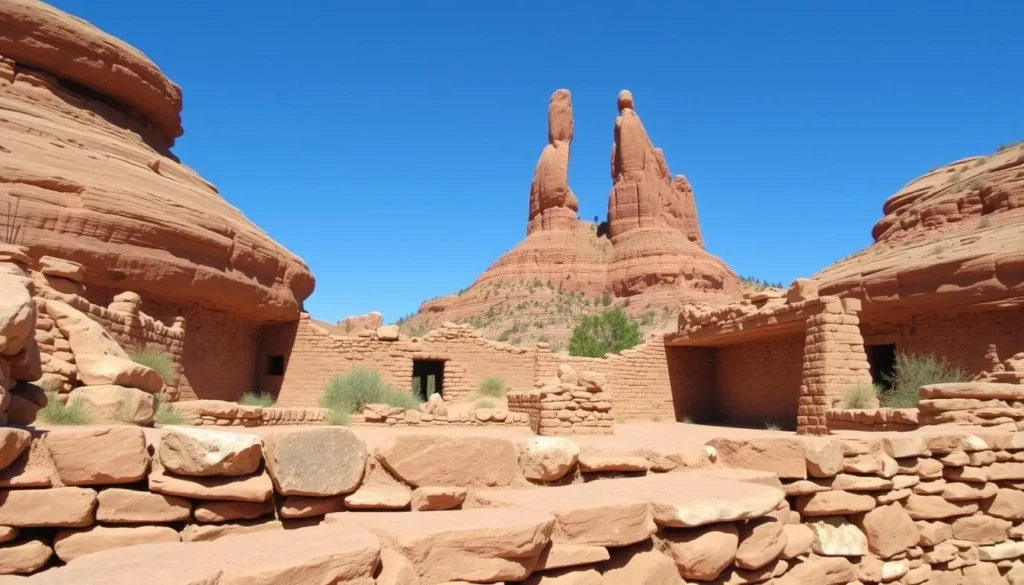
- Great House Pueblo – The primary structure at the site, built in the Chacoan style with precise stonework and astronomical alignments. Located just below the twin rock pillars at 2,316 meters (7,600 feet) elevation.
- Great Kiva – An impressive ceremonial structure measuring 13.4 meters (44 feet) in diameter, one of the largest in the region.
- Pit Houses – Earlier dwelling structures that showcase the evolution of Ancestral Puebloan architecture.
- Ridge House – A multi-room structure offering insights into daily life around 1000 CE.
- Guardhouse – A structure that may have controlled access to the Great House area.
Tour Options:
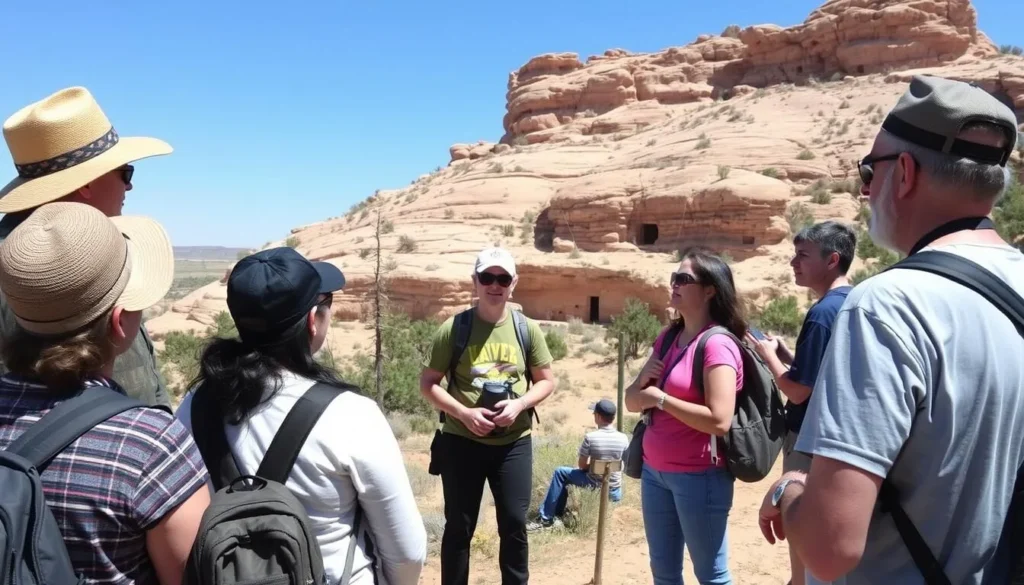
- Mesa Village Tour – A 1-hour walking tour covering the lower archaeological sites.
- Great House Pueblo Tour – A 2-hour tour that includes both the lower sites and the climb to the Great House.
- Special Programs – Including Full Moon Programs, Night Sky Archaeoastronomy Programs, and Native American Cultural Gatherings.
For photography enthusiasts, the site offers spectacular opportunities, especially during the golden hours of early morning and late afternoon when the light brings out the rich colors of the stone structures against the dramatic landscape.
Museums, Cultural Spots & Festivals
At the Monument:
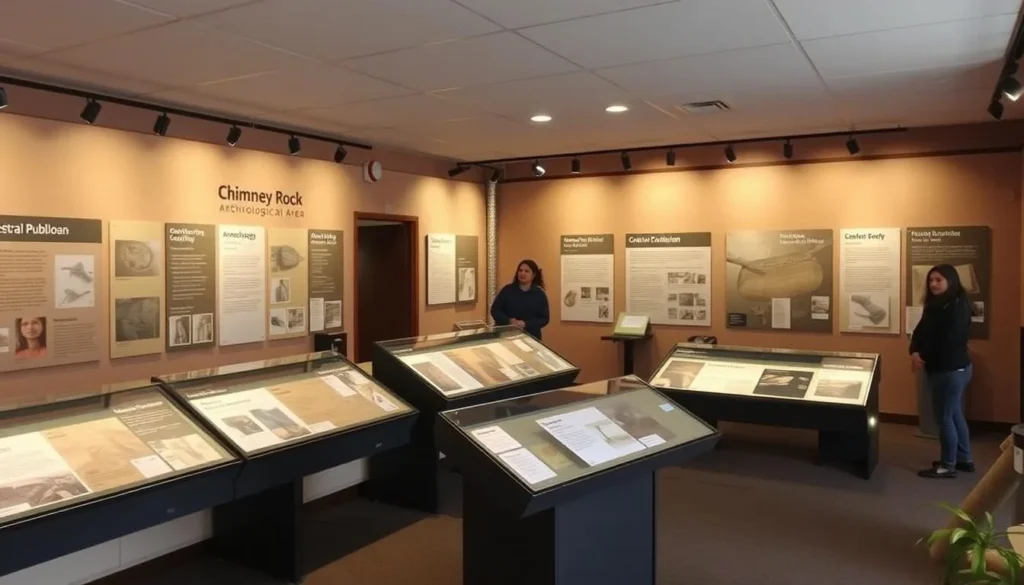
- Visitor Center – Features interpretive exhibits about the site’s history, archaeology, and cultural significance. Includes artifacts, interactive displays, and a short orientation film.
- Native American Cultural Programs – Throughout the summer season, various tribes with ancestral connections to the site offer demonstrations of traditional crafts, music, and storytelling.
- Lecture Series – Regular presentations by archaeologists and cultural historians about ongoing research at the site.
Special Events:
- Summer Solstice Sunrise Program – A special dawn event marking the summer solstice with cultural presentations.
- Native American Cultural Gathering – Usually held in July, featuring traditional dances, music, and food.
- Life at Chimney Rock Festival – Typically in August, with living history demonstrations of ancient technologies and lifeways.
- Major Lunar Standstill Events – Special programs during the 2024-2026 period to observe this rare astronomical alignment.
Nearby Cultural Attractions:
- Southern Ute Cultural Center & Museum (Ignacio, 56 km/35 miles) – Excellent exhibits on Ute history and contemporary culture.
- Pagosa Springs History Museum (24 km/15 miles) – Showcases the broader history of the region.
- Durango & Silverton Narrow Gauge Railroad Museum (80 km/50 miles) – Highlights the area’s mining and railroad history.
Many visitors combine their trip to Chimney Rock with visits to other significant archaeological sites in the Four Corners region, including Mesa Verde National Park (113 km/70 miles) and Aztec Ruins National Monument (129 km/80 miles).
Nature & Outdoor Experiences

Beyond its archaeological significance, Chimney Rock offers outstanding natural beauty and outdoor experiences:
Wildlife Viewing:
- Peregrine Falcons – These magnificent birds nest on Companion Rock and can often be spotted soaring above the site.
- Mule Deer – Commonly seen in the early morning and evening hours.
- Wild Turkeys – Frequently spotted in the wooded areas around the monument.
- Golden Eagles – Occasionally seen hunting over the open areas.
Flora:
- Wildflowers – Peak blooming season is June through August, with Indian paintbrush, lupine, and columbine among the most vibrant species.
- Ponderosa Pines – These majestic trees dominate the forested areas of the monument.
- Juniper and Piñon – Create the characteristic woodland environment of the lower elevations.

Nearby Outdoor Activities:
- Navajo State Park (24 km/15 miles) – Offers boating, fishing, and camping on Navajo Lake.
- San Juan River – Popular for fishing, kayaking, and rafting adventures.
- Continental Divide Trail – Accessible points for day hiking within an hour’s drive.
- Hot Springs – Pagosa Springs is famous for its natural hot springs, perfect for relaxing after a day of exploration.
For stargazers, the monument’s remote location and minimal light pollution make it an excellent spot for night sky viewing. The special Night Sky Programs offered during the summer provide telescopes and expert guidance for observing celestial objects.
Safety, Etiquette & Local Customs
Important: Chimney Rock is a sacred site for many Native American tribes. Respectful behavior is essential to honor its cultural significance.
Safety Tips:
- Elevation – At 2,316 meters (7,600 feet), visitors from lower elevations may experience altitude effects. Stay hydrated and pace yourself.
- Weather – Afternoon thunderstorms are common in summer. Check forecasts and plan to be off exposed trails by early afternoon.
- Sun Protection – The high elevation intensifies UV exposure. Wear sunscreen, hats, and sunglasses.
- Proper Footwear – Trails can be steep and rocky. Wear sturdy hiking shoes with good traction.
- Wildlife – Rattlesnakes are occasionally seen. Stay on designated trails and be aware of your surroundings.
Visitor Etiquette:
- Stay on Trails – Venturing off-trail damages fragile archaeological resources and desert ecosystems.
- No Touching – Do not touch, sit, or climb on archaeological structures.
- No Collection – It is illegal to remove any artifacts, rocks, plants, or other items from the monument.
- No Drones – Drone use is prohibited within the monument boundaries.
- Quiet Voices – Maintain a respectful atmosphere, especially during tours and programs.
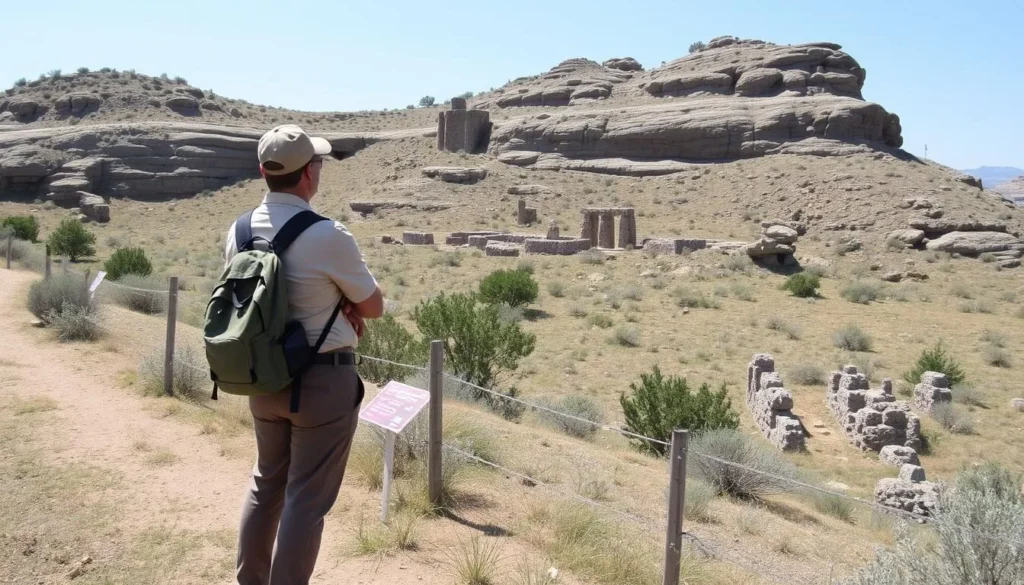
Photography is permitted and encouraged for personal use, but commercial photography requires a special permit. When photographing other visitors or staff, always ask permission first, especially during Native American cultural demonstrations.
Visitor Comments About Chimney Rock Archaeological Area
“The guided tour to the Great House Pueblo was absolutely worth the climb! Our guide’s knowledge of archaeoastronomy and how the Ancestral Puebloans aligned their structures with celestial events was fascinating. The view from the top is breathtaking – you can see for miles in every direction.”
“As someone who’s visited many archaeological sites throughout the Southwest, Chimney Rock stands out for its dramatic setting. The Full Moon Program was magical – watching the moon rise between the twin spires while learning about ancient cultural practices created a connection to the past I won’t soon forget.”
“Don’t miss the Night Sky Program if you visit in summer! The stars were incredible, and the volunteers brought telescopes for viewing distant galaxies and planets. My children were mesmerized, and the program really brought home how important astronomy was to the people who lived here centuries ago.”
Additional Nearby Destinations

While Chimney Rock is a destination in its own right, its location makes it ideal for exploring other attractions in the Four Corners region:
Within 1-2 Hours:
- Pagosa Springs (24 km/15 miles) – Famous for its hot springs, outdoor activities, and charming downtown.
- Durango (80 km/50 miles) – Historic mining town with the famous narrow gauge railroad to Silverton.
- Mesa Verde National Park (113 km/70 miles) – UNESCO World Heritage site featuring spectacular cliff dwellings.
- Aztec Ruins National Monument (129 km/80 miles) – Well-preserved Ancestral Puebloan great house complex.
Within 3-4 Hours:
- Chaco Culture National Historical Park (161 km/100 miles) – The cultural center of the Ancestral Puebloan world.
- Great Sand Dunes National Park (177 km/110 miles) – North America’s tallest sand dunes against the backdrop of the Sangre de Cristo Mountains.
- Telluride (161 km/100 miles) – Picturesque former mining town in a box canyon with stunning mountain scenery.
- Monument Valley (241 km/150 miles) – Iconic landscape on the Navajo Nation, featured in countless films.
Many visitors create a loop itinerary that includes several of these sites, using Durango or Pagosa Springs as a base. This region contains one of the highest concentrations of archaeological sites in North America, making it perfect for history enthusiasts.
Practical Travel Tips
Essential Information:
- Operating Season: Mid-May through mid-September, 9:00 AM to 4:30 PM daily.
- Entrance Fees: $20 per vehicle, $15 per motorcycle, $10 per pedestrian or cyclist. America the Beautiful passes are accepted.
- Tour Reservations: Highly recommended, especially for special programs which often sell out.
- Visitor Center Phone: (970) 883-5359 for information and reservations.
What to Bring:
- Water: At least 1 liter (1 quart) per person, more in hot weather.
- Sun Protection: Hat, sunglasses, and sunscreen (SPF 30+).
- Layers: Weather can change quickly; bring a light jacket even in summer.
- Sturdy Shoes: Hiking boots or athletic shoes with good traction.
- Binoculars: Useful for wildlife viewing and examining distant architectural details.
- Camera: The photographic opportunities are exceptional.
Accessibility:
The visitor center and Great Kiva Trail are wheelchair accessible. The Great House Pueblo Trail is not accessible for those with mobility limitations due to steep, narrow sections. The monument offers an accessible carpool service to the upper area for those who need it.
Cell Service & Wi-Fi:
Cell service at the monument is limited and unreliable. The visitor center offers Wi-Fi, but it’s best to download maps and information before your visit. Consider bringing a physical map if you plan to explore the broader region.
Connecting with the Ancient Sky Watchers
Standing atop the mesa at Chimney Rock, with the twin spires framing the horizon and ancient stone walls beneath your feet, you can’t help but feel a profound connection to those who came before. This remarkable place offers more than just stunning views and fascinating history—it provides a window into the sophisticated knowledge and spiritual practices of the Ancestral Puebloan people who called this place home a millennium ago.
Whether you’re drawn by the archaeological wonders, the celestial alignments, the natural beauty, or simply the sense of peace that permeates this special place, Chimney Rock Archaeological Area rewards visitors with experiences that linger long after they’ve returned home. As you plan your Colorado adventure, make time for this extraordinary destination where earth and sky, past and present, science and spirituality all converge in perfect harmony.
The above is subject to change.
Check back often to TRAVEL.COM for the latest travel tips and deals.
0 Comments