
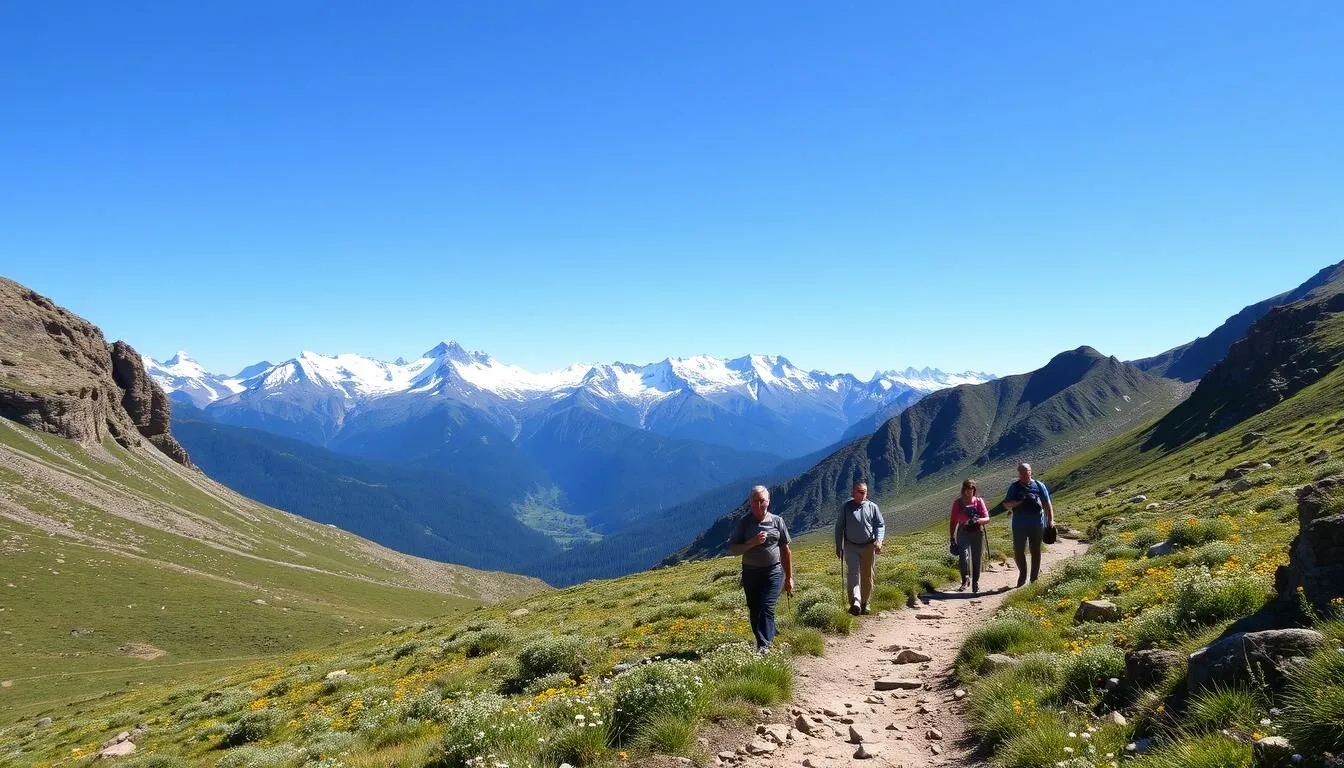
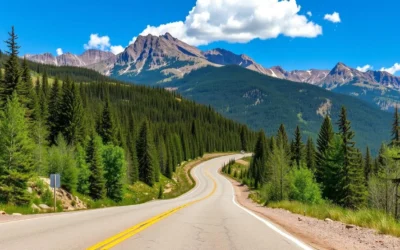
Did you know that the Continental Divide Trail in Colorado reaches its highest point at Grays Peak, soaring to an impressive 4,352 m (14,278 ft)? This makes it the highest point along the entire 4,873 km (3,028 mile) Continental Divide Trail that stretches from Mexico to Canada. Colorado hosts approximately 740 miles of this magnificent trail, offering some of the most breathtaking alpine scenery in North America and challenging even the most experienced hikers with its rugged terrain and dramatic elevation changes.
Getting There & Planning Your Journey
Planning your journey to the Continental Divide Trail in Colorado requires some preparation. The trail runs through the heart of the Rocky Mountains, making it accessible from several major cities in Colorado.
Closest Airports
- Denver International Airport (DEN) – The primary gateway to Colorado, located about 100 km (62 miles) from the nearest CDT access points
- Colorado Springs Airport (COS) – A good option for accessing southern sections of the Colorado CDT
- Grand Junction Regional Airport (GJT) – Convenient for western sections of the trail
- Durango-La Plata County Airport (DRO) – Ideal for the San Juan Mountains section
From these airports, you’ll need to rent a car or use shuttle services to reach trailheads. Many hiking outfitters and guide services offer transportation to popular access points along the Continental Divide Trail.
Major Access Points
- Cumbres Pass – Southern entry point to Colorado’s CDT section
- Wolf Creek Pass – Access to the South San Juan Wilderness section
- Monarch Pass – Central access point with parking and amenities
- Twin Lakes – Gateway to the Collegiate Peaks section
- Berthoud Pass – Convenient access from Denver area
- Rocky Mountain National Park – Northern section access via Grand Lake
Best Time to Visit & Weather Tips

Recommended Months to Visit
- July to September – Prime hiking season with most snow melted and relatively stable weather
- Late June – Good for lower elevations, though high passes may still have snow
- Early October – Beautiful fall colors but increasing risk of early snow
Months to Avoid
- November to May – Heavy snow makes most of the trail impassable
- Early June – Significant snowpack remains at higher elevations
The Continental Divide Trail in Colorado experiences extreme weather variations due to its high elevation. Summer days typically range from 15-25°C (60-80°F), but temperatures can drop below freezing at night, even in July and August. Afternoon thunderstorms are common in summer months, particularly between 12-3 PM, making early morning starts essential for safety.
Weather can change rapidly in the mountains, so always check forecasts before heading out and be prepared for all conditions. The snow typically begins melting in late May, but many high passes remain snow-covered until late June or early July in average years.
Getting Around Locally
Navigating the Continental Divide Trail in Colorado requires careful planning as the trail passes through remote wilderness areas. Here are your best options for local transportation:
Rental Vehicles
A high-clearance vehicle is recommended for accessing many trailheads, especially those with unpaved forest service roads. Four-wheel drive is essential for some of the more remote access points. Major rental companies operate at all Colorado airports.
Shuttle Services
Several specialized hiking shuttle services operate in trail towns along the CDT, including:
- Pagosa Springs – CDT shuttle services to Wolf Creek Pass
- Salida – Shuttles to Monarch Pass and surrounding trailheads
- Twin Lakes/Leadville – Transportation to various CDT access points
- Grand Lake – Shuttles to Rocky Mountain National Park trailheads
Public Transportation
Limited public transportation options exist, but some trail towns are accessible via bus services:
- Bustang – Colorado’s intercity bus service connects Denver to several towns near the CDT
- Local mountain town shuttle systems in Breckenridge, Winter Park, and Steamboat Springs
Many CDT hikers rely on hitchhiking between trail sections and towns, which is relatively common and accepted in Colorado mountain communities, though not officially recommended for safety reasons.
Where to Stay

Accommodation options vary widely along the Continental Divide Trail in Colorado, from wilderness camping to comfortable lodges in trail towns.
Backcountry Camping
Most CDT hikers camp along the trail. Free dispersed camping is allowed in most National Forests with these guidelines:
- Camp at least 30 m (100 ft) from water sources
- Follow Leave No Trace principles
- Bear-proof food storage is essential throughout Colorado
- Permits required for camping in Rocky Mountain National Park
Trail Towns Accommodations
Several towns along or near the CDT offer lodging options:
Budget Options
- Hostels in Salida, Grand Lake, and Pagosa Springs (typically $25-45 per night)
- Hiker-friendly motels in trail towns ($60-100 per night)
Mid-Range Options
- Mountain lodges and cabins ($120-200 per night)
- Bed and breakfasts in historic mining towns ($100-150 per night)
Luxury Options
- Resort accommodations in Breckenridge and Steamboat Springs ($200+ per night)
- Luxury mountain retreats near Aspen and Vail ($300+ per night)
Many trail towns also have designated “trail angels” who offer free or donation-based accommodation to CDT hikers. The Continental Divide Trail Coalition maintains a list of these resources on their website.
Dining & Local Cuisine
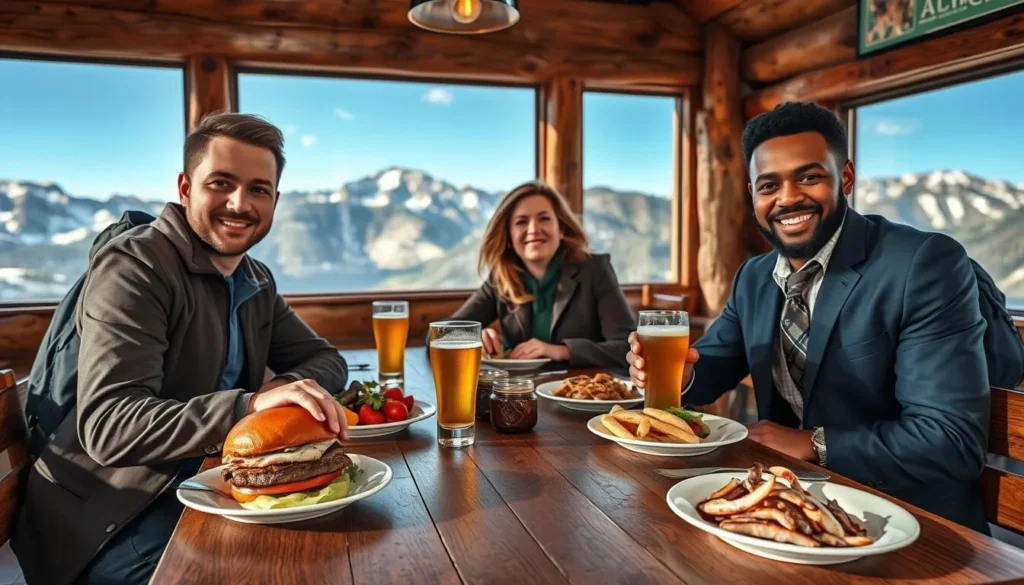
Fueling your Continental Divide Trail adventure requires proper nutrition. Colorado’s mountain towns offer excellent dining options to satisfy hungry hikers.
Trail Town Dining Highlights
- Pagosa Springs – Known for hot springs and southwestern cuisine
- Salida – Voted favorite resupply town by CDT hikers with numerous restaurants
- Twin Lakes – Limited but hiker-friendly options
- Grand Lake – Variety of restaurants serving Rocky Mountain specialties
- Steamboat Springs – Excellent dining scene with farm-to-table options
Local Colorado Specialties
- Rocky Mountain trout – Fresh local fish served in most mountain restaurants
- Bison/elk burgers and steaks – Leaner alternatives to beef
- Green chile – Colorado’s distinctive take on this southwestern staple
- Craft beer – Colorado is famous for its microbreweries
- Palisade peaches – Seasonal treat in late summer
Resupply Options for Hikers
For those hiking multiple days on the CDT, resupply options include:
- Grocery stores in larger trail towns (Salida, Steamboat Springs, Breckenridge)
- Small general stores in smaller communities (Twin Lakes, Grand Lake)
- Hiker boxes at hostels where hikers leave extra food
- Mail drops at post offices along the route
Many hikers report that Pie Town, while technically in New Mexico, is worth a visit for CDT hikers for its famous homemade pies and hiker-friendly atmosphere.
Attractions, Sightseeing & Activities

The Continental Divide Trail in Colorado offers numerous attractions and activities beyond just hiking the main trail.
Must-See Natural Attractions
- Grays Peak – The highest point on the entire CDT at 4,352 m (14,278 ft)
- San Juan Mountains – Voted among hikers’ favorite sections with dramatic landscapes
- Chinese Wall – Impressive limestone cliffs rising 300 m (1,000 ft) above the trail
- Rocky Mountain National Park – Where the CDT passes through spectacular alpine terrain
- Weminuche Wilderness – Colorado’s largest wilderness area with 70 miles of the CDT
Popular Activities
- Day Hiking – Numerous access points allow for day hikes on the CDT
- Section Hiking – Popular multi-day sections between access points
- Peak Bagging – Many 14,000+ ft peaks are accessible from the CDT
- Photography – Endless opportunities for landscape photography
- Wildlife Viewing – Opportunities to see elk, moose, marmots, and mountain goats
- Fishing – High alpine lakes and streams along the route
Scenic Drives Crossing the Continental Divide
For those who prefer to experience the divide by vehicle:
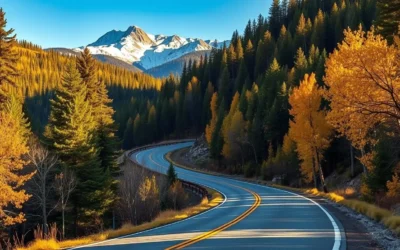
- Trail Ridge Road – Highest continuous paved road in the US through Rocky Mountain National Park
- Cottonwood Pass – Newly paved pass reaching 3,696 m (12,119 ft)
- Wolf Creek Pass – Year-round pass in the San Juan Mountains
- Monarch Pass – Features aerial tramway for panoramic views
- Independence Pass – Second-highest paved crossing at 3,687 m (12,095 ft)
Museums, Cultural Spots & Festivals

While the Continental Divide Trail is primarily a wilderness experience, the trail towns and surrounding areas offer rich cultural opportunities.
Museums & Historical Sites
- South Park City Museum (Fairplay) – Restored 1880s mining town
- Leadville Mining Museum – Chronicles Colorado’s mining history
- Ghost Ranch (near New Mexico border) – Former home of artist Georgia O’Keeffe
- Grand Lake Historical Society – Exhibits on early settlers and tourism
- Tread of Pioneers Museum (Steamboat Springs) – Local history exhibits
Cultural Experiences
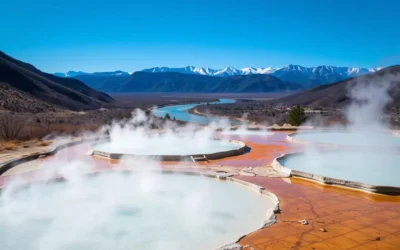
- Hot Springs – Pagosa Springs and Hot Sulphur Springs offer natural thermal baths
- Historic Mining Towns – Many trail towns preserve their 19th-century mining heritage
- Native American Heritage Sites – The trail crosses lands traditionally home to Ute, Cheyenne, and Arapaho peoples
Annual Festivals Near the CDT
- Salida Art Walk (June) – Downtown art festival
- Steamboat Springs Hot Air Balloon Festival (July) – Colorful balloon displays
- Leadville Boom Days (August) – Celebrates mining heritage
- Pagosa Folk Festival (September) – Music and cultural celebration
- Trail Days – Various towns host CDT Trail Days celebrations throughout hiking season
Many CDT hikers time their journey to coincide with these cultural events, providing a welcome break from the trail and an opportunity to experience local communities.
Nature & Outdoor Experiences
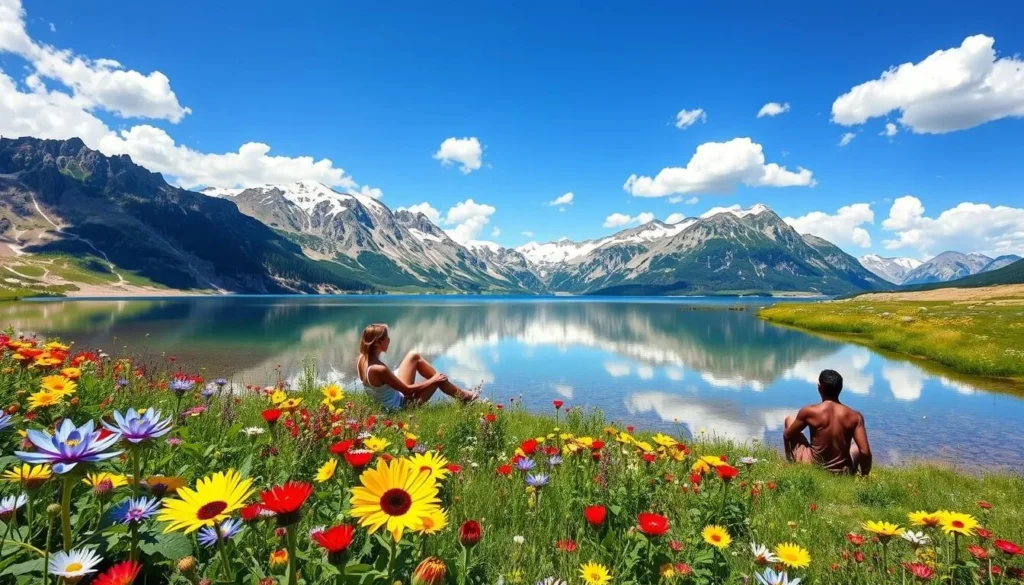
The Continental Divide Trail in Colorado offers some of North America’s most spectacular natural environments and outdoor experiences.
Ecosystems & Landscapes
As the trail climbs and descends through Colorado’s mountains, hikers experience diverse ecosystems:
- Alpine Tundra – Above 3,500 m (11,500 ft), featuring delicate wildflowers and sweeping views
- Subalpine Forests – Dominated by Engelmann spruce and subalpine fir
- Montane Forests – Ponderosa pine, Douglas fir, and aspen groves
- Mountain Meadows – Lush grasslands filled with wildflowers in summer
- Riparian Areas – Stream and lake environments supporting diverse wildlife
Wildlife Viewing
The Colorado section of the CDT is home to abundant wildlife:
- Large Mammals – Elk, moose, mule deer, black bears
- Small Mammals – Marmots, pikas, ground squirrels, snowshoe hares
- Birds – Golden eagles, ptarmigan, Clark’s nutcrackers, broad-tailed hummingbirds
Top Nature Experiences
- Wildflower Season – Mid-July to early August brings spectacular alpine blooms
- Fall Colors – Mid-September to early October for aspen gold
- Stargazing – Minimal light pollution offers exceptional night sky viewing
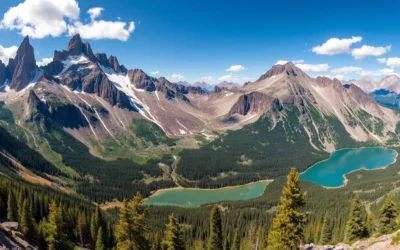
- Alpine Lakes – Hundreds of pristine mountain lakes dot the landscape
- Geological Features – Dramatic rock formations and evidence of glacial activity
Safety, Etiquette & Local Customs

Safety is paramount when exploring the Continental Divide Trail in Colorado due to its remote nature and challenging terrain.
Essential Safety Tips
- Lightning Safety – Afternoon thunderstorms are common; plan to be below treeline by noon
- Altitude Sickness – Acclimate properly before attempting high elevations
- Weather Preparedness – Bring layers and rain gear regardless of forecast
- Navigation – Carry detailed maps and a compass; don’t rely solely on electronic devices
- Water Treatment – Treat all water sources to prevent giardia and other waterborne illnesses
- Wildlife Safety – Store food properly to avoid attracting bears and other animals
Trail Etiquette
- Leave No Trace – Pack out all trash and minimize impact
- Right of Way – Hikers traveling uphill have the right of way
- Camping Etiquette – Camp at established sites when possible
- Quiet Hours – Respect other hikers by keeping noise down in camping areas
- Trail Maintenance – Move small obstacles from the trail when encountered
Local Customs & Considerations
- Trail Magic – It’s common for “trail angels” to leave water or snacks at road crossings
- Trail Names – Many thru-hikers adopt trail names; it’s acceptable to ask about this tradition
- Private Land – Some sections of the CDT cross private property; stay on the trail
- Resupply Etiquette – Small towns appreciate hiker business but expect reasonable behavior
- Indigenous Lands – Parts of the trail cross areas traditionally inhabited by Native American tribes; show respect for this heritage
Visitor Comments About Continental Divide Trail, Colorado

“The Colorado section of the CDT exceeded all my expectations. The San Juan Mountains were challenging but offered the most spectacular views I’ve ever experienced. We had perfect weather in August, though afternoon thunderstorms kept us on our toes. The trail towns were incredibly welcoming to hikers. Don’t miss the hot springs in Pagosa after tackling Wolf Creek Pass!”
“As an international visitor, I found the Continental Divide Trail in Colorado to be well-marked but physically demanding. The elevation was my biggest challenge – take time to acclimate! I section-hiked from Twin Lakes to Berthoud Pass over two weeks and was rewarded with incredible wildlife sightings including moose and mountain goats. The locals in trail towns were incredibly helpful with transportation and advice.”
“My family completed several day hikes on the CDT near Rocky Mountain National Park last summer. The wildflowers in July were absolutely stunning! We found the trail well-maintained and the signage clear. Even our children (ages 10 and 12) managed well on the gentler sections. Afternoon storms rolled in like clockwork, so start early. Grand Lake made a perfect base for exploring this section.”
Additional Nearby Destinations

While exploring the Continental Divide Trail in Colorado, consider these nearby destinations to enhance your journey:
National Parks & Monuments
- Rocky Mountain National Park – The CDT passes through this iconic park
- Great Sand Dunes National Park – About 2 hours from the CDT near Salida
- Black Canyon of the Gunnison – Spectacular gorge near Montrose
- Colorado National Monument – Dramatic red rock landscape near Grand Junction
Scenic Mountain Towns
- Aspen – Luxury mountain resort town with cultural attractions
- Crested Butte – Known as the “Wildflower Capital of Colorado”
- Telluride – Historic mining town in a box canyon
- Ouray – Called the “Switzerland of America” for its alpine setting
Other Notable Trails
- Colorado Trail – Shares approximately 200 miles with the CDT
- Ice Lakes Basin Trail – Near Silverton with stunning turquoise lakes
- Four Pass Loop – Classic backpacking route near Aspen
- Lost Creek Wilderness Loop – Less crowded alternative near Bailey
Hot Springs
- Pagosa Springs – World’s deepest geothermal hot spring
- Mount Princeton Hot Springs – Near Buena Vista
- Strawberry Park Hot Springs – Natural setting near Steamboat Springs
- Valley View Hot Springs – Clothing-optional springs in a nature preserve
Practical Travel Tips

Essential Gear
- Layered Clothing – Weather changes rapidly; be prepared for all conditions
- Quality Rain Gear – Afternoon thunderstorms are common in summer
- Sun Protection – UV exposure is intense at high elevations
- Trekking Poles – Helpful for steep ascents and descents
- Water Filtration – Reliable system for treating mountain water
- Navigation Tools – Maps, compass, and optional GPS device
Permits & Regulations
- Rocky Mountain National Park – Backcountry permits required for overnight stays
- Campfire Restrictions – Often in place during summer; check current regulations
- Bear Canisters – Required in some areas, recommended throughout
- Wilderness Regulations – Group size limits apply in designated wilderness areas
Budget Considerations
- Trail Towns – Expect to spend $75-150 per day in town for lodging, food, and supplies
- Resupply – Grocery prices are higher in remote mountain towns
- Transportation – Budget for shuttles between trailheads ($30-100 depending on distance)
- Gear Replacement – Mountain terrain is tough on equipment; budget for replacements
Communication
- Cell Coverage – Extremely limited on the trail; available in most towns
- Satellite Devices – Consider renting or purchasing for emergency communication
- Trail Registers – Sign in at trailheads to help with safety and trail management
Altitude Acclimation
- Spend 1-2 days at moderate elevation (1,500-2,400 m / 5,000-8,000 ft) before hiking higher
- Stay hydrated and avoid alcohol during acclimation
- Consider starting with shorter, lower-elevation hikes before tackling high passes
- Know the symptoms of altitude sickness and descend if they appear
Embrace the Divide: Your Colorado Adventure Awaits
The Continental Divide Trail through Colorado offers an unparalleled wilderness experience that combines challenging terrain, breathtaking vistas, and the profound satisfaction of traversing the backbone of North America. Whether you’re tackling a day hike, section hiking between mountain passes, or completing the entire Colorado portion, the CDT rewards adventurers with memories that will last a lifetime. As you stand atop a high alpine pass with the world spread out before you, you’ll understand why this trail captivates the hearts of all who walk its path. Pack your gear, prepare your mind and body, and step onto the Continental Divide Trail – Colorado’s ultimate mountain adventure is calling.
The above is subject to change.
Check back often to TRAVEL.COM for the latest travel tips and deals.
0 Comments