
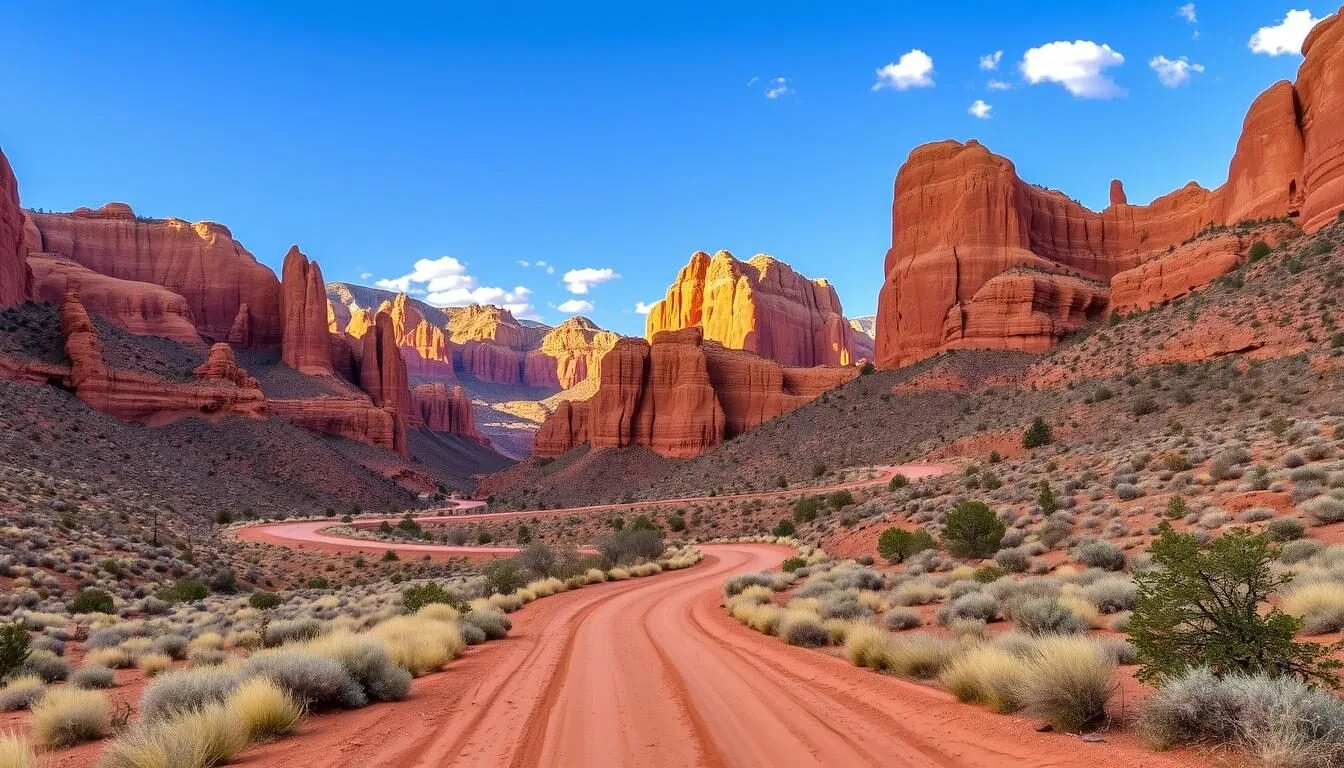
Nestled within the rugged terrain of western Colorado lies one of the state’s best-kept secrets: Escalante Canyon. This hidden gem attracts fewer than 10,000 visitors annually, despite housing some of the most spectacular red rock formations and pioneer history in the American West. Part of the larger Dominguez-Escalante National Conservation Area, this 5,260-hectare (13,000-acre) canyon offers a pristine wilderness experience without the crowds found at more famous Colorado destinations.
Getting There & Planning Your Journey
Escalante Canyon is located approximately 48 km (30 miles) southwest of Delta, Colorado. The closest major airports are Grand Junction Regional Airport, about 77 km (48 miles) away, and Montrose Regional Airport, approximately 80 km (50 miles) from the canyon entrance.
Driving Directions
From Delta, take Highway 50 south for about 8 km (5 miles), then turn right onto Highway 92. After approximately 21 km (13 miles), turn right onto Escalante Canyon Road. This gravel road winds through the canyon for about 19 km (12 miles) before ending at the Gunnison River.
Road Conditions
While most passenger vehicles can navigate Escalante Canyon Road during dry conditions, a high-clearance vehicle is recommended, especially after rain. The road can become rutted and slippery when wet. Cell service is limited or nonexistent within the canyon, so download maps beforehand and inform someone of your travel plans.
Best Time to Visit & Weather Tips

Recommended Seasons
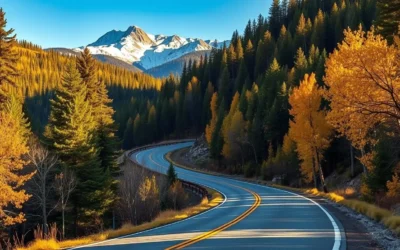
The ideal times to visit Escalante Canyon are spring (April to early June) and fall (September to October). During these seasons, temperatures are moderate, ranging from 15-26°C (60-80°F), making outdoor activities comfortable. Spring brings wildflower blooms that add splashes of color to the desert landscape, while fall offers spectacular golden cottonwood trees along the creek beds.
Seasons to Avoid
Summer (late June through August) can be extremely hot, with temperatures regularly exceeding 35°C (95°F). The lack of shade in many areas makes hiking challenging during this period. Winter (December through February) brings cold temperatures, occasional snow, and potentially impassable road conditions.
| Season | Temperature Range | Precipitation | Recommendation |
| Spring (Apr-Jun) | 15-26°C (60-80°F) | Low to moderate | Highly recommended |
| Summer (Jun-Aug) | 27-38°C (80-100°F) | Low with occasional thunderstorms | Not recommended (too hot) |
| Fall (Sep-Oct) | 10-24°C (50-75°F) | Low | Highly recommended |
| Winter (Nov-Mar) | -7-10°C (20-50°F) | Moderate snow | Not recommended (road conditions) |
Weather Considerations
Thunderstorms can develop quickly in summer afternoons, creating flash flood risks in the canyon. Always check weather forecasts before your trip and be prepared for rapid temperature changes. The desert environment means dramatic temperature swings between day and night, so pack layers regardless of when you visit.
Getting Around Locally

Exploring Escalante Canyon requires self-transportation, as there is no public transit or tour bus service within the canyon. The main access route is Escalante Canyon Road, which runs approximately 19 km (12 miles) from Highway 92 to the Gunnison River.
Vehicle Recommendations
While standard passenger vehicles can navigate the main canyon road in dry conditions, a high-clearance vehicle or 4WD is strongly recommended, especially if you plan to explore side roads or visit after recent rainfall. ATVs and mountain bikes are excellent options for exploring the network of smaller trails branching off the main road.
Navigation Tips
GPS services are unreliable in the canyon due to limited cell coverage. Bring physical maps or download offline maps before your visit. The Bureau of Land Management (BLM) office in Grand Junction provides detailed maps of the area. Their information line is (970) 244-3000.
Where to Stay

Camping Options
Camping is the primary accommodation option within Escalante Canyon itself. The BLM maintains several primitive campsites along the canyon road, available on a first-come, first-served basis. These sites offer basic amenities (fire rings and occasionally vault toilets) but no running water or electricity. Dispersed camping is permitted on BLM land throughout the canyon, provided you follow Leave No Trace principles.
Nearby Accommodations
For those preferring more comfortable lodging, the nearest options are in Delta (30 minutes away) and Cedaredge (45 minutes away):
Delta Accommodations
- Days Inn by Wyndham Delta – Basic hotel with pool and breakfast. Phone: (970) 874-9781
- Riverwood Inn – Locally owned motel with kitchenettes. Phone: (970) 874-4594
- Best Western Devil’s Thumb Inn – Comfortable rooms with mountain views. Phone: (970) 874-9781
Cedaredge Accommodations
- Grand Mesa Lodge – Rustic cabins with beautiful views. Phone: (970) 856-3250
- Alexander Lake Lodge – Historic lodge with restaurant. Phone: (970) 856-3572
- Cedaredge Lodge – Clean, affordable rooms. Phone: (970) 856-3773
Dining & Local Cuisine

There are no dining establishments within Escalante Canyon itself, so visitors should plan to bring their own food or dine in nearby towns before and after their canyon excursions.
Nearby Dining Options
The closest restaurants are located in Delta and Cedaredge:
Delta Restaurants
- Daveto’s Italian Restaurant – Family-owned Italian eatery with homemade pasta. Phone: (970) 874-8277
- CB’s Tavern – Local pub with burgers and craft beers. Phone: (970) 874-9768
- Needle Rock Brewing Company – Microbrewery with elevated pub fare. Phone: (970) 399-7203
Cedaredge Restaurants
- Lost Mesa Grill – Southwestern cuisine using local ingredients. Phone: (970) 856-4539
- RJ’s Steakhouse – Classic steakhouse with Western atmosphere. Phone: (970) 856-4301
Picnic and Self-Catering
For canyon visitors, bringing picnic supplies or camping meals is recommended. Stock up on groceries at City Market in Delta or Cedaredge Food Town. The region is known for its fruit orchards, so don’t miss stopping at roadside stands (seasonal) for fresh peaches, apples, and cherries to enjoy during your canyon explorations.
Attractions, Sightseeing & Activities
Historical Sites
Escalante Canyon boasts several fascinating historical structures that offer glimpses into pioneer life:
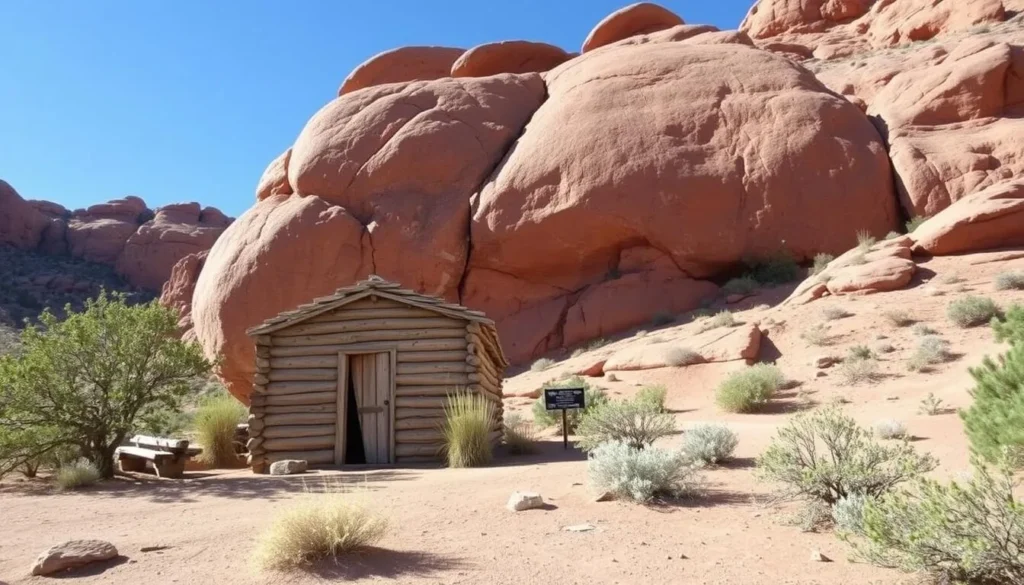
- Walker Cabin – Built in the early 1900s by Harry Walker, this unique cabin incorporates a massive boulder as one of its walls. The cabin is remarkably well-preserved and offers excellent photo opportunities.
- Captain Smith’s Cabin – Dating to 1911, this cabin was built by a sea captain who moved inland to try his hand at ranching. The structure features unusual shipbuilding techniques.
- Waterwheel – Remnants of an ingenious irrigation system built by early settlers can still be seen along Escalante Creek.
Natural Attractions
The canyon’s dramatic geology and diverse ecosystems provide numerous sightseeing opportunities:
- Escalante Potholes – Naturally formed swimming holes in the smooth sandstone of Escalante Creek, perfect for cooling off on hot days.
- Escalante Forks – The scenic junction where the main canyon splits into two branches, offering spectacular views.
- Petroglyphs – Ancient rock art can be found at several locations throughout the canyon, left by indigenous peoples hundreds of years ago.

Nature & Outdoor Experiences
Hiking Trails
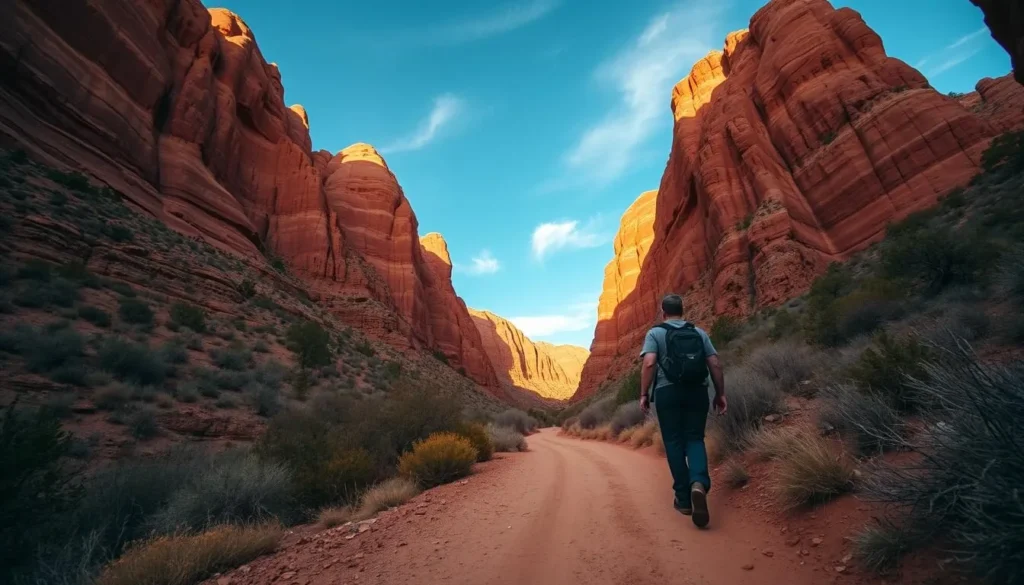
Escalante Canyon offers several excellent hiking opportunities for all skill levels:
- Escalante Rim Trail – A moderate 5 km (3-mile) hike offering panoramic views of the entire canyon. The trail climbs approximately 305 m (1,000 feet) to the canyon rim.
- Potholes Trail – An easy 1.6 km (1-mile) path following Escalante Creek to the natural swimming holes. Perfect for families and casual hikers.
- Escalante Forks Loop – A challenging 11 km (7-mile) trail that explores both branches of the upper canyon. Requires some scrambling and creek crossings.
Rock Climbing
The canyon’s sandstone walls offer excellent climbing opportunities, with routes ranging from beginner to advanced. The most popular climbing area is near the Potholes, where smooth sandstone faces provide challenging technical climbs. No permits are required, but climbers should practice responsible techniques to protect the fragile sandstone.
Wildlife Viewing
Escalante Canyon hosts diverse wildlife, including desert bighorn sheep, mule deer, golden eagles, and various reptiles. Dawn and dusk offer the best viewing opportunities. Bring binoculars and maintain a respectful distance from all wildlife.

Museums, Cultural Spots & Festivals

Local Museums
While there are no museums within Escalante Canyon itself, nearby Delta and Cedaredge offer several cultural institutions that provide context for the canyon’s history:
- Delta County Historical Museum – Houses exhibits on pioneer life in the region, including artifacts from Escalante Canyon settlements. Located in Delta. Phone: (970) 874-8721
- Fort Uncompahgre – A reconstructed trading post offering insights into the area’s fur trading era. Located in Delta. Phone: (970) 874-8349
- Pioneer Town – An outdoor museum featuring restored historical buildings, including structures similar to those found in Escalante Canyon. Located in Cedaredge. Phone: (970) 856-7554
Annual Events
Several regional events celebrate the cultural heritage of the area:
- Delta County Fair (August) – Traditional county fair featuring rodeo events, livestock exhibitions, and demonstrations of pioneer skills.
- Cedaredge AppleFest (October) – Celebrates the region’s agricultural heritage with music, food, and crafts.
- Escalante Days (August) – Held in nearby Dolores, this festival commemorates the 1776 Dominguez-Escalante expedition with historical reenactments and educational programs.
Safety, Etiquette & Local Customs
Wilderness Safety
Escalante Canyon’s remote nature requires visitors to take appropriate safety precautions:
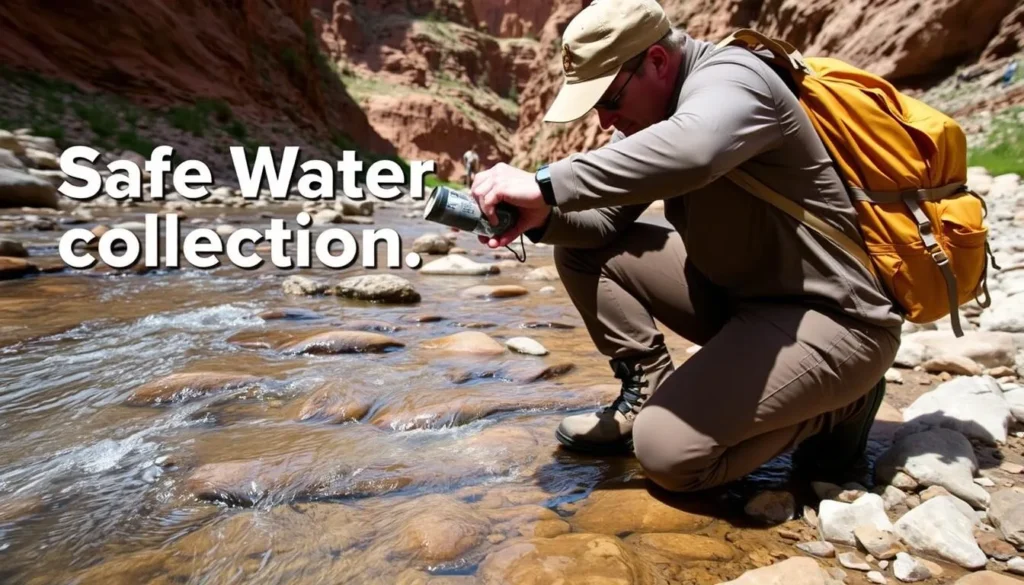
- Water – Bring plenty of drinking water (at least 3-4 liters per person per day). While Escalante Creek flows year-round, all natural water sources should be properly filtered or treated before consumption.
- Navigation – Cell service is minimal or nonexistent. Bring physical maps and consider a GPS device with pre-downloaded maps.
- Weather Awareness – Flash floods can occur during thunderstorms. Never camp in dry washes or narrow canyons if rain is in the forecast.
- Wildlife – Store food securely to avoid attracting wildlife. While rare, rattlesnakes inhabit the area—watch where you step and listen for warning rattles.
Environmental Etiquette
Preserving Escalante Canyon’s pristine environment is everyone’s responsibility:
- Leave No Trace – Pack out all trash and waste. Minimize campfire impacts by using established fire rings only.
- Cultural Resources – It’s illegal to disturb or remove artifacts, petroglyphs, or any historical structures. Observe these treasures from a respectful distance.
- Biological Soil Crust – This fragile desert “living soil” takes decades to form but can be destroyed by a single footstep. Stay on established trails and camp on durable surfaces.
Local Land Use
Portions of Escalante Canyon remain in private ownership. Respect private property boundaries, close gates behind you, and yield to livestock you may encounter on the roads. The canyon has a long ranching history that continues today.
Visitor Comments About Escalante Canyon
“We discovered Escalante Canyon by accident while looking for less crowded alternatives to the national parks. What a find! The hiking was spectacular, especially the Potholes area where we spent hours exploring. The historical cabins were fascinating glimpses into pioneer life. Just remember to bring everything you need—there are no services once you’re in the canyon.”
“As an avid rock climber, I found Escalante Canyon to be a hidden gem. The sandstone offers unique climbing challenges without the crowds of more famous destinations. We camped for three nights and had entire climbing areas to ourselves. The night skies were incredible—I’ve never seen so many stars! Just be prepared for primitive conditions and bring plenty of water.”
“Our family spent two days exploring Escalante Canyon last spring, and it was perfect for our adventure-loving kids (ages 8 and 11). They were fascinated by the Walker Cabin and how pioneers lived. The natural swimming holes were a highlight—crystal clear water in such a dramatic setting! We appreciated the uncrowded trails and the opportunity to disconnect from technology and connect with nature.”
Additional Nearby Destinations

While Escalante Canyon offers plenty to explore, several other remarkable destinations are within easy driving distance:
Black Canyon of the Gunnison
Just 64 km (40 miles) east of Escalante Canyon, this national park features some of North America’s steepest cliffs and oldest exposed rock. The dramatic canyon offers hiking, rock climbing, and wildlife viewing opportunities. The South Rim Visitor Center provides excellent interpretive exhibits.
Grand Mesa
The world’s largest flat-top mountain rises north of Escalante Canyon, about 48 km (30 miles) away. Grand Mesa offers alpine lakes, lush forests, and spectacular views. In summer, enjoy hiking and fishing; in winter, the area transforms into a snowy playground for cross-country skiing and snowmobiling.
Colorado National Monument
Located 56 km (35 miles) northwest near Grand Junction, this stunning landscape features towering sandstone monoliths and deep canyons. Rim Rock Drive provides access to numerous viewpoints and trailheads. Look for desert bighorn sheep and golden eagles soaring above the canyons.
Practical Travel Tips

Essential Packing List
- Water – Minimum 3-4 liters (1 gallon) per person per day
- Navigation – Physical maps, compass, and/or GPS device with downloaded maps
- Sun Protection – Hat, sunglasses, sunscreen (SPF 50+), and lightweight long-sleeved clothing
- First Aid Kit – Include treatments for blisters, insect bites, and basic injuries
- Food – All meals plus extra emergency rations
- Shelter – Tent or other appropriate camping gear if staying overnight
- Waste Disposal – Bags for packing out all trash and human waste where facilities aren’t available
Permits and Regulations
No permits are required for day use in Escalante Canyon. For camping, no reservations are needed for the primitive BLM sites, but a 14-day stay limit applies. Campfires may be restricted during dry periods—check with the BLM office in Grand Junction (970-244-3000) before your trip for current regulations.
Accessibility Information
Escalante Canyon’s rugged terrain presents challenges for visitors with mobility limitations. The main road is navigable by passenger vehicles but has no paved paths or facilities. The Walker Cabin site offers the most accessible historical attraction, with relatively flat terrain from the parking area. For visitors with limited mobility, the Delta County Historical Museum provides an accessible alternative to experience the area’s history.
Your Canyon Adventure Awaits
Escalante Canyon represents Colorado at its most authentic—a place where natural beauty, pioneer history, and outdoor adventure converge without the crowds and commercialization found elsewhere. Whether you come to hike among towering sandstone walls, discover historical cabins tucked against massive boulders, or simply escape into the tranquility of this desert wilderness, Escalante Canyon rewards visitors with experiences that feel genuinely exploratory. As you plan your journey to this hidden gem, embrace the canyon’s remoteness as part of its charm, and prepare to create memories in a landscape that has changed little since the first pioneers arrived over a century ago.
The above is subject to change.
Check back often to TRAVEL.COM for the latest travel tips and deals.
0 Comments