Hotels by Trip.com
Flights by Trip.com
The La Plata Mountains harbor a secret that even many Colorado natives don’t know. This compact range contains more peaks above 3,962 m (13,000′) per square mile than almost any other mountain area in the state. Despite their impressive elevation and stunning beauty, these summits remain far less crowded than Colorado’s famous fourteeners.
Tucked in southwestern Colorado near the New Mexico border, the La Plata Mountains offer an extraordinary blend of wilderness adventure and accessibility. The range stretches roughly 32 km (20 miles) from north to south, creating a dramatic backdrop for the historic mining town of Durango.
Whether you’re an experienced mountaineer seeking challenging summits or a family looking for scenic trails and camping areas, this guide reveals the best things to do in this remarkable mountain range.
Getting There & Planning Your Journey

Reaching the La Plata Mountains is straightforward from several major airports. The closest gateway is Durango-La Plata County Airport (DRO), located just 24 km (15 miles) from the range’s eastern edge. This regional airport offers daily flights from major hubs like Denver and Dallas.
For more flight options, Albuquerque International Sunport (ABQ) sits 282 km (175 miles) south. Denver International Airport (DEN), Colorado’s largest air hub, is 543 km (337 miles) northeast. Both airports provide rental car services for the scenic drive to the mountains.
The town of Durango serves as the primary base for exploring the La Plata Mountains. Highway 160 runs along the range’s northern edge, while County Road 124 (La Plata Canyon Road) provides access to the western slopes and numerous trailheads.
Most visitors rent vehicles, as public transportation to remote areas is limited. Four-wheel-drive vehicles are recommended for accessing higher elevation trailheads, especially early and late in the season when roads may have snow or mud.
Planning Tip: Reserve accommodations and rental vehicles well in advance during peak summer months (June through September). The area’s popularity has grown significantly in recent years.
For current road conditions and closures, contact the San Juan National Forest office:
Best Time to Visit & Weather Tips
Timing your trip to the La Plata Mountains dramatically affects your experience. The range experiences four distinct seasons, each offering unique opportunities and challenges.
Recommended Seasons
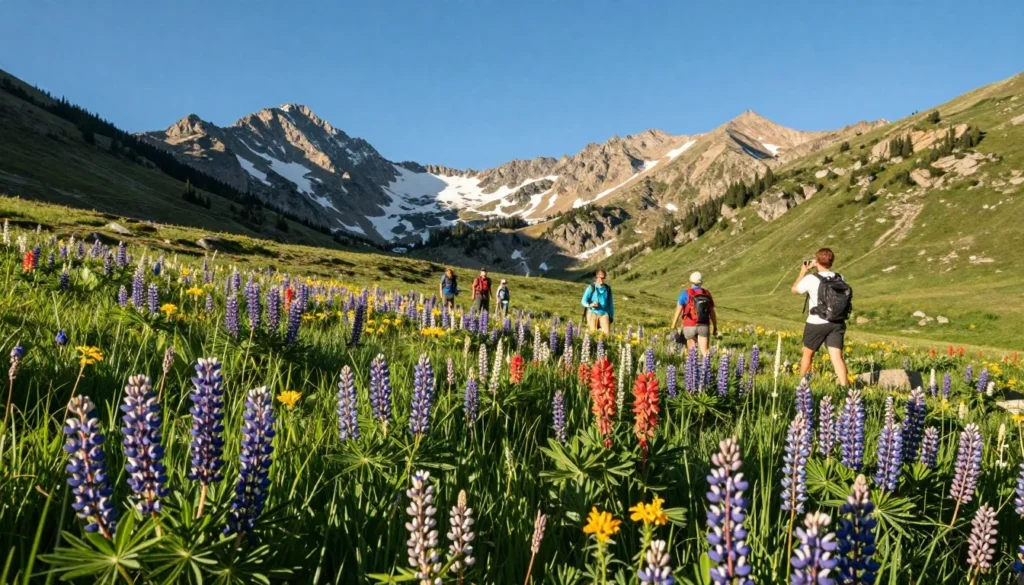
July through September represents peak season. Trails are generally snow-free above 2,743 m (9,000′), wildflowers bloom in alpine meadows, and weather patterns are most stable. Daytime temperatures range from 18°C to 24°C (65°F to 75°F) at lower elevations.
Late September through early October brings spectacular fall colors. Aspen groves turn golden yellow, and crowds thin considerably. Weather becomes more variable, with occasional early season snowstorms possible above 3,353 m (11,000′).
June offers excellent hiking at lower elevations, though higher trails may retain significant snow. Wildflowers begin their display, and the area feels fresh and vibrant.
Check 30,000+ Local Sightseeing Tours Worldwide
✓ Numerous languages and currencies are available
Seasons to Approach with Caution
November through May brings heavy snow to the range. While winter mountaineering is possible, it requires advanced skills and specialized equipment. Avalanche danger is significant. Many roads close completely.
Late April through May presents challenging conditions. Snowmelt creates muddy trails and swollen stream crossings. High elevation routes remain deeply snow-covered.
Weather Patterns
Mountain weather changes rapidly. Summer afternoons often bring thunderstorms, typically developing between 1:00 PM and 4:00 PM. Start hikes early to descend from exposed peaks before storms arrive.
Temperature drops approximately 3°C (5°F) for every 305 m (1,000′) of elevation gain. Pack layered clothing even for summer trips. Nights can drop to freezing even in July at higher elevations.
Lightning Safety: The La Plata peaks are extremely exposed. If you hear thunder or see dark clouds building, descend immediately from ridges and summits. Lightning strikes are a serious danger in this range.
Getting Around Locally
Navigating the La Plata Mountains area requires a personal vehicle for maximum flexibility. Public transportation is virtually nonexistent in the mountain areas themselves.
The primary access road is La Plata Canyon Road (County Road 124), which heads west from Highway 160 approximately 19 km (12 miles) west of Durango. This gravel road extends about 24 km (15 miles) into the range, providing access to multiple trailheads.
Road conditions vary seasonally. Lower sections are typically passable in standard vehicles during summer months. Upper sections and side roads often require high-clearance vehicles or four-wheel-drive, particularly in early season or after storms.

Many serious hikers and climbers camp near trailheads to minimize daily driving. This approach also allows for early morning starts, which are essential for summit attempts.
Gas stations are available in Durango and Mancos. No services exist within the mountain areas. Fill your tank before heading into the backcountry.
Navigation Tip: Cell phone coverage is unreliable or nonexistent throughout most of the range. Download offline maps before your trip. Paper maps and a compass remain essential safety equipment.
Where to Stay
Accommodation options range from primitive camping to comfortable hotels, depending on your preferences and budget.
Camping
The San Juan National Forest manages numerous camping areas throughout the La Plata Mountains. Dispersed camping is permitted on most national forest land, allowing you to camp freely away from developed areas.
Developed campgrounds offer amenities like vault toilets and fire rings. Target Tree Campground sits along La Plata Canyon Road at 2,743 m (9,000′) elevation, providing convenient access to trails. Sites operate on a first-come, first-served basis.
Backcountry camping is permitted throughout the wilderness areas. No permits are required, but practice Leave No Trace principles. Camp at least 61 m (200′) from water sources and trails.

Durango Accommodations
Durango offers the widest selection of lodging, from budget motels to upscale hotels. The town sits about 30 to 45 minutes from most La Plata trailheads.
Historic downtown Durango features numerous hotels within walking distance of restaurants and shops. This area provides a comfortable base if you prefer amenities after mountain days.
For booking assistance and current availability, contact the Durango Visitor Center:
Mancos
The small town of Mancos, located west of the range, offers a quieter alternative with several motels and vacation rentals. It provides good access to western approach trails.
Vacation Rentals
Numerous cabins and homes are available for rent in the surrounding areas. These work well for groups or families planning extended stays. Book several months ahead for summer season.
Dining & Local Cuisine
The La Plata Mountains themselves contain no dining establishments. All restaurants and food services are located in nearby towns, primarily Durango and Mancos.
Durango’s dining scene reflects its history as a railroad and mining town with modern outdoor recreation culture. Downtown features dozens of restaurants ranging from casual cafes to upscale dining.
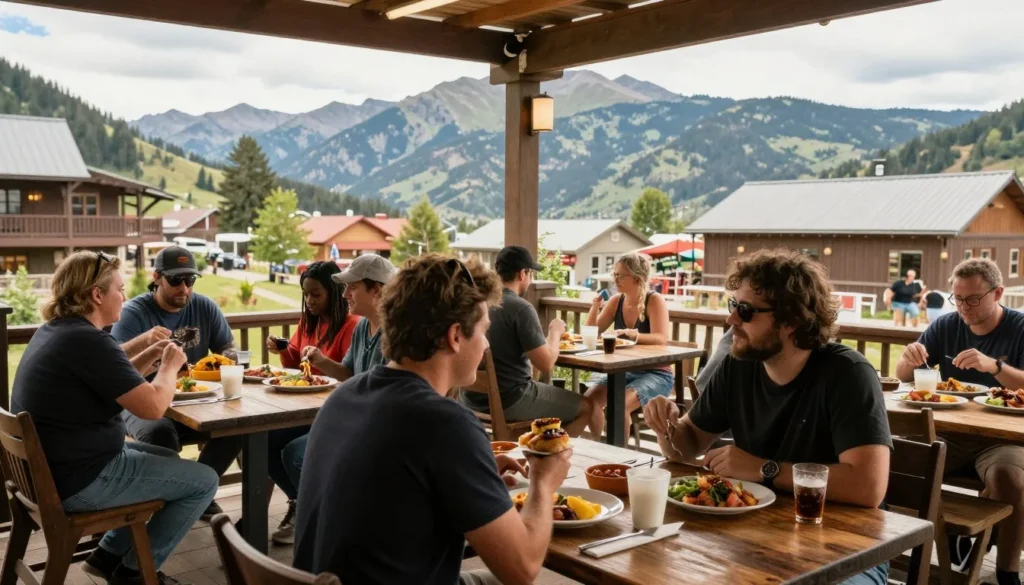
Local specialties include Colorado lamb, trout from mountain streams, and green chili, a regional staple. Several breweries craft beer using pure mountain water.
For trail provisions, stock up in Durango before heading into the mountains. Several grocery stores and outdoor shops sell backpacking meals, energy bars, and other hiking snacks.
Dining Categories
- Mexican and Southwestern cuisine restaurants
- Steakhouses featuring Colorado beef
- Farm-to-table establishments using local ingredients
- Casual pizza and sandwich shops
- Coffee houses and bakeries
Food Shopping
- Full-service supermarkets in Durango
- Natural foods stores for organic options
- Outdoor retailers selling freeze-dried meals
- Farmers markets in summer months
- Convenience stores for basic supplies
Pack all food and drinks for mountain excursions. No services exist at trailheads or within the wilderness areas. Plan for high-calorie meals, as mountain activities demand significant energy.
Attractions, Sightseeing & Activities
The La Plata Mountains offer exceptional opportunities for outdoor recreation, from casual day hikes to challenging mountaineering routes.
Major Peaks
The range contains numerous peaks exceeding 3,962 m (13,000′). The three highest summits attract the most attention from peak-baggers and mountaineers.

Hesperus Mountain stands as the highest point at 4,080 m (13,232′). The standard route follows the northwest ridge, a challenging scramble requiring route-finding skills and comfort on loose rock. Round trip distance covers approximately 16 km (10 miles) with 1,372 m (4,500′) elevation gain.
Lavender Peak reaches 4,056 m (13,308′) but is actually slightly lower than Hesperus due to different survey methods. The southwest ridge provides the most popular route. Expect similar difficulty and distance to Hesperus.
Deadwood Mountain tops out at 3,987 m (13,081′). Several routes exist, with the east ridge offering a moderately difficult scramble. This peak sees fewer climbers than Hesperus, providing more solitude.
Colorado Trail Section
The famous Colorado Trail traverses the northern edge of the La Plata Mountains. This section offers spectacular views without the technical challenges of peak routes.
Hikers can access this segment from multiple trailheads along Highway 160. The trail winds through alpine meadows and forests, reaching elevations above 3,353 m (11,000′).

Trail Recommendations by Difficulty
Beginner Trails
- Cumberland Basin Trail – gentle meadow walks
- Lower La Plata Canyon – easy forest paths
- Kroger Trail – moderate distance, minimal elevation
Intermediate Trails
- Kennebec Pass Trail – steady climb to alpine pass
- Sharkstooth Trail – ridge walking with exposure
- Columbus Basin – high altitude meadows
Advanced Routes
- Hesperus via Northwest Ridge – technical scrambling
- Deadwood Mountain East Ridge – loose rock
- Traverse routes linking multiple summits
Rock Climbing
The La Plata Mountains contain extensive rock climbing opportunities, though they remain less developed than other Colorado areas. Routes range from moderate traditional climbs to difficult technical faces.
Babcock Peak offers several classic routes. The rock quality is generally good, consisting of solid volcanic breccia. Most routes require traditional protection equipment.
Wildlife Viewing
The range supports diverse wildlife populations. Elk herds frequent high meadows during summer months. Mule deer are common at all elevations.

Black bears inhabit forested areas. Practice proper food storage in camp. Mountain lions are present but rarely seen. Smaller mammals include marmots, pikas, and ground squirrels.
Bird species include Clark’s nutcrackers, gray jays, and various hawks. White-tailed ptarmigan live above treeline.
Museums, Cultural Spots & Festivals
The La Plata Mountains hold deep cultural significance beyond their natural beauty. The range’s name comes from Spanish explorers who believed silver deposits existed here – “La Plata” means “the silver.”
Mining History
Late 1800s mining operations left their mark throughout the range. La Plata Canyon contains numerous remnants of this era, including collapsed mine shafts, cabin ruins, and old mining equipment.

Never enter old mines. These structures are extremely dangerous with unstable walls, hidden shafts, and toxic air. Observe ruins from a safe distance.
Native American Heritage
The Ute people considered these mountains sacred long before European arrival. Evidence of their presence includes scattered artifacts and traditional use areas.
Respect all archaeological sites. Federal law protects these areas. Never disturb artifacts or structures.
Durango Cultural Attractions
Durango serves as the cultural hub for the region. The Animas Museum preserves local history in a beautiful Victorian-era building. The Durango Arts Center showcases regional artists.
The Durango & Silverton Narrow Gauge Railroad, a National Historic Landmark, operates steam trains through spectacular mountain scenery. While the route doesn’t enter the La Plata range directly, it provides context for the area’s railroad history.
Annual Events
Summer brings several festivals to Durango that outdoor enthusiasts enjoy. The Iron Horse Bicycle Classic in late May attracts cyclists from across the country. Music in the Mountains concert series runs throughout summer.
For current event schedules and information:
Nature & Outdoor Experiences
The La Plata Mountains wilderness provides immersive outdoor experiences across multiple activity categories.
Backpacking
Multi-day backpacking trips allow deep wilderness exploration. The range’s compact size makes it possible to traverse significant terrain in two to four days.

Popular backpacking routes connect various basins and passes. Water sources are generally reliable in summer, but carry filtration equipment. Springs and streams can dry up by late season in drought years.
Photography
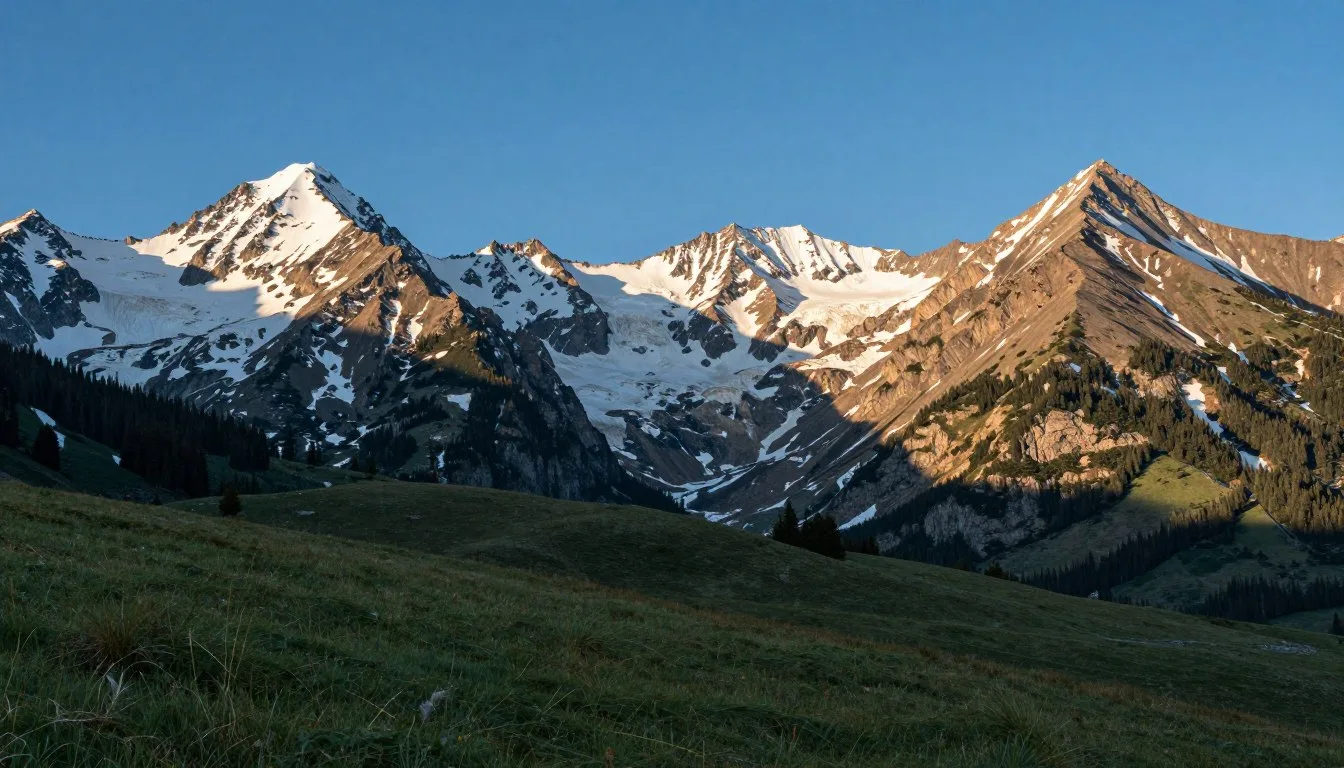
The La Plata Mountains offer outstanding photography opportunities. Sunrise and sunset light on the peaks creates dramatic images. Wildflower season in July provides colorful foreground elements.
Fall aspens in surrounding valleys contrast beautifully with the high peaks. Storm photography can be spectacular but requires careful attention to safety.
Fishing
Several small alpine lakes and streams contain trout populations. Fish are typically small but willing to strike flies and lures. A Colorado fishing license is required for anyone over 16.
Creek fishing is best in early summer when water flows are moderate. Late season often leaves streams too low for good fishing.

Winter Activities
Winter transforms the La Plata Mountains into serious mountaineering terrain. Backcountry skiing and snowboarding attract experienced winter recreation enthusiasts.
Avalanche danger is significant throughout winter and spring. Never venture into avalanche terrain without proper training, equipment including beacon, probe, and shovel, and current avalanche forecast information.
The Colorado Avalanche Information Center provides daily forecasts:
Guided Experiences
Several Durango-based outfitters offer guided trips into the La Plata Mountains. Services include day hikes, backpacking trips, mountaineering instruction, and rock climbing courses.
Hiring a guide makes sense for visitors unfamiliar with high-altitude mountain environments. Local guides know current conditions, best routes, and can teach valuable wilderness skills.
Adventure Recommendation: For first-time visitors to the range, consider hiring a guide for your initial trip. The knowledge and safety provided make the investment worthwhile, and you’ll gain skills for future independent exploration.
Safety, Etiquette & Local Customs
Mountain safety requires knowledge, preparation, and respect for the environment’s power.
Altitude Considerations
The La Plata peaks reach above 4,000 m (13,000′), where altitude affects everyone differently. Symptoms of altitude sickness include headache, nausea, fatigue, and dizziness.

Acclimatize gradually. Spend a day or two at moderate elevation before attempting high peaks. Stay hydrated, eating regularly, and pace yourself. Descend immediately if symptoms worsen.
Weather Preparedness
Mountain weather changes rapidly and can be severe. Always carry these essentials:
- Rain jacket and pants
- Warm insulation layer
- Hat and gloves even in summer
- Extra food and water
- Headlamp with fresh batteries
- First aid supplies
- Navigation tools – map, compass, GPS
- Fire starter and emergency shelter
Wildlife Safety
Black bears are common. Store all food, toiletries, and scented items in bear-resistant containers or hang them properly. Never approach wildlife for photos. Maintain distance of at least 30 m (100′) from large animals.
If you encounter a bear, make yourself appear large, speak calmly, and back away slowly. Never run. Most encounters end peacefully if you give the bear space.
Leave No Trace Principles
The La Plata Mountains’ beauty depends on visitor stewardship. Follow these guidelines:
- Pack out all trash, including food scraps
- Camp on durable surfaces away from water
- Minimize campfire impacts or avoid fires
- Stay on established trails when possible
- Respect wildlife by observing from distance
- Be considerate of other visitors
- Bury human waste 15-20 cm deep
- Leave natural and cultural objects undisturbed
Trail Etiquette
Hikers traveling uphill have right-of-way. Step aside and allow them to pass without breaking rhythm. Yield to horses and pack animals by stepping off the downhill side of the trail.
Keep noise levels down to preserve the wilderness experience for everyone. Avoid playing music on trails.
Emergency Contacts
Cell phone service is unreliable throughout most of the range. In emergencies, call 911 if you have signal. For non-emergency assistance, contact San Juan National Forest:
Always tell someone your plans before heading into the mountains, including expected return time and specific routes.
Check 30,000+ Local Sightseeing Tours Worldwide
✓ Numerous languages and currencies are available
Visitor Comments About La Plata Mountains
“The La Plata Mountains exceeded every expectation. We spent four days backpacking through Columbus Basin and summiting Hesperus. The wildflowers were incredible, and we saw maybe a dozen other people the entire trip. This range deserves far more recognition than it receives.”
“As someone who has climbed throughout Colorado for twenty years, the La Plata Mountains rank among my favorites. The rock quality on Deadwood Mountain impressed me, and the approaches are much shorter than many comparable peaks. The views across to the San Juan Range are stunning.”
“We camped in La Plata Canyon with our teenagers and day-hiked different trails each morning. The variety of difficulty levels meant everyone found appropriate routes. Wildlife sightings included elk, deer, and a black bear from safe distance. Durango provided excellent dining after long mountain days.”
Additional Nearby Destinations
The La Plata Mountains sit within a region packed with exceptional outdoor recreation opportunities. Several worthwhile destinations lie within easy driving distance.
San Juan Mountains
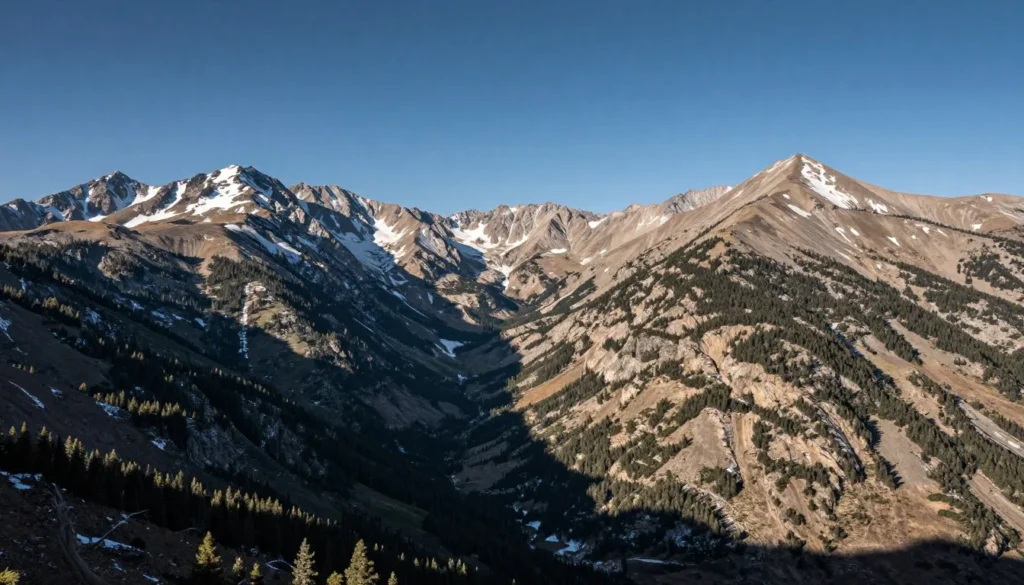
The massive San Juan range borders the La Plata Mountains to the north and east. This extensive mountain area contains numerous fourteeners, the highest peaks in Colorado exceeding 4,267 m (14,000′).
Popular San Juan destinations include Silverton, Ouray, and Telluride. Each town offers unique character and serves as a base for mountain adventures.
Mesa Verde National Park
Located 56 km (35 miles) west of the La Plata Mountains, Mesa Verde preserves spectacular cliff dwellings built by ancestral Puebloan people. The park provides a fascinating cultural counterpoint to mountain wilderness.
Combine a La Plata Mountains trip with Mesa Verde visits for diverse experiences. The park deserves at least a full day of exploration.
Weminuche Wilderness
Colorado’s largest wilderness area lies immediately northeast of the La Plata range. The Weminuche contains hundreds of kilometers of trails through pristine alpine country.
This wilderness offers even more remote backpacking than the La Plata Mountains, with trips ranging from weekend outings to week-long expeditions.
Vallecito Reservoir
This large reservoir 40 km (25 miles) northeast of the La Plata Mountains provides water recreation opportunities. Boating, fishing, and waterfront camping complement mountain activities.
Purgatory Resort
A ski area operating on the northern slopes near the La Plata Mountains, Purgatory offers winter skiing and summer activities including mountain biking and scenic chairlift rides.
Practical Travel Tips
These final considerations will help ensure a successful La Plata Mountains adventure.
Physical Conditioning
High-altitude mountain travel demands fitness. Begin conditioning several months before your trip with hiking, running, or stair climbing. Build endurance gradually with increasing distances and elevation gains.

Even fit individuals may struggle initially at elevation. Allow time for acclimatization and adjust plans if needed.
Permits and Regulations
No permits are required for day hiking or overnight camping in the La Plata Mountains. The area falls within San Juan National Forest, which allows dispersed camping on most lands.
Campfire regulations vary by season. During high fire danger periods, fires may be prohibited. Check current restrictions before your trip.
Water Treatment
Always treat water from natural sources. Giardia and other organisms exist in even the clearest mountain streams. Filter, purify with chemicals, or boil water before drinking.
Sun Protection
Ultraviolet radiation intensifies with elevation. Sunburn occurs quickly, even on cloudy days. Apply broad-spectrum sunscreen with high SPF rating. Wear sun-protective clothing and sunglasses.
Timing Considerations
Start hikes early, ideally before 7:00 AM for peak attempts. This schedule allows summit arrival by noon and descent before afternoon thunderstorms develop.
Early starts also mean cooler temperatures during strenuous climbs and better wildlife viewing opportunities.
Gear Essentials
Invest in quality footwear with ankle support and aggressive tread. Boots should be broken in before your trip to prevent blisters.
Trekking poles reduce knee stress on descents and improve stability on rough terrain. Many hikers find them invaluable in the mountains.
Communication Plans
Since cell coverage is unreliable, establish clear communication plans. Leave detailed itineraries with responsible contacts. Specify when you expect to return and what actions to take if you don’t check in.
Consider renting or purchasing a satellite communication device for remote areas. These devices enable emergency calls from anywhere.
Budget Planning
The La Plata Mountains themselves require minimal fees. Forest Service lands are free to access. Budget considerations include:
- Transportation and fuel
- Accommodations if not camping
- Food and supplies
- Gear purchases or rentals
- Potential guide services
- Fishing licenses if applicable
Budget travelers can minimize costs through camping and self-guided trips. Those preferring more comfort and convenience should allocate funds for lodging and possibly guide services.
Your La Plata Mountains Adventure Awaits
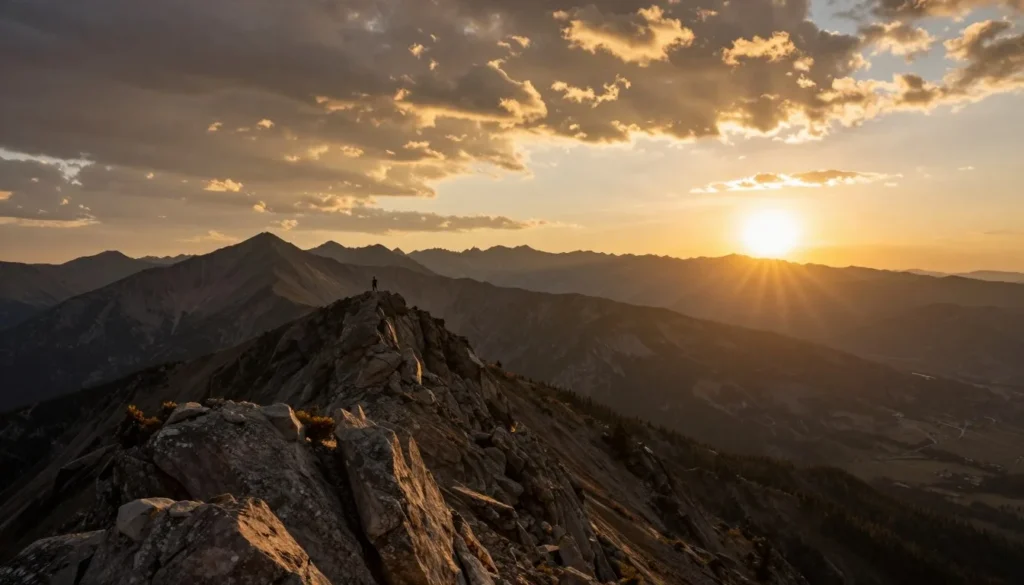
The La Plata Mountains stand ready to reward those who venture into their alpine realm. Whether you seek the satisfaction of standing atop Hesperus Mountain, the serenity of a quiet camp beside a gurgling stream, or simply the joy of walking through wildflower meadows beneath towering peaks, this range delivers unforgettable experiences.
These mountains remain wonderfully uncrowded compared to Colorado’s more famous ranges. That solitude amplifies the wilderness experience, creating opportunities for genuine connection with nature that increasingly rare in our busy world.
Pack your gear, study your maps, and prepare for adventure. The La Plata Mountains of Colorado await with open summits, pristine trails, and landscapes that will call you back long after you return home.