Hotels by Trip.com
Flights by Trip.com
Hidden within Colorado’s rugged Pike National Forest lies a geological wonder where water mysteriously disappears into granite boulders only to resurface hundreds of meters away. Lost Creek Wilderness earned its name from this fascinating phenomenon where the creek literally vanishes underground through porous rock formations, creating one of nature’s most intriguing puzzles. This 48,000-hectare wilderness area attracts fewer visitors than nearby Rocky Mountain National Park, making it a pristine escape for those seeking authentic Colorado backcountry adventure.
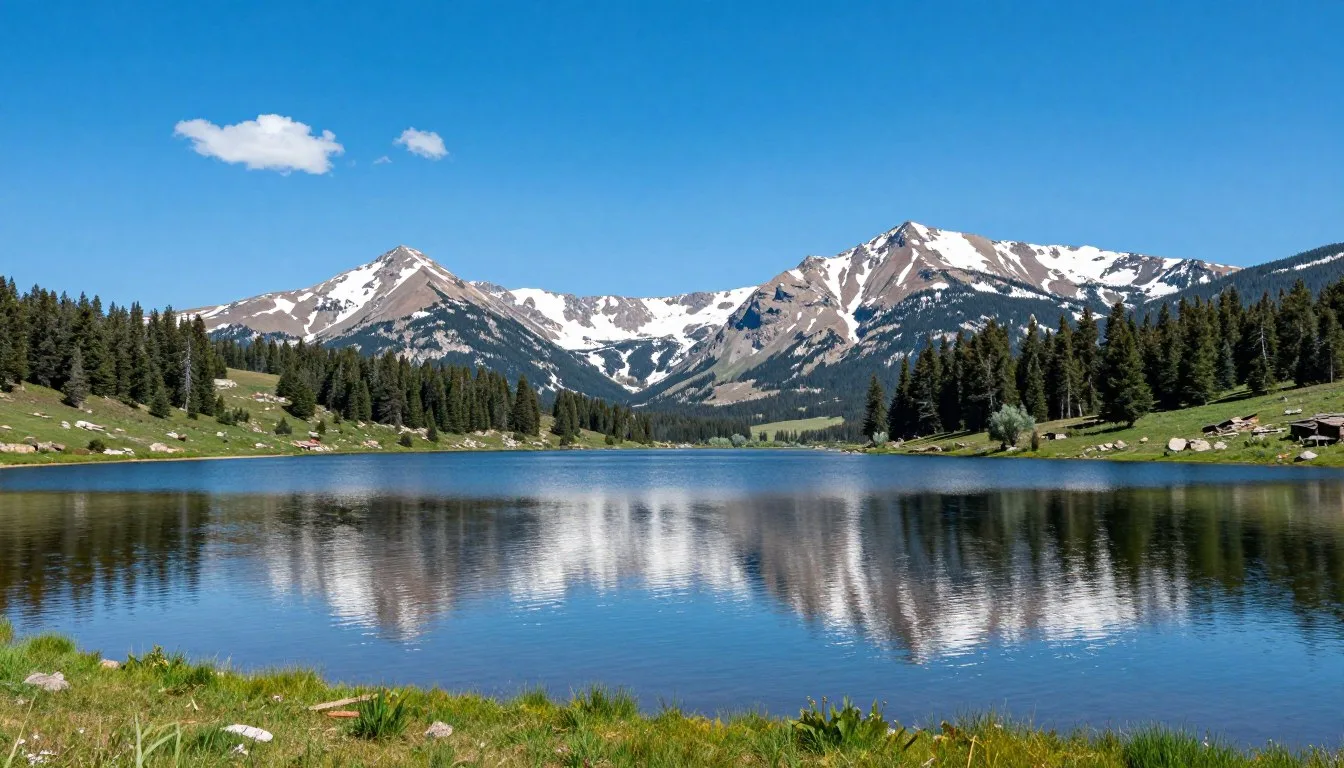
The wilderness area showcases nature’s raw beauty through towering granite domes, expansive alpine meadows, and crystal-clear mountain streams. Hikers discover solitude along 193 kilometers of maintained trails winding through diverse ecosystems ranging from ponderosa pine forests to subalpine zones. The area serves as a sanctuary for wildlife including elk, black bears, mountain lions, and bighorn sheep.
Lost Creek Wilderness offers year-round outdoor experiences for adventurers of all skill levels. Whether you’re planning a challenging multi-day backpacking trip through remote wilderness or a family-friendly day hike to spectacular viewpoints, this Colorado gem delivers unforgettable mountain experiences. The area’s accessibility from Denver makes it an ideal destination for weekend getaways and extended wilderness adventures alike.
Getting There and Planning Your Journey
Denver International Airport serves as the primary gateway to Lost Creek Wilderness, located approximately 145 kilometers northeast of the wilderness boundary. The airport offers extensive domestic and international connections, making it convenient for travelers from across the globe. Colorado Springs Airport provides an alternative option, situated about 97 kilometers southeast of the area.
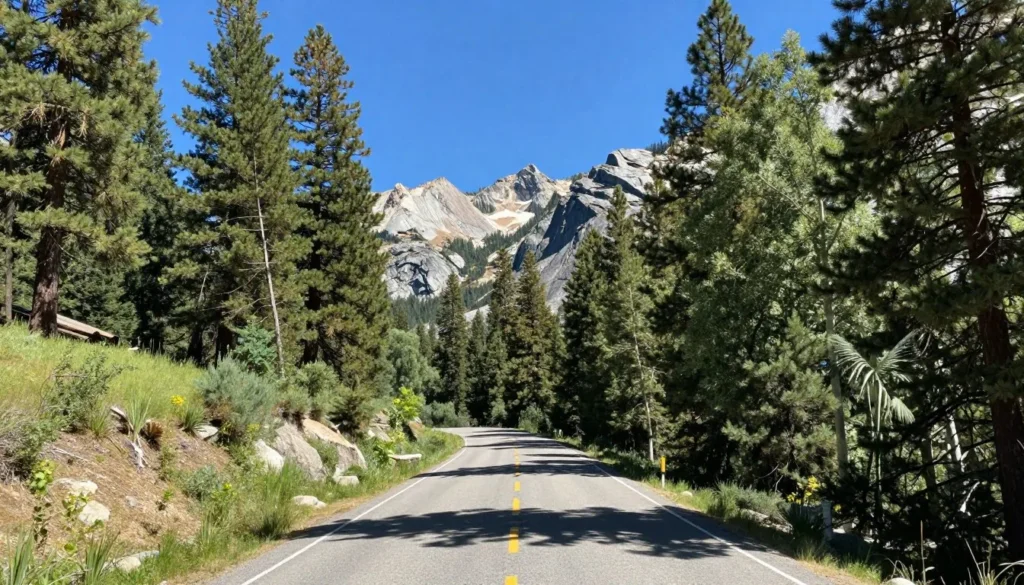
From Denver, visitors typically drive southwest on Highway 285 through the scenic South Platte River valley. The journey takes approximately two to three hours depending on your chosen trailhead. Multiple access points exist around the wilderness perimeter, with the most popular being Lost Park Road, Goose Creek Trail, and Refrigerator Gulch trailheads.
Vehicle requirements vary by season and access route. Standard passenger cars reach most trailheads during summer months, but high-clearance vehicles become necessary for rougher forest roads. Winter access requires four-wheel drive capability and appropriate tire chains. Several trailhead parking areas accommodate 15 to 30 vehicles, though popular weekends fill quickly.
Essential Permits and Regulations
Lost Creek Wilderness operates under Pike National Forest management. No permits are required for day hiking, but overnight camping groups must follow wilderness regulations. Parties are limited to 12 people maximum, and campfires are restricted in certain high-use areas during summer months.
The South Platte Ranger District office provides current trail conditions and wilderness information. Contact them at 303-275-5610 for updates before your trip. The office is located at 19316 Goddard Ranch Court in Morrison, Colorado. Staff can advise on road conditions, wildlife activity, and seasonal considerations.
Planning Tip: Reserve accommodation in nearby towns well in advance during peak summer months (July through September). Trailhead parking fills by mid-morning on weekends, so arrive early or consider weekday visits for better availability.
Best Time to Visit Lost Creek Wilderness
Timing your visit to Lost Creek Wilderness significantly impacts your experience. Each season offers distinct advantages and challenges for outdoor enthusiasts exploring this Colorado treasure.
Recommended Visiting Periods
Late June through September represents peak season for Lost Creek Wilderness exploration. Trails become mostly snow-free by late June, allowing access to higher elevation routes. Wildflowers blanket meadows throughout July, creating spectacular displays of color. August brings stable weather patterns ideal for multi-day backpacking trips.
September delivers exceptional hiking conditions with cooler temperatures averaging 15°C to 21°C (59°F to 70°F) during daytime. Aspen groves transform into golden galleries, and crowds thin considerably after Labor Day weekend. Early fall offers the most comfortable hiking temperatures before winter weather arrives.
Check 30,000+ Local Sightseeing Tours Worldwide
✓ Numerous languages and currencies are available
October through early November appeals to experienced hikers seeking solitude. Days remain pleasant for hiking, though nighttime temperatures drop below freezing. This shoulder season requires careful weather monitoring and appropriate cold-weather gear.
Seasons to Avoid or Approach with Caution
Late November through May presents significant challenges for wilderness visitors. Heavy snowfall accumulates throughout the area, with depths reaching 91 to 152 centimeters (3 to 5 feet) at higher elevations. Most trails become inaccessible without snowshoes or cross-country skis. Avalanche danger increases in steep terrain, and route-finding becomes extremely difficult.
Spring thaw from April through early June creates muddy, unstable trail conditions. Snowmelt swells creek crossings to dangerous levels, making many routes impassable or hazardous. Lingering snow patches obscure trail markers, increasing navigation difficulty even for experienced hikers.
Weather Patterns and What to Expect
Summer weather in Lost Creek Wilderness follows predictable patterns. Mornings typically start clear and calm, with temperatures ranging from 7°C to 13°C (45°F to 55°F). Afternoon thunderstorms develop regularly between 2 PM and 5 PM, bringing lightning, heavy rain, and occasional hail. Smart hikers begin early and plan to reach exposed ridges before noon.
Temperature variations between day and night can exceed 17°C (30°F) even in summer months. Nighttime lows frequently drop to 4°C to 7°C (40°F to 45°F) at popular camping elevations around 2,743 meters (9,000 feet). Proper layering systems become essential for comfort and safety.
Wind speeds increase significantly above tree line, particularly during afternoon hours. Exposed granite domes and ridge systems experience sustained winds of 32 to 48 kilometers per hour, with gusts reaching 64 kilometers per hour during storm systems.
Weather Safety: Lightning poses serious danger in Lost Creek Wilderness. Avoid exposed areas, lone trees, and water during thunderstorms. Descend from summits and ridges at first sign of storm development. Carry rain gear year-round, as weather changes rapidly in mountain environments.
Precipitation averages 51 centimeters (20 inches) annually in the area, with most falling as afternoon thunderstorms during summer months. October through May brings snowfall, with heaviest accumulations occurring from December through March. Drought years reduce water availability along trails, making source identification crucial for trip planning.
Getting Around Locally
Transportation within Lost Creek Wilderness relies entirely on human power. No motorized vehicles, bicycles, or mechanical transport are permitted within wilderness boundaries, preserving the area’s pristine character and quiet atmosphere.
Hiking represents the primary method of exploration throughout the wilderness. The extensive trail network connects major features and provides loop route options ranging from 11 to 51 kilometers. Trail conditions vary from well-maintained forest paths to rugged, rocky sections requiring careful foot placement and navigation skills.
Trail Navigation and Route Finding
Most maintained trails feature periodic trail markers and cairns, but vegetation can obscure paths in meadow sections. Carrying detailed topographic maps and compass becomes essential, as GPS devices may lose satellite signal in narrow canyon areas. The National Geographic Trails Illustrated Map #105 covers the entire Lost Creek Wilderness area with excellent detail.
Creek crossings occur frequently along many routes. During peak snowmelt in June and early July, some crossings require wading through knee-deep water. Trekking poles provide valuable stability when negotiating slippery rocks in stream channels. Plan extra time for these obstacles, as rushing water can slow progress considerably.
Accessing Gateway Communities
No public transportation serves Lost Creek Wilderness trailheads. Visitors need personal vehicles to reach access points. The nearest communities with services include Bailey (32 kilometers north), Jefferson (29 kilometers northeast), and Lake George (19 kilometers southwest).
These small mountain towns offer limited amenities including gas stations, basic groceries, and a few restaurants. For comprehensive shopping and services, visitors should stock up in larger towns like Conifer, Woodland Park, or metropolitan Denver before heading to the wilderness area.
Important: Cell phone coverage is extremely limited or nonexistent throughout Lost Creek Wilderness. Inform someone of your planned route and expected return time before entering the backcountry. Carry offline maps and emergency supplies, as rescue response times can exceed several hours in remote sections.
Where to Stay

Accommodation options near Lost Creek Wilderness range from primitive backcountry camping to comfortable lodges in surrounding communities. Your choice depends on adventure level, comfort preferences, and trip duration.
Wilderness Camping
Backcountry camping provides the most immersive Lost Creek Wilderness experience. Dispersed camping is permitted throughout the area, with sites located at least 61 meters (200 feet) from trails and water sources. Popular camping zones include McCurdy Park, Hankins Pass, and the numerous meadows along Goose Creek Trail.
Established campsites exist at high-use locations, though these fill quickly during summer weekends. These sites offer level tent platforms and nearby water access, but provide no amenities. All campers must practice Leave No Trace principles, packing out all waste and minimizing campfire impacts.
Water sources are abundant during early summer but can become scarce by August in drought years. The creek itself provides reliable water, though tributary streams may dry up completely. Always carry water purification tablets or filtration systems, as giardia and other waterborne pathogens exist in wilderness water sources.
Developed Campgrounds Near Wilderness Boundary
Several Forest Service campgrounds operate within 16 to 32 kilometers of wilderness trailheads. Lost Park Campground offers 12 sites with picnic tables and vault toilets, located at the Lost Park trailhead. Sites cost $18 per night and operate first-come, first-served from late May through September.
Buffalo Campground provides 41 sites along the South Platte River, approximately 29 kilometers from wilderness access points. This larger facility offers drinking water, trash service, and fishing access. Sites accommodate RVs up to 11 meters (35 feet) and cost $24 per night. Reservations are accepted through Recreation.gov during peak season.
Lodging in Nearby Communities
Bailey offers several accommodation options 32 kilometers from wilderness trailheads. The town features small motels, vacation rental cabins, and bed-and-breakfast establishments. Prices range from $89 to $189 per night depending on season and amenities. Most properties provide basic comforts including WiFi, parking, and continental breakfast.
Jefferson, Lake George, and Pine provide additional lodging alternatives. These communities offer rustic cabin rentals and small inns catering to outdoor enthusiasts. Amenities are basic but sufficient, with most properties located near restaurants and supply stores.
Woodland Park and Conifer, situated 48 to 56 kilometers from wilderness access, feature more extensive lodging selections including chain hotels and vacation rentals. These larger towns provide full amenities and services, though they require longer driving distances to trailheads.
Wilderness Camping Essentials
- Four-season tent for weather protection
- 20°F (-7°C) sleeping bag minimum
- Bear-resistant food storage container
- Water filtration or purification system
- Lightweight backpacking stove
- First aid kit and emergency supplies
Developed Campground Benefits
- Established sites with fire rings
- Vault toilet facilities available
- Trailhead parking nearby
- Drinking water at select locations
- Lower elevation = warmer temperatures
- Good option for acclimatization
Booking recommendations vary by accommodation type. Developed campgrounds fill rapidly on Friday evenings during summer, so Thursday arrivals ensure site availability. Wilderness camping requires no reservations, though popular areas like McCurdy Park see heavy use during peak weekends. Hotels and cabins should be reserved weeks in advance for July and August visits.
Dining and Local Cuisine
Dining options near Lost Creek Wilderness reflect the area’s rural mountain character. Visitors won’t find extensive restaurant selections, but several establishments serve hearty meals suited to outdoor enthusiasts’ appetites and budgets.
Restaurants in Gateway Communities
Bailey hosts the area’s best dining variety. Cutthroat Cafe serves breakfast and lunch with generous portions of classic American fare. Their breakfast burritos fuel many hikers before wilderness adventures, while burgers and sandwiches satisfy post-hike hunger. Expect to pay $12 to $18 for most menu items.
Sasquatch Brewery and Grill offers casual dining with locally-brewed beers. The menu features pub food including wings, nachos, pizzas, and burgers. This popular spot fills with outdoor enthusiasts sharing trail stories on weekend evenings. Dinner entrees range from $14 to $24.
Jefferson provides fewer options but includes Jimtown Bar and Grill, a local institution serving steaks, ribs, and comfort food. The rustic atmosphere and mountain views complement satisfying meals priced between $16 and $28.
Grocery and Supply Options
Small grocery stores in Bailey, Jefferson, and Pine stock basic supplies, but selections are limited. Prices run higher than urban areas due to transportation costs and limited competition. Wilderness visitors should purchase most provisions in larger towns before arrival.
Conifer Safeway (45 kilometers from wilderness) offers full grocery selection with reasonable prices. The store includes deli, bakery, and prepared food sections useful for trail meal preparation. King Soopers in Woodland Park provides another full-service option with outdoor recreation supplies.
Trail Food and Wilderness Dining
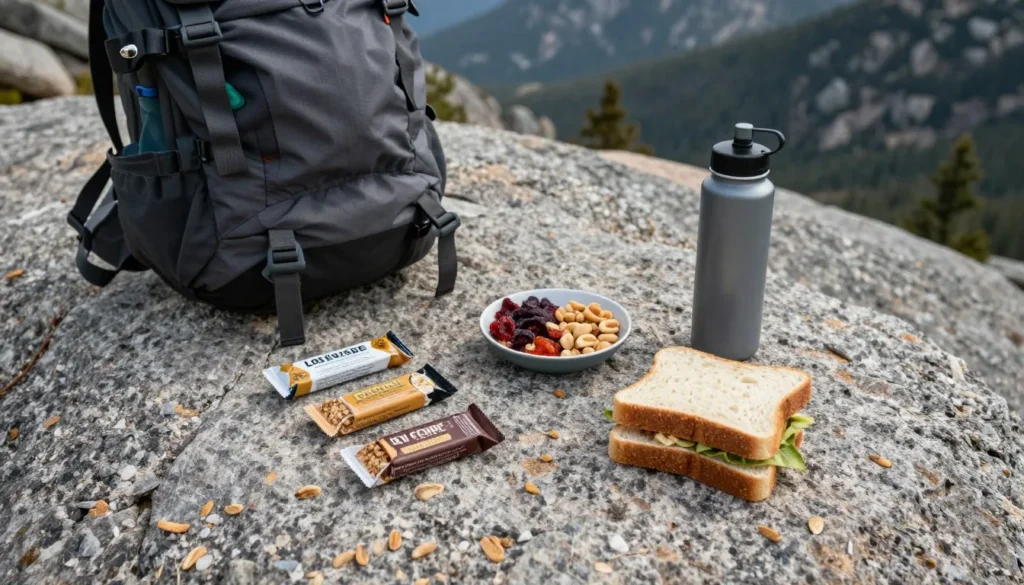
Successful wilderness trips require careful meal planning and lightweight food selection. Most backpackers rely on dehydrated meals, energy bars, trail mix, and instant oatmeal to minimize pack weight while maintaining nutrition.
Water availability influences menu choices significantly. Lost Creek and its tributaries provide reliable water sources during most of summer, allowing hikers to carry minimal water weight between refill points. However, all water requires purification before consumption to prevent illness.
Bear-resistant food storage is mandatory in Lost Creek Wilderness. Hard-sided bear canisters protect food from wildlife and meet wilderness regulations. Hanging food bags from tree branches is no longer considered adequate protection and violates area guidelines.
Local Specialty: Colorado’s craft beer scene extends to mountain communities near Lost Creek Wilderness. Several establishments offer locally-brewed beers celebrating the outdoor lifestyle. Trying regional brews makes a fitting reward after completing challenging hikes in the area.
For day hikers, packing substantial lunches ensures energy for return trips. Classic combinations include sandwiches, fresh fruit, vegetables, crackers, cheese, and plenty of water. Summer temperatures require careful food storage to prevent spoilage, particularly for items containing mayonnaise or dairy products.
Attractions, Sightseeing and Activities
Lost Creek Wilderness delivers diverse outdoor experiences centered on its unique geology and pristine backcountry environment. Attractions range from iconic rock formations to remote alpine lakes, with activities suiting various skill levels and interests.
Signature Rock Formations
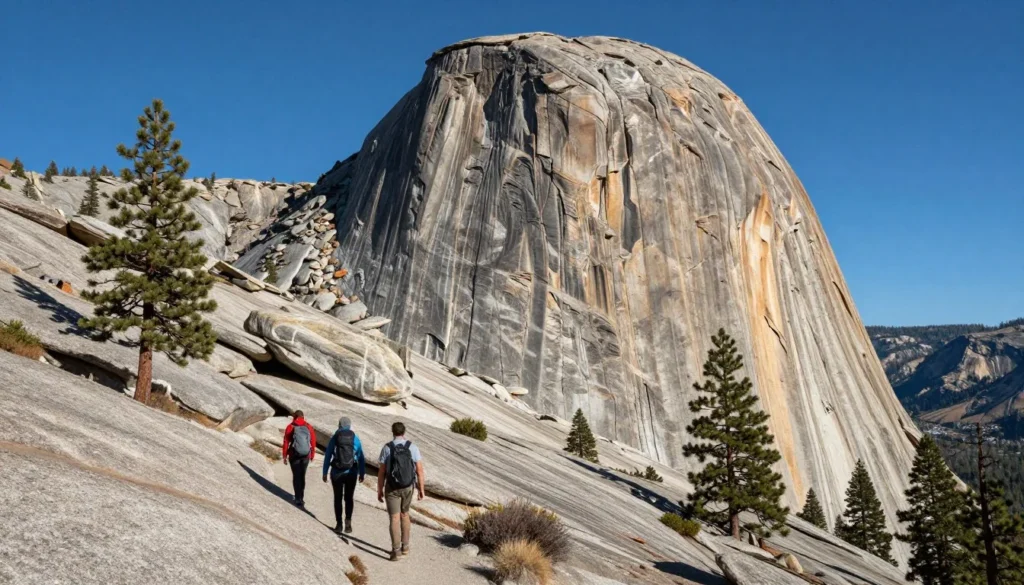
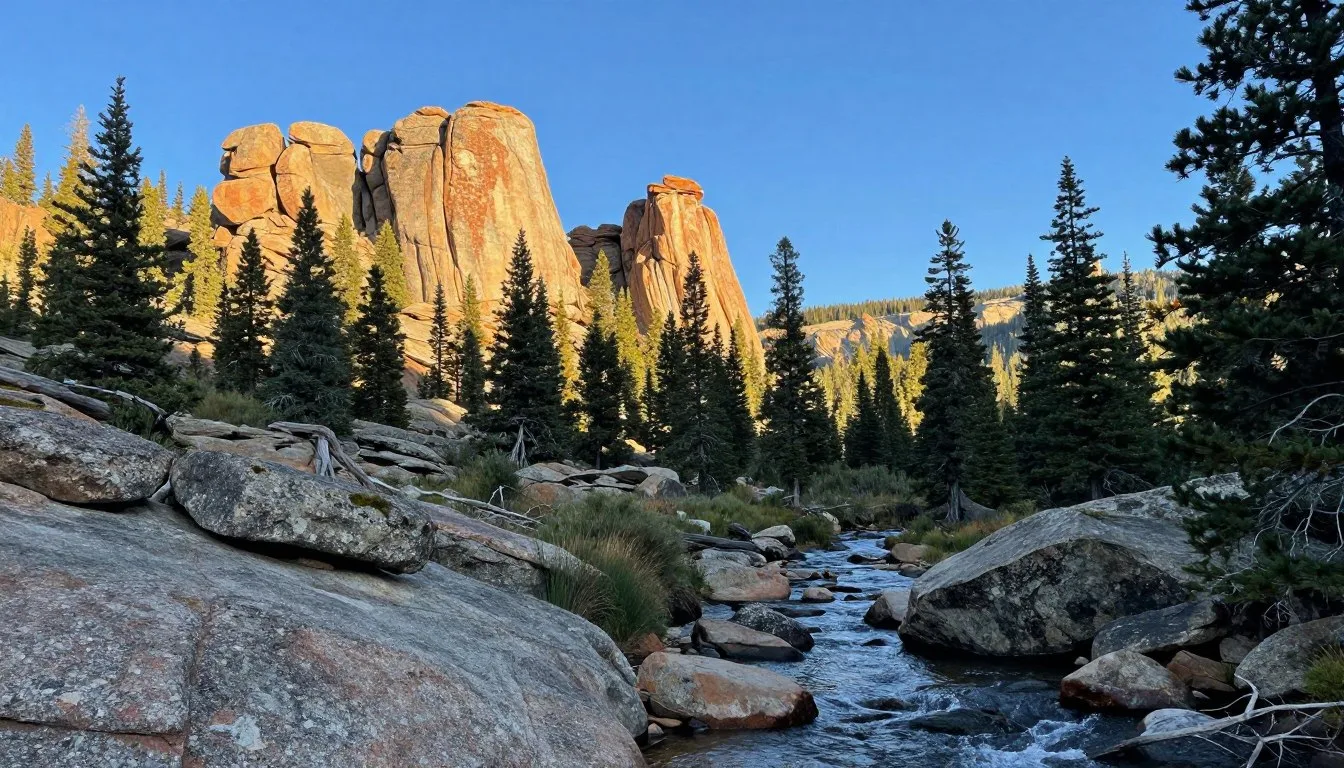
The wilderness area’s trademark granite formations create otherworldly landscapes unlike anywhere else in Colorado. These massive domes, spires, and balanced rocks formed through millions of years of erosion, exposing Pikes Peak granite throughout the region. The most impressive formations cluster along the eastern wilderness sections, particularly near Refrigerator Gulch and the Lost Creek drainage.
Photographers find endless compositions among these geological wonders. Early morning and late afternoon light illuminates the pink-tinged granite beautifully, while storm clouds add dramatic atmosphere. Rock formations range from car-sized boulders to cathedral-like domes rising 30 meters (100 feet) above surrounding forest.
Lost Creek Disappearing Act
The creek’s namesake phenomenon occurs where water flows across and through porous granite layers. Surface flow disappears completely in several sections, traveling underground through cracks and cavities before emerging downstream. This geological feature creates a fascinating natural mystery that delights visitors year after year.
The disappearing water is most evident during moderate flow periods in July and August. High spring runoff overwhelms the underground channels, while late summer drought reduces the creek to intermittent pools. Mid-summer visits provide optimal conditions for observing this unusual hydrological feature.
Popular Hiking Destinations
Goose Creek Trail serves as the area’s most accessible and scenic route. This 18-kilometer round-trip hike follows the creek through meadows and forests, passing striking rock formations throughout. The trail gains 366 meters (1,200 feet) of elevation gradually, making it manageable for moderately fit hikers. Most visitors complete this as a long day hike or overnight backpacking trip.
The Lost Creek Wilderness Loop combines several trail segments into a challenging 51-kilometer circuit. This multi-day route traverses the wilderness core, visiting McCurdy Park, Hankins Pass, and numerous creek crossings. Elevation changes total approximately 1,524 meters (5,000 feet), demanding good fitness and navigation skills. Most backpackers complete this loop in three to four days.
Refrigerator Gulch provides a shorter alternative with impressive scenery. The 13-kilometer out-and-back route climbs 427 meters (1,400 feet) through dense forest to a dramatic granite amphitheater. The gulch’s name references its cool microclimate, where snow lingers into summer among the massive boulders.
Fishing Opportunities
Lost Creek and its tributaries support populations of brown, brook, and rainbow trout. Fish sizes remain modest, typically ranging from 15 to 25 centimeters (6 to 10 inches), with occasional larger specimens in deeper pools. The remote setting and beautiful surroundings create rewarding fishing experiences even when catches are small.
Colorado fishing licenses are required for all anglers aged 16 and older. Licenses can be purchased online through Colorado Parks and Wildlife or at sporting goods stores in larger towns. Wilderness fishing regulations follow standard Colorado rules, with artificial fly and lure restrictions in some sections.
Stream conditions affect fishing success significantly. Early season high water makes fishing difficult, while late summer low flows concentrate fish in remaining pools. August and September typically provide the most productive fishing conditions when water levels stabilize and insect hatches occur regularly.
Adventure Tip: Combine activities for richer experiences. Hike to remote sections, camp near the creek, fish during evening hours, and photograph granite formations at sunrise. Multi-activity trips reveal the wilderness area’s full character better than single-purpose visits.
Museums, Cultural Spots and Festivals
Lost Creek Wilderness itself contains no cultural facilities or museums due to its protected wilderness designation. However, the surrounding region offers several sites interpreting Colorado mountain history and heritage.
Regional Historical Sites
The South Park City Museum in Fairplay (56 kilometers southwest) preserves Colorado’s mining heritage through an authentic historic town. More than 40 buildings contain over 60,000 artifacts from the 1800s gold rush era. The museum operates daily from mid-May through September, with admission costing $12 for adults.
Bailey’s history as a railroad and logging community comes alive at the small Bailey Heritage Center. This volunteer-run facility showcases photographs, tools, and documents from the area’s settlement period. The center opens Saturday afternoons during summer months with free admission.
Annual Events and Gatherings
The Bailey Day celebration occurs each July, bringing together mountain community residents for parades, craft vendors, food booths, and live music. This small-town festival reflects the region’s friendly character and provides family entertainment. Parking near downtown Bailey becomes challenging during the event.
Woodland Park hosts the Pikes Peak International Hill Climb in late June, attracting motorsports enthusiasts from worldwide. While not directly related to wilderness experiences, this event brings significant crowds to the region. Accommodation and restaurant reservations become extremely difficult during race weekend.
Educational Programs
The Pike National Forest conducts occasional ranger-led programs during summer months. These free interpretive walks and talks cover topics including wilderness ethics, wildlife ecology, and local geology. Programs are typically announced through Forest Service social media channels and visitor center bulletin boards.
Several nonprofit organizations including the Continental Divide Trail Coalition organize volunteer trail maintenance days throughout the season. Participating in these events provides deeper connection to the land while contributing to wilderness preservation. Contact the South Platte Ranger District at 303-275-5610 for upcoming volunteer opportunities.
Nature and Outdoor Experiences
Lost Creek Wilderness provides exceptional opportunities for connecting with Colorado’s natural heritage. The area’s relatively light visitation compared to nearby national parks creates authentic wilderness encounters rarely found so close to major cities.
Wildlife Viewing
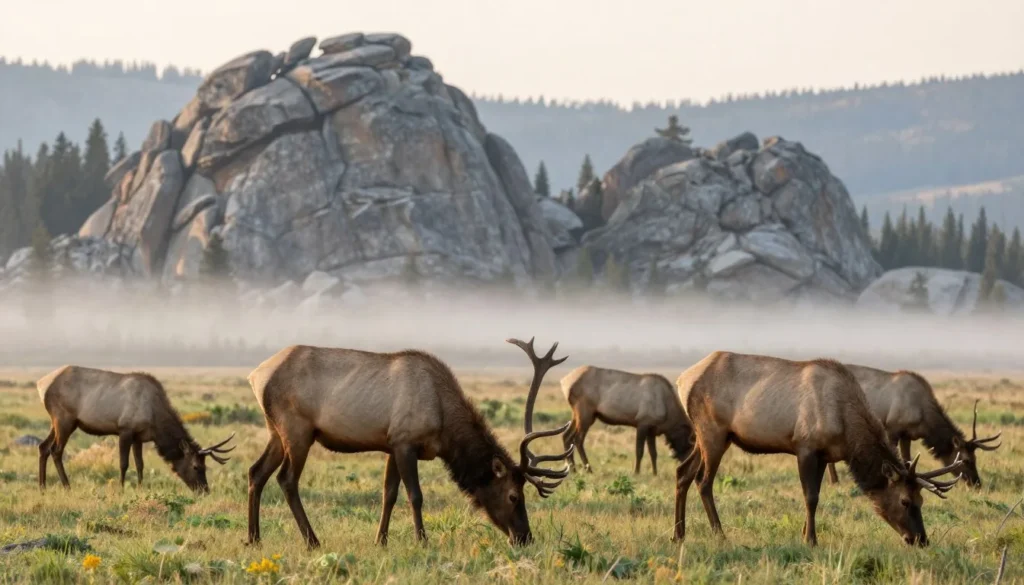
Large mammal populations thrive throughout Lost Creek Wilderness. Elk herds frequent higher meadows during summer months, particularly around McCurdy Park and Hankins Pass. Bulls display impressive antler growth through August and September, while cows with calves appear in early summer.
Mule deer browse throughout the area at all elevations. These animals show less wariness than their counterparts in heavily visited areas, allowing careful observers to watch natural behaviors. Dawn and dusk provide optimal viewing times when deer feed actively in meadow edges.
Black bears inhabit the wilderness in healthy numbers. These omnivores feed on berries, insects, and vegetation throughout summer. Most bears avoid human contact, but hikers occasionally spot them in berry patches or crossing trails. Proper food storage prevents problematic bear encounters at campsites.
Mountain lions roam the wilderness hunting deer and elk. These elusive predators rarely show themselves to humans, though tracks and scat provide evidence of their presence. Lion attacks on humans are extraordinarily rare but emphasize the wild character preserved in this protected area.
Bird Watching
Over 100 bird species inhabit or pass through Lost Creek Wilderness during different seasons. Mountain bluebirds, Steller’s jays, Clark’s nutcrackers, and gray jays commonly appear along trails. Raptors including golden eagles, red-tailed hawks, and American kestrels hunt over meadows and rocky areas.
Water sources attract additional species including American dippers, spotted sandpipers, and various waterfowl. The creek’s riparian zones support populations of warblers, flycatchers, and sparrows during migration periods. Serious birders carry field guides to identify the diverse species encountered.
Wildflower Displays
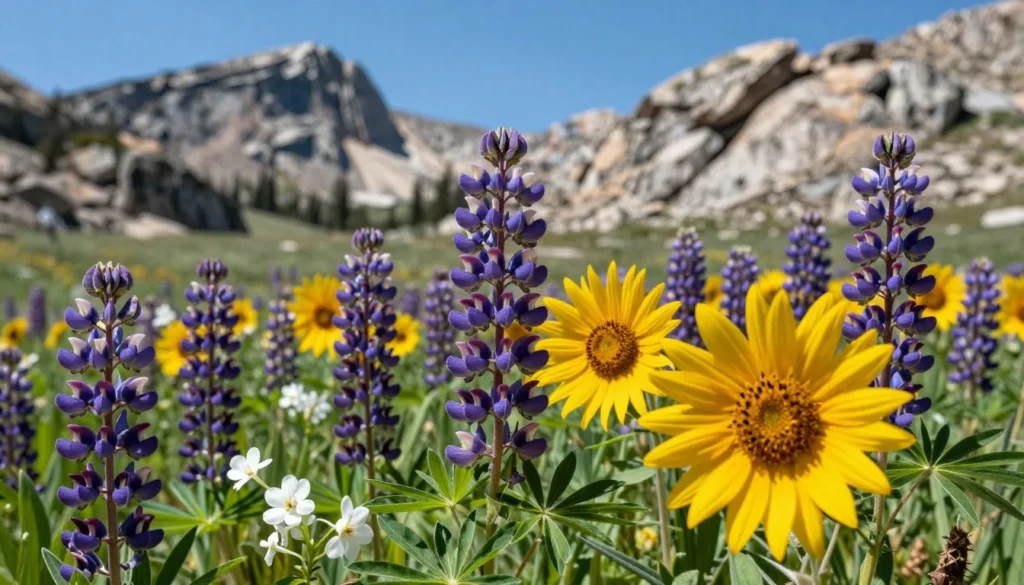
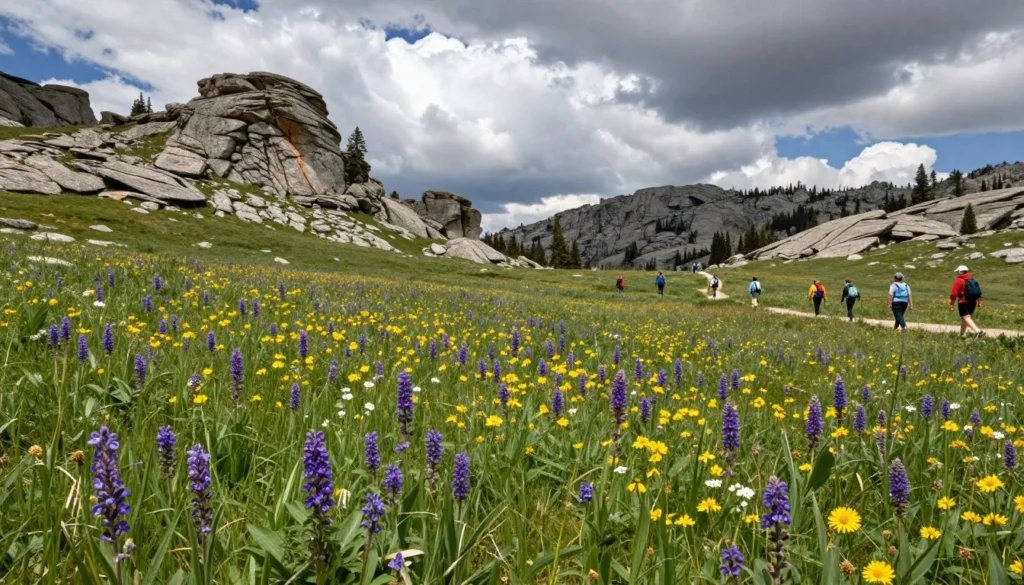
Meadows throughout Lost Creek Wilderness burst with wildflower color from late June through August. Species diversity creates stunning natural gardens featuring lupines, columbines, Indian paintbrush, elephant’s head, and dozens of other varieties. Peak bloom occurs in mid-July when the greatest number of species flower simultaneously.
Elevation affects bloom timing significantly. Lower elevation forests show flowers first in early June, while subalpine meadows above 3,048 meters (10,000 feet) reach peak bloom in late July or early August. Hikers can follow the progression upward through elevation zones as summer advances.
Stargazing Opportunities
Lost Creek Wilderness’s remote location far from city lights provides exceptional dark sky conditions. On moonless nights, the Milky Way appears as a brilliant band across the sky, while countless stars create breathtaking celestial displays. Summer meteor showers including the Perseids in August offer additional viewing spectacles.
Check 30,000+ Local Sightseeing Tours Worldwide
✓ Numerous languages and currencies are available
Higher elevation campsites above tree line provide unobstructed horizon views ideal for astronomy. The thin air at 2,743 to 3,353 meters (9,000 to 11,000 feet) elevation reduces atmospheric interference, creating unusually clear views of celestial objects. Serious stargazers bring binoculars or small telescopes for enhanced viewing.
Photography Opportunities
The wilderness area’s dramatic landscapes reward photographers at all skill levels. Granite formations, wildflower meadows, and mountain vistas provide endless subject matter. Wildlife photography requires patience and telephoto lenses, but the relatively habituated animals allow closer approaches than in many areas.
Optimal lighting occurs during golden hour, roughly one hour after sunrise and before sunset. The low-angle light illuminates granite formations beautifully while creating long shadows that add depth and drama to compositions. Cloudy days produce soft, even lighting ideal for wildflower close-ups.
Best Wildlife Viewing Locations
- McCurdy Park meadows for elk herds
- Lost Creek corridor for bears
- Hankins Pass area for bighorn sheep
- Forest edges for mule deer
- Rocky outcrops for raptors
Photography Subject Highlights
- Granite dome formations
- Wildflower macro shots
- Creek disappearing phenomenon
- Wildlife in natural settings
- Milky Way over rock formations
Safety, Etiquette and Local Customs
Wilderness safety requires preparation, knowledge, and respect for natural forces. Lost Creek Wilderness presents specific challenges that visitors must understand and address to ensure safe, enjoyable experiences.
Essential Safety Considerations

Lightning presents the most serious weather-related danger in Lost Creek Wilderness. Afternoon thunderstorms develop rapidly during summer months, bringing frequent lightning strikes to exposed areas. Begin hikes early to reach summits and ridges before noon, then descend to lower elevations before storms develop. If caught in a storm, move away from isolated trees, ridge tops, and open areas immediately.
Altitude affects visitors unaccustomed to elevations above 2,438 meters (8,000 feet). Symptoms including headaches, nausea, fatigue, and shortness of breath indicate altitude sickness. Acclimatize by spending a night at intermediate elevation before attempting strenuous hikes. Drink extra water, avoid alcohol, and descend if symptoms worsen.
Creek crossings require careful evaluation before attempting. Rushing water, slippery rocks, and cold temperatures create dangerous conditions. Use trekking poles for stability, unbuckle backpack waist belts to allow quick escape if you fall, and cross in groups when possible. Never attempt crossings during high water periods.
Wildlife Safety Protocols
Bear encounters are possible throughout Lost Creek Wilderness. Make noise while hiking through dense vegetation to avoid surprising bears. If you encounter a bear, remain calm, speak in normal tones, and back away slowly without turning your back. Never run, as this triggers chase instincts. Store all food and scented items in bear-resistant containers at campsites.
Mountain lion sightings are rare but possible. If you encounter a lion, maintain eye contact, appear large by raising arms, speak firmly, and back away slowly. Fight back aggressively if attacked. Do not crouch or run. Keep children close and within sight at all times.
Rattlesnakes inhabit lower elevation areas, particularly in rocky terrain below 2,438 meters (8,000 feet). Watch where you place hands and feet, especially when scrambling over rocks. Give snakes space if encountered, as they will retreat when possible. Most bites occur when people attempt to handle or kill snakes.
Leave No Trace Principles
Wilderness preservation depends on visitor commitment to Leave No Trace ethics. These seven principles guide responsible outdoor recreation and minimize human impact on natural environments.
Plan ahead and prepare by researching routes, checking weather, and carrying appropriate gear. Travel and camp on durable surfaces including established trails and sites. Avoid creating new campsites or social trails that damage vegetation and soil.
Dispose of waste properly by packing out everything brought in. Human waste requires burial in catholes dug 15 to 20 centimeters (6 to 8 inches) deep, located at least 61 meters (200 feet) from water sources and camps. Pack out toilet paper and hygiene products.
Leave what you find, including rocks, plants, and archaeological artifacts. Take only photographs, and minimize campfire impacts by using established fire rings. Better yet, use camp stoves exclusively as fires scar landscapes and deplete dead wood that wildlife depends on.
Respect wildlife by observing from distance and never feeding animals. Keep noise levels down to preserve the wilderness experience for others and avoid disturbing wildlife. Be considerate of other visitors by yielding trail right-of-way appropriately and camping away from trails and other groups.
Navigation and Communication
Cell phone coverage does not exist throughout most of Lost Creek Wilderness. Satellite communicators provide the only reliable emergency communication option. Devices such as satellite messengers allow users to send distress signals and communicate with rescue personnel when needed.
Carry detailed topographic maps and know how to use them with a compass. GPS devices provide valuable navigation assistance but can fail due to dead batteries or satellite signal loss. Always carry backup navigation tools and know how to use them before entering the wilderness.
Share trip plans with someone reliable before departing. Include specific route information, expected return time, and vehicle description with license plate. This information proves crucial if search and rescue operations become necessary.
Emergency Contact: In case of emergency requiring rescue, call 911 if cell service is available. Otherwise, send someone for help or use satellite communication device. The Park County Sheriff’s Office coordinates search and rescue operations: 719-836-4121.
Trail Etiquette
Uphill hikers have right-of-way on narrow trails, though courteous climbers often step aside at convenient spots to let faster descenders pass. Horses have right-of-way over hikers and bikers. Step off the downhill side of trails when encountering stock, speak calmly so animals know you’re human, and follow any instructions from riders.
Groups should hike single file on trails to minimize impact and allow easy passing. Large groups should split into smaller units to reduce crowding and noise. Keep conversations at moderate volumes to preserve quiet wilderness atmosphere.
Visitor Comments About Lost Creek Wilderness
Real visitor experiences provide valuable insights into what makes Lost Creek Wilderness special. Here’s what travelers have shared about their adventures in this remarkable Colorado destination.
“Lost Creek Wilderness exceeded every expectation. The rock formations look like nature’s sculpture garden, and we saw only five other hikers during our entire three-day backpacking trip. The solitude and scenery created a perfect wilderness escape just two hours from Denver. Watching the creek disappear into the rocks then emerge downstream fascinated our whole group. This place deserves more recognition, though part of me hopes it stays a well-kept secret.”
“We’ve hiked extensively throughout Colorado, and Lost Creek Wilderness ranks among our favorite destinations. The Goose Creek Trail offered stunning variety with meadows, forests, and those incredible granite domes. Wildlife sightings included elk, deer, and numerous bird species. Trail conditions were excellent, though creek crossings required care during our July visit. The wildflower displays rivaled anything we’ve seen in more famous Colorado locations. We’ll definitely return to explore different sections.”
“As a photography enthusiast, Lost Creek Wilderness provided endless subject matter. The morning light on granite formations created magical conditions for landscape shots. I also captured excellent wildlife images including a bull elk at close range. The relative lack of crowds meant I could set up compositions without feeling rushed. Weather changed rapidly with afternoon storms, but this added dramatic skies to my photographs. I shot over 500 images during a four-day trip and treasure the results.”
Additional Nearby Destinations
Lost Creek Wilderness sits within a region rich with outdoor recreation opportunities and scenic attractions. Extending your Colorado mountain adventure to include nearby destinations creates a comprehensive experience of this beautiful area.
Pikes Peak
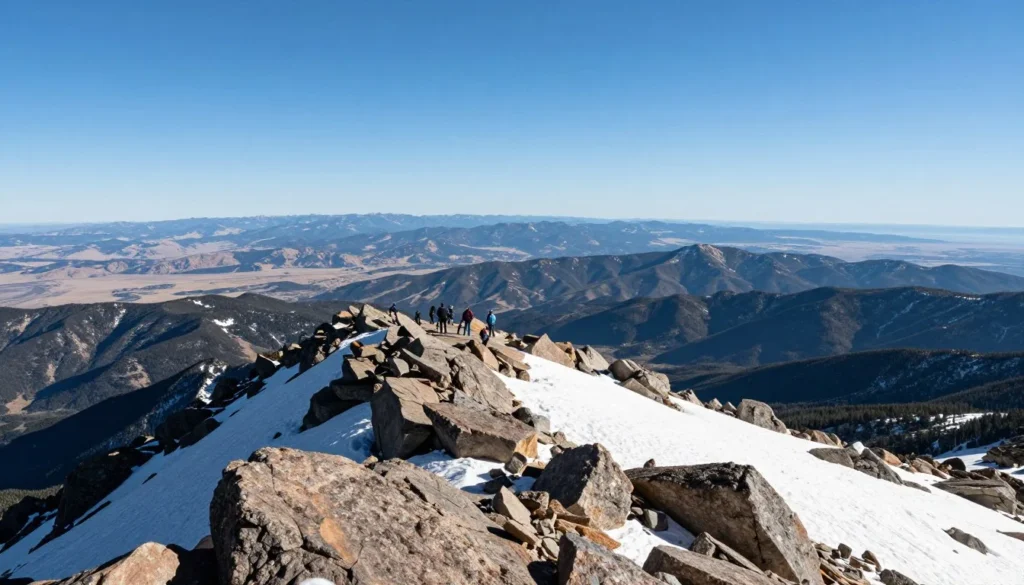
Colorado’s most famous 14er rises to 4,302 meters (14,115 feet) just 64 kilometers south of Lost Creek Wilderness. Visitors can drive the Pikes Peak Highway to the summit, ride the Pikes Peak Cog Railway, or hike the challenging Barr Trail. Summit views encompass hundreds of square kilometers across the Colorado plains and mountains. The peak inspired the song “America the Beautiful” and provides a dramatic contrast to wilderness hiking experiences.
South Park
This massive mountain valley stretches southwest of Lost Creek Wilderness, offering additional recreation opportunities. The South Platte River provides excellent fly fishing for rainbow and brown trout. Antelope, elk, and pronghorn roam the vast grasslands, while several reservoirs offer boating and fishing access. The wide-open landscapes create a different aesthetic from forested wilderness areas.
Mount Evans Wilderness
Located 56 kilometers north of Lost Creek Wilderness, Mount Evans Wilderness protects another spectacular Colorado mountain environment. The Mount Evans Scenic Byway reaches 4,310 meters (14,130 feet), making it North America’s highest paved road. Alpine tundra, mountain goats, and bighorn sheep attract visitors to this high-altitude destination. Several hiking trails explore the area’s dramatic terrain.
Colorado Trail
This legendary 755-kilometer trail from Denver to Durango passes through Lost Creek Wilderness. Hikers can access portions of the Colorado Trail for day hikes or longer sections. The trail showcases Colorado’s diverse mountain environments across eight mountain ranges and six wilderness areas. Through-hikers typically require four to six weeks to complete the entire route.
Eleven Mile State Park
This reservoir park sits 37 kilometers southwest of Lost Creek Wilderness, offering water-based recreation including fishing, boating, and sailing. The 1,415-hectare (3,400-acre) reservoir contains populations of rainbow, brown, cutthroat, and northern pike. Campgrounds provide 349 sites for overnight stays. The park’s high elevation location at 2,621 meters (8,600 feet) creates a stunning setting surrounded by mountain peaks.
Mountain Destinations
- Pikes Peak (64 km south)
- Mount Evans (56 km north)
- Kenosha Pass (45 km west)
- Tarryall Reservoir (24 km south)
Historic Towns
- Fairplay (56 km southwest)
- Georgetown (72 km north)
- Cripple Creek (85 km south)
- Idaho Springs (68 km north)
Practical Travel Tips
Successful Lost Creek Wilderness adventures require thoughtful preparation and proper equipment. These practical tips help ensure safe, comfortable, and rewarding experiences in Colorado’s backcountry.
Essential Gear and Equipment

Footwear selection dramatically affects hiking comfort and safety. Sturdy hiking boots with ankle support work best for Lost Creek Wilderness’s rocky terrain. Break in new boots before your trip to prevent blisters. Bring lightweight camp shoes for creek crossings and evening comfort.
Layered clothing systems adapt to changing mountain weather conditions. Start with moisture-wicking base layers, add insulating mid-layers like fleece or down, and finish with waterproof/breathable outer shells. Even summer trips require warm layers for cold mountain nights and sudden weather changes.
Backpacks should fit properly and distribute weight efficiently. Day hikers need 20 to 30-liter capacity, while backpackers require 50 to 70 liters depending on trip length. Adjust straps to transfer load to hips rather than shoulders, reducing fatigue and discomfort.
The Ten Essentials system ensures preparedness for emergencies. Carry navigation tools (map, compass, GPS), sun protection (sunscreen, sunglasses, hat), insulation (extra clothing), illumination (headlamp with spare batteries), first-aid supplies, fire starter, repair kit and tools, nutrition (extra food), hydration (extra water and purification), and emergency shelter.
Water Management
Proper hydration maintains performance and prevents altitude-related problems. Drink at least 3 to 4 liters daily during strenuous hiking, more in hot weather. Carry sufficient capacity between water sources, as some trail sections lack reliable water access.
Water purification protects against giardia, bacteria, and viruses present in wilderness water. Options include filtration pumps, gravity filters, chemical treatment tablets, and UV purifiers. Each method has advantages regarding speed, weight, and effectiveness. Many hikers carry backup purification methods for redundancy.
Physical Preparation
Fitness requirements vary by planned activities. Day hikes demand moderate cardiovascular conditioning and leg strength. Multi-day backpacking requires higher fitness levels to carry heavy packs over extended distances. Train by hiking with weighted packs on hills several weeks before your trip.
Altitude acclimatization prevents uncomfortable symptoms and potential serious illness. Spend at least one night at intermediate elevation before attempting strenuous activities above 2,743 meters (9,000 feet). Ascend gradually, stay hydrated, and listen to your body’s signals.
Best Practices for Different Seasons
Summer hiking requires sun protection including high-SPF sunscreen, wide-brimmed hats, and UV-blocking sunglasses. Colorado’s high-altitude sun burns skin quickly even on cool days. Start hikes early to complete exposed sections before afternoon heat and thunderstorms.
Fall trips need warmer gear as temperatures drop significantly. Days remain pleasant for hiking, but nights can dip below freezing by late September. Carry warmer sleeping bags and extra insulation layers. Snow becomes possible above 3,048 meters (10,000 feet) after mid-September.
Budget Considerations
Lost Creek Wilderness access requires no entrance fees, making it an affordable destination. Costs include transportation, meals, accommodation, and gear. Budget travelers can minimize expenses through backcountry camping, self-prepared meals, and borrowing or renting specialized equipment.
Fuel costs from Denver average $18 to $25 round trip depending on vehicle efficiency and current gas prices. Developed campground fees run $18 to $24 per night. Restaurant meals in mountain towns cost $12 to $28 per person. Overall trip costs range from $50 to $200 per person depending on duration and comfort preferences.
Money-Saving Tip: Outdoor equipment rental shops in Denver and Colorado Springs offer backpacking gear rentals for visitors lacking equipment. Renting specialized items like bear-resistant food containers, GPS devices, and satellite communicators costs less than purchasing for occasional use.
Resource Contacts
South Platte Ranger District provides current conditions, permits, and wilderness information. Contact them at 303-275-5610 or visit the office at 19316 Goddard Ranch Court, Morrison, Colorado. Office hours are Monday through Friday, 8:00 AM to 4:30 PM.
Weather forecasts specific to the Lost Creek Wilderness area help trip planning. Check National Weather Service predictions for Park County mountain areas. Weather can change rapidly, so monitor forecasts up to departure day.
Colorado Parks and Wildlife manages wildlife resources and fishing regulations. Their website provides current fishing reports, license purchasing, and wildlife viewing information. Contact their Colorado Springs office at 719-227-5200 for specific questions.
Lost Creek Wilderness Location
Your Colorado Wilderness Adventure Awaits
Lost Creek Wilderness stands as one of Colorado’s most rewarding yet underappreciated mountain destinations. Its unique rock formations, disappearing creek, abundant wildlife, and pristine backcountry deliver authentic wilderness experiences just two hours from metropolitan Denver. Whether you’re planning a challenging multi-day backpacking loop or a family-friendly day hike through granite gardens, this special place offers something for every outdoor enthusiast.
The wilderness beckons with promises of solitude, natural beauty, and genuine adventure. Summer wildflowers carpet mountain meadows with color, while autumn aspens paint hillsides gold. Creek crossings challenge your skills, wildlife encounters quicken your pulse, and summit views expand your perspective across Colorado’s magnificent landscape.
Start planning your Lost Creek Wilderness journey today. The granite domes, rushing streams, and peaceful forests await your footsteps. This Colorado treasure promises memories that will last a lifetime and likely inspire return visits to explore new trails and discover hidden corners of this remarkable wilderness area.