Hotels by Trip.com
Flights by Trip.com
Standing at 3,447 meters (11,312 feet) above sea level, Monarch Pass is one of only three mountain passes in Colorado that remains generally open year-round, defying the brutal winter conditions that close most high-elevation roads. This remarkable engineering feat transforms what could be an impassable barrier into a gateway between two distinct ecosystems along the Continental Divide.
Monarch Pass Scenic Area offers visitors a rare opportunity to stand atop the Continental Divide without technical climbing skills. The pass connects Chaffee County and Gunnison County along U.S. Highway 50, serving as a vital corridor through the Sawatch Range.
The Continental Divide at Monarch Pass creates stunning vistas year-round
Whether you’re driving across Colorado or specifically visiting for outdoor adventures, Monarch Pass provides experiences that range from simple roadside viewing to challenging alpine hikes. The area attracts visitors seeking everything from casual sightseeing to serious mountaineering.
Getting There & Planning Your Journey
Reaching Monarch Pass requires thoughtful planning due to its remote mountain location. The pass sits approximately 29 kilometers (18 miles) west of Poncha Springs along U.S. Highway 50, making it accessible from multiple directions.
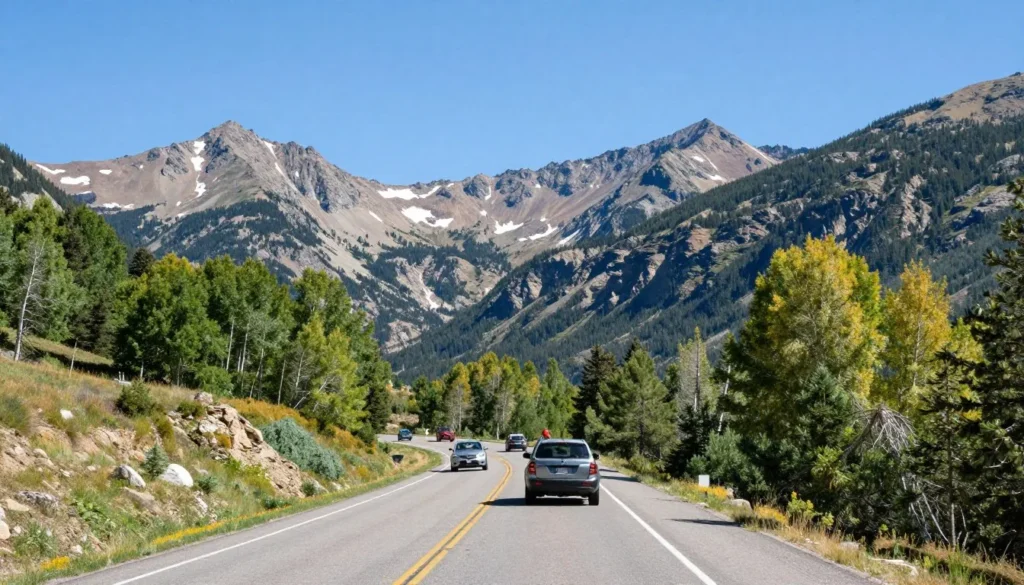
The scenic drive to Monarch Pass winds through Colorado’s magnificent mountain terrain
Closest Airports
Several airports provide access to the Monarch Pass area, each offering different advantages based on your itinerary:
- Colorado Springs Airport (COS) – 161 kilometers (100 miles) east, approximately 2.5 hours driving time
- Denver International Airport (DEN) – 241 kilometers (150 miles) northeast, approximately 3.5 hours driving time
- Gunnison-Crested Butte Regional Airport (GUC) – 105 kilometers (65 miles) west, approximately 1.5 hours driving time
- Aspen-Pitkin County Airport (ASE) – 129 kilometers (80 miles) northwest, approximately 2.5 hours driving time
Important Note: The road to Monarch Pass is generally open year-round, but winter weather conditions can cause temporary closures. Always check current conditions before traveling, especially from November through April.
Driving Routes
From the east, travelers typically approach via Salida, following U.S. Highway 50 westward through the Arkansas River valley. This route offers gradual elevation gain and spectacular canyon views.
Check 30,000+ Local Sightseeing Tours Worldwide
✓ Numerous languages and currencies are available
Western approaches come through Gunnison, with the road climbing steadily through aspen forests and alpine meadows. Both directions provide excellent scenic value.
The summit parking area offers ample space for vehicles of all sizes. Arrival during early morning or late afternoon provides the best lighting for photography and typically smaller crowds.
Monarch Pass location along the Continental Divide in Colorado
Best Time to Visit & Weather Tips
Timing your visit to Monarch Pass significantly impacts your experience. Each season offers distinct advantages and challenges at this high-elevation location.
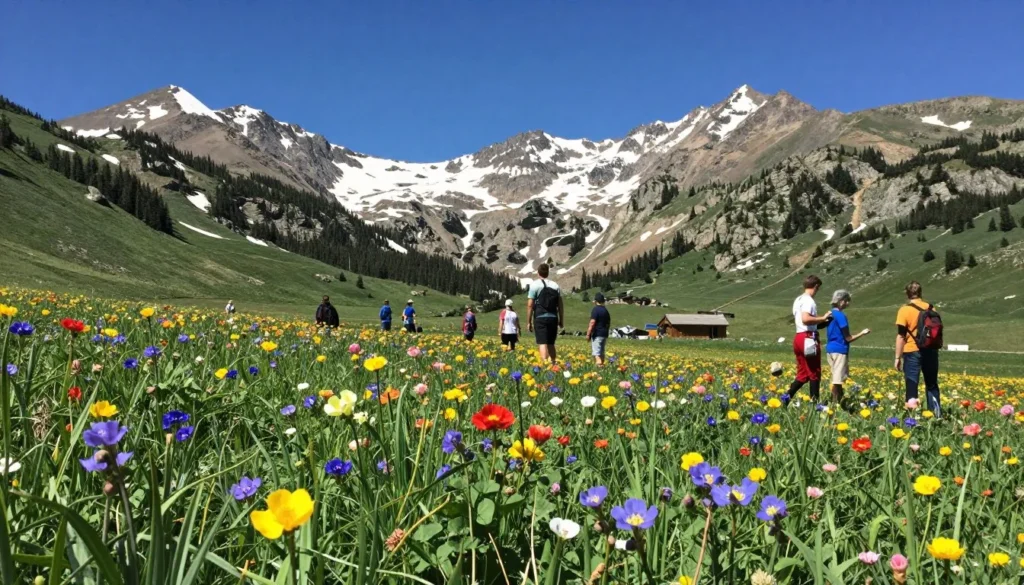
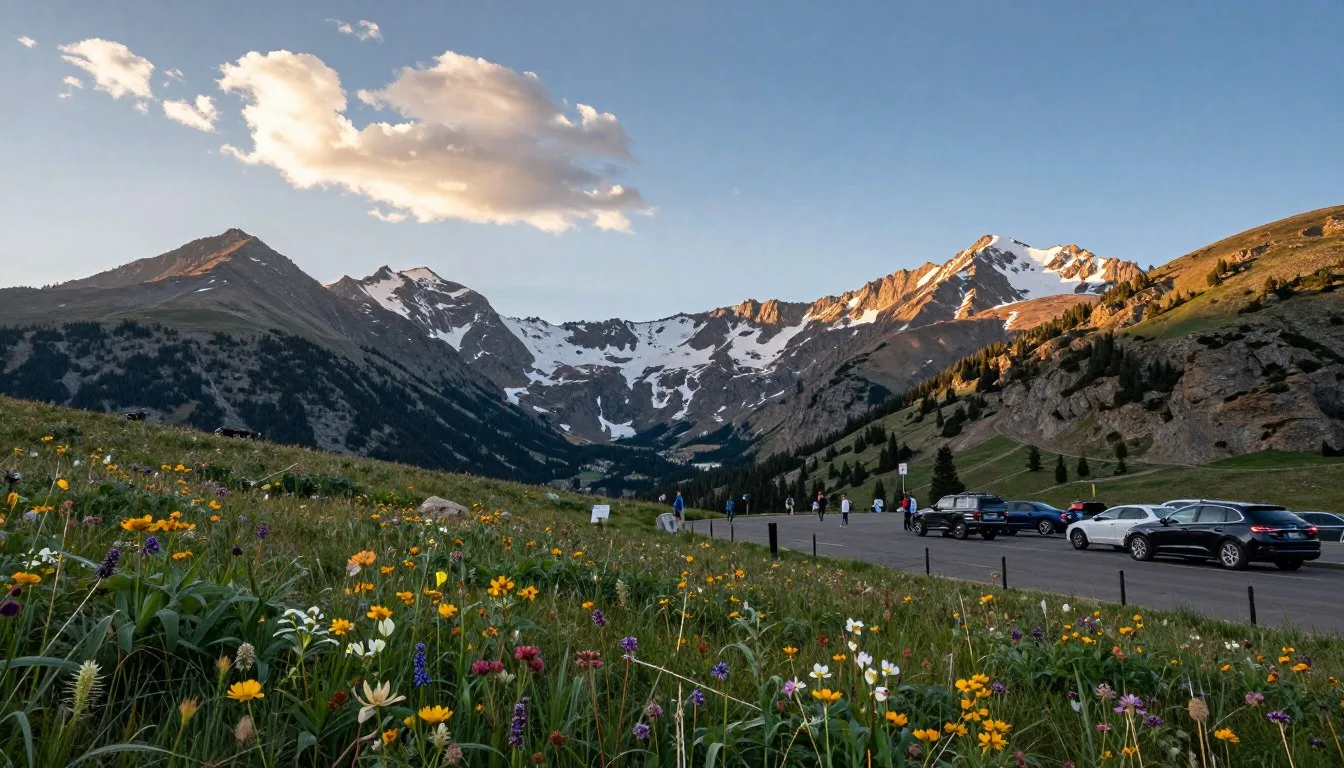
Summer brings spectacular wildflower displays to Monarch Pass
Best Months to Visit Monarch Pass
Prime Season (July – September)
These months offer the most reliable weather conditions. Temperatures at the summit typically range from 10°C to 21°C (50°F to 70°F) during daytime hours.
Wildflowers reach peak bloom in July and early August. Road conditions remain excellent, and all facilities operate at full capacity.
Shoulder Seasons (May-June, October)
Spring and fall provide fewer crowds but more variable weather. May and June can bring afternoon thunderstorms. October offers stunning aspen colors but requires preparation for sudden weather changes.
These months work well for experienced mountain travelers who appreciate solitude and don’t mind unpredictable conditions.
Months to Approach with Caution
Winter Months (November – April): While the pass generally remains open, these months bring significant challenges. Temperatures can drop to -18°C (0°F) or lower. Snow and ice create hazardous conditions. Strong winds frequently exceed 64 kilometers per hour (40 mph). Only visit during winter if you have proper vehicle equipment and mountain driving experience.
Weather Patterns
Monarch Pass weather conditions change rapidly throughout the day. Morning typically brings calm, clear skies ideal for photography and hiking. Afternoon thunderstorms develop frequently during summer months, usually between 2 PM and 5 PM.
Wind represents a constant factor at the summit. Even on calm days in the valley below, the pass experiences steady breezes. Bring layers regardless of the forecast.
- Morning temperatures: -1°C to 10°C (30°F to 50°F) even in summer
- Afternoon temperatures: 10°C to 21°C (50°F to 70°F) during peak season
- UV radiation intensity increases significantly at this elevation
- Precipitation can occur in any form, including snow during summer months
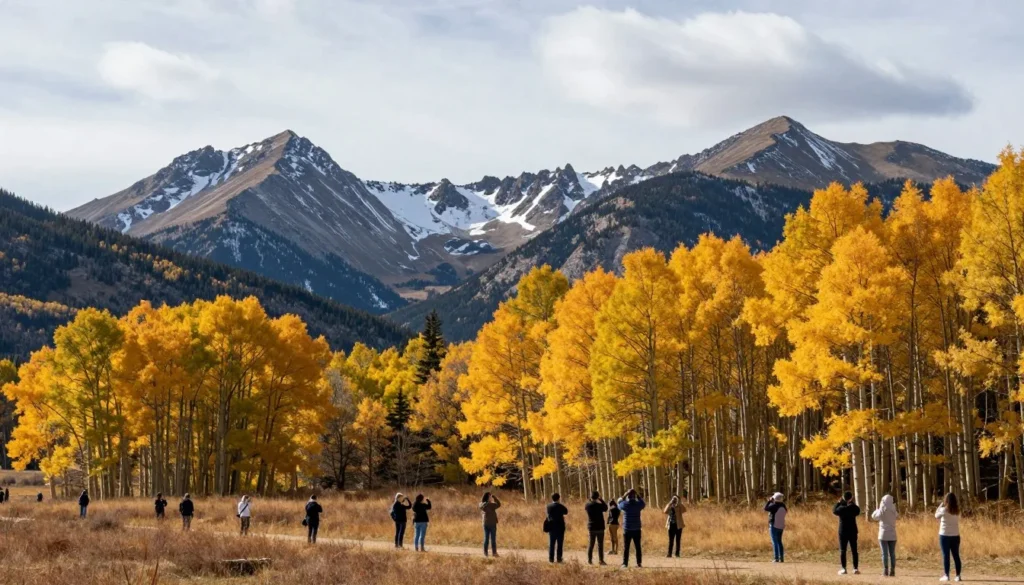
Autumn transforms the area surrounding Monarch Pass into a golden wonderland
Getting Around Locally
Navigation around Monarch Pass requires a personal vehicle, as public transportation doesn’t serve this remote area. The compact nature of the summit area makes exploration straightforward once you arrive.
Parking and Access
The main parking lot at the summit provides spaces for approximately 50 vehicles. Additional overflow parking accommodates busy summer weekends. All parking remains free of charge.
Parking lots feature level surfaces suitable for standard vehicles. RVs and trailers can access the area, though larger vehicles should arrive early during peak season to secure adequate space.
Road Conditions
U.S. Highway 50 maintains two lanes in each direction approaching the pass, narrowing to one lane each direction at the summit. The road surface remains in excellent condition during summer months.
Winter driving requires four-wheel drive or all-wheel drive vehicles equipped with proper tires. Chains may be mandatory during severe weather conditions.
Navigation Tip: Cell phone service proves unreliable at Monarch Pass and surrounding areas. Download offline maps before your journey and carry a physical Colorado road map as backup.
Nearby Towns
The town of Poncha Springs lies 29 kilometers (18 miles) east, offering basic services including fuel, groceries, and dining. Salida, located 37 kilometers (23 miles) east, provides more extensive amenities.
Westward, Gunnison sits 64 kilometers (40 miles) away, serving as the largest community on that side of the pass with complete visitor services.
Where to Stay
Accommodation options near Monarch Pass range from rustic camping to comfortable hotels, though most lodging requires traveling to nearby towns. Planning ahead ensures you secure preferred options during peak summer months.
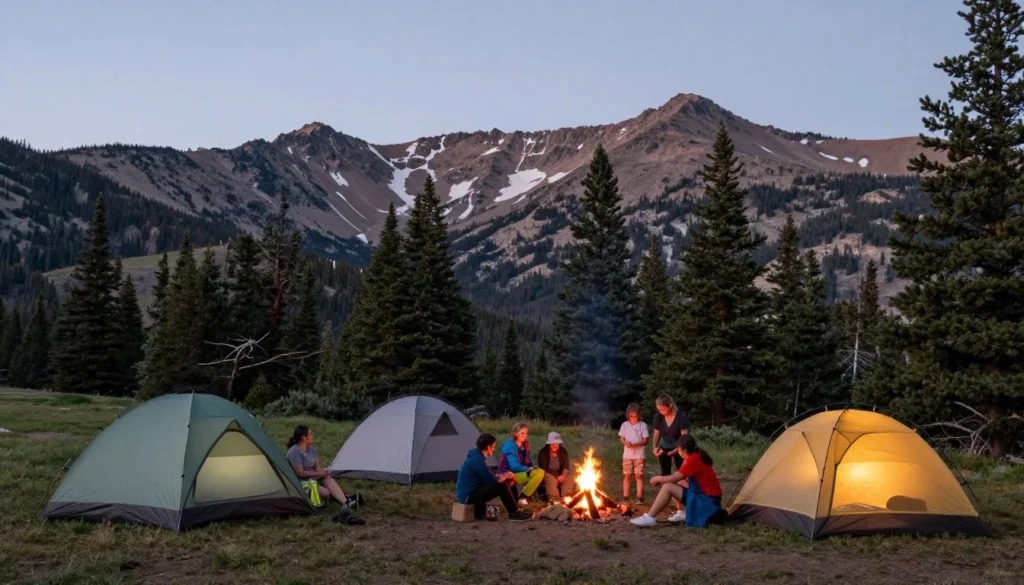
Camping near Monarch Pass offers an immersive mountain experience
Camping Options
Several campgrounds operate within a 16-kilometer (10-mile) radius of the pass. Monarch Park Campground, located just east of the summit, provides 38 sites with basic amenities. Sites operate on a first-come, first-served basis.
O’Haver Lake Campground offers a more secluded experience approximately 13 kilometers (8 miles) from the pass. This smaller facility features lakeside sites perfect for fishing enthusiasts.
Dispersed camping is permitted in surrounding national forest lands. Campers must follow Leave No Trace principles and camp at least 30 meters (100 feet) from water sources.
Hotels and Lodges
Monarch Mountain Lodge sits near the base of the pass, providing year-round accommodations with restaurant facilities. The lodge caters primarily to ski season visitors but welcomes summer guests.
Salida offers the widest variety of hotel options, from budget chains to boutique properties. The town features approximately 20 lodging establishments ranging from $80 to $250 per night.
Poncha Springs provides several smaller motels and bed-and-breakfast options. These properties offer convenient access to the pass while maintaining lower prices than larger resort areas.
Vacation Rentals
Private cabins and vacation homes dot the area surrounding Monarch Pass. These properties work well for groups or families seeking more space and kitchen facilities. Book several months in advance for summer stays.
Altitude Consideration: If you’re traveling from lower elevations, consider staying one night below 2,438 meters (8,000 feet) before ascending to Monarch Pass. This helps your body adjust to reduced oxygen levels.
Dining & Local Cuisine
Dining options near Monarch Pass reflect the area’s remote character. The summit gift shop provides basic snacks and beverages, but substantial meals require traveling to nearby communities.
At the Pass
The Monarch Pass gift shop sells packaged snacks, candy, drinks, and simple grab-and-go items. Hot coffee and tea are available during operating hours. Most visitors pack their own meals to enjoy at the scenic picnic areas.
No restaurants or food service establishments operate at the summit itself. The elevation and seasonal nature of the location make full-service dining impractical.
Nearby Dining
Salida presents the best dining variety near Monarch Pass. The town features more than 30 restaurants representing cuisines from traditional American to Mexican, Italian, and Asian fusion.
Local favorites include establishments serving Colorado trout, elk burgers, and farm-to-table cuisine highlighting regional ingredients. Several craft breweries offer food menus alongside their beverage selections.

Picnic areas at Monarch Pass provide perfect spots for outdoor meals with spectacular views
Grocery and Supplies
Poncha Springs offers a full-service grocery store for travelers planning to prepare their own meals. The store stocks standard items plus camping supplies and firewood during summer months.
Gunnison provides multiple grocery options including natural food stores for visitors with dietary restrictions or preferences.
Packing Tip: Bring plenty of water and high-energy snacks when visiting Monarch Pass. The elevation increases dehydration and appetite. Most visitors consume more food and water than anticipated at this altitude.
Attractions, Sightseeing & Activities
Monarch Pass offers diverse activities that showcase its unique position astride the Continental Divide. From casual observation to challenging adventures, visitors find options matching their interests and abilities.
The Continental Divide marks where water flows to different oceans
Continental Divide Experience
The Continental Divide represents the primary attraction at Monarch Pass. This geological feature determines whether water flows toward the Pacific Ocean or the Atlantic Ocean. Visitors can literally stand with one foot on each side of this continental watershed.
Information panels at the summit explain the divide’s significance, though weather conditions may limit their readability. The concept fascinates children and adults alike, making it an excellent educational stop.
Scenic Overlooks
Multiple viewing platforms around the parking area provide panoramic vistas of the Sawatch Range. These overlooks face different directions, offering varied perspectives of surrounding peaks.
The views extend for miles on clear days. Visitors can identify numerous 4,267-meter (14,000-foot) peaks from these vantage points. Interpretive materials help identify major summits and geographic features.
Gift Shop
The Monarch Pass gift shop operates during summer months and select winter weekends. The shop sells Colorado souvenirs, T-shirts, postcards, local crafts, and informational books about the region.
Staff members provide trail information and weather updates. Restroom facilities adjoin the gift shop, making it a practical stop regardless of shopping interest.
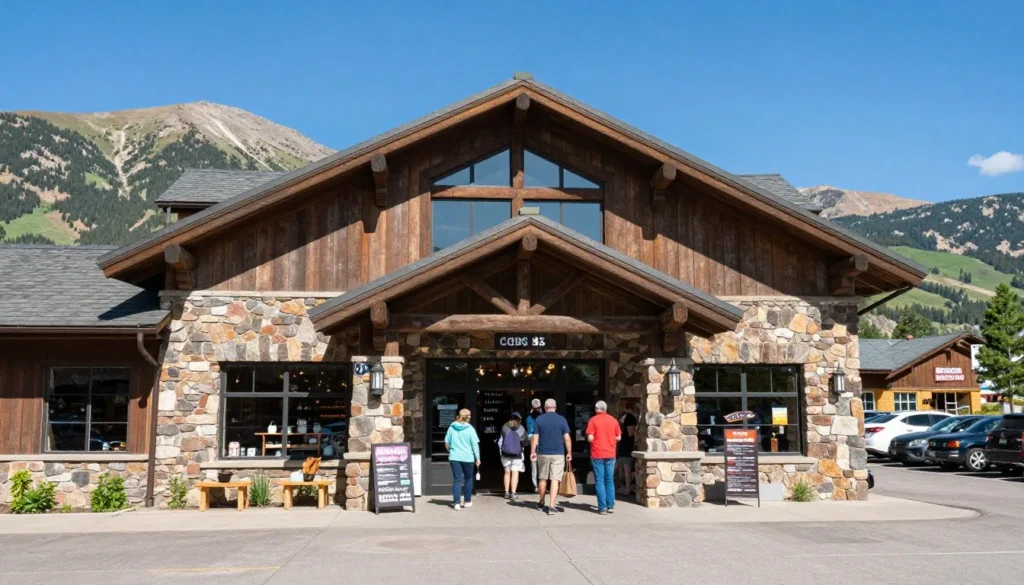
The gift shop serves as a visitor hub and provides essential facilities
Old Monarch Pass
The original Monarch Pass route followed a different alignment before modern highway construction. Remnants of the Old Monarch Pass road remain visible and partially drivable via a dirt track accessible from the current highway.
This historic route offers a glimpse into early Colorado transportation challenges. The old road grades are steeper and narrower than the current highway, demonstrating significant engineering improvements over time.
Adventurous drivers with high-clearance vehicles can explore portions of the old route during dry summer conditions. The track provides access to additional hiking areas and solitude away from the main tourist areas.
Check 30,000+ Local Sightseeing Tours Worldwide
✓ Numerous languages and currencies are available
Museums, Cultural Spots & Festivals
While Monarch Pass itself doesn’t host museums or cultural facilities due to its remote location, nearby communities preserve and celebrate the region’s rich heritage. These attractions complement the natural experience of the pass.
Regional Museums
Salida Museum showcases local history including mining heritage, railroad development, and indigenous peoples who originally inhabited the Arkansas River valley. The museum occupies a historic building in downtown Salida.
Gunnison Pioneer Museum presents artifacts and structures from the area’s settlement era. The outdoor museum features historic cabins, mining equipment, and agricultural implements.

Historic mining remnants tell stories of Colorado’s colorful past
Cultural Events
Salida Art Walk occurs monthly during summer, featuring local artists, galleries, and street performances. The event attracts visitors from throughout the region and provides insight into Colorado’s thriving arts community.
FIBArk whitewater festival takes place annually in Salida during June. This multi-day event celebrates river culture with races, music, and outdoor activities. It ranks among the oldest whitewater festivals in America.
Indigenous Heritage
The Monarch Pass area was historically used by Ute peoples as a seasonal travel corridor between summer and winter territories. The pass provided one of the more accessible routes across the Continental Divide.
While no specific heritage sites exist at the pass itself, regional museums in Gunnison and Salida provide context about Ute history and culture. Understanding this background enriches appreciation of the landscape’s human history.
Nature & Outdoor Experiences
Monarch Pass serves as a launching point for exceptional outdoor adventures. The area’s high elevation and diverse terrain create opportunities for activities ranging from gentle walks to technical mountaineering.
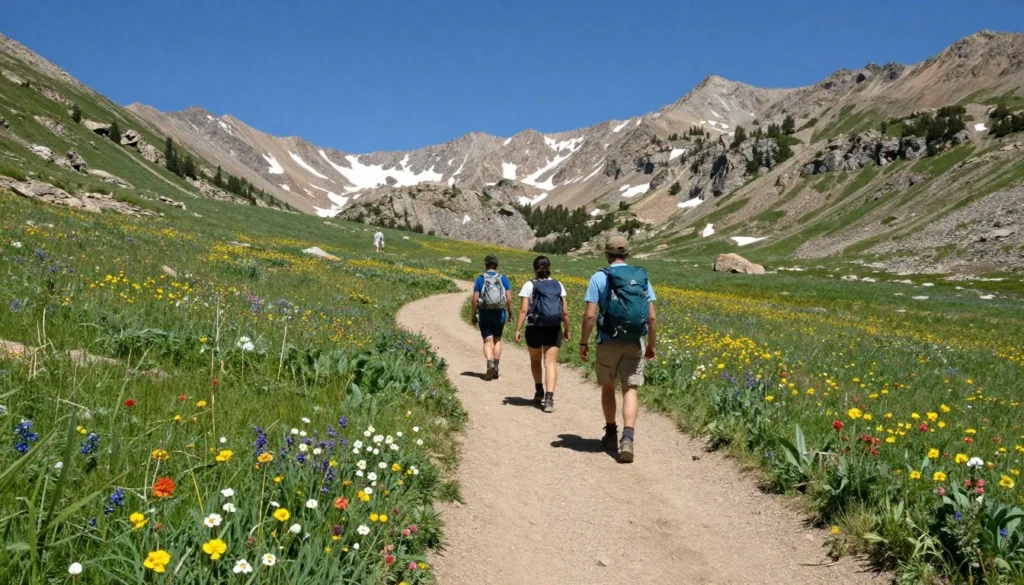
Numerous trails branch from Monarch Pass into pristine wilderness
Hiking Trails
The Monarch Crest Trail ranks among Colorado’s premier high-altitude hiking experiences. This trail follows the Continental Divide, offering sustained views and alpine tundra environments. The full route covers approximately 19 kilometers (12 miles) one way.
Most hikers tackle shorter sections as out-and-back day hikes. Even a 3-kilometer (2-mile) walk from the trailhead rewards visitors with extraordinary scenery and wildflower displays during summer.
The Continental Divide Trail passes directly through Monarch Pass. This legendary long-distance trail extends from Mexico to Canada, and the pass section provides accessible sampling for curious hikers.
Popular Trail Options
- Monarch Crest Trail – Strenuous, high-altitude ridge walk with panoramic views
- Continental Divide Trail – Moderate to strenuous, iconic long-distance route
- Old Monarch Pass Road – Easy to moderate, historic route with vehicle option
- South Arkansas Peak – Strenuous summit hike reaching 4,119 meters (13,514 feet)
Elevation Alert: All trails at Monarch Pass begin above 3,353 meters (11,000 feet). Altitude sickness affects many visitors. Start with short walks, stay hydrated, and turn back if you experience headache, nausea, or dizziness.
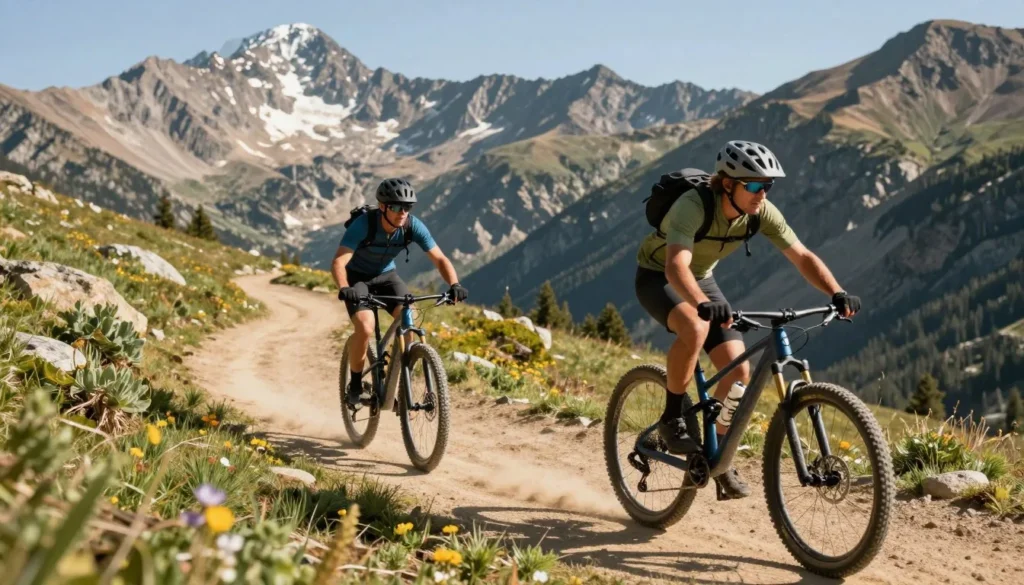
Mountain biking trails offer thrilling descents and challenging climbs
Mountain Biking
Monarch Crest Trail attracts mountain bikers from around the world. The trail’s combination of technical challenge and scenery creates an unforgettable riding experience. Most bikers arrange shuttle transportation to enable a primarily downhill ride.
The Monarch Ridge area features additional single-track trails suited to intermediate and advanced riders. These routes wind through aspen groves and alpine meadows before descending into valley systems.
Road cyclists frequently tackle U.S. Highway 50 as a challenging climb. The elevation gain from Salida to the pass summit tests fitness levels while providing spectacular viewing rewards.
Wildlife Viewing
Monarch Pass provides habitat for diverse wildlife species adapted to high-elevation environments. Elk frequently graze in meadows near the pass, particularly during early morning and evening hours.
Marmots inhabit rocky areas around the summit, often sunning themselves on boulders near parking areas. These large ground squirrels whistle warning calls when alarmed.
Bighorn sheep occasionally appear on steep slopes visible from the highway. Patient observers with binoculars spot these impressive animals navigating seemingly impossible terrain.
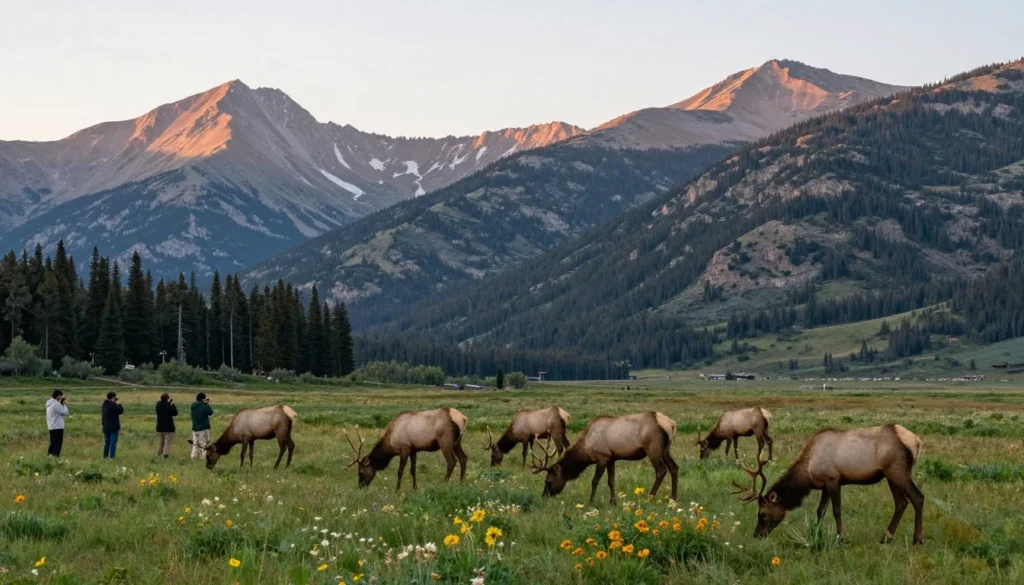
Elk herds thrive in the high-altitude environment surrounding Monarch Pass
Photography
Monarch Pass ranks among Colorado’s premier photography locations. The combination of accessible vantage points and dramatic landscapes makes it popular with both amateur and professional photographers.
Sunrise photography produces spectacular results, with alpenglow illuminating the Sawatch Range peaks. Sunset provides equally impressive lighting, though afternoon thunderstorms sometimes interfere with evening shoots during summer.
Wildflower photography peaks from mid-July through early August. The alpine tundra environment supports numerous species that create colorful foreground elements for mountain compositions.
Winter Activities
Monarch Ski Area operates approximately 10 kilometers (6 miles) west of the pass summit. This resort offers terrain suited to all ability levels with significantly fewer crowds than larger Colorado ski areas.
Backcountry skiing and snowboarding attract experienced winter sports enthusiasts to the Continental Divide terrain near Monarch Pass. These activities require proper equipment, avalanche safety training, and current condition knowledge.
Snowshoeing provides accessible winter exploration options. Several summer hiking trails work well for snowshoe travel during winter months, offering solitude and pristine mountain scenery.
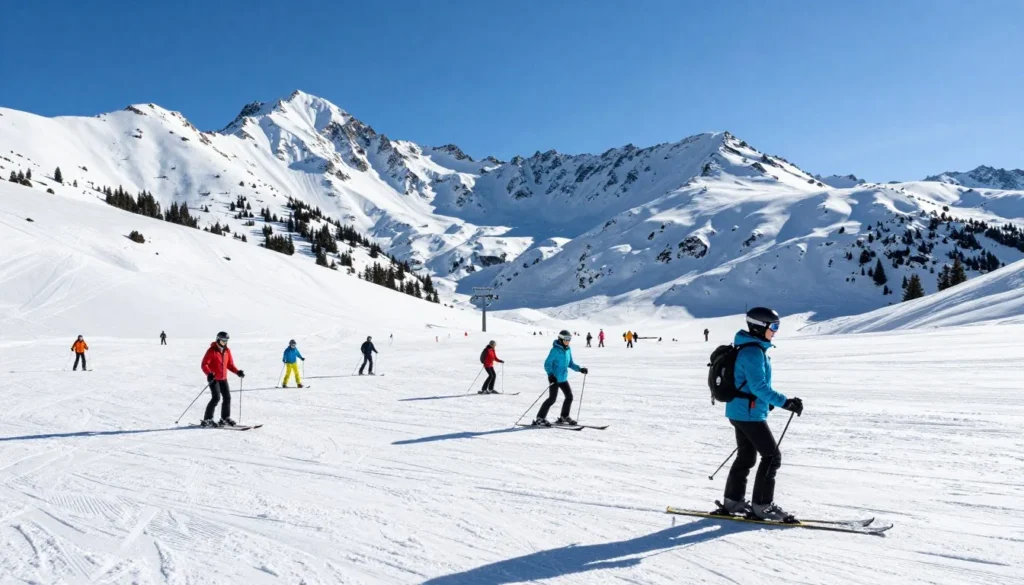
Winter transforms Monarch Pass into a snow sports paradise
Safety, Etiquette & Local Customs
Visiting Monarch Pass safely requires understanding mountain environment hazards and respecting both natural resources and other visitors. Following established guidelines ensures enjoyable experiences for everyone.
Altitude Considerations
The 3,447-meter (11,312-foot) elevation of Monarch Pass causes problems for many visitors, especially those arriving from lower elevations. Symptoms of altitude sickness include headache, nausea, fatigue, and shortness of breath.
Spend at least one night at intermediate elevation before ascending if possible. Drink significantly more water than normal. Avoid alcohol consumption. Limit physical exertion during your first hours at altitude.
Children and elderly visitors face higher risk of altitude-related issues. Monitor vulnerable individuals closely and descend immediately if serious symptoms develop.
Weather Safety
Lightning represents the most serious weather hazard at Monarch Pass. Summer afternoon thunderstorms develop rapidly and create dangerous conditions for anyone above treeline.
Begin hikes early to reach high points before noon. Turn back if dark clouds develop or thunder becomes audible. Avoid ridge lines, isolated trees, and open areas during storms. Seek shelter in buildings or vehicles if possible.
Hypothermia risk exists year-round at this elevation. Temperatures can drop rapidly, and wind chill significantly increases cold exposure. Always carry extra layers regardless of forecast.
Emergency Contact: Cell phone service is unreliable throughout the Monarch Pass area. In emergencies, drive to the nearest town to call for help. Chaffee County Search and Rescue coordinates mountain rescue operations on the east side of the pass.
Wildlife Etiquette
Maintain distance from all wildlife. Approaching animals causes stress and potentially dangerous situations. Use telephoto lenses for photography rather than moving closer.
Never feed wildlife. Human food harms animal health and creates behavioral problems. Animals that associate humans with food become aggressive and often must be destroyed.
Store food securely when camping or hiking. The area supports black bear populations, and proper food storage protects both bears and humans.
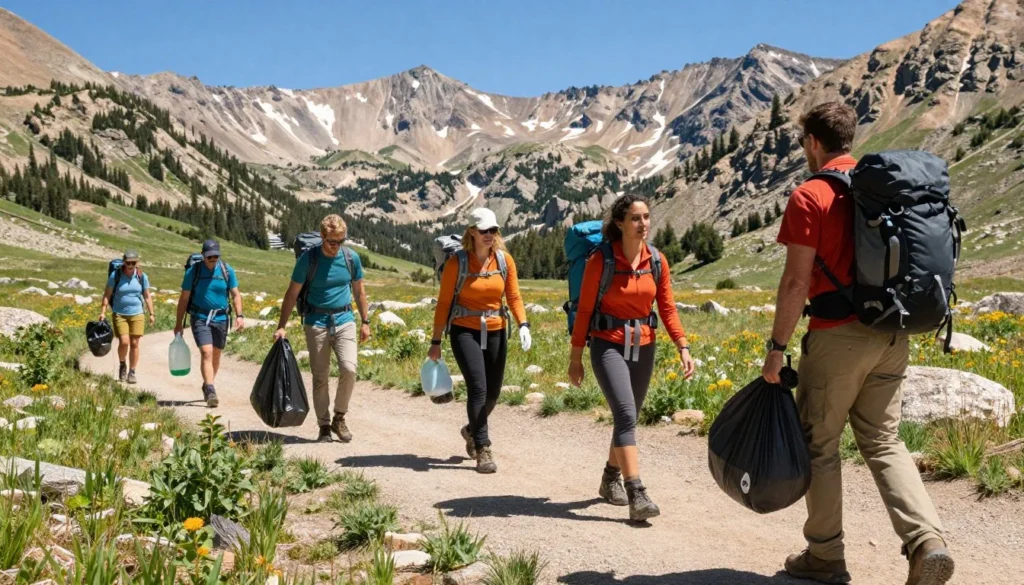
Practicing Leave No Trace principles preserves Monarch Pass for future visitors
Leave No Trace Principles
Pack out everything you bring to Monarch Pass. No trash facilities exist at many trailheads and backcountry areas. Carry a bag for waste including fruit peels and biodegradable items.
Stay on established trails to prevent erosion and vegetation damage. The fragile alpine tundra environment recovers extremely slowly from trampling. Shortcutting switchbacks causes lasting damage.
Respect other visitors by keeping noise levels moderate. Natural sounds enhance the wilderness experience for everyone. Yield trail right-of-way appropriately: hikers yield to horses, bikers yield to hikers and horses, downhill traffic yields to uphill.
Road Safety
Drive cautiously on U.S. Highway 50 near Monarch Pass. The road features numerous curves and significant grades. Use pullouts for photography or viewing rather than stopping in travel lanes.
Watch for cyclists during summer months. Provide wide passing clearance and patience on uphill sections where riders travel slowly.
Winter driving requires reduced speeds and increased following distances. Black ice forms frequently even when pavement appears dry. Sudden weather changes can create whiteout conditions.
Visitor Comments About Monarch Pass Scenic Area Colorado
Real travelers share their experiences visiting Monarch Pass, offering insights into what makes this destination memorable and practical tips for planning your own journey.
T.C., Maracaibo
“The drive to Monarch Pass took my breath away, literally and figuratively. Coming from sea level, I definitely felt the altitude, but the views made every moment worthwhile. We arrived around 8 AM on a July morning and had the place almost to ourselves for the first hour. The wildflowers were incredible, and we spotted a herd of elk in a nearby meadow. My advice: bring way more water than you think you need and start any hiking super early to avoid afternoon thunderstorms. The gift shop staff was incredibly helpful with trail recommendations. This pass offers everything I hoped for in a Colorado mountain experience without the crowds of more famous locations.”
C.E., Petersfield
“Monarch Pass exceeded expectations for a roadside stop. We were driving from Gunnison to Salida and planned just a quick photo break, but ended up spending three hours exploring. The Continental Divide concept fascinated our children, who loved the idea of standing where water flows to different oceans. The parking area was busy but not overcrowded on a Saturday afternoon in August. We walked a short section of the Monarch Crest Trail and were rewarded with stunning panoramas. The elevation definitely affects you – we felt winded just walking from the car to the viewing areas. One unexpected bonus was the gift shop’s clean restrooms, which saved us on a long road trip. Definitely worth building extra time into your itinerary.”
O.O., Henderson
“As a photographer, Monarch Pass ranks among my favorite Colorado locations. I’ve visited six times across different seasons, and each trip produces unique images. Summer wildflowers are spectacular, but my best shots actually came during a September visit when fresh snow dusted the peaks while autumn colors glowed below. The top of the pass offers 360-degree views with multiple composition options. Early morning light is magical – arrive before sunrise if you’re serious about photography. Weather changes incredibly fast, which can be frustrating but also creates dramatic cloud formations. The Old Monarch Pass road provides an interesting alternative perspective and fewer people. Just be prepared for sudden altitude effects and rapidly shifting conditions. This location rewards multiple visits.”
Additional Nearby Destinations
Monarch Pass serves as an excellent base for exploring numerous other Colorado attractions. These nearby destinations complement a visit to the pass and provide options for extended mountain exploration.
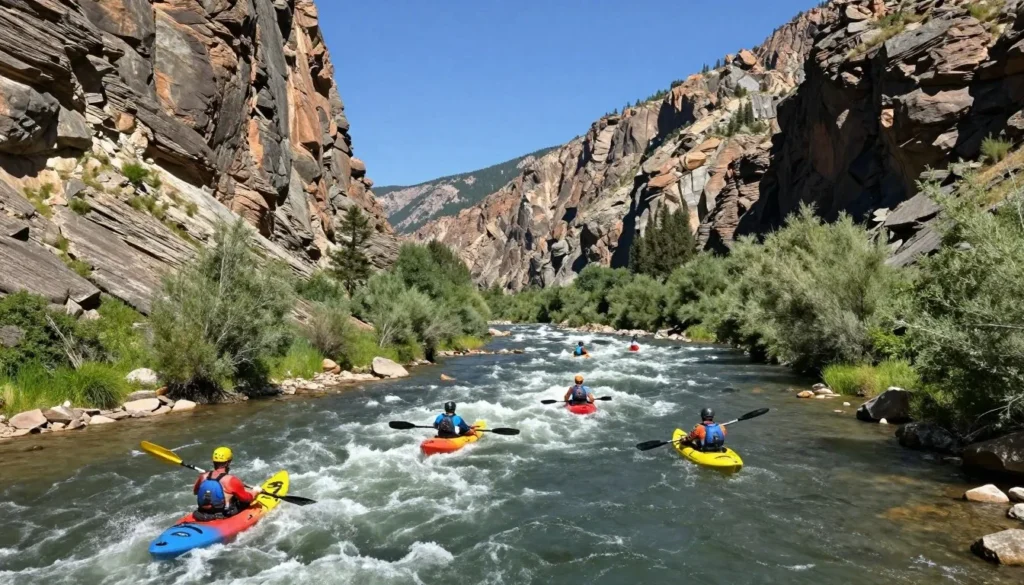
The Arkansas River offers world-class whitewater experiences near Monarch Pass
Salida
Located 37 kilometers (23 miles) east of Monarch Pass, Salida has transformed from a railroad town into a vibrant arts community and outdoor recreation hub. Historic downtown features galleries, restaurants, and shops housed in restored Victorian buildings.
The Arkansas River flows through Salida, creating premier whitewater rafting and kayaking opportunities. Several outfitters offer guided trips ranging from gentle floats to technical whitewater challenges.
Gunnison
Gunnison lies 64 kilometers (40 miles) west of the pass. This college town offers full services and serves as gateway to Black Canyon of the Gunnison National Park. The area features excellent fly fishing on the Gunnison River.
Blue Mesa Reservoir, Colorado’s largest body of water, sits just west of Gunnison. The reservoir covers 3,859 hectares (9,540 acres) and provides sailing, fishing, and camping opportunities.
Crested Butte
Approximately 56 kilometers (35 miles) northwest of Monarch Pass, Crested Butte ranks among Colorado’s most charming mountain towns. The preserved historic district maintains authentic Victorian-era character.
Summer transforms Crested Butte into a wildflower paradise, earning it the title “Wildflower Capital of Colorado.” Mountain biking trails around town attract riders worldwide.
Great Sand Dunes National Park
Located 129 kilometers (80 miles) southeast of Monarch Pass, Great Sand Dunes National Park features North America’s tallest sand dunes backed by mountain peaks. The surreal landscape provides unique hiking and sandboarding experiences.
The park offers striking contrast to Monarch Pass’s alpine environment, demonstrating Colorado’s remarkable geographic diversity within relatively short distances.
East of Monarch Pass
- Salida – Arts, dining, river activities
- Poncha Springs – Hot springs, small-town atmosphere
- St. Elmo Ghost Town – Historic mining settlement
- Mount Princeton Hot Springs – Natural mineral pools
West of Monarch Pass
- Gunnison – Base for regional exploration
- Crested Butte – Mountain resort town
- Black Canyon – Dramatic canyon scenery
- Blue Mesa Reservoir – Water recreation
Practical Travel Tips
These practical suggestions help ensure your Monarch Pass visit proceeds smoothly and safely. Planning ahead addresses common challenges and enhances overall experience quality.
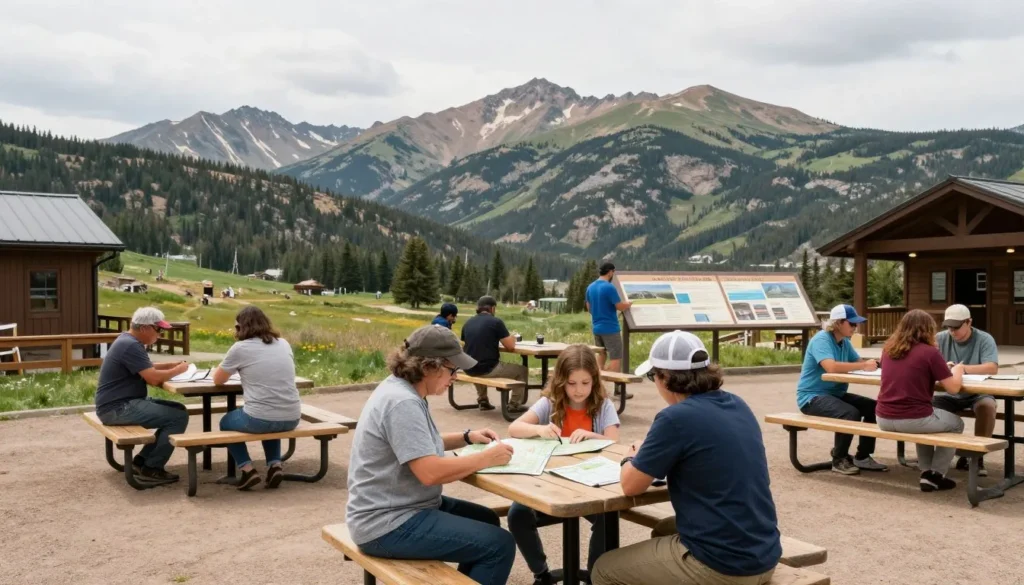
Planning ahead ensures comfortable and safe experiences at Monarch Pass
Essential Items to Bring
- Sunscreen (SPF 50+) – UV radiation intensifies significantly at this elevation
- Sunglasses and hat – Bright sunlight reflects off snow and rocks year-round
- Layered clothing – Temperature swings of 17°C (30°F) occur within hours
- Extra water – Plan for twice your normal consumption at this altitude
- High-energy snacks – Altitude increases caloric needs and appetite
- First aid supplies – Basic items for cuts, blisters, headaches
- Camera with charged batteries – Cold temperatures drain batteries quickly
- Offline maps – Cell service remains unreliable throughout the area
Money and Services
The gift shop at Monarch Pass accepts cash and credit cards. No ATM exists at the summit, so bring sufficient cash for purchases and tips before ascending.
Gasoline stations operate in Poncha Springs and throughout Salida and Gunnison. Fill your tank in these towns rather than searching for fuel in remote areas.
No entrance fees apply to Monarch Pass itself. Parking remains free at all lots. Some trailheads in surrounding national forest areas may require recreation passes.
Best Practices for Families
Children often adapt to altitude better than adults but require close monitoring. Watch for signs of altitude sickness including unusual tiredness, irritability, or complaints of headache.
Keep children within sight at all times. Steep drop-offs exist near viewing areas, and mountain weather creates sudden hazards. The parking lot sees vehicle traffic throughout the day.
Plan shorter activities than you would at lower elevations. A 30-minute walk at Monarch Pass equals a much longer hike at sea level in terms of exertion.
Time Planning: Budget at least two hours for a basic Monarch Pass visit including driving time from nearby towns. Add three to four additional hours if planning moderate hiking. Full-day adventures require early starts to avoid afternoon weather.
Photography Tips
Morning light between 6 AM and 9 AM produces the best photography conditions. Afternoon storms often build after 2 PM, creating dramatic but unpredictable lighting.
Bring polarizing filters to manage glare and enhance sky colors. Wide-angle lenses capture expansive mountain vistas, while telephoto lenses isolate distant peaks and wildlife.
Protect camera equipment from sudden weather changes. Condensation forms when moving cold gear into warm vehicles or buildings. Use protective bags and allow gradual temperature equalization.
Accessibility
Paved walkways connect the parking area to the gift shop and primary viewing platforms. These paths accommodate wheelchairs and strollers, though grades may be steep in sections.
Accessible restrooms are available in the gift shop building. Designated accessible parking spaces sit closest to facilities.
Most trails beyond the immediate summit area involve uneven terrain unsuitable for wheelchairs. The paved areas still provide excellent views and photo opportunities for visitors with limited mobility.
Environmental Conditions
Air pressure at Monarch Pass measures approximately 65% of sea-level pressure. This reduced oxygen affects everyone to varying degrees. Even fit individuals experience increased breathing rates and reduced endurance.
UV radiation intensity increases roughly 10% for every 1,000 meters (3,280 feet) of elevation gain. Sun protection becomes critical even on cloudy days.
Dehydration occurs more rapidly at altitude. Drink water consistently throughout your visit rather than waiting until you feel thirsty.
Your Continental Divide Adventure Awaits
Monarch Pass stands as one of Colorado’s most accessible yet genuinely wild mountain experiences. The combination of easy road access and authentic alpine environment creates opportunities for travelers of all types to connect with the high country.
Whether you spend 30 minutes at the summit overlooks or devote full days to hiking the Continental Divide Trail, Monarch Pass delivers experiences that capture the essence of Colorado’s mountain character. The area rewards both casual visitors and serious outdoor enthusiasts with memories that last well beyond the journey home.
Plan your visit during the recommended seasons, prepare properly for high-altitude conditions, and approach the mountain environment with appropriate respect. Monarch Pass will reveal why Colorado’s high country continues to inspire travelers from around the world. The Continental Divide awaits your discovery.