Hotels by Trip.com
Flights by Trip.com
At 4,348 m (14,264 ft), Mount Blue Sky boasts the highest paved road in North America. This remarkable feat of engineering carries visitors to altitudes where commercial jets cruise. The scenic byway climbs through five distinct ecological zones in just 45 km (28 miles).
Mount Evans earned its new name “Mount Blue Sky” in 2023. The summit offers 360-degree views spanning three states. On exceptionally clear days, you can see Pike’s Peak to the south and the Great Plains stretching eastward toward Kansas.
This guide covers everything you need to plan your mountain adventure. From wildlife encounters with mountain goats to navigating altitude challenges, you’ll find practical information for a safe and memorable trip.
Getting There and Planning Your Journey

Denver International Airport serves as the primary gateway. The airport sits approximately 97 km (60 miles) northeast of the mountain. Colorado Springs Airport offers an alternative option about 129 km (80 miles) south.
From Denver, take Interstate 70 west toward the mountains. Exit at Idaho Springs, a historic gold mining town that serves as the gateway community. The drive from Denver takes roughly 90 minutes without stops.
Route to the Summit
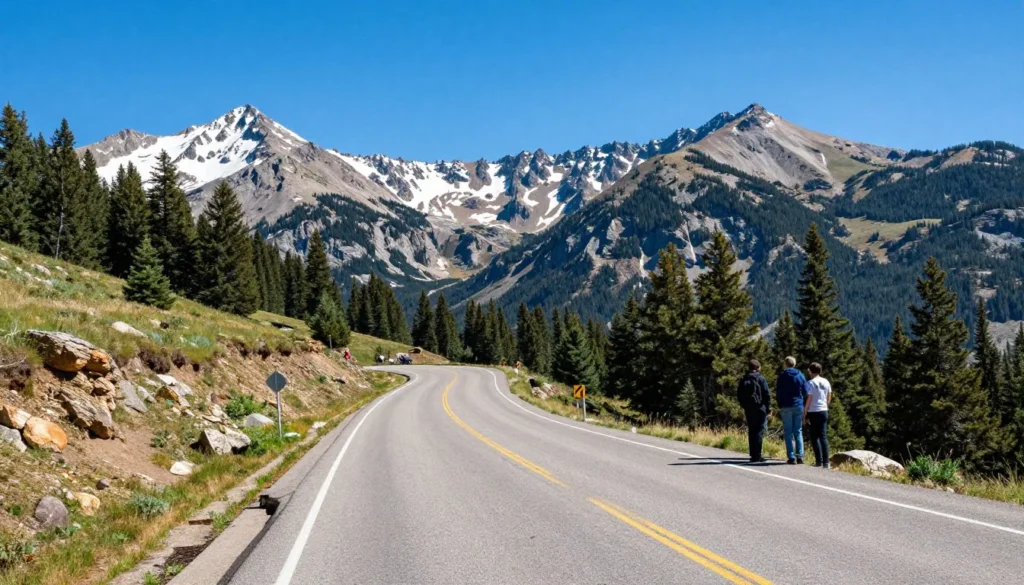
Highway 103 begins the ascent from Idaho Springs. This paved road winds through alpine forests and meadows. After reaching Echo Lake, the route transitions to Highway 5, the Mount Blue Sky Scenic Byway.
The scenic byway stretches 23 km (14 miles) from Echo Lake to the summit. The road features numerous hairpin turns and steep grades. Allow at least 45 minutes for this section, plus additional time for photo stops and wildlife viewing.
Important: The road typically opens around Memorial Day weekend and closes in early October. Check current conditions before departing, as weather can cause temporary closures even during summer months.
Vehicle Requirements
Any standard vehicle can make the drive. However, larger RVs and vehicles with trailers face restrictions above Echo Lake Park. The narrow mountain road features tight switchbacks unsuitable for oversized vehicles.
Your car should have good brakes and adequate engine power. The altitude reduces engine performance by approximately 30%. Use lower gears on descents to preserve brake life.
Best Time to Visit Mount Blue Sky

Recommended Seasons
July through September: These months offer the most reliable weather and road access. Temperatures at the summit range from 4°C to 15°C (40°F to 60°F) during daytime. Morning visits typically provide clearer views before afternoon clouds develop.
Late June: Wildflowers bloom prolifically at lower elevations. Snow may still cover portions of the upper mountain. The road usually opens by Memorial Day weekend, weather permitting.
Check 30,000+ Local Sightseeing Tours Worldwide
✓ Numerous languages and currencies are available
Early October: Fall colors paint the aspen groves gold and orange. Crisp air often delivers exceptional visibility. The road closes for winter once sustained snow arrives, typically by mid-October.
Times to Avoid
Late October through May: The scenic byway closes completely. Heavy snow and dangerous conditions make access impossible. Winter mountaineering expeditions require specialized equipment and experience.
Weekend Afternoons in July and August: Peak season brings heavy traffic and limited parking at the summit. Afternoon thunderstorms frequently develop between 1 PM and 4 PM.
Weather Patterns
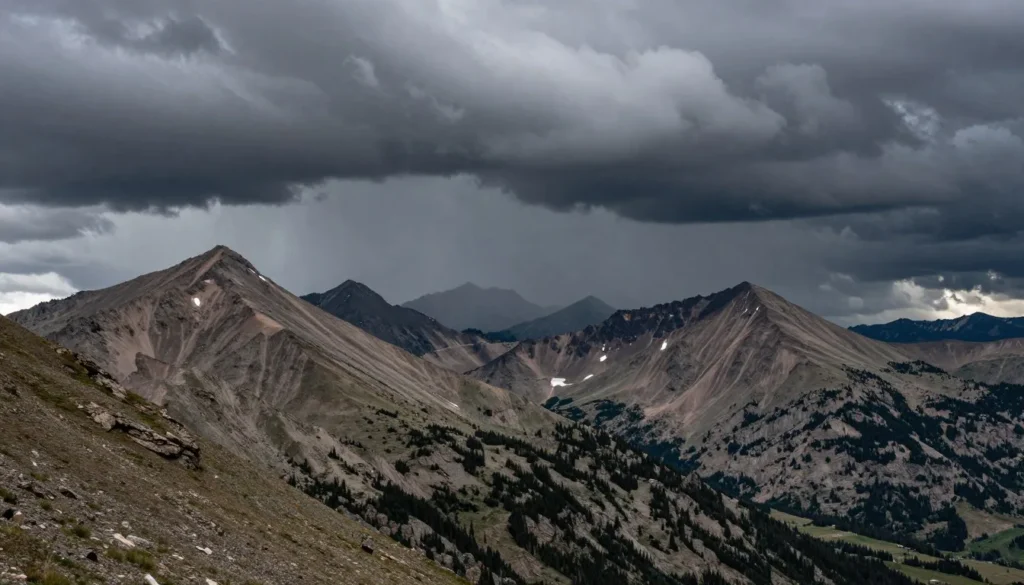
Mountain weather changes rapidly at high elevations. Clear morning skies often give way to afternoon thunderstorms. Lightning poses serious danger above treeline. Start your ascent early to summit before noon.
Temperatures drop approximately 3°C (5°F) for every 305 m (1,000 ft) of elevation gain. Even on warm summer days, summit temperatures may hover near freezing in early morning. Pack layers regardless of valley conditions.
Snow can fall any month of the year at the summit. In 2019, a surprise July snowstorm dropped 15 cm (6 inches) and stranded dozens of unprepared visitors. Always check forecasts before ascending.
Getting Around Locally
Personal vehicles provide the only practical transportation to Mount Blue Sky. No shuttle services or public transportation reach the summit. Rideshare services rarely operate in this remote mountain area.
Parking areas exist at several stops along the route. Echo Lake Park offers the largest parking area at the base of the scenic byway. Summit Lake Park provides parking about halfway up. The summit parking lot holds approximately 100 vehicles.
Arrive before 8 AM on summer weekends to secure parking. The summit lot fills completely by mid-morning during peak season. If full, you must descend and wait for departing vehicles to open spaces.
Alternative Access
Bicyclists tackle the challenging climb regularly. The route demands excellent physical conditioning due to the altitude and distance. Start very early to avoid vehicle traffic and afternoon weather.
Motorcyclists enjoy the scenic curves, though wind can gust strongly above treeline. Use extreme caution on gravel sections and around blind corners where wildlife frequently appears.
Where to Stay Near Mount Blue Sky

Idaho Springs Accommodations
Idaho Springs offers the closest lodging options, just 32 km (20 miles) from the summit. This historic mining town features several motels, inns, and small hotels. Rates typically range from $100 to $180 per night during summer.
The town sits at 2,287 m (7,500 ft) elevation. Spending a night here helps your body adjust to altitude before ascending higher. Many properties include breakfast and mountain views.
Denver Metro Area
Denver provides extensive lodging choices with every major hotel chain represented. Staying in Denver allows you to combine your mountain trip with urban attractions. The city sits about 90 minutes from the mountain base.
Georgetown, another historic gold mining town, lies 24 km (15 miles) from the mountain. This charming village offers bed and breakfasts, small hotels, and vacation rentals. The Victorian-era downtown creates an authentic mountain atmosphere.
Camping Options
Echo Lake Campground sits directly on the scenic byway at 3,230 m (10,600 ft). The small campground offers 18 sites available first-come, first-served. Facilities include vault toilets but no water or electrical hookups.
Clear Creek Canyon hosts several campgrounds along Highway 6 between Denver and Idaho Springs. These lower-elevation sites provide easier access for those sensitive to altitude.
Dispersed camping is permitted in designated areas of Arapaho National Forest. You must camp at least 30 m (100 ft) from water sources and roadways. Practice Leave No Trace principles in these pristine environments.
Dining and Local Cuisine
No dining facilities exist on Mount Blue Sky itself. Pack sufficient food and water for your entire visit. The summit offers no services, stores, or restaurants.
Idaho Springs Restaurants
Idaho Springs serves as your primary dining destination. Beau Jo’s Pizza has earned legendary status among Colorado mountain visitors. Their unique “Mountain Pie” features thick, braided crusts perfect for dipping in honey.
Two Brothers Deli offers hearty sandwiches ideal for trail lunches. Buffalo Restaurant and Bar serves classic American breakfast and comfort food. The town’s Main Street features coffee shops, bakeries, and casual eateries.
What to Bring
Pack more water than you think necessary. Altitude increases dehydration risk significantly. Aim for at least 3 liters per person for a full day visit.
High-energy snacks combat altitude fatigue. Nuts, dried fruit, granola bars, and jerky travel well. Avoid heavy meals immediately before ascending, as altitude can cause nausea.
Alcohol absorption increases at high altitude. Effects feel stronger and dehydration worsens. Avoid alcohol consumption the night before and day of your summit attempt.
Attractions, Sightseeing and Activities
Summit Experience
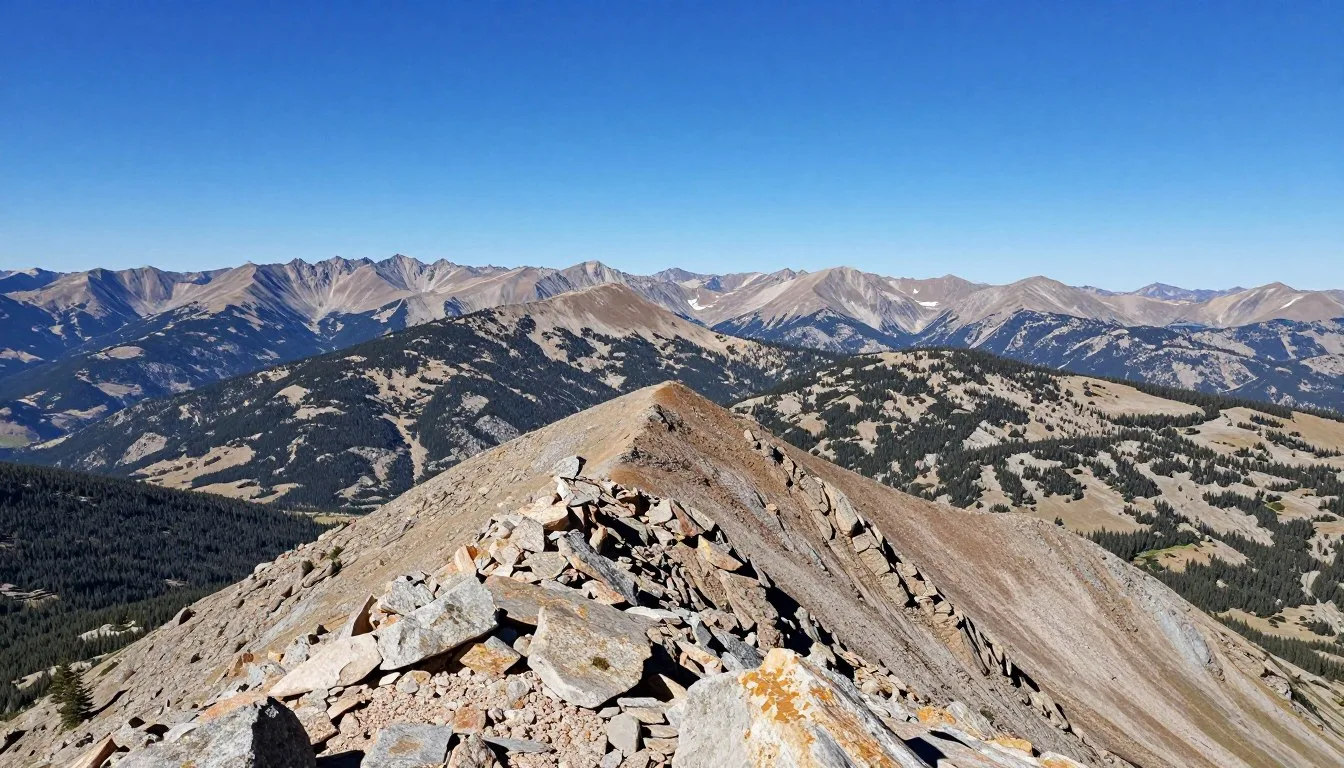
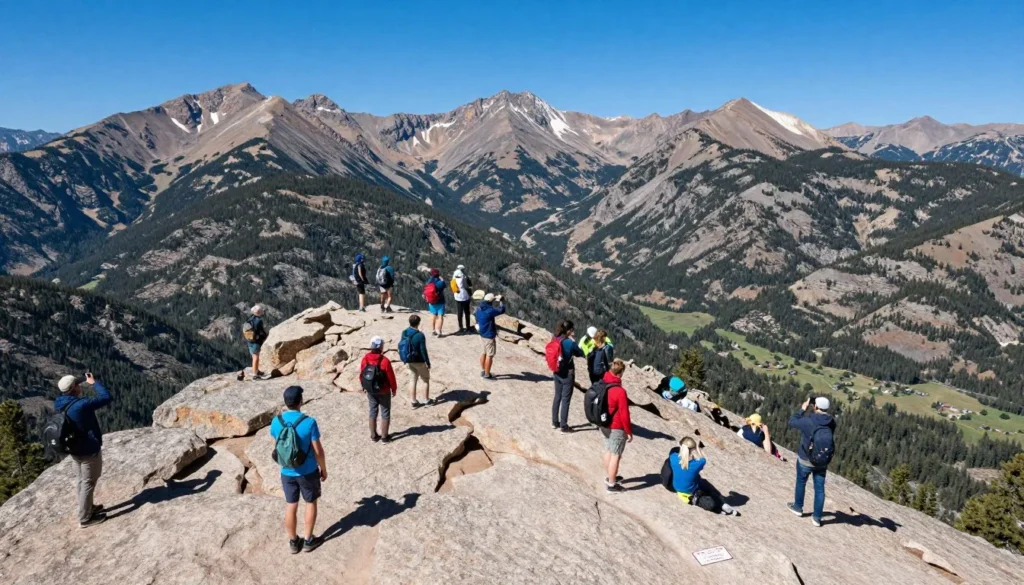
The summit Mount Blue Sky delivers breathtaking 360-degree views. On clear days, visibility extends beyond 161 km (100 miles). The Sawtooth Ridge stretches northward with jagged peaks cutting the sky.
A short trail leads from the parking area to the true summit. The walk covers only 0.4 km (0.25 miles) but gains 43 m (140 ft) in elevation. The thin air makes even this brief hike challenging.
The summit Mount Blue Sky sits above 98% of Earth’s atmosphere. The air contains approximately 40% less oxygen than sea level. Move slowly and rest frequently to avoid altitude sickness.
Summit Lake
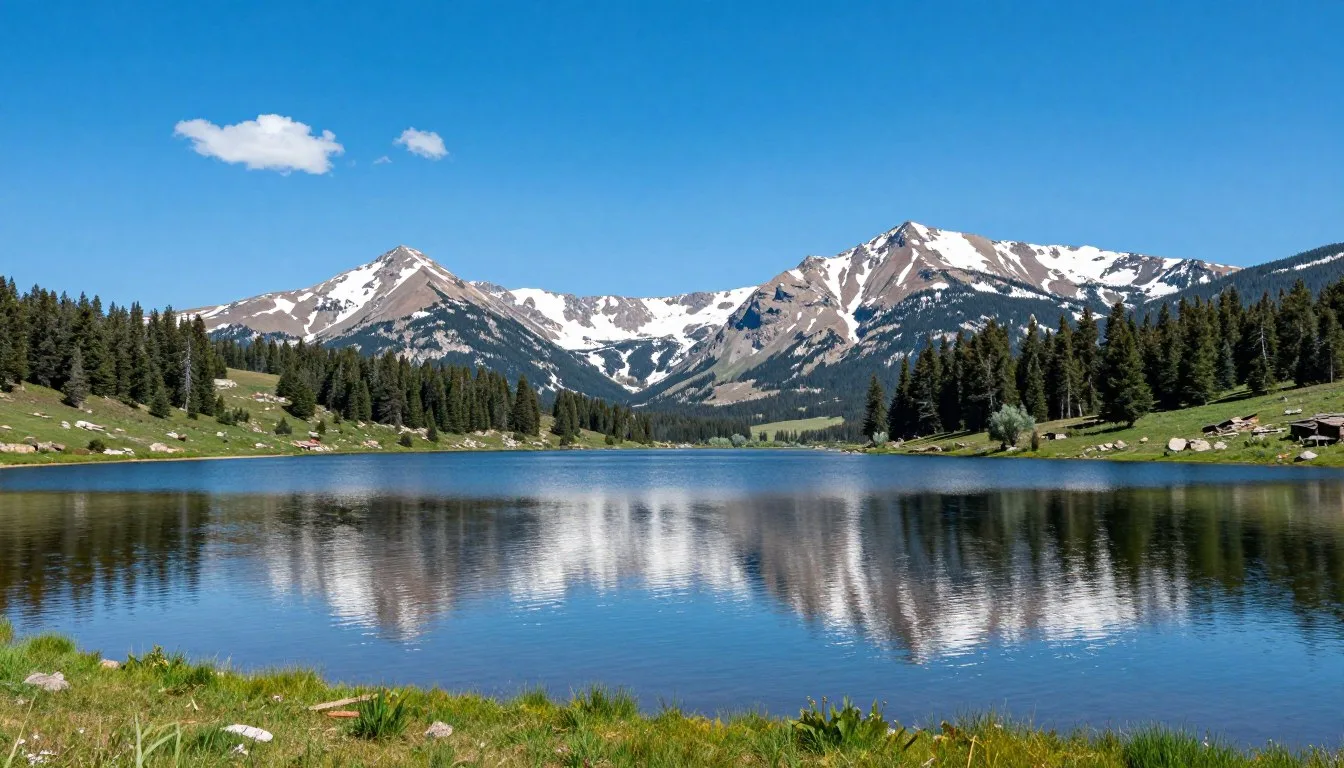
Summit Lake sits at 3,962 m (13,000 ft), making it one of North America’s highest alpine lakes. The pristine 4-hectare (10-acre) body of water remains partially frozen well into July. A level trail circles the shoreline.
Mountain goats frequently visit Summit Lake Park. These sure-footed animals show little fear of humans. Maintain at least 46 m (150 ft) distance from all wildlife. Do not feed or approach them.
Echo Lake Park
Echo Lake Park marks the beginning of the steep ascent. The alpine lake provides picnic areas, restrooms, and a small store during summer months. Several hiking trails depart from this location.
Stop Echo Lake to adjust to the 3,230 m (10,600 ft) elevation. Walk around briefly before continuing upward. This pause helps your body begin altitude acclimation.
Mount Goliath Natural Area
Mount Goliath protects an ancient bristlecone pine forest. These twisted trees survive in harsh alpine conditions. Some specimens exceed 1,600 years old. A 0.8 km (0.5 mile) interpretive trail winds through the grove.
The bristlecone pines grow incredibly slowly at this 3,505 m (11,500 ft) elevation. A tree only 3 m (10 ft) tall may be 500 years old. Stay on designated trails to protect these fragile plants.
Nature and Outdoor Experiences

Wildlife Viewing
Mountain goats represent the most iconic wildlife at Mount Blue Sky. These white mammals navigate steep cliffs with remarkable agility. Summit areas host the highest concentrations, particularly near the parking lot.
Bighorn sheep inhabit rocky slopes between Echo Lake and the summit. Males carry impressive curved horns weighing up to 14 kg (30 pounds). Summer months offer best viewing when rams form bachelor groups.
Yellow-bellied marmots whistle warnings from boulder fields. These large rodents hibernate up to eight months yearly. Pikas, small rabbit relatives, scurry among talus slopes gathering vegetation for winter.
Birds include white-tailed ptarmigan, rosy finches, and American pipits. Ravens soar on thermals above the peaks. Watch for prairie falcons hunting smaller birds along cliff faces.
Hiking Opportunities
Several trails offer different experiences and difficulty levels. The route from Summit Lake to the summit covers 2.1 km (1.3 miles) one way. Elevation gain totals 427 m (1,400 ft). Allow three to four hours round trip.
The Chicago Lakes Trail descends from Echo Lake into a stunning alpine basin. This 14.5 km (9 mile) round trip hike drops 305 m (1,000 ft) before climbing back out. Two pristine alpine lakes reward the effort.
Mount Spalding Trail provides a less crowded summit experience. This challenging route climbs from Echo Lake to a 4,066 m (13,842 ft) peak. Total distance covers 6.4 km (4 miles) with significant elevation gain.
Trail Tip: All trails above treeline expose you to weather and altitude. Start before dawn to reach summit mount by 11 AM. Descend immediately if clouds build or you feel unwell.

Photography
Mount Blue Sky offers spectacular photography opportunities. Early morning light paints the peaks golden and pink. The view from the summit captures the entire Front Range stretching north and south.
Sunrise photography requires arriving before the road officially opens. Special photography permits are not needed. Simply arrive early and wait in your car until staff opens gates.
Afternoon thunderclouds create dramatic skies but pose lightning danger. If photographing storms, do so from the safety of your vehicle or from lower elevations below treeline.
Museums, Cultural Spots and Festivals

Idaho Springs Heritage
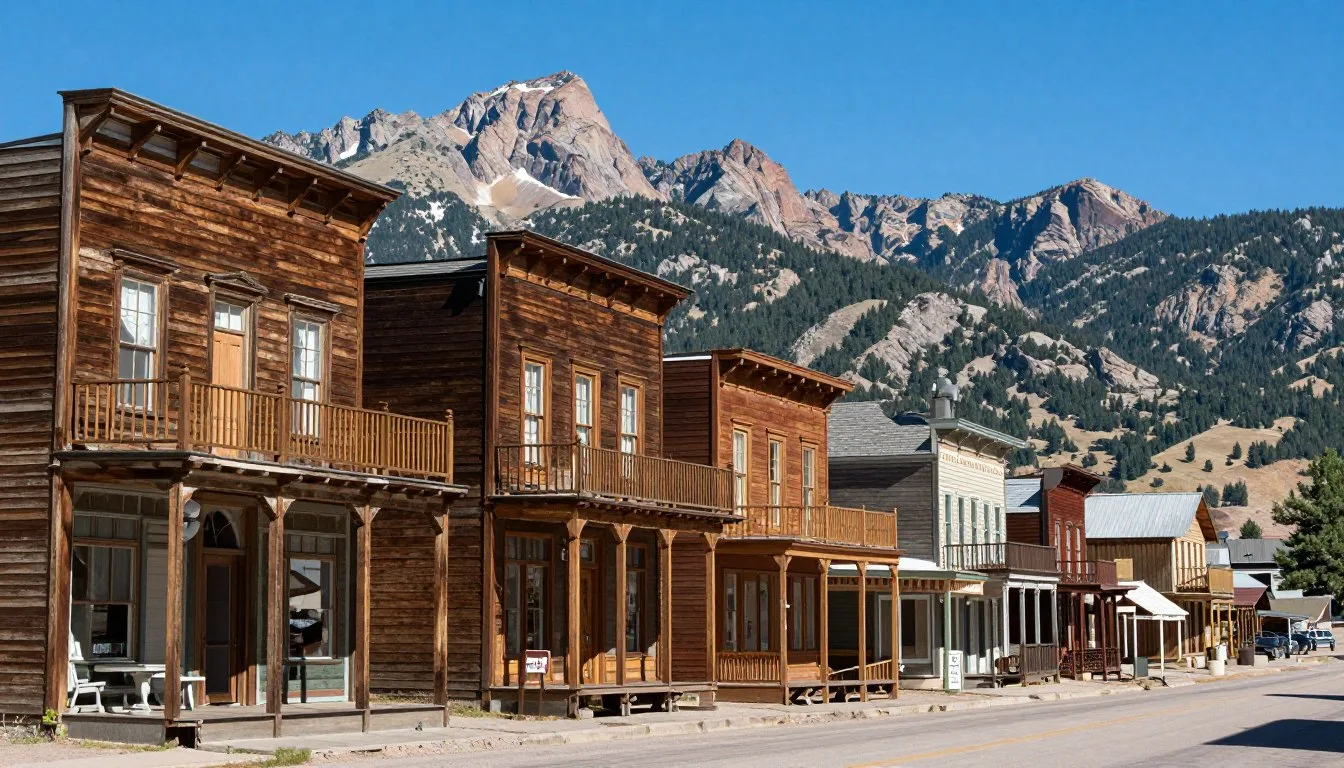
Idaho Springs preserves rich gold mining history dating to 1859. The town grew during Colorado’s first major gold rush. Several buildings on Main Street date to the Victorian era and feature period architecture.
The Heritage Museum and Visitor Center occupies a historic building downtown. Exhibits detail mining techniques, pioneer life, and local geology. Admission is free, though donations support operations.
Mining History
The Phoenix Gold Mine offers underground tours of an actual working mine. Guides explain gold extraction methods and local geology. Tours last approximately one hour. You can try gold panning after the tour.
Argo Gold Mine and Mill operated from 1913 to 1943. Today it functions as a museum showcasing mining equipment and processing techniques. The Double Eagle Gold Mine provides similar historic mining experiences.
Annual Events
Gold Rush Days celebration occurs each August in Idaho Springs. The weekend festival includes mining competitions, live music, food vendors, and historical reenactments. Main Street closes for festivities.
The town hosts a Christmas Market in December and Fourth of July parade. These community events showcase mountain town culture and hospitality.
Safety, Etiquette and Local Customs
Altitude Sickness Prevention
Acute mountain sickness affects many visitors above 2,438 m (8,000 ft). Symptoms include headache, nausea, dizziness, and fatigue. These typically develop six to twelve hours after ascending.
Ascend gradually when possible. Spend time at elevations around Echo Lake before driving to the summit. Drink water constantly. Dehydration worsens altitude effects significantly.
Descend immediately if symptoms worsen or fail to improve. Severe altitude sickness can become life-threatening. Moving to lower elevations provides the only reliable treatment.
Individuals with heart or lung conditions should consult physicians before ascending. The reduced oxygen stresses cardiovascular systems. Even healthy people may struggle with the thin air.
Weather Safety
Lightning kills more people in Colorado mountains than any other weather hazard. Afternoon thunderstorms develop regularly during summer. Get off exposed ridges and peaks by noon.
If caught in a storm above treeline, avoid isolated trees and tall objects. Crouch low in depressions with feet together. Do not lie flat on the ground. Get inside your vehicle if possible.
Hypothermia risks exist year-round at the summit. Temperatures can drop rapidly when clouds move in. Always pack warm layers, even on sunny July days.
Wildlife Etiquette
Never feed wildlife. Human food harms animals and creates dangerous behavior patterns. Maintain at least 46 m (150 ft) from mountain goats and bighorn sheep. These animals can become aggressive if approached.
Mountain goats sometimes lick rocks and dirt for minerals. They may approach vehicles seeking salt from tires and undercarriages. Do not encourage this behavior by offering food or standing too close.
Leave No Trace
Pack out all trash, including small items like fruit peels and sunflower seed shells. These items take years to decompose at high altitude. Carry reusable water bottles rather than disposables.
Stay on established trails to protect fragile alpine plants. The short growing season means damaged vegetation requires decades to recover. Step aside onto rocks rather than plants when yielding trail.
Restrooms exist at Summit Lake Park and Echo Lake Park. Use these facilities rather than nature. If absolutely necessary to go outdoors, move at least 61 m (200 ft) from water sources and trails.
Driving Safety
Use low gears when descending the paved road north to prevent brake overheating. Pull over at designated areas to let faster traffic pass. Watch for bicyclists around blind curves.
The highest paved road demands full attention. Avoid distractions and maintain safe speeds. Many curves lack guardrails with significant drop-offs beyond the shoulder.
Visitor Comments About Mount Blue Sky
“The drive itself was half the adventure. We spotted bighorn sheep and mountain goats before even reaching the top. The summit views took my breath away—literally, because of the altitude! Plan more time than you think you’ll need because you’ll want to stop constantly.”
Check 30,000+ Local Sightseeing Tours Worldwide
✓ Numerous languages and currencies are available
“I was nervous about altitude sickness, but taking it slow made all the difference. We spent an hour at Echo Lake before continuing upward. The bristlecone pine forest at Mount Goliath was unexpectedly amazing. Those ancient trees put everything in perspective.”
“Start early! We arrived at 7 AM and had the summit nearly to ourselves for the first hour. By 10 AM, crowds arrived and parking filled completely. The sunrise colors on the peaks were absolutely worth the early wake-up call. An unforgettable experience.”
Additional Nearby Destinations
Georgetown
This Victorian-era mining town sits 24 km (15 miles) from the mountain base. The Historic Georgetown Loop Railroad offers scenic rides through the mountains. Silver Plume, the neighboring town, connects via this vintage steam train.
Georgetown’s downtown features galleries, antique shops, and restaurants in preserved 1880s buildings. The town hosts summer concerts and festivals. It provides excellent access to hiking trails and scenic drives.
Clear Creek Canyon
This dramatic canyon follows Highway 6 between Golden and Idaho Springs. Towering granite walls attract rock climbers from worldwide. Clear Creek flows through the canyon, offering gold medal fishing waters.
Numerous pullouts provide access to the creek and climbing routes. The canyon road delivers spectacular views without the altitude challenges of higher destinations.
Loveland Pass
Located 29 km (18 miles) west, Loveland Pass reaches 3,655 m (11,990 ft). The Continental Divide crossing offers stunning views with easier access than Mount Blue Sky. The pass stays open year-round, weather permitting.
Winter brings backcountry skiing opportunities. Summer wildflowers carpet the alpine meadows. The summit provides a taste of high-altitude experience without the long drive.
Rocky Mountain National Park
Colorado’s premier national park lies 97 km (60 miles) northwest. Trail Ridge Road, another highest paved road contender, crosses the park at 3,713 m (12,183 ft). Estes Park serves as the gateway town.
The park encompasses 109,985 hectares (265,807 acres) of mountains, lakes, and wilderness. Elk, moose, and bears roam the valleys and forests. Plan at least a full day to experience park highlights.
Practical Travel Tips
Essential Packing List
- Warm layers including fleece or insulated jacket
- Rain gear and windbreaker
- Sunscreen with SPF 50+ (UV radiation increases at altitude)
- Sunglasses and hat for intense sun exposure
- At least 3 liters of water per person
- High-energy snacks and lunch
- Camera with extra batteries (cold drains power quickly)
- Basic first aid kit including pain relievers for headaches
Cost Considerations
Accessing Mount Blue Sky requires a recreation fee. Daily vehicle passes cost approximately $15. Annual passes provide unlimited access and represent better value for multiple visits.
Fees support road maintenance, restroom facilities, and resource protection. Purchase passes at entrance stations or online before your trip. Payment by credit card or cash is typically accepted.
Cell Phone Service
Cell coverage is spotty to nonexistent throughout most of the route. Verizon provides the most reliable service, though even this carrier has gaps. Download maps and directions before leaving Denver or Idaho Springs.
Consider this lack of connectivity when planning. Inform someone of your itinerary and expected return time. Emergency situations become more serious without communication ability.
Accessibility
The summit parking area is the only truly accessible location. Restrooms at Summit Lake Park meet accessibility standards. The summit trail gains significant elevation over rough terrain unsuitable for wheelchairs.
Visitors with mobility limitations can drive to the summit parking lot for spectacular views without hiking. Several pullouts along the scenic byway offer viewing opportunities from vehicles.
Pets
Dogs are permitted but must remain on leash at all times. The high altitude affects pets similarly to humans. Bring extra water for animals and watch for signs of distress.
Hot pavement can burn paw pads. The thin air makes exercise more difficult for dogs. Consider leaving pets at lower elevations for their safety and comfort.
Time Management
Budget a minimum four hours for the round trip from Idaho Springs, including time at the summit. Full-day visits allow exploration of multiple stops and hiking opportunities.
Factor in traffic during peak season. The narrow road causes delays when vehicles meet at tight spots. Weekend traffic can add an hour to travel time each direction.
Your Peak Colorado Adventure Awaits
Mount Blue Sky stands as one of Colorado’s most accessible high-altitude destinations. The highest paved road in North America delivers you to alpine environments typically requiring days of backpacking. Few places let you drive to 4,348 m (14,264 ft) and experience the thin air where condors soar.
Your journey through five ecological zones reveals Colorado’s incredible natural diversity. Ancient bristlecone pines give way to alpine tundra. Mountain goats navigate impossible cliffs while bighorn sheep survey their domain. Each switchback unveils new vistas across the Front Range.
Remember that this mountain demands respect. Weather shifts quickly and altitude affects everyone differently. Start early, pack smart, and listen to your body. The summit mount rewards preparation with memories lasting far longer than any photograph can capture.
Whether you spend two hours or a full day, Mount Blue Sky offers perspectives found nowhere else in Colorado. The road to the clouds beckons. Your high-altitude adventure begins where the pavement ends and the sky begins.