Hotels by Trip.com
Flights by Trip.com
Standing at 4,354 m (14,286 feet), Mount Lincoln ranks as Colorado’s eighth highest peak and welcomes over fifteen thousand summit attempts annually. Yet here is the surprising part: despite its popularity among the state’s famous 14ers, nearly forty percent of hikers turn back before reaching the top due to sudden weather changes and underestimating the trail difficulty. This mountain demands respect, preparation, and proper timing.
Mount Lincoln sits in the heart of the Mosquito Range, offering one of the most accessible yet challenging 14er experiences in Colorado. The peak connects to neighboring summits through dramatic ridgelines. Weather patterns shift rapidly above the treeline.
This comprehensive guide reveals everything you need to know about visiting Mount Lincoln Colorado. From the best hiking routes starting at Kite Lake to essential weather patterns, lodging options, and safety protocols, you will find practical details that transform a risky adventure into a memorable achievement.
Getting There & Planning Your Journey
Reaching Mount Lincoln requires careful planning since the trailhead sits far from major airports. Most visitors fly into Denver International Airport, located approximately 161 km (100 miles) northeast of the mountain. This major hub offers connections from cities worldwide.
Colorado Springs Airport provides an alternative gateway about 129 km (80 miles) southeast of Mount Lincoln. This smaller facility serves travelers preferring a quieter arrival experience. Both airports offer rental car services essential for mountain access.
The drive from Denver takes roughly two and a half hours along US-285 South through the stunning South Park basin. Road conditions vary significantly by season. Summer months provide the easiest access while winter completely closes the final approach roads.
Road Access Details
From Fairplay, you will follow County Road 18 toward Kite Lake. This rough dirt road demands high-clearance vehicles. The final 11 km (7 miles) feature steep grades and loose rock surfaces. Standard sedans cannot safely navigate this route.
Four-wheel drive capability becomes necessary during wet conditions when the road turns muddy. Early morning starts help avoid afternoon thunderstorms that make driving treacherous. The road typically opens by late June and closes again in October.
Important Access Information: The road to Kite Lake Trailhead crosses private property in several sections. Please respect all posted signs and stay on designated routes. Public access depends on maintaining good relationships with landowners.
Permits and Regulations
No permits are required for day hiking Mount Lincoln. The trail passes through Pike National Forest land where standard forest regulations apply. Overnight camping near Kite Lake requires following Leave No Trace principles strictly.
Parking at the Kite Lake Trailhead is free but extremely limited. The small lot fills completely by 6:00 AM on summer weekends. Arriving before dawn secures your spot and provides the safest weather window for summiting.
Best Time to Visit & Weather Tips

Mount Lincoln experiences extreme weather variability that catches unprepared hikers off guard. Understanding seasonal patterns and daily weather cycles proves essential for summit success and safety.
Check 30,000+ Local Sightseeing Tours Worldwide
✓ Numerous languages and currencies are available
Optimal Visiting Seasons
July through early September represents the prime hiking season for Mount Lincoln. During these months, snow coverage decreases significantly above the treeline. Trail conditions remain most stable and predictable.
Late June sees lingering snowfields that require ice axes and crampons. Early October brings the first significant winter storms. Between these bookends, summer provides the most accessible conditions for hiking this challenging peak.
Best Months to Visit
- July: Most stable weather patterns
- August: Warmest temperatures and minimal snow
- Early September: Fewer crowds and beautiful fall colors
- Weekdays in summer: Less competition for parking
Months to Avoid
- November through May: Deep snow and extreme cold
- June: Unpredictable snow conditions
- October: Early winter storms arrive suddenly
- Summer weekends: Overcrowded trails and parking
Daily Weather Patterns
Mountain weather follows predictable daily cycles during summer. Mornings typically start clear with calm conditions. By noon, clouds begin building over the peaks. Afternoon thunderstorms develop with alarming speed.
Lightning poses the greatest weather danger on Mount Lincoln. The exposed ridge and summit attract strikes during storms. A common weather pattern involves mostly clear conditions early, followed by a slight chance of snow showers developing after noon.
West northwest wind speeds average 16 to 24 km/h (10 to 15 mph) with gusts reaching 40 km/h (25 mph) near the summit. These winds intensify dramatically as storms approach. Wind chill becomes significant even during summer months.
Temperature Expectations
Summer temperatures at the Kite Lake Trailhead range from 4°C to 18°C (40°F to 65°F). Summit temperatures drop considerably, often hovering near 2°C to 10°C (35°F to 50°F) even on warm days.
Night temperatures at Kite Lake regularly drop below freezing. Morning starts require warm layers that you will shed as the day warms. The temperature difference between trailhead and summit can exceed 11°C (20°F).
Weather Rule for Summit Success: Plan to reach the summit by 11:00 AM and begin descending by noon. This schedule helps you avoid the most dangerous afternoon storm period when the chance of rain and snow showers increases dramatically.
Seasonal Weather Details
Winter conditions from November through April make Mount Lincoln extremely dangerous for all but the most experienced mountaineers. Deep snow covers the route entirely. Avalanche danger remains high throughout winter months.
Spring brings the highest avalanche risk as snowpack becomes unstable. Even experienced climbers avoid Mount Lincoln during May and early June. The slight chance of snow exists even during peak summer, with flurries possible any month.
Fall weather becomes increasingly unpredictable after mid-September. A chance of precipitation increases steadily. By October, winter storms can dump substantial snow with little warning. Many hikers underestimate how quickly conditions deteriorate.
Getting Around Locally

Transportation around Mount Lincoln differs significantly from typical tourist destinations. The remote location and rough roads require specific vehicle capabilities and careful planning.
Vehicle Requirements
High-clearance vehicles are mandatory for reaching Kite Lake Trailhead. The final approach road features large rocks, deep ruts, and steep sections that damage standard cars. Most rental agencies prohibit taking regular vehicles on these roads.
Four-wheel drive becomes essential during wet conditions or early season when snow patches remain. All-wheel drive vehicles with sufficient ground clearance manage dry conditions adequately. Check your rental agreement before attempting the drive.
Parking at Kite Lake
The Kite Lake parking lot accommodates roughly thirty vehicles when full. This limited capacity creates intense competition during peak season. Overflow parking along the road is prohibited and heavily enforced.
Arriving between 4:00 AM and 5:30 AM guarantees parking on summer weekends. By 7:00 AM, the lot reaches capacity and late arrivals must turn back. The lot sits at 3,749 m (12,300 feet) elevation where altitude affects some visitors immediately.
Parking Strategy: Plan overnight camping in nearby Fairplay or Alma if you cannot arrive before dawn. Starting your hike by 6:00 AM provides the best weather window and ensures you avoid afternoon storms on the exposed summit ridge.
Nearby Towns for Services
Fairplay, located 29 km (18 miles) from the trailhead, offers the nearest full services including gas stations, grocery stores, and restaurants. This historic mining town provides the last opportunity to purchase forgotten supplies.
Alma sits closer at just 16 km (10 miles) from Kite Lake. This tiny community has limited services but does feature a small store and cafe. Both towns offer significantly better cell phone coverage than the mountain.
Breckenridge lies 48 km (30 miles) northwest and provides extensive tourist infrastructure. Many visitors base themselves in this resort town and make day trips to Mount Lincoln. The drive takes approximately one hour each way.
Where to Stay
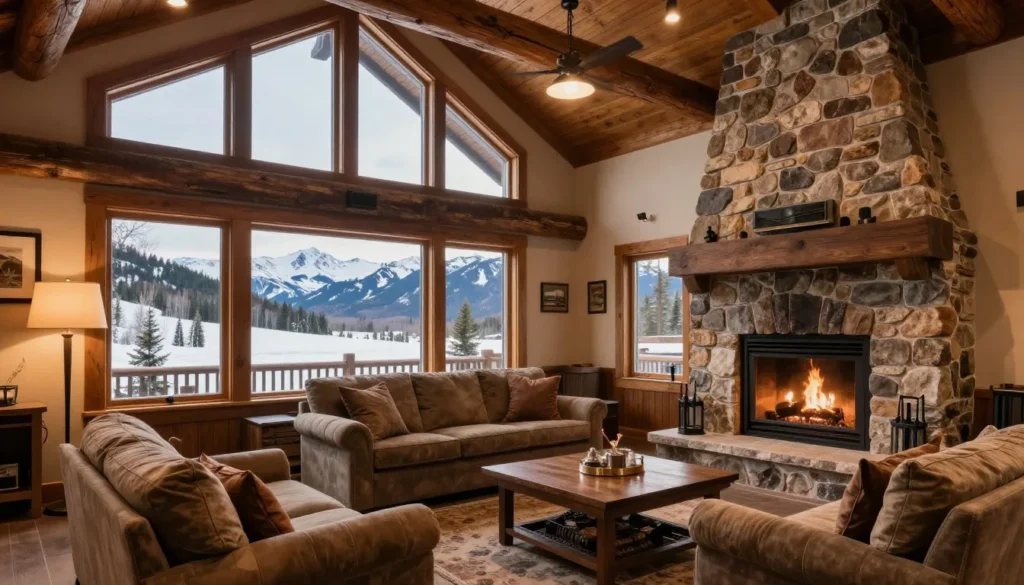
Lodging options near Mount Lincoln range from primitive camping to comfortable hotels in nearby towns. Your choice depends on desired comfort level, budget, and willingness to wake extremely early for the summit attempt.
Camping Near the Trailhead
Dispersed camping is permitted around Kite Lake following National Forest regulations. Several established sites sit near the parking area at extreme elevation. Camping here eliminates the predawn drive but exposes you to harsh conditions.
Temperatures at Kite Lake drop below freezing most nights, even during summer. Strong winds buffet exposed campsites regularly. The high elevation causes sleep difficulty for many people unaccustomed to altitude.
No facilities exist at Kite Lake. Campers must pack out all waste and follow strict Leave No Trace protocols. Water from the lake requires filtration or purification before drinking. Bears occasionally visit the area, making proper food storage essential.
Fairplay Accommodations
Fairplay offers several motels and inns providing comfortable rooms at reasonable prices. The town sits at 3,048 m (10,000 feet) elevation, helping with acclimatization before your summit attempt.
Local options include independent motels along the main highway and a few bed-and-breakfast establishments. Booking ahead proves essential during peak summer weekends when rooms fill quickly. Most properties offer early checkout for hikers.
Breckenridge Resort Area
Breckenridge provides the widest range of lodging from luxury hotels to budget motels. This popular ski resort town offers excellent dining, shopping, and entertainment after your Mount Lincoln adventure.
The trade-off involves leaving Breckenridge by 4:00 AM to reach Kite Lake for an early start. The one-hour drive through mountain darkness requires alertness and careful navigation. Many hikers prefer this option for comfort despite the early wake-up call.
Budget-Friendly Options
Fairplay and Alma provide the most economical lodging near Mount Lincoln. Small motels charge reasonable nightly rates. Free dispersed camping offers the ultimate budget option for properly equipped campers.
Several campgrounds operate along Highway 9 between Fairplay and Breckenridge. These developed sites provide amenities like restrooms and water while keeping costs low.
Premium Accommodations
Breckenridge hotels and resorts deliver full-service comfort with spas, restaurants, and mountain views. These properties cater to visitors wanting luxury alongside their outdoor adventures.
Some Breckenridge lodges offer specialized packages for 14er climbers including packed lunches, early breakfast, and late checkout for post-hike recovery.
Dining & Local Cuisine
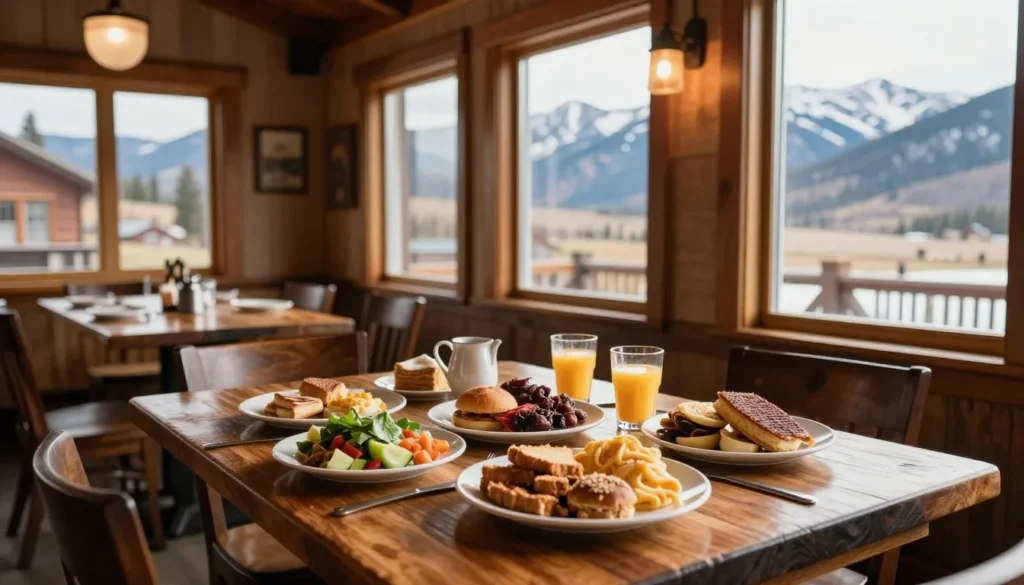
Dining options near Mount Lincoln reflect the area’s small-town character and mining heritage. Hearty mountain fare dominates menus, perfect for fueling challenging hikes and celebrating successful summits.
Fairplay Dining Scene
Fairplay features several family-owned restaurants serving classic American comfort food. Breakfast joints open early to accommodate hikers heading to the peaks. Expect large portions designed for hungry outdoor enthusiasts.
Local favorites include traditional diners offering pancakes, eggs, and strong coffee before dawn. These establishments understand the needs of 14er climbers and provide quick service. Many hikers stop here for a pre-climb breakfast.
Evening dining options range from pizza shops to steakhouses featuring locally-raised beef. The Brown Burro Cafe serves Mexican-American cuisine popular with locals and visitors alike. Most restaurants close by 9:00 PM reflecting the town’s early-rising culture.
Breckenridge Restaurant Variety
Breckenridge offers dramatically more dining variety with over one hundred restaurants. Options span from casual cafes to upscale establishments featuring creative Colorado cuisine. This resort town caters to sophisticated palates.
Several Breckenridge restaurants specialize in locally-sourced ingredients and craft cocktails. After conquering Mount Lincoln, many hikers reward themselves with excellent dinners at these higher-end spots. Reservations are recommended during peak season.
Trail Food and Preparation
Grocery stores in Fairplay and Breckenridge stock essential trail foods. Purchase high-energy snacks, electrolyte drinks, and easy-to-eat foods for your summit day. Starting your hike with a substantial breakfast prevents energy crashes.
Most successful summit attempts involve consuming four thousand to five thousand calories throughout the day. Pack more food than you think necessary. The combination of altitude, exertion, and cold temperatures increases caloric needs dramatically.
Hydration Priority: Drink at least three to four liters of water during your Mount Lincoln hike. High altitude dramatically increases dehydration risk. Many cases of “altitude sickness” actually result from inadequate hydration combined with elevation gain.
Attractions, Sightseeing & Activities
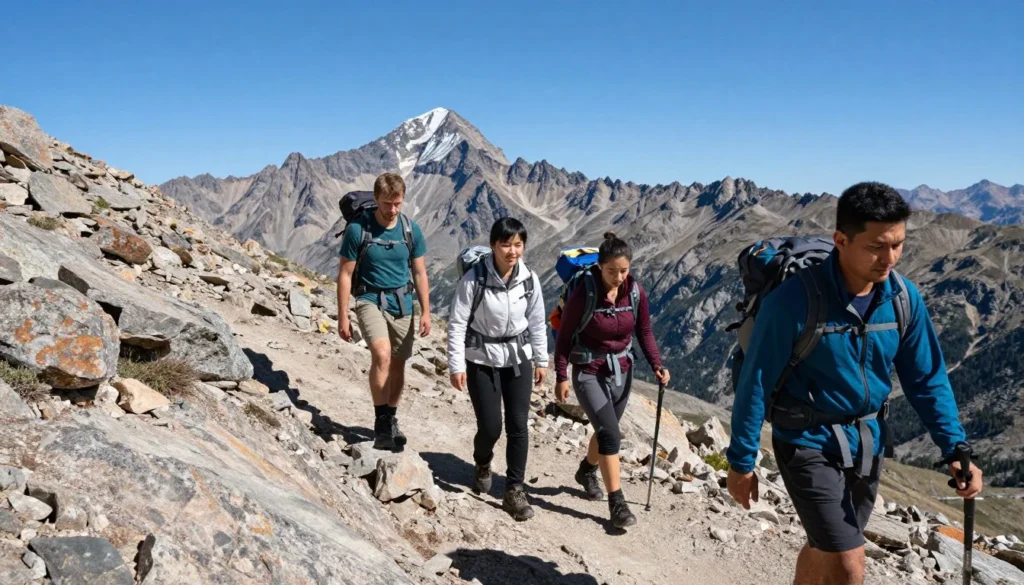
Mount Lincoln itself serves as the primary attraction, but the surrounding area offers numerous activities for outdoor enthusiasts. The combination of challenging climbs, scenic beauty, and historical significance creates a memorable destination.
The Standard Mount Lincoln Route
The standard route from Kite Lake Trailhead covers 10.5 km (6.5 miles) round trip with 1,128 m (3,700 feet) of elevation gain. This straightforward path follows an old mining road before ascending the northeast ridge to the summit.
Trail difficulty rates as Class 2 in climbing terms, meaning hikers encounter steep terrain and loose rock but no technical climbing. The route stays obvious throughout with good visibility. Allow six to eight hours for the complete round trip.
From the Kite Lake parking lot, the trail climbs gradually through alpine tundra. After roughly 1.6 km (1 mile), the path steepens significantly. The final push to the summit ridge tests endurance as the angle increases and altitude effects intensify.

Combining Multiple 14ers
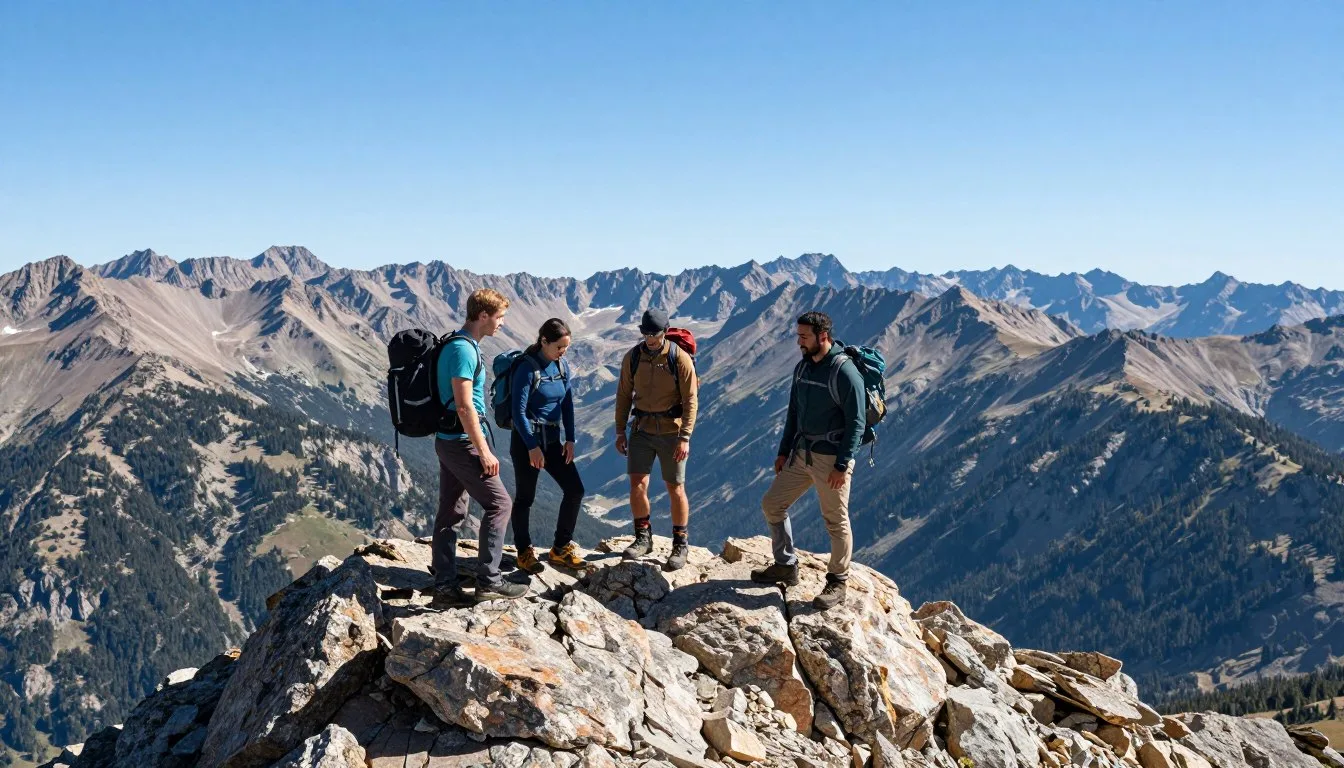
Experienced hikers often summit three or four 14ers in a single day from Kite Lake. Mount Democrat and Mount Cameron sit nearby, connected by ridge traverses. This challenging loop covers roughly 11 km (7 miles) with over 1,219 m (4,000 feet) of total elevation gain.
The multi-peak route requires excellent fitness, solid navigation skills, and perfect weather conditions. Most attempts begin well before sunrise to complete the circuit before afternoon storms. Only experienced 14er climbers should attempt this combination.
Photography Opportunities
Mount Lincoln provides spectacular photography at every elevation. Sunrise from the summit captures the entire Mosquito Range glowing orange and pink. The view stretches across South Park basin to distant peaks over 80 km (50 miles) away.
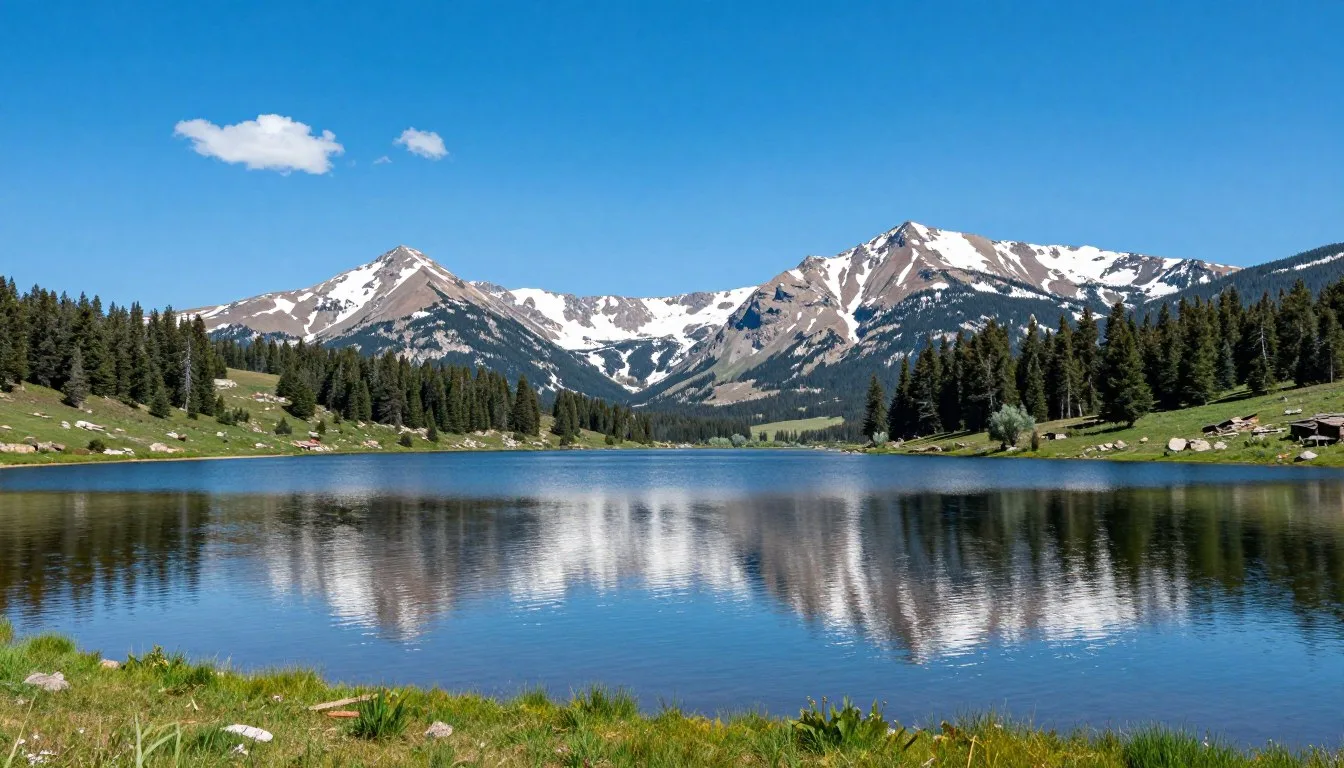
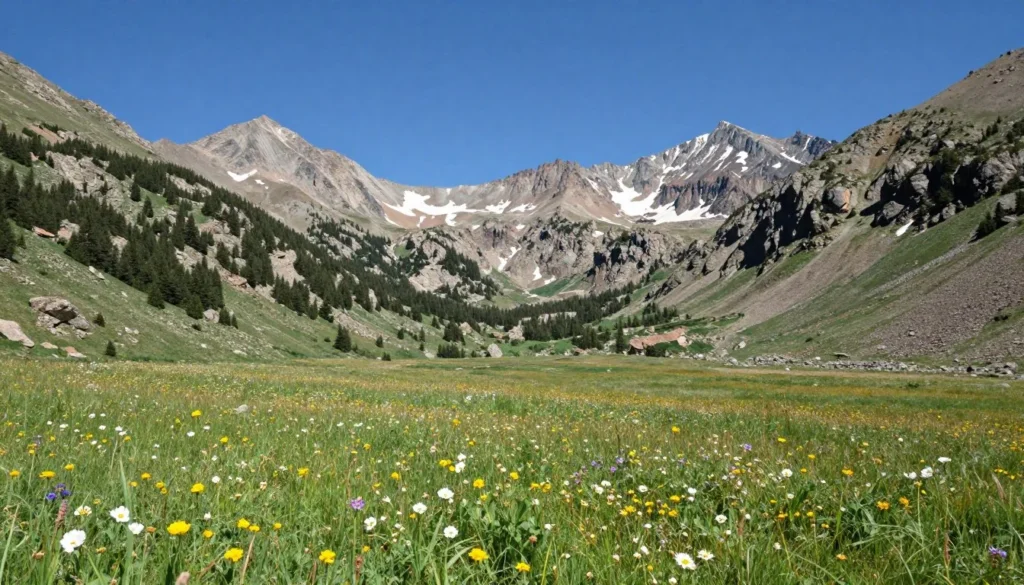
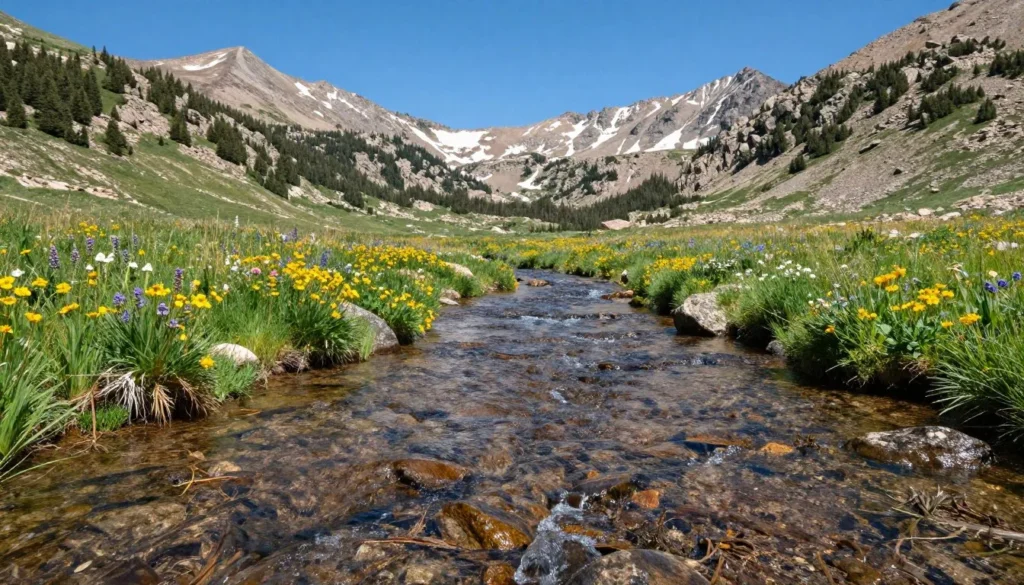
Wildflowers bloom prolifically in late July and early August around Kite Lake. Alpine forget-me-nots, columbines, and paintbrush create colorful foregrounds for mountain compositions. The high-altitude lake itself reflects surrounding peaks beautifully during calm mornings.

Historical Mining Remnants
Old mining structures dot the landscape around Mount Lincoln. The Mosquito Range experienced intensive mining activity during Colorado’s silver boom. Rusted equipment and collapsed cabin foundations tell stories of nineteenth-century prospectors.
The Moose Mine sits along the trail route, its deteriorating buildings offering glimpses into mining life. Do not enter any structures as they remain extremely dangerous. Observe from safe distances and leave all artifacts undisturbed.
Museums, Cultural Spots & Festivals
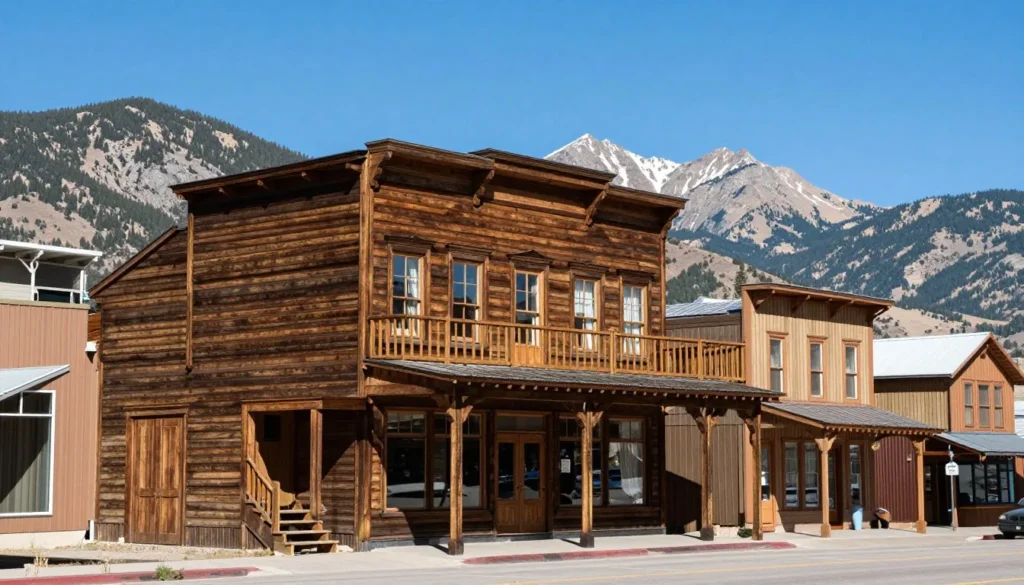
The region surrounding Mount Lincoln preserves rich mining heritage through museums and cultural sites. These attractions provide context for the landscape’s history and offer welcome rest days between climbing adventures.
South Park City Museum
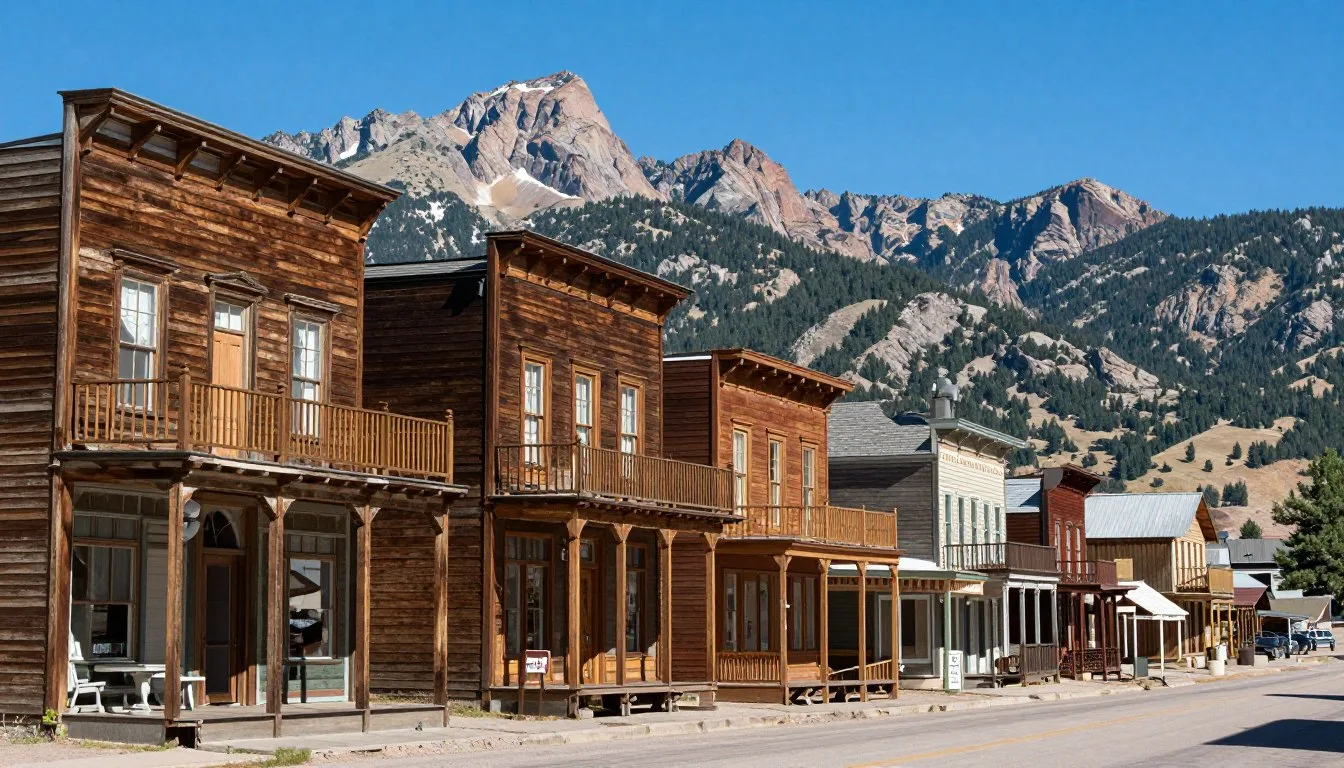
Located in Fairplay, South Park City recreates an 1880s Colorado mining town with over forty authentic buildings. This outdoor museum features original structures relocated from surrounding ghost towns. Visitors walk through furnished shops, homes, and businesses.
The museum collection includes mining equipment, period furnishings, and thousands of artifacts. Summer hours typically run from 9:00 AM to 5:00 PM daily. Winter closure lasts from October through April. Admission fees support preservation efforts.
Alma Foundation
Alma operates a small historical society preserving local mining history. The town itself, incorporated in 1873, holds the distinction of being America’s highest incorporated municipality at 3,158 m (10,361 feet) elevation.
Walking tours reveal remaining nineteenth-century buildings including false-front commercial structures. Information plaques describe Alma’s boom years when thousands of miners worked nearby claims. The compact downtown area preserves authentic mountain town atmosphere.
Summer Festivals
Fairplay hosts Burro Days each July, celebrating the pack animals essential to mining operations. This quirky festival features burro races where participants run alongside their stubborn partners. The event draws crowds for its unique blend of history and humor.
Breckenridge offers numerous summer festivals including art shows, music events, and food celebrations. The International Festival of Arts in August showcases over one hundred artists. These events provide entertainment for non-hiking companions or rest days.
Local Art Galleries
Several Fairplay galleries feature works by regional artists inspired by mountain landscapes. Paintings, photography, and sculptures capture the area’s dramatic scenery and mining heritage. Breckenridge maintains a thriving arts district with dozens of galleries.
Nature & Outdoor Experiences
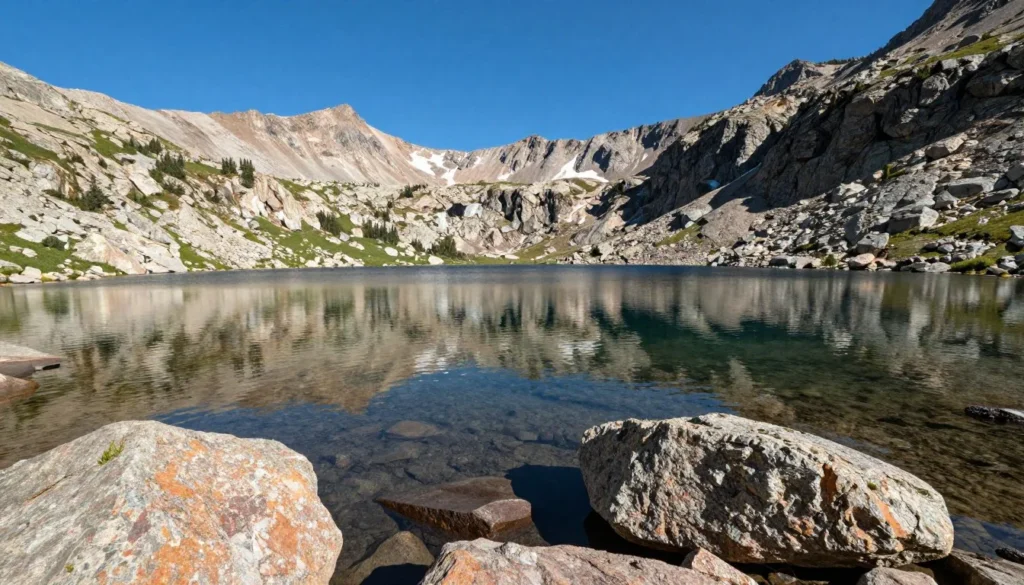
Beyond Mount Lincoln itself, the surrounding Pike National Forest and Mosquito Range offer countless outdoor recreation opportunities. This high-altitude environment supports unique ecosystems and provides adventures for all skill levels.
Additional Hiking Trails
The Kite Lake area serves as a basecamp for multiple 14er attempts. Mount Democrat, directly across from Mount Lincoln, offers a slightly easier summit option. The round trip covers 8 km (5 miles) with 823 m (2,700 feet) of elevation gain.
Mount Bross presents another nearby option, though access controversies occasionally close the route. Always verify current conditions and access permissions before attempting this peak. The summit provides excellent views across South Park.
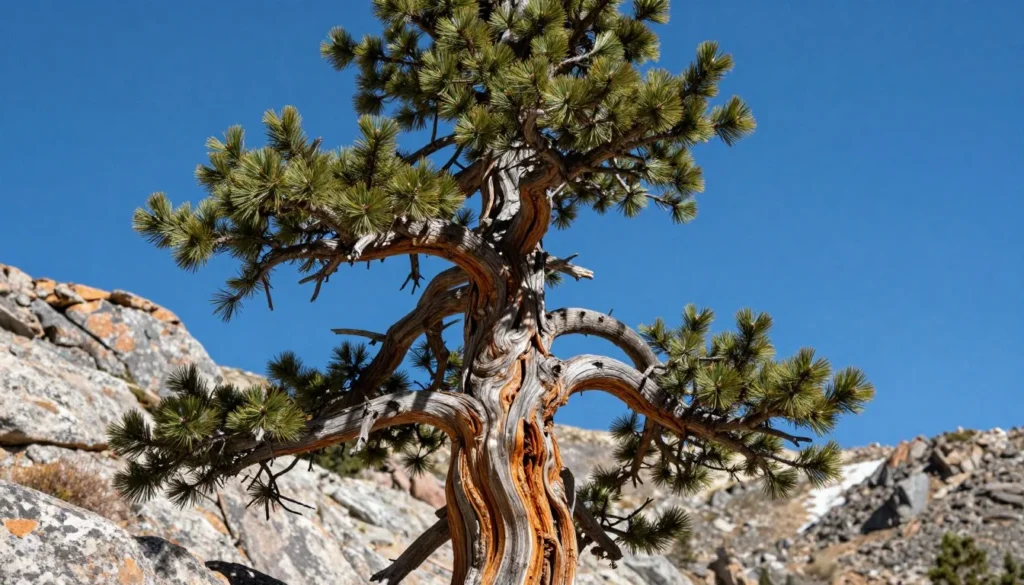
Lower-elevation trails around Fairplay accommodate those not ready for 14er challenges. The Bristlecone Pine Scenic Area protects ancient trees over a thousand years old. Gentle trails wind through these gnarled survivors at 3,353 m (11,000 feet).
Check 30,000+ Local Sightseeing Tours Worldwide
✓ Numerous languages and currencies are available
Wildlife Viewing
Mountain goats inhabit the rocky terrain around Mount Lincoln. These white mammals navigate impossibly steep cliffs with ease. Observe from distance to avoid disturbing them. Goats sometimes approach hikers seeking salt and minerals but feeding wildlife remains prohibited.
Marmots whistle from boulder fields throughout the alpine zone. These large rodents hibernate deep underground during winter months. Pika, small rabbit relatives, scurry among rocks collecting vegetation for winter storage.
Bighorn sheep occasionally cross the area though sightings remain less common than mountain goats. Elk inhabit lower elevations during summer, moving to valleys as winter approaches. Dawn and dusk offer the best wildlife viewing opportunities.
Fishing Opportunities
High-altitude lakes and streams contain brook, brown, and cutthroat trout. Kite Lake itself holds fish though challenging conditions limit angling success. Better fishing exists in streams below the mining district.
The Middle Fork of the South Platte River flows through Fairplay offering accessible fishing. A valid Colorado fishing license is required for all anglers over sixteen years old. Check current regulations regarding limits and tackle restrictions.
Photography and Nature Study
The alpine tundra ecosystem fascinates botanists and nature photographers. Tiny cushion plants grow inches tall after decades of slow growth. Extreme conditions create unique adaptations worth close observation.
Autumn transforms the tundra into burgundy carpets as plants prepare for winter. Mid-September through early October offers spectacular color displays. The brief growing season concentrates plant life cycles into just eight to ten weeks.
Safety, Etiquette & Local Customs

Mount Lincoln demands serious preparation and respect. The combination of high altitude, exposed terrain, and unpredictable weather creates genuine dangers. Following safety protocols and trail etiquette protects both you and the fragile alpine environment.
Altitude Acclimatization
Acute mountain sickness affects many visitors arriving from lower elevations. Symptoms include headache, nausea, fatigue, and dizziness. Spending at least one night above 2,438 m (8,000 feet) before attempting Mount Lincoln significantly reduces risk.
The Kite Lake Trailhead starts at 3,749 m (12,300 feet) where oxygen levels reach only sixty-three percent of sea level. Summit elevation of 4,354 m (14,286 feet) drops oxygen availability to just fifty-eight percent. This dramatic reduction challenges even fit individuals.
Ascending slowly, drinking excessive water, and avoiding alcohol helps adaptation. If altitude sickness symptoms worsen, descending immediately provides the only reliable cure. Never continue upward if experiencing severe headaches or confusion.
Lightning Safety Protocol
Lightning kills more hikers in Colorado mountains than any other hazard. The exposed Mount Lincoln summit offers zero protection when storms arrive. Understanding and following lightning safety rules proves absolutely essential.
Start your hike early enough to summit by 11:00 AM. Descend immediately if you observe building clouds, hear thunder, or feel static electricity. If caught above treeline during a storm, crouch low on insulating pads away from the highest points.
Weather forecasts help but conditions change rapidly. A slight chance of snow showers can quickly transform into dangerous thunderstorms. Watch the sky constantly during your ascent. Turn around at the first signs of deteriorating weather regardless of your position.
Critical Lightning Rule: If you can hear thunder, you are within striking distance. Descend immediately even if the summit sits just minutes away. Your life matters infinitely more than reaching the top. Mount Lincoln will wait for another day.
Essential Gear Requirements
Proper equipment prevents emergencies. Required items include navigation tools, sun protection, insulation layers, illumination, first aid supplies, fire starting ability, repair kit, nutrition, hydration, and emergency shelter.
The “Ten Essentials” system ensures you can handle unexpected situations. Even on perfect weather days, carry extra clothing layers and emergency bivvy sack. Afternoon storms drop temperatures dramatically. Wind chill creates hypothermia risk even during summer.
Trail Etiquette
Yield to uphill hikers who work harder maintaining momentum. Step aside on narrow sections to allow faster groups to pass. Keep groups small to minimize trail impact and congestion. Large parties create bottlenecks on narrow ridge sections.
Pack out all trash including organic waste like apple cores and orange peels. The alpine environment lacks decomposing organisms found at lower elevations. Food waste persists for years damaging the fragile ecosystem.
Respecting Private Property
The road to Kite Lake crosses private land in several places. Public access depends on landowner goodwill. Stay strictly on designated routes. Do not trespass on marked private property. Poor behavior by a few individuals threatens access for all future visitors.
Mining claims remain active in the area. Respect all closure signs and barriers. Contaminated water from old mines poses health hazards. Never drink from streams near mining operations without proper purification.
Leave No Trace Principles
The alpine tundra recovers extremely slowly from damage. A single footstep off-trail can kill plants requiring decades to regrow. Stay on established paths even when muddy or snow-covered. Cutting switchbacks accelerates erosion.
Human waste must be packed out or buried in catholes at least 15 cm (6 inches) deep and 61 m (200 feet) from water sources. Used toilet paper should be packed out in sealed bags. Some climbers carry WAG bags for complete waste removal.
Visitor Comments About Mount Lincoln

“The altitude hit me harder than expected, but the summit views made every labored breath worthwhile. Starting at 5:00 AM proved essential. We summited at 10:30 and watched storm clouds roll in just as we began descending. The weather changes frighteningly fast up there. Bring layers even when the forecast looks perfect.”
“My third 14er and definitely the most challenging yet rewarding. The trail itself stays straightforward, but the elevation gain and thin air tested my fitness thoroughly. We combined Lincoln with Democrat in a single push. That ridge traverse between peaks ranks among the most spectacular mountain scenery I have experienced anywhere. Absolutely recommend spending a night in Fairplay first to acclimatize.”
“Came prepared with all the recommended gear after reading multiple trip reports. Smart decision because conditions changed dramatically during our descent. What started as a perfect blue sky morning turned windy and cold by noon. The northwest wind gusts near the summit were intense. Saw several groups turning back due to weather. The mountain demands respect. Start early, move efficiently, and don’t hesitate to turn around if conditions deteriorate.”
Additional Nearby Destinations
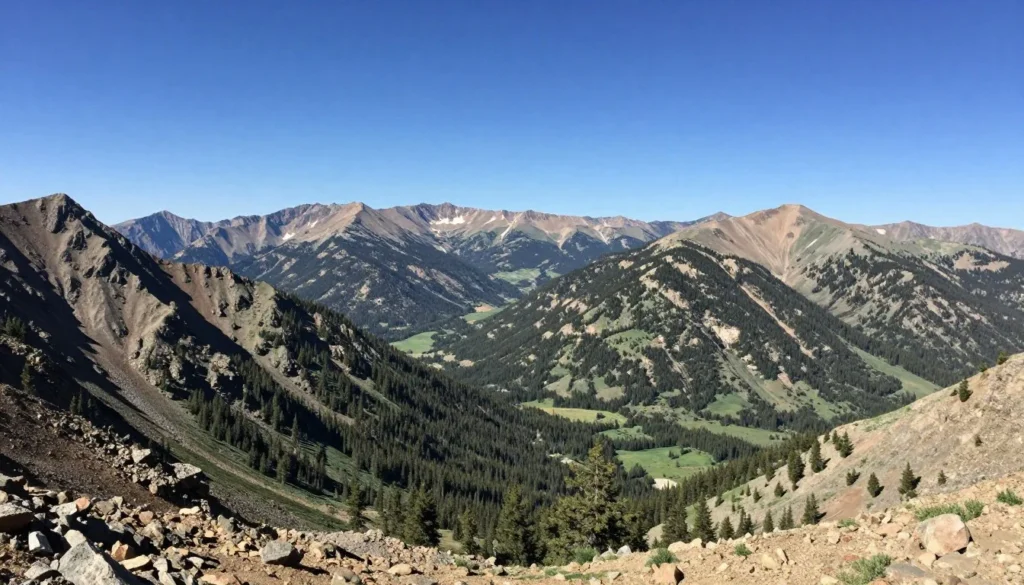
Mount Lincoln sits within easy reach of numerous other attractions. Extending your trip allows exploration of Colorado’s remarkable mountain environment while providing rest days between challenging climbs.
Breckenridge Resort Town
Breckenridge transforms from winter ski destination to summer mountain playground. The historic downtown features Victorian architecture, art galleries, and exceptional restaurants. A free gondola carries visitors to mountain hiking trails and scenic overlooks.
Mountain biking trails of all difficulty levels spider across the surrounding peaks. The Breckenridge Bike Park offers lift-accessed downhill runs. Gentler paths follow old mining roads through wildflower meadows.
Quandary Peak
This 4,348 m (14,265 foot) summit near Breckenridge provides another accessible 14er option. The standard route from Quandary Trailhead covers 10.9 km (6.8 miles) round trip. Many hikers tackle Quandary as a warm-up before attempting Mount Lincoln.
Quandary’s eastern slopes offer slightly easier terrain than Mount Lincoln. The peak receives heavy traffic during summer weekends. Weekday visits provide more solitude and easier parking.
Leadville and Turquoise Lake
Historic Leadville, America’s highest incorporated city at 3,094 m (10,152 feet), preserves Victorian-era architecture and mining history. Museums detail the town’s boom years when silver mines produced tremendous wealth.
Turquoise Lake sits just west of Leadville surrounded by pine forests and mountain peaks. This reservoir covers 728 hectares (1,800 acres) offering camping, fishing, and paddling opportunities. The scenic loop drive provides easy access to mountain views.
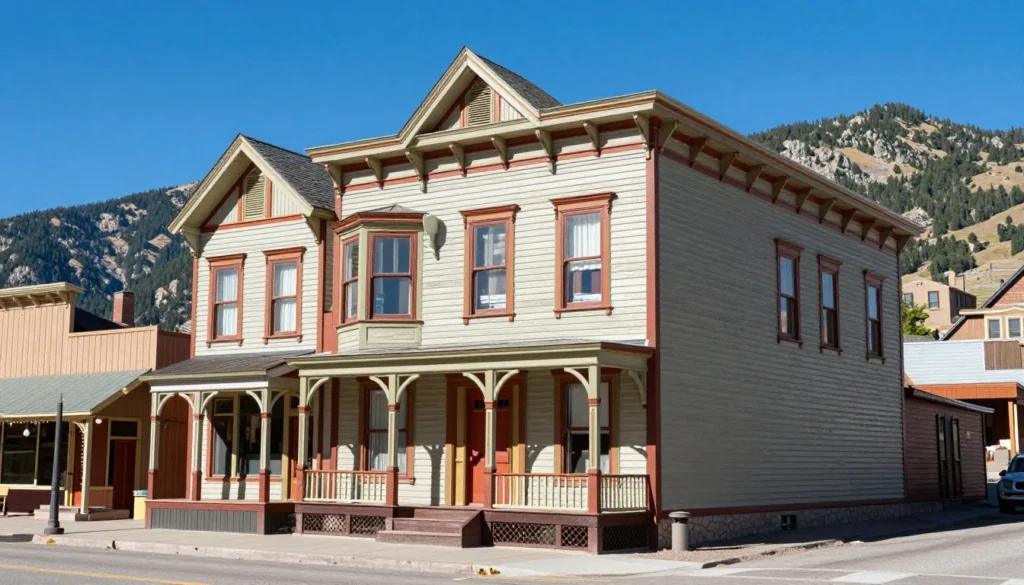
South Park Basin
This broad high-altitude valley inspired the famous television show’s name. The basin stretches for miles, surrounded by mountain ranges. Antelope and elk herds roam the grasslands. The vast open space provides striking contrast to dense forests elsewhere.
Several dirt roads cross the basin accessing remote trailheads and ghost towns. High-clearance vehicles open exploration possibilities. The isolation and wide-open views attract photographers and wildlife watchers.
Additional 14ers
The Mosquito Range contains several other 14,000-foot peaks accessible from various trailheads. Mount Sherman provides the easiest summit in the range, achievable by most fit hikers. Mount of the Holy Cross, visible from Mount Lincoln, requires a much longer approach.
Serious peak-baggers work through the Colorado 14ers systematically. The state contains fifty-eight named peaks exceeding 4,267 m (14,000 feet). Climbing all ranks among mountaineering’s classic challenges.
Practical Travel Tips

Successful Mount Lincoln adventures depend on thorough preparation and smart planning. These practical tips help maximize safety and enjoyment while minimizing common mistakes that derail summit attempts.
Physical Preparation
Train for at least six to eight weeks before attempting Mount Lincoln. Focus on cardiovascular endurance through hiking, running, or stair climbing. Build leg strength with weighted pack walks. The combination of altitude and distance challenges even experienced athletes.
Practice hiking at elevation if possible. Day hikes on easier trails help your body adjust to thin air. If arriving from sea level, spend at least two nights above 2,438 m (8,000 feet) before summit day.
Gear Checklist
- Sturdy hiking boots broken in before your trip
- Moisture-wicking base layers and insulating mid-layers
- Waterproof and windproof jacket and pants
- Warm hat, sun hat, and gloves
- Trekking poles for stability on loose rock
- Sunglasses and SPF 50 sunscreen
- Three to four liters of water carrying capacity
- High-energy snacks and lunch
- Headlamp with fresh batteries
- First aid kit including blister treatment
- Map, compass, or GPS device
- Emergency shelter and fire starter
Weather Monitoring
Check forecasts from multiple sources before your climb. The National Weather Service provides specific mountain forecasts. Understand that all forecasts become less reliable for high peaks where conditions change rapidly.
Mountain-forecast.com offers elevation-specific predictions useful for planning. Even slight chance precipitation warnings deserve serious consideration. Weather that seems manageable at lower elevations becomes dangerous above treeline.
Cell Phone Coverage
Cell service around Mount Lincoln remains spotty and unreliable. Most carriers provide no coverage at Kite Lake or on the mountain itself. Fairplay has adequate coverage for pre-trip coordination and post-trip communications.
Satellite communication devices provide peace of mind for solo hikers or groups wanting emergency contact ability. Personal locator beacons can summon rescue but should only be activated for genuine emergencies.
Emergency Contacts: Park County Sheriff: 719-836-4121. Nearest hospital: St. Anthony Summit Medical Center in Frisco, approximately 56 km (35 miles) from Kite Lake. In true emergencies, dial 911 though response times to remote locations can exceed one hour.
Cost Considerations
Climbing Mount Lincoln requires minimal fees beyond transportation, lodging, and food. No permits or entrance fees apply. Budget for gas including the extra fuel needed at high altitude where engines run less efficiently.
Accommodation costs vary from free camping to expensive Breckenridge hotels. Mid-range motels in Fairplay charge fifty to one hundred dollars nightly during summer. Restaurant meals range from inexpensive diner breakfasts to upscale Breckenridge dinners.
Best Resources
The website 14ers.com provides invaluable trip reports from recent climbers. Reading current conditions helps identify snow coverage, trail status, and weather patterns. Trip reports often mention parking availability and road conditions.
Colorado Avalanche Information Center posts snow conditions and avalanche forecasts essential for shoulder season attempts. Follow their guidance strictly when any snow coverage exists.
Photography Tips
Sunrise photography requires summiting in darkness using headlamps. The first light hitting peaks creates brief magical conditions worth capturing. Bring extra batteries as cold drains power quickly.
Polarizing filters reduce glare from snow and enhance sky colors. Wide-angle lenses capture expansive mountain vistas. Protect cameras from dust and sudden weather changes with weatherproof bags.
Solo Versus Group Climbing
Solo hiking provides flexibility and solitude but increases risk significantly. Without companions, injuries or altitude sickness become far more dangerous. Many experienced mountaineers still prefer partners for Colorado 14ers.
Group climbs offer safety, motivation, and shared experience. Keep groups under five people to minimize trail impact and maintain reasonable pace. Larger parties struggle with coordination and slow considerably.
Mount Lincoln Location
Interactive map showing Mount Lincoln’s location in the Mosquito Range of Colorado
Summit Dreams Await
Mount Lincoln stands ready to test your determination and reward your efforts with memories lasting a lifetime. This magnificent peak combines accessibility with genuine challenge, offering an authentic Colorado 14er experience.
The thin air, rocky trails, and unpredictable weather demand respect and preparation. Yet thousands successfully summit each year, returning with stories of personal triumph and breathtaking alpine beauty. Your careful planning transforms potential dangers into manageable challenges.
Whether Mount Lincoln becomes your first 14er or another entry in a growing list, the mountain promises an adventure worthy of the effort. Start early, pack smart, watch the weather, and embrace the journey. That summit awaits your arrival on the next perfect Colorado morning.