Hotels by Trip.com
Flights by Trip.com
Did you know that Ouzel Falls was named after the American Dipper, a remarkable bird that actually walks underwater along streambeds hunting for insects? This amazing waterfall in Rocky Mountain National Park drops dramatically into a narrow gorge, fed by waters that have traveled through some of Colorado’s most pristine wilderness. The trail leading to this stunning cascade passes through forests that were devastated by a 1978 wildfire, creating a living laboratory where you can witness nature’s incredible power of regeneration.
Located in the Wild Basin area of Rocky Mountain National Park, Ouzel Falls offers visitors a rewarding hike through diverse mountain ecosystems. The waterfall itself plunges over moss-covered rocks into a pool surrounded by towering evergreens and weathered boulders.
This comprehensive guide will help you plan an unforgettable trip to Ouzel Falls. Whether you’re an experienced hiker or a first-time visitor to the Rocky Mountains, you’ll find everything you need to know about reaching this spectacular waterfall, exploring the surrounding area, and making the most of your mountain adventure.
Getting There & Planning Your Journey
Reaching Ouzel Falls in Rocky Mountain National Park requires some planning. The waterfall sits in the Wild Basin area on the park’s southeast side. This location offers a quieter alternative to the busier Bear Lake corridor.
Closest Airports
Denver International Airport (DEN) serves as the primary gateway for visitors. Located approximately 161 km (100 miles) from the Wild Basin trailhead, the airport offers connections from cities worldwide. The drive takes about two hours under normal conditions.
Alternatively, you can fly into Northern Colorado Regional Airport in Fort Collins. This smaller facility sits roughly 113 km (70 miles) from Wild Basin. While offering fewer flight options, it provides a less congested arrival experience.
Reaching Wild Basin Trailhead
From Denver, take Interstate 25 north to Colorado Highway 66 west. Continue to Lyons, then follow Highway 7 south toward Allenspark. Watch for Wild Basin Road on your left, marked with clear signage. The road climbs 4 km (2.5 miles) to reach the trailhead parking lot.
During summer months, arrive before 8:00 AM to secure parking. The lot fills quickly on weekends. Winter access requires attention to road conditions, as Wild Basin Road may close temporarily after heavy snowfall.
Call the Rocky Mountain National Park Visitor Information line above for current road conditions and parking availability before your trip.
Timed Entry Permits
Rocky Mountain National Park requires timed entry permits from late May through mid-October. Reserve your permit online at least one day in advance. Wild Basin has its own entrance, so you need a Wild Basin-specific permit or a park-wide reservation.
The park entrance fee applies year-round. A seven-day vehicle pass costs $30 in 2024. Annual passes and America the Beautiful passes also work here.
Best Time to Visit & Weather Tips

Best Time to Visit Ouzel Falls
Late June through September offers the best conditions for hiking to Ouzel Falls. During these months, the trail remains mostly snow-free and accessible. Water flow peaks in June and early July when snowmelt reaches its maximum.
Recommended Months
- July and August – Warmest weather, most reliable trail conditions, abundant wildflowers near Calypso Cascades
- September – Fewer crowds, pleasant temperatures, golden aspen colors, stable weather patterns
- Late June – Maximum water flow, cooler temperatures, possible afternoon thunderstorms
Months to Consider Carefully
- October through May – Snow and ice cover the trail, requiring microspikes or snowshoes, winter navigation skills essential
- Early June – Unpredictable conditions, possible snow patches, muddy trail sections, limited services
- Spring – Avalanche danger in some areas, rapidly changing weather, road access may be restricted
Weather Patterns
Mountain weather changes quickly in Rocky Mountain National Park. Summer afternoon thunderstorms develop regularly between noon and 4:00 PM. Start your hike early to reach the falls and return before storms arrive.
Check 30,000+ Local Sightseeing Tours Worldwide
✓ Numerous languages and currencies are available
Temperatures at the Wild Basin trailhead, sitting at 2,591 m (8,500 feet), range from 21°C to 27°C (70°F to 80°F) on summer days. Ouzel Falls sits at approximately 2,743 m (9,000 feet), where temperatures run 3°C to 6°C (5°F to 10°F) cooler.
Pack layers regardless of season. Morning starts can be chilly even in summer, with temperatures around 10°C (50°F). Bring rain gear, warm clothing, and sun protection. The elevation means stronger UV exposure than at lower elevations.
Notable Annual Festivals
While Wild Basin itself hosts no festivals, nearby Estes Park celebrates several events that enhance your visit:
- Estes Park Wool Market (early June) – Fiber arts festival featuring Colorado wool, spinning demonstrations, and mountain culture
- Longs Peak Scottish-Irish Highland Festival (September) – Traditional music, athletic competitions, Celtic heritage celebrations
- Elk Fest (late September to early October) – Celebrates the fall elk rut with bugling demonstrations and wildlife programs
For festival information and exact dates, contact Estes Park Events Complex at +1 (970) 586-6104.
Getting Around Locally
The Wild Basin area of Rocky Mountain National Park operates differently than the more developed parts of the park. No shuttle buses serve this region. Personal vehicles provide the primary transportation method.
Within Wild Basin
Once you park at the Wild Basin trailhead, hiking becomes your only option. The trails don’t allow bicycles or motorized vehicles. The road ends at the parking lot, making this a true wilderness experience.
The trail to Ouzel Falls covers 4.3 km (2.7 miles) one way. Most hikers complete the round trip in three to four hours, depending on pace and time spent at viewpoints. The path is well-maintained but rocky in sections.
Between Trailheads
Visiting other areas of Rocky Mountain National Park requires returning to your vehicle. The drive from Wild Basin to Bear Lake takes about 45 minutes. Trail Ridge Road, the park’s scenic highlight, lies approximately one hour from Wild Basin.
Estes Park, the main gateway town, sits 24 km (15 miles) from the Wild Basin entrance. This drive takes about 30 minutes on winding mountain roads. The town offers restaurants, shops, and additional lodging.
The Trail to Ouzel Falls

Trail Overview
The hike to Ouzel Falls begins at Wild Basin trailhead and follows a moderate route through recovering forest. The trail gains 305 m (1,000 feet) in elevation over its 4.3 km (2.7 mile) length. This steady climb challenges casual hikers while remaining accessible to anyone in reasonable physical condition.
The path is clearly marked throughout. Trail junctions have signs pointing toward Ouzel Falls, Calypso Cascades, and other destinations. You’ll cross several small streams on wooden bridges. The trail surface alternates between packed dirt and rocky sections.
Key Waypoints
Copeland Falls (0.5 km / 0.3 miles from trailhead)
This early waterfall makes a great warm-up destination or turnaround point for families with young children. The falls drop over a series of granite steps, creating multiple cascades. A short spur trail leads to a viewing area with benches.
Calypso Cascades (2.9 km / 1.8 miles from trailhead)
The trail steepens approaching Calypso Cascades. This impressive waterfall rushes through a narrow chute in the rock. The area earned its name from the Calypso orchids that bloom nearby in early summer. A bridge crosses North St. Vrain Creek just above the cascades.
Many hikers stop here, making Calypso Cascades more crowded than Ouzel Falls. The elevation gain to this point totals about 213 m (700 feet).
Ouzel Falls (4.3 km / 2.7 miles from trailhead)
Beyond Calypso Cascades, the trail continues through areas affected by the 1978 Ouzel Fire. Young lodgepole pines now grow among the standing dead trees. This regeneration process offers fascinating insights into forest ecology.
The final approach to Ouzel Falls involves some rocky terrain. The waterfall appears suddenly as you round a bend. Water plunges approximately 12 m (40 feet) over a cliff into a deep pool. The viewing area provides multiple vantage points, though no single spot captures the entire falls.
Trail Conditions and Difficulty
Rocky Mountain National Park rates this as a moderate hike. The elevation gain spreads relatively evenly across the distance. Expect to breathe harder than at sea level due to the altitude.
The trail can be muddy in early summer and after rainstorms. Rocks become slippery when wet. Tree roots cross the path in places, requiring attention to footing. Afternoon thunderstorms make the trail treacherous during electrical activity.
Winter hiking requires specialized gear and experience. Snow depth varies greatly from year to year. Microspikes or snowshoes become necessary, and route-finding skills prove essential when snow obscures the trail.
Where to Stay
Near Wild Basin
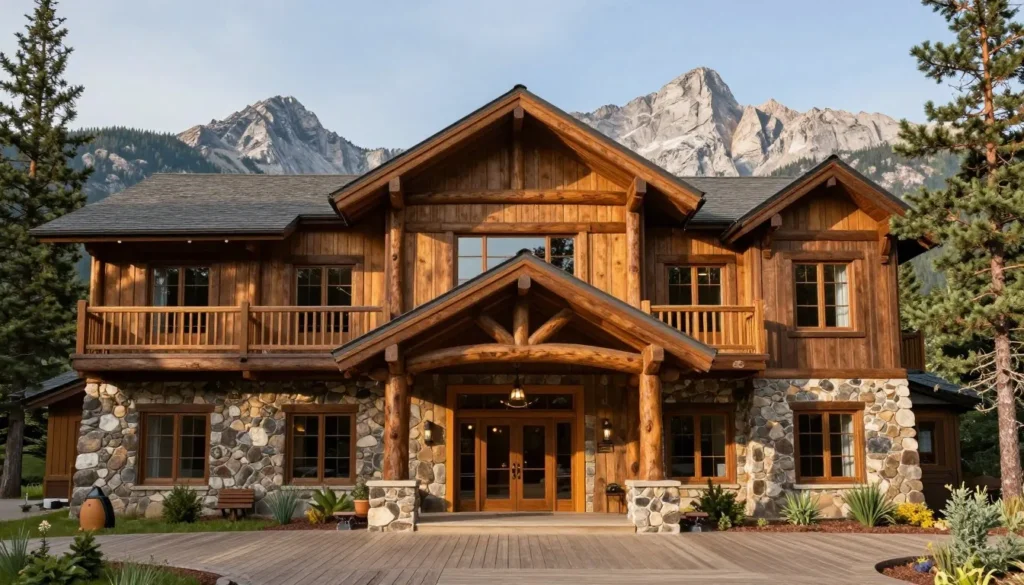
Accommodation options near Wild Basin remain limited. The area’s remote location means most visitors stay in Estes Park or nearby mountain communities. This distance from the trailhead requires early morning departures to secure parking.
Camping
Olive Ridge Campground on Highway 7 sits closest to Wild Basin Road. This Forest Service campground offers 56 sites among ponderosa pines. The location places you just 13 km (8 miles) from the Wild Basin entrance. Reservations open six months in advance through Recreation.gov.
Rocky Mountain National Park operates several campgrounds, though none directly serve Wild Basin. Moraine Park and Glacier Basin campgrounds in the main park area provide alternatives, though they add significant driving time to reach Wild Basin.
Backcountry camping requires a wilderness permit from Rocky Mountain National Park. Several designated sites exist in Wild Basin, including locations near Thunder Lake. These permits are competitive during summer months.
Lodges and Cabins
The historic Peaceful Valley Lodge near Allenspark offers cabins and lodge rooms. Located 16 km (10 miles) from Wild Basin, it provides a quiet alternative to busier Estes Park. The property includes a restaurant serving breakfast and dinner.
Several VRBO and Airbnb properties scatter throughout Allenspark and along Highway 7. These private rentals often provide kitchen facilities and mountain views. Book well in advance for summer weekends.
Estes Park Options
Estes Park offers the widest selection of lodging near Rocky Mountain National Park. The town has everything from budget motels to luxury resorts. Most properties sit 24 km (15 miles) from Wild Basin.
Hotels and Resorts
The Stanley Hotel, famous for inspiring Stephen King’s “The Shining,” provides historic accommodations with mountain views. Downtown hotels like the Ridgeline Hotel and YMCA of the Rockies offer family-friendly options with amenities like pools and restaurants.
For budget-conscious travelers, several chain hotels operate in Estes Park. These typically cost less than independent properties while maintaining reliable standards.
Vacation Rentals
Estes Park has hundreds of vacation rental properties. These range from studio condos to large mountain homes. Rentals with kitchens help reduce dining costs during multi-day stays. Many properties allow pets, though policies vary.
Dining & Local Cuisine
Wild Basin itself has no dining facilities. Pack all food and water for your hike. The nearest restaurants are in Allenspark and Estes Park.
What to Pack for the Trail
Bring at least one liter of water per person for the hike to Ouzel Falls. The elevation and exertion increase fluid needs. No reliable water sources exist along the trail for refilling, and treating stream water takes time and equipment.
Pack energy-dense snacks like trail mix, energy bars, fruit, and sandwiches. The round trip takes three to four hours, so plan for at least one substantial snack break. Leave no trace by packing out all wrappers and food waste.
Dining in Estes Park
After your hike, Estes Park provides numerous dining options. The town specializes in hearty mountain fare suited to hungry hikers.
Breakfast and Brunch
The Notchtop Bakery & Café opens early, serving fresh pastries, breakfast sandwiches, and excellent coffee. Their outdoor seating provides pleasant mountain views. Locals recommend arriving before 8:00 AM on weekends to avoid waits.
Seasoned: An American Bistro serves upscale breakfast dishes with Colorado ingredients. Their elk sausage and house-made granola highlight local flavors.
Lunch and Casual Dining
Rock Inn Mountain Tavern offers burgers, salads, and pub fare in a casual atmosphere. Their elk burgers and bison meatloaf showcase Colorado game meats. The tavern has craft beers from Colorado breweries.
Poppy’s Pizza & Grill serves generous portions of pizza, pasta, and sandwiches. Families appreciate the kid-friendly menu and relaxed vibe after a day of hiking.
Fine Dining
The Dunraven Inn, housed in an 1900s building, provides upscale Italian cuisine. Their game dishes and wine selection make it popular for special occasions. Reservations are strongly recommended during peak season.
Bird & Jim focuses on seasonal ingredients and creative preparations. The chef changes the menu regularly based on available produce. The intimate space suits couples and small groups.
Local Specialties
Colorado cuisine emphasizes game meats, locally raised beef, and Rocky Mountain trout. Elk, bison, and venison appear on many menus. These lean meats offer alternatives to conventional options.
Green chile, a New Mexico import that Colorado adopted enthusiastically, tops everything from burritos to burgers. Every restaurant has its own recipe, varying from mild to intensely spicy.
Craft beer thrives in Colorado. Estes Park has several breweries, including Rock Cut Brewing and Lumpy Ridge Brewing Company. These establishments serve food alongside their beers.
Attractions, Sightseaming & Activities
Beyond Ouzel Falls
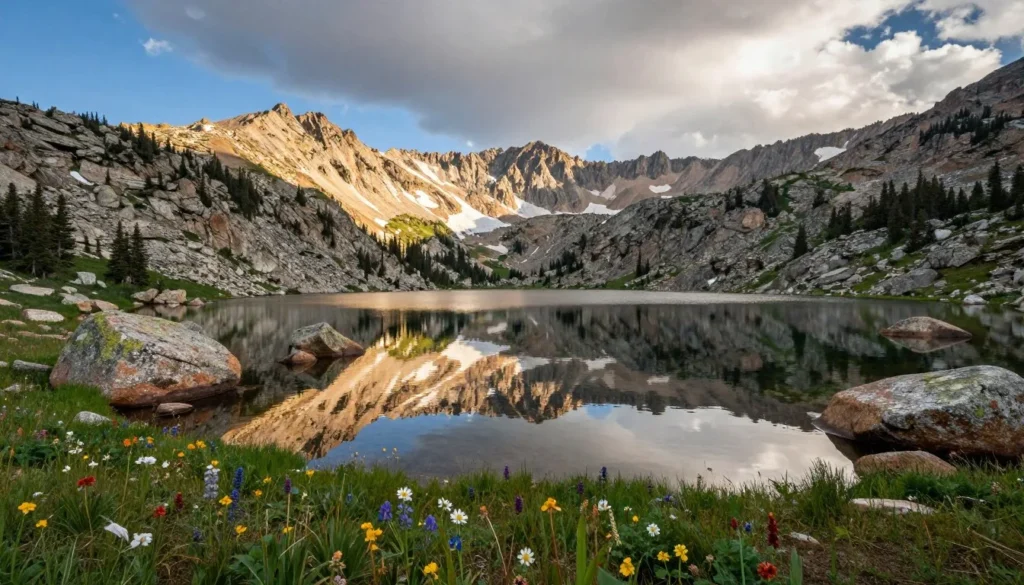
Wild Basin contains numerous trails extending beyond Ouzel Falls. These paths lead deeper into Rocky Mountain National Park’s backcountry.
Thunder Lake
The trail continues past Ouzel Falls to Thunder Lake, adding another 4.8 km (3.0 miles) and 274 m (900 feet) of elevation gain. This alpine lake sits in a cirque surrounded by steep mountain walls. The total distance from the trailhead reaches 9.1 km (5.7 miles) one way.
Most hikers visit Thunder Lake as an overnight backpacking trip. The extra distance and elevation make a long day hike. Backcountry campsites near the lake require permits.
Bluebird Lake
Another trail branches from the Ouzel Falls route toward Bluebird Lake. This spectacular alpine lake requires a strenuous 10.9 km (6.8 mile) hike with 823 m (2,700 feet) of elevation gain. The effort rewards hikers with stunning mountain scenery and relative solitude.
Bluebird Lake makes an excellent overnight destination. The basin offers exceptional camping and photography opportunities. Snow often lingers here until July.
Wildlife Viewing
Rocky Mountain National Park hosts diverse wildlife. Early morning and evening offer the best viewing opportunities when animals are most active.
Elk frequently graze in meadows throughout the park. Fall brings the rutting season when bull elk bugle to attract mates. This spectacle draws crowds to popular viewing areas. Wild Basin sees fewer elk than other park regions but still offers occasional sightings.
Mule deer browse in forests and clearings. These adaptable animals often seem unconcerned by hikers. Maintain a respectful distance and never attempt to feed wildlife.
Black bears inhabit Rocky Mountain National Park, though sightings remain relatively rare. Make noise while hiking to avoid surprising bears. Store all food properly both on the trail and at campsites.
Bird species include Steller’s jays, Clark’s nutcrackers, mountain chickadees, and the American Dipper that gives Ouzel Falls its name. The dipper’s remarkable ability to walk underwater makes it fascinating to watch near streams and waterfalls.
Photography Opportunities
Ouzel Falls and the Wild Basin area provide outstanding photography subjects. The waterfall itself photographs best from multiple angles. Morning light illuminates the falls and surrounding forest beautifully.
Wildflowers bloom along the trail from late June through August. Calypso orchids appear near Calypso Cascades in early summer. Higher elevations display alpine wildflowers including columbines, paintbrush, and lupine.
The regenerating forest from the 1978 fire creates interesting compositions. Standing dead trees contrast with new growth, illustrating natural recovery processes. This area tells a visual story of resilience and renewal.
Mountain peaks visible from various trail points make dramatic backgrounds. Copeland Mountain and Mount Meeker frame views from different sections of the hike.
Museums, Cultural Spots & Festivals

Estes Park Cultural Attractions
While Wild Basin emphasizes natural beauty, nearby Estes Park offers cultural experiences complementing outdoor adventures.
Estes Park Museum
This local history museum chronicles the area’s development from Native American presence through homesteading to modern tourism. Exhibits include artifacts from early settlers, historic photographs, and displays about Rocky Mountain National Park’s creation.
The museum occupies the historic old fish hatchery building. Admission is free, though donations support ongoing operations. Hours vary seasonally.
MacGregor Ranch Museum
This working cattle ranch opened in 1873 and continues operating today. Tours showcase ranch life spanning 150 years. The main house preserves original furnishings and family belongings. The property borders Rocky Mountain National Park, providing views of Longs Peak and surrounding mountains.
Guided tours operate during summer months. The ranch hosts special events including stargazing programs and nature walks.
The Stanley Hotel
Famous as Stephen King’s inspiration for “The Shining,” this grand hotel opened in 1909. Historic tours explore the building’s architecture and ghost stories. The hotel maintains its original character while functioning as an active luxury resort.
Multiple tour options range from basic history to extended paranormal investigations. Night tours emphasize the hotel’s reputation for supernatural activity.
Art Galleries
Estes Park has numerous galleries featuring Colorado artists. Images of Rocky Mountain National Park dominate many collections. Landscape photography, wildlife art, and mountain scenes appeal to visitors seeking mementos.
Art in the Park happens each summer, transforming Bond Park into an outdoor gallery. Juried artists display paintings, sculptures, jewelry, and crafts. This three-day event draws artists and buyers from throughout Colorado.
Seasonal Events
Beyond the festivals mentioned earlier, Estes Park hosts concerts, theater performances, and special events throughout the year. The summer season brings weekly concerts in Performance Park. Local theater companies present plays and musicals.
Christmas season transforms Estes Park with extensive light displays, caroling, and holiday markets. The catch-and-release trout pond becomes a winter wonderland setting.
Nature & Outdoor Experiences
Additional Hiking Options
Rocky Mountain National Park contains over 563 km (350 miles) of trails. Wild Basin provides access to several besides the Ouzel Falls route.
Sandbeach Lake
This trail branches from the main Wild Basin path before Calypso Cascades. The 6.9 km (4.3 mile) hike gains 594 m (1,950 feet) reaching a beautiful alpine lake. Fewer hikers attempt this route, providing more solitude than Ouzel Falls.
Finch Lake
Accessible from Allenspark, this trail offers an alternative entry to Wild Basin. The 7.4 km (4.6 mile) route passes through forest to reach Finch Lake, another scenic backcountry destination. The trail continues to Pear Reservoir for those seeking more distance.
Check 30,000+ Local Sightseeing Tours Worldwide
✓ Numerous languages and currencies are available
Rock Climbing
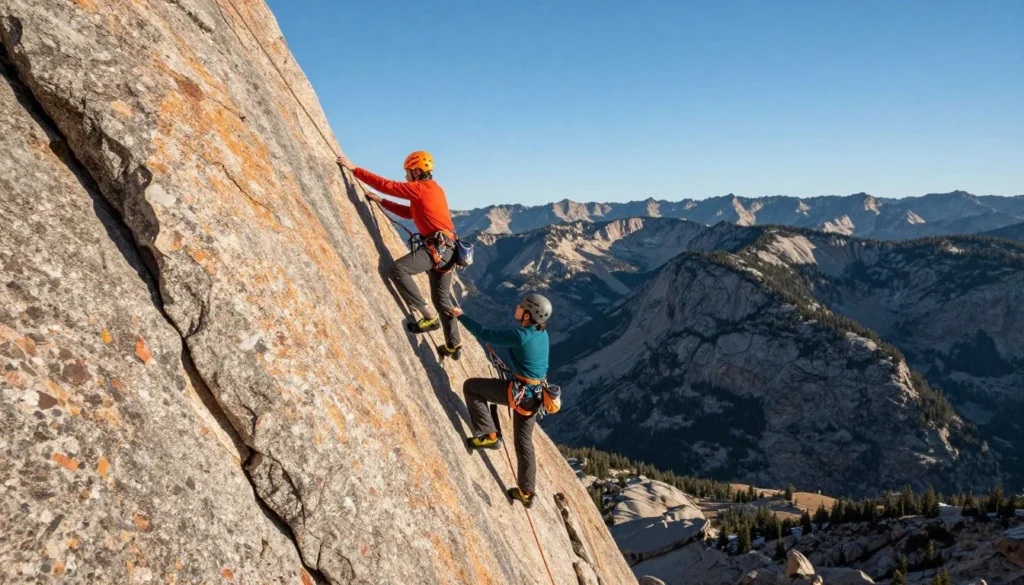
Rocky Mountain National Park attracts climbers worldwide. Longs Peak, the park’s highest summit at 4,346 m (14,259 feet), challenges experienced mountaineers. The standard Keyhole Route requires route-finding skills and comfort with exposure.
Lumpy Ridge, visible from Estes Park, contains world-class rock climbing routes. The area features granite formations with cracks and faces suitable for various skill levels. Local guide services offer instruction and guided climbs.
Fishing
Colorado Parks and Wildlife manages fishing in Rocky Mountain National Park. All anglers need valid Colorado fishing licenses. The park has special regulations including catch-and-release requirements for certain species and waters.
North St. Vrain Creek in Wild Basin contains brook and cutthroat trout. These fish remain small due to the cold, nutrient-poor water. Fishing success varies but the scenic setting makes the effort worthwhile.
Larger lakes like Bear Lake and Dream Lake also offer fishing opportunities. These popular areas see heavy pressure, making fish more challenging to catch.
Winter Activities
Snow transforms Rocky Mountain National Park into winter wilderness. Wild Basin attracts snowshoers and backcountry skiers seeking solitude.
The trail to Ouzel Falls becomes a snowshoe route in winter. Snow depth varies from 61 cm to 244 cm (2 to 8 feet) depending on elevation and aspect. The waterfall freezes partially, creating ice formations alongside flowing water.
Avalanche danger exists in certain areas of Wild Basin. Check conditions before winter trips and avoid steep slopes after heavy snowfall. Proper equipment and avalanche knowledge are essential for winter backcountry travel.
Cross-country skiing works on flatter sections of the Wild Basin Road and lower trails. Steeper sections require snowshoes for better traction.
Horseback Riding
Wild Basin permits horses on some trails. Stock users must follow specific regulations regarding where they can ride and camp. The trails to Ouzel Falls and beyond accommodate horses, though few people use this option.
Several stables near Estes Park offer guided trail rides. These typically explore other areas of the park more accessible from town. Rides range from one hour to full-day adventures.
Safety, Etiquette & Local Customs
Altitude Considerations
Wild Basin sits at 2,591 m (8,500 feet) elevation, with Ouzel Falls at approximately 2,743 m (9,000 feet). This altitude affects everyone differently. Common symptoms of altitude sickness include headaches, nausea, fatigue, and shortness of breath.
Spend a day or two at elevation before attempting strenuous hikes. Drink extra water to combat dehydration. Avoid alcohol during the first 24 hours at altitude. Take frequent breaks while hiking to let your body adjust.
Severe altitude sickness requires immediate descent. If symptoms worsen despite rest, return to lower elevation and seek medical attention.
Weather Hazards
Lightning poses the most serious weather danger in Rocky Mountain National Park. Summer afternoon thunderstorms develop rapidly. Lightning seeks high points, exposed ridges, and tall objects like trees and people.
Start hikes early to return before noon when storms typically develop. Watch for building clouds. If thunder sounds, count seconds until you see lightning. Divide by five to estimate distance in miles (or divide by three for kilometers). Seek shelter when storms approach within 6 km (4 miles).
If caught in the open during lightning, avoid high points, isolated trees, and bodies of water. Crouch low with feet together, minimizing ground contact. Never lie flat. Move to lower elevation as quickly as safely possible.
Hypothermia can occur even in summer. Wet clothing in windy conditions quickly drops body temperature. Pack rain gear and extra layers. Change into dry clothes if you get wet. Eat regularly to maintain energy.
Wildlife Safety
View all wildlife from safe distances. National Park Service regulations require staying at least 37 m (120 feet) from elk and deer, and 91 m (300 feet) from bears and mountain lions. These distances protect both animals and visitors.
Never feed wildlife. Human food harms animals’ health and encourages dangerous behavior. Animals that become food-conditioned often must be relocated or euthanized.
If you encounter a bear, stay calm. Don’t run. Make yourself appear larger by raising your arms. Back away slowly while facing the bear. Speak in calm, low tones. Bear attacks remain extremely rare in Rocky Mountain National Park.
Mountain lions inhabit the park but avoid humans. If you see one, maintain eye contact. Don’t crouch or run. Make noise and appear large. Fight back aggressively if attacked.
Emergency Contacts
Call the Rocky Mountain National Park Emergency Dispatch number above for urgent situations requiring ranger response. Cell phone coverage works in some areas of Wild Basin but remains unreliable. Don’t depend on being able to call for help from the trail.
Leave No Trace Principles
Rocky Mountain National Park requires visitors to follow Leave No Trace ethics. These principles protect wilderness character for future generations.
- Pack out all trash, including food scraps, wrappers, and toilet paper
- Stay on designated trails to prevent erosion and protect vegetation
- Keep dogs leashed where permitted (note: pets are not allowed on most park trails)
- Respect wildlife by observing from a distance without approaching or feeding
- Minimize campfire impact by using established rings and keeping fires small
- Leave natural objects like rocks, flowers, and artifacts undisturbed
Trail Etiquette
Uphill hikers have right-of-way on narrow trails. Step aside to let them pass without breaking their rhythm. When passing others, announce yourself politely from behind rather than startling them.
Keep noise levels down. Many people hike for peace and solitude. Loud conversations and music disrupt the wilderness experience for others. Use headphones if you must listen to music.
Take photos without blocking the trail or viewpoints. Be patient waiting for others to finish. Popular spots like Ouzel Falls get crowded during peak times. Everyone deserves their chance for photos.
Bathroom Facilities
Vault toilets serve the Wild Basin trailhead parking lot. No facilities exist along the trail to Ouzel Falls. Plan accordingly before starting your hike.
If nature calls on the trail, move at least 61 m (200 feet) from water sources and the trail. Dig a small hole 15-20 cm (6-8 inches) deep. Pack out used toilet paper in a plastic bag. Some hikers carry compact trowels for this purpose.
Visitor Comments About Ouzel Falls
“The hike to Ouzel Falls exceeded our expectations. We started early and had Calypso Cascades practically to ourselves. The trail through the burned area fascinated us – seeing new forest growing among the old trees really illustrated nature’s resilience. The falls themselves were beautiful, though smaller than we expected. Still totally worth the effort for the overall experience and gorgeous scenery throughout the hike.”
“Wild Basin offers everything I want in a Rocky Mountain hike without the crowds of Bear Lake area. The trail surface is excellent, well-maintained but still feeling wild. We saw several deer and countless birds including the dipper at Copeland Falls. Bringing layers was essential – started out cold but warmed up quickly. The waterfall viewing area lets everyone find their spot for photos. Already planning to come back and continue to Thunder Lake next time.”
“As someone not used to high altitude, this hike challenged me more than anticipated. We took it slow with frequent breaks and reached the falls without problems. The elevation gain feels steady rather than steep sections, which helped pace the climb. Starting at 7 AM meant we avoided most crowds and afternoon weather. The scenery constantly changes as you climb, keeping the hike interesting. Don’t skip Copeland Falls on the way – it’s worth the quick detour and gives your legs a warm-up.”
Additional Nearby Destinations
Within Rocky Mountain National Park
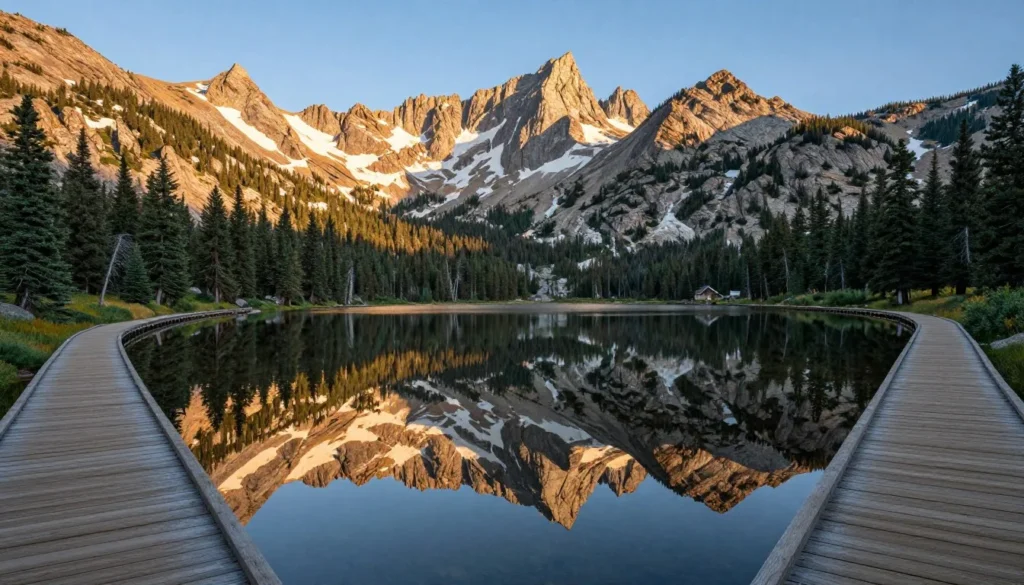
Rocky Mountain National Park offers countless destinations beyond Wild Basin. These popular areas provide different perspectives on the park’s diverse environments.
Bear Lake Area
Bear Lake sits at 2,880 m (9,450 feet) elevation on the park’s east side. A paved loop trail circles the lake in less than one mile, making it accessible to almost everyone. From Bear Lake trailhead, paths lead to Dream Lake, Emerald Lake, and many other alpine destinations.
This area gets extremely crowded during summer. The park operates a mandatory shuttle system from the Park & Ride. Arrive before 7 AM if you want to drive directly to Bear Lake.
Trail Ridge Road
This scenic highway crosses Rocky Mountain National Park from east to west. The road climbs to 3,713 m (12,183 feet), higher than any other continuously paved road in the United States. The alpine tundra ecosystem visible from Trail Ridge exists nowhere else at this latitude.
Trail Ridge Road typically opens by Memorial Day and closes by mid-October depending on snow. Weather above treeline changes rapidly. The Alpine Visitor Center at Fall River Pass provides information and spectacular views.
Longs Peak
Colorado’s northernmost fourteener dominates the southern skyline from many park viewpoints. The standard Keyhole Route requires 12-15 hours and covers 24 km (15 miles) round trip with 1,542 m (5,100 feet) elevation gain.
Most Longs Peak attempts start between midnight and 3 AM to summit and descend before afternoon thunderstorms. The route requires scrambling skills and comfort with exposure. Success rates drop as summer progresses due to weather and snowpack conditions.
Beyond the Park
Indian Peaks Wilderness
This wilderness area borders Rocky Mountain National Park’s southern boundary. The landscape resembles the park with jagged peaks, alpine lakes, and extensive trail systems. Popular trailheads include Brainard Lake and Hessie.
Indian Peaks requires permits for overnight camping and timed entry reservations for day use at certain trailheads during summer. The wilderness offers excellent alternatives when park trails feel too crowded.
Grand Lake
This mountain town on the park’s west side provides a different base camp option. Grand Lake itself offers boating, fishing, and swimming. The town has a historic boardwalk, restaurants, and lodging.
The drive from Estes Park to Grand Lake via Trail Ridge Road takes about two hours when the road is open. The western approach to Rocky Mountain National Park receives less visitation than the east side.
Boulder
This college town sits 64 km (40 miles) southeast of Estes Park. Boulder offers excellent restaurants, shopping, and cultural attractions. The Flatirons, distinctive rock formations, create Boulder’s iconic backdrop.
Boulder has extensive hiking trails in its open space system. The city’s outdoor recreation culture, craft breweries, and food scene make it worth a day trip or overnight stay.
Rocky Mountain Arse
This small mountain town northeast of Estes Park retains authentic western character. Rocky Mountain Arsenal National Wildlife Refuge near Denver provides wildlife viewing closer to the Front Range urban corridor.
Practical Travel Tips
What to Pack
Proper gear makes the difference between an enjoyable hike and a miserable experience. Colorado mountain weather changes rapidly, requiring preparation for various conditions even during summer.
Essential Items
- Water – At least 1 liter per person, more in hot weather or for longer hikes
- Food – High-energy snacks and lunch for longer trips
- Layers – Base layer, insulating layer, waterproof shell
- Sun protection – Sunscreen SPF 30+, sunglasses, wide-brimmed hat
- First aid kit – Bandages, pain reliever, blister treatment, personal medications
- Navigation – Trail map, compass or GPS device
- Emergency items – Whistle, flashlight or headlamp, emergency blanket
- Trekking poles – Helpful for knee stability on descents
Footwear
Sturdy hiking boots or trail shoes with good tread prevent slips on rocky sections. Break in new footwear before your trip to avoid blisters. Bring moleskin or athletic tape for blister prevention and treatment.
Money and Payments
Rocky Mountain National Park charges entrance fees payable by cash or card at entrance stations. The Wild Basin entrance typically operates as self-pay when not staffed. Bring exact change or a credit card for the automated system.
No services exist within Wild Basin, so you won’t need money on the trail. Estes Park businesses accept credit cards widely, though small vendors may prefer cash. ATMs are available throughout town.
Cell Phone Coverage
Cell phone service in Wild Basin is unreliable. Some providers work at the trailhead while others get no signal. Coverage generally improves near Estes Park but remains spotty in mountain valleys.
Download offline maps before your trip. Take photos of trail maps and important information. Tell someone your hiking plans and expected return time rather than relying on ability to call for help.
Photography Tips
Morning light illuminates Ouzel Falls best. The falls face roughly east, receiving direct sun in early morning. Afternoon light creates harsh shadows and contrast that challenges cameras.
Bring a polarizing filter to reduce glare from water and wet rocks. A tripod helps capture flowing water with longer exposures, creating the silky effect popular in waterfall photography.
Protect camera gear from moisture near waterfalls. Spray from the falls can wet equipment. Keep backup batteries warm – cold temperatures drain battery life quickly.
Accessibility
The trail to Ouzel Falls is not wheelchair accessible. The path has significant elevation gain, rocky sections, and narrow passages. Copeland Falls, just 0.5 km (0.3 miles) from the trailhead with much less elevation gain, provides a more accessible waterfall option.
Visitors with mobility limitations might explore the Wild Basin Road on foot or by vehicle. The road itself offers pleasant valley views without trail hiking. Several pullouts provide opportunities to stop and enjoy scenery.
Best Resources
Contact Wild Basin Ranger Station at the number above for current trail conditions, weather forecasts, and backcountry camping information. Rangers provide the most up-to-date and accurate information about Wild Basin conditions.
The Rocky Mountain National Park website offers trip planning resources, permit reservations, and current alerts. Check conditions before departing, especially regarding afternoon thunderstorm forecasts.
When to Avoid
Summer weekends from July through August bring peak crowds. Parking lots fill by 8 AM or earlier. Consider visiting midweek or during shoulder seasons for a more peaceful experience.
Afternoon hours between noon and 5 PM carry the highest thunderstorm risk during summer. Plan to finish hikes by early afternoon when possible.
Early October through late May presents winter conditions. Snow covers trails, and specialized equipment becomes necessary. Winter hiking in Rocky Mountain National Park requires experience with navigation, avalanche awareness, and cold-weather survival skills.
Your Wild Basin Adventure Awaits
Ouzel Falls represents everything special about Rocky Mountain National Park – dramatic waterfalls, diverse wildlife, recovering forests, and the raw beauty of Colorado’s high country. The moderate hike rewards visitors with spectacular scenery while remaining accessible to most fitness levels. Whether you complete the relatively short trip to Copeland Falls or continue all the way to Thunder Lake, Wild Basin offers authentic mountain experiences away from the busiest park areas.
The changing seasons transform this landscape throughout the year. Summer wildflowers carpet meadows near Calypso Cascades. Fall aspens paint golden accents against evergreen forests. Winter snow creates a pristine wilderness for those equipped to explore it. Each visit reveals something new about these resilient mountain ecosystems.
Start planning your Ouzel Falls adventure today. Reserve your timed entry permit early, pack appropriate gear, and prepare for the elevation. The trail and waterfall are waiting to show you why Wild Basin remains a treasured corner of Rocky Mountain National Park. Your mountain memories begin here.