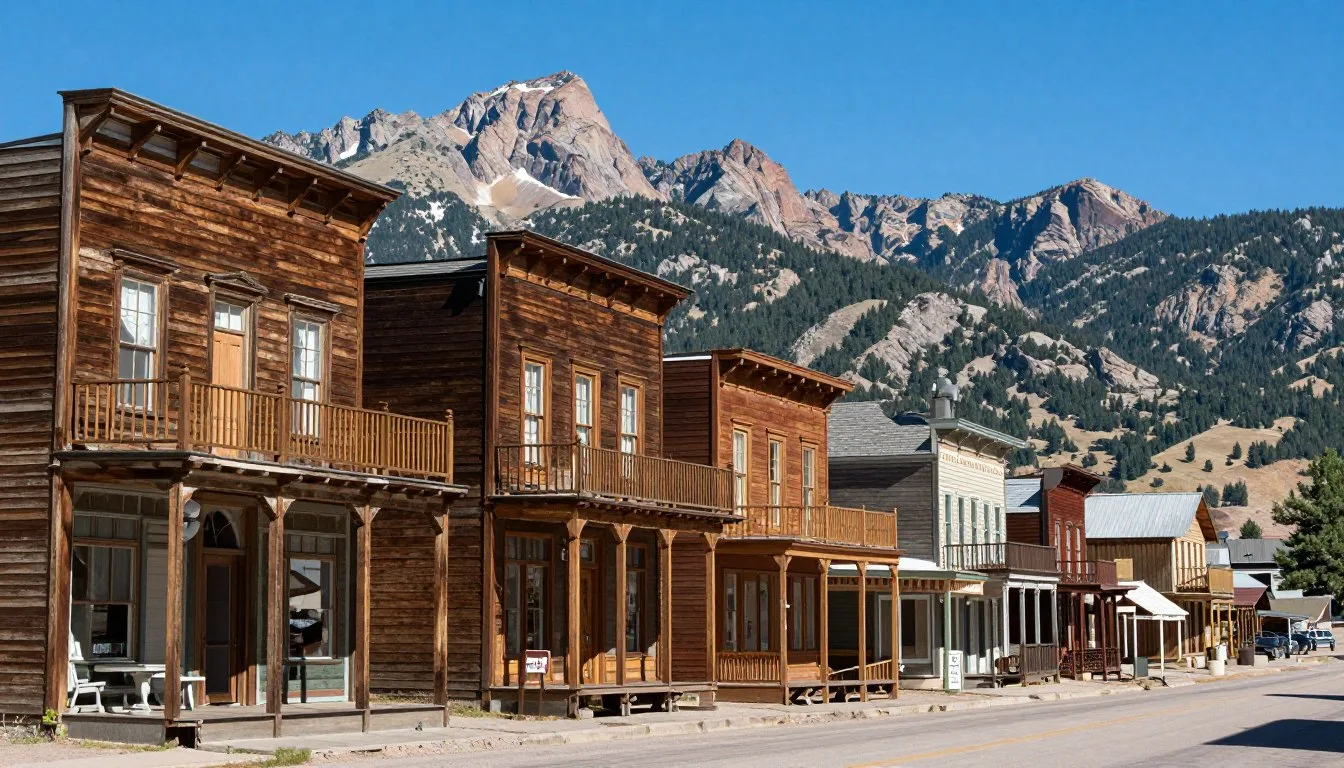

Hotels by Trip.com
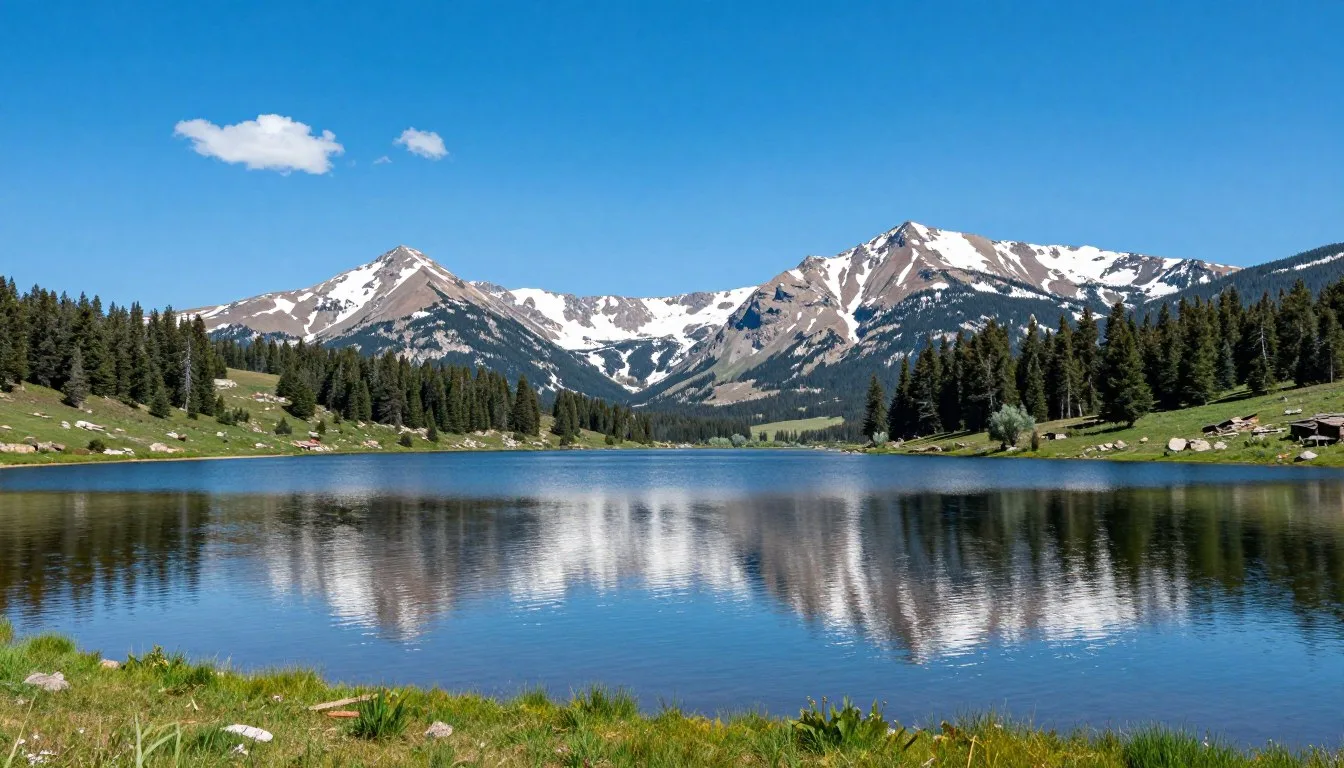
Flights by Trip.com
Here’s something that puzzles geologists and travelers alike: Paradox Valley got its unusual name because the Dolores River flows across the valley instead of along it. This geological oddity defies expectations. Most rivers run parallel to valleys, but not here. The river carved through ancient salt deposits in a perpendicular course. This creates one of nature’s most fascinating contradictions.
Nestled in western Colorado’s remote canyon country, Paradox Valley Semi-Desert Basin offers something rare. You’ll find towering sandstone cliffs, deep river canyons, and vast semi-desert landscapes. Few tourists venture to this area. That makes it perfect for adventurers seeking solitude.
This travel guide provides everything you need to explore Paradox Valley. You’ll discover hidden spots, practical tips, and local insights. The valley area spans roughly 25 miles from north to south. Ancient rock layers tell stories millions of years old.
Getting There & Planning Your Journey
Reaching Paradox Valley requires some planning. The area sits in a remote part of western Colorado. Most visitors fly into nearby airports and drive from there.
Closest Airports
Grand Junction Regional Airport (GJT) is your best option. It’s about 97 km (60 miles) northeast of Paradox Valley. The drive takes roughly 90 minutes. This airport offers daily flights from major hubs. You’ll find car rental services right at the terminal.
Montrose Regional Airport (MTJ) is another choice. It sits about 113 km (70 miles) to the southeast. The drive takes around two hours. This route offers stunning mountain views along the way.
Denver International Airport (DEN) serves as a third option. It’s 483 km (300 miles) away. This makes for a long but scenic drive across Colorado. Plan for at least five hours of travel time.

Travel Planning Assistance
For road condition updates and travel information, contact the Colorado Department of Transportation at +1 (303) 639-1111. They provide current highway conditions year-round.
Driving Directions
From Grand Junction, take Highway 141 south through Gateway. Continue to Highway 90 west. This route follows the Dolores River canyon. The views are spectacular. Allow extra time for photo stops.
The roads are paved but winding in places. Watch for wildlife crossing, especially at dawn and dusk. Cell phone service becomes spotty once you leave Gateway. Download maps before you go.
Best Time to Visit & Weather Tips
Best Time to Visit Paradox Valley
Spring and fall offer ideal conditions for visiting. April through May brings mild temperatures and wildflower blooms. September through October delivers comfortable weather and stunning autumn colors.
Check 30,000+ Local Sightseeing Tours Worldwide
✓ Numerous languages and currencies are available
Spring temperatures range from 10°C to 21°C (50°F to 70°F). This makes hiking pleasant. The valley area comes alive with desert wildflowers. Precipitation is moderate during these months.
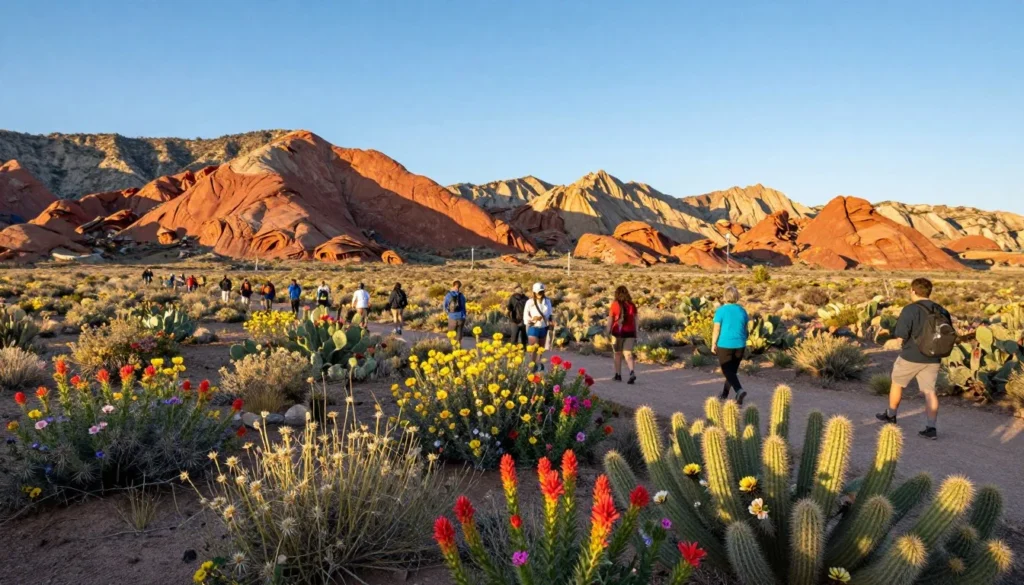
Fall brings cooler temperatures between 7°C and 18°C (45°F to 65°F). The cottonwood trees along the Dolores River turn golden. This creates beautiful contrast against red sandstone cliffs. The weather is generally stable with little rain.
Months to Avoid
Summer (June through August) can be extremely hot. Temperatures often exceed 32°C (90°F). The valley floor has little shade. Heat exhaustion becomes a real concern. If you visit in summer, plan activities for early morning or evening.
Winter (December through February) brings cold temperatures and occasional snow. Many side roads become impassable. Services in the area are limited. The valley looks beautiful in winter, but access can be challenging.
Weather Preparation
Desert weather changes quickly. Temperatures can swing 17°C (30°F) between day and night. Pack layers regardless of season. Bring sun protection year-round. The high desert sun is intense at this elevation.
Notable Annual Festivals
The Paradox Valley area hosts a few local events each year. These celebrations connect you with the community. Most events are small and authentic.

Paradox Valley Community Gathering
This annual event happens each September. Local ranchers, artists, and residents come together. There’s live music, local food, and craft vendors. It’s held at the Paradox Valley Store parking area. The gathering typically occurs on the third Saturday of September.
For event dates and details, contact the Paradox Valley Store at +1 (970) 859-7306.
Gateway Heritage Festival
Gateway sits just north of Paradox Valley. This town hosts a heritage festival each June. The event celebrates local history and outdoor recreation. There are guided hikes, historical presentations, and local art displays.
The festival runs for one weekend, usually mid-June. It’s a great way to learn about the area’s mining and ranching heritage.
West End Artists Studio Tour
This self-guided tour happens each October. Local artists open their studios across the region. Several artists live in or near Paradox Valley. You can meet painters, sculptors, and photographers. The tour is free and runs over two weekends.
Getting Around Locally
A personal vehicle is essential for exploring Paradox Valley. Public transportation doesn’t exist in this remote area. The valley stretches for miles with attractions spread far apart.

Highway 90 runs through the valley. This paved road is suitable for any vehicle. However, many side roads require high clearance. Some roads need four-wheel drive, especially after rain or snow.
Road Conditions
Main roads are generally well-maintained. Side roads can be rough. Check current conditions before heading out on dirt roads. Flash floods can wash out roads during storm season.
The Paradox Valley Store serves as the local information hub. Stop there for current road conditions and local tips. Fill your gas tank in Gateway or Naturita before entering the valley. The nearest gas stations are miles away.
Navigation Tips
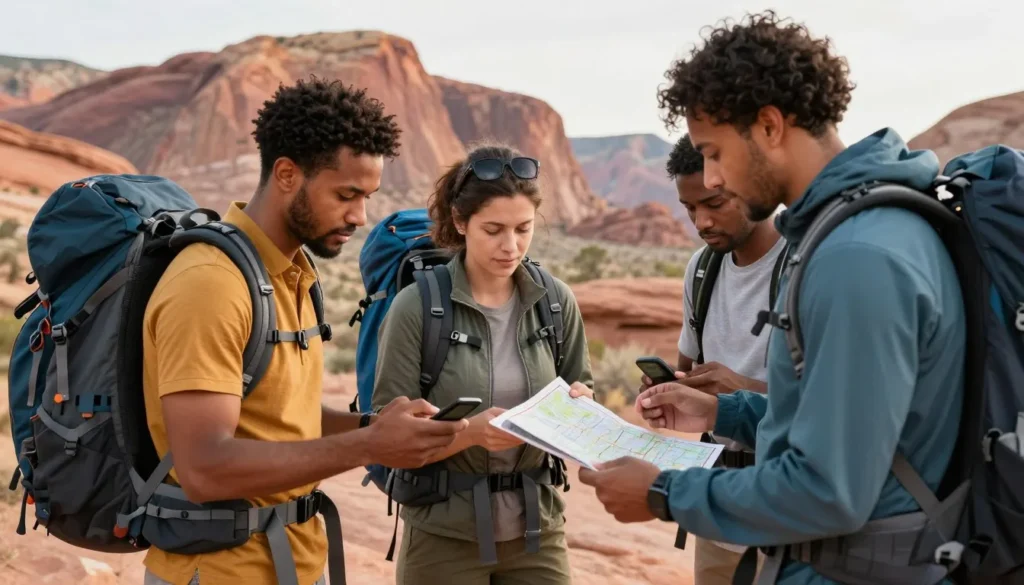
Download offline maps before your visit. Cell service is unreliable throughout most of the valley. GPS coordinates work better than street addresses here. Carry a paper map as backup.
Watch for cattle on roads. Open range grazing is common. Drive carefully, especially at dawn and dusk. Wildlife including deer, elk, and occasional bears cross roads frequently.
Where to Stay
Lodging options in Paradox Valley are limited but charming. Most visitors stay in nearby towns or camp in the area. Book accommodations well in advance during peak season.
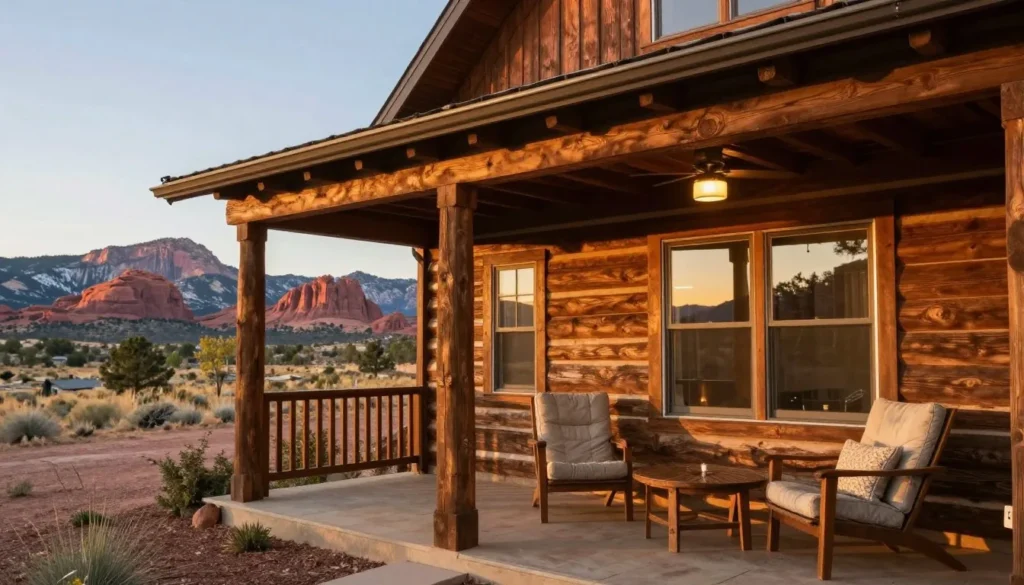
Gateway Canyons Resort
This upscale resort sits 24 km (15 miles) north in Gateway. It offers luxury casitas and hotel rooms. The resort features fine dining, a spa, and guided tours. It’s the most comfortable option near the valley.
Rooms come with modern amenities. The resort arranges private tours of the area. Prices are premium but include exceptional service and facilities.
Camping Options
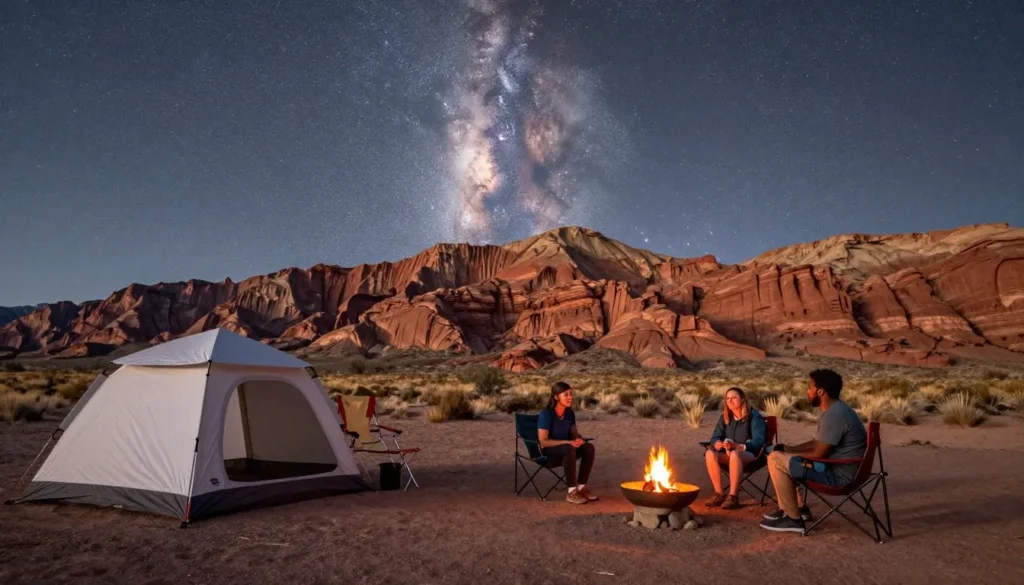
Camping is popular in Paradox Valley. Several established campgrounds dot the area. La Sal Creek Campground offers basic sites along the creek. It’s a peaceful spot with no hookups.
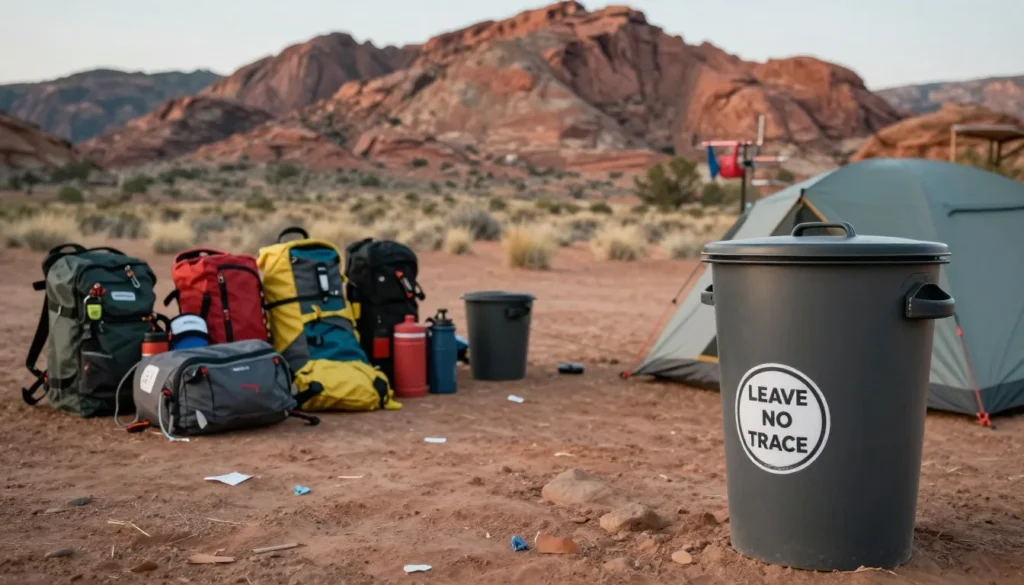
Dispersed camping is allowed on public lands. Follow Leave No Trace principles. Camp at least 61 m (200 feet) from water sources. Fire restrictions apply during dry seasons. Check current regulations before camping.
Nearby Towns
Naturita sits 32 km (20 miles) south. This small town offers budget motels and basic amenities. Bedrock, another tiny community, has limited options. Nucla, further south, provides additional lodging choices.
For more selection, stay in Norwood or Telluride. These towns are 64-80 km (40-50 miles) away. They offer various hotels, inns, and vacation rentals. You’ll have a longer drive to the valley each day.
Booking Assistance
For local lodging information and availability, contact the Naturita Chamber of Commerce at +1 (970) 865-2350.
Dining & Local Cuisine
Dining options in Paradox Valley itself are minimal. The Paradox Valley Store serves basic meals and snacks. It’s the heart of the community. You’ll find locals gathering here for coffee and conversation.

The store offers sandwiches, breakfast burritos, and homemade baked goods. Everything is made fresh daily. They also stock groceries, camping supplies, and local products. Hours can be irregular, so call ahead.
Nearby Dining
Gateway Canyons Resort has two restaurants. Paradox Grille serves upscale American cuisine. The Entrada Steakhouse specializes in premium beef. Both require reservations during peak season.
In Naturita, you’ll find family restaurants and a pizzeria. Options are casual and reasonably priced. The Mexican food at Rimrock Restaurant is popular with locals. They serve generous portions of traditional dishes.
Pack Your Own
Many visitors bring coolers with food and drinks. This is practical for day trips into the valley. Stock up in Grand Junction or Montrose before arriving. These cities have full grocery stores and restaurants.
Picnic sites along the Dolores River offer beautiful settings. Pack plenty of water. The dry climate increases fluid needs. Bring more water than you think necessary.
Attractions, Sightseeing & Activities
Paradox Valley offers stunning natural attractions. Most activities focus on outdoor exploration. The valley rewards those willing to venture off main roads.
Dolores River Canyon
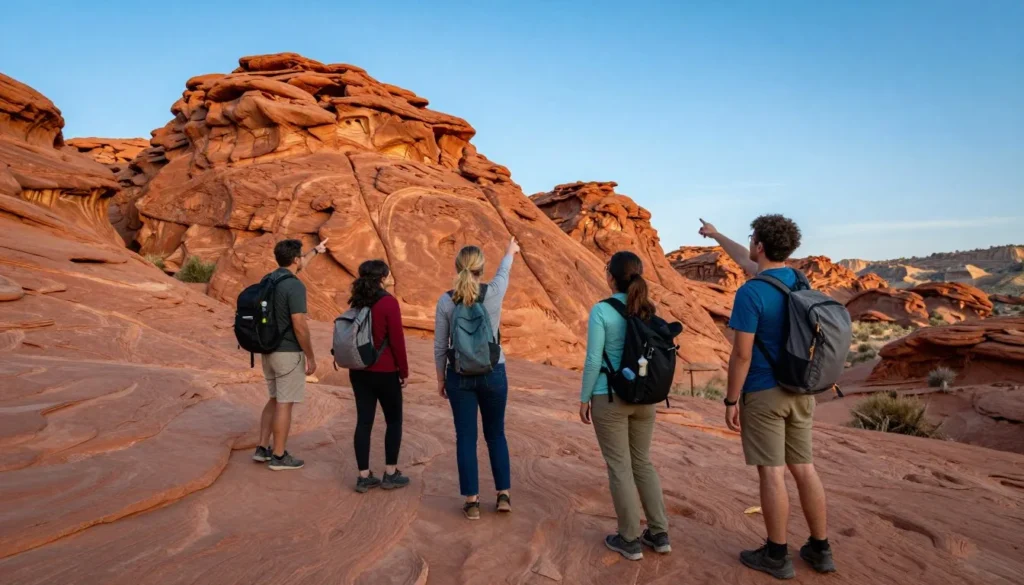
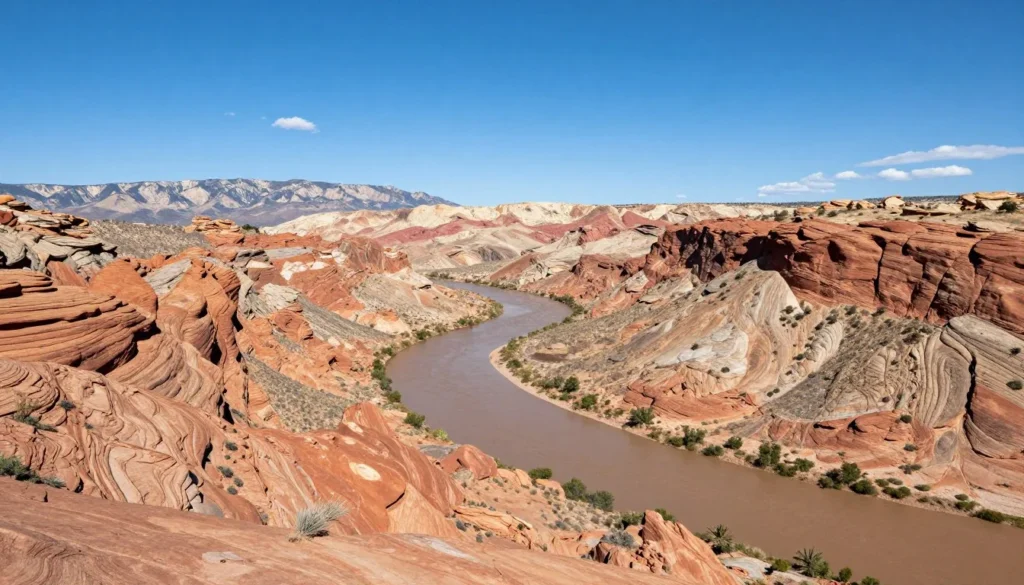
The Dolores River carved a spectacular canyon through the valley. Sheer sandstone walls rise hundreds of feet on both sides. The river provides opportunities for fishing, kayaking, and riverside hiking.
Several pullouts along Highway 141 offer canyon viewpoints. The colors change throughout the day as sunlight shifts across the cliffs. Early morning and late afternoon provide the best photography light.
Paradox Valley Overlook
A scenic overlook on the north side offers panoramic views. You can see the entire valley from this vantage point. The geological formations are clearly visible. Interpretive signs explain the area’s unique geology.
The overlook sits right off Highway 90. A short walk from the parking area brings you to the viewing platform. Bring binoculars to spot wildlife in the valley below.
Salt Creek
This tributary showcases the valley’s salt deposits. White salt crystals line the creek banks. The water tastes distinctly salty. This natural phenomenon demonstrates the ancient sea that once covered this area.
Access to Sal Creek requires a short hike from the road. The area is fragile, so stay on established paths. The salt formations are delicate and easily damaged.
Historic Sites
Old ranching cabins dot the valley. Some date back over a hundred years. Please respect private property. Many structures sit on private land. Observe from the road unless you have permission to explore.
Museums, Cultural Spots & Festivals
The Paradox Valley area has limited formal cultural venues. The history here is written in the landscape and preserved in small community spaces.

Gateway Auto Museum
Located in Gateway, this museum houses an impressive classic car collection. Over 60 vintage vehicles are on display. The collection includes rare European sports cars and American muscle cars.
The museum is part of Gateway Canyons Resort. Admission is free with advance registration. Call ahead to confirm hours and book tours. The collection changes periodically with rotating exhibits.
Local Art
Several artists live and work in the Paradox Valley area. Their studios offer a glimpse into creative life in remote Colorado. The October studio tour is the best time to visit multiple artists.
Look for local art at the Paradox Valley Store. They display works by regional painters and photographers. Prices are reasonable and sales directly support local artists.
Ranching Heritage
Ranching remains an active part of life here. Working cattle ranches operate throughout the valley. This heritage stretches back to the late 1800s. The landscape still shows remnants of early homesteads.
Respect ranchers’ privacy and property. Gates should be left as you found them. If a gate was closed, close it behind you. Open gates can be left open. This western etiquette is important in ranch country.
Nature & Outdoor Experiences
Outdoor recreation is the main draw to Paradox Valley. The semi-desert environment offers unique experiences. Activities range from casual nature walks to challenging backcountry adventures.
Hiking Trails
Formal trails are limited, but hiking opportunities abound. Many routes follow old ranch roads or game trails. La Sal Creek offers pleasant riparian walks. The creek provides shade and wildlife viewing.
Canyon rim hikes provide spectacular views. These routes require route-finding skills. Carry plenty of water and sun protection. Distances can be deceiving in open terrain. What looks close may take hours to reach.
Rock Climbing
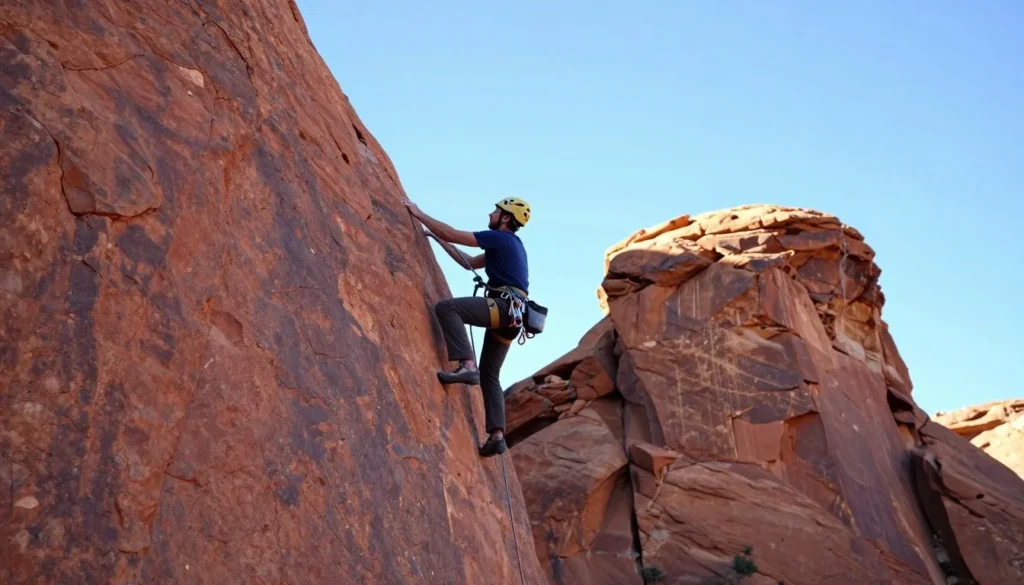
Sandstone cliffs attract climbers from around the world. The rock quality varies from excellent to poor. Local knowledge is valuable for finding the best routes. Many climbs are on private land. Respect access restrictions.
Popular climbing areas include walls near the Dolores River. Routes range from beginner to expert. The climbing season runs spring through fall. Summer heat makes climbing uncomfortable during midday.

Water Activities
The Dolores River offers seasonal kayaking and fishing. Spring runoff brings higher water levels. By summer, the flow decreases significantly. Check current water levels before planning river trips.
Fishing for trout is productive in spring and fall. The river holds brown and rainbow trout. A Colorado fishing license is required. Regulations specify certain stretches as catch-and-release only.
Wildlife Watching
The valley supports diverse wildlife. Mule deer are common throughout the area. Elk migrate through seasonally. Bighorn sheep inhabit rocky terrain near cliff faces.
Bird watching is excellent year-round. Golden eagles soar above cliffs. Peregrine falcons nest on canyon walls. Waterfowl frequent the river during migration. Spring and fall bring the greatest variety of species.

Check 30,000+ Local Sightseeing Tours Worldwide
✓ Numerous languages and currencies are available
Photography
Photographers find endless subjects in Paradox Valley. The landscape offers classic Southwest scenery. Red rocks contrast beautifully against blue skies. The geology creates dramatic compositions.
Early morning and late afternoon provide the best light. Midday sun washes out colors and creates harsh shadows. Sunset colors the cliffs in vibrant oranges and reds. Night photography reveals incredible star fields with minimal light pollution.
Desert Safety
Desert conditions require preparation. Carry at least 3 liters (1 gallon) of water per person per day. More is better during summer. Heat exhaustion and dehydration are serious risks. Start hikes early to avoid afternoon heat.
Safety, Etiquette & Local Customs
Visiting remote areas like Paradox Valley requires self-reliance. Services are far away. Cell phone coverage is spotty at best. Preparation prevents problems.
Emergency Preparedness
Tell someone your plans before heading into remote areas. Leave detailed itineraries with a friend or family member. Include expected return times. Carry a first aid kit and know how to use it.
Vehicle breakdowns can be serious in this isolated area. Bring spare tires, tools, and extra fuel. A satellite communication device provides peace of mind. The nearest hospital is 64 km (40 miles) away in Norwood.
Emergency Contacts
For emergencies, dial 911. The Montrose County Sheriff serves this area. Their non-emergency number is +1 (970) 249-9110. Response times can be lengthy due to distances involved.
Weather Hazards
Flash floods pose dangers during monsoon season. Summer thunderstorms develop rapidly. Never camp in dry washes or low-lying areas. If storms approach, seek higher ground immediately.
Lightning is a serious threat on exposed ridges and peaks. Afternoon thunderstorms are common in summer. Plan to be off high points by early afternoon. If caught in a storm, avoid tall isolated objects and don’t shelter under trees.
Wildlife Safety
Black bears occasionally roam the area. Store food properly when camping. Use bear-resistant containers or hang food away from camp. Never approach wildlife. Give animals plenty of space.
Rattlesnakes live throughout the valley. Watch where you place hands and feet. Most snake encounters happen when people don’t pay attention. Snakes want to avoid you as much as you want to avoid them.
Land Ownership Respect
Much of Paradox Valley is private property. Public lands include Bureau of Land Management (BLM) areas. Respect private property boundaries. Don’t cross fences or closed gates without permission.
Active ranching operations continue throughout the valley. Cattle have right of way on roads. Don’t disturb livestock. Close any gates you open. Leave gates as you found them.
Environmental Etiquette
Practice Leave No Trace principles. Pack out all trash including biodegradable items. Bury human waste at least 15 cm (6 inches) deep and 61 m (200 feet) from water sources. Use existing fire rings where campfires are allowed.
The desert ecosystem is fragile. Biological soil crusts take decades to form. Stay on established roads and trails. Avoid driving or walking on cryptobiotic soil. These living crusts prevent erosion and support plant life.
Visitor Comments About Paradox Valley
“The solitude and beauty of Paradox Valley exceeded all expectations. We camped along Sal Creek and didn’t see another soul for three days. The night skies were absolutely incredible. The geology is fascinating once you understand what you’re looking at. This place feels like stepping back in time to the Old West.”
“We stopped at Paradox Valley on our way to Moab and ended up staying two extra days. The Dolores River canyon is stunning. The locals at the valley store were so helpful with directions and tips. This area deserves more recognition but I’m also glad it stays quiet and uncrowded. Perfect for photographers and anyone seeking authentic Western landscapes.”
“As a geology teacher, Paradox Valley was like an outdoor classroom. The salt deposits, the unusual river course, the exposed rock layers—all incredible. My students loved learning about the valley’s geological paradox. The area is remote but absolutely worth the drive. Just be prepared for limited services and bring supplies.”
Additional Nearby Destinations
Paradox Valley sits near other remarkable destinations. Extend your trip to explore surrounding areas. Each place offers different experiences and landscapes.

Gateway
Just 24 km (15 miles) north, Gateway serves as the valley’s neighbor. The town offers upscale accommodations and dining. World-class rock climbing surrounds the area. The Dolores River offers rafting opportunities during spring runoff.
Unaweep Canyon
This geological wonder sits 48 km (30 miles) northeast. The canyon has two mouths instead of one. Water flows out both ends of the canyon. This unique feature puzzles geologists. The drive through Unaweep Canyon is spectacular.
Colorado National Monument
Located 80 km (50 miles) northeast near Grand Junction, this national monument showcases dramatic red rock formations. Rim Rock Drive offers breathtaking viewpoints. Hiking trails range from easy walks to challenging climbs. The visitor center provides educational exhibits.
La Sal Mountains
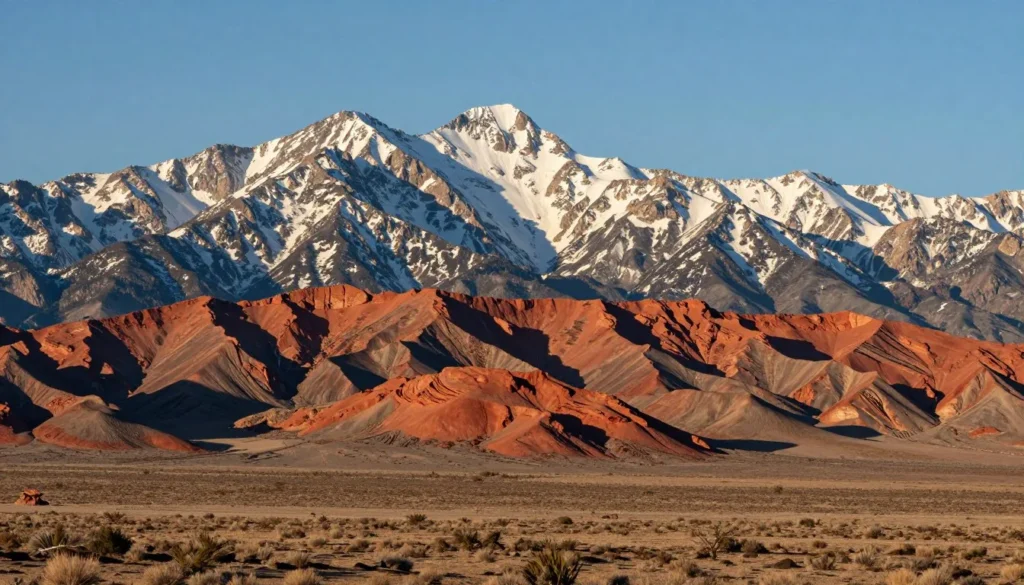
These mountains rise to the west near the Utah border. The peaks reach over 3,810 m (12,500 feet). Alpine forests contrast sharply with desert valleys below. Hiking, camping, and fall colors attract visitors. The views from high points are phenomenal.
Telluride
This famous mountain town lies 97 km (60 miles) southeast. Telluride offers world-class skiing in winter. Summer brings music festivals and outdoor recreation. The town retains Victorian-era charm. It’s a stark contrast to Paradox Valley’s remote character.
Moab, Utah
Moab sits 113 km (70 miles) west across the state line. This outdoor recreation hub provides access to Arches and Canyonlands National Parks. Mountain biking, rafting, and hiking are world-renowned. The town has restaurants, hotels, and outfitters.
Practical Travel Tips
These final tips help ensure a smooth visit to Paradox Valley. Small preparations make big differences in remote areas.

What to Pack
Bring layers of clothing regardless of season. Desert temperatures fluctuate dramatically. Mornings can be cold even in summer. Pack sun protection including hat, sunglasses, and high SPF sunscreen. The high-altitude sun is intense.
Carry more water than you think necessary. The dry climate and altitude increase dehydration risk. A wide-brimmed hat provides crucial shade. Sturdy hiking boots protect ankles on rocky terrain. Bring a headlamp or flashlight with extra batteries.
Money and Services
The Paradox Valley Store accepts cash and credit cards. However, bring cash as backup. ATMs don’t exist in the valley. The nearest bank is in Naturita. Cell phone payment apps won’t work without signal.
Gas up before entering the area. The nearest fuel is in Gateway, Naturita, or Nucla. Running out of gas here creates serious problems. Carry extra fuel if planning extensive exploration.
Communication
Don’t rely on cell phones. Coverage is extremely limited. Verizon offers the best coverage but it’s still spotty. Download offline maps and directions before arrival. Consider a satellite communication device for emergencies.
Let someone know your itinerary. Check in when you return to civilization. This simple precaution could save your life if something goes wrong.
Photography Tips
Bring extra memory cards and batteries. Opportunities for stunning shots appear constantly. The light changes throughout the day creating different moods. Sunrise and sunset provide the most dramatic colors on the sandstone cliffs.
Best Resources
Stop at the Paradox Valley Store for local information. The staff knows current conditions and can offer advice. They sell maps and basic supplies. This is your best source for real-time local knowledge.
The Bureau of Land Management office in Grand Junction provides information about public lands. They can help with camping permits and regulations. Download the BLM Colorado app for offline access to land information.
Location Map
Interactive map showing the location of Paradox Valley Semi-Desert Basin in western Colorado
Your Journey Awaits in Colorado’s Hidden Gem
Paradox Valley Semi-Desert Basin offers something increasingly rare—true solitude in spectacular natural surroundings. The towering cliffs, winding river canyons, and vast open spaces create experiences you’ll remember for years. This isn’t a place for luxury amenities or crowded attractions. It’s a destination for those who appreciate raw, unfiltered wilderness.
Whether you’re photographing ancient geology, hiking remote canyons, or simply sitting by the Dolores River watching the light change on sandstone walls, Paradox Valley delivers authentic Western adventure. The valley rewards preparation, respects those who tread lightly, and welcomes travelers seeking connection with wild places.
Start planning your trip today. Pack your sense of adventure along with plenty of water. The paradox that gives this valley its name will reveal itself as you explore. You’ll discover that sometimes the best destinations are those few people know about.